
Macau is a Special Administrative Region of the People’s Republic of China, located on the southwestern corner of Pearl River. It consists of a small narrow peninsula from the mainland province of Guangdong and the island of Taipa and Coloane, which are joined by an expanse of land that was reclaimed from the sea known as Cotai. Its name is derived from the Chinese Ama-gao, or “Bay of Ama”, from A-Ma, the patron goddess of sailors.
Just like Hong Kong, Macau benefits from the principle of “one country, two systems”. In April 1987, Portugal and China reached an agreement to return Macau to Chinese rule in 1999, using the Hong Kong Joint Declaration between Britain and China as a model. They agreed to provisions under the Basic Law that would ensure the autonomy of Macau for 50 years after the start of Chinese rule.
Known as the “Vegas of the East”, the city is filled with many casinos in both Peninsula and Cotai Strip. It has become the most important component of Macau’s overall economy. Due to the Portuguese occupation for more than 400 years, many churches and historical buildings were built under the influence of Chinese and Western architectural design.
Getting There
Macau International Airport (Airport Code: MFM) is the city’s airport, situated at the eastern end of Taipa Island. Travelers coming from Hong Kong can either take a HKMO Express Bus from the Element or a ferry from Hong Kong International Airport Terminal 1, Hong Kong Island or Kowloon to Macau Taipa Ferry Terminal in Taipa or Macau Outer Harbour to the Peninsula.
Getting Around
If you are staying in Sands Cotai Central, Venetian, Parisian or nearby in Cotai Strip, do make full use of their free shuttle buses provided from the airport or jetty and they will pick up passengers every 10- 25 minutes. You do not need to be a hotel guest, so just hop on when the bus arrives (More details). The Cotai Connection also allows you to connect with other hotels on the island including MGM, Wynn Palace, Galaxy, Studio City, and City of Dreams, which comes every 15- 25 minutes between 11.30 am to 9.30 pm.
There are also free shuttle buses to the Peninsula, however, you need to make a stop at Sands Cotai Central, Venetian or Taipa Ferry Terminal before switching to another shuttle bus to Sands Macao. Passengers can also take a shuttle bus from Outer Harbour to the Sands Hotel and other hotels in the Cotai Strip.
All public buses in the city cost between MOP5 -6, making them the cheapest and most reliable transportation. Taxis are also widely available with a flag-fall charge of MOP 19 for the first 1.6 kilometers and MOP 2 for every 260 meters thereafter.
Best Time to Visit
Macau has warm and rainy weather conditions with an obvious division between the humid and dry seasons due to its coastal location. Spring falls between April and June, summer between July and September, autumn between October and December, and winter between January and March. The ideal time to visit Macau is autumn when the weather is not too hot or cold, less rain, and no typhoons.
Best Things to do for 3 Days in Macau
My trip to Macau was during the autumn period in November with perfect weather and no rain. Most of the highlights in Cotai Island and Peninsula were covered during my 3-day visit. So, here’s the start off with the things to do in Macau.
Our Lady of Carmo Church
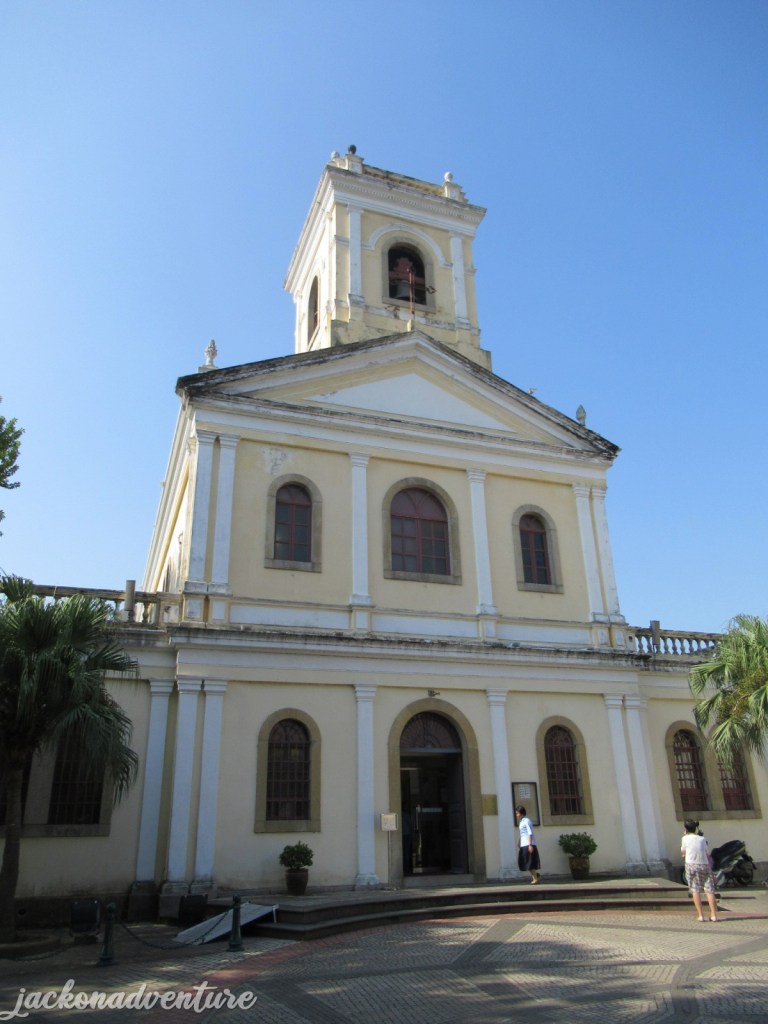
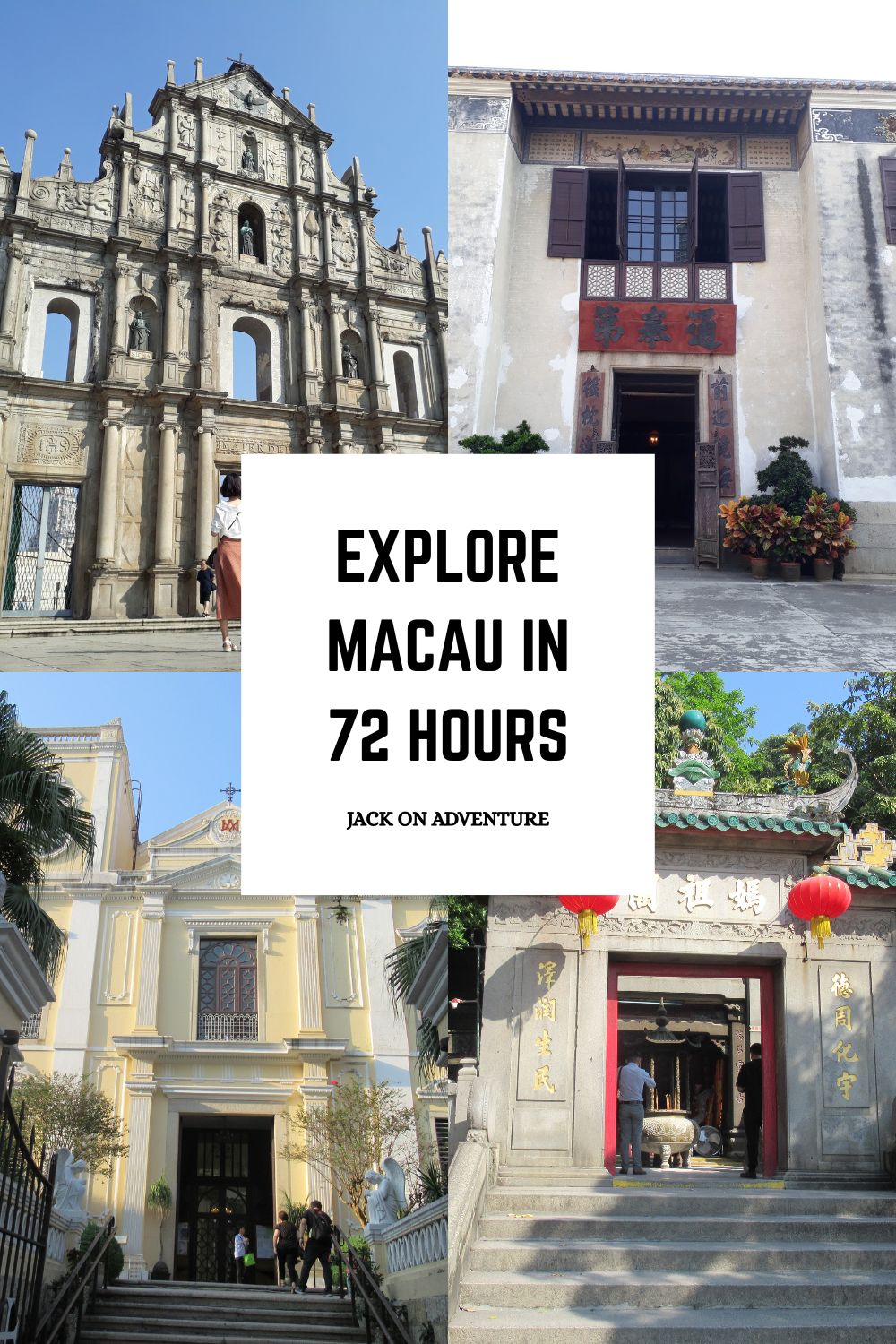
Completed by 1885, Carmo Church became the only Catholic Church in Taipa at the time, designed in Neoclassicism style with an unadorned facade. It is used as a place of worship by Catholics or put forward the mission of preaching. Standing on a hill overlooking the scenic Taipa Village and wetland, this yellow three-story building has turned into an ideal backdrop for a wedding photo shoot and a perfect spot to hang out.
Location: Av. de Carlos da Maia
Opening Hours: Monday to Saturday from 10 am to 12.30 pm and from 2.30 pm to 5.30 pm
Entrance Fee: Free
Taipa Houses
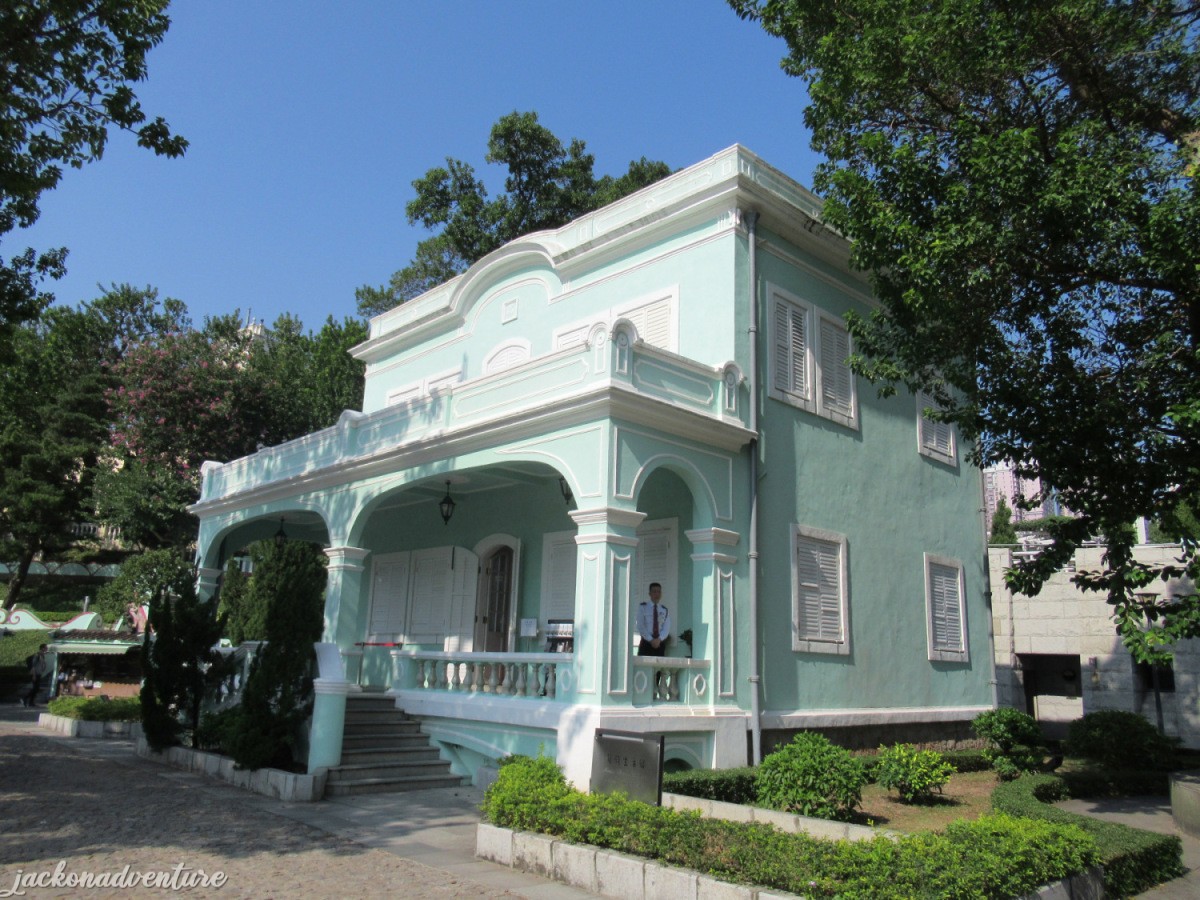
These five Taipa houses were built in 1921 and once served as the residences of senior civil servants, namely Macanese families. In 1992, they were recognized as a building complex of architectural value. Later, the government revamped them as a museum site and opened to visitors in 1999. In September 2016, these buildings were re-capitalized by transforming them into, from west to east, the “Macanese Living Museum”, “Exhibition Gallery”, “Creative Casa”, “Nostalgic House” and “House of Receptions”.
Location: Estr. de Cacilhas, Macao
Opening Hours: Monday to Saturday from 10 am to 7 pm
Entrance Fee: Free
Rua do Cunha
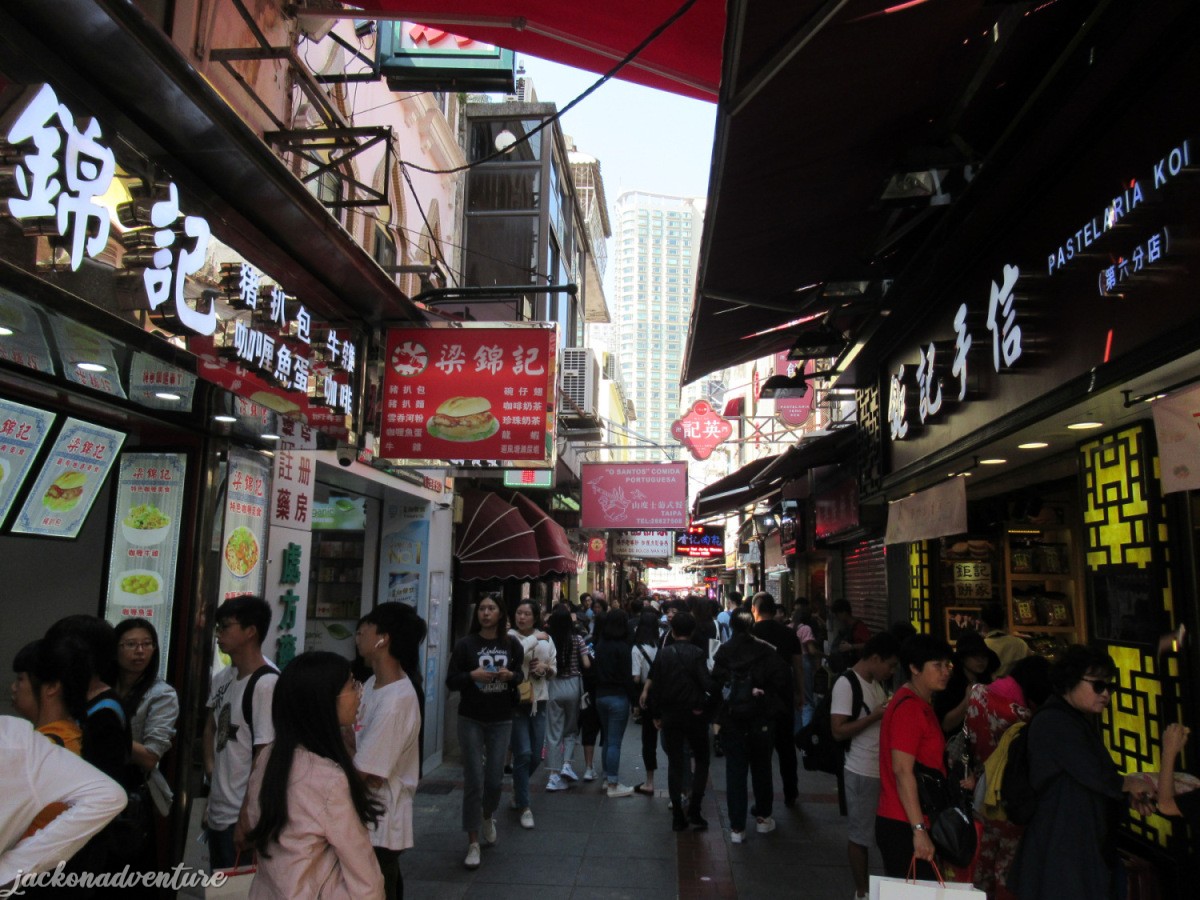
This narrow and bustling pedestrian street in the heart of Taipa village has countless famed old restaurants that offer plenty of traditional cuisines. These alleys turned into the first car-free zone here in 1983 and begin to get packed with tourists during lunchtime. It is a popular place for selling desserts, almond biscuits, egg rolls, coconut flakes, peanut candies and of course, the famous Portuguese egg tart.
Opening Hours: Sunday from 11 am to 7 pm
Museum of Taipa and Coloane History

This late 19th-century complex was formerly known as the Municipal Council of the Islands. It displays a collection of findings and relics uncovered from different archaeological excavations and exhibits the history of the early inhabitants.
Location: R. Correia da Silva, Macao
Opening Hours: Tuesday to Sunday from 10 am to 6 pm
Entrance Fee: Free
A Ma Temple
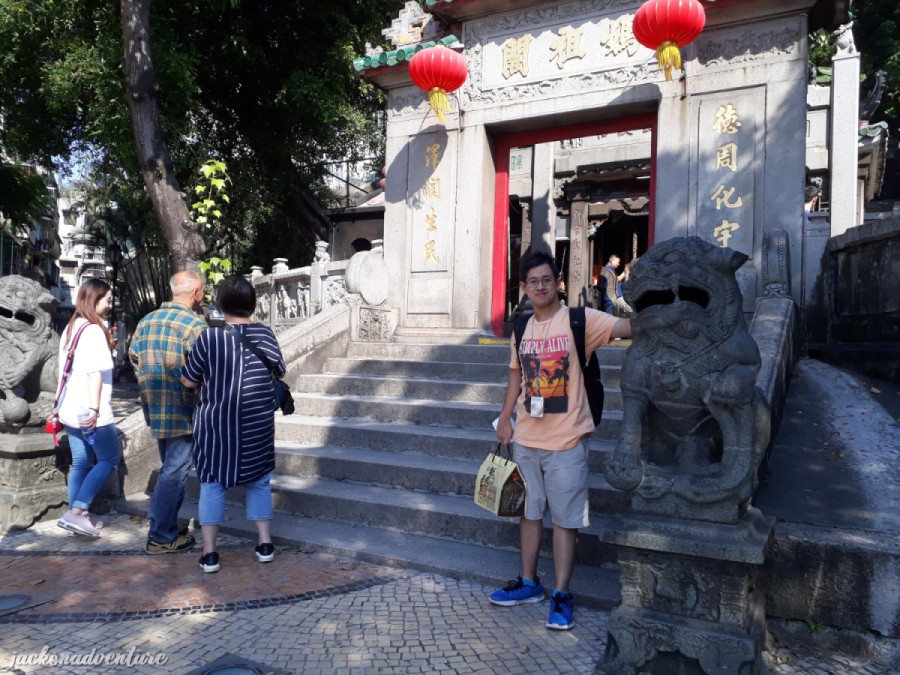
This temple was built to dedicate and worship A-Ma, also known as Mazu, the Goddess of Seafarers and fishermen. According to legend, A-Ma was able to make a prophecy in her mortal life and protect traders and fishermen from shipwreck with her mythic power in the afterlife.
It consists of the Gate Pavilion, Memorial Arch, Prayer Hall, the Hall of Benevolence, the Hall of Guanying, and Zhengjiao Chanlin. The variety of pavilions dedicated to different deities in this complex makes it an exemplary representation of Chinese culture inspired by Confucianism, Taoism, Buddhism, and multiple folk belief
Opening Hours: Daily from 7 am to 6 pm
Entrance Fee: Free but donations are much welcome here.
Mandarin’s House
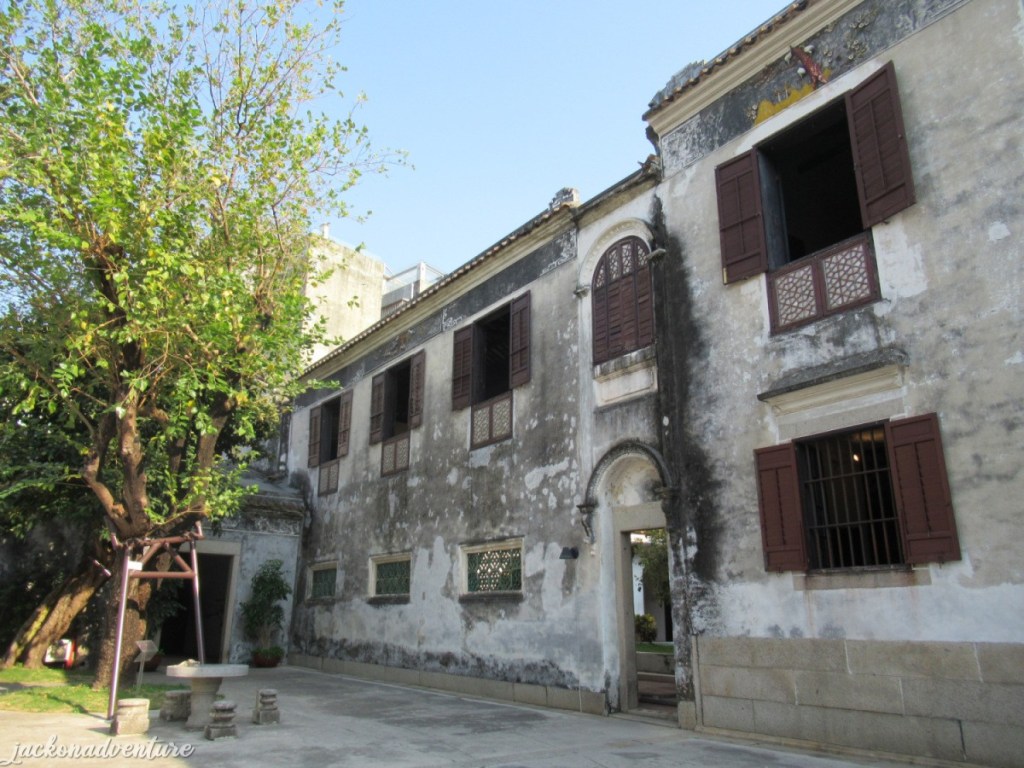
This traditional residential house was built before 1869 and was home to a famous ideologist in modern times and late-Qing celebrity, Zheng Guanying. He completed his acclaimed masterpiece Shengshi Weiyan, literally known as Words of Warning in Times of Prosperity here. As you enter the complex, you would see how it was constructed predominantly in Chinese style and subtle western influences in its decorative motifs that were initiated by his father, Zheng Wenrui. This marked the period when the mixture of both cultures into its architectural influences.
Location: MacaoAntonio da Silva10 Travessa de
Opening Hours: Thursday to Tuesday from 10 am to 6 pm
Entrance Fee: Free
Lilau Square

Just a stone throw away is Lilau Square, which means “Mountain Spring” in Portuguese. This place was one of the earliest Portuguese settlements where the ground water of Lilau used to be the main source of natural spring water. The Portuguese popular phrase: “One who drinks from Lilau never forget Macau”, which expresses the locals’ nostalgic attachment to this Square (Be warned NOT to drink the water now, you won’t forget Macau once you have diarrhea the whole week. Gods know how clean is the water now😂)
Location: Largo do Lilau, Macao
St. Lawrence’s Church
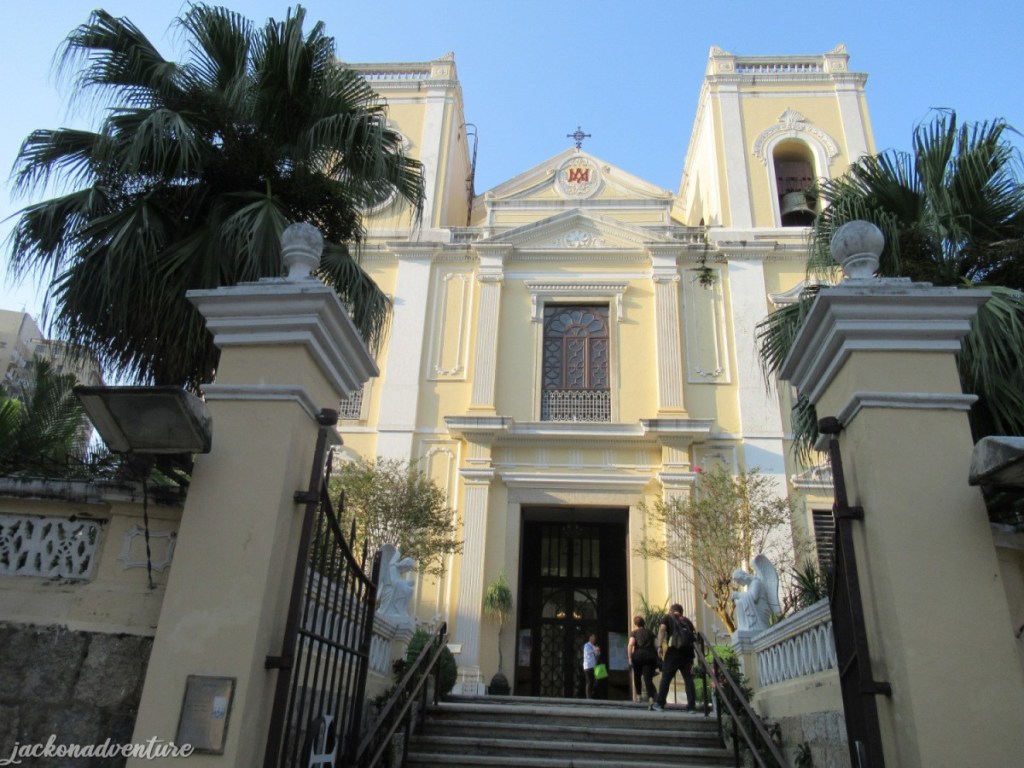
St. Lawrence’s Church is one of the oldest churches built in the mid-16th century. It has undergone several renovations and its present appearance and scale were acquired in 1846. It was located uphill overlooking the sea and is believed to protect fishermen, sailors, and families staying near the seashore from the storm. Therefore, the church was given its name Feng Shun Tang, known by the Chinese community as the “Hall of the Soothing Winds”. Its neighborhood was once lived by fairly wealthy people, which explained the building’s scale and wealth of architectural treatment.
Location: R. de São Lourenço, Macao
Opening Hours: Daily from 7 am to 9 pm
Entrance Fee: Free
St. Joseph’s Seminary and Church

This old seminary with St. Paul’s College was established back in 1728 as the principal base for the missionary work implemented in China, Japan, and Southeast Asia. It taught an academic curriculum equivalent to that of a university and in 1800 the Portuguese Queen Dana Maria I conferred on it the royal title of “House of the Mission Congregation” The church itself was constructed later in 1758 and kept one of the most precious religious relics, a piece of bone from the arms of St. Francis Xavier.
Location: R. do Seminario, Macao
Opening Hours: Thursday to Tuesday from 10 am to 5 pm
Entrance fee: Free (The seminary is not open for the public to visit)
St. Augustine’s Church
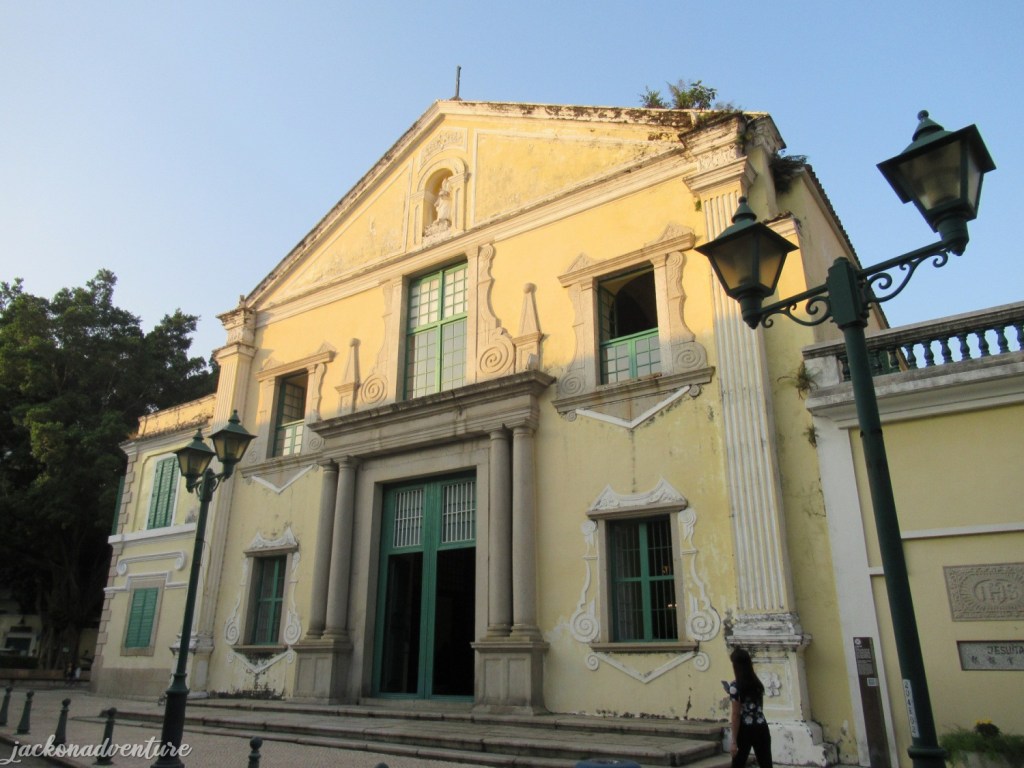
St. Augustine’s Church was first established by Spanish Augustinians in 1591 and maintains the tradition of organizing one of the most popular processions throughout the city, the Easter Processions which involved thousands of devotees. In the past during heavy downpour, the priests reinforced the rooftops with fan palm leaves. Seen from afar, these leaves appeared to be a dragon’s whiskers floating in the wind. The local Chinese named it Long Song Miu, known as the Temple of the Long-Whiskered Dragon.
Dom Pedro V Theater
This theater was built just next to St. Augustine Church in 1860 with a western-style design with the capacity to sit up to 300 people. The venue has survived as a highly significant cultural landmark in the context of the local Macanese community and still functions for important public events and celebrations.
Sir Robert Ho Tung Library
The building was built before 1894 and was originally the residence of Dona Carolina Cunha. It was later bought by a Hong Kong businessman Sir Robert Ho Tung in 1918 and was used as his retreat. According to his will, the building was presented to the Macau Government and converted into a public library. There is a small garden in the center where you can sit and relax with shady trees around the compound.
Senado Square

Senado Square is one of the most happening places with tourists flocking in here to relax, shop, eat and visit the Ruins of St. Paul’s. Built in the 1970s, it was named after the Leal Senado Building just opposite the road. It has been the urban center for centuries since the Port of Macau was opened for trade.
The Square is surrounded by pastel-colored neo-classical buildings. Whether you come here in the daytime or at night, you can feel a different type of crowd and atmosphere.
Location: Largo do Senado, Macao
St Dominic’s Church
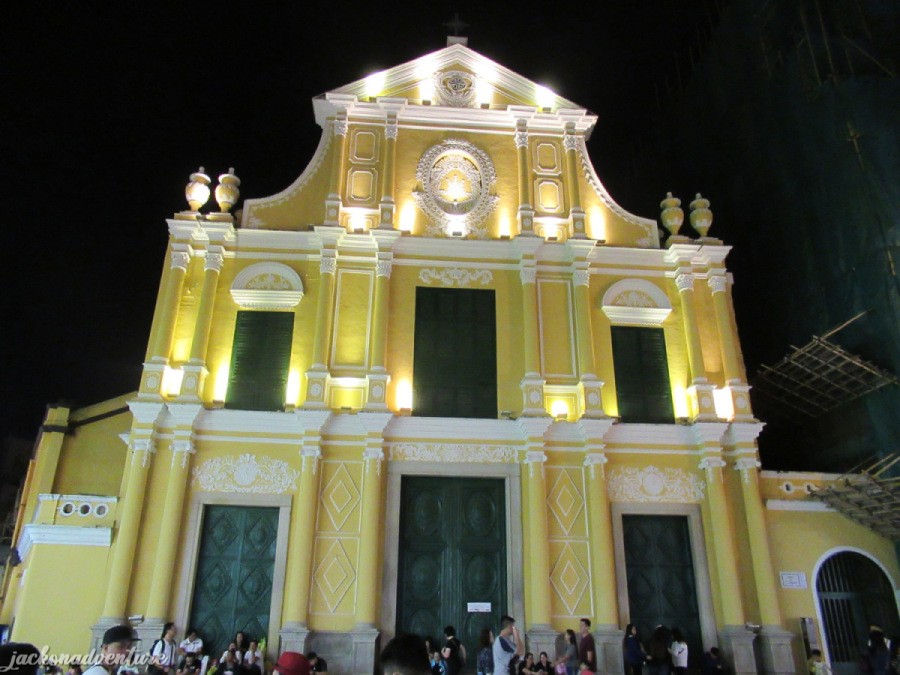
This yellow-walled church was founded by the Dominican Order from Spain in 1587 and used to be dedicated to Our Lady of the Rosary. There is a bell tower on the right side of the building that has been modified into a small Museum of Sacred Art exhibiting a collection of around 300 artifacts and relics.
Opening Hours: Daily from 10 am to 6 pm
Entrance Fee: Free.
Ruins of St. Paul’s

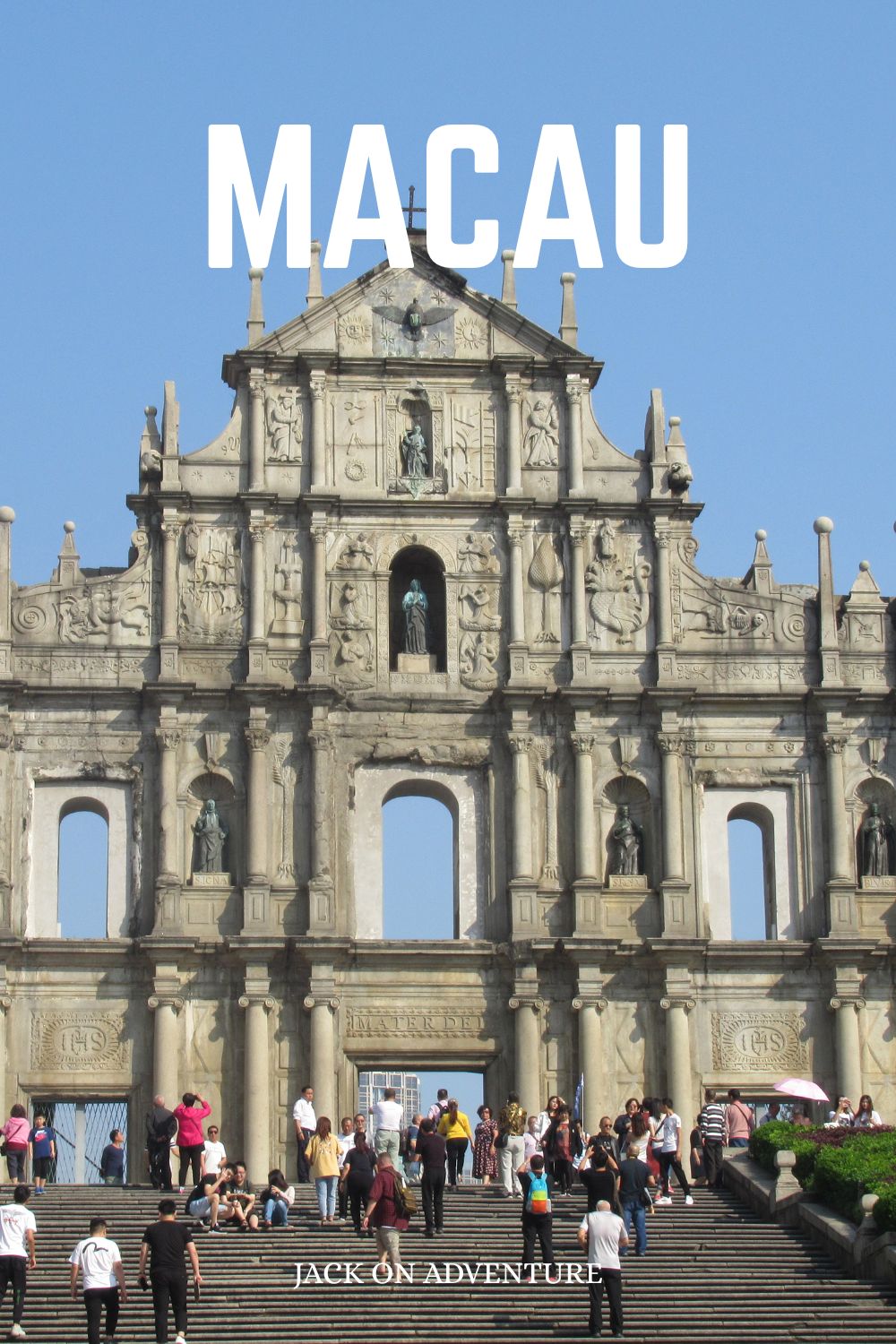
Standing in the heart of the old city, the Ruins of St. Paul’s is the highlight of Macau trip. It caught on fire in 1595 and 1601. The church was rebuilt in 1602 and took a massive scale to finish by 1644. During the reconstruction, the walls were covered with bas-reliefs in various patterns, such as chrysanthemum and peony, moon, sun, and Chinese inscriptions. In 1835, another fire destroyed nearly the entire church with the remains of its facade. What you see today is recognizable as the world-famous monument.
Behind the facade is the Museum of Sacred Art and the Crypt where the crypt originated. Inside contains silver altarpieces, gilded statues, and paintings by 17th-century Japanese artists showing the Crucified Martyrs of Nagasaki and the Archangel Michael as a samurai.
Travel Tips: It is advisable to visit the Ruins of St. Paul’s to take the best photos before 11 am before the crowd starts to come.
Location: Calcada de São Paulo, Macao
Opening Hours: The Museum of Sacred Art and Crypt opens daily from 9 am to 6 pm except Tuesday and is closed after 2 pm
Entrance Fee: Free.
Mount Fortress
On the uphill near the ruins, this fortress was the city’s principal military defense structure against attack by the Dutch in 1622. It was equipped with cannons, military barracks, wells, and an arsenal that held sufficient ammunition and supplies that can hold a siege for up to two years. Later, the fortress was taken over as the governor’s residence. Today it houses the Macau Museum that exhibits the life of its people over the past 400 years, focusing on the bi-cultural character of the city with different faiths and festivals, social customs, architecture, sports, and cuisine.
St. Anthony’s Church
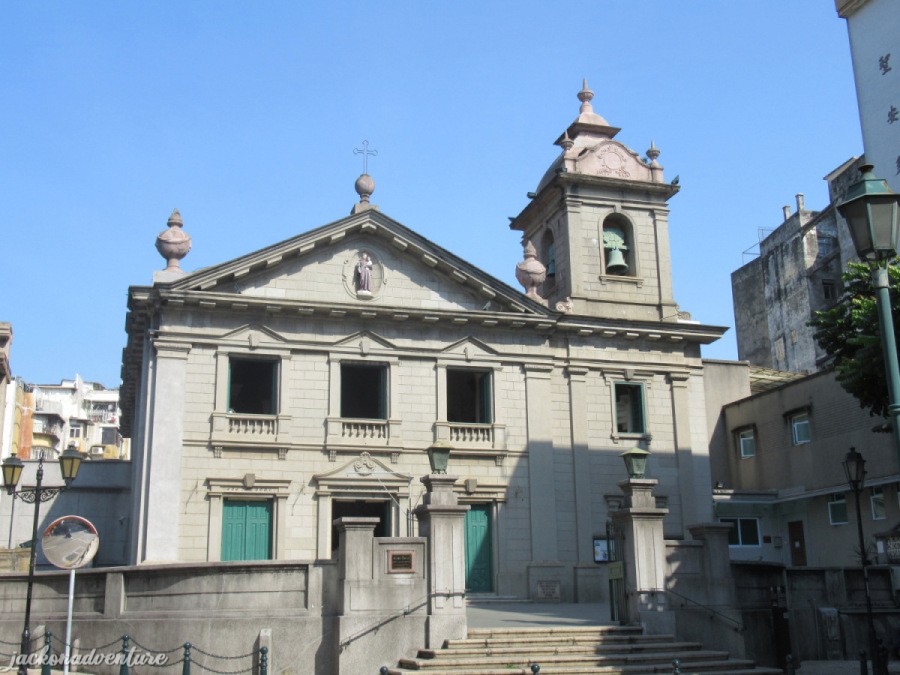
St. Anthony’s Church is also one of the oldest churches in Macau, was originally built with bamboo and wood from 1558 to 1560. It was burnt by fire several times before being reconstructed with stones. The present appearance and scale of the Church date back to 1930 and the venue has been used by the Portuguese community for wedding ceremonies. The local Chinese named it Fa Vong Tong which means Church of Flowers.
Opening Hours: Daily from 9 am to 5.30 pm
Entrance Fee: Free
Cames Garden

This hilly, heavily wooded garden is one of the best places to chill and relax after a long walk. Located on a forested hillside in the old part of town, it became a popular place for locals to do their exercise, play chess and cards, and have gatherings with friends.
Casa Garden

The house in Casa Garden was built in 1770 and was originally the residence of a wealthy Portuguese merchant, Manuel Pereira. Later, it was rented to the British East India Company. Nowadays, the property is the headquarters of the Oriental Foundation and sometimes exhibitions are held here.
Opening Hours: Daily from 9.30 am to 6 pm
Entrance Fee: Free
Protestant Cementery

Just right next to Casa Garden, this site provides an insight into Macau’s diverse community profile and a comprehensive record of the earliest Protestant community here. The chapel was built here in 1821 which is now referred to as “The Morrison Chapel” to honor Robert Morrison. Several officials from the East India Company and Protestants from America and Britain were buried behind this chapel.
Opening Hours: Daily from 8.30 am to 5.30 pm
Entrance Fee: Free
Macau Tower
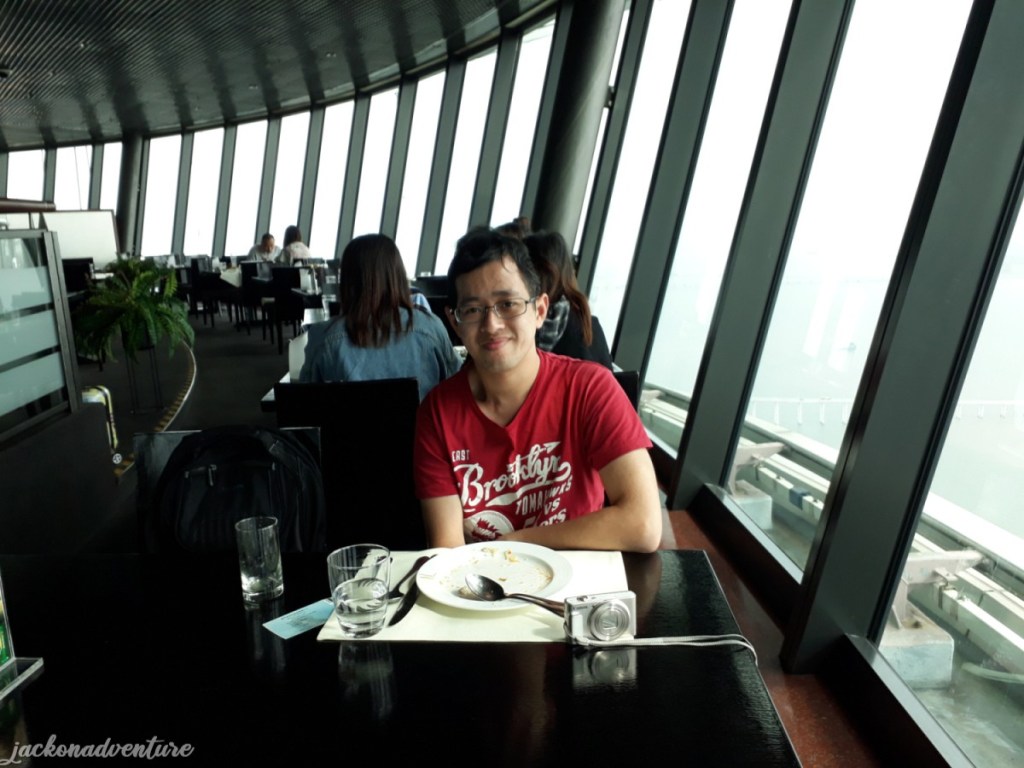
Head up to Macau Tower and dine at its 360-degree revolving restaurant with their international lunch buffet (click here for promotions). At 223m above sea level, you get to enjoy a delightful meal while admiring the spectacular view of the Peninsula, Taipa and Zhuhai of mainland China. After filling up my tummy, take the lift up to both indoor and an open-air observation deck to take a clear picturesque of Macau and see other visitors brave themselves with Bungy Jump and Skywalk.
(Their restaurant also offers dinner buffet- more details on Macau Tower)
Kun Lam Ecumenical Centre

Step into the Buddhist Cultural Center, a dome-shaped lotus base featuring two levels with a gallery, books and reference materials of Confucianism, Buddhism, and Taoism. Built on an artificial island, the statue of Guan Ying stands at a height of 20 meters on top of the center and is made with approximately 50 bronze castings with a weight of 50 tons.
Opening Hours: Daily from 10 am to 6 pm
Entrance Fee: Free
Hotel-Casino Hopping
The trip will be incomplete without visiting the grand casino hotels located in Cotai Strip and Peninsula. While the night is still young, there are heaps of fun and exciting entertainment to go around.
The Venetian Macao
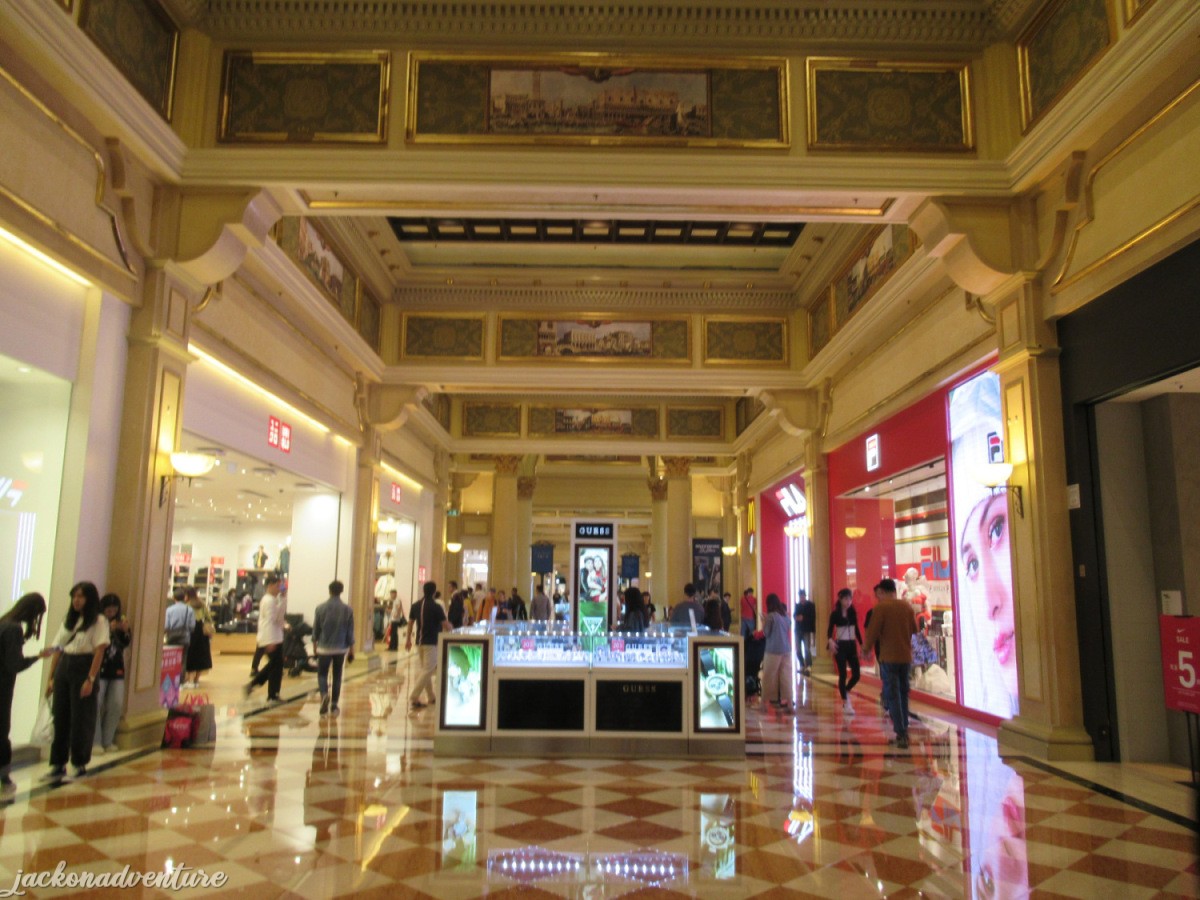
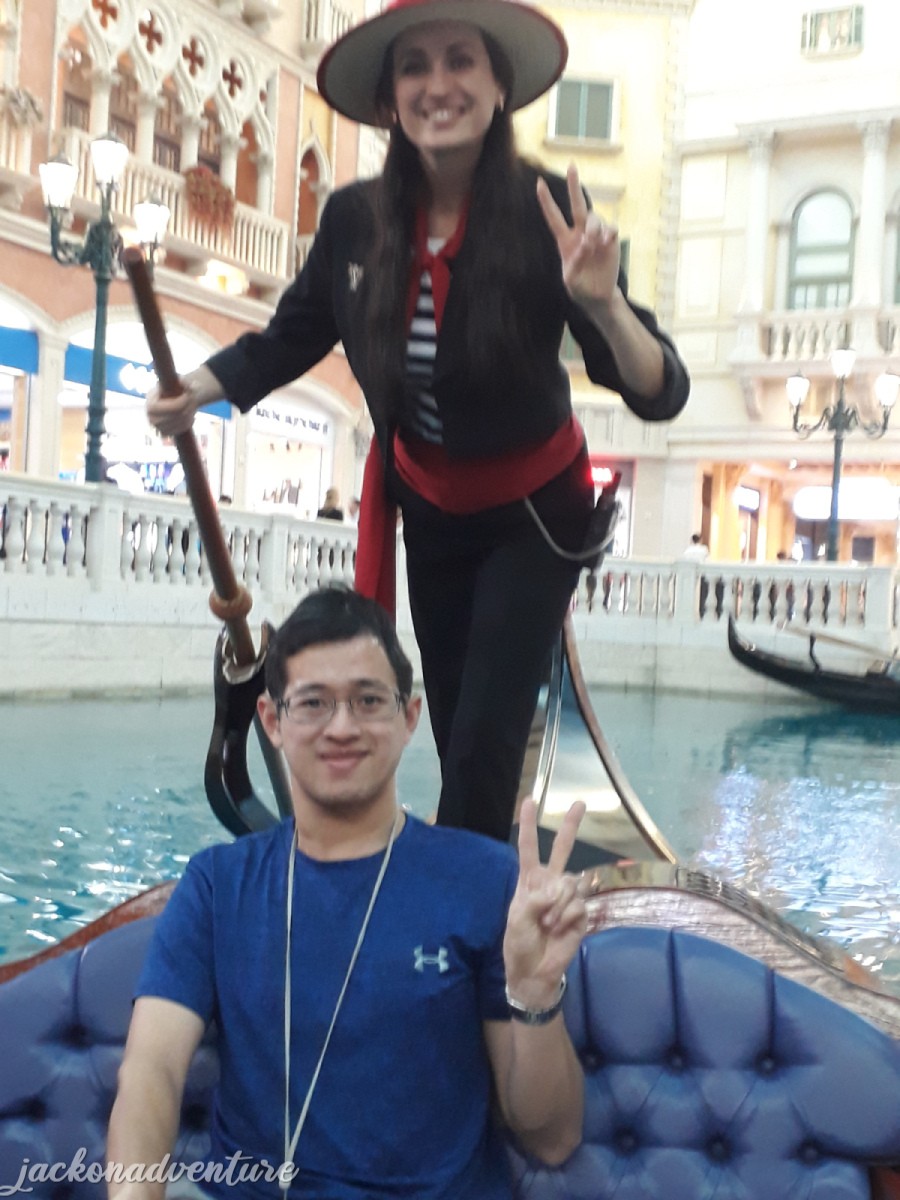
Enjoy a gondola boat ride and be amused by the gondolier at the Grand Canals of Shoppes at Venetian Macau. Also, go for some window shopping with a variety of outlets selling many international brands of clothing, bags and watches.
The Parisian Macao
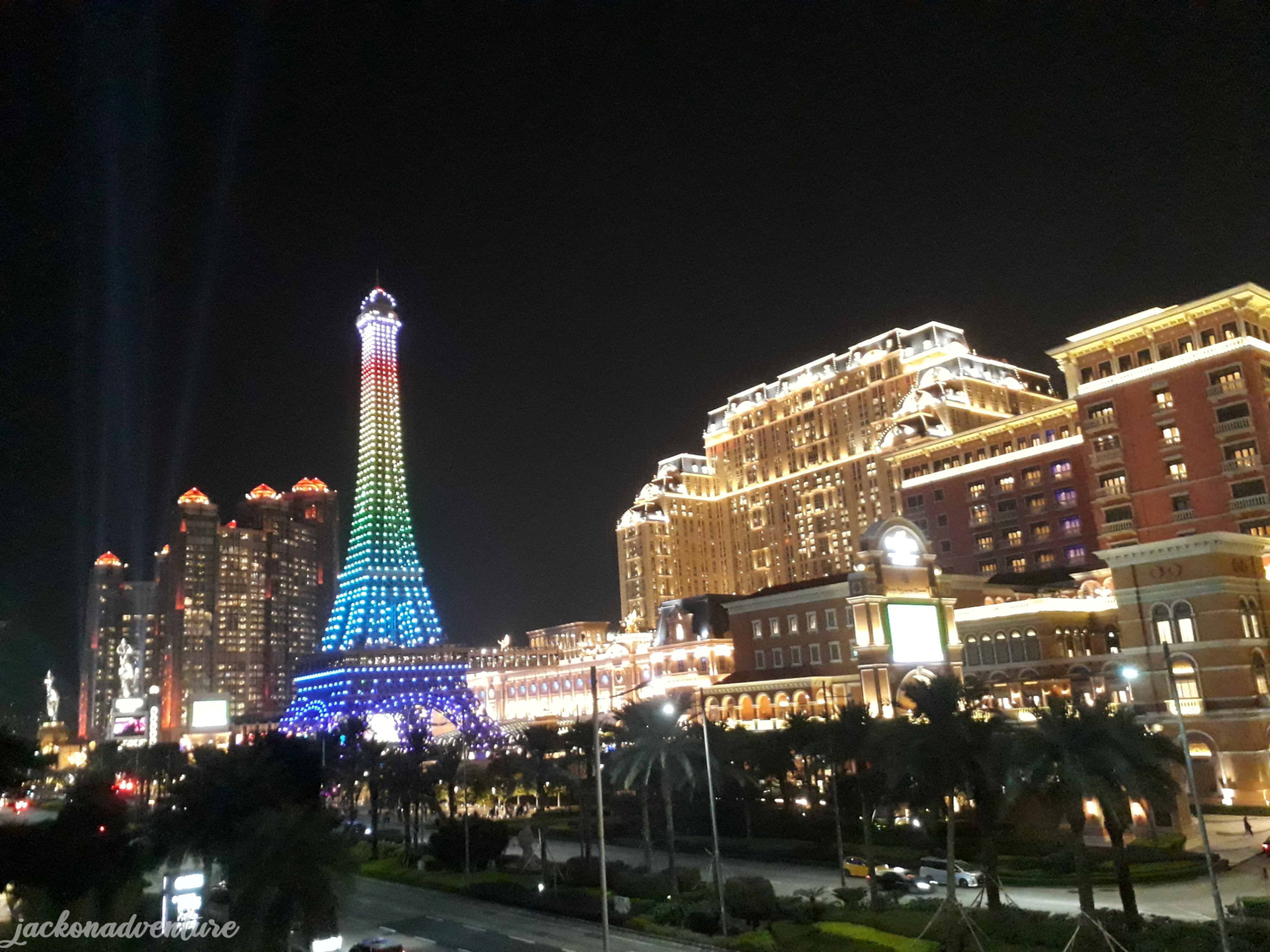
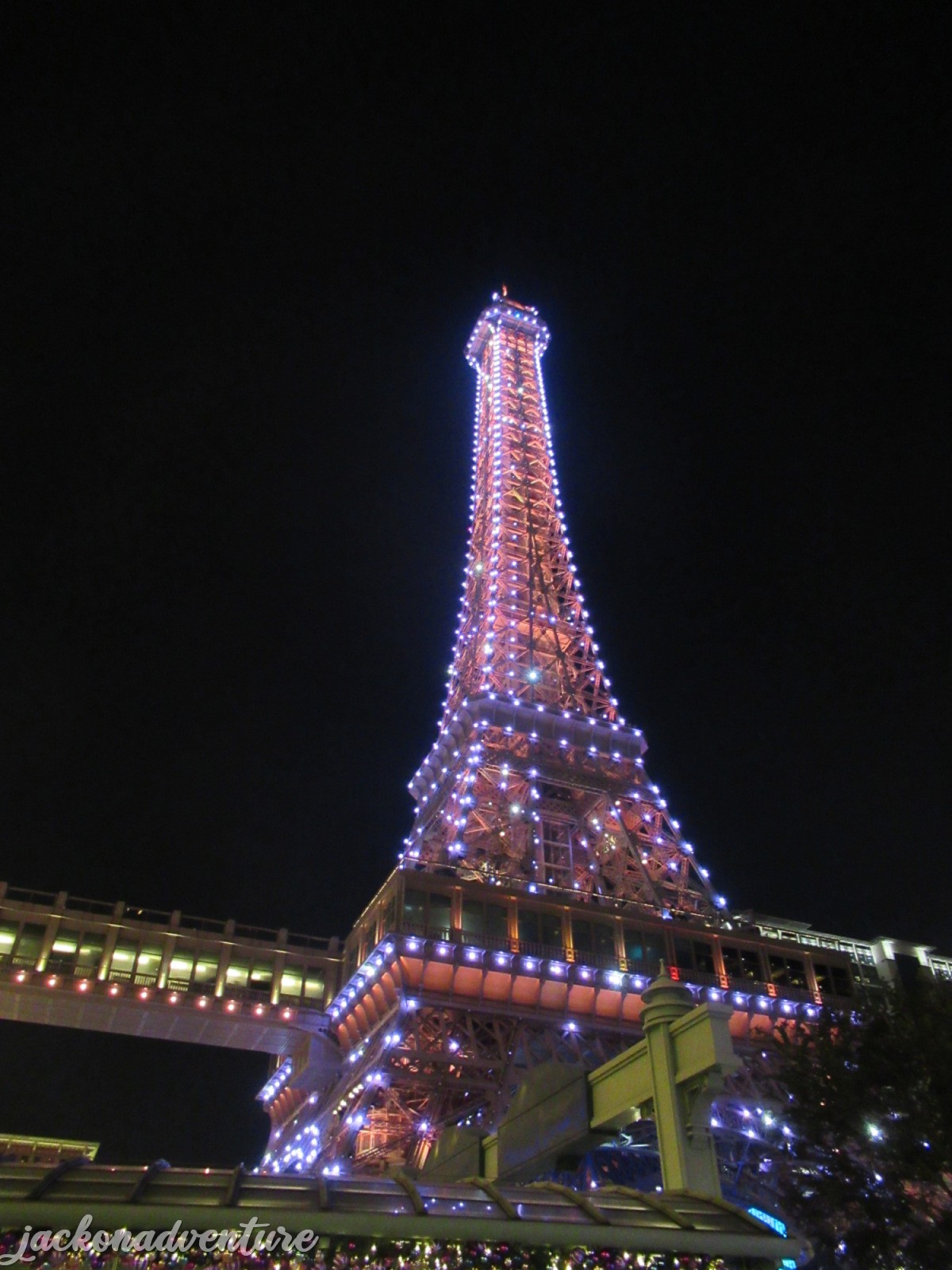
Take a wonderful night view of Macau’s very own 162 meters high Eiffel Tower filled with lighting themes and audio to make you feel like you are in Paris.
Wynn Palace

Hop on their free Skycab ride as it goes clockwise direction around the lake and passes two majestic golden dragons. You can also watch the Performance Lake from below with its beautiful dancing fountains and custom-designed music system.
Wynn Macau
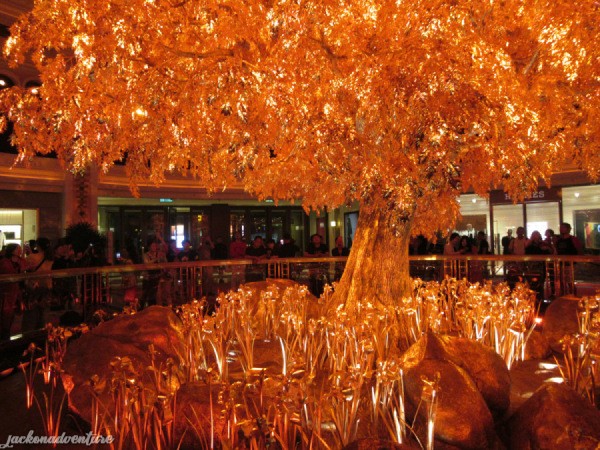
This outstanding show located inside Wynn Macau of the Peninsula with its magical Golden Tree of Prosperity & Dragon of Fortune. This performance comes with a choreographic masterpiece of shimmering sculptural patterns, music, video and light.
The Golden Tree of Prosperity is made with over 2,000 branches and 98,000 leaves composed of 24 karat gold leaf and brass leaf will rises from below, appears at the finale of the show and transforms into the vibrant colors of the four seasons.
Must Try-Out Food in Macau
Regardless of how long you stay or how many tourist spots you visit, you will be tempted with its delicious food and desserts in Macau. They can be found close to all the tourist attractions in Taipa and the old city of Macau.
Portuguese Egg Tart
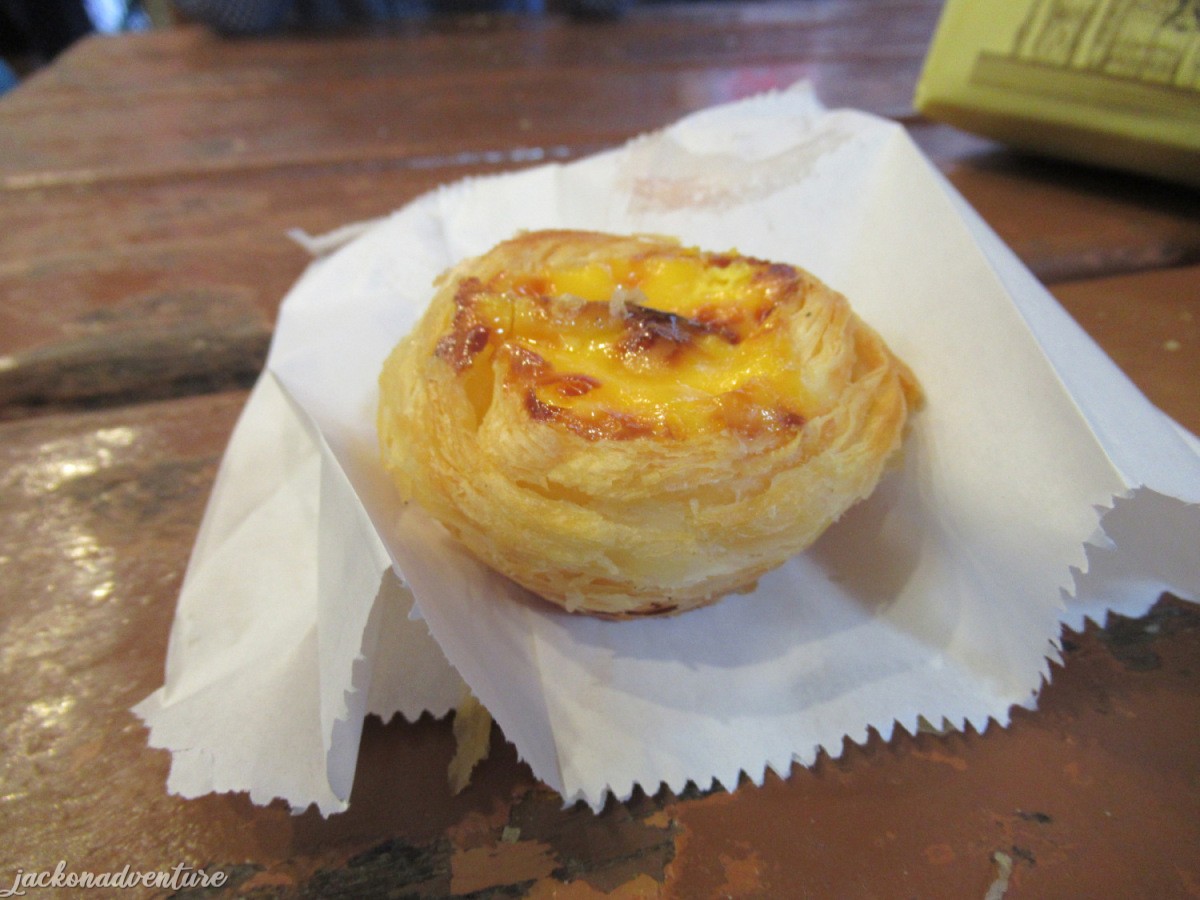
Magraret Cafe– their egg tarts with flaky crust, hidden from one of the busiest pedestrian back alleys located near Grand Lisboa Hotel (Address: 17B R. do Cmte. Mata e Oliveira, Macau)
Lord Stow Portuguese Egg Tart– different version of egg tart with buttery flaky pastry shell, rich in creamy custard filling. There are three branches at Rua do Cunha (address), Venetian Macau and its original shop in Coloane (address).
Chan Kong Kei Roast Duck
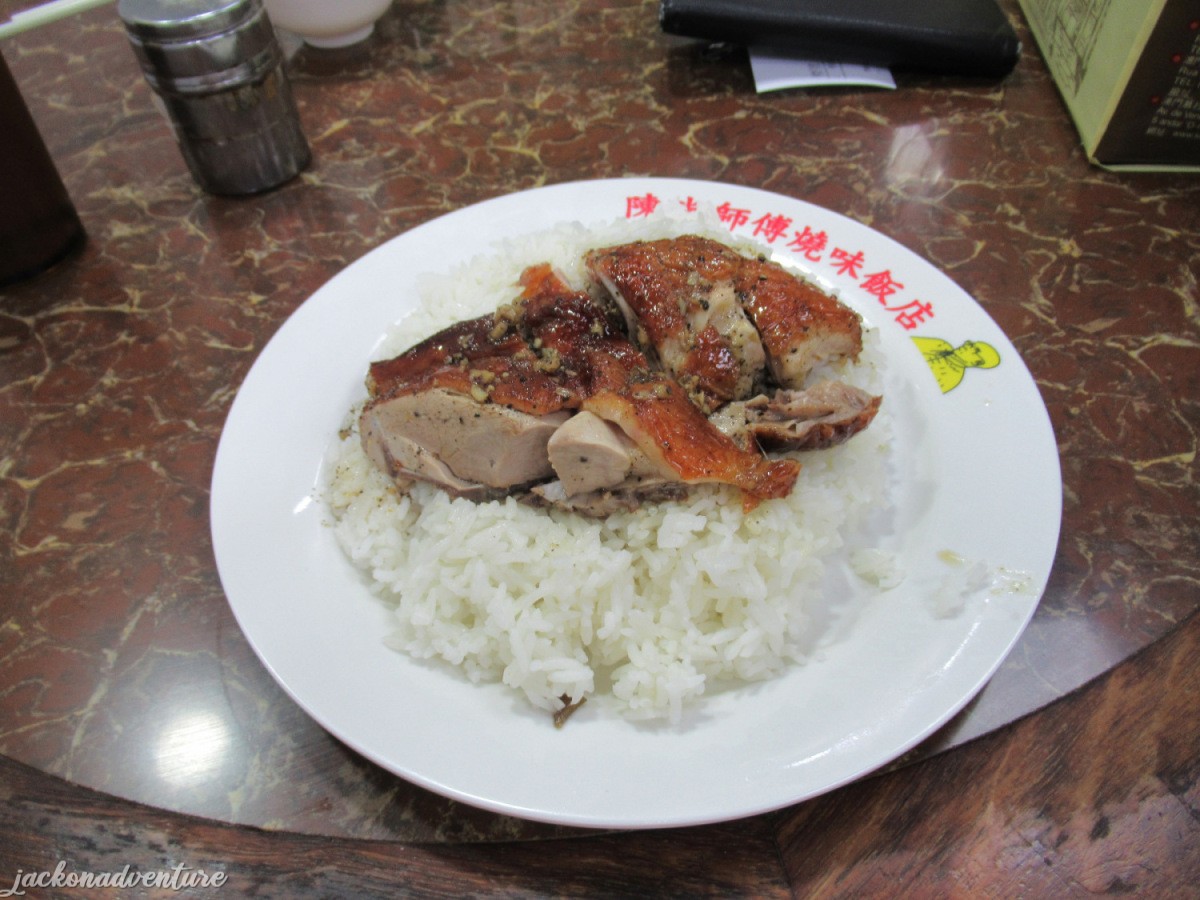
With over 50 years of experience in serving one of Macau’s best roast duck, it comes with a distinct flavor and its juiciness that was marinated with special homemade black pepper sauce.
Opening Hours: Daily from 10 am to 9 pm. (Address)
Pork Chop Bun
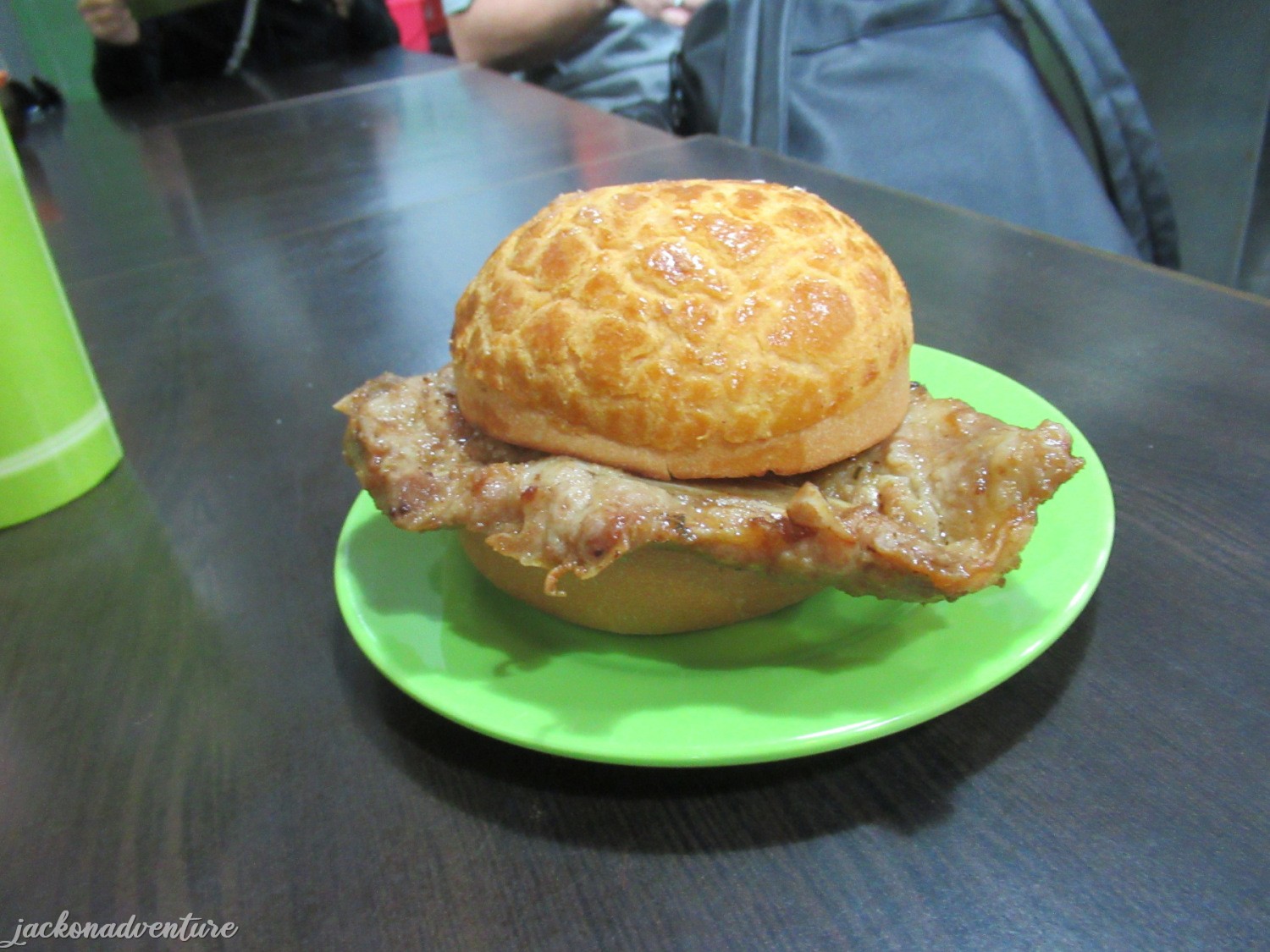
The name of the food said it all. It comes with bun served with pork chop and has such unique food that is hard to find elsewhere. There are different versions of pork chop bun, so pop by any of these cafes to taste them if you come across those stores: Tai Lei Loi Kei, Sing Lei Cha Chaen Teng and Sei Kee Cafe.
Steamed Milk Pudding
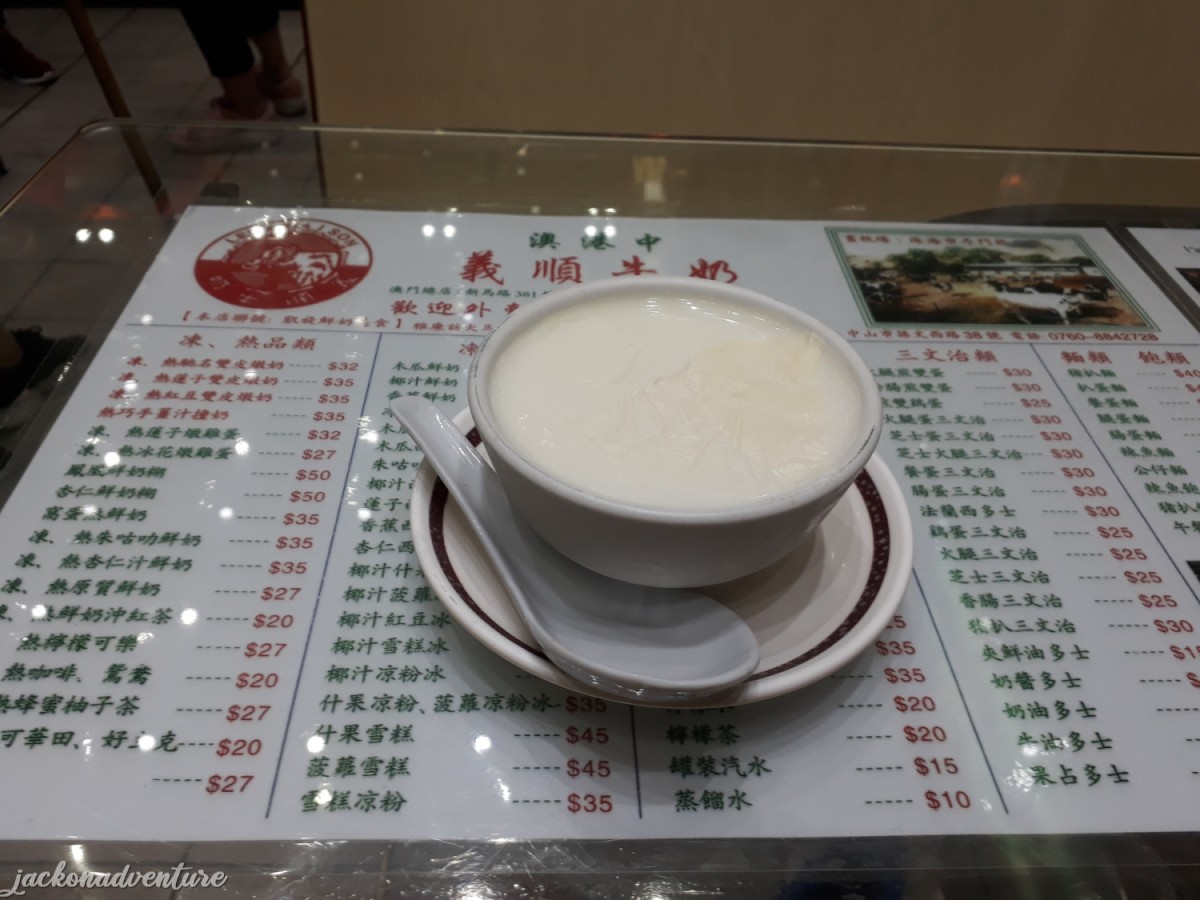
Originated from Macau and spreading across Hong Kong, this steamed milk pudding is a popular dessert steamed with milk, sugar and egg whites. It is so creamy and smooth with the right amount of sweetness.
It is served either hot or cold, but the staff had recommend to eat it in cold. They also have choices with additional toppings of red beans or ginger milk custards.
The original shop is located at 381 Av. de Almeida Ribeiro (address), an alley near St Dominic’s Church, and another branch is at Broadway Macau opposite Galaxy Macau.
Travel Tips
- Hong Kong dollar (HKD) is accepted across Macau city.
- Local people don’t or do speak very little English. It is advisable to search any tourist spot in advance, google it and write them down when asking for direction with the locals.
- Do make full use of the free shuttle buses provided in Cotai Strip (Please refer above on “Getting There” and “Getting Around” for more details)
- If you are coming or going to Macau from Hong Kong, there are frequently shared buses and ferries (see “Getting There” for more details).
- Food and drinks in casino hotels can be expensive, yet you can find other small cafes and small vendors in town to eat if you are traveling on a budget.
- Casinos, bus stops, and taxi stands are no smoking areas. Offenders are liable to a fine of MOP 1,500.
Going Else Near Macau?
If you are planning to stay longer for more adventures in Macau, you can check out some of my other posts:
Like It? Pin This Article.

 Jack on Adventure
Leave a comment