
Kon nichiwa! Welcome to Tokyo, the capital of Japan- “The Land of the Rising Sun”.
Tokyo is one of the most incredible cities in the world that have to visit once in a lifetime. There are so many things you can experience in this buzzling metropolitan city, where you will find the old mixed with the new.
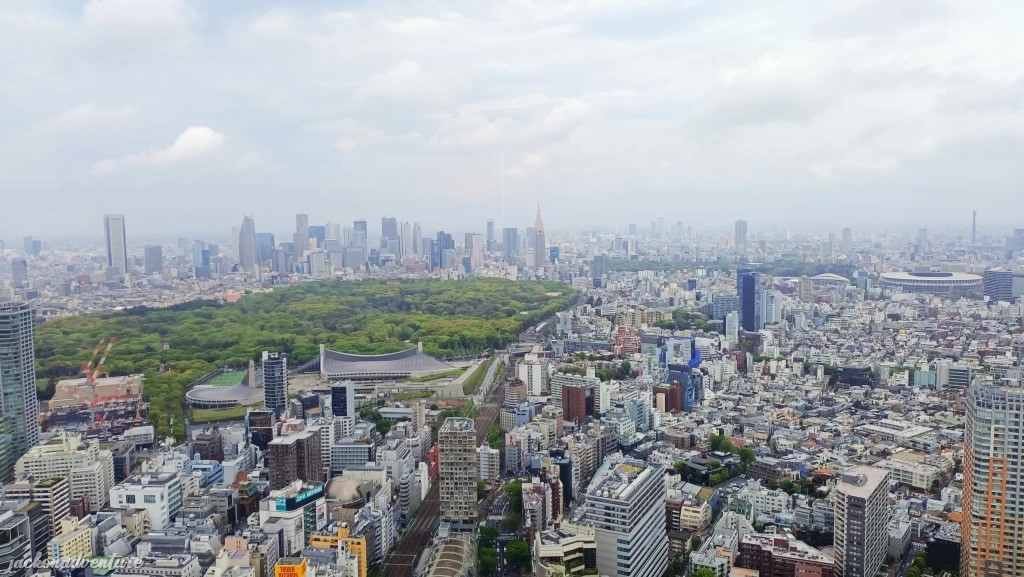
This futuristic metropolis is lined with tall skyscrapers, fast-paced districts, ancient shrines, Zen temples, charming gardens, booming nightlife and jumbo neon signs as well as home to best food in the world. It never failed to get you run out of things to do in Tokyo.
Best Time to Visit
There is never a ‘best time’ to visit Tokyo and it’s all depending on what you want to see from each season. There are four distinct seasons that come with their own advantages and disadvantages.
If you want to experience the cherry blossom season, late March and early April is the only time to catch the sakura which marks the end of winter. But keep in mind that this is the most expensive time of year to visit when air fares and hotel rates are higher.
The summer in late June to end of August tends to be hot and humid. You can experience many Japanese festivals that usually held when there is less rain.
Autumn season falls between September and November. The air is pretty chill and everywhere is covered with wonderful golden leaves. Winter months in Tokyo is from December to February but it generally doesn’t get too cold and snow does fall occasionally.
Getting There
By Plane
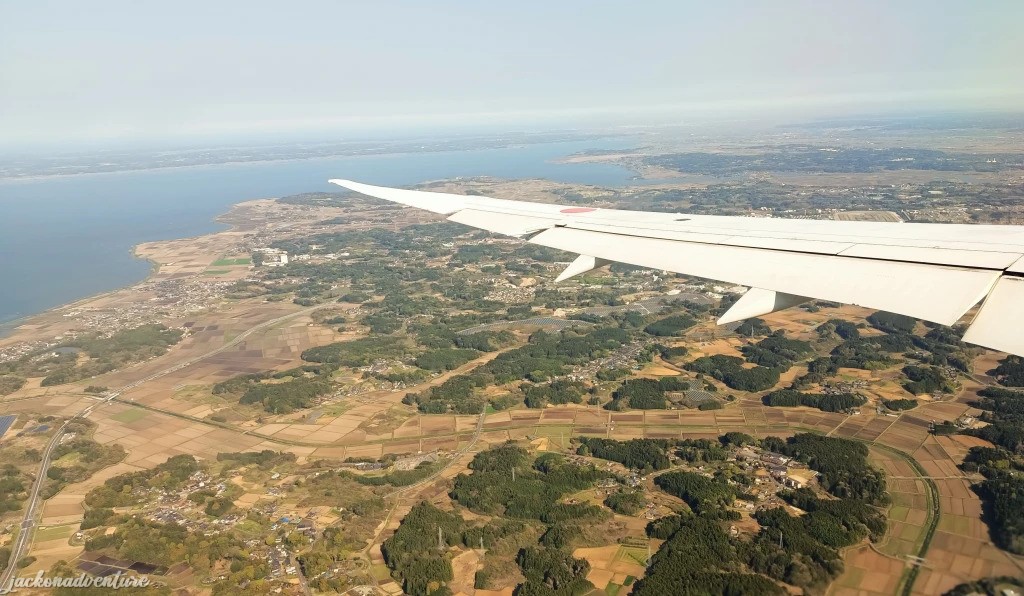
Before kicking into the good stuff, there are a few things you need to know before traveling to Tokyo. The city has two airports that serve both domestic and international routes. It depends on when you are flying as they land at different airports.
Narita International Airport
If you are flying from other countries, chances is that you will arrive at Narita International Airport Airport (Airport Code: NRT). The airport handles more international than domestic flights from around the world. Once arrive at the airport, you can use the fastest way to the city by JR Narita Express (1 hour, 3,000 yen one way or 4,070 yen round trip) or JR Sobu Line (90 minutes, 1,340 yen one way). These trains will arrive at Tokyo Station.
If you are traveling on a budget like me, Keisei Skyliner perhaps is the better option (40 minutes, 2,570 yen) and the service runs every 20-40 minutes. Travelers from overseas can enjoy a discounted rate at 2,300 yen and the ticket can be purchased in the ticket office at the airport. The train will arrive at Nippori Station in the heart of Tokyo (Check here to buy your ticket in advance or get a combo package with local subway rides).
Haneda Airport
Haneda Airport (Airport Code: HND) is closer to central Tokyo than Narita Airport and handles more domestic than international flights. At the arrival hall, you can take JR Yamanote via Tokyo Monorail transit (30 minutes, 660 yen) to Hamamatsucho Station, or JR Keihin- Tohoku or JR Tokaido Line via Keikyu Airport Line at Shinagawa Station to Tokyo Station. It’s super easy and cheaper than the train from Narita.
By Train
Japan has one of the most impressive transportation systems in the world. Their bullet trains, best known as Shinkansen trains can get you to Tokyo from other cities around the country. They are very clean, seats are comfortable and depart on time. The bullet train has different types- Nozomi, Kodomo and Hikari.
Nozomi train is the fastest with up to 300 km/h and it makes fewer stops compare to other trains. Nozomi train tickets are usually the most expensive and can be bought from JR train station and Klook (third party agent). I have taken the Nozomi train on the Tokaido-Sanyo Line from Tokyo to Kyoto in just 2 hours and 15 minutes over a distance of 515 km. The popular train line also connects Tokyo to Nagoya in 1 hour 35 minutes, Osaka in 2 hours 20 minutes and Hiroshima in 3 hours 50 minutes.
Hikari and Kodomi types are semi-fast trains that run slightly slowly because they make more stops at some stations. They are still equally fast and usually take an extra 15-30 minutes to reach their final destination. The train fare is cheaper and you can buy the Japan Rail Pass (JR Pass) that is only valid for 7, 14 or 21 days on both of these trains. Hikari Shinkansen train also runs on the Tokaido-Sanyo Line that connects Tokyo to Nagoya in 1 hour 47 minutes, Kyoto in 2 hours 40 minutes and Osaka in 3 hours and Hiroshima.
Travel tips: Reserve your ticket and baggage storage space at the train station during your free time in Japan. You can choose to ride in the ordinary car (second class) or green car (first class) with reserved or non-reserved seats. The seats can be full during New Year, the Golden Week, local festive seasons and Christmas season. If you fail to do so during the peak times, you might end up standing throughout the entire journey. I have written a guide on Shinkansen train and you can get details on which train line to take to some of the popular destinations in Japan.
Getting Around
Moving around Tokyo is very convenient. This post will guide you on how to fully utilize their City Metro and Toei Subway which will connect to every corner of the city. It’s a great experience walking in the shoes of the locals, joining in the morning train rush hour and getting packed like sardines on Tokyo subway.
If you are traveling around Tokyo for a few days, take advantage of their 1-3 days Tokyo subway ticket which gives an unlimited access to the metro and subway. The ticket passes are sold in major subway stations and ticket machines around Tokyo.
You can also get yourself a Suica or Posma card that allow you to use the Toei Line, Tokyo Metro and city buses. They are widely used because the card also covers transportation in other cities like Osaka and Kyoto. You can buy them at any JR East ticket machines or sales offices, airports and selected subway stations. These cards can also be used to buy goods at convenience stores, retail shops, vending machines and station lockers.
Suica is valid for 10 years and can be refunded for a small fee. If you are not planning to return the card, you can keep it as a souvenir or use it on your next trip to Japan. On the other hand, Posma is only valid for 28 days but any remaining balance can’t be refunded.
The Best Activities for 4 Days in Tokyo
From historic temples and shrines, to stunning skyscrapers, hidden alleyways, chaotic markets, busy shopping districts and beautiful gardens, Tokyo has it all under one roof.
With so much excitement piling up together in Tokyo, I have compiled a list of fascinating places to do and useful tips to make the best 4-day visit here.
So, let’s dive straight right in, shall we?
Visit the Meiji Shrine

Meiji Shrine (明治神宮) is dedicated to the spirits of Emperor Meiji (1852-1912) and Empress Shoken (1850-1914). The Emperor ascended to the throne and regained power after the Meiji Restoration. The local folks wished to commemorate their divine souls and built this beautiful shrine.
You will be greeted by Otori (The Grand Shrine-gate) which is the largest wooden “torii” of the Myojin Style in Japan at the entrance of the shrine ground. Walking around here felt so peaceful and quiet as if like entering into another world, much thanks to the tranquil forest covered by more than 100,000 trees.
Location: 1-1 Yoyogikamizonocho, Shibuya City
Getting There: Take the Chiyoda or Fukutoshin Subway Line to Meiji-jingumae ‘Harajuku’ Station
Opening Hours: Daily from dusk to dawn
Entrance Fee: Free
Take a morning walk at Yoyogi Park
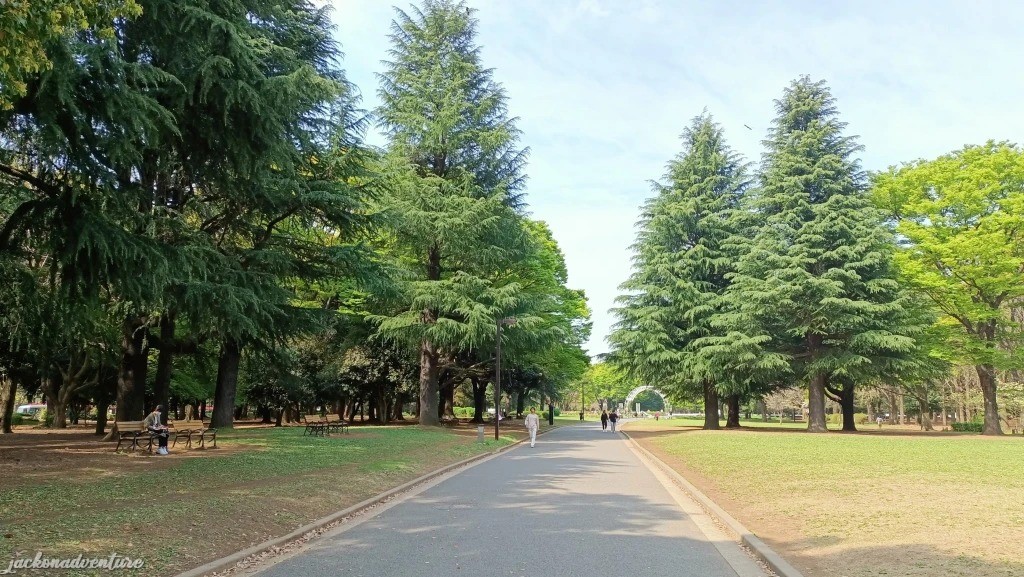
This lovely Yoyogi Park (代々木公園) features beautiful lawns ponds and a lush forested area. Depending on the season, the cherry trees will bloom in spring around March and April and the tree leaves turn golden red and brown in autumn in October and November. A variety of flowers are planted around the park according to the season.
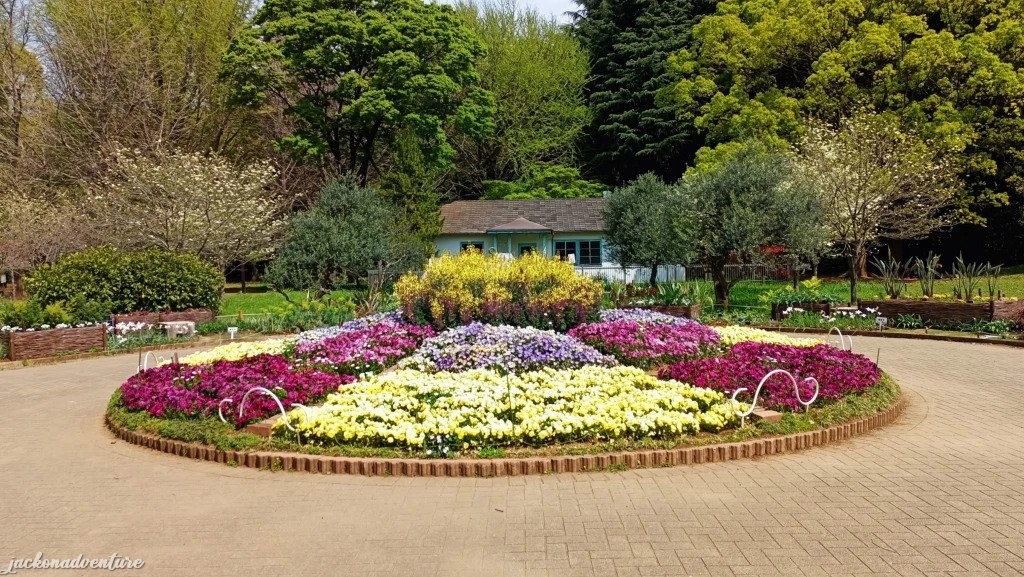
Locals love to have their picnics and outdoor activities around this unique landscape garden. Teachers and school children spend their school day to have their outdoor sport activities.
Location: 2-1 Yoyogikamizonocho, Shibuya City
Getting There: Take the Chiyoda or Fukutoshin Subway Line to Meiji-jingumae ‘Harajuku’ Station
Opening Hours: May 1 to October 15: Daily from 5 am to 8 pm/ October 16 to April 30: Daily from 5 am to 5 pm
Entrance Fee: Free
Feel the craze vibe at Takeshita-dori
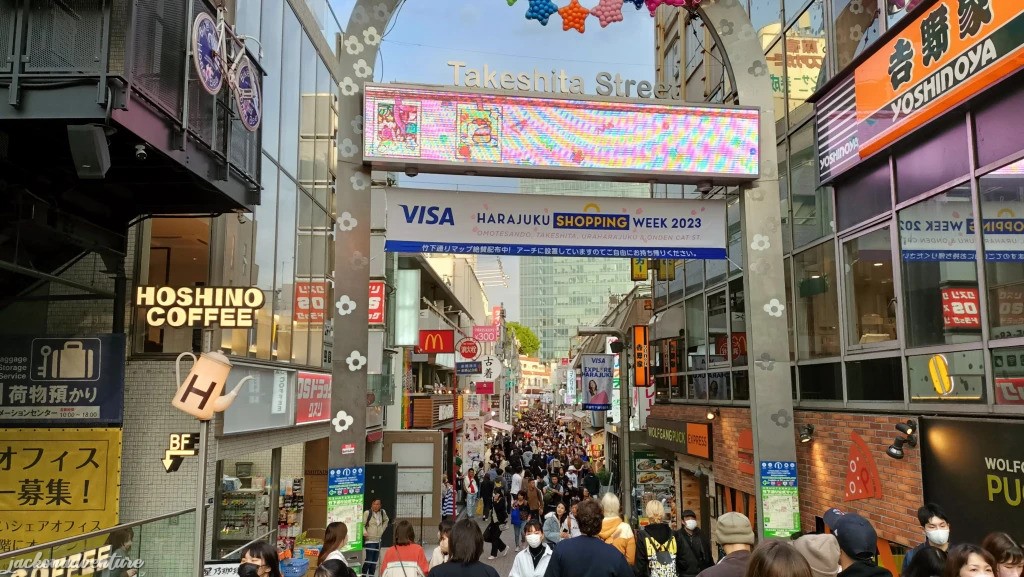
Takeshita-dori is the birthplace of the Japanese latest fashion with teenage cultures and styles. The famous pedestrian street is lined up with fashion boutiques, second-hand clothes stores, cafes and restaurants. It is the youngsters’ one-stop shopping paradise for super colorful outfits and trendiest designs.
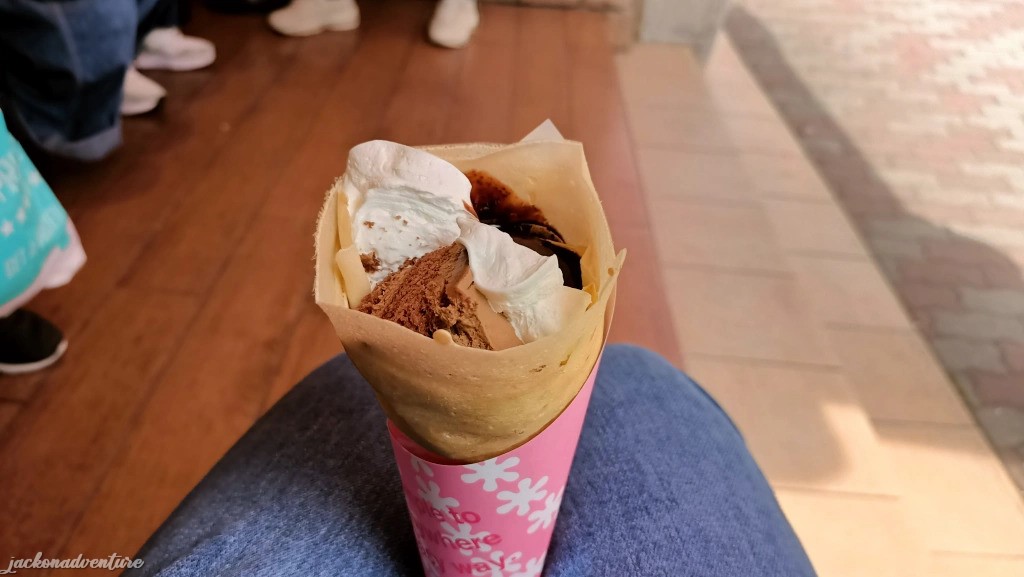
It is also a great place to indulge yourself with Japanese cultural snacks, creative pastries and unique sweets. One thing you should definitely try in Harajuku is Harajuku crepe. A few shops are selling them on Takeshita Street including Sweet Box, Marion Crepes, Santa Monica and Café Crepe Strawberry House. These crepes come with countless fillings to choose and they are so popular that do expect a long queue to get a hand on one of those tasty crepes.
Getting There: Take the Chiyoda or Fukutoshin Subway Line to Meiji-jingumae ‘Harajuku’ Station
Explore the upper-class Omotesando
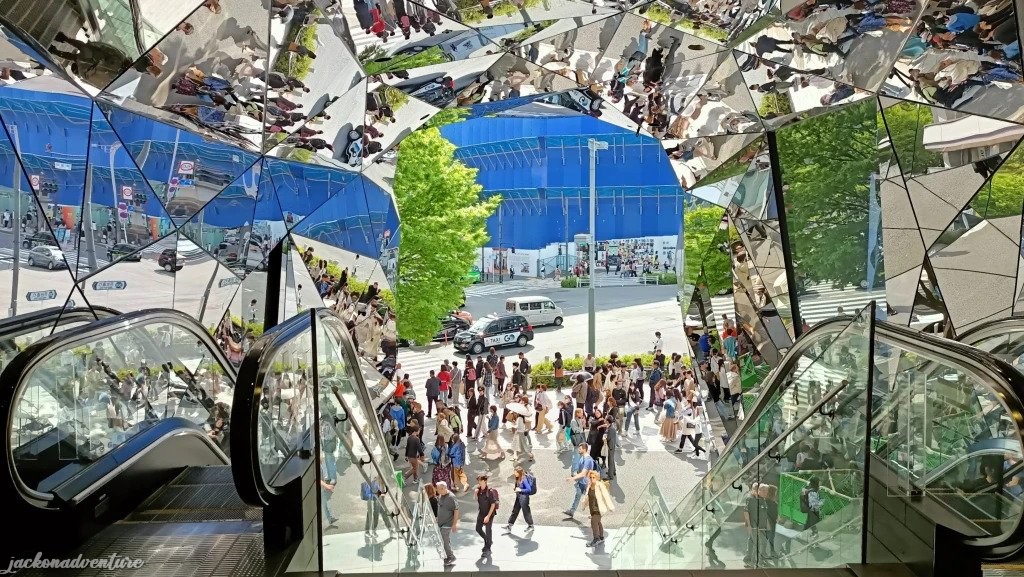
Not far from the teen fashion street of Takeshita-dori is an upscale Omotesando. It reveals a more grown-up side that attracts the cultured, stylish and the wealthy where luxury branded stores are found such as Prada, Dior and Louis Vuitton.
Further down the street is Tokyu Plaza (pictured above) with a unique entrance entirely made from tilted mirror-polished stainless steel panels. Those fashion retailers sell various Japanese and international luxury clothing. Its rooftop garden has a Starbucks outlet and is a great spot to take a drink and just take a break after a long walk in the outdoor area.
Getting There: Take the Chiyoda or Fukutoshin Subway Line to Meiji-jingumae ‘Harajuku’ Station
Getting lost in translation in Shinjuku Station
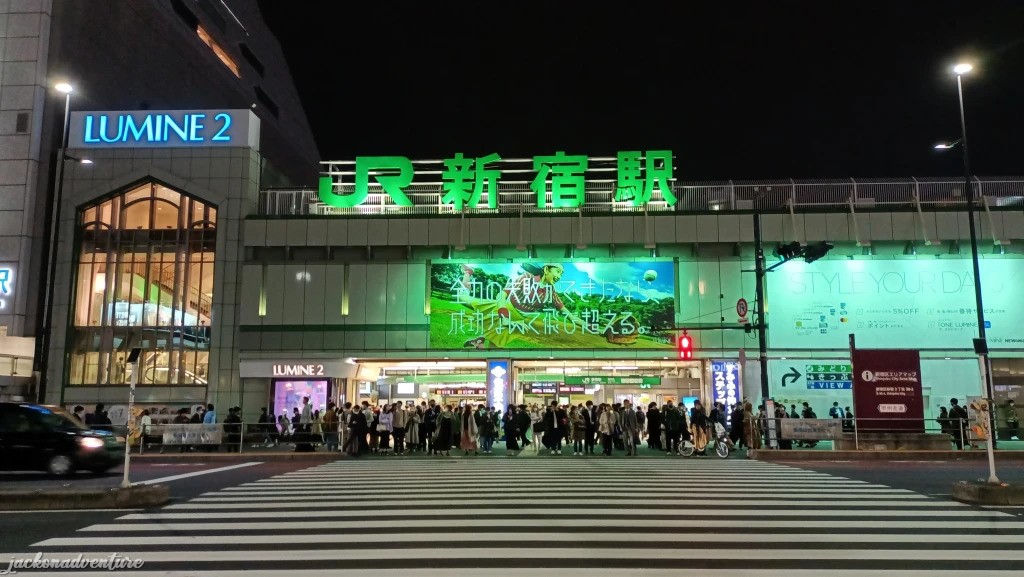
Strategically located in Japan’s biggest business and entertainment district, Shinjuku Station is the busiest station in the world with more than 3 million passengers commuting here every day. Getting lost here felt like walking and finding an exit out of a maze or dungeon, even for the locals themselves or domestic travelers.
This massive station has a whopping 200 exits and consists of 11 train lines that are operated by 6 companies. These trains can get you to anywhere within the city and are a good way for day-tripping to venture into Tokyo’s outskirts and other prefectures.
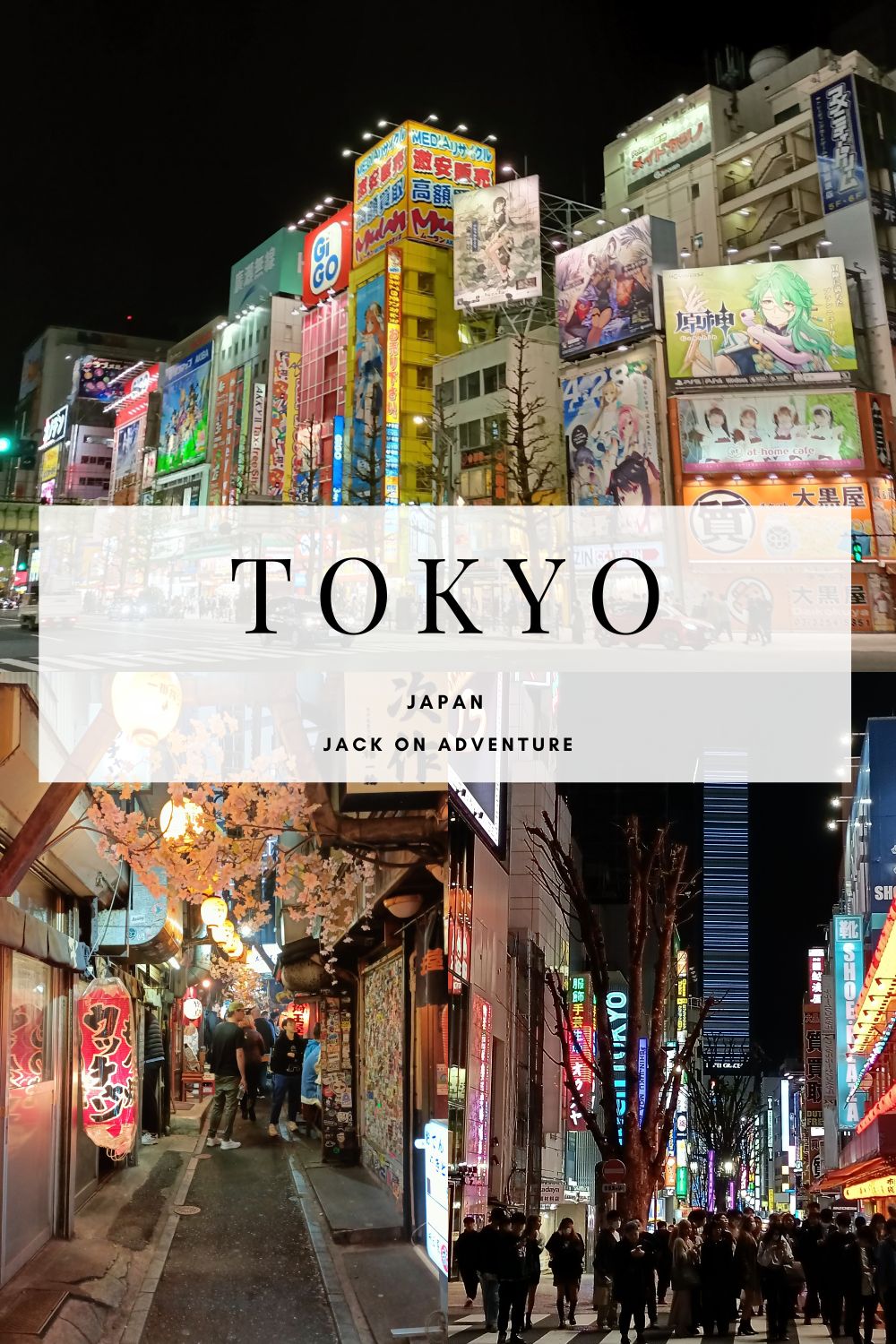
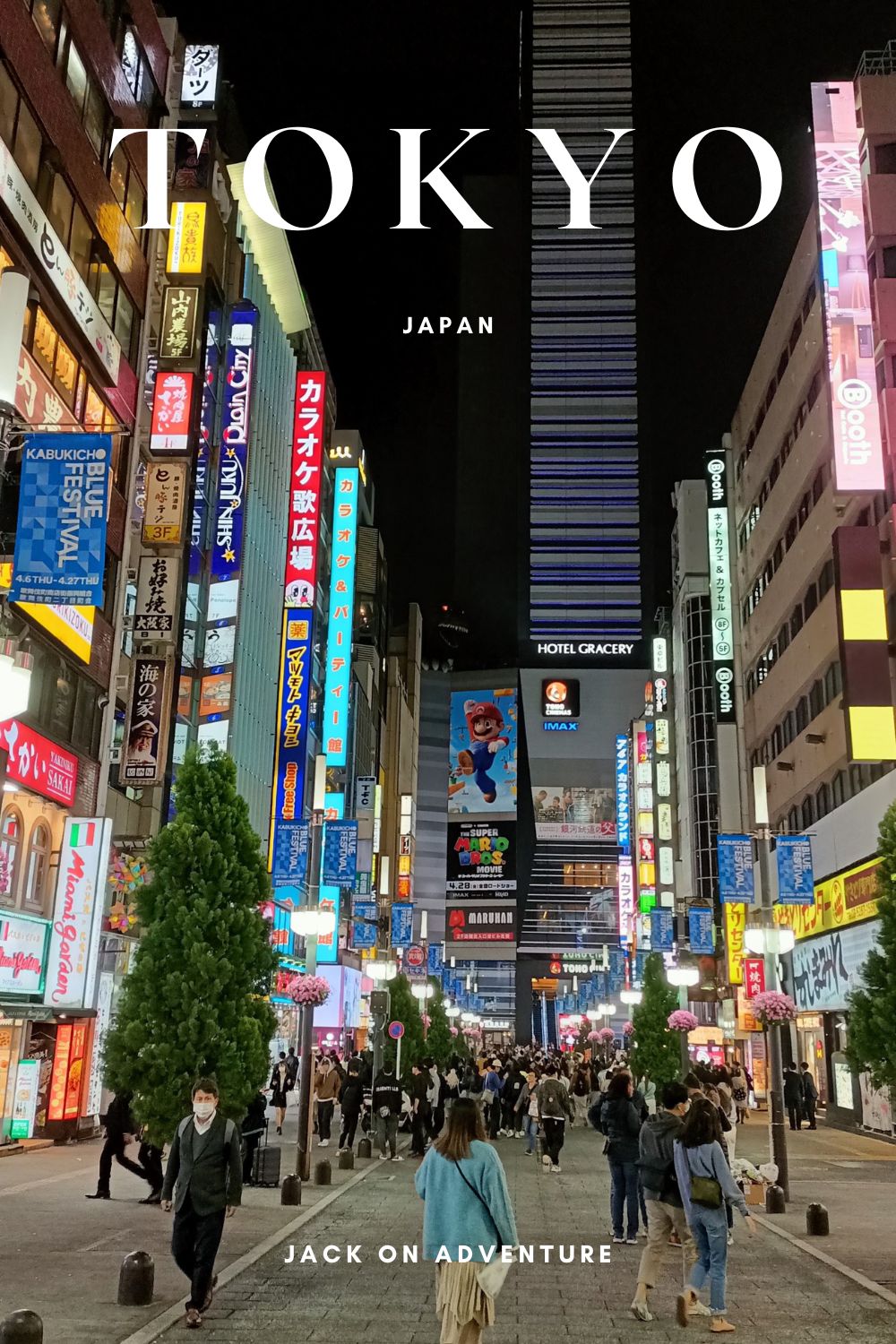
Enjoy the nightlife of Kabukichō
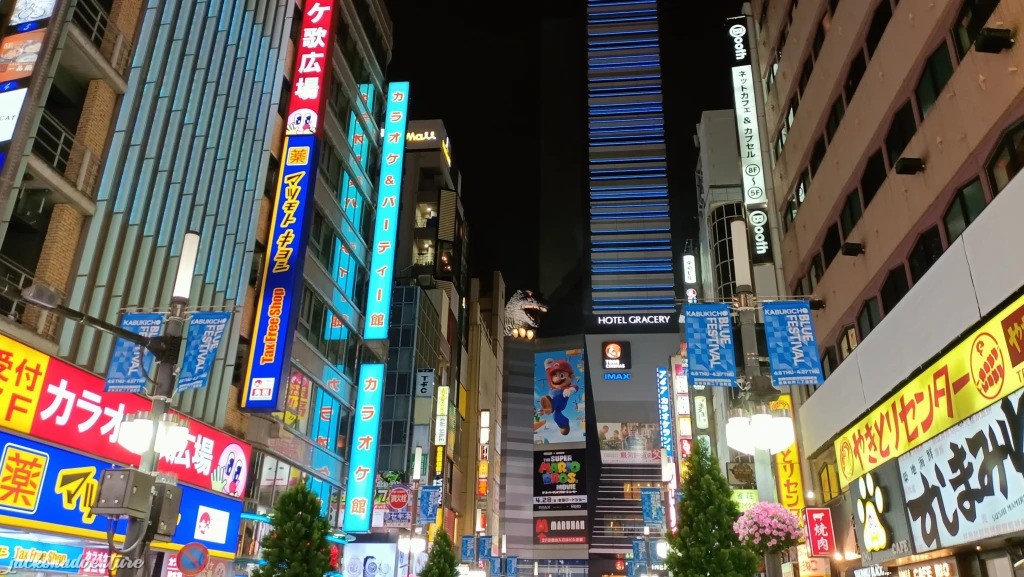
Kabukichō is the largest red-light district in Tokyo that offers something for everyone. This entertainment district is filled with loud neon lights, hostess and host clubs, restaurants and pachinko parlors.
You will be welcomed by Kabukichō’s ambassador, the giant Godzilla that can be spotted from afar as he sits on top of Gracery Hotel. The creature will occasionally light up and roar, which never fails to keep bypassers entertained.
Getting There: Take the Shinjuku, Chūō or Marunouchi Subway Line to Shinjuku Station. You can also take the Shinjuku, Fukutoshi or Marunouchi Subway Line to Shinjuku-sanchome Station.
Take a glimpse of Omoide Yokocho

The lantern-lit streets next to Shinjuku Station are known as Memory Lane. It is cramped with tiny food stalls or izakaya with a cozy atmosphere that serves various types of yakitori snacks (grilled meat skewers). The recommended time to visit is after dark or just before sunset.
This narrow street is commonly referred to as Piss Alley. Back in the 1940s, it was once an illegitimate drinking quarter packed with hostess bars with no toilets. Customers were forced to relieve themselves on the neighboring train tracks. Therefore, it gave the alley a lasting reputation.
Getting There: Take the Chuō or Oedo Subway Line to Shinjuku Station. You can also take the Fukutoshin, Marunochi or Shinjuku Subway Line to Shinjuku-sanchome Station.
Roam around Golden Gai
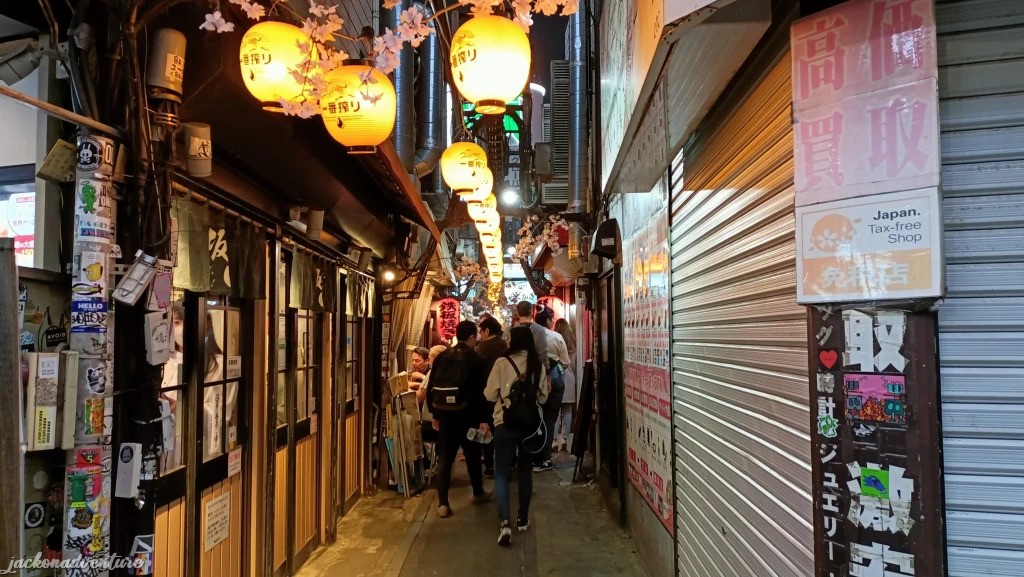
This sketching street of the red-light district has over 200 bars crammed side-by-side. The scene comes to life after dark when locals have their meals at these small establishments. It remains unchanged since Shinjuku district has been modernized and preserved its post-war charm.
Many buildings were built out of wood and remnants hanging on are from the Showa era. The establishments are so small that they can fit three to eight persons each time. Although most bars only allow their regulars to dine in, some bars slowly opened up to welcome foreigners too.
Getting There: Take the Chuō or Oedo Subway Line to Shinjuku Station. You can also take the Fukutoshin, Marunochi or Shinjuku Subway Line to Shinjuku-sanchome’ Station.
Wander around Imperial Palace Garden
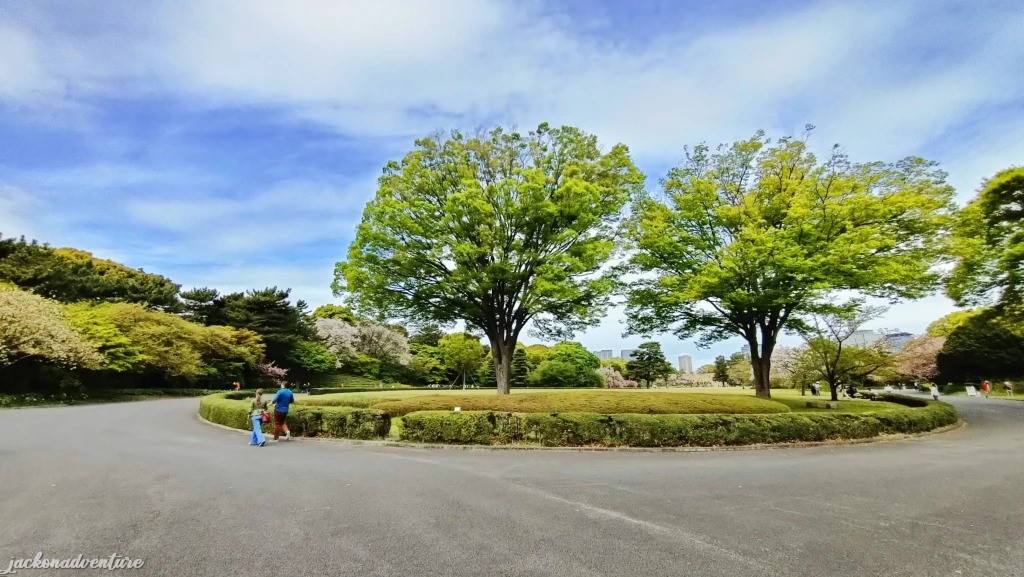
Situated at the former site of Edo Castle, the Imperial Palace (皇居) is the residence of the Imperial Family. The palace was built in 1888 and destroyed during World War II but later restored to its former glory.
The Edo Castle which once stood here used to be the seat of the Tokugawa shogun who ruled Japan from 1603 to 1867. The shogunate was overthrown in 1868 after the Meiji Restoration and the country’s capital and imperial residence were moved from Kyoto to Tokyo.

Stroll around the Imperial Palace East Garden (皇居東御苑) where you can visit the former site of Edo Castle’s innermost circles of defense, the hommaru (“the main circle”) and ninomaru (“secondary circle”).
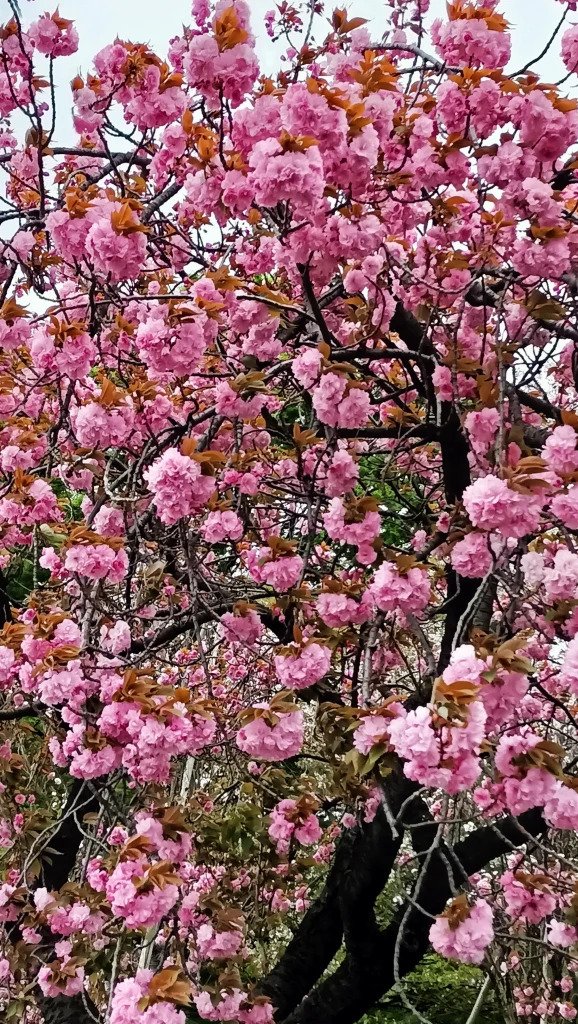
The river and East Garden are surrounded by magnificent Sakura trees, which fully bloom around March or April. You can also enjoy boat rides or a picnic at the park.
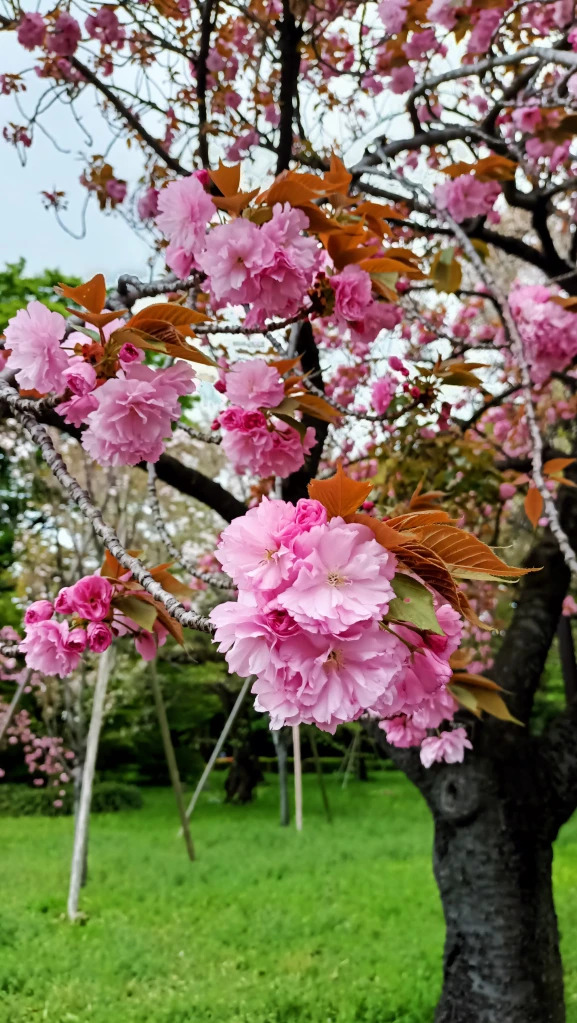

If you have extra free time, take a 75-minute free Japanese and English guided tour to get a closer look at the inner areas of the palace, The tours run daily at 10 am and 1.30 pm (except Sundays and Mondays).
Location: 1-1 Chiyoda, Chiyoda City
Getting There: Take the Chyoda, Tozai, Marunochi, Hanzomon or Mita Subway Line to Otemachi Station and walk to the Ōte-mon Gate entrance of the East Garden. The garden can also be reached by a 10-15 minute walk from Tokyo Station.
Opening Hours: The East Garden opens daily except Monday and Friday from 9 am and closes between 4 pm to 6 pm depending on the season.
Entrance Fee: Entry to the East Garden is free. Guided tours are free but required to register, either online through Imperial Household Agency in advance or on the day itself with 300 spots given each tour.
Visit Sensoji Temple
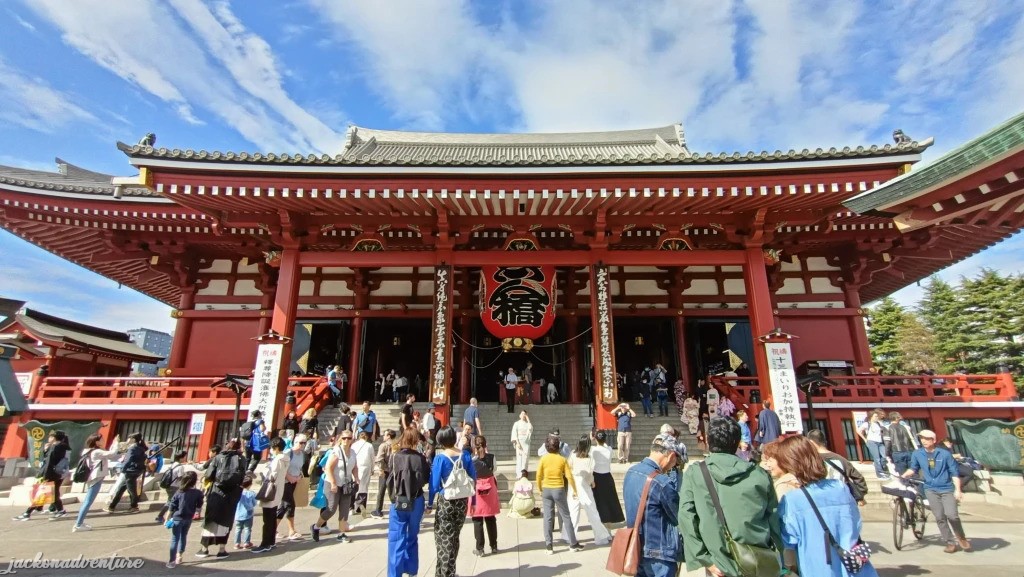
Sensoji Temple (浅草寺) known as Asakusa Kannon Temple is the oldest and first temple built in Tokyo dating back to 645 AD. In the early years of the Tokugawa shogunate, Tokugawa Ieyasu designated this temple as the guardian of the Tokugawa clan.
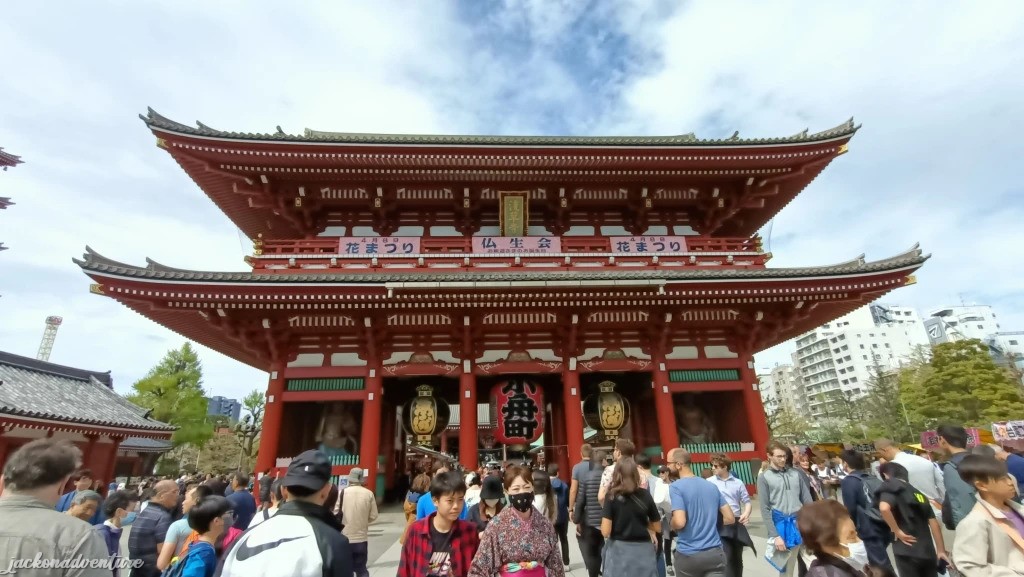
This colorful ancient Buddhist temple was dedicated to the Kannon Bosatsu, the goddess of mercy. Legend has it that a statue of the Kannon was found in the river of Sumida in 628 AD by two fishermen brothers. The chief of the village recognized the sanctity of the statue and enshrined it by remodeling his own house into a place of worship.
The outer gate is decorated with a huge paper lantern and 4 colorful statues of Shinto gods. The red gigantic Kaminarimon (Thunder Gate )weighing 700 kg becomes the symbol of Asakusa. The original gate built in 941 was destroyed by fire in 1865 and later rebuilt in 1960. Inside the temple grounds lies the main hall and a five-storied pagoda.
Location: 2 Chome-3-1 Asakusa, Taito City
Getting There: Take the Ginza or Asakusa Subway Line or Tobu Railway to Asakusa Station
Opening Hours: The temple ground is always open and the main hall opens from 6 am to 5 pm
Entrance Fee: Free
Go food-tasting at Nakamise-dori
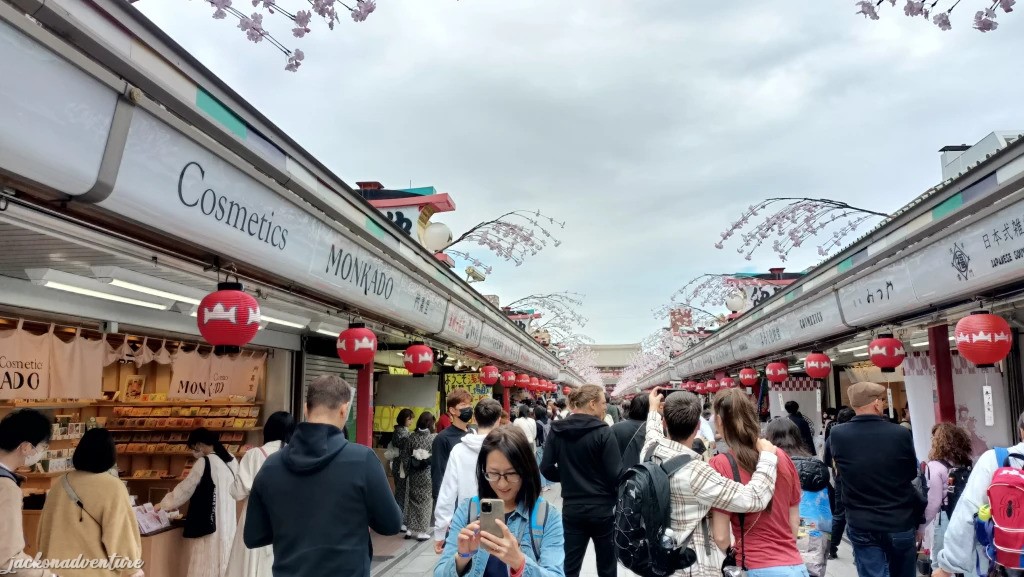
The busy Nakamise-dori is a shopping street lined with small stores selling typical Japanese souvenirs and a variety of traditional local street food and snacks. There are also kimono rental stores to dress up with colorful Japanese traditional clothing and take photos with the backdrop of Sensoji Temple.
You will get a feel of old-school Tokyo at one of Japan’s oldest shopping streets that goes back to the 17th century. These shops are mostly run by the same families for several generations.
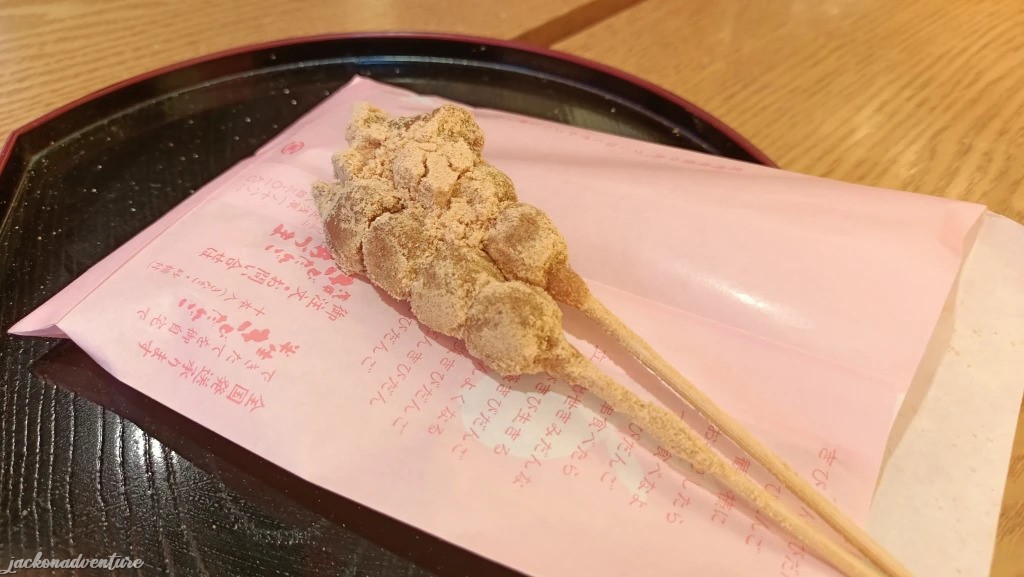
The food recommendations to try here are Ningyo-yaki (doll-shaped cakes made from soft sponge and filled with sweet red bean paste), Imo yokan (Japanese confectionary made from sweet potato) and Senbei (baked rice crackers with various flavors and toppings).
Stroll along Ueno Park
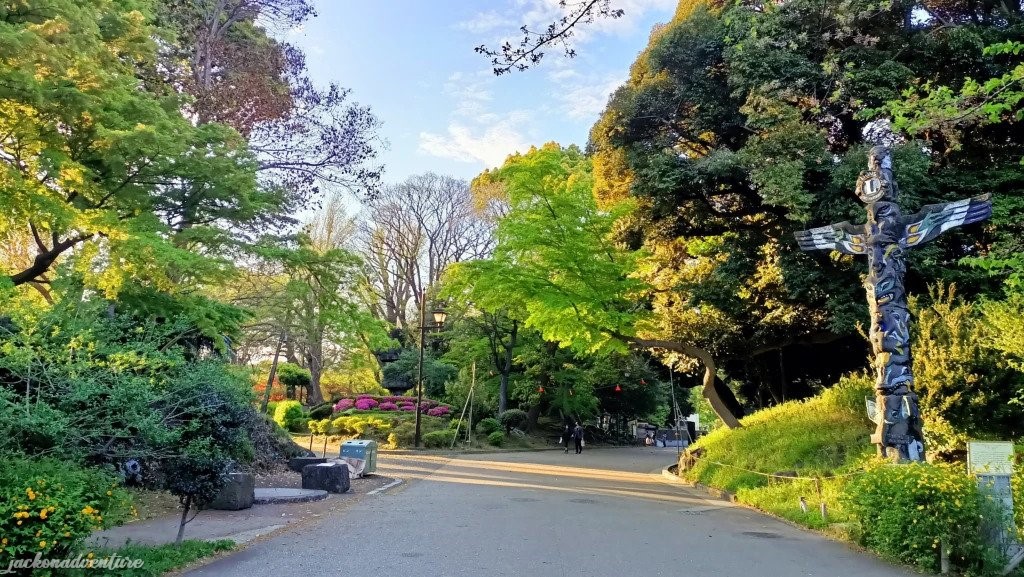
This charming Ueno Park (上野公園) is a great place to enjoy an evening walk. Many people have a wonderful time to spend their outdoor activities. The park is also home to the zoo, four superb museums, Toshu-gu Shrine and a Buddhist temple on a small beautiful Shinobazu-ike Pond. Ueno Park is among the popular spot for hanami parties during spring with more than 1,000 cherry trees.
The park was once part of Kaneiji Temple and used to be one of the city’s biggest and wealthiest temples. It belonged to the family temple of the ruling Tokugawa clan to protect the city from evil spirits. It was heavily damaged during the Boshin War and Meiji Restoration with remnants of its complex scattered around the park such as the pagoda and Toshogu Shrine.
Location: Uenokoen, Taito City
Getting There: Take the Ginza or Hibiya Subway Line to Ueno Station
Opening Hours: Daily from 5 am to 11 pm
Entrance Fee: Free
Experience the otaku culture at Akihabara
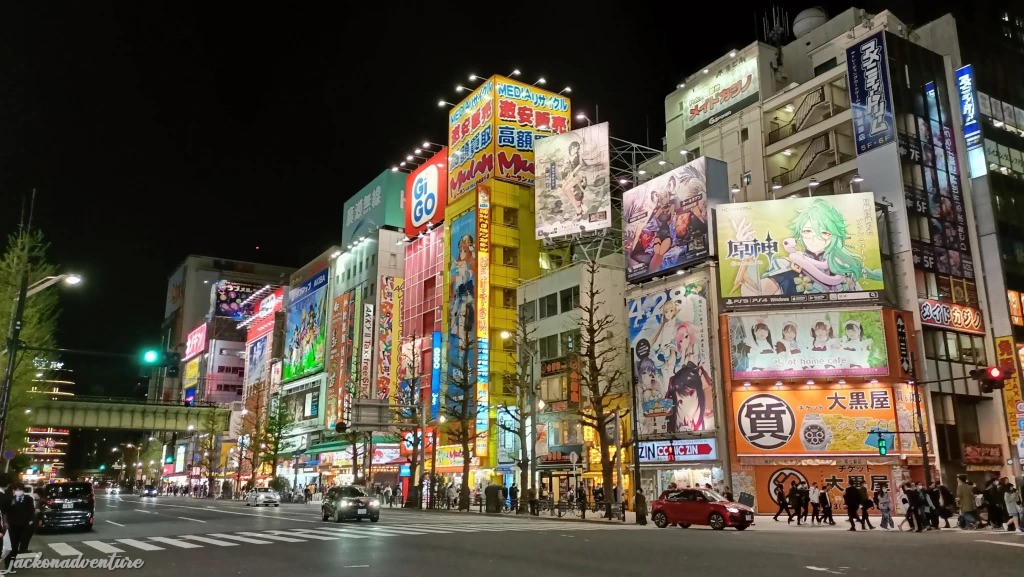
If there is one destination in Tokyo where manga lovers would go, Akihabara is definitely the right place. This ‘Electric Town’ is heaven for anime and manga fans. Visit a Manga Kissa (Manga Cafe) where you can surf the internet, read manga and watch anime.
There are dozens of small to medium-sized shops and department stores that specialize in selling animated comics, retro video games, used game cartridges, toy figures, posters, CDs, trading cards and other collectibles.
Interestingly, Akihabara has many maid cafes where waitresses dress up and act like maids or anime characters. Some ladies wear different costumes such as angels, devils or nurses as they walk around the streets attending to new patrons.
Getting There: Take Ginza Subway Line to Suehirocho Station or Hibiya Subway Line to Akihabara Station. . You can also take the JR Yamanote Line, JR Keihin-Tohoku Line, JR Sobu Line or Tsukuba Express to Akihabara if you have a valid JR Pass.
Try the yummy Monjayaki at Tsukishima

Situated along Tokyo Bay, Tsukishima (月島) is a reclamation island created over 100 years ago. The island was once inhabited by a fishing community who migrated from Osaka in the early 1600s. The island has been redeveloped into high-rise residential complexes but yet retains the feel of old Tokyo today.

There is a street called Tsukishima Monja Street popular for its Monjayaki (もんじゃ焼き)- a kind of pancake served with a variety of ingredients such as seafood, meat, vegetables or even wasabi and mixed with batter. Hence, the name of the street.
Getting There: Take the Oedo or Yurakucho Subway Line to Tsukishima Station
Admire Tokyo skyline at Shibuya Sky
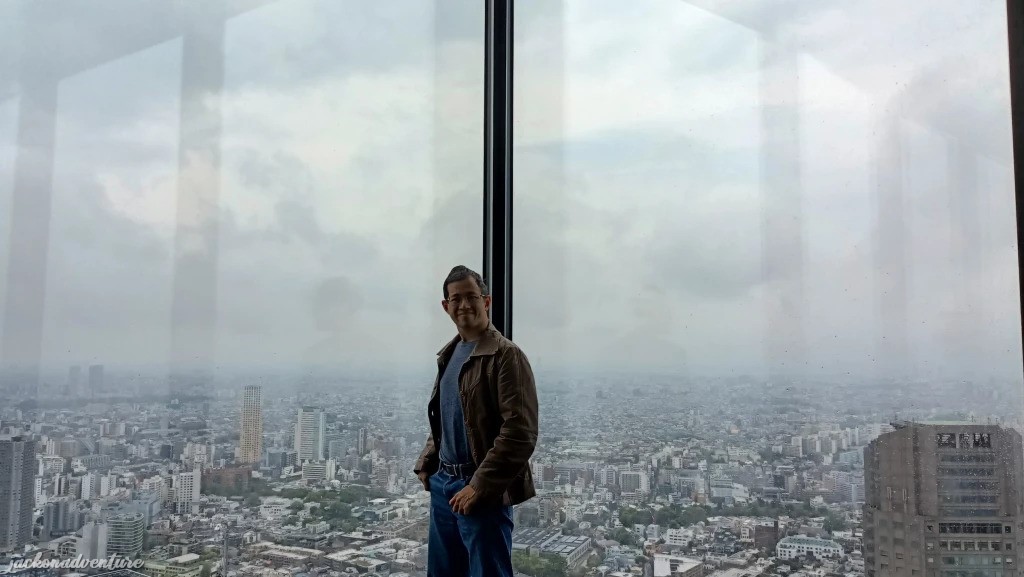
Located on the 46th floor of Shibuya Scramble Square, Shibuya Sky is a 360° open-air observation deck terrace and offers spectacular city views. The indoor section incorporates with dazzling digital art displays that allow one to see the city from a different angle. The rooftop features hammocks for cloud watching and an observation compass to identify the city landmarks as far as Tokyo Tower, Tokyo Skytree and Shinjuku Gyeon National Garden.
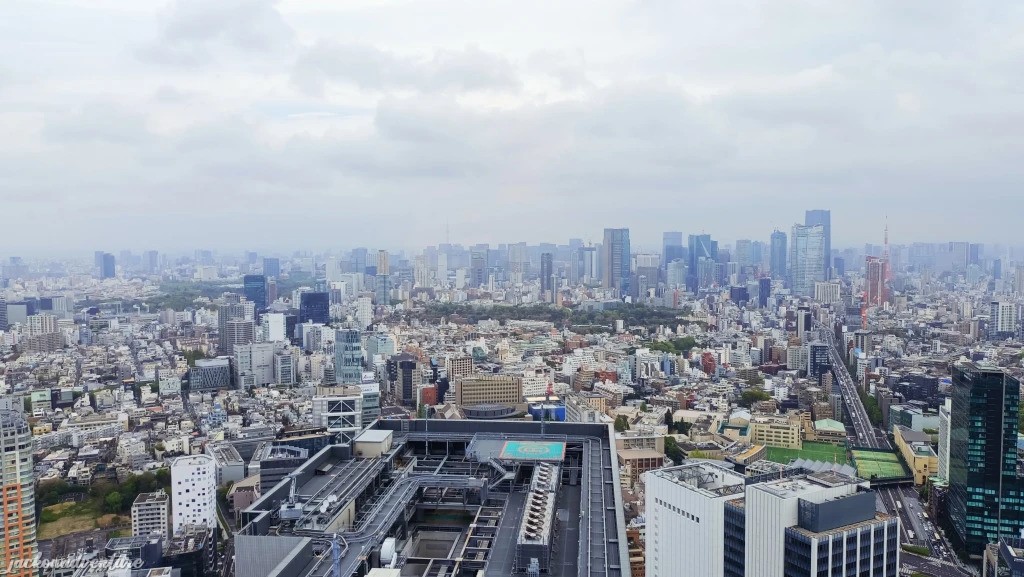
Location: Shibuya Scramble Square 14F, 45F, 46F & rooftop, 2-24-12 Shibuya
Getting There: Take the Fukutoshin, Ginza or Hanzomon Subway Line to Shibuya Station
Opening Hours: Daily from 10 am to 10.30 pm
Entrance Fee: Adults: 2,500 yen (2,200 yen if purchased online)/ Children: 600- 1,700 yen depending on age
Make your way to Shibuya Scramble Crossing
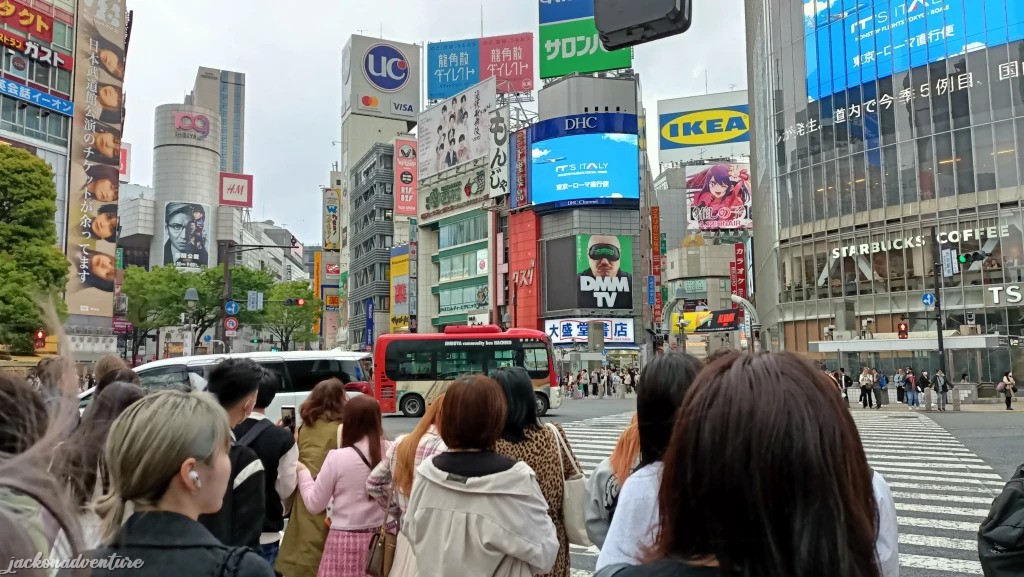
Let’s hit the street!
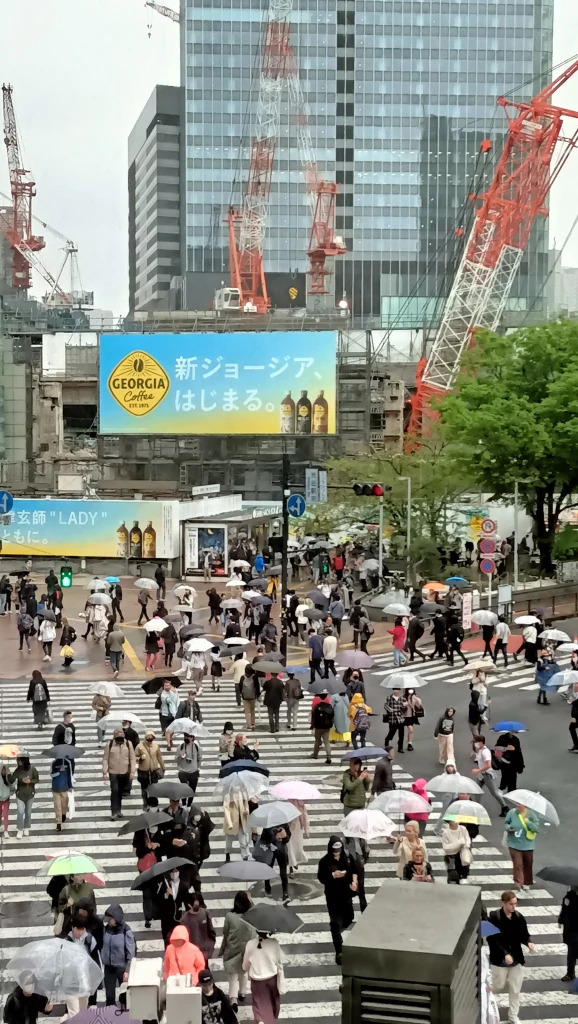
Walking along the iconic Shibuya Scramble Crossing is a must-do activity in Tokyo. You’ve probably seen many time-lapse videos or movies of this crossing, but it will be awesome to personally experience it once in a lifetime. Everywhere is blasted with neon advertisements and large talking video screens.
The Shibuya Crossing is said to be the world’s busiest intersection in the world with over half a million people consistently walking in all directions every day or about 2,500 people every time the lights turn green. The best spot to get a bird’s eye view of the crossing is Starbucks located above the Tsutaya bookshop. Thanks to its location, it’s now the busiest Starbucks in the world and is pretty crowded at all times.
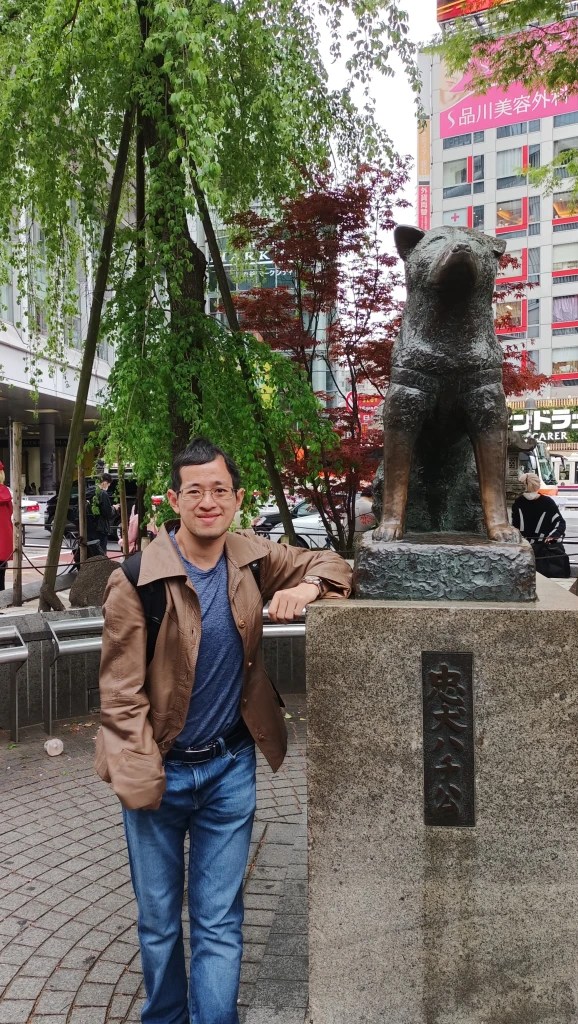
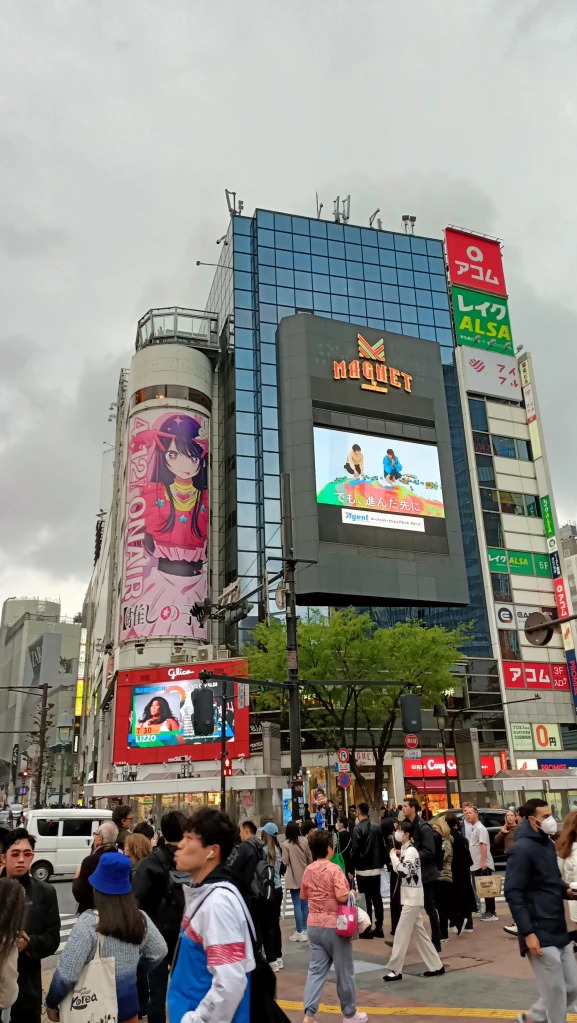
Seek out the famous Hachiko statue near the Shibuya Crossing where it serves as a meeting point for city folks. The statue become a symbol of enduring loyalty and faithfulness and tells the famous tale of a loyal Akita dog who would journey to Shibuya Station every day to wait for its master’s return.
Even after his master passed away, the loyal dog would return to the station every day and wait for his master to show up until his own death nine years later. It was cremated and buried next to his beloved master.
Getting There: Take the Fukutoshin, Ginza or Hanzomon Subway Line to the Shibuya Station
Go shopping at Shibuya Parco
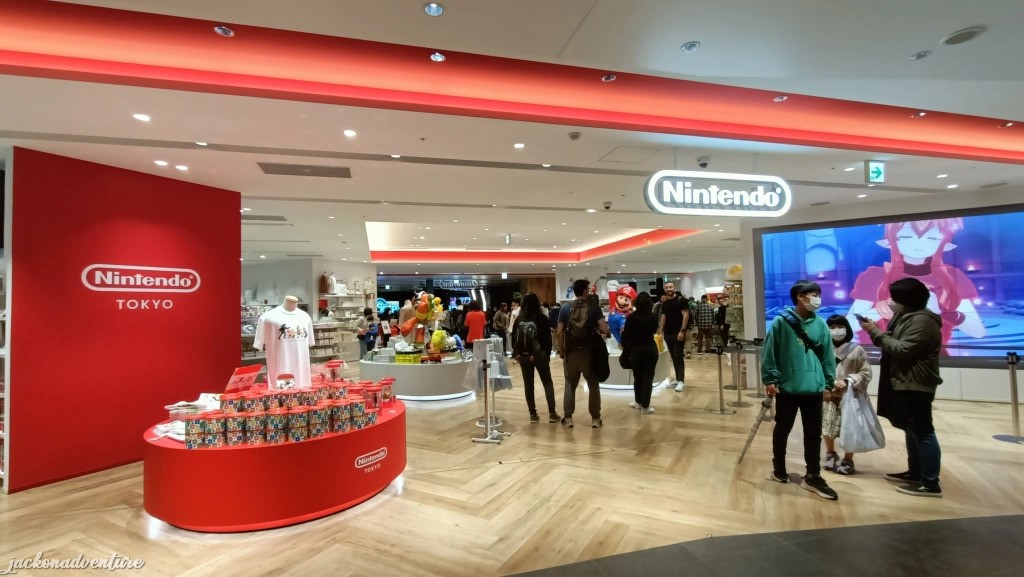
Located at Shibuya Parco shopping mall, the 6th floor is filled with stores selling toys, action figures, collectible cards, t-shirts and many more. It is a one-stop shop for many cartoon characters from Nintendo and Capcom including the popular Pokemon, Digimon, Super Mario, Donkey Kong, Street Fighter and Resident Evil.
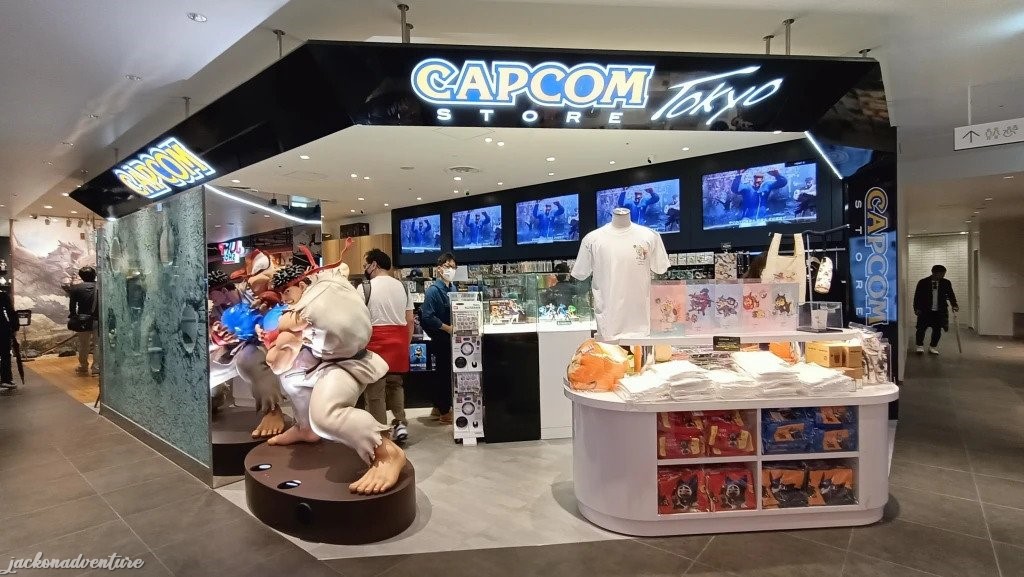
Location: 15-1 Udagawacho, Shibuya City
Getting There: Take the Fukutoshin, Ginza or Hanzomon Subway Line to Shibuya Station
Opening Hours: Daily from 11 am to 9 pm
Have breakfast at the famous Tsukiji Market
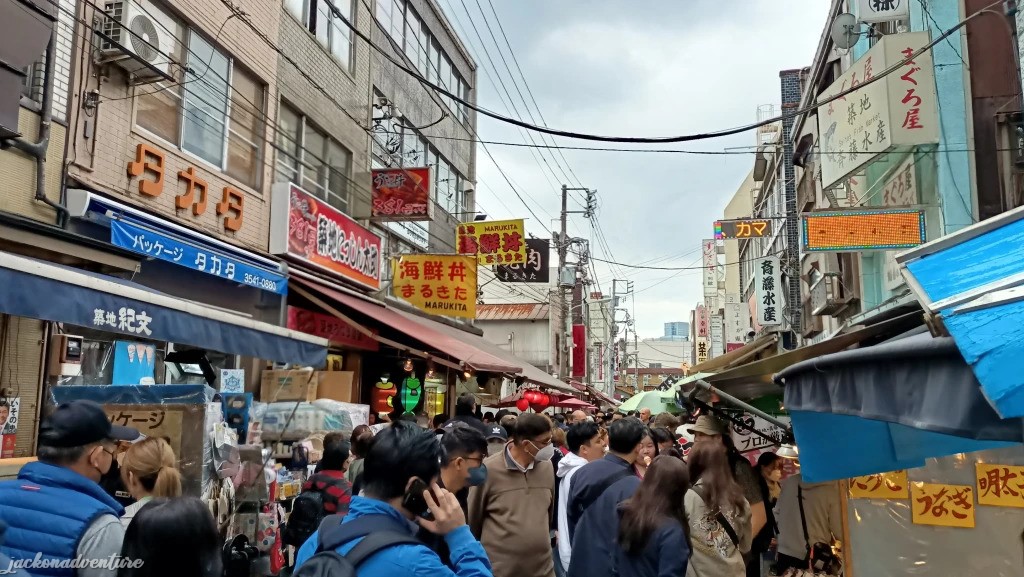
Tsukiji Outer Market is the largest wholesale fish and seafood market in the world. The wholesaler market once located here was used to host tuna auctions as early as 5 am before they shifted to the new Toyosu Market further away from here. Shop and restaurant owners will come to the auction to examine the quality and bid for the fish. Each giant bluefin tuna can fetch up to thousands of dollars.
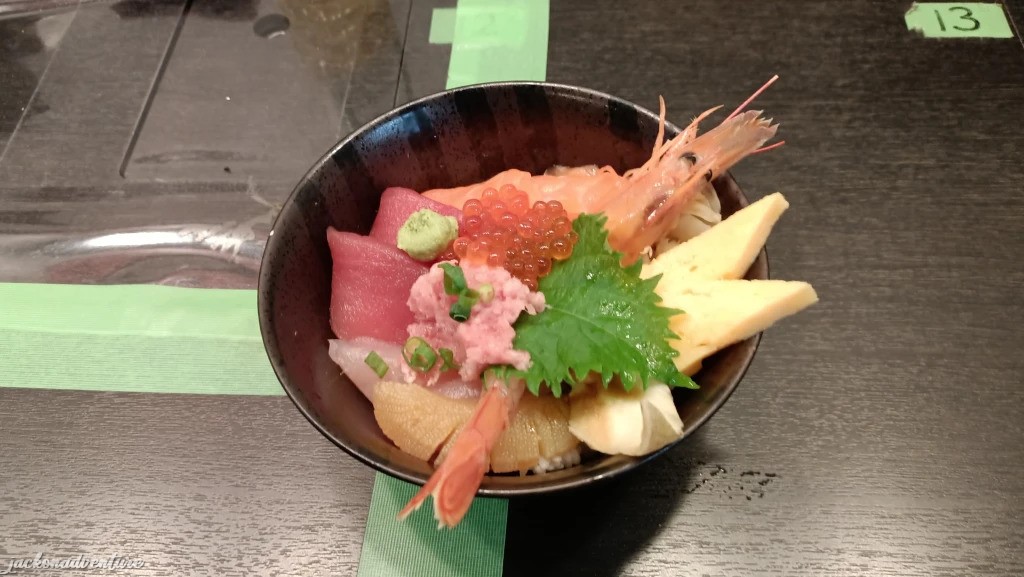
Today, the existing fish market is still made up of 300 wholesale stores, retail shops and restaurants that serve fresh seafood just brought in from the ocean, sashimi and delicious sushi. The food in Tsukiji Market may be slightly more pricey, but they are definitely worth the money.
Location: 4 Chome-16-2 Tsukiji, Chuo City
Getting There: Take the Hibaya Subway Line to Tsukiji Station. You can also take Oedo Subway Line to Tsukijishijo Station.
Opening Hours: Monday to Saturday and usually from 5 am to 2 pm. Opening hours vary depending on individual stores and are closed on Sunday and public holidays
Discover Ikebukuro district
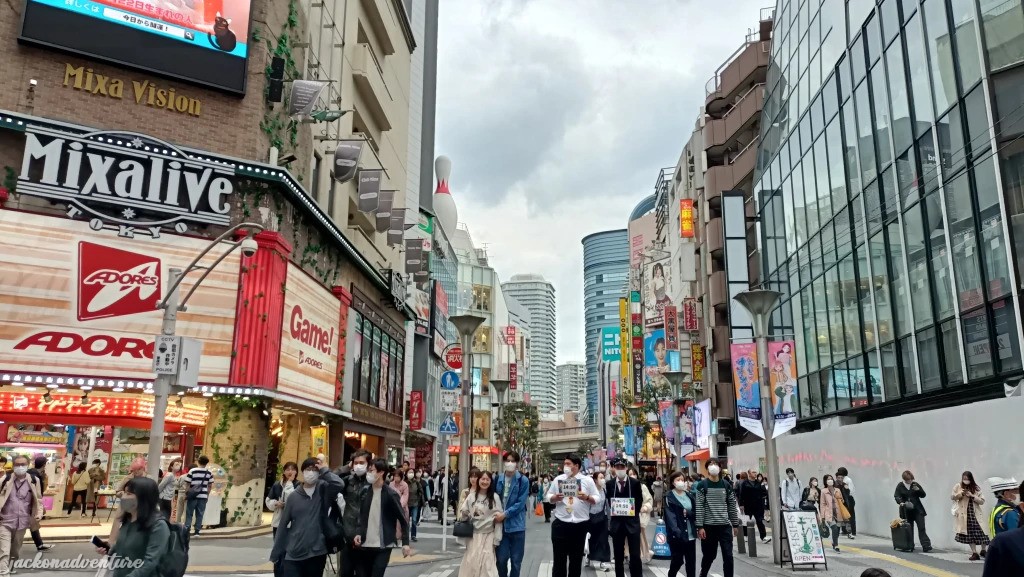
Ikebukuro is home to some of the largest department stores in Tokyo namely the Tobu and Seibu department stores and electronic flagship stores including Bic Camera and Yamada Denki.
The district is also the center of otaku culture with most shops highly cater to female customers who love bulter cafes and amine, manga and cosplays.
Sunshine City is another massive shopping complex that is designed like a city within a city. The complex consists of 240 -meter tall Sunshine 60 skyscraper, shops, restaurants, an aquarium, a planetarium, a museum, indoor theme parks and Sunshine Prince Hotel.
Travel Tips: The shops in Sunshine City open daily from 10 am to 8 pm and restaurants here open daily from 11 am to 10 pm
Enter the Pokemon world at Pokemon Center Mega Tokyo

The Pokemon Center Mega Store is the largest store in Japan and is a must-see attraction for every Pokemon die-hard fan who travels to Tokyo.
Team Leader Spark, Candela and Blanche await you for your arrival at the entrance of the store. The megastore sells a huge selection of merchandise including toys, limited edition collectible items, Japanese-version Pokemon cards, t-shirts, stationary and footwear. There is even a Pokemon-themed ramen and candy store, Pokemon arcade and a game room where players can battle each other with their cards.
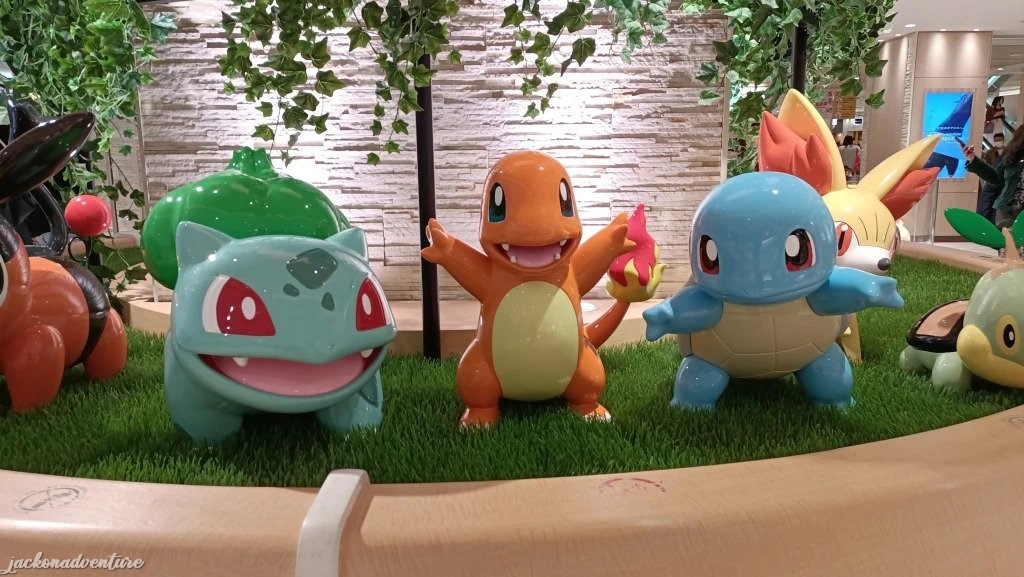
Travel Tips: Not all Pokemon can be found under one roof including this Mega Store. For instance, I bought my Charizard and medium-sized Pikachu at this Mega Store, Squirtle at Shibuya Parco, small-sized Pikachu from Tokyo Station and ended up grabbing Bulbasaur at a gift shop at Osaka’s Tenjinbashi-suji Shopping Street.
It’s best to buy what you want right away and don’t hope to get every Pokemon you want at one shop. A lady and I instantly got our hands on the only two Pikachu when the staff took them out from the store room. That’s how quick the popular ones are taken!!
Location: Sunshine City alpa 2F, 3-1-2 Higashi-Ikebukuro, Toshima-ku
Getting There: Take the Fukutoshin Subway Line to Toshima and take a 15-minute walk to Sunshine City Shopping Mall or Yurakucho Subway Line to Higashi-Ikebukuro Station.
Opening Hours: Daily from 10 am to 8 pm
Go window shopping at Ginza
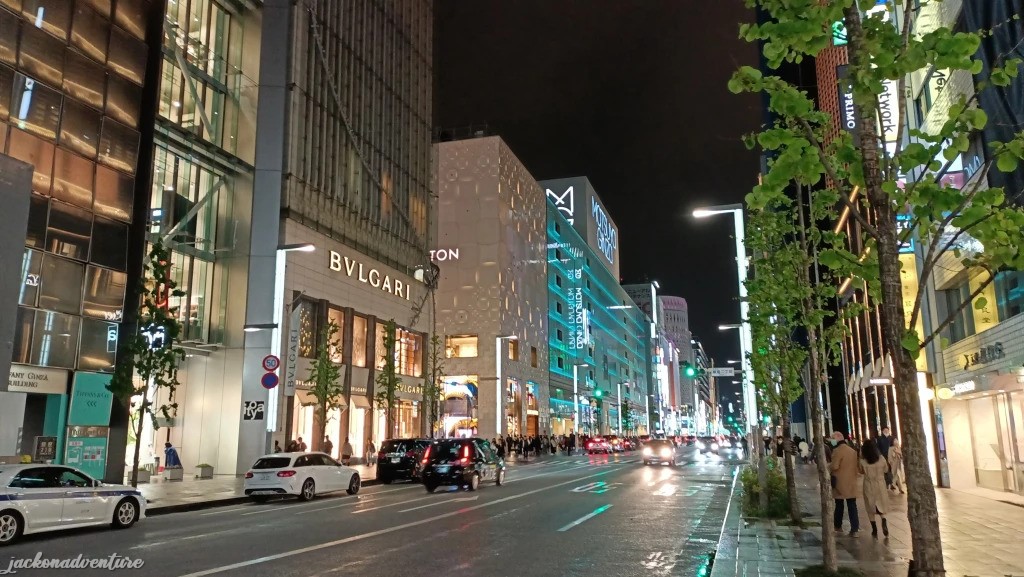
Ginza is known for its lavish, upmarket shopping haven and high-end restaurants. There are countless numbers of Japanese and international designer boutiques, exclusive restaurants and foreign luxury goods at Ginza Six shopping complex to the flagship department stores like Mitsukoshi and Muji.
One of the attractions worth checking out is Kabuki-za Theatre which performs regular kabuki drama shows. Kabuki is a traditional Japanese art form known for its dramatic makeup that is performed by all-male casts.
Going Elsewhere in Japan?
If you like to travel to other parts of Japan, here are some ideas of cities and towns worth visiting with the best things to do. There are also stories about my experience on the Shinkansen train ride and WWOOFing in Japan.
- Tokyo in 2024
- Kamakura
- Nagoya
- Nagano
- Takayama
- Gujo
- Ise
- Kumano Kodo
- Okayama
- Hiroshima
- Miyajima
- Mt Fuji
- Kyoto
- Arishayama
- Nara
- Osaka
- Shinkansen Train
- WWOOFing in Japan
Like It? Pin This Article.


 Jack on Adventure
Leave a comment