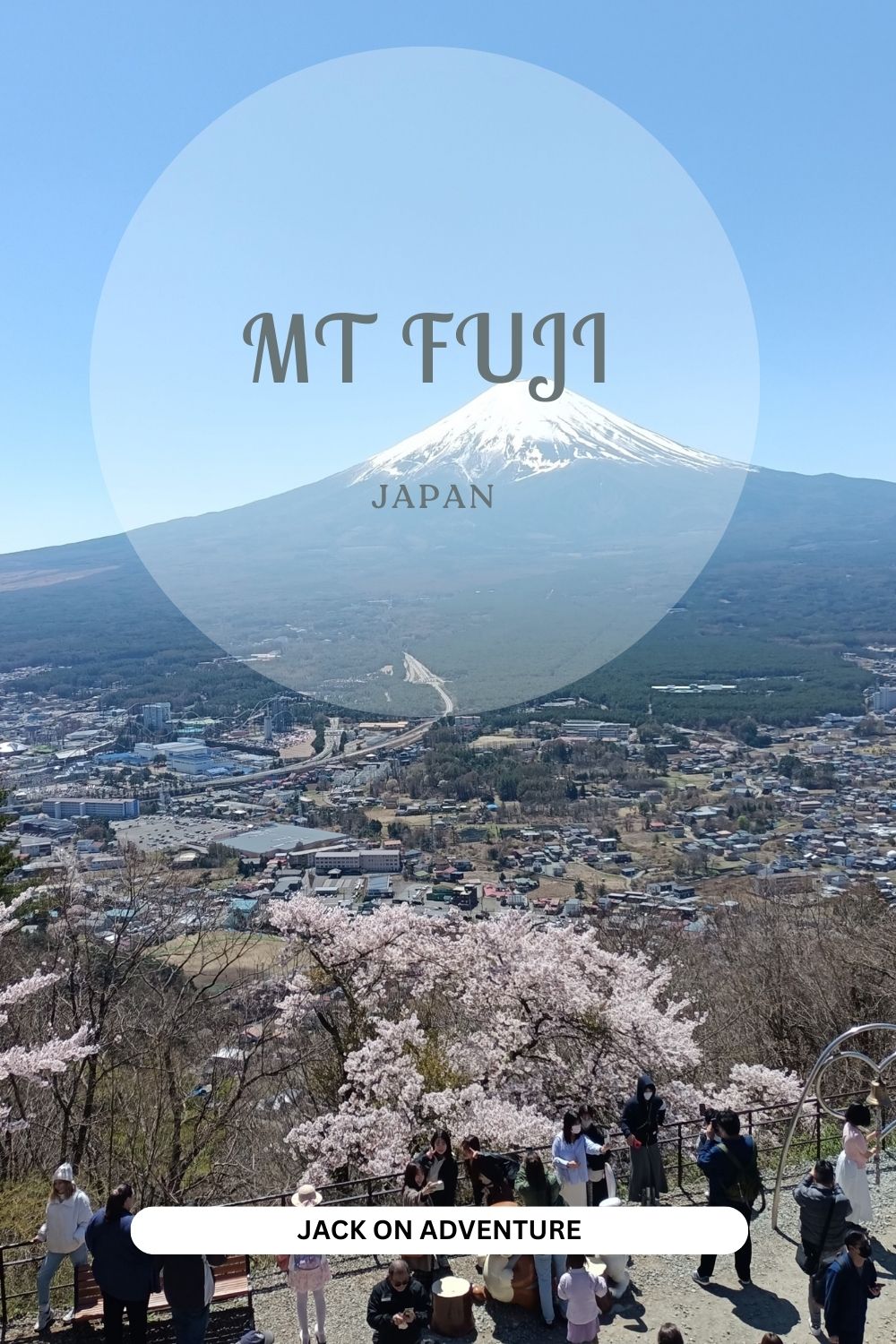
Mt Fuji (富士山) is one of my favorite travel destinations in Japan. The mountain is the highest peak in the country which stands at 3,778 m and remains an active volcano with its last eruption in 1707. This gorgeous site was listed a UNESCO World Heritage in 2013.
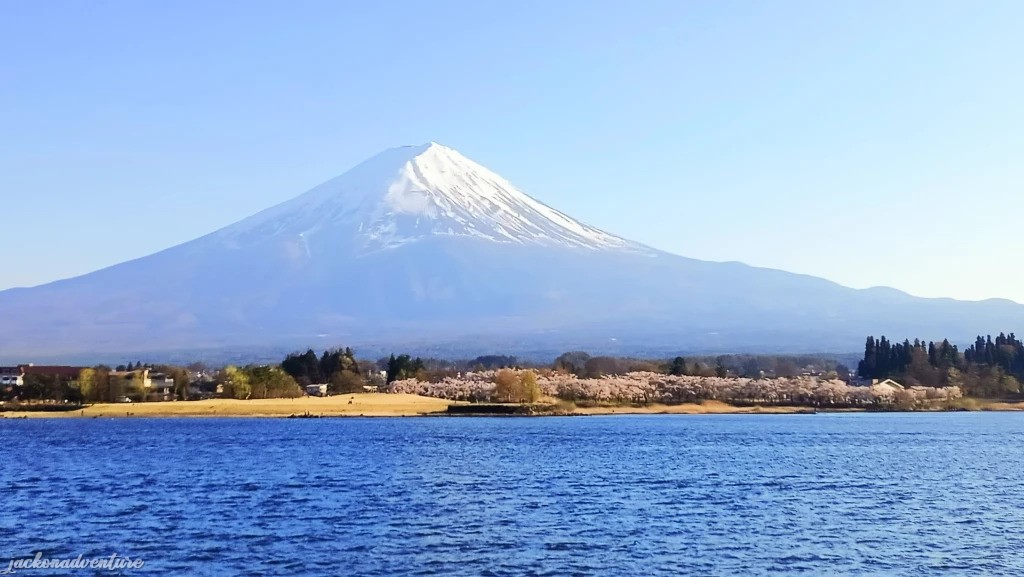
This majestic mountain together with Mount Haku and Mount Tateyama form the “Three Holy Mountains”. They are considered sacred places and believed to have special powers. It has become a symbol of Japan with a prominent role in the local culture and history for centuries.
The five iconic lakes around the foot of Mt Fuji are best known as the “Fuji Five Lakes” or Fujigoko in Japanese. These lakes are spread out through Yamanashi prefecture, namely Lake Kawaguchi, Lake Yamanaka, Lake Sai, Lake Shoji and Lake Motosu. Each lake has its own stunning beauty and all of them are designated as UNESCO World Heritage Sites.
Best Time to Visit
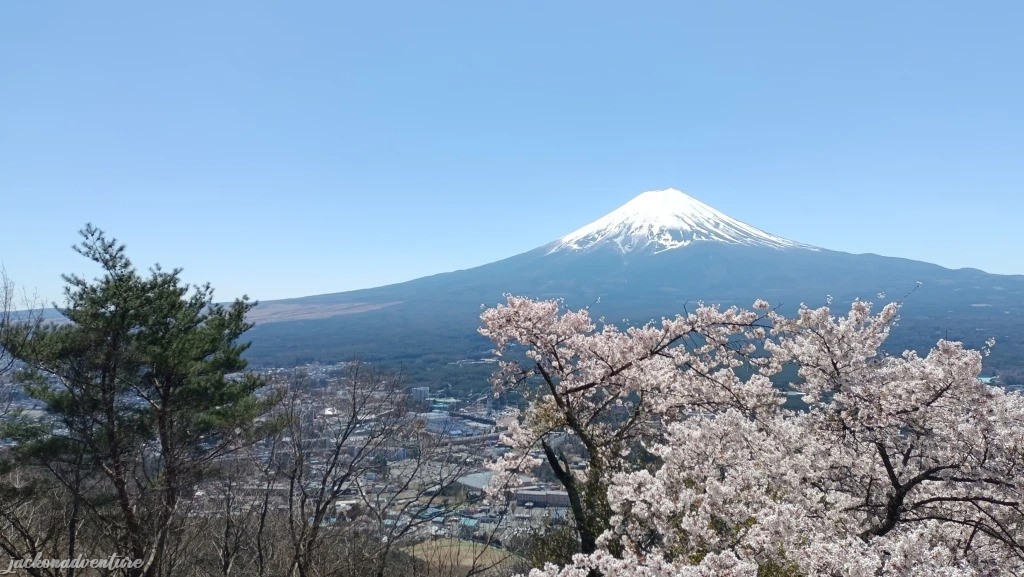
As you plan your trip to admire the breathtaking views of Mt Fuji, there are a few things to consider beforehand. The mountain isn’t always visible and sometimes hidden behind the clouds for a long time.
Spring between mid-March and early April is a great time to enjoy the cherry blossom around the lakeside of Mt Fuji. The cherry trees will bloom and is great to enjoy the beautiful scenery of the sakura. They usually bloom slightly later than Tokyo because the elevation is higher and the temperature is cooler.
The season to climb Mt Fuji is from June to mid-September when the trails and mountain facilities are open to the public. The mountain is usually free of snow and the weather is pretty calm.
Other times to visit is during the autumn and winter season. Autumn from September to November offers different scenic views with maple trees covered with red leaves which creates a beautiful surroundings. Winter in December to February has a great chance to see the mountain covered with snow which gives a beautiful sight to enjoy.
Getting There
By Bus
During my trip to Mt Fuji, I visit and stay at Lake Kawaguchi area- the second largest lake of the Fuji Five Lakes. The lake is easily accessed by a direct express bus by Keio Bus and Fujikyuko Bus from Shinjuku Expressway Bus Terminal or Shibuya.
You can buy the bus ticket from their Highway Bus website at 2,200 yen per way and the journey takes only 1 hour 45 minutes. The e-ticket from your mobile phone can be shown to the bus driver before boarding. I recommend leaving Tokyo before 8 am and getting the most out of your day at Mt Fuji.
By Train
Kawaguchiko Station can only be reached by train using JR Chuo Line and Fujikyu Railway Line. First, you need to take the JR Chuo Line from Shinjuku Station to Otsuki Station and transfer for Fujikyu Line from Otsuki Station to Kawaguchiko Station. The downside of taking the train is you need to switch trains and usually takes 2-3 hours to travel.
It is only a good idea to use the train if you have a JR Pass that covers JR Chuo Line without any extra cost. However, the pass can’t be used for the Fujikyu Line because it is run by another train operator. You need to get a separate ticket and pay with your Suica or Pasmo card.
Getting Around
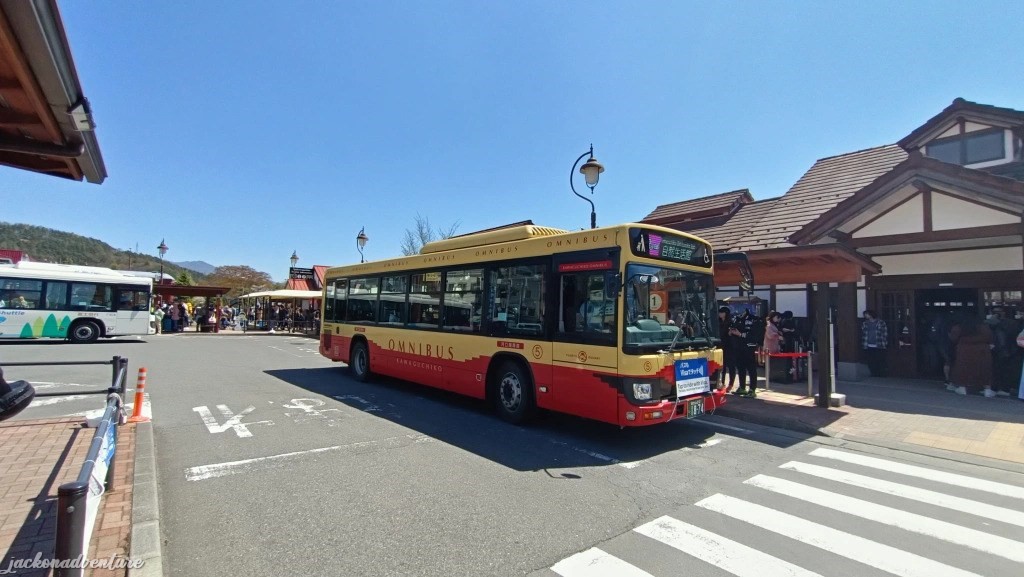
The great way to explore the wonderful sights around Lake Kawaguchi is by the sightseeing buses with three main bus lines- Red, Green and Blue. All sightseeing buses depart from Kawaguchiko Station where Keio Bus and Fujikyuko Bus drop their passengers who come from Tokyo.
I bought a ticket set with an unlimited two-day Sightseeing Bus ride, Panoramic Ropeway and Sightseeing Boat that cost 2,800 yen (1,400 yen for children). The tickets are sold at the counter at Kawaguchiko Station.
The Best Activities To Do in 24 Hours
Among the five lakes around Mt Fuji, Lake Kawaguchi is home to some of the best scenic views of Japan’s highest peak with the stunning reflection of the mountain and foregrounded by lavender fields.
It’s not always possible to see Mt Fuji due to the clouds and low visibility and it depends on the season and weather. So if you are not in a hurry, why not spend a night here and enjoy the best out of Mt. Fuji trip.
So, here are some of the sites worth exploring and must-do activities in your 24-hours trip to Mt. Fuji.
Take Mt Kachikachi Ropeway to Tenjoyama Park
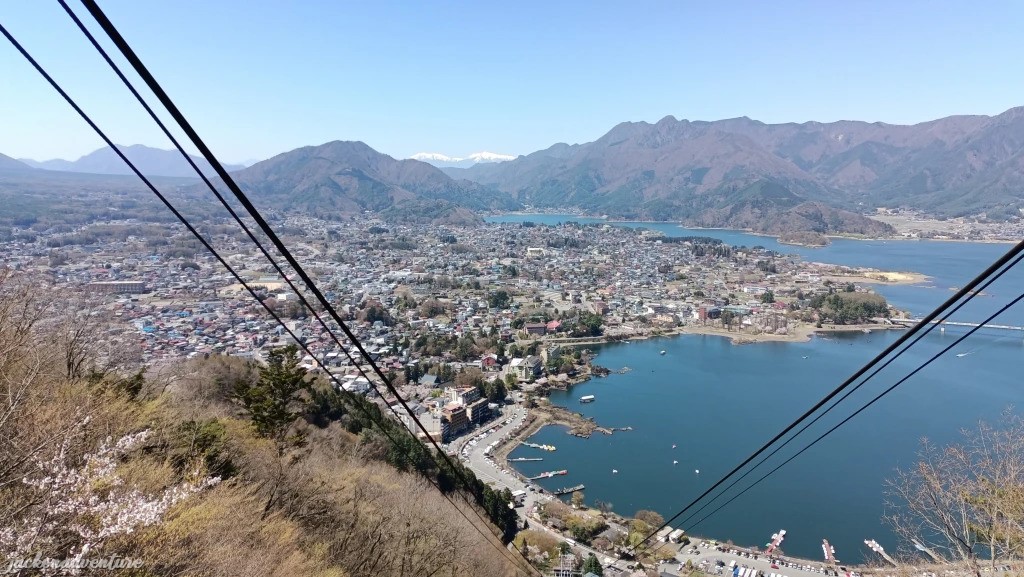
The ropeway gives amazing views of both Mt Fuji and Lake Kawaguchi as the cable car ascends to its highest point at an altitude of 1,075 m. It takes within 3 minutes to Fujimidai Station on top of Mt Tenjō.
The observatory is one of the best photographic spots to see the magnificent scenery of the mountain, the lake and its surroundings. The site is the setting for a story written by one of Japan’s literary masters, Osamu Dazai. He describes the rabbits and raccoons being placed on gondolas and around the observatory area to welcome visitors.
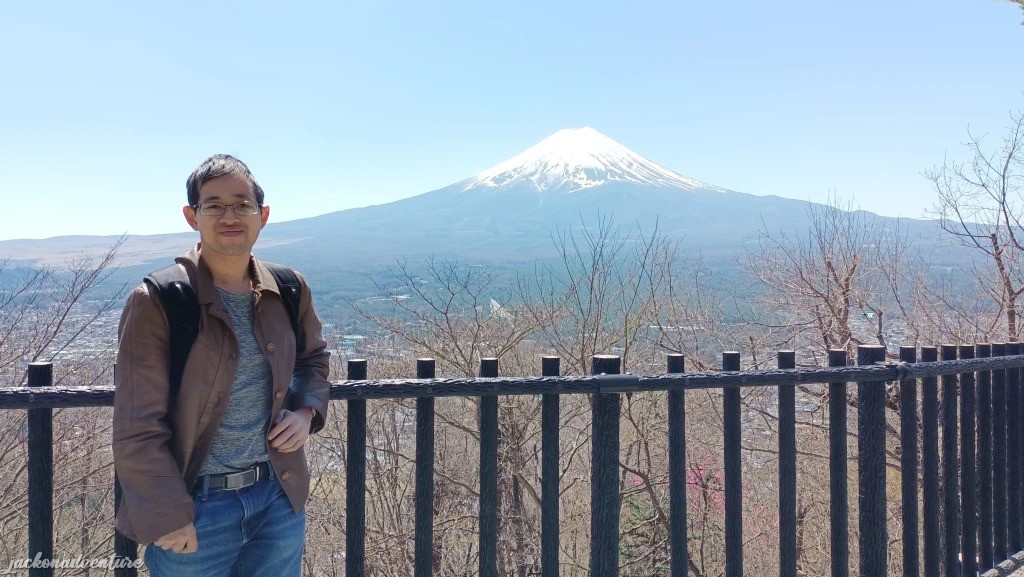
Location: 1163-1 Azagawa, Fujikawaguchiko, Minamitsuru District, Yamanashi
Getting There: Take Omni Bus Red Line to Stop No. 9- Sightseeing Boat/ Ropeway Entrance
Opening Hours: December to February: Daily from 9.30 am to 4.30 pm/ March to November: Daily 9.30 am to 5 pm
Fare for the Ropeway (Return): Adults: 900 yen/ Children: 450 yen (Inclusive of ticket set for adults at 2,800 yen and children at 1,400 yen)
Have lunch at a budget-friendly restaurant
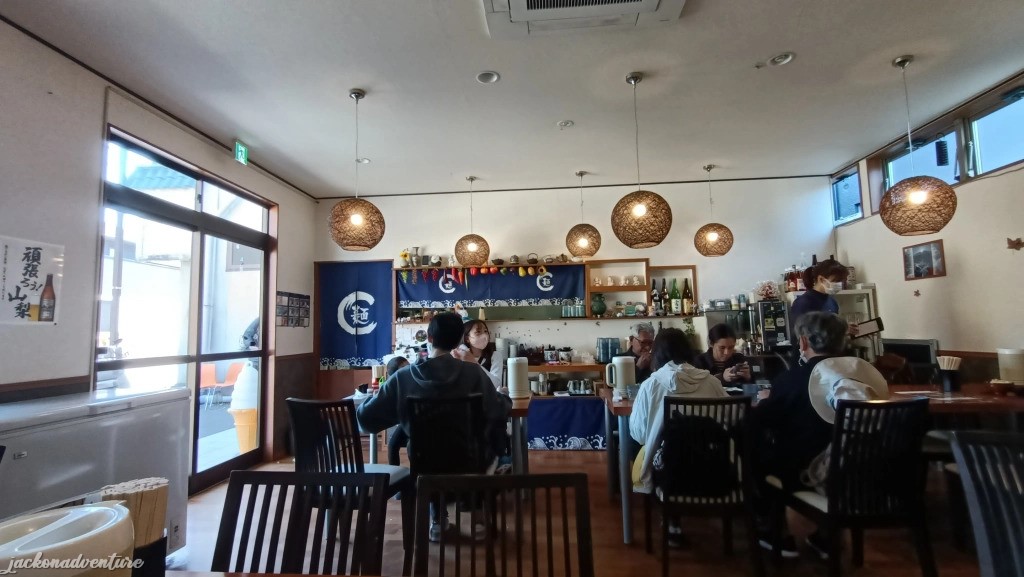
After a long one-hour queue for the ropeway and sight viewing at Mt Tenjō, it’s time to search for food along Misaka-michi. There are a few restaurants and café serving Japanese and international food.
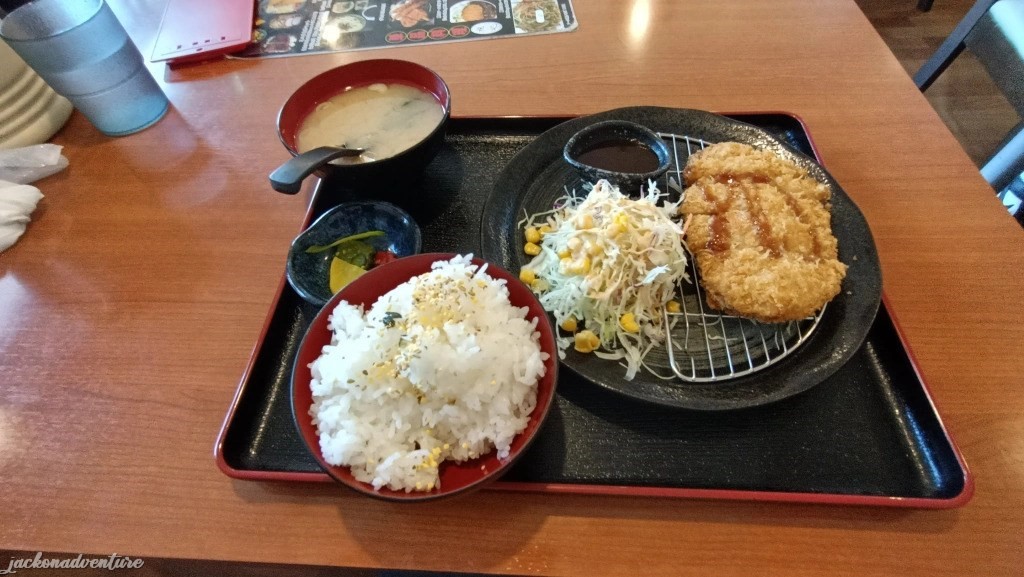
If you are traveling on a budget, there are several restaurants down the street. I have my chicken karage at this restaurant called ラーメンふくちゃん and it is very delicious. Although I didn’t get its English name, the place can easily be searched with Google Map and the prices are affordable.
Wander around Kawaguchiko Natural Living Center
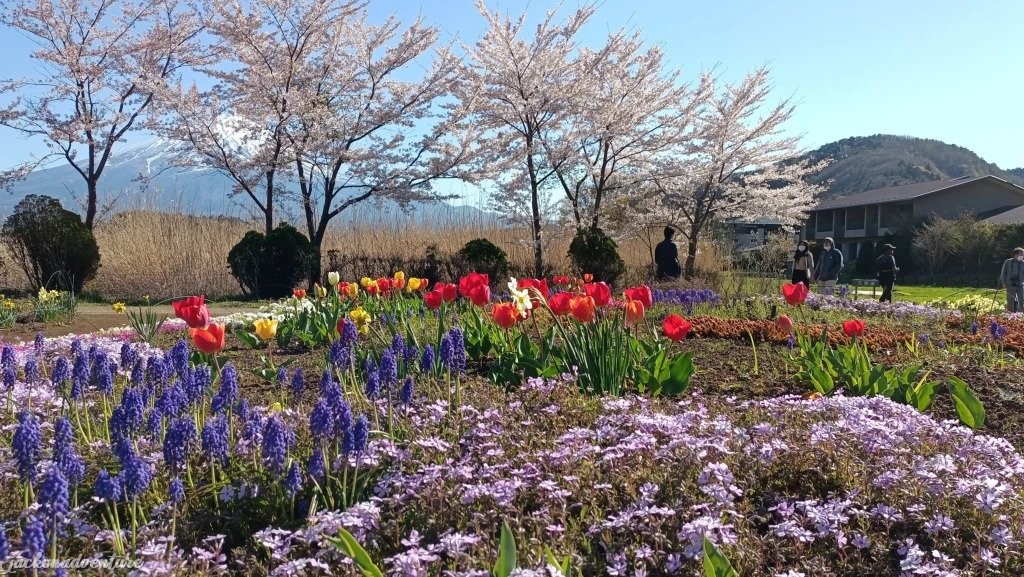
Located in the north shores of Lake Kawaguchiko, Oishi Park near the natural living center has an incredible landscape of Mt Fuji. Stroll along the flower garden filled with fields of lavender, blueberries, hydrangeas, bellflowers and roses. The lavender field reaches its peak bloom in mid-June and several herb festivals will take place here. Cherry trees are also planted around the garden which makes the surroundings truly wonderful.
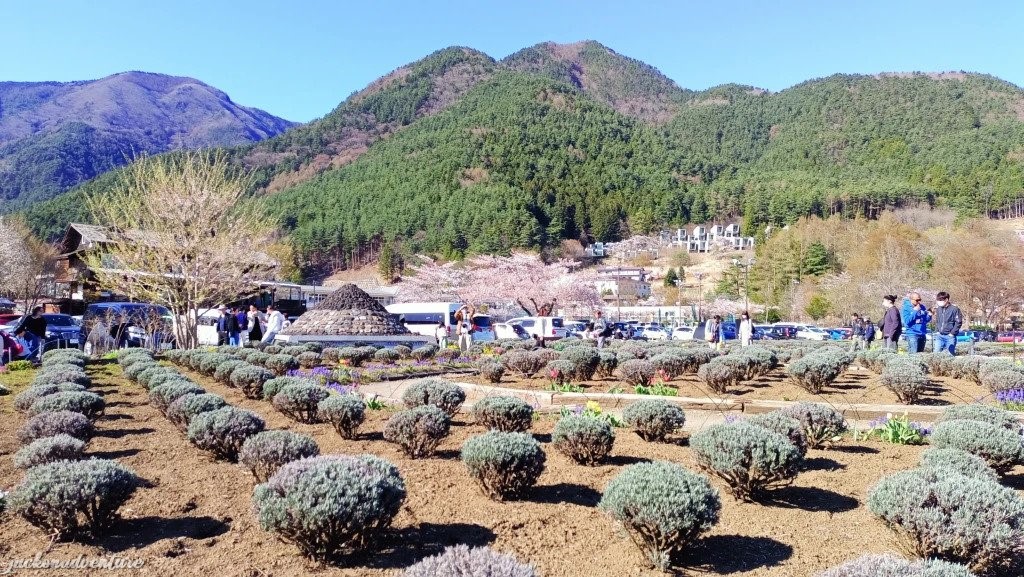
There are also blueberries and other fruit picking from July to mid-August at the nearby farms. An organized tour can be made at the center to the farms to pick cherries, blueberries and cherry tomatoes.
Location: 2585 Oishi, Fujikawaguchiko, Minamitsuru District, Yamanashi
Getting There: Take Omni Bus Red Line to Stop No. 20- Kawaguchiko Natural Living Centre
Opening Hours: December to March: Daily from 10 am to 4.30 pm/ April to November: Daily from 9.30 am to 5.30 pm
Entrancee Fee: Free except for the fruit-picking farm
Take a boat ride around Kawaguchiko Lake
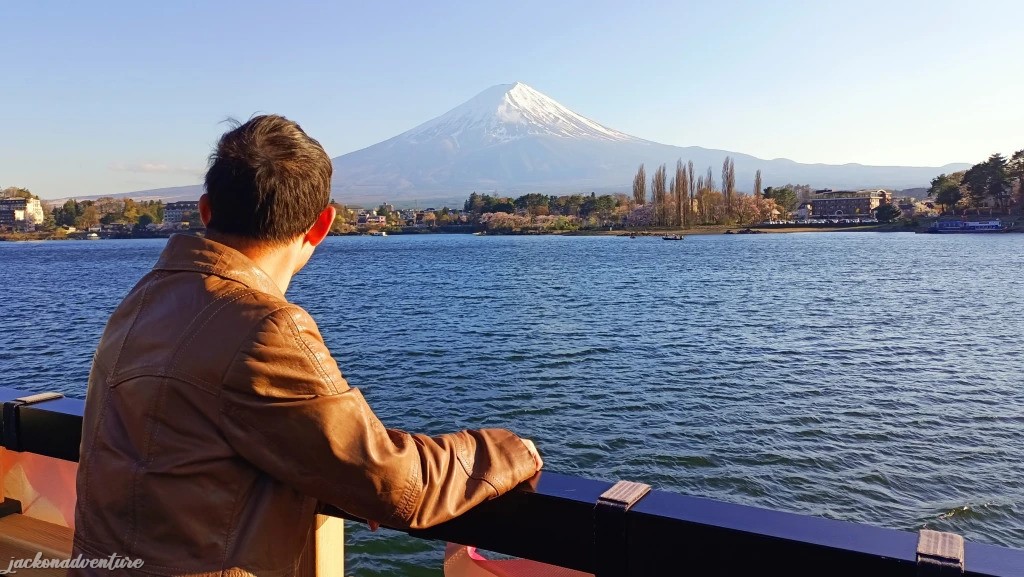
The “Appare” boat takes you on a 20-minute ride to admire the serene beauty of Lake Kawaguchi. The top deck of the boat offers the stunning backdrop of Mt Fuji and cherry blossoms if visit here in early April.
Location: 1081-1 Azagawa, Fujikawaguchiko, Minamitsuru District, Yamanashi
Getting There: Take Omni Bus Red Line to Stop No. 9- Sightseeing Boat/ Ropeway Entrance. The dock is about a 10-minute walk from the bus stop.
Stroll around Nagasaki Park
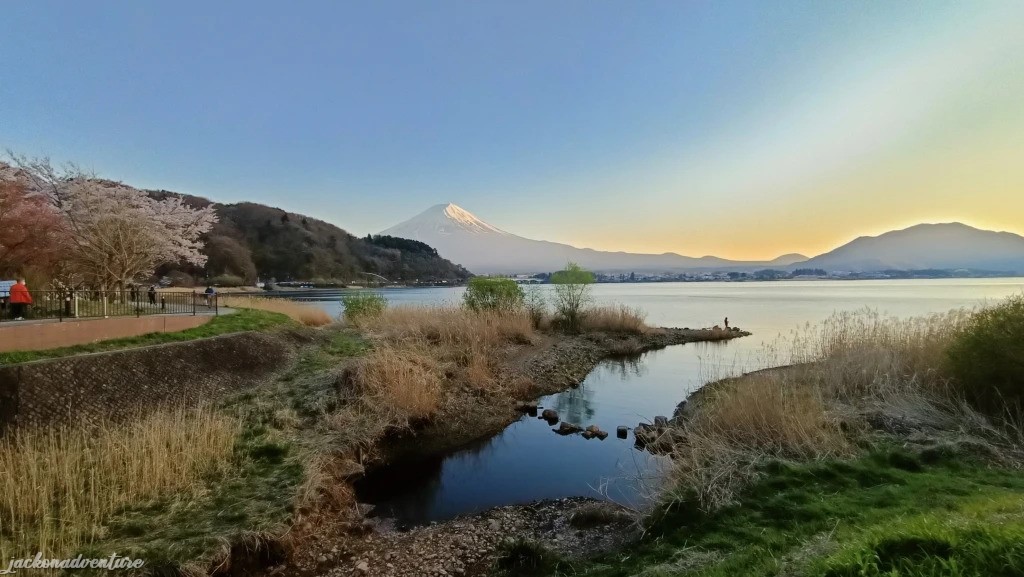
This charming Nagasaki Lake is a great place for a pleasant evening walk and cycling. The path along the lakeside lies with plenty of pinkish cherry trees. With such as a beautiful backdrop of Mt Fuji, blooming cherry trees and a splendid view of Nagasaki Park, it creates one of the most unforgettable memorable lanes of my trip to Japan.
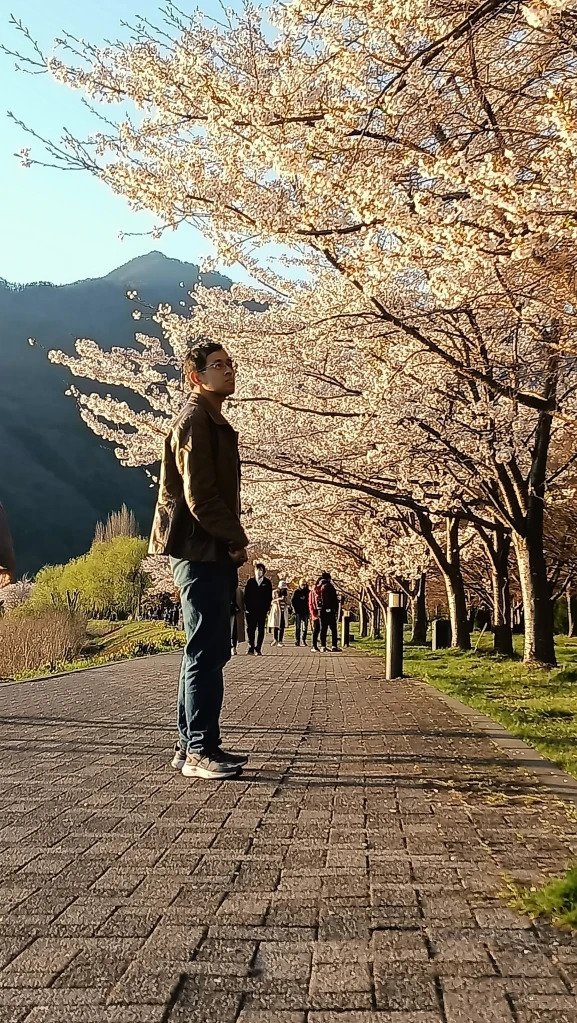
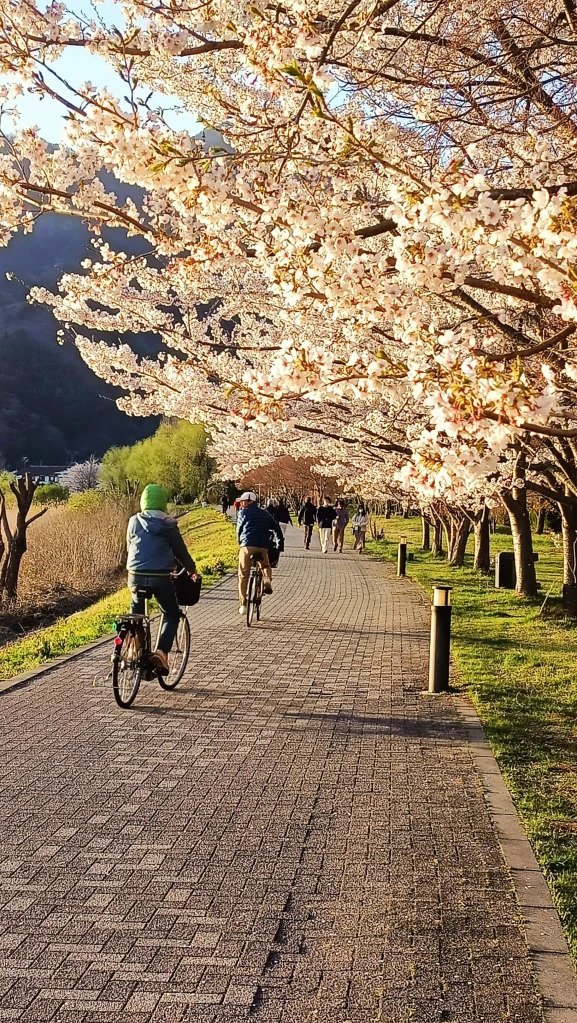
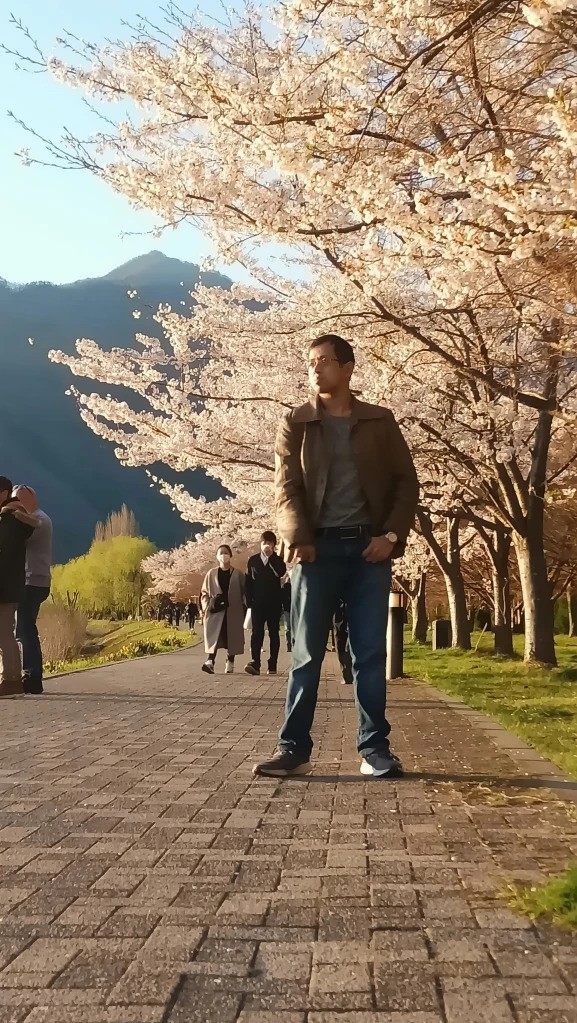
Location: Oishi, Fujikawaguchiko, Minamitsuru District, Yamanashi
Getting There: Take Omni Bus Red Line to Stop No. 18 at Sunnide Resort/ Nagasaki Park Entrance
Unwind yourself at a relaxing onsen
The last thing you wish to do after a long walk around Lake Kawaguchi is to pamper yourself with a well-deserved onsen. Onsen or hot springs are an essential part of Japanese culture and have been enjoyed for centuries for their rich therapeutic properties.
Unfortunately, I can’t take any photos of how amazing the onsen of my hotel was due to privacy. Photography is not allowed around any onsen. You need to experience it yourself to know how enjoyable it is when soaking into the mineral-rich water.
Climb up to the stunning Chureito Pagoda

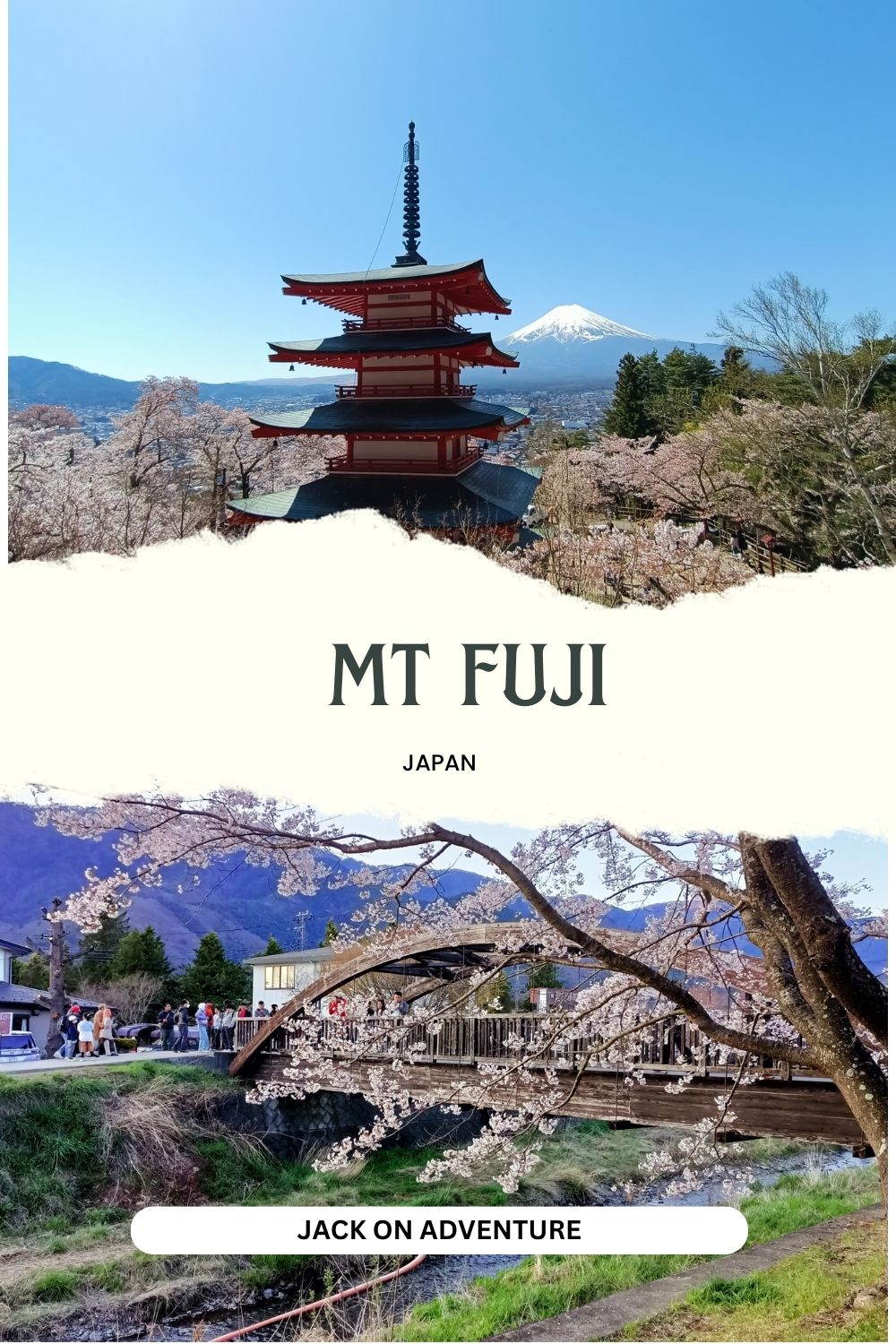
Nestled in the site of Arakura Sengen Shrine, Chureito Pagoda (忠霊塔) is a five-storied pagoda built as a peace memorial in 1963. The pagoda is an addition to the shrine to commemorate the citizens of Fujiyoshida who died in wars from the mid-1800s until World War II.
Climb nearly 400 steps to the top and be rewarded with the fascinating views of Mt Fuji and Fujiyoshida City. What’s more amazing is to see the cherry trees bloom and emerge from a sea of pink blossoms from mid-March to mid-April. The shrine also be shed with autumn leaves in November.
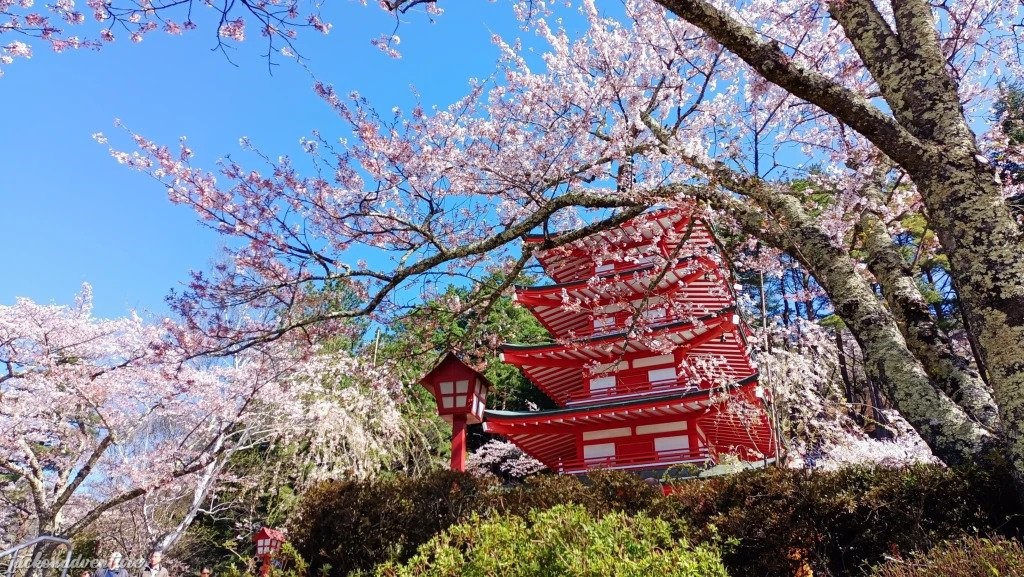
Location: 2-chome-4-1 Asama, Fujiyoshida, Yamanashi
Getting There: Take the Fujikyu Railway Line train from Kawaguchiko Station to Shimo-Yoshida Station (10 minutes, 310 yen) or from Otsuki Station (35 minutes, 980 yen). Then take a 10-minute walk up to the pagoda.
Opening Hours: 24 hours
Entrance Fee: Free
Travel Tips
- The train station and several shops nearby offer baggage storage facilities. If you want to check in at the hotel in the evening or do not wish to carry your items around, they can be kept in these storage spaces and cost 500-800 yen per day.
- Buy the combo ticket with unlimited two-day Sightseeing Bus ride, Panoramic Ropeway and Sightseeing Boat if you want to travel around the lake by bus, take the cable car and ride the boat. The package gives a great deal if you buy all-in-one.
Going Elsewhere in Japan?
If you like to travel to other parts of Japan, here are some ideas of cities and towns worth visiting with the best things to do. There are also stories about my experience on the Shinkansen train ride and WWOOFing in Japan.
- Tokyo in 2024
- Tokyo in 2023
- Kamakura
- Nagoya
- Nagano
- Takayama
- Gujo
- Ise
- Kumano Kodo
- Okayama
- Hiroshima
- Miyajima
- Kyoto
- Arishayama
- Nara
- Osaka
- Shinkansen Train
- WWOOFing in Japan
Like It? Pin This Article.


 Jack on Adventure
Leave a comment