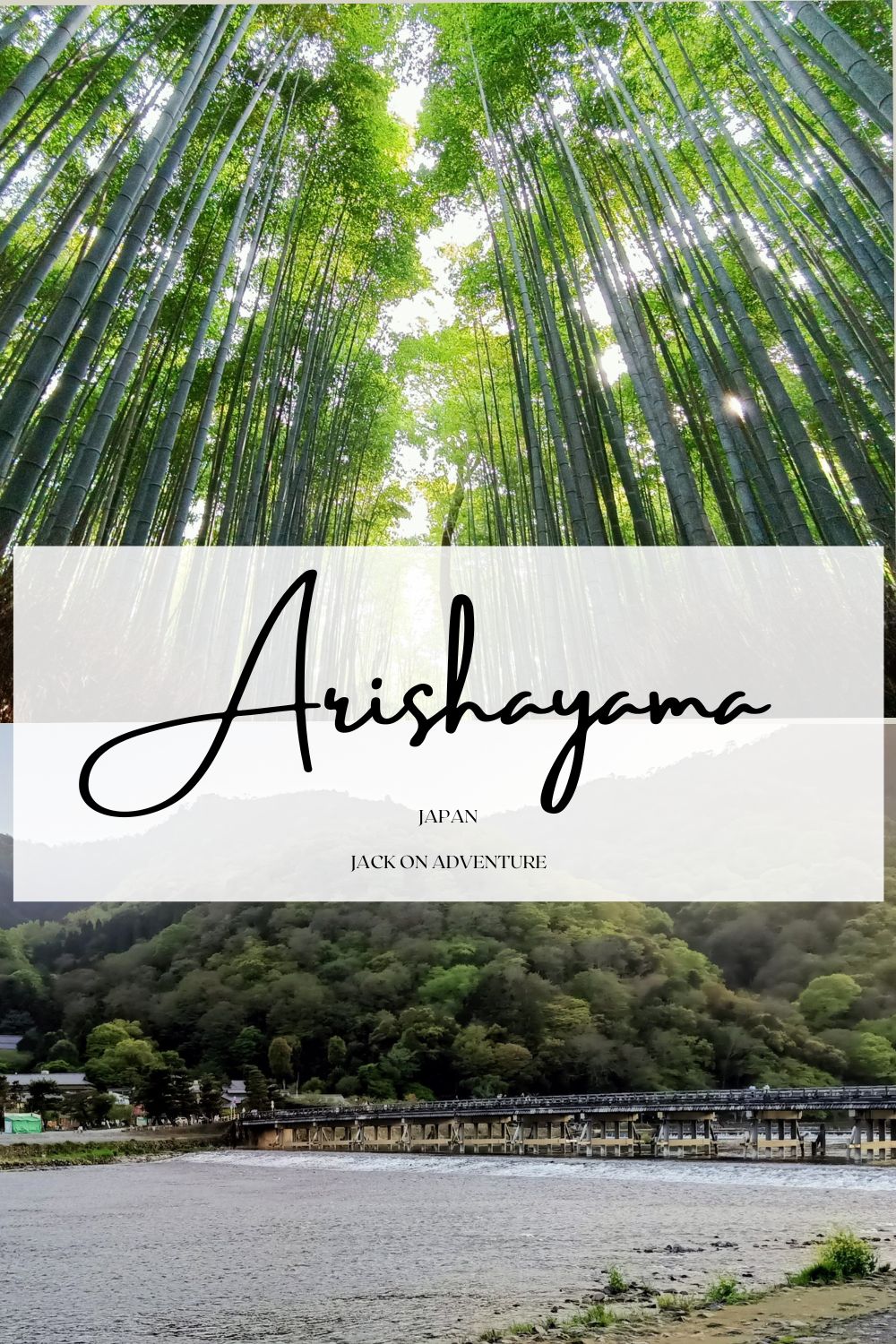
Arishayama (嵐山) known as Storm Mountain is a beautiful small town nestled on the western outskirts of Kyoto in Japan. It is designated as a national historic site that has always been popular for Japanese aristocrats.
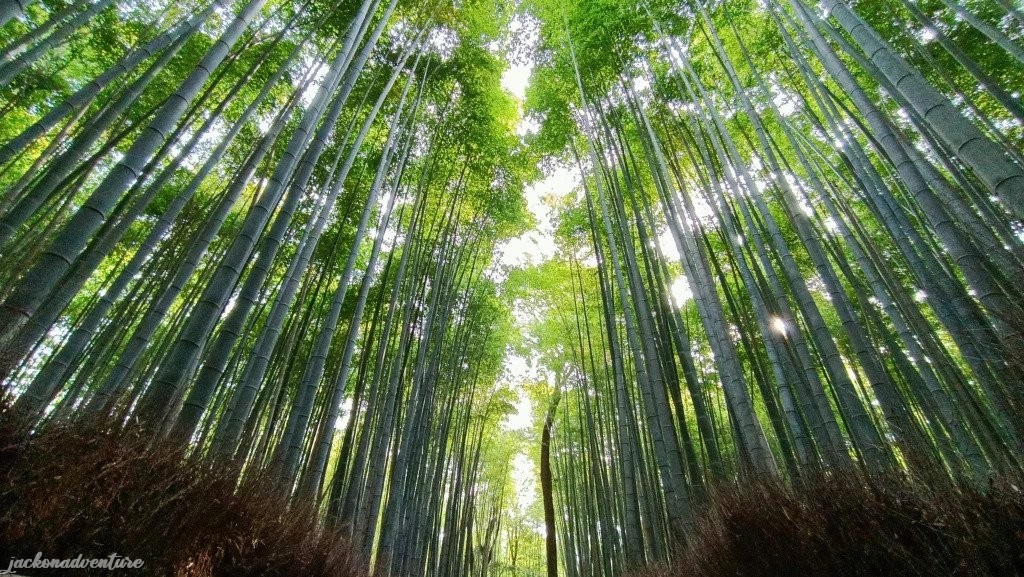
Due to its world-famous bamboo forest and the historical Togetsukyo Bridge, Arishayama is one of the most visited areas near Kyoto for locals and visitors from aboard. The town is brimming with ample of temples, shrines, gardens and traditional tea houses. It is much richer in nature than the central area of Kyoto city blessed with magnificent scenery.
Getting There
By Train
The train is probably the easiest and most cost-effective way to get to Arishayama. The local JR San-in Main Line/ Sagano train departs from Kyoto Station at platform 32 or 33 to Saga Arashiyama Station every 15 minutes. The journey takes about 16 minutes and costs 240 yen. If you have a Japan Rail Pass, the ticket is covered by the pass.
Once you arrive at Saga Arishayama Station, take another 10-minute walk into the town where you can spot the famous bamboo forest.
By Bus
From Kyoto Station, take Kyoto City Bus No. 28 (in green color) or Kyoto Bus No. 73 (in brown color) and get off at the Arashiyama-Tenryuji-mae bus stop. These buses are operated by different companies but depart from Kyoto Station at 10-minute intervals. Both buses take at least 45 minutes and costs 230 yen.
Getting Around
Arishayama is a small town surrounded by plenty of green trees. It is pretty easy to walk around on foot and explore the heritage sites at a slow pace. The calm weather during spring and autumn and the surrounding tall shady trees make walking very enjoyable and much peaceful with lesser crowds.
You can also take the local buses to places further away from the town center such as Monkey Park Iwatayama or Daikakuji Temple at the east of Arishayama. A one-way ticket costs 230 yen and can save time if you plan to visit many sites in a day.
The Amazing Day Trip to Arishayama
Located at the base of Arishayama Mountain, this district is a perfect getaway from Kyoto city. With a wonderful scenic view from Togetsukyo Bridge, bamboo forest and ancient temples and shrines, Arishayama makes a great day trip from Kyoto city.
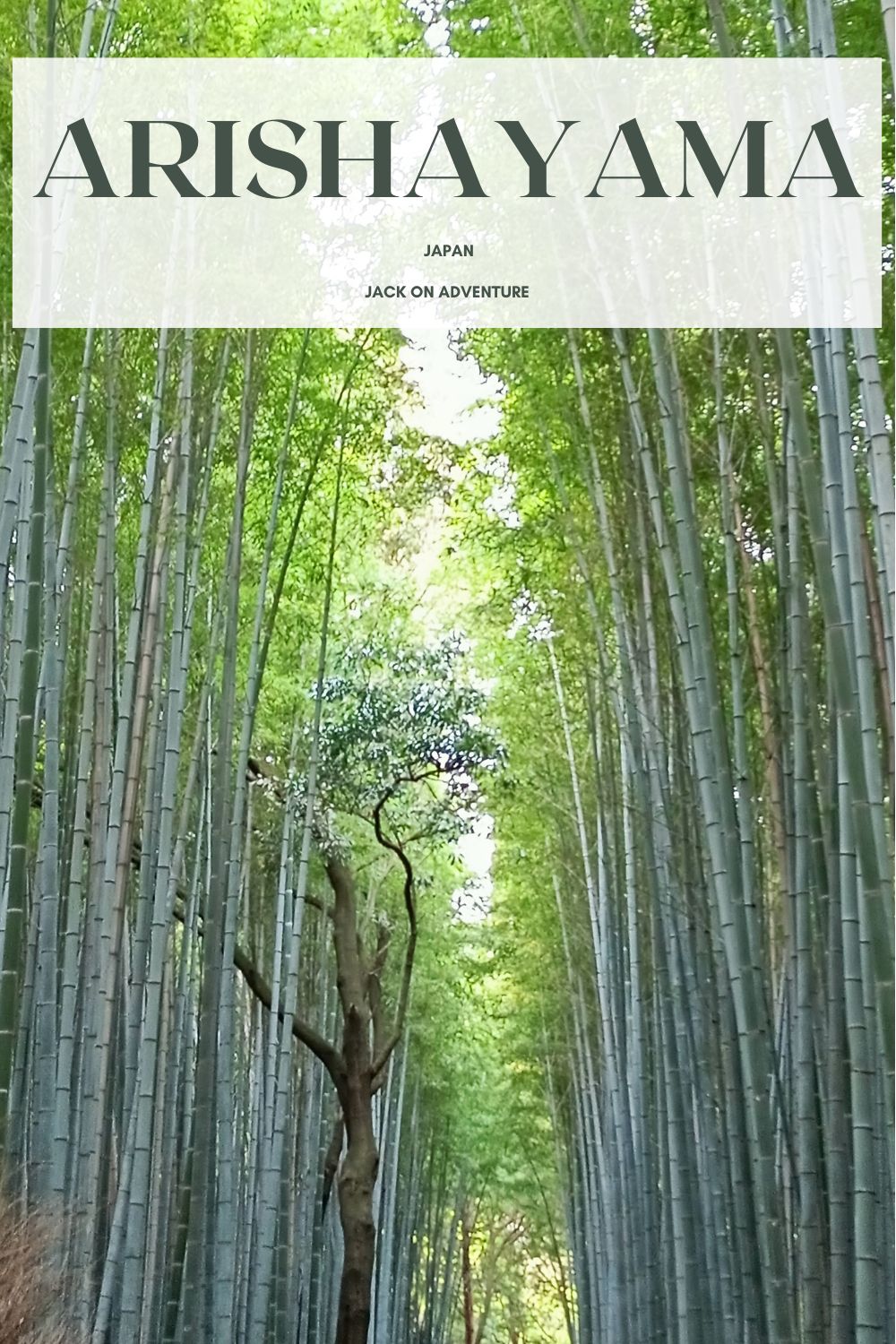
Wander along the Bamboo Forest
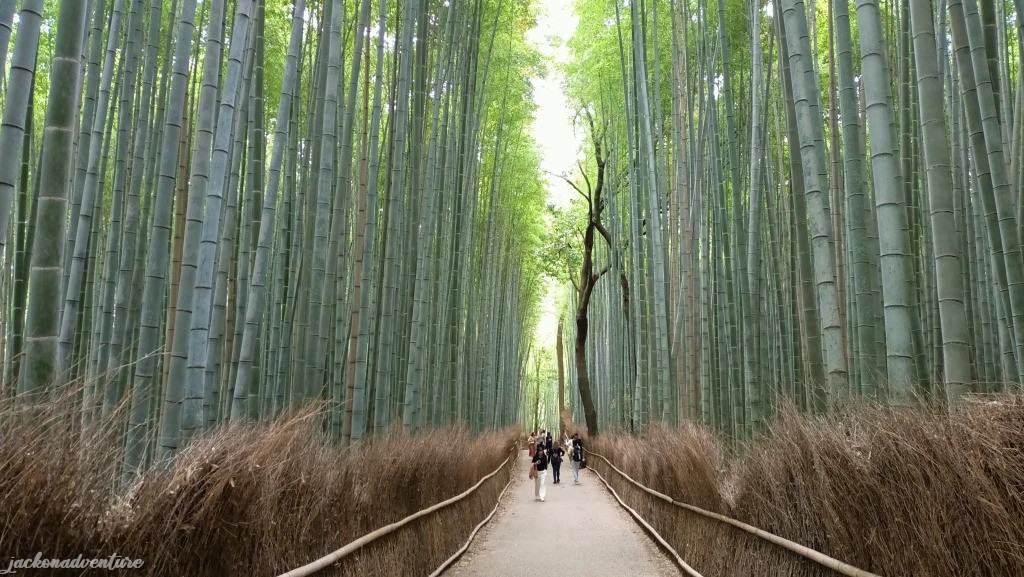
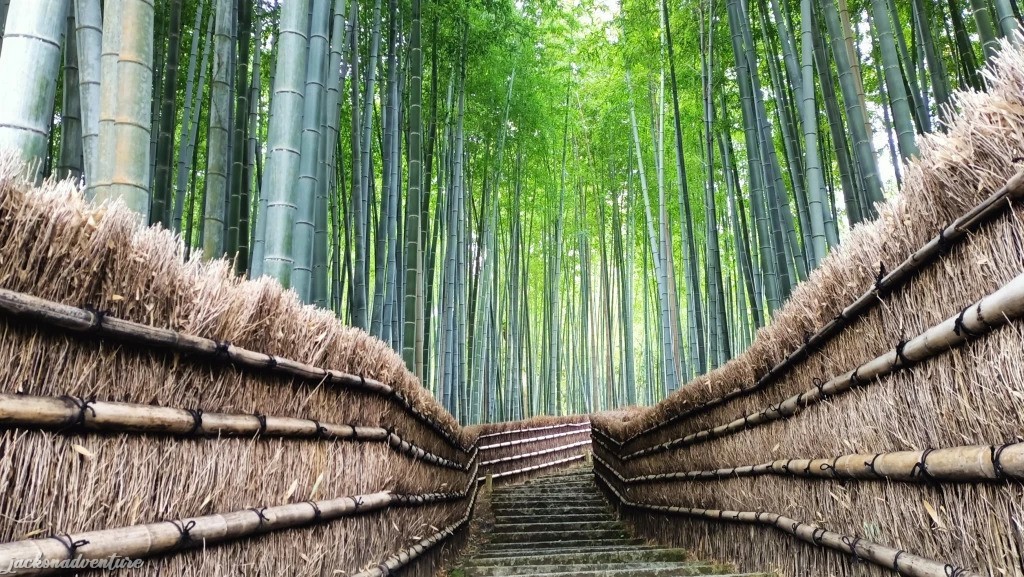
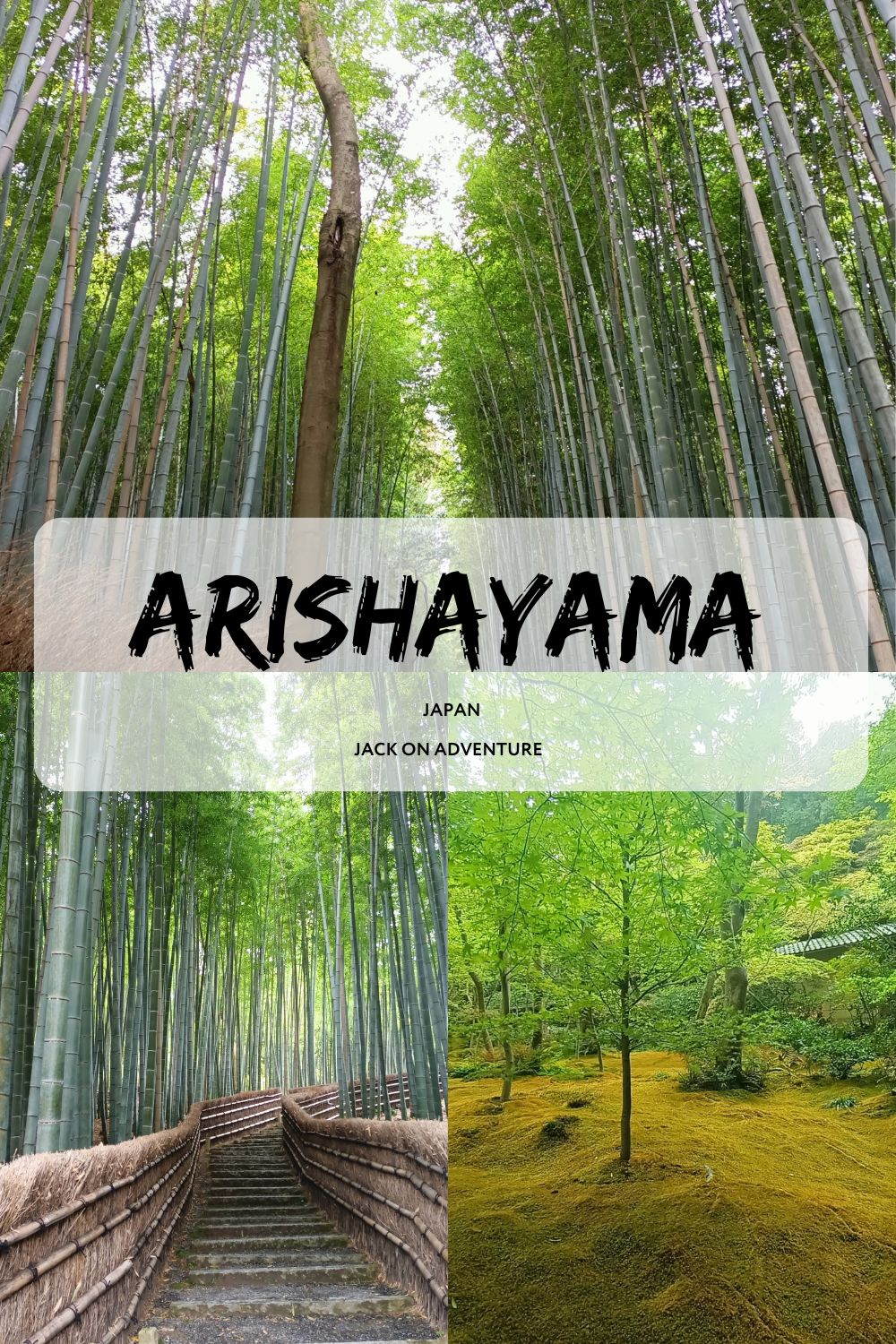
Begin an early morning walk along Bamboo Forest. It is one of the top things to do on everyone’s bucket list in Arishayama. The pathway is well-paved, making it a charming place to enjoy a morning walk and bicycle ride.
An entire walk takes only 20-30 minutes as you pass through the impressive height of bamboo stalks. The “grove” is actually a short stretch of sideway with bamboo on both sides. Despite its name, don’t be mistaken as a large forest that you can walk into.
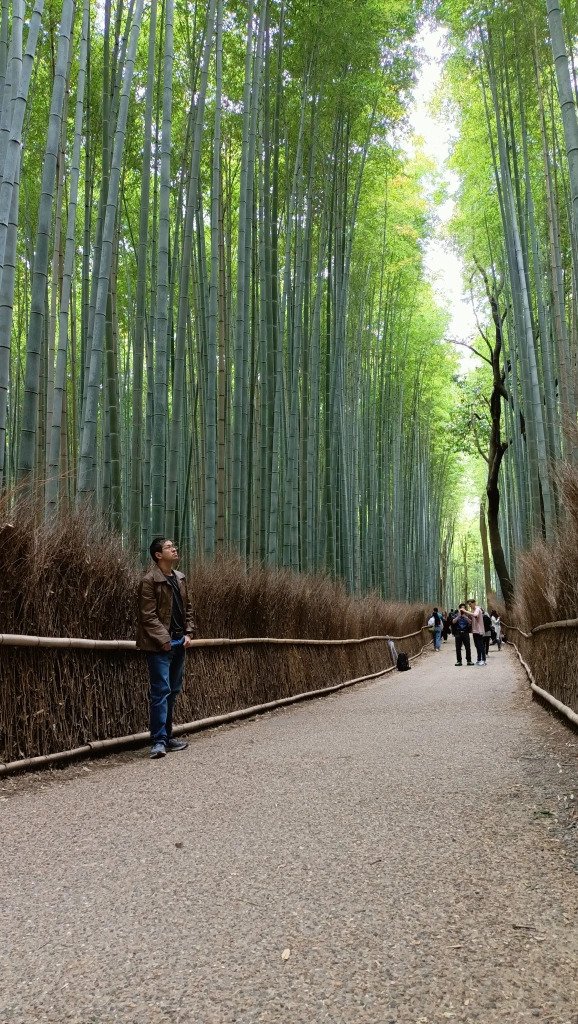
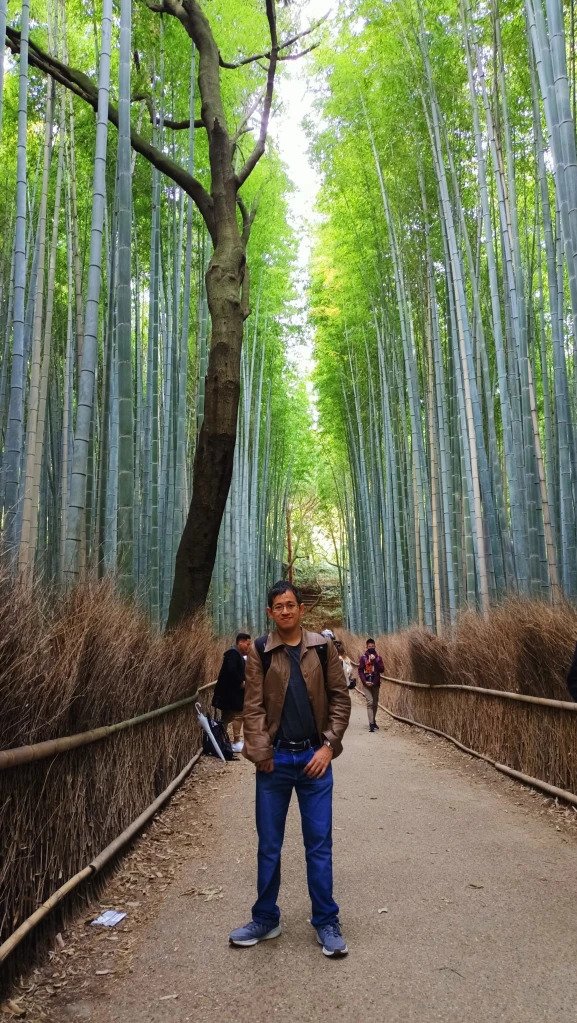
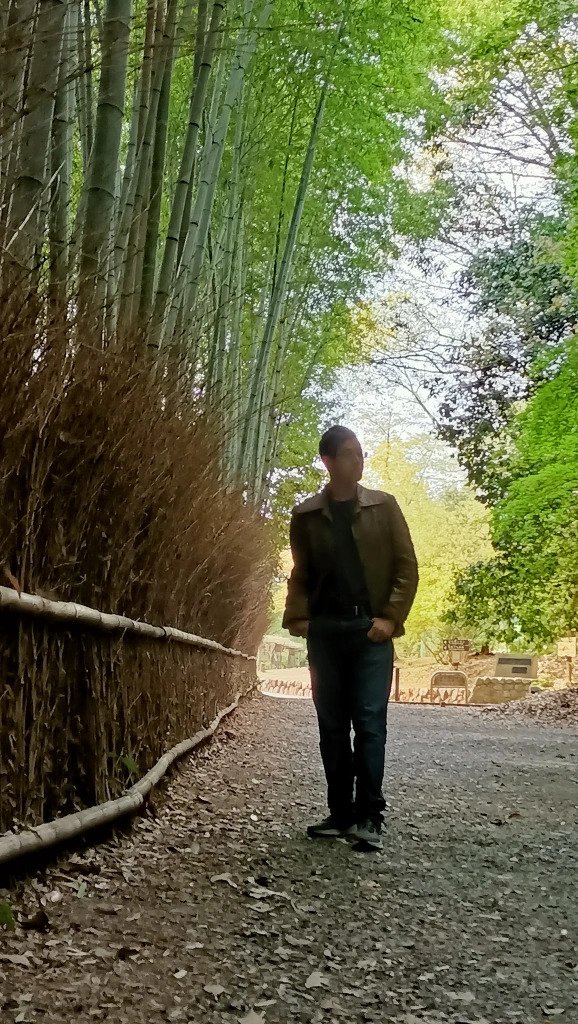
It is one of the most photographed sites in Arishayama. The walkway is open all day, so it’s best to arrive here before 8 am when it is not packed with tourists. You can enjoy the serenity of the bamboo forest and the relaxing sounds of the wind blowing through the stalks.
Opening Hours: 24 hours
Entrance Fee: Free
Roam around the beautiful Tenryu-ji Temple
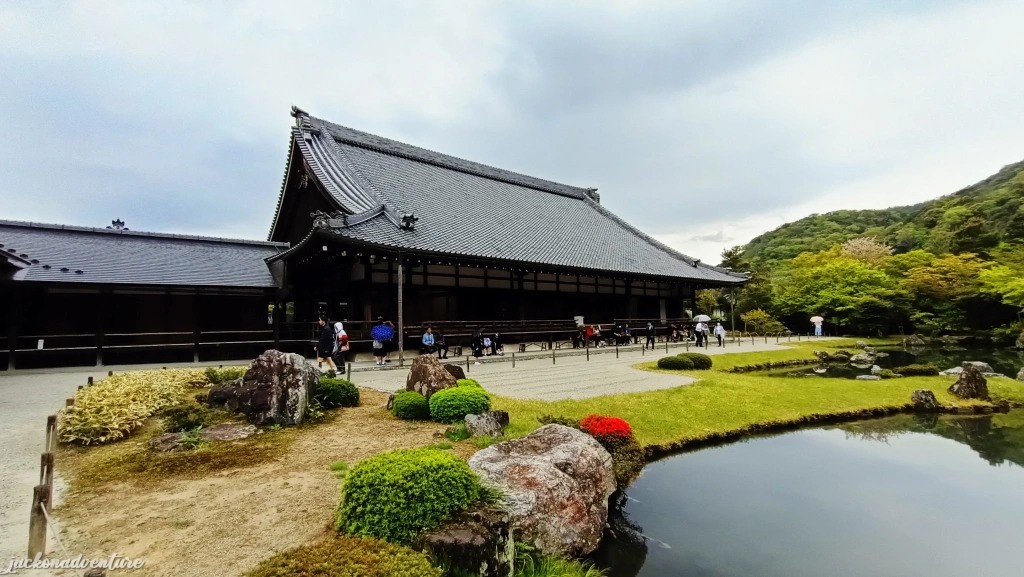
Tenryu-ji (天龍寺)-“Temple of the Heavenly Dragon” was established in 1339 by shogun Ashikaga Takauji in memory of Emperor Go-Daigo. The emperor died in Yoshino in the civil war that brought the Ashikaga family to power.
They used to be allies until Takauji turned against the emperor in a struggle for supremacy over Japan. The temple was built as Takauji intended to appease the former emperor’s spirits. The shogun had the villa converted to a Zen temple. Back then, Go-Daigo was raised and educated here.
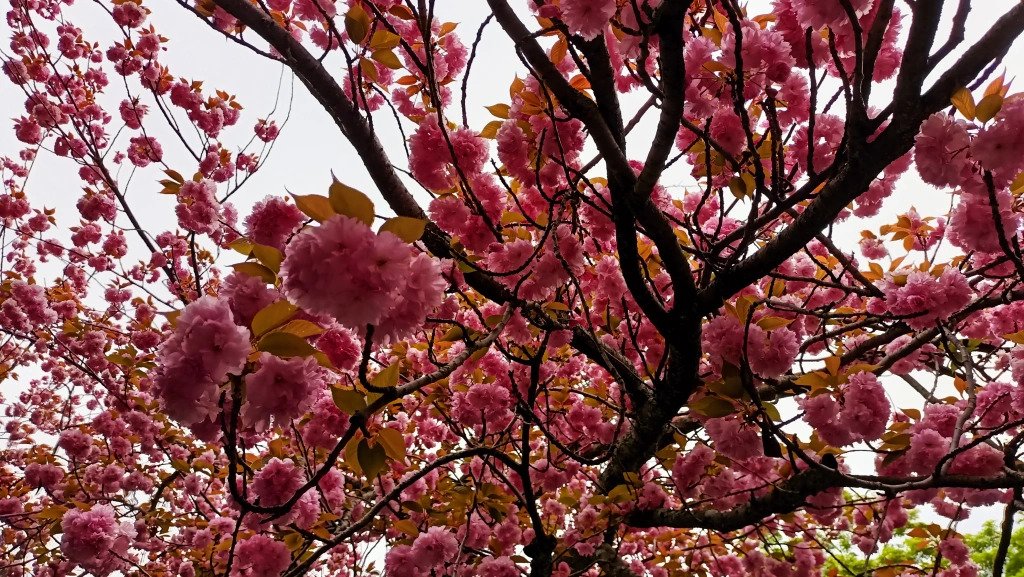
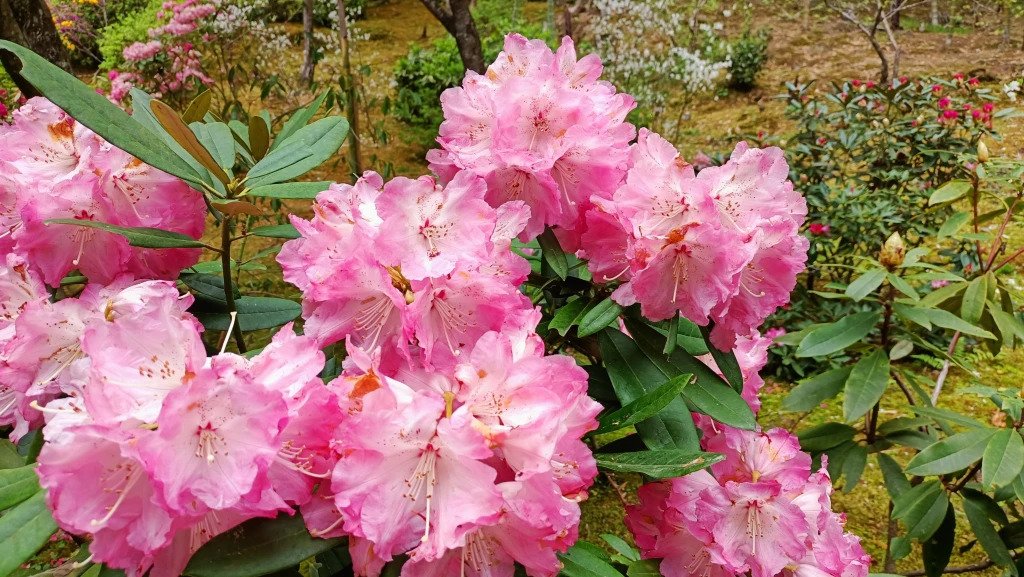
Tenryu-ji buildings suffered 8 times from fires and wars over the centuries and the present structures date back only to the Meiji period. The landscaped Sogenchi Garden designed by Muso Soseki, who is also the temple’s first head priest, retains its original form of the 14th century. The garden is filled with colorful flowers, cherry trees and pine trees surrounded by forested Arishayama mountains.
Location: 68 Susukinobaba-cho, Saga Tenryu-ji, Ukyo-ku
Opening Hours: Daily from 8.30 am to 5 pm
Entrance Fee: 500 yen
Grab lunch at Sagatenryuji Tateishicho
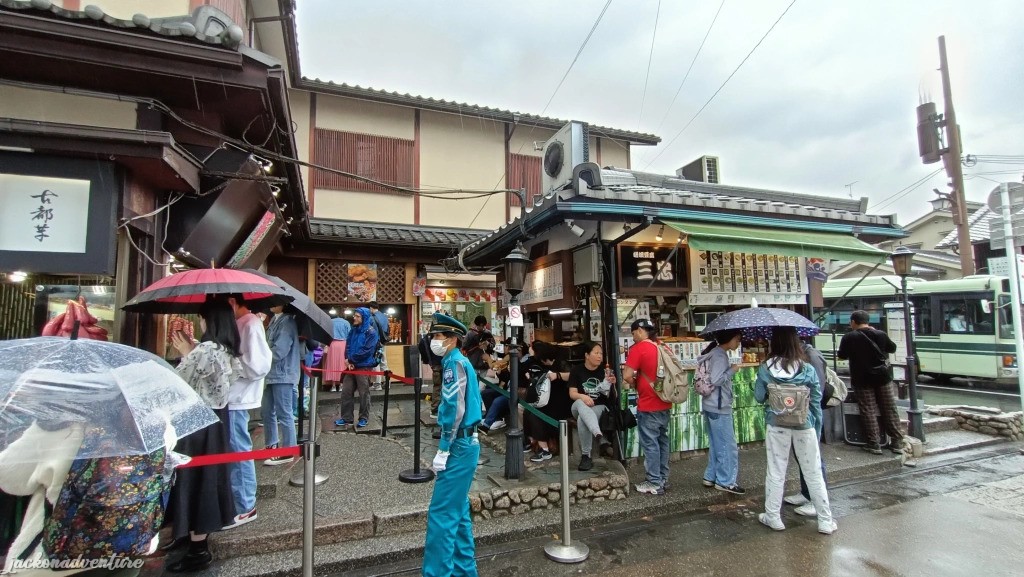
Just a close approximation from Tenryu-ji Temple, Sagatenryuji Tateishicho is lined with small eatery shops selling street food. Here, you can sample variety of Japanese snacks and desserts at an affordable price, including fried tofu, karage chicken, buttered taiyaki (consists of sweet mashed red bean), sweet soy sauce mochi, baked sweet potatoes, ice cream and strawberry parfait.

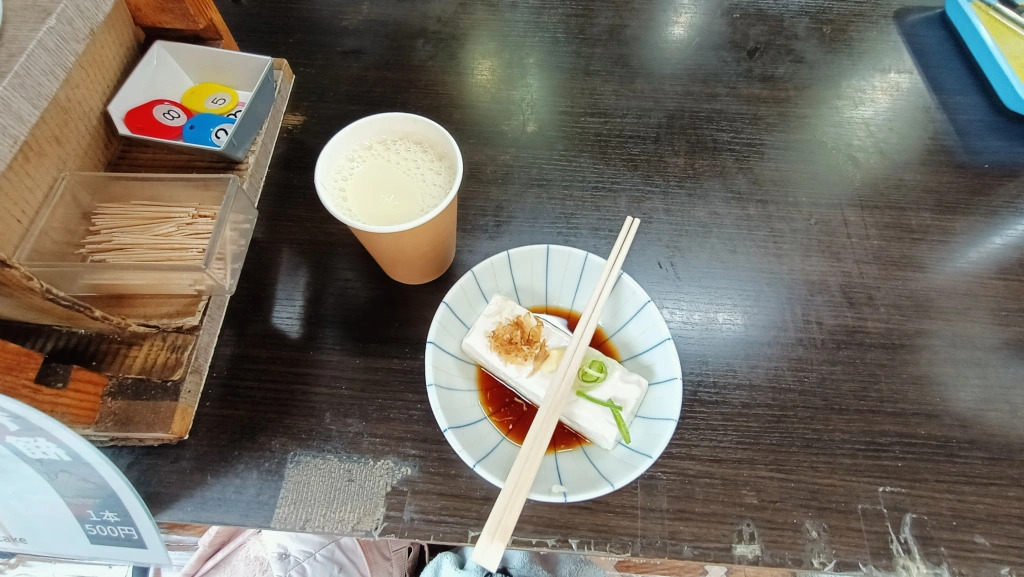
Location: Sagatenryuji Tateishicho, Ukyo Ward
Opening Hours: Varied from individual stores but usually from 10 am to 6 pm
Explore the ancient Daikakuji Temple
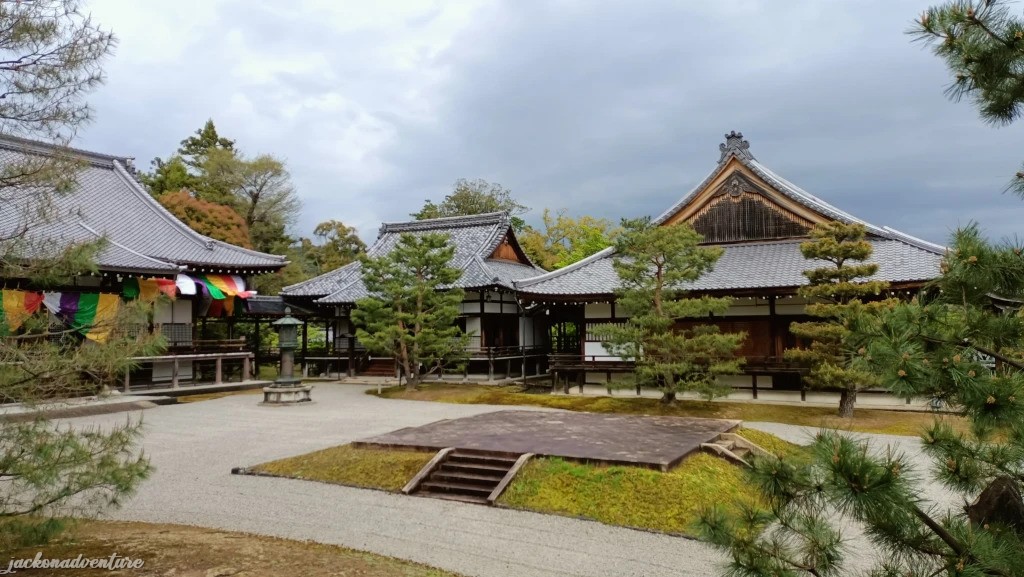
Daikakuji (大覚寺) was originally built as the Imperial Villa of Emperor Saga in 814. The emperor loved to spend time in this calm atmosphere on the outskirts of Kyoto and established the basis of Heian culture due to his deep interest in culture and art. The palace was converted to a temple 30 years later after his death.
The temple held several significant historical functions including the succession of retired emperors and peace talks that reunited the Northern and Southern Imperial Courts after 50 years of civil war.
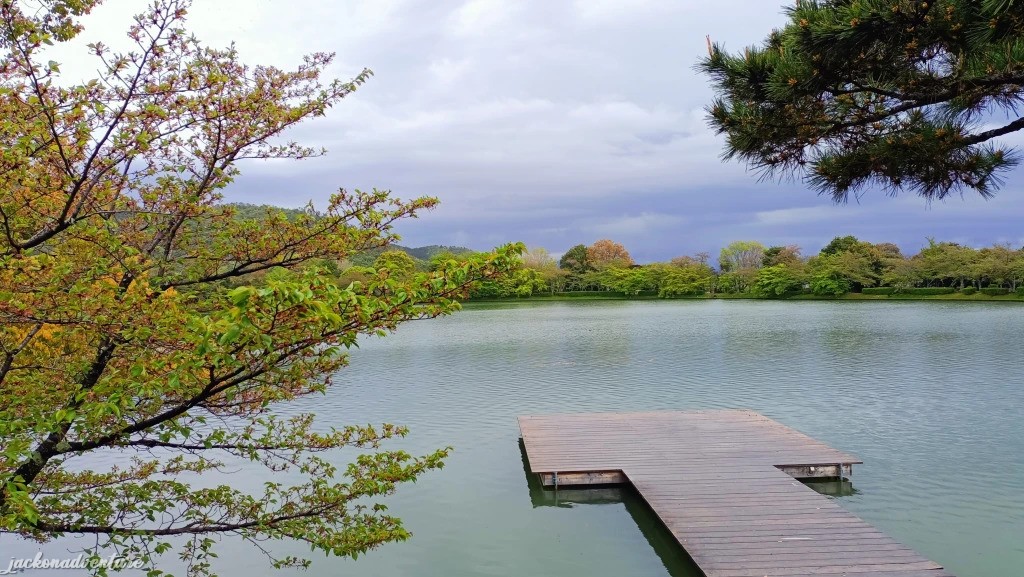
Take a pleasant walk around the elevated wooden walkways that connect several buildings of the temple and are decorated with painted sliding doors by a renowned Kano school. The 1,200-year-old man-made Osawa Pond offers breathtaking natural scenery surrounded by Shinden-style garden with Buddhist statues, a small shrines and two-tiered pagoda.
Location: 4 Sagaosawacho, Ukyo Ward
Getting There: Take Bus No. 28 from central Arishayama- Nonomiya bus stop next to Sagatenryuji Tateishicho or Bus No. 91 from Saga-Arashiyama Station. The bus ride is 5-10 minutes and costs 230 yen per way with 20 minutes interval.
Opening Hours: Daily from 9 am to 5 pm
Entrance Fee: 500 yen (600 yen with a combined ticket with Daikakuji Temple)
Immerse with the greenery of Gio-ji Temple
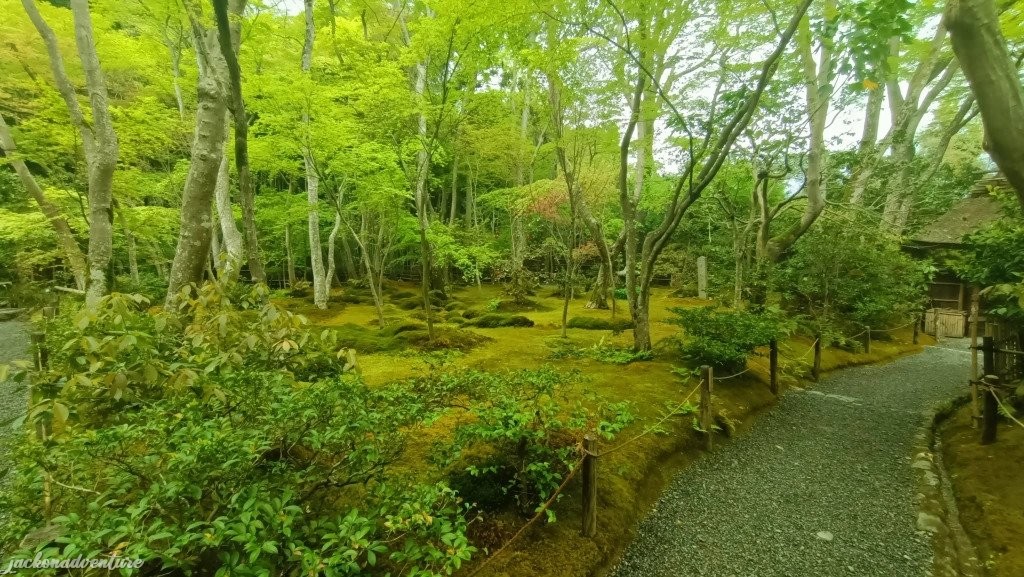
Gio-ji Temple formerly known as Ojoin is said to have been founded by Nembutsubo Ryochin, a disciple of the priest Honen Shonin. The main hall of the temple enshrines a statue of the Buddha Dainichi who symbolizes oneness with the universe.
It also houses the statue of Taira no Kiyomori, the 12th-century Taira clan chieftain and four nuns. One of the nuns is called Gio, a great beauty and dancer fled from their home with her mother and younger sister to become nuns when Gio lost favor with Kiyomori. The grave of Gio and her sister lies on a pagoda in the precinct.
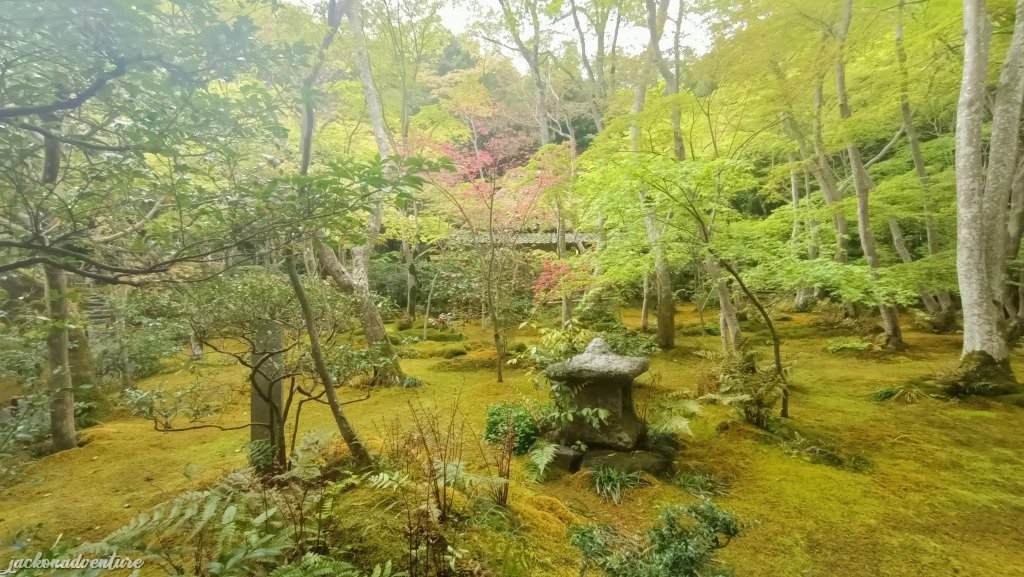
The thick moss covers the site in green and is surrounded by tall bamboo grove and maple trees.
Location: 32 Kozakacho, Sagatoriimoto, Ukyo-ku
Opening Hours: Daily from 9 am to 5 pm
Entrance Fee: 300 yen (600 yen with a combined ticket with Daikakuji Temple)
Stroll through Saga Toriimoto Preserved Street
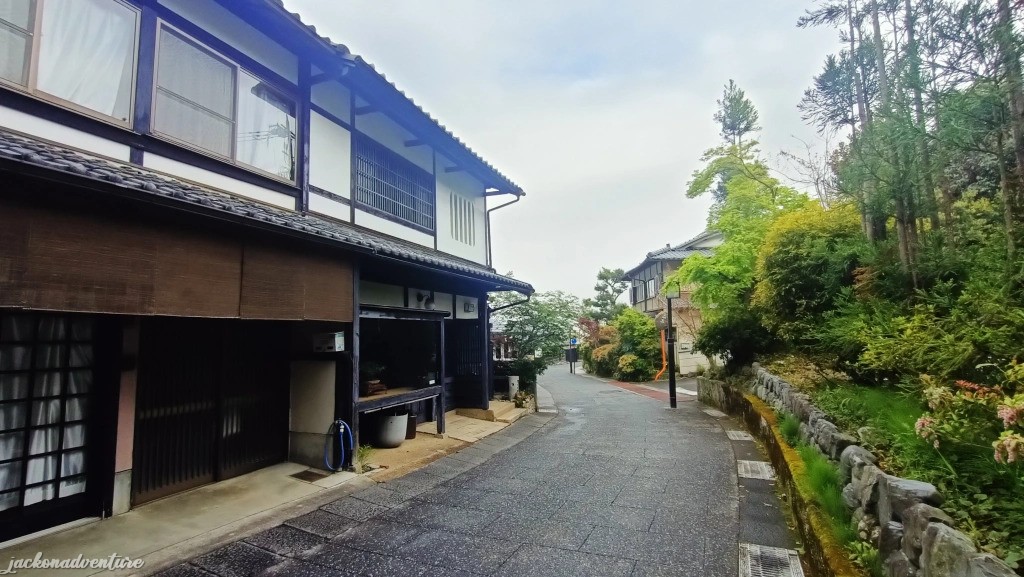
Walking through this preserved street gives a glimpse of the historic merchant town in the Meiji period. The narrow street offers picturesque views of traditional wooden machiya- town houses and thatched buildings.
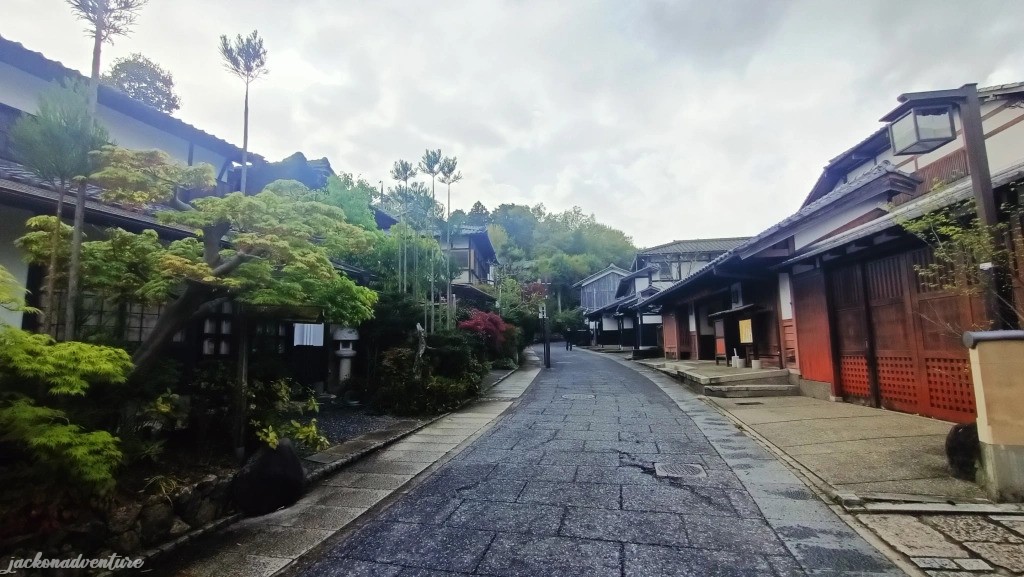
Most of the thatched-roof buildings are now converted into shops and restaurants. These restaurants mostly serve luxury Kaiseki Kyoto cuisines that can be pretty pricey.
Visit the peaceful Adashino Nembutsu-ji Temple
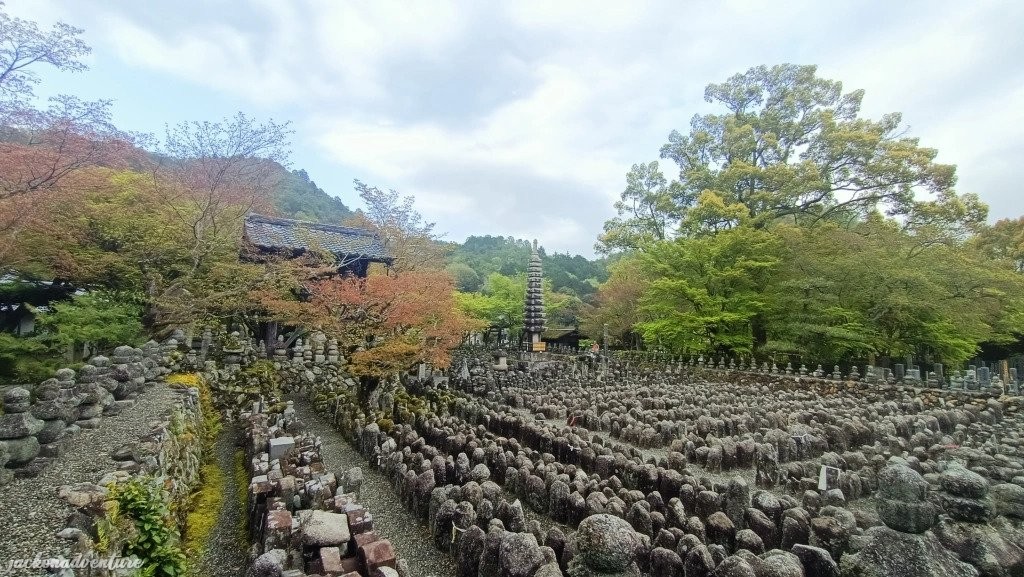
Adashino Nenbutsu-ji Temple is said to have been founded by Kukai who is a priest and a founder of Shingon Sect in Buddhism. About 8,000 stones of Buddha were made as gravestones to commemorate the souls of those who died without kin. The area has been used as a place for funerary rites since ancient times. They are scrattered and buried throughout Adashino area.
The temple became a sacred place of learning and practicing the teachings of Amida Buddha. The image of the Buddha was carved by Tankei, a famous Buddhist sculptor of Kamakura period.
The ” Sento-kuyo ” ceremony is performed here on the last weekend of August every year. More than 1,000 candles are lit to these stones to make offerings to their ancestors’ spirits. The waves of candle lights create an otherworldly scene as it looks like flying butterflies in the darkness of summer light.
Location: 17, Adashino-cho, Toriimoto, Ukyo-ku
Opening Hours: March to November: 9 am to 4.30 pm/ December to February: 9 am to 3.30 pm
Entrance Fee: 500 yen
Admire the picturesque of Togetsukyo Bridge
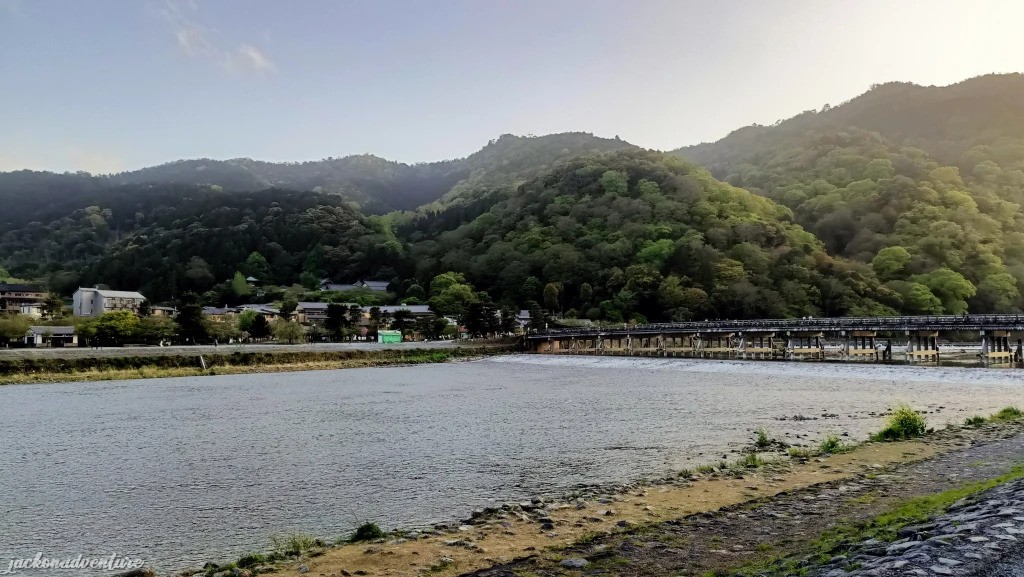
Stroll along the ancient Togetsukyo Bridge overlooking the breathtaking nature views of Arishayama Hill and watch the calm water flow of Katsura River. This old bridge was originally built in 848 and reinforced with concrete in 1934. It often used to film historical movies.
The name of the bridge means moon crossing and comes from a tale of Emperor Kameyama from the Kamakura period. During a boat party under a full moon, the emperor thought the moon looked like it was crossing the bridge.
Travel Tips
- Bicycles can be rented at the bicycle store near Saga Arishayama Station for half-day or full day if you prefer cycling than walking.
- The heritage sites usually close at 5 pm. Most stores, restaurants and other eateries will open until 7 pm. You can return to Kyoto before 7 pm to rest and have dinner instead.
Going Elsewhere in Japan?
If you like to travel to other parts of Japan, here are some ideas of cities and towns worth discovering with the best things to do. There are also stories about my experience on the Shinkansen train ride and WWOOFing in Japan.
- Tokyo in 2024
- Tokyo in 2023
- Kamakura
- Nagoya
- Nagano
- Takayama
- Gujo
- Ise
- Kumano Kodo
- Okayama
- Hiroshima
- Miyajima
- Mt Fuji
- Kyoto
- Nara
- Osaka
- Shinkansen Train
- WWOOFing in Japan
Like It? Pin This Article.

 Jack on Adventure
Leave a comment