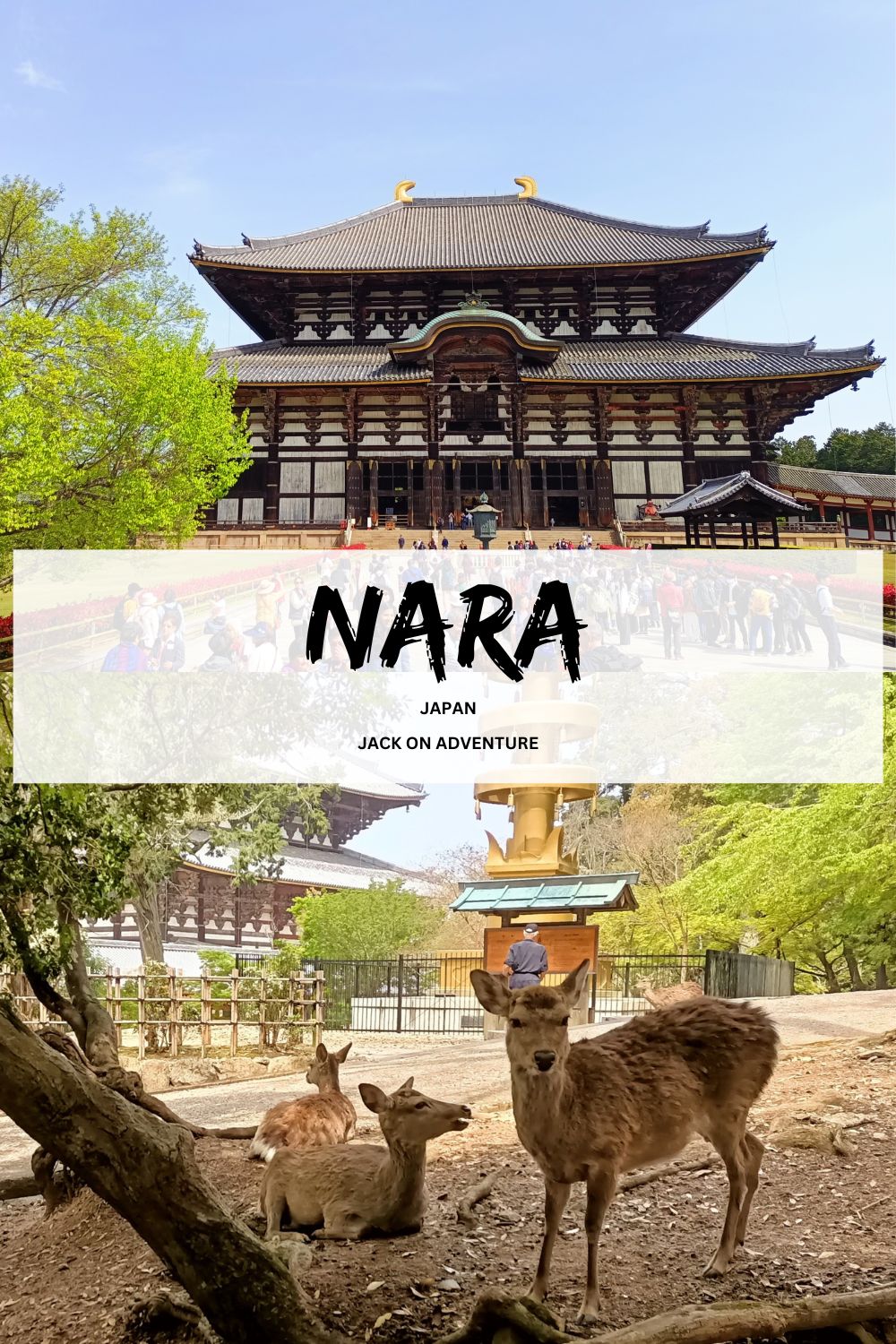
Lies in the Kansai region of Honshu Island, the charming Nara was the “first” capital of Japan for less than 100 years. This ancient city is home to 8 UNESCO World Heritage Sites and taming Nara deer.

Japan’s first permanent capital was established here in 710 A.D. called Heijo. The capital will move to a new location once a new emperor ascends to the throne. However, the government was under serious threat with the heavy influence and political ambitions of the city’s powerful monasteries. Therefore, it had to move away from Nara to Nagaoka in 784 and to Kyoto a few years later.
Getting There
From Kyoto
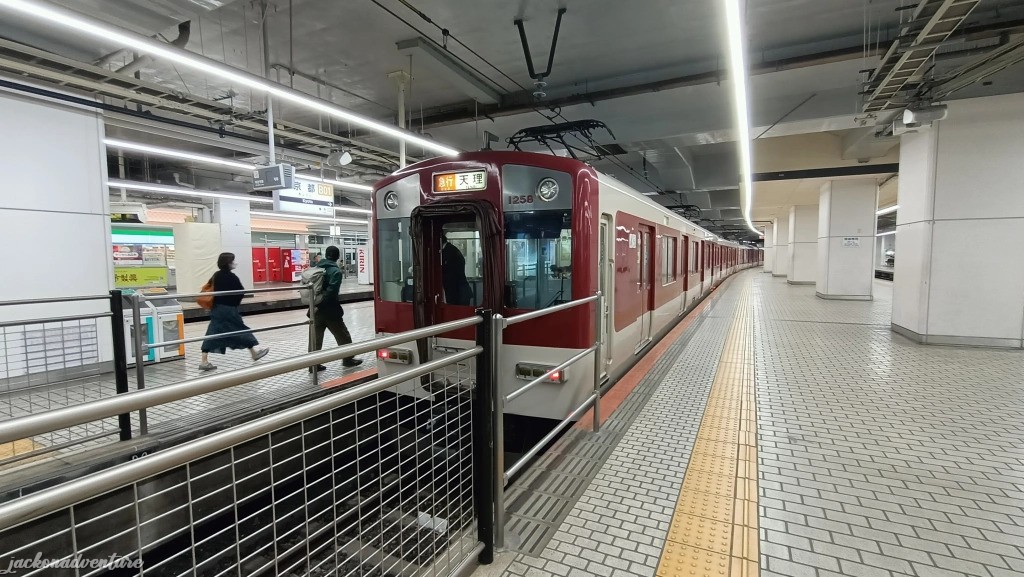
The Kintetsu Railway limited express train running from Kyoto Station twice every hour to Kintetsu Nara Station. It takes about 35 minutes for 1,280 yen per way. There is also a direct express train which takes 45 minutes for 760 yen each way. A train transfer is needed on this express train at Yamato-Saidaiji Station with a waiting time of less than 5 minutes.
I personally took the express train on the way back to Kyoto without any hassle with some help from a local. Japanese people are generally friendly and they try to help in any way they can although they can’t or speak little English.
The Japan Rail (JR) Miyakoji rapid train departs every 30 minutes from Kyoto Station to JR Nara Station. The ride takes 45 minutes for 720 yen. The local train running every 30 minutes takes 75 minutes and also costs 720 yen. Both trains are covered if you have a valid JR pass.
Kintetsu Nara Station is more centrally located than JR Nara Station with better access to the main sightseeing locations. JR Nara Station takes at least a 20-minute walk to the heritage sites.
From Osaka
There are two train lines connecting Osaka to Nara. The Kintetsu Nara Line Rapid Express train departing from Namba Station takes 40 minutes to Kintetsu Nara Station for 540 yen. The Limited Express train takes 34 minutes but costs higher at 1,070 yen.
The JR Kanjo-Yamatoji Line rapid train departs every hour from JR Osaka Station to JR Nara Station in 50 minutes for 800 yen. If you are traveling from JR Namba Station, first take the local train of Yamatoji Line to Kyuhoji Station and transfer for Yamatoji Rapid Service to Nara Station. The journey takes 50 minutes as well for 580 yen. The trip to Nara will be covered with a JR pass.
Getting Around
Most of the temples and shrines in Nara are within walking distance from each other in the Deer Park surrounding. You can practically walk everywhere- which is what I did except for taking a bus from Higashimuki Shopping Street near Kintetsu Nara Station to Kasuga Taisha Shrine.
The local bus is a good way to get around Nara if you plan to visit many sites in one day and want to save time. Once you arrive at Nara, you can take the Yellow Bus Line 1 and 2 from Kintetsu Nara Station or JR Nara Station that are frequently use by tourists to the main attractions.
These lines run on a circular routes with Bus Line 1 follows anti-clockwise and Bus Line 2 goes clockwise. A single-trip ticket is 210 yen. You can also buy an unlimited day ticket for all bus lines after your arrival at the station in Nara at 500 yen.
The Incredible Day Trip to Nara
With Nara being the first capital of Japan, the city is now home to many stunning temples, shrines and gardens. The city is one of my best day trip from Kyoto to wander and explore many well-preserved historic buildings.
Admire the massive Todaiji Temple
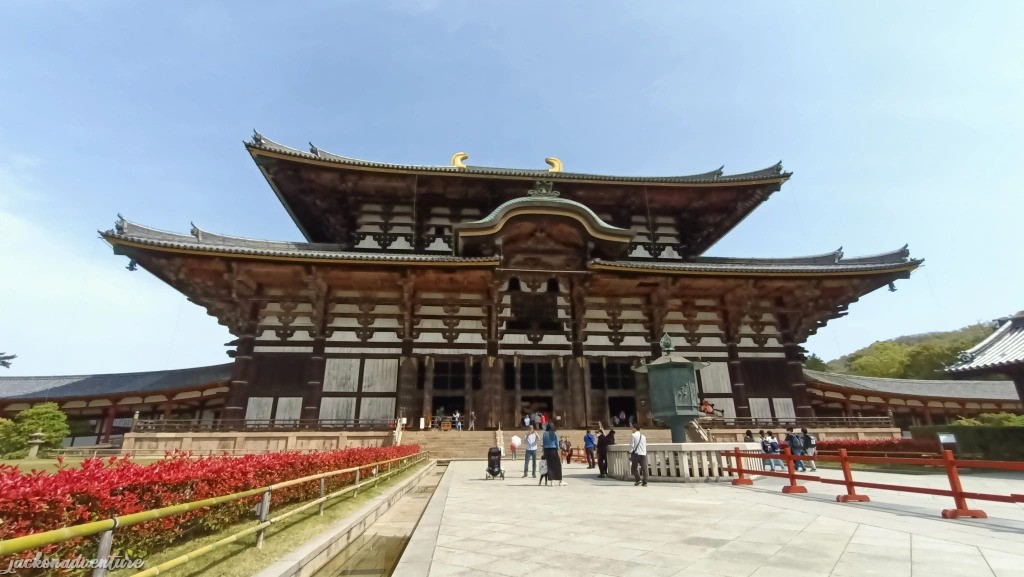
One of the first thing to do in Nara is to visit the enormous Todaiji (東大寺) known as the Great Eastern Temple. The temple was built in 752 as the head temple of all provincial Buddhist temples of Japan. It grew so powerful that the capital has to move away from the city in 784 to decrease its influence on government affair.

The temple is home to the Daibutsuden- Big Buddha Hall. It was once the world’s largest wooden building, but the present structure built in 1692 is only two thirds of the original size. Inside houses one of Japan’s largest bronze statues of Buddha, stands 15 meters tall and weighs 550 tons, flanked by two Bodhisattvas.
Location: 406-1 Zoshicho, Nara
Opening Hours: April to October: Daily from 7.30 am to 5.30 pm/ November to March: Daily from 8 am to 5 pm
Entrance Fee: 600 yen
Take the off-beaten path to Nigatsudo Temple

Situated on the hill east of Todaiji, Nigatsudo Temple is the site where Omizutori ceremonies take place every March. It is one of the oldest Buddhist events in Japan which has been practiced for more than 1,250 years with collection of repentance rituals.
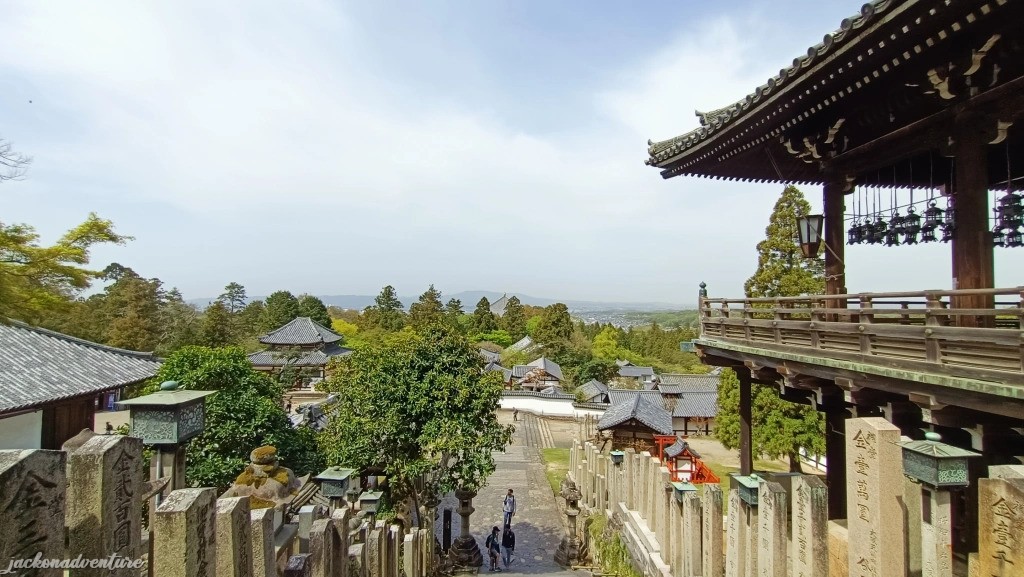
It’s not surprised that there is a sudden change of calm and quiet atmosphere when walking towards the sub-temple. Visitors often overlook with the famous Todaiji. You can enjoy the spectacular views of the city from its balcony.
Location: 406-1 Zoshicho, Nara
Opening Hours: 24 hours
Entrance Fee: Free
Say ‘Hello’ to the cute deer
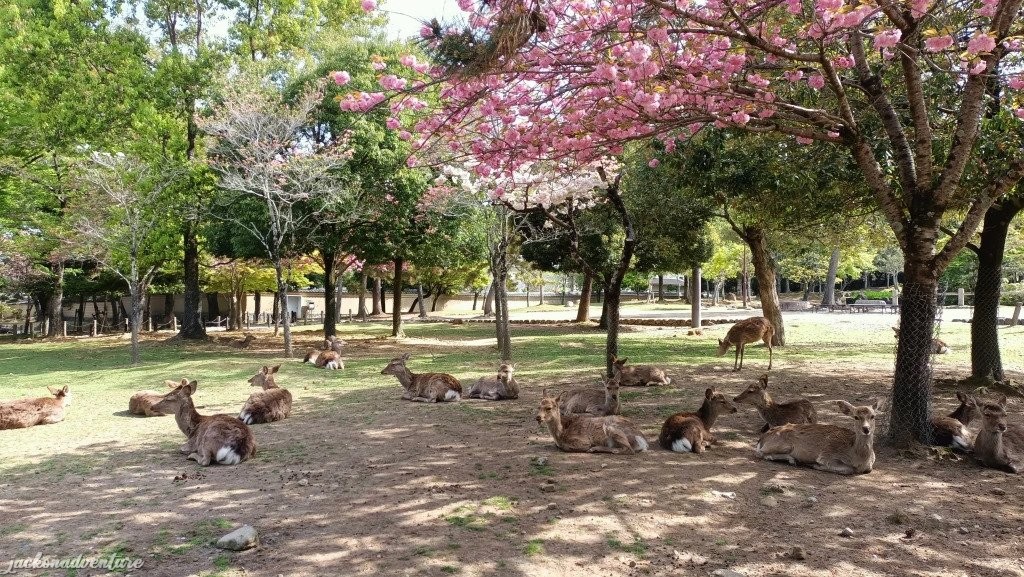
As you make your way to Todaiji, you’ll probably have encountered some adorable Nara deer. Over 1,200 deer roam freely around the park and they either gather in groups, making themselves comfortable under the shady trees or looking for something to eat. They are wild but have grown accustomed and completely unafraid of people.
Legend said that Takemikazuchi-no-Mikoto, a great Shinto deity rode into Nara on the back of a white deer. The sika deer is believed to be the messengers of the God. Since then, the deer were considered a sacred animal and designated as national treasures, remain protected until today. Takemikazuchi was enshrined here in 768 with three other Gods in Kasuga Taisha temple.
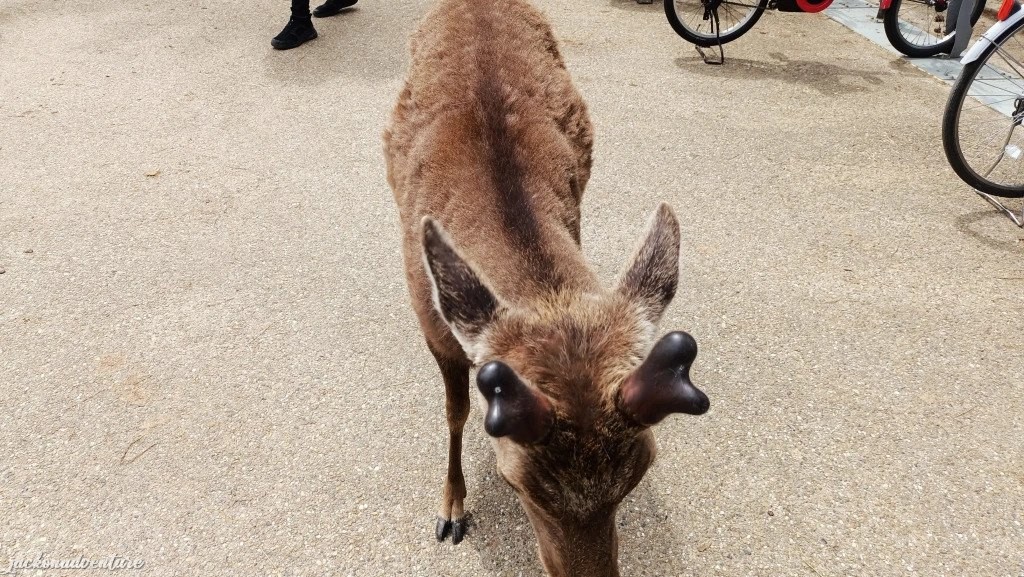
Nara Deer Park is one of the popular spots to see these gentle creatures. They sometimes are referred to as the bowing deer because they often bow in expectation of getting a treat as a reward from visitors. You can buy some ‘deer crackers’ or “shika senbei” from small street stores around the park for 200 yen per pack.
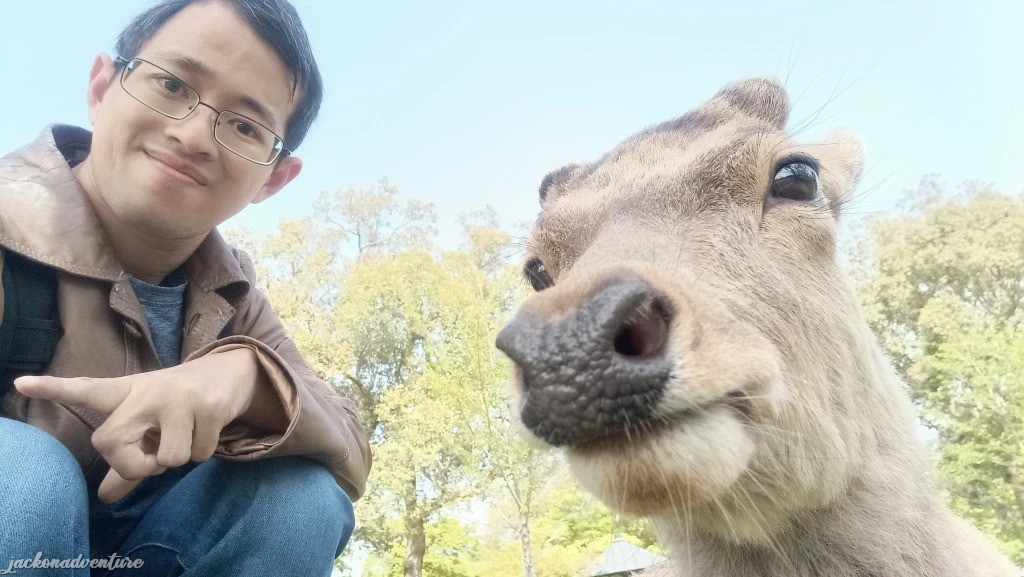
Give it a go and feed them with their favorite snack. Chances are the deer will follow you once they see the cracker from your hand. Then, they will bow back to you and ask for a treat. Or some hungry or naughty ones will PULL OR BITE your shirt to ask for food!!
Explore Kofukuji Temple ground

Established in 710, Kofukuji (興福寺) used to be the family temple of a powerful aristocratic Fujiwara family with over 150 buildings at that time. The temple is also listed as one of the 8 UNESCO World Heritage Sites in Nara.
There are many temples and shrines to admire. The five-storied pagoda is Japan’s second tallest wooden pagoda, just seven meters shorter than Toji Temple in Kyoto. It was first constructed in 730 and rebuilt in 1426, becoming a symbol of this historical city. The Eastern Golden Hall houses a huge Yakushi Buddha statue.
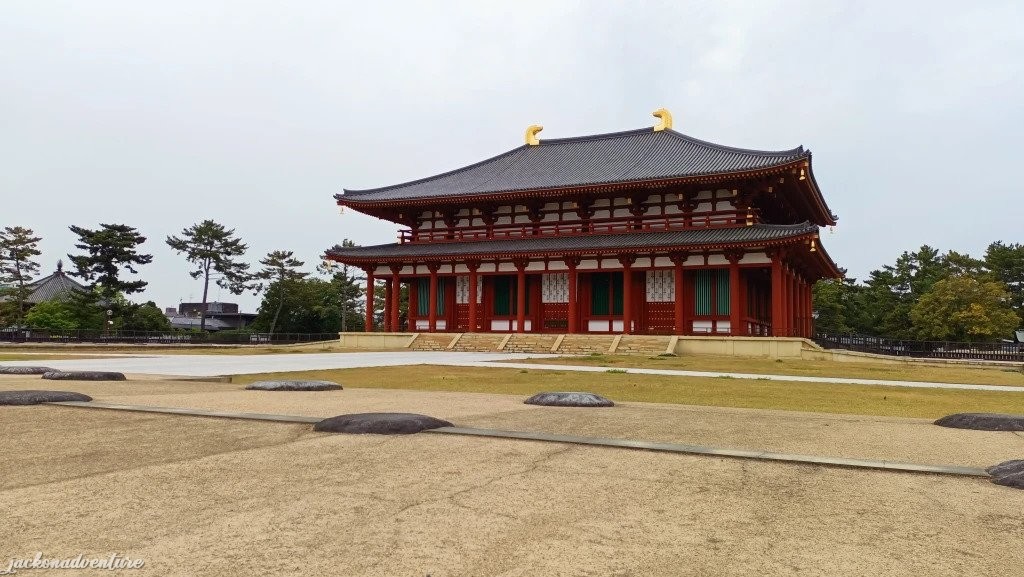

Next to the Central Golden Hall are the Northern and Southern Octagonal Halls and can only view outside of the temples. They originally date back over 1,000 years, but were rebuilt by 1210 and 1789.
Location: 48 Noboriojicho, Nara
Opening Hours: The temple ground is open 24 hours. The temple halls and museum open daily from 9 am to 5 pm.
Entrance Fee: Eastern Golden Hall: 300 yen/ Central Golden Hall: 500 yen/ National Treasure Museum: 700 yen
Taste the sticky mochi from Nakatanidou
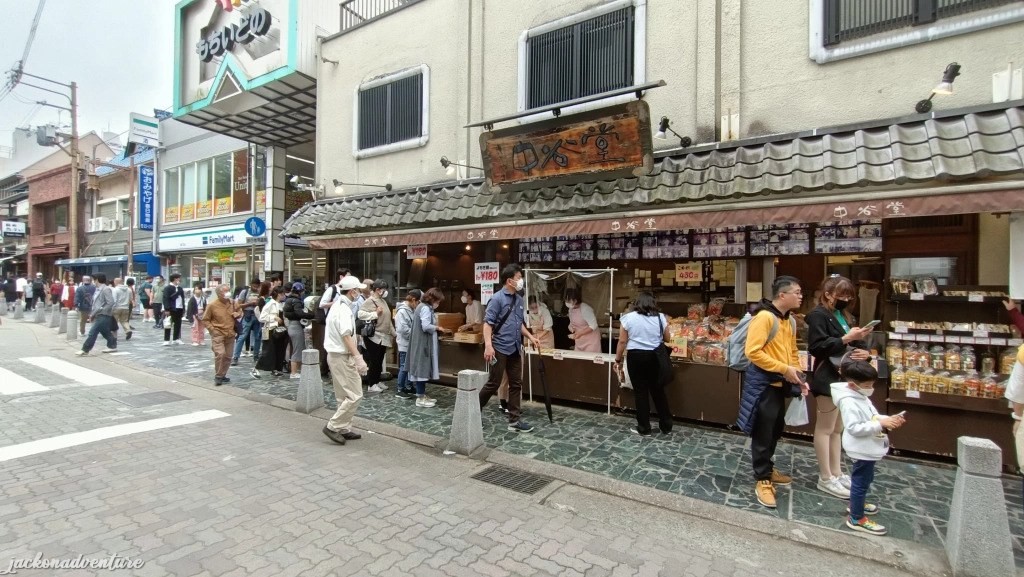
Ever wonder where to have a delicious Mochi?
Nakatanidou is the most famous mochi shop in Nara, selling these flavorful sticky Japanese rice cakes. Their specialty is Yomogi mochi made from Japanese wild plant known as mugwort which gives its natural green color and refreshing taste. It is dusted by hand with kinako-roasted soybean flour and richly filled with red bean paste to create such yummy confectionery.
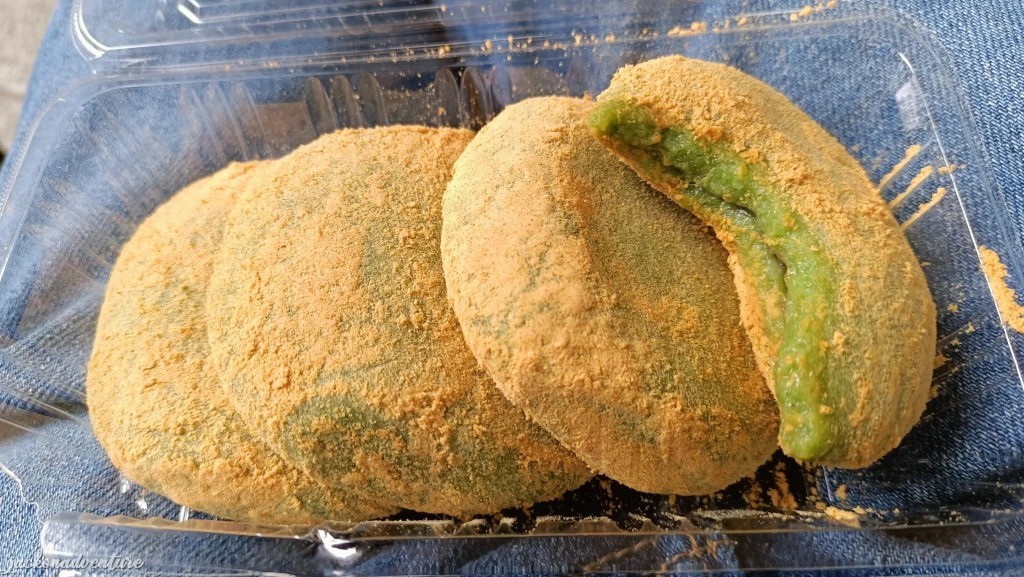
They pride themselves on their dramatic and speedy mochi-pounding process traditionally known as mochitsuki. They perform high-speed mochitsuki at the shop to churn out hundreds of pieces of mochi every day.
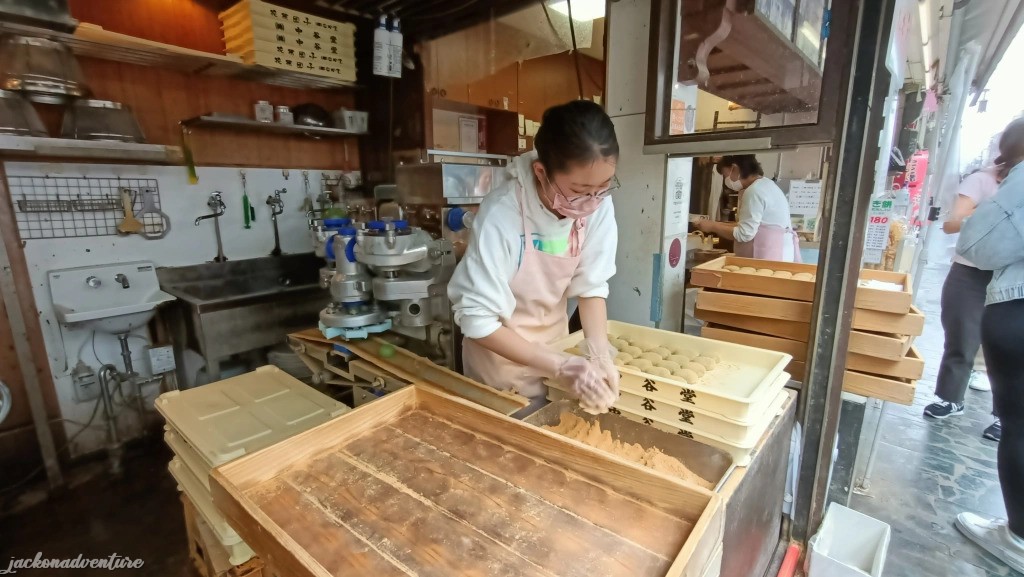
The action begins with a huge green mound of glutinous rice tossed into a wooden mortar. The skilled mochi makers use their large, mallet-like pestles to pound rapidly on the mochi without ever missing their mark. They won the high-speed mochitsuki championship in 2005 and 2006, becaming a popular destination to witness its thrilling performance ever since.
Do expect a queue to get your hands on this savory mochi. The shop is pretty touristy. But, it’s totally worth the wait!!
Location: 29 Hashimotocho, Nara
Opening Hours: Daily from 10 am to 7 pm
Discover the Kasuga Taisha Shrine
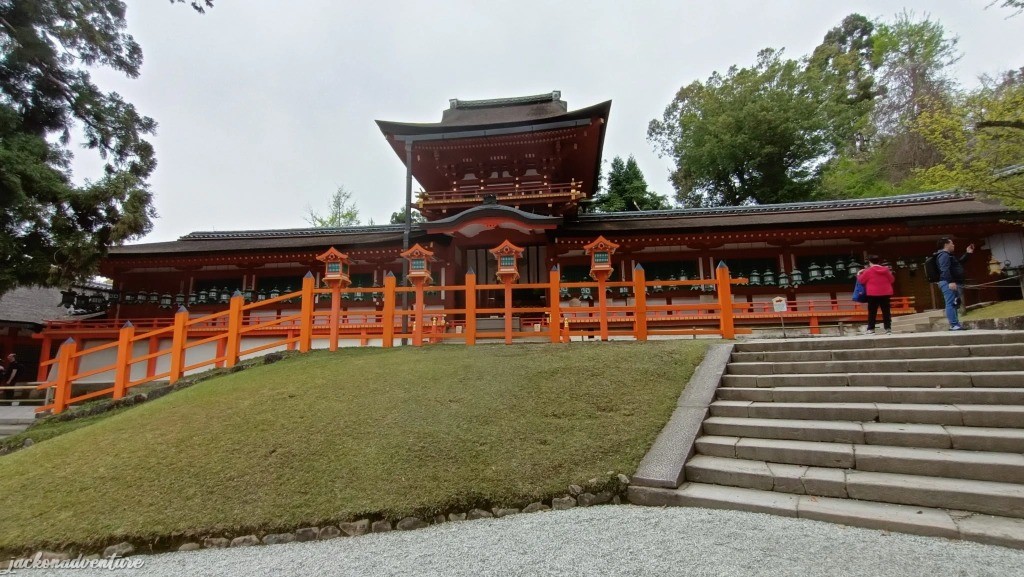
Situated on the southeast of Nara Park, Kaisha Taisha Shrine is considered one of the most preserved shrines in Nara. The shrine is famously known for its thousands of aged, moss-covered stone lanterns. It is designated as one of the Three Great Shrines in Japan and a UNESCO World Heritage Site.
Completed in 768, the shrine is also a place of worship for the Fujiwara family and the entire Imperial Court. The Fujiwara family established the shrine and they were one of the most powerful families who dominated Japanese politics until the 11th century.

According to Shinto concepts of purity, the shrine was torn down and rebuilt every 20 years in its original form until 1863. Until today, more than 2,200 rituals are held each year to pray for the prosperity and peace of the Imperial Family and the Japanese people.

When wandering around the shrine ground, you will be accompanied by some dear friends, the Nara deer where they can be spotted near the stone lanterns. The shrine grounds are highly decorated with thousands of hanging brass and bronze lanterns. Don’t miss out on the Fujinami-no-ya Hall which is beautifully lit with an astounding collection of brass and bronze lanterns in the dark.
Location: 160 Kasuganocho
Getting There: Take a 30-minute walk from Kintetsu Nara Station or a 45-minute walk from JR Nara Station. You can also take a bus from either station to Kasuga Taisha Honden bus stop for 220 yen.
Opening Hours: March to October: Daily from 6.30 am to 5.30 pm/ November to February: Daily from 7 am to 5 pm (Inner area opens all year round from 9 am to 4 pm)
Entrance Fee: Free entry at the outer area and 500 yen for the inner area
Shop and dine in Higashimuki Shopping Street
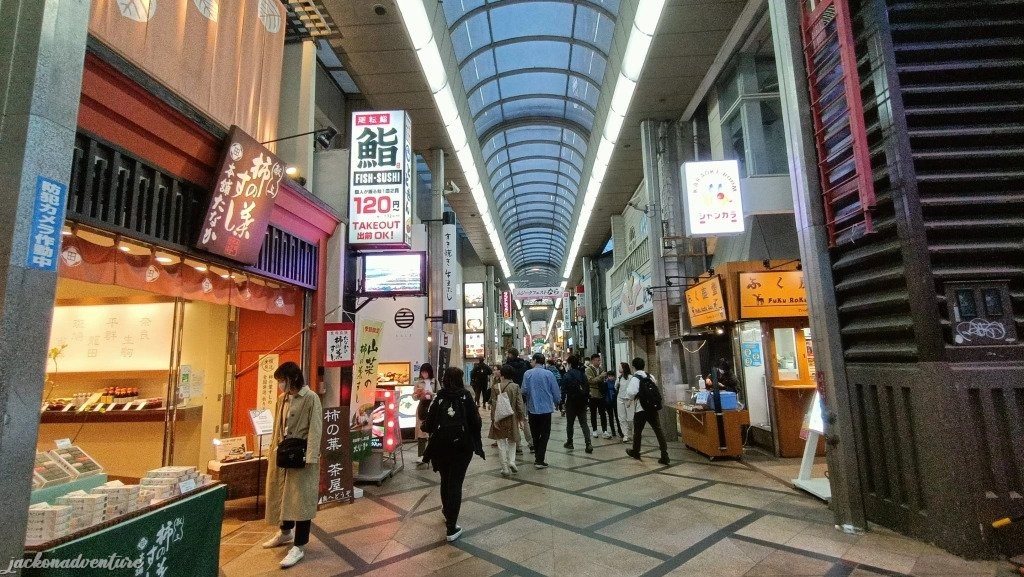
If you’re looking for a quick shopping or have dinner before going back to Kyoto or Osaka, Higashimuki Shopping Street is one of the best places to do just that. It is just located near Kintetsu Nara Station.
The shopping street is filled with unique shops, food stalls and restaurants. You can find souvenirs of Nara deer, kimonos, stylish clothing, traditional sweets and ceramic.
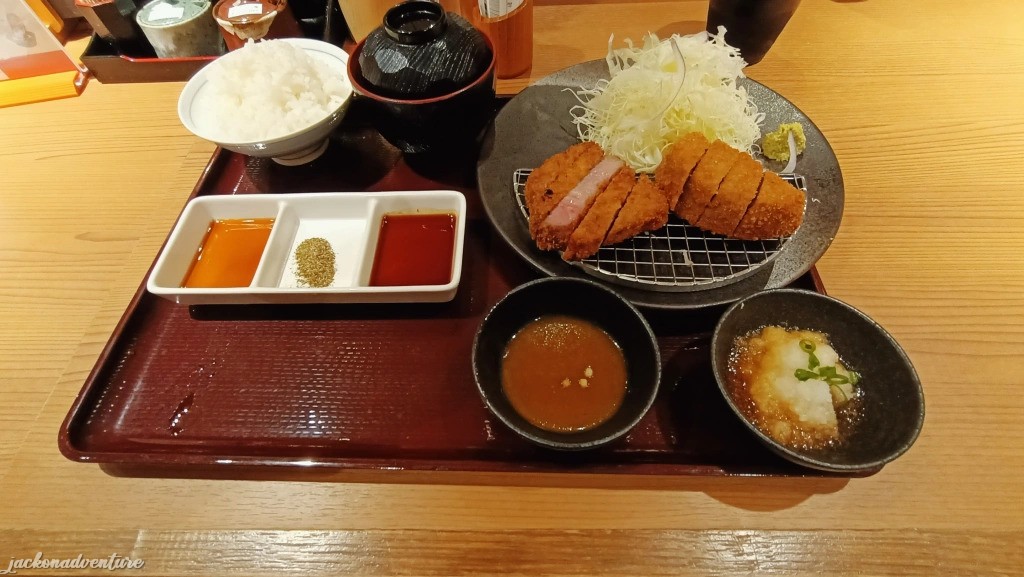
Sit back to enjoy a delicious Japanese meal at one of the cuisines here. If you’re fancy with pork dish, I highly recommend going to Tonkatsu Ganko Nara. Their deep-dried pork loin is very crispy and tender, served with fresh salad, miso soup and Japanese rice. The price is very decent, I love the cozy atmosphere and the warm-welcoming of the friendly staff.
Going Elsewhere in Japan?
If you like to travel to other parts of Japan, here are some ideas of cities and towns worth discovering with the best things to do. There are also stories about my experience on the Shinkansen train ride and WWOOFing in Japan.
- Tokyo in 2024
- Tokyo in 2023
- Kamakura
- Nagoya
- Nagano
- Takayama
- Gujo
- Ise
- Kumano Kodo
- Okayama
- Hiroshima
- Miyajima
- Mt Fuji
- Kyoto
- Arishayama
- Osaka
- Shinkansen Train
- WWOOFing in Japan
Like It? Pin This Article.


 Jack on Adventure
Leave a comment