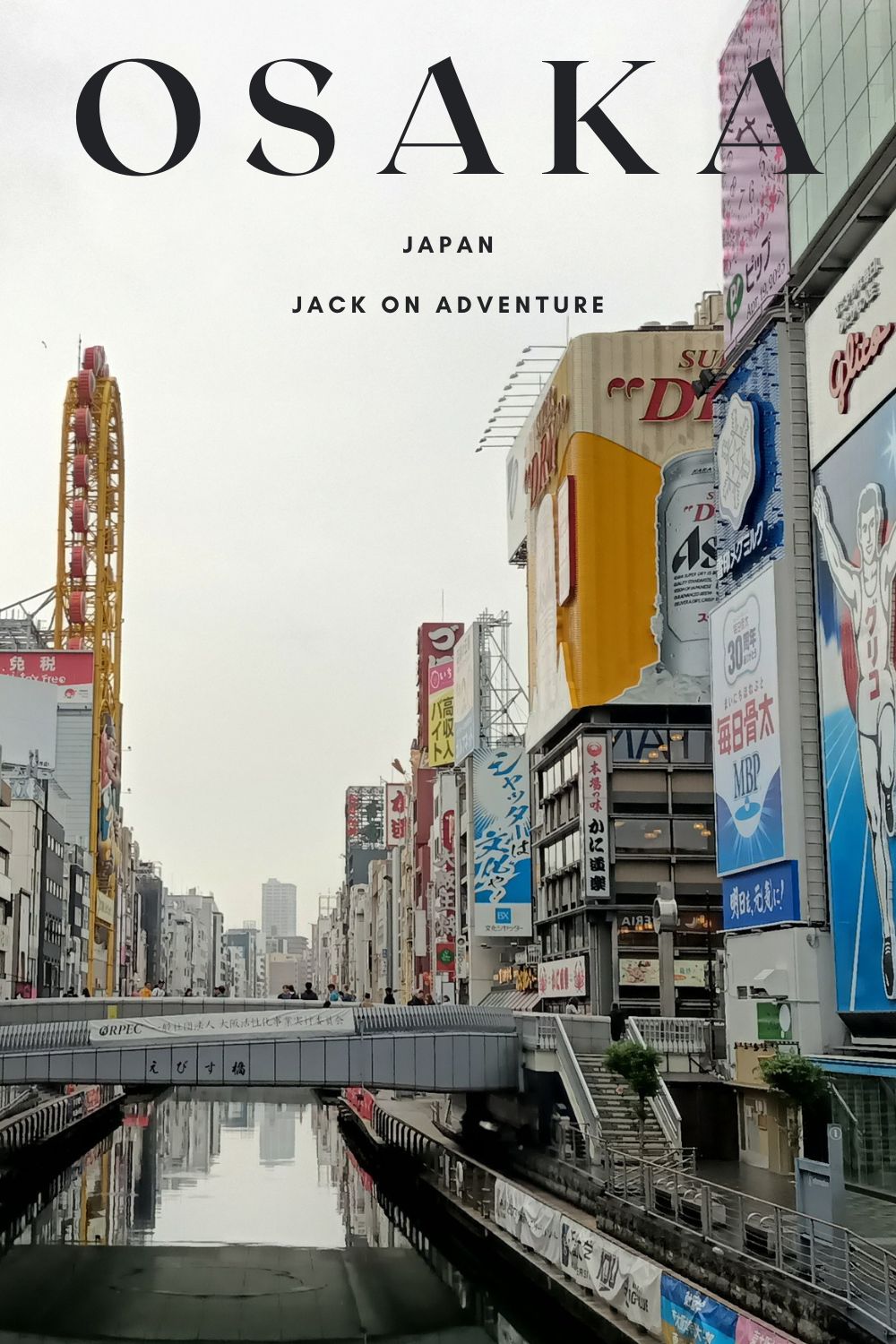
Located in the Kansai region of Honshu, Osaka is the second-largest metropolitan city in Japan after Tokyo. The city was traditionally considered the economic powerhouse and become a regional port for many centuries. It also served as the imperial capital for a short period.
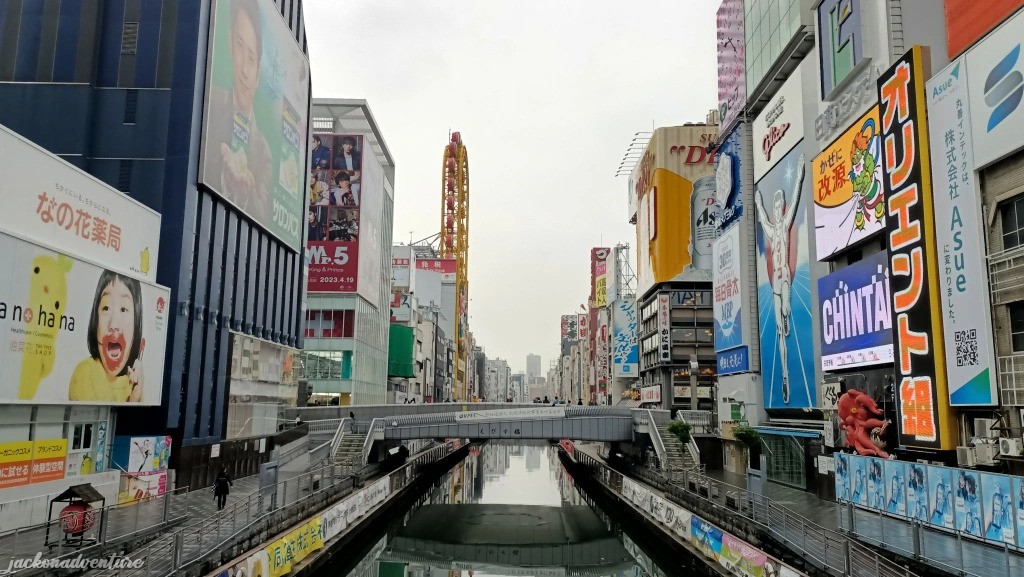
Today, the city has a reputation for futuristic architecture, colorful vibes, wild nightlife and most amazing Japanese food. It earned the nickname as Tenka no Daidokoro which translates as “The Kitchen of Japan”. Known as the food-lover’s wonderland, Osaka is the birthplace of some of the most favorable dishes such as okonomiyaki and takoyaki. There’s no better place to carve on those irresistible food.
Best Time to Visit
There really is never a bad time to come to Osaka. The city can be visited all year round and depends on what weather you enjoy the most. Spring between March and May is the most beautiful time of the year with cherry blossom season begins around the end of March to early April. This is always the peak season, so do expect large crowds in the city and pay higher price for airfare and hotels. This goes the same for the first week of May with the Golden Week holiday for Japanese people.
The summer is between June and August. It’s typically hottest in August and often rains in June and July. You should probably avoid these months if you don’t like too much heat and humid. But don’t let the weather put you down. Osaka and its neighborhood cities like Kyoto and Nara is filled with big traditional festivals.
Autumn from mid-November to early vDecember is another favorite season to visit just like spring. It’s the time to admire the colors of fall during the autumn foliage. Winter from December to February is the coldest time but not unbearable like cities in northern Japan like Sapporo.
Getting There
By Plane
Kansai International Airport
When you are traveling from other countries, your plane will be arriving at Kansai International Airport (Airport Code: KIX). The airport is located about 37 km southwest of Osaka city and is reachable either by JR Haruka Airport Express Train, limousine bus or taxi.
If you choose to take the JR Haruka Airport Express, the train goes directly from the airport to Tennoji and Shin-Osaka Station and have to take the Midosuji Subway Line to your hotel or Airbnb. Tickets can be purchased from the airport’s JR office or the ticket machines outside the office.
Itami International Airport
If you are taking a domestic flight in Japan to Osaka, you’ll most likely land at Itami Airport (Airport Code: ITM). The airport often known as Osaka International Airport is located only 11 km away from the city center. The best way to get to downtown is by limousine bus or private taxi if you’re willing to pay more or carrying many luggage.
If you’re traveling light or opt for a cheaper choice, you can take Osaka Monorail and get off the next stop at Hotarugaike and switch for the Hankyu Takarazuka Line train to get into the city center at Osaka Umeda Station. The journey takes about 33 minutes for 420 yen.
By Train

Japan is home to one of the most impressive train networks in the world called Shinkansen. These bullet trains are super-fast, efficient and very punctual, which connect you to almost every corner of the country. The best part is the seats are so comfortable that you can sit back while watching the scenery outside while having a delicious meal bought from one of the shops at the train station or on board the train.
You can buy the Japan Rail Pass in advance and is valid for 7, 14 or 21 days. Coming from Tokyo, the semi-fast Hikari Shinkansen train takes 3 hours on the Tokaido-Sanyo Line. The same train line also connects to Kyoto in 13 minutes and Hiroshima in 2 hours 30 minutes.
The fastest train is the Nozomi Shinkansen which stops at the least number of stations. The fare is usually the most expensive and is not covered under the JR Pass. The train also runs on the Tokaido-Sanyo Line and takes 1 hour 25 minutes to Hiroshima and 2 hours 20 minutes to Tokyo.
Travel tips: Reserve your ticket and baggage storage space at the train station during your free time in Japan. Seats can be full during New Year, Golden Week, local festive seasons and Christmas season. If you fail to do so during the peak times, you might end up standing throughout the entire journey.
Getting Around
Osaka has a great public transportation network and is easy to get around the city. Just like Tokyo, Osaka city comes with its own IC card called Icoca and works throughout Japan. The card can be bought from the ticketing machines at any JR and subway station.
If you are traveling from Tokyo, Suica and Pasmo work just fine like Icaco. These IC cards allow you to ride on all of Osaka’s trains, subways and buses as well as purchase items in various shops, convenience stores and vending machines.
Although the JR Pass can be used for JR Osaka Loop Line, it is probably not a good idea just to use for the first few days in Osaka itself before heading to other cities. The JR Pass is meant for long-distance and expensive intercity travel and it’s best to stick with the IC card.
If you are planning to ride on Osaka Metro or Bus more than 4 times a day, the “Enjoy Eco Ride” card is your best friend here that gives unlimited rides on the local metro and city buses. Tickets can be bought from vending machines at Osaka’s train stations at 820 yen for adults (weekends and holidays at 620 yen) and 310 yen for children.
The Best Activities for 2 days in Osaka
This second-largest metropolitan city of Japan is packed with exciting places to see and do. Don’t let the size of Osaka fool you as the city is easy to spend 2 days to explore the wonderful Shinto temples and shrines and taste the best local food.
Walk along the famous Dotonbori
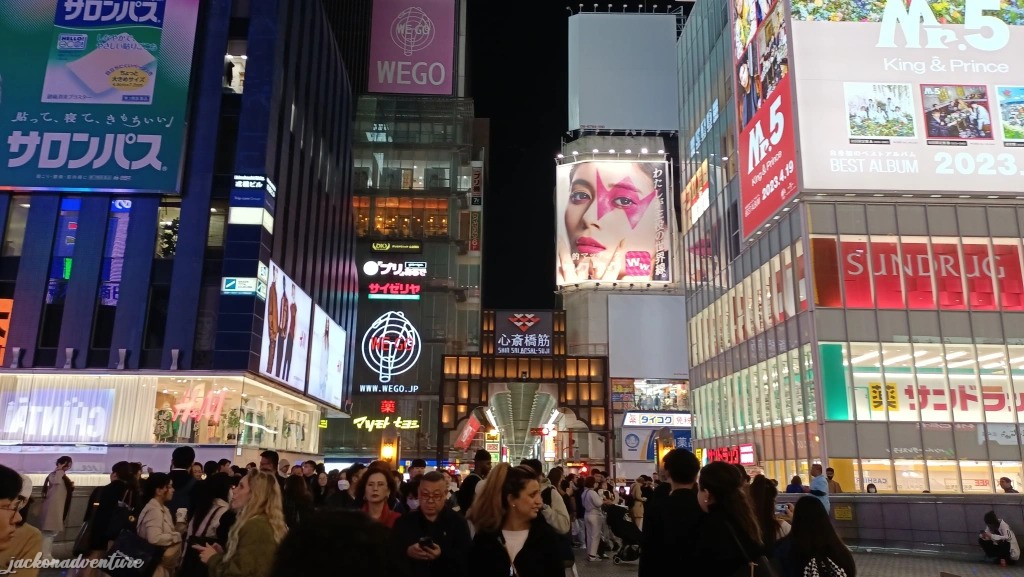
Located in the heart of Osaka downtown, Dotonbori is famed for its bright billboard, loud signage and countless number of restaurants and bars. It is well known as a gastronomic wonderland where food lovers flock here to try the best Japanese food at restaurants, street-side food stalls and bars.
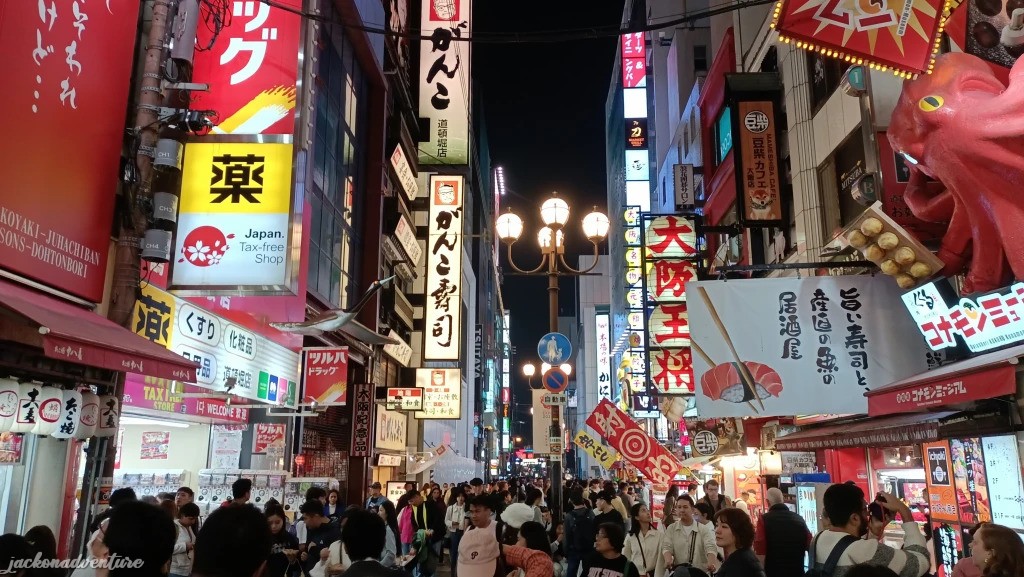
You can easily spot a restaurant or bar simply by grabbing attention to the huge signage above such as the enormous octopus, gyoza, a clown, the Kani Douraku crab and a pufferfish. Dotonbori is a great place to sample as many delicious food across Japan. It goes with a saying of “kuidaore” which often misinterpreted as “eat till you drop” but really means spending so much on food that you fall into financial ruin.
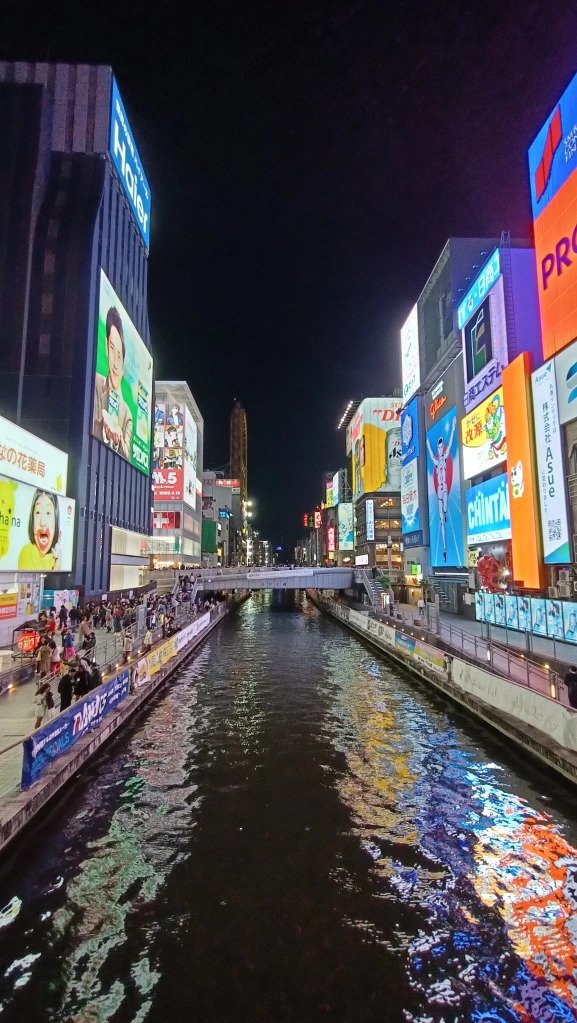
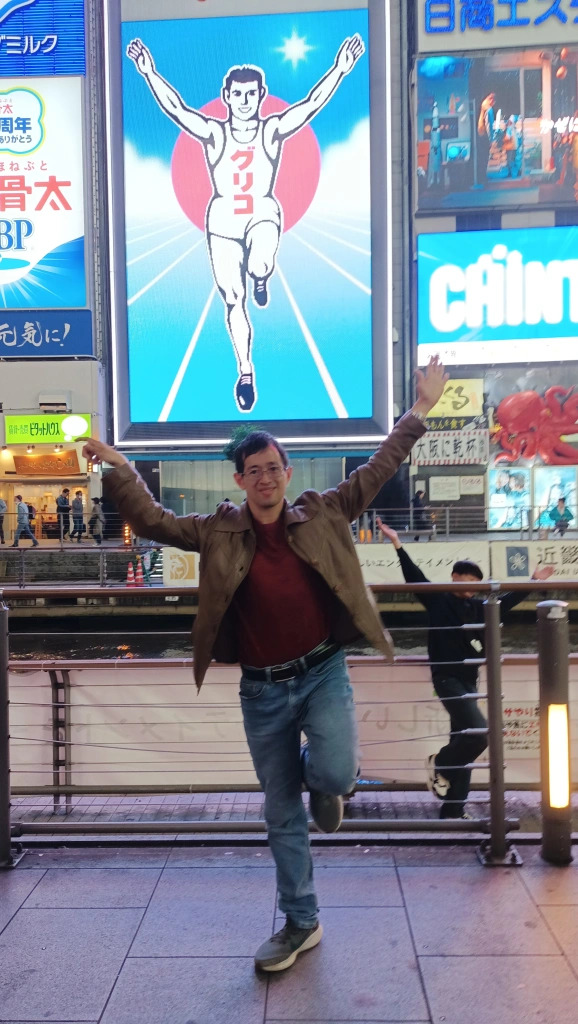
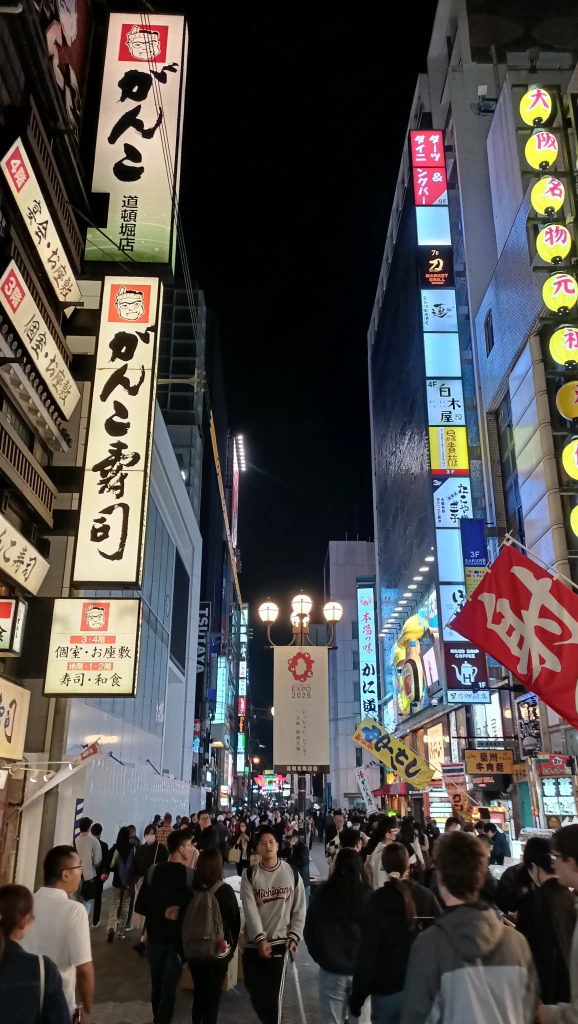
Don’t forget to strike a pose with the famous Glico running man near the Shinsaibashi shopping tunnel. This brightly lit advertisement has been here for more than 80 years and become a prominent meeting point for locals and tourists alike.
Visit the ancient Sumiyoshi Taisha
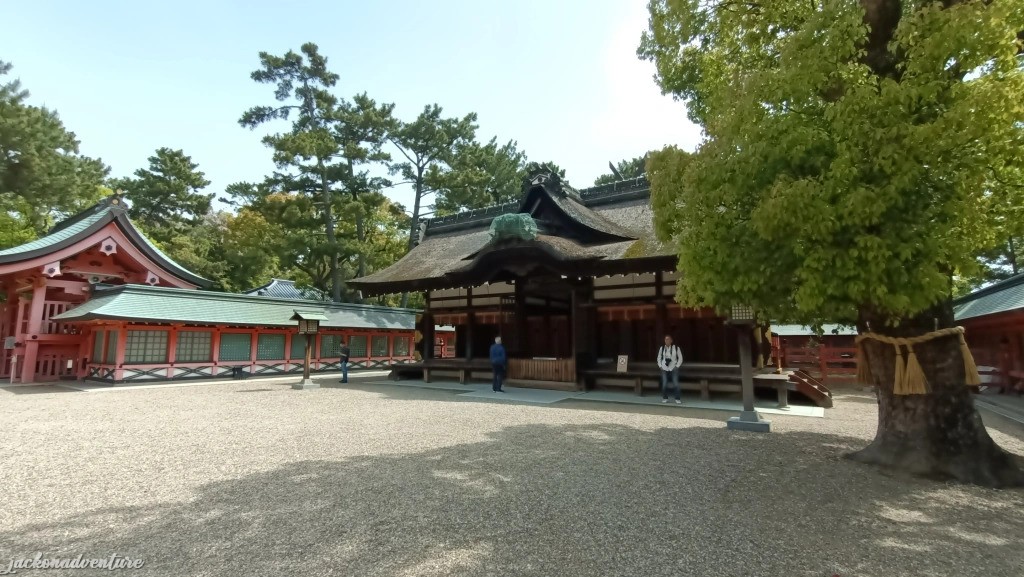
Founded in the 3rd century, the Sumiyoshi Taisha (住吉大社) is one of the oldest shrines in Japan and the head shrine of over 2,000 Sumiyoshi Shrines across the country. These shrines enshrine the kami (Shinto gods) who protect travelers, fishermen and sailors at sea.
Its architectural style called Sumiyoshi-zakuri is unlike any other shrine where the straight roofs are decorated by 2 sets of forked finials and 5 horizontal billets. You will be welcomed by a unique high arch Sorihashi Bridge over the pond at its main entrance.
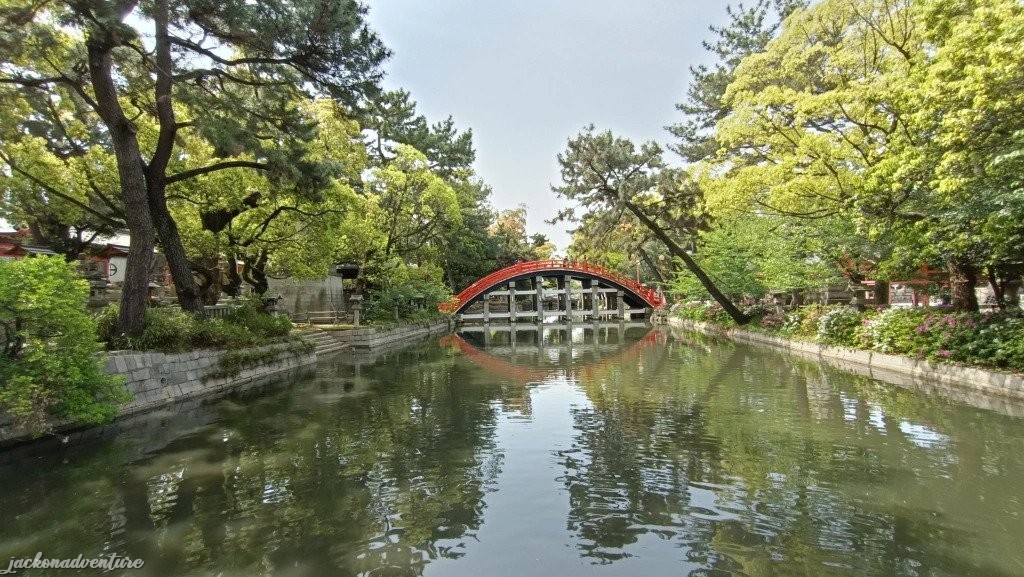
Location: 2 Chome-9-89 Sumiyoshi, Sumiyoshi Ward
Getting There: Take the Yotsubashi Subway Line to Tamade Station and take 10 minutes walk to the shrine. You can also take the tram using Hankai Line or Uemachi Line to Sumiyoshitorii-mae or Sumiyoshi stop.
Opening Hours: Daily from 6 am to 5 pm
Entrance Fee: Free
Explore the splendid Shitennoji Temple
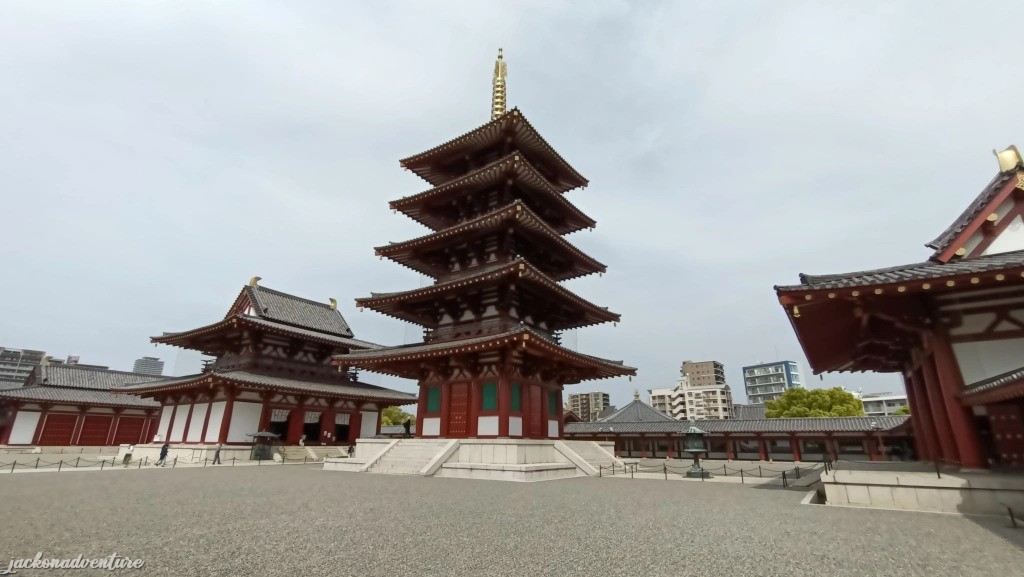
Established by Prince Shotoku in 593, Shitennoji Temple (四天王寺) is one of the oldest temples in Japan. The temple was the first to be built by the state and the prince helped to introduce Buddhism into the country. Although the buildings were burned down several times, the structures were carefully rebuilt to its original architecture of the Asuka period 1400 years ago.
The inner precinct of the temple ground stands an impressive five-storied pagoda. Prince Shotoku is enshrined in the Main Hall as a statue of Kannon.
Location: 1 Chome-11-18 Shitennoji, Tennoji Ward
Getting There: Take the Tanimachi Subway Line to Shitennōji-mae Yūhigaoka Station and take a 10-minute walk to the temple
Opening Hours: Daily from 8.30 am to 4.30 pm
Entrance fee: Inner Precinct: 300 yen/ Garden: 300 yen/ Treasure House: 500 yen
Marvel the magnificent Osaka Castle
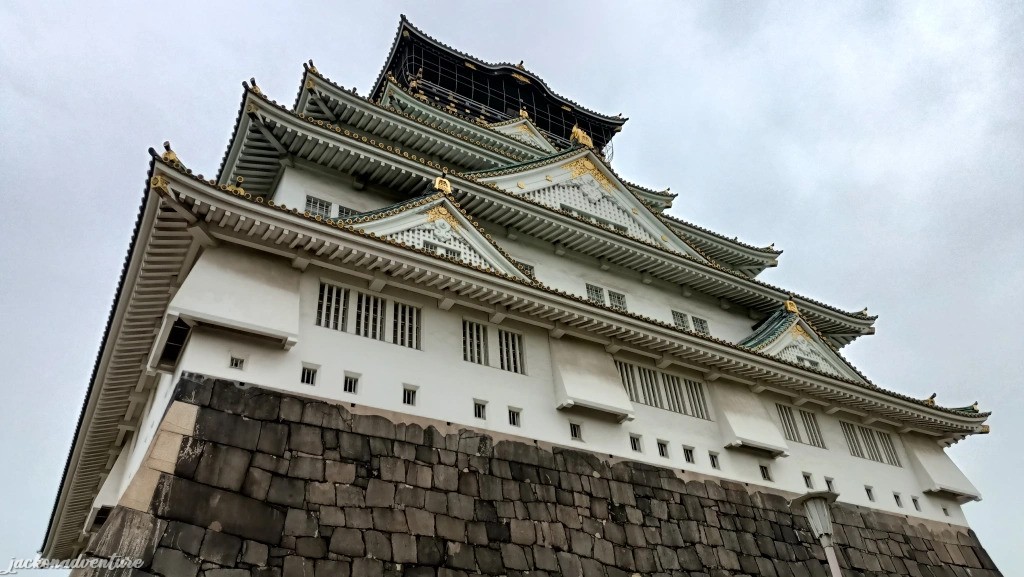
Osaka Castle (大阪城) was built in 1583 by Toyotomi Hideyoshi with his intention to become the center of a new, unified Japan under his rule. It was the largest castle at that time, completely surrounded by stone wall and moat. The Nishinomaru Garden has 600 cherry trees that are stunning when they are fully bloom.
Sadly, the castle was burned down in 1615 during the Summer War of Osaka to eliminate the Toyotomi lineage. Tokugawa Hidetada rebuilt it with the palace in the 1620s, but the main castle tower was destroyed after being struck by lightning in 1665. The castle was burned to ashes again in 1885 during the civil war of the Meiji Restoration.
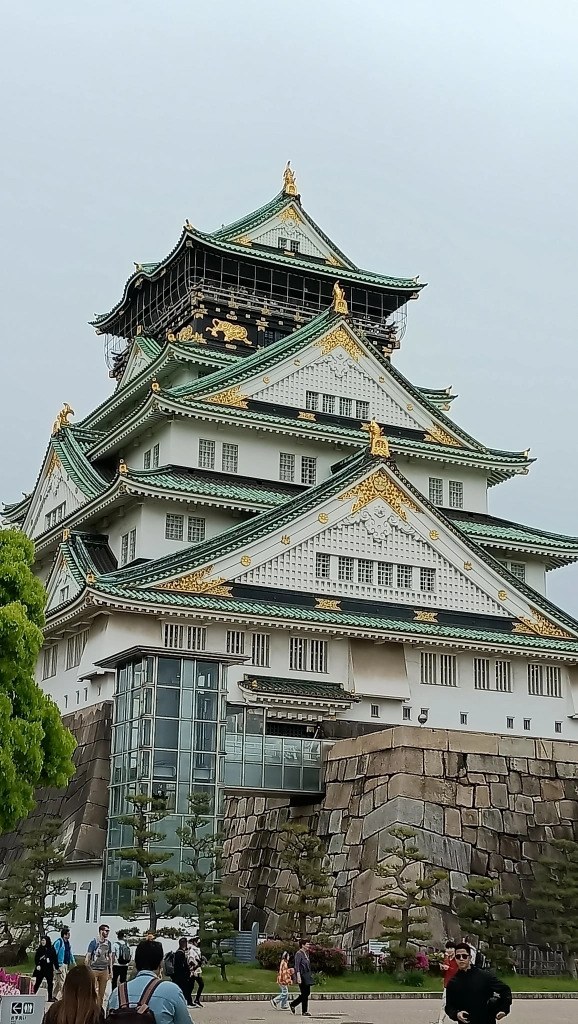
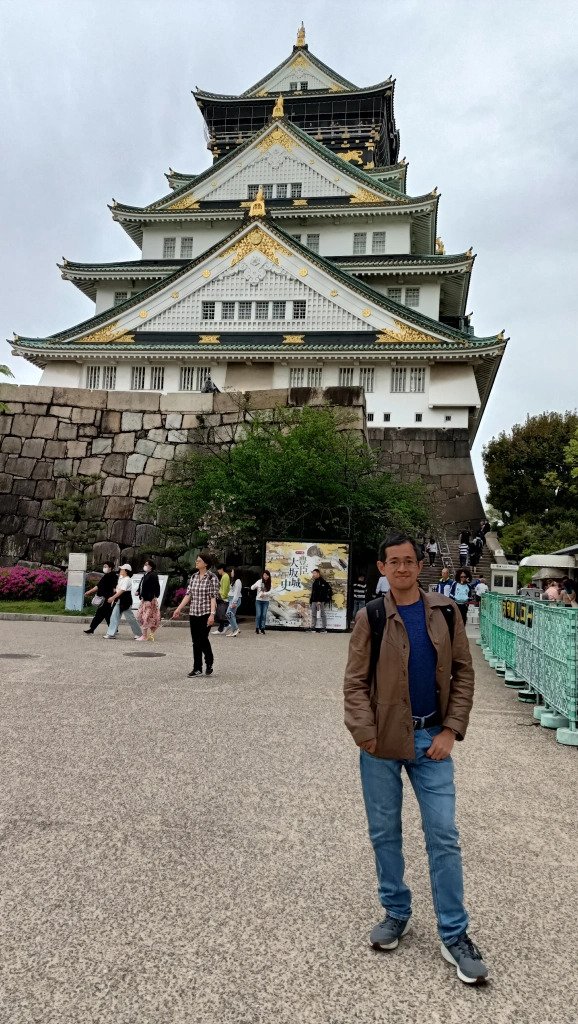
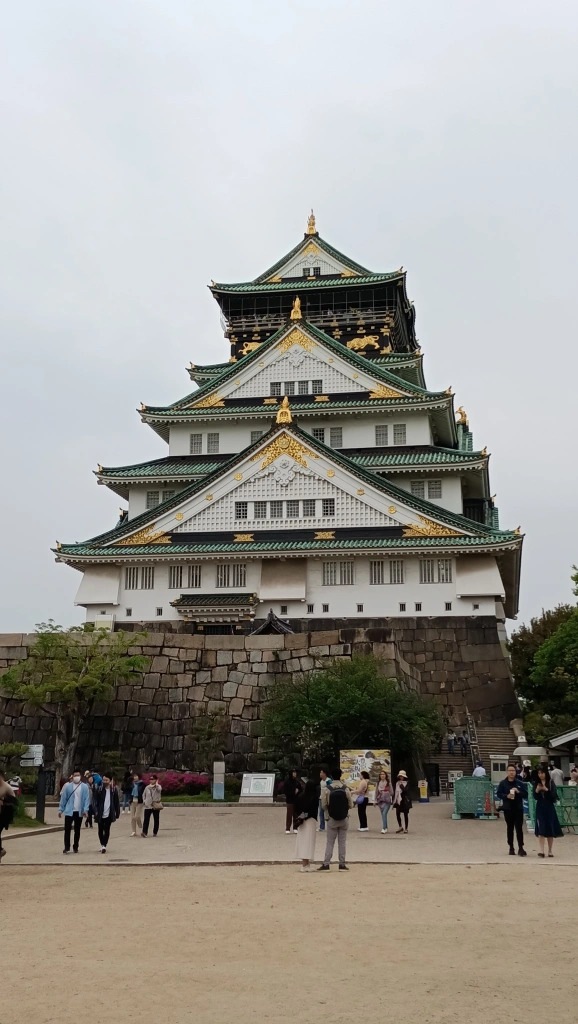
The present Osaka Castle was finally reconstructed in 1931 and the tower has an elevator inside. If only you have free time, tour inside the castle that has transformed into a multilevel museum. It houses a remarkable collection of over 10,000 artifacts. The highlight of the visit is to enjoy the view of Osaka from the top floor.
Location: 1-1 Osakajo, Chuo Ward
Getting There: Take the Tanimachi or Chuo Subway Line to Tanimachi Yonchome Station and take a 10-minute walk to the castle
Opening Hours: The castle opens daily from 9 am to 5 pm and Nishinomaru Garden opens from 9 am to 5 pm except from November to February to 4.30 pm and 9 pm during cherry blossom season.
Entrance Fee: Castle Tower: 600 yen/ Nishinomaru Garden: 200 yen (350 yen during cherry blossom season)
Enjoy amazing city views at Umeda Sky Building
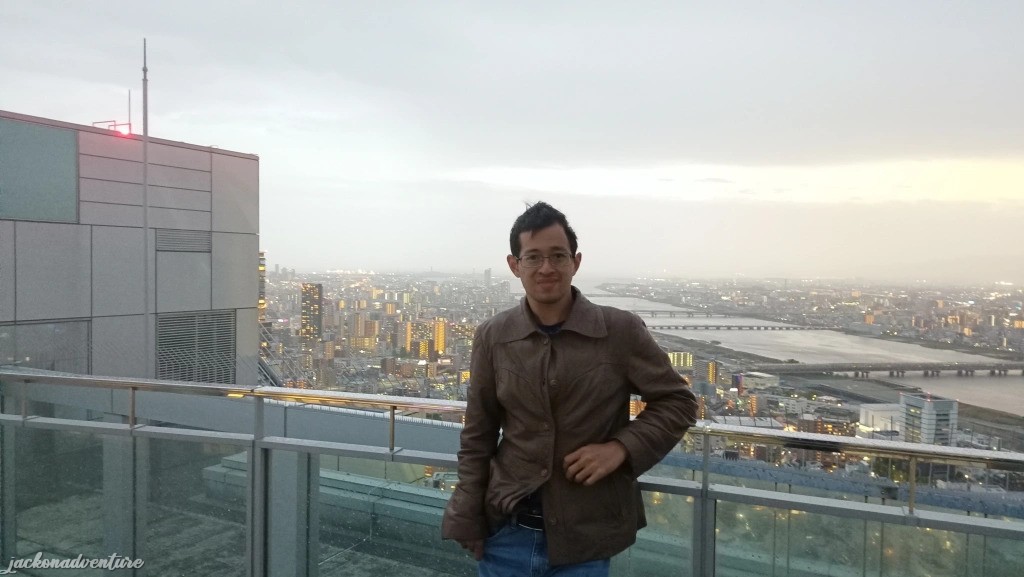
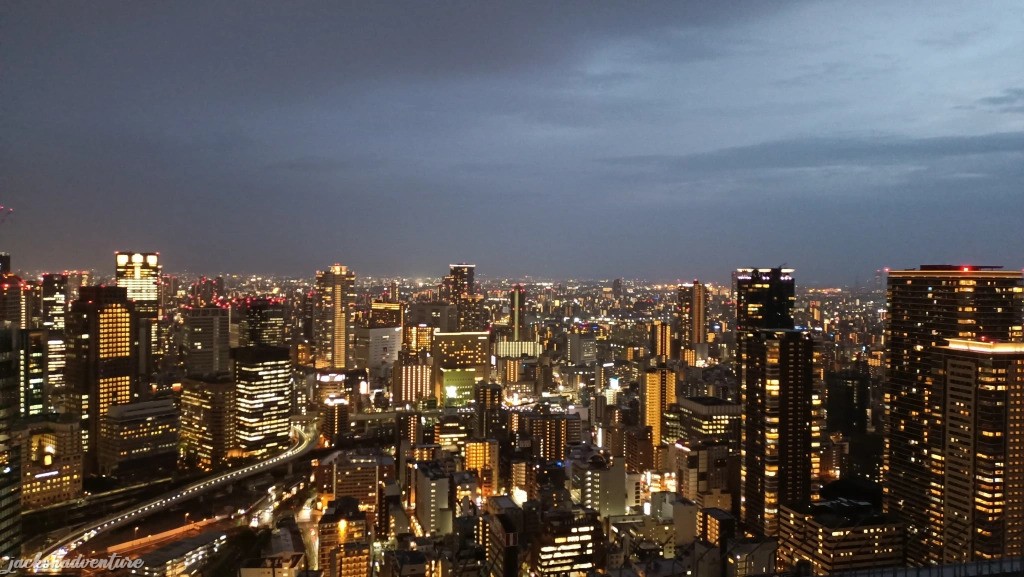
One of the best things to do in Osaka city is to enjoy watching the beautiful views of Osaka from Kuchu Teien Observatory in the evening. This Floating Garden Observatory at the top of the building overlooks Osaka skyscrapers and the Yodo River. Although I have missed out on catching the sunset due to the rain, the night view is equally beautiful when the city is lit up brightly.
This state-of-the-art building was the work of architect Hiroshi Hara known as the “City of Air” and the project is considered the most brilliant design during its time in the 1990s. Going to the rooftop observatory deck is one part of the excitement, but what makes the visit more fun is taking the escalator through a bridge with a wide atrium-like window that allows you to see the surroundings of the structure from the top to the ground.
Location: 1 Chome-1-88 Oyodonaka, Kita Ward
Getting There: Take the Midosuji Subway Line to Umeda Station and take a 15-minute walk to Umeda Sky Building
Opening Hours: Daily from 9.30 am to 10.30 pm
Entrance Fee: Adults: 1500 yen/ Children: 700 yen (half-price for person with disability). Ticket can be purchased on the spot or in advance from their website.
Take a glimpse of Shochikuza Kabuki Theatre
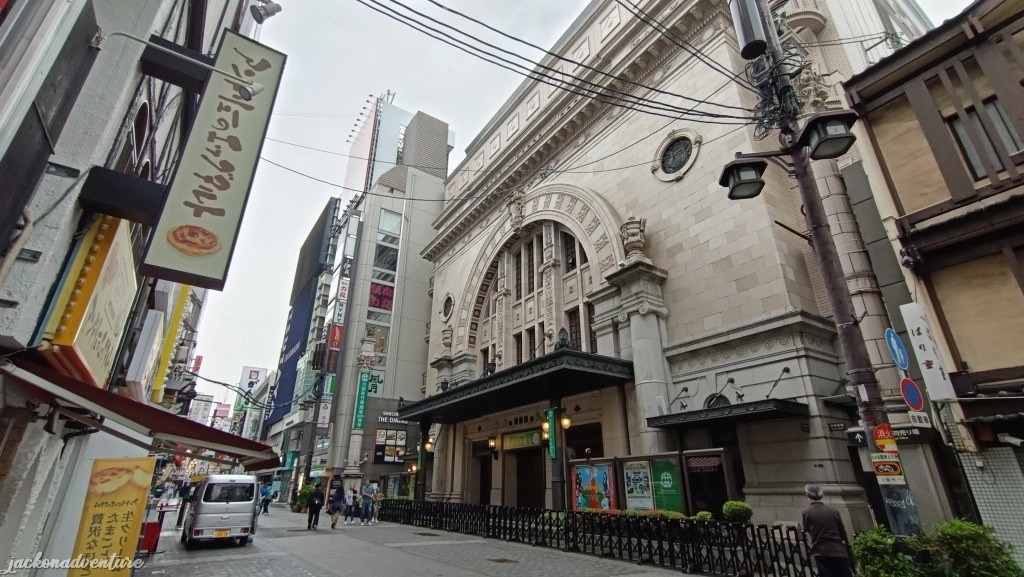
The grand Osaka Shochikuza Kabuki Theatre often holds classical Kabuki drama performances, new contemporary dramas, musicals, comedies and opera. This Neo-Renaissance theatre can accommodate 1,033 guests over 3 levels.
Kabuki performance is one of the Japanese theatrical traditions known for dramatic storylines, elaborate costumes and gorgeous make-up. The actors speak an old-fashioned form of Japanese in a stylized way.
Location: 1 Chome-9-19 Dotonbori, Chuo Ward
Visit the small Hozen-ji Yokocho Temple
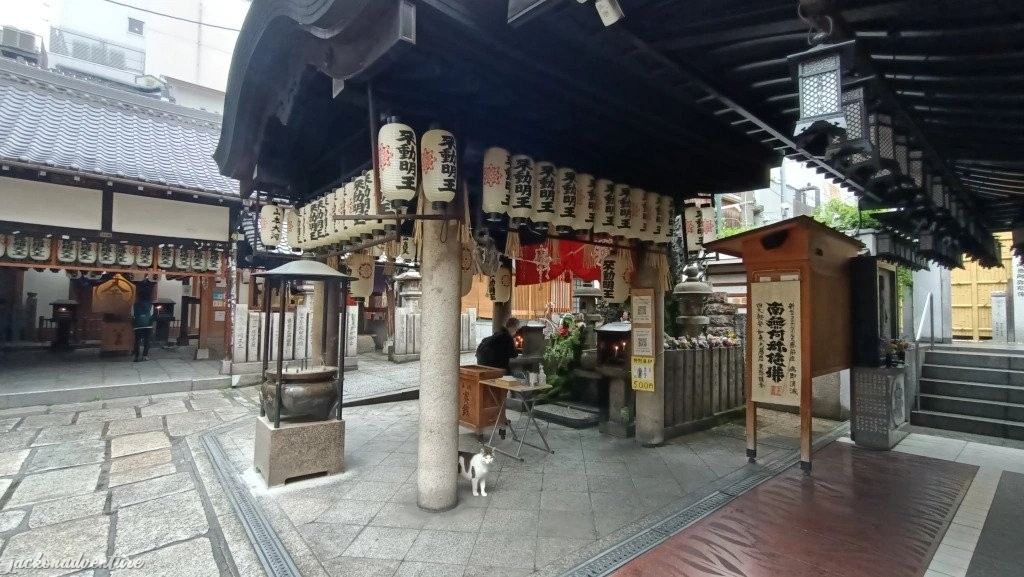
Tucked away from the chaotic Dotonbori, a narrow stone-paved laneway leads to a small hidden gem in Hozen-ji Yokocho neighborhood. Hozenji Temple was built in 1637 to pay respect to Fudo Myoo, one of the five guardians of Buddhism locally known as Mizukake Fudo. It is beautifully decorated with swinging golden lanterns.
Locals splash the statue with water because it is said to bring good luck. Its head to toe is covered in moss because many visitors pour water over it.
Location: 1 Chome-2-16 Nanba, Chuo Ward
Getting There: Take the Midosuji or Yotsubashi Subway Line to Namba Station
Opening Hours: 24 hours
Entrance Fee: Free
Go amine shopping at Daimaru Umeda
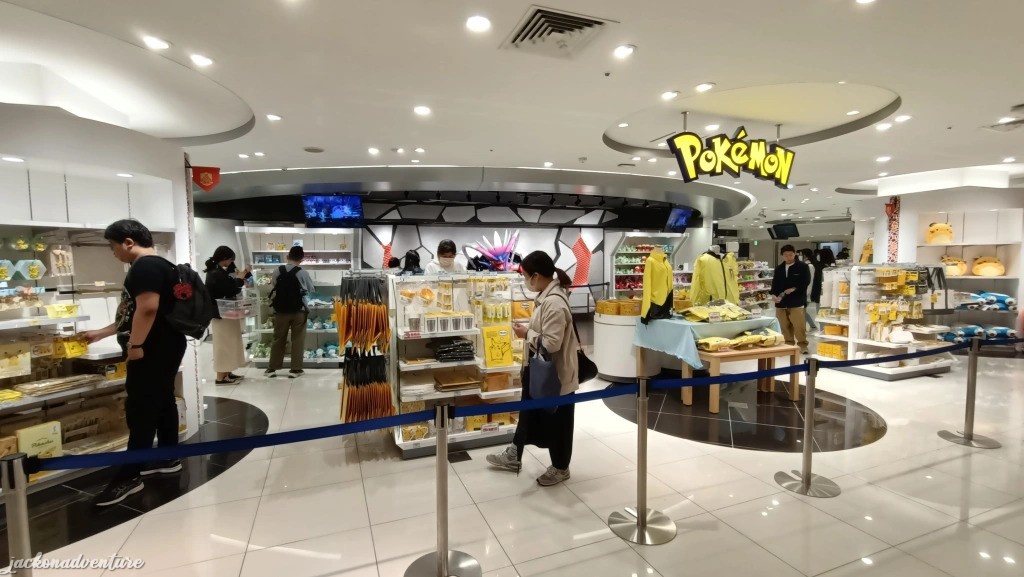
If you’re a huge fan of Japanese amine, then look no further and make your way to Daimaru Umeda Shopping Mall. Located on 13th floor of this multi-story complex, it is home to many beloved amine characters.
The all-time favorite Pokemon by children and adults alike can be found here where they sell collectible soft toys, figures, clothing, kitchenware, stationary, Japanese version collectible cards and many more.
If you have read my post on the trip to Tokyo, by now you should know that not all Pokemon items can be found in just one Pokemon Centre. I went to a few outlets and small shops in Japan and finally found Charizard and medium-sized Pikachu at Tokyo Mega Store, Squirtle at Shibuya Parco, small-sized Pikachu from Tokyo Station and ended up grabbing Bulbasaur at a gift shop at Osaka’s Tenjinbashi-suji Shopping Street.
It’s best to buy whatever Pokemon you love right away from any stores because some of them are limited. So, good luck ‘catching’ them all!!
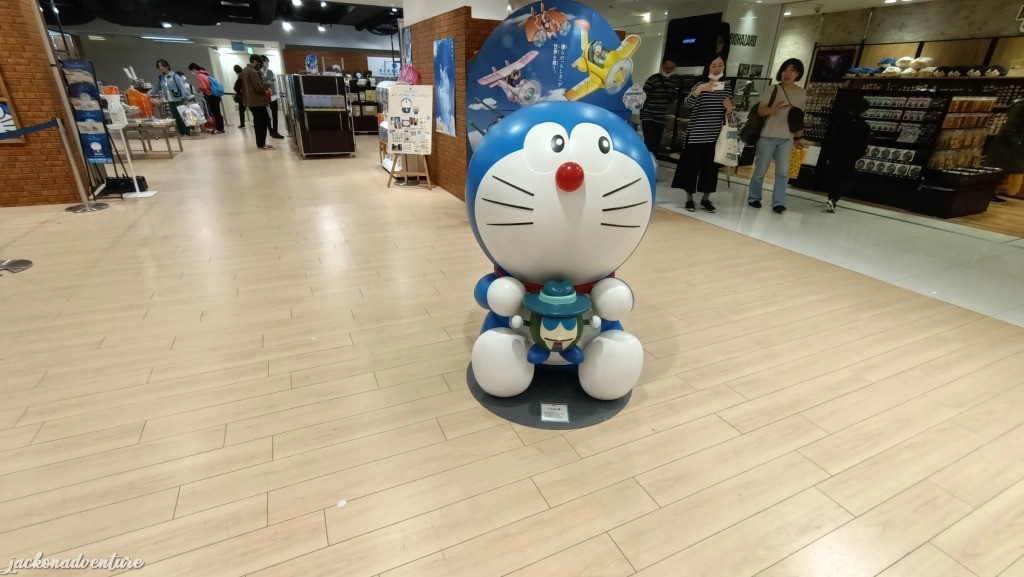
There are also other amine characters such as the futuristic blue Doremon, car models and other characters from Capcom, Monster Hunter and Resident Evil.
Daimaru Umeda itself has a wide range of Japanese and international brands of fashion designs for men, women and kids. There are plenty of local cuisines and restaurants here.
Location: 3 Chome-1-1 Umeda, Kita Ward
Opening Hours: Daily from 10 am to 8 pm
Discover the story behind Ohatsu Tenjin

Established over 1,300 years ago, Ohatsu Tenjin officially known as ‘Tsuyuno Tenjinsha’ is named after a poem by the great Heian era scholar Suguwara Michizane. He stopped by the shrine after being exiled from the Imperial court in Kyoto and wrote a poem describing dreams vanishing with dew and flowing tears.
The shrine is also the site of the tragic story of two lovers, a geisha Ohatsu and an apprentice trader Tokubei. A double suicide took place at this shrine in 1703 after family pressures, financial misfortune and the betrayal of a friend threatened to keep the lovers apart. Unable to live without each other, they met here and committed suicide.
It is now a popular spot for young couples and those who are seeking true love. People write their prayers for success in love on an ema that bears the image of Ohatsu and Tokubei.
Location: 2-5-4 Sonezaki, Kita-ku
Getting There: Take the Tanimachi Subway Line to Higashi Umeda Station
Opening Hours: Daily from 6 am to 11 pm
Entrance Fee: Free
Stroll through Tenjinbashi-suji Shopping Street
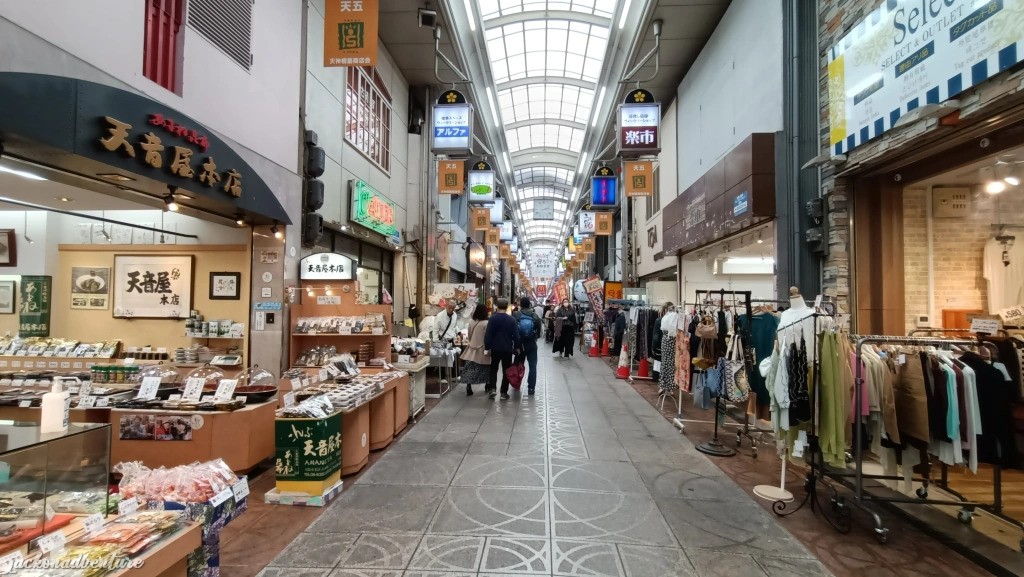
This proud Shopping Street (天神橋筋商店街) is the longest shotengai in Japan that stretches about 2.6 km in length. It’s so long that covers three stations and takes at least an hour to explore the area.
Situated in one of Osaka’s oldest merchant areas, the shopping street is home to many independent stores, izakayas and restaurants. You can find anything here from fashionable clothing, futons, antiques, groceries, bakeries, florist shops, hair salons, pharmacies and even casinos and arcades.

Tenjinbashi-suji is also a great place to try local dishes such as sushi, yakisoba, tempura, okonomiyaki and desserts. The long shopping street is lined with izakaya or small restaurants that usually can fit up to 10 people at a time. I have yakisoba at a cozy izakaya and the meal is very affordable.
I won’t say that this shopping street is off-the-beaten-path, but it’s sure a less touristy place that gives a local vibe. Many residents come here to shop for their daily needs and eat at those small establishments where prices are pretty affordable compared to restaurants at the famous Dotonbori.
Getting There: Take the Tanimachi Subway Line to Minami-morimachi Station. You can also take Sakaisuji Subway Line to Minami-morimachi Station or Ogimachi Station.
Make a quick stop at Tenmangu Shrine
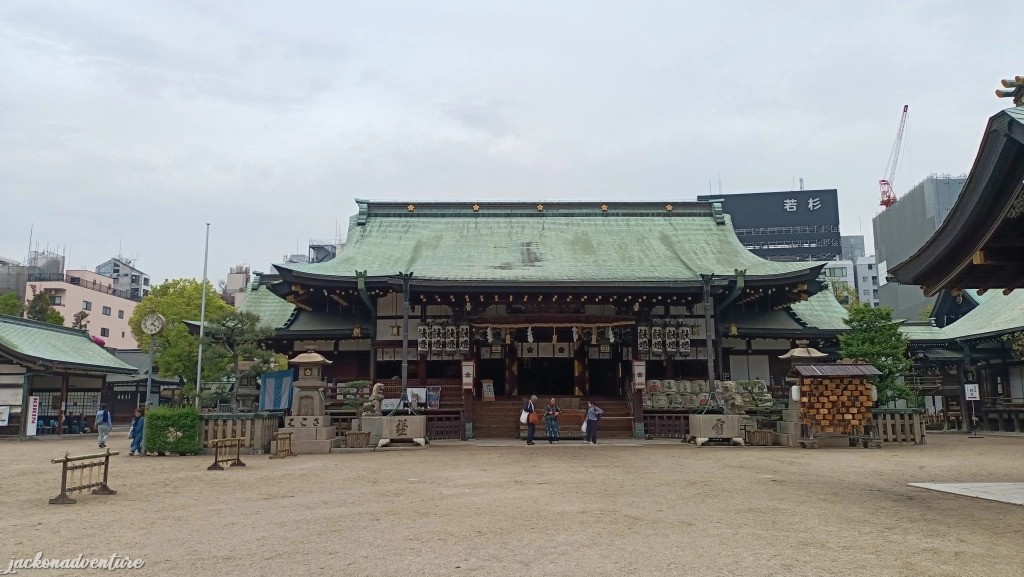
Founded in the 10th century, Osaka Tenmangu Shrine (大阪天満宮) is also devoted to Tenjin, the Shinto god of scholarship who was associated with the Heian Period scholar Sugawara no Michizane, The shrine has been destroyed by fire several times and the current main hall and gate only date back to 1845.
If so happens that you are in Osaka in July, don’t miss out on the Tenjin Matsuri held on July 24 and 25. On that day, the shrine’s deity will paraded in a divine palanquin through the city with locals and visitors gather to watch the procession and fireworks display.
Location: 2 Chome-1-8 Tenjinbashi, Kita Ward
Getting There: Take the Tanimachi Subway Line to Minami-morimachi Station
Opening Hours: Daily 9 am to 5 pm
Entrance Fee; Free
Discover the “New World” at Shineskai
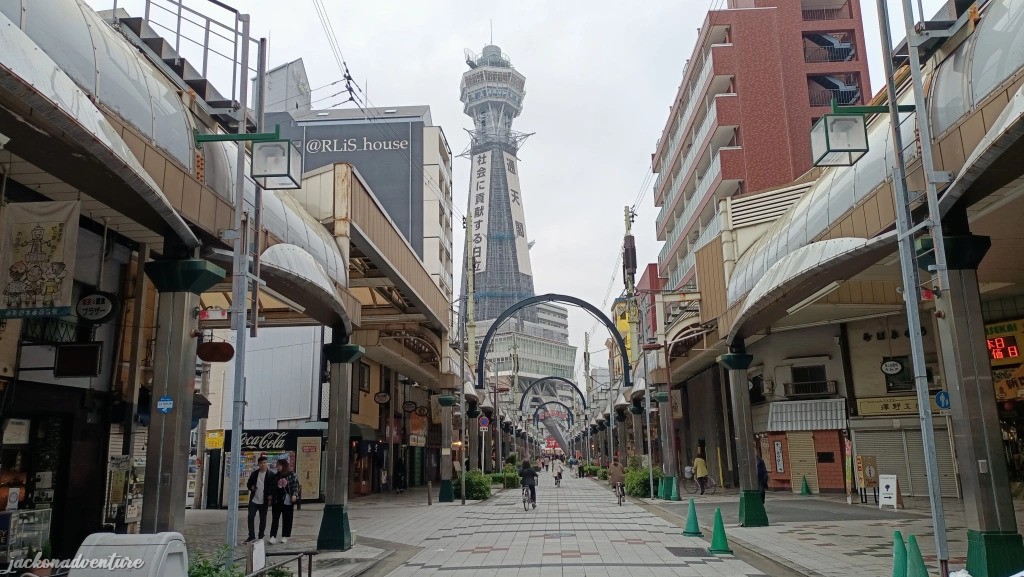
Shinsekai neighborhood is so much fun to explore in the late afternoon with Its retro Showa-era vibes. The area was developed in the early 20th century, modeled after Coney Island in New York in the southern half and Paris for its northern half. The shops are illuminated as the sun sets, giving the feel of a theme park-like atmosphere and is a great sight for photography.
The iconic Tsutenkaku Tower was first built in 1912 and later reconstructed in 1956 after World War II. The 102-meter tower is hard to miss as it stands in the center of Shinsekai and is famous for shooting lots of local films. If you have free time, head up to its open-air observation deck to get a lookout of its surrounding.
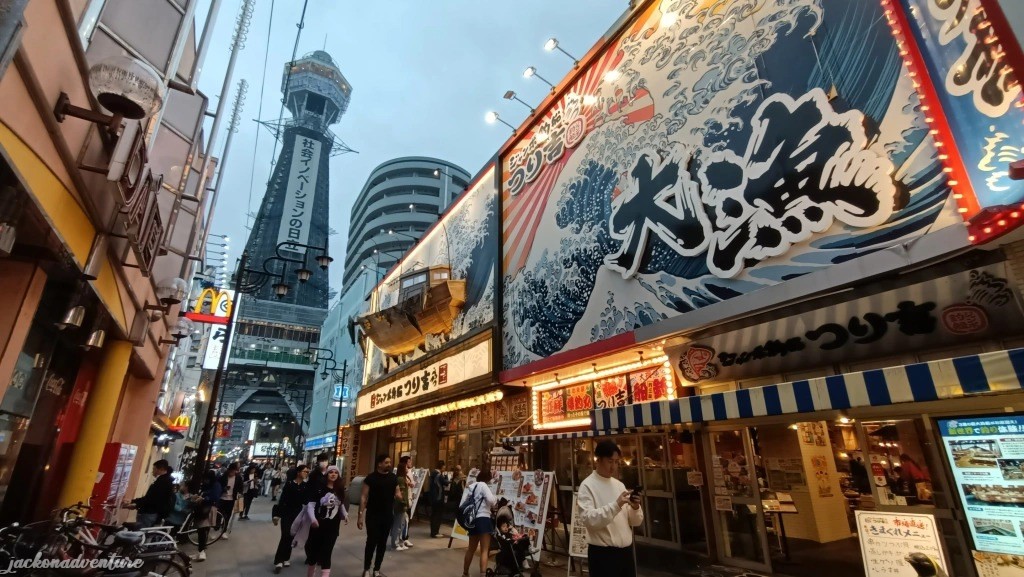
Shinsekai came alive with trendy restaurants and electrifying entertainment. It is best known for its specialty called kushikatsu- a dish that comes with various skewered, battered and deep-fried food. Restaurants here are usually open 24 hours and serve different varieties from chicken, beef, pumpkin and asparagus.
Also, have some fun at the retro arcade games with original machines from the 80’s. It’s been ages since I played ‘Street Fighter’ battle with this arcade.
Visit Namba Yasaka Jinja
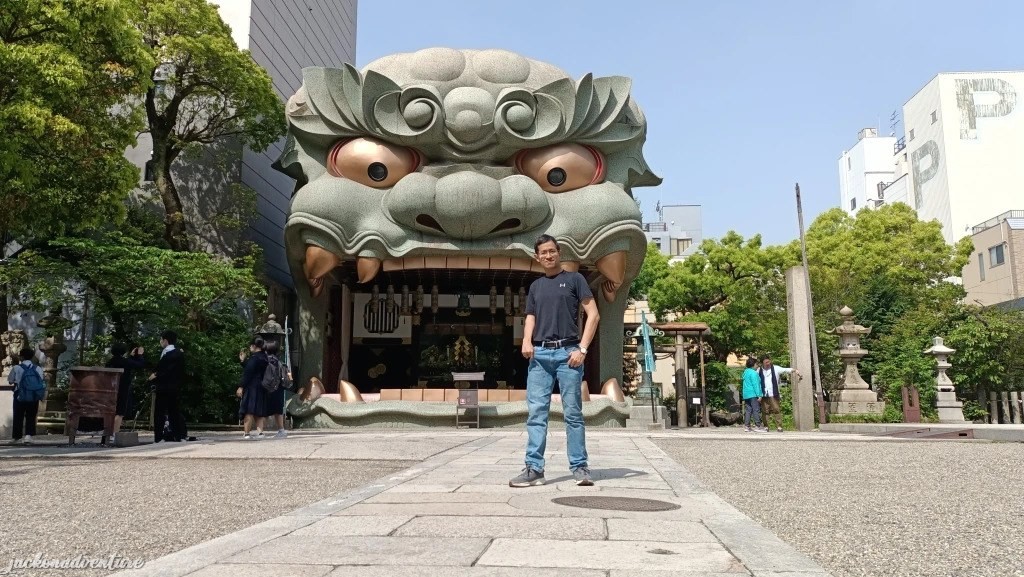
Namba Yasaka Shrine (Namba Yasaka Jinja-難波八阪神社) is rather an interesting shrine, featuring a 12-meter high lion-shaped head with sharp teeth. It is said that his open mouth will swallow any evil spirits following you. Locals come here to pray for success in business and students with their studies.
The shrine is a nice escape from the chaotic district of Namba as it lies within the residential area.
Location: 2 Chome-9-19 Motomachi, Naniwa Ward
Getting There: Take the Midosuji or Yotsubashi Subway Line to Daikokucho Station and take a 10-minute walk to the shrine
Opening Hours: Daily from 6.30 am to 5 pm
Entrance Fee: Free
Going Elsewhere in Japan?
If you like to travel to other parts of Japan, here are some ideas of cities and towns worth visiting with the best things to do. There are also stories about my experience on the Shinkansen train ride and WWOOFing in Japan.
- Tokyo in 2024
- Tokyo in 2023
- Kamakura
- Nagoya
- Nagano
- Takayama
- Gujo
- Ise
- Kumano Kodo
- Okayama
- Hiroshima
- Miyajima
- Mt Fuji
- Kyoto
- Arishayama
- Nara
- Shinkansen Train
- WWOOFing in Japan
Like It? Pin This Article.


 Jack on Adventure
Leave a comment