
WWOOF known as Worldwide Opportunities on Organic Farm, is one of the world’s first ecotourism and voluntourism organizations. Their aim is to help volunteers to look for placement in an organic farm. Wwoofers are offered with authentic cultural and educational experiences in return for their time and effort to ‘work’. It is an alternative way to travel where WWOOFers get free food and lodging to learn new skills.
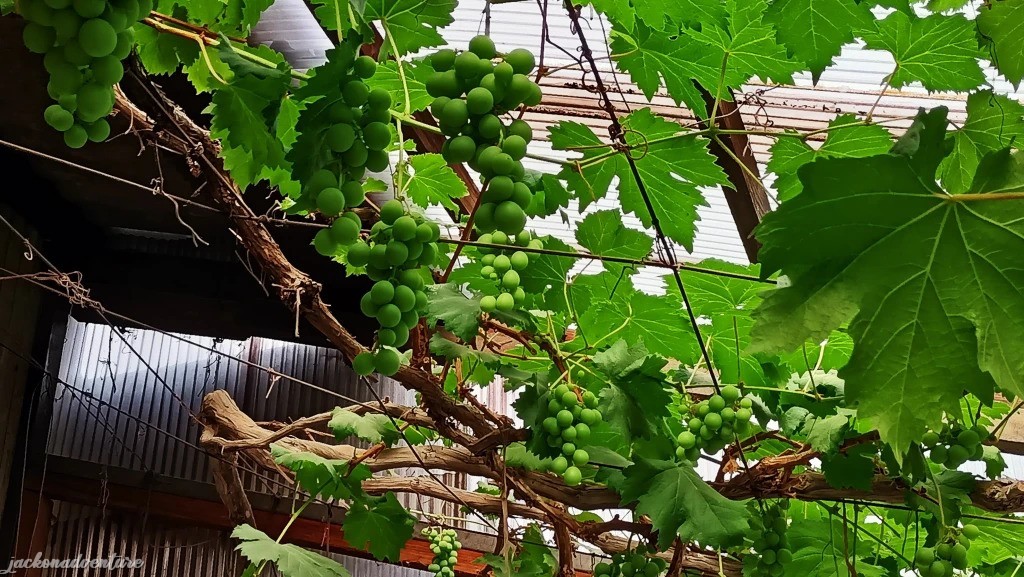
WWOOFers can get out of their comfort zone and daily routines to gain a meaningful experience with their host from their own or other countries, societies, cultures and all walks of life. The tasks given by the hosts also differ such as weeding, seeding, harvesting, wine-making, baking bread, feeding animals, milking cows or sheep, chopping wood, helping out in a store or restaurant, processing food, cleaning, supporting children’s study, building houses, painting, taking dogs for a walk and the list goes on….
The idea of WWOOFing started with the brainchild of Sue Coppard in 1971 who worked as a secretary in London. She loved country life and wanted to look for a productive way to embrace it into her city existence. She decided to volunteer at local organic farms in exchange for free meals and a place to stay. It was so successful that it spread across the United Kingdom and around the world. And that’s how WWOOF was born.
How Much to Spend Going Wwoofing?
To get involved with WWOOFing, the first thing you have to pay is WWOOFing membership. The membership varies depending on each country. As for my first Wwoofing, I was volunteering in Japan and the membership cost 5,500 yen. It is valid for a year and entitles me to participate in unlimited WWOOFing trips.
The next obvious one is the transportation that will get you to the farm once you’ve confirmed the date and time to arrive. This involved flights, trains, buses, boats and cars. If you go WWOOF internationally, the costs are much higher than doing it in your home country. Flight or train tickets can be expensive, but you can score some amazing deals if you plan ahead by reaching out to the host well in advance.
Another important thing to take into account is the immigration costs. It is your responsibility to check if the country requires any visa or permit to visit and/or volunteer for a certain time period. The cost varies from a few to hundreds of dollars for a single entry stamp. It is always advisable to seek professional advice on immigration matters if you’re unsure about what you are and are not allowed to do.
The next item on the list is WWOOFing gear where it’s all depends on the season and place of WWOOFing. The basic necessities include some comfortable farm-work clothes, descent boots or hiking shoes and weather-proof jacket. You don’t want to get caught up in the weather by getting wet with soggy cold feet or having sunburn after long hours in the outdoors. Hosts will usually provide protective gloves and helmets for safety purposes. Feel free to ask questions with the host on what items to bring and create a checklist.
How Long to WWOOF?
The answer highly depends on your travel plan, but note that the hosts could easily make the decision for you. When you read through the host’s profile, it will mention the duration of the stay and some hosts allow WWOOFers to volunteer and stay just for a week, a few weeks or up to a few months. WWOOFers and the hosts can discuss and agree on the time to volunteer on the farm.
Some people just go WWOOFing in town while others travel to multiple farms in one season. It helps them experience various insights from different regions depending on their volunteer tasks undertaken, local lifestyle, culture and cuisine.
Do I Get Paid to WWOOF?
The answer is definitely “NO”, you don’t get paid to WWOOF on the organic farm. The whole purpose of WWOOF organization is to connect open-minded people with organic farms and should expect to work between 4-6 hours each day for 5-6 days a week in exchange for food and lodging.
That’s the DEAL!!
My WWOOFing Experience In Japan
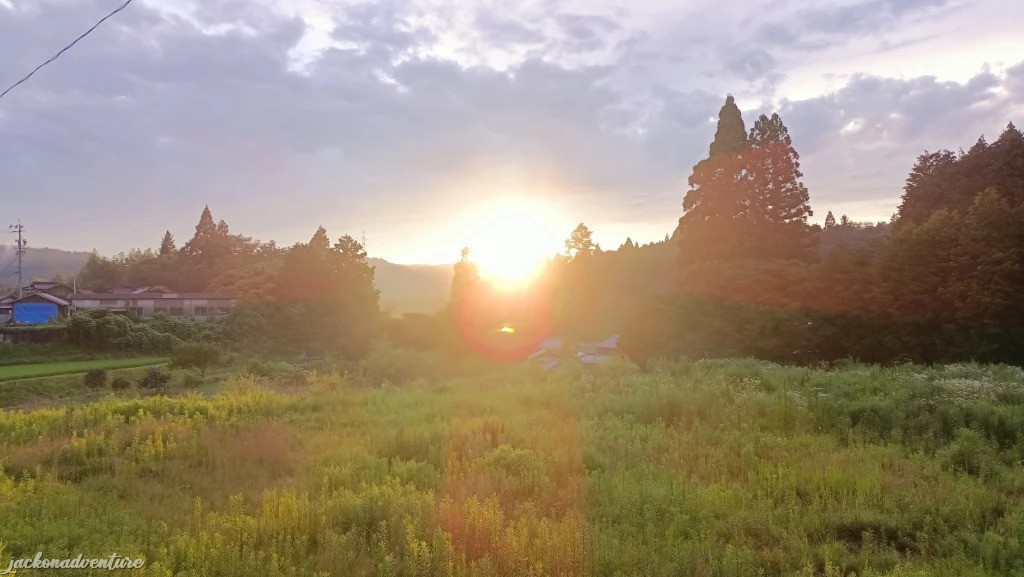
In the summer ’24, I travel to Japan for the second time to spend 6 weeks hiking the Kumano Kodo pilgrimage trail, volunteering at an organic farm and explore the rest of the country. The weather is hot and humid, reaching 38°C during the day. It occasionally rains but it doesn’t last with up to 2 hours at most.
After a week of adventurous Kumano Kodo hike, I took an early morning bus from Shingu town, where it ends the trail of the pilgrimage route to Nagoya city. Later, I took an hour Chuo Main Line train from Nagoya Station to a small Mizunami city and was greeted by the host at the train station. He picked me up and brought me to his organic farm which is located in Suecho.
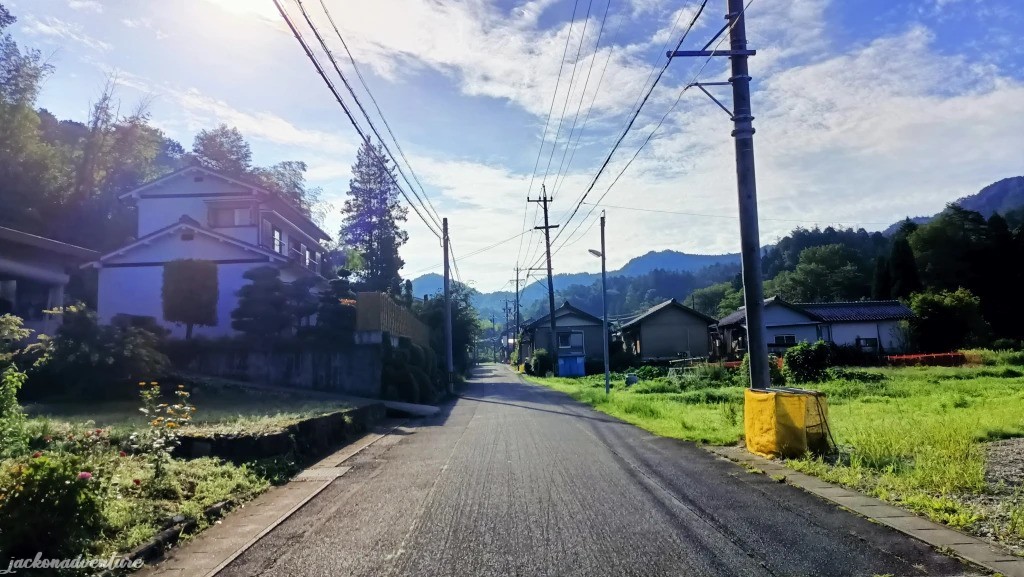
The community is pretty small with a population of 3,000 residents. Mizunami is such an atmospheric town like living in another world. It reminds me of a small village from the Japanese amine show with small traditional wooden houses, small streets and the backdrop of mountains.
It is so peaceful and amazed with the wonderful countryside beauty without the chaotic traffic or overcrowded people. I enjoyed the morning cool bliss, the fresh air and the quiet moment surrounded by gentle trees with the sound of the calm ever-flowing river, the chirping of birds and unknown insects.
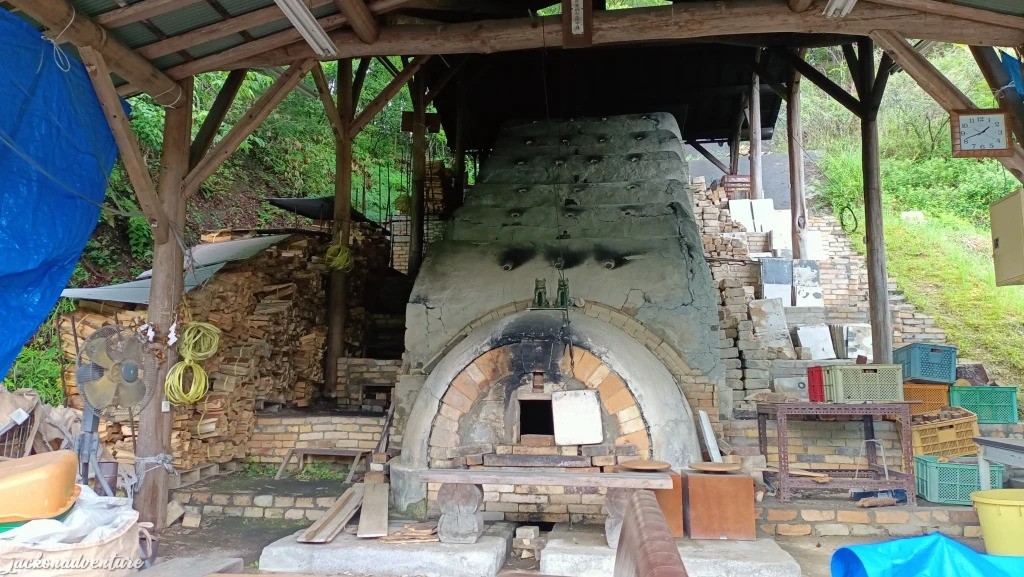
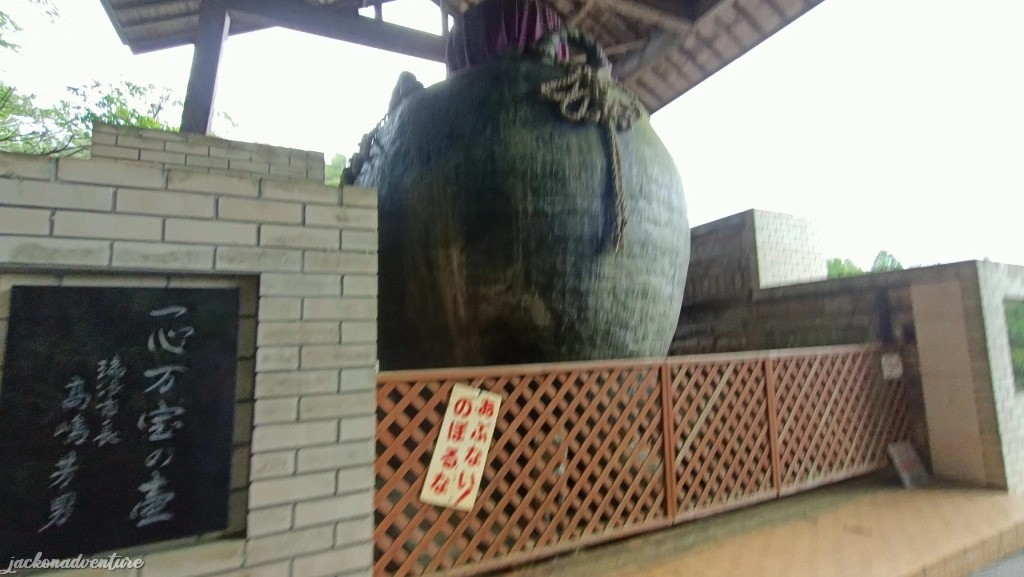
The charming town is famed for making ceramics with 5 small to mid-size factories. The host took us WWOOFers to a factory owned by his friend and showed us how the ceramics were made as we got up close to see how his friend traditionally carved the clay. It is also home to the world’s largest ceramic plate with a diameter of 2.8 meters and is recognized by the Guinness Book of Records.
I am often greeted by local passers-by who go jogging and do morning exercise within the neighborhood and schoolchildren walking home from their school. They are so friendly and often try to make small chats with me although they don’t speak much English. Of course, I do my very best to make conservation with them.
What We Do Here
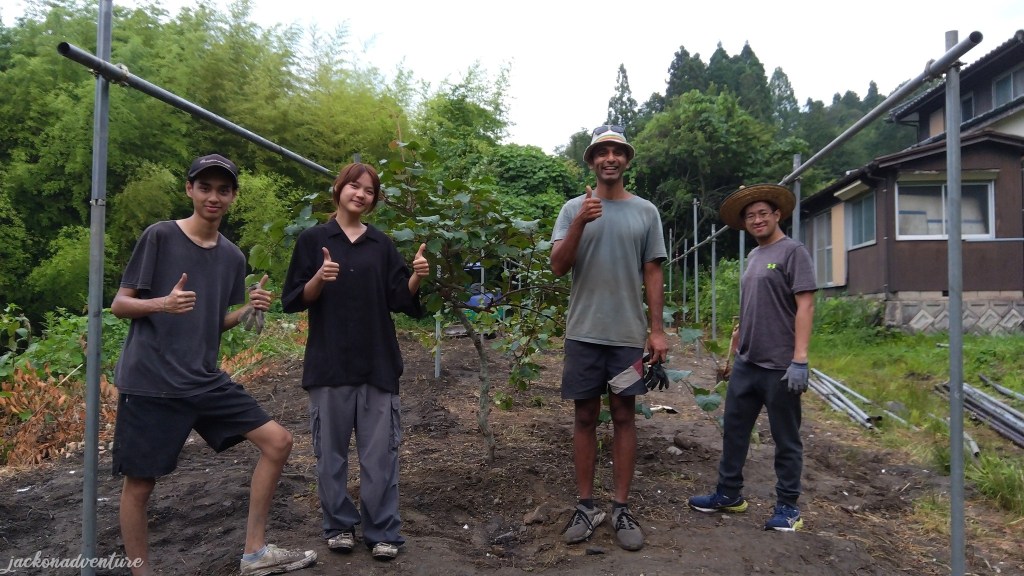
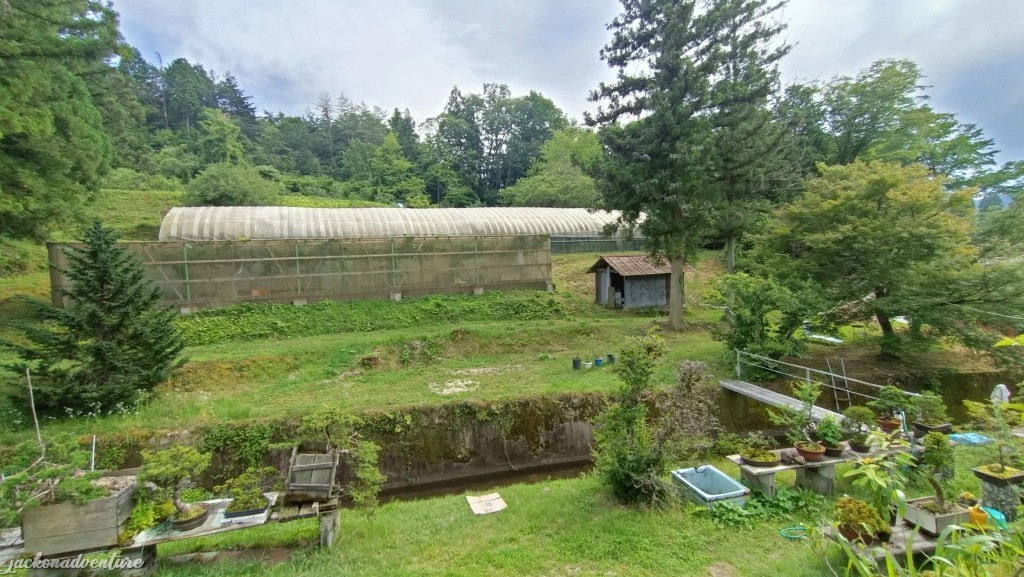
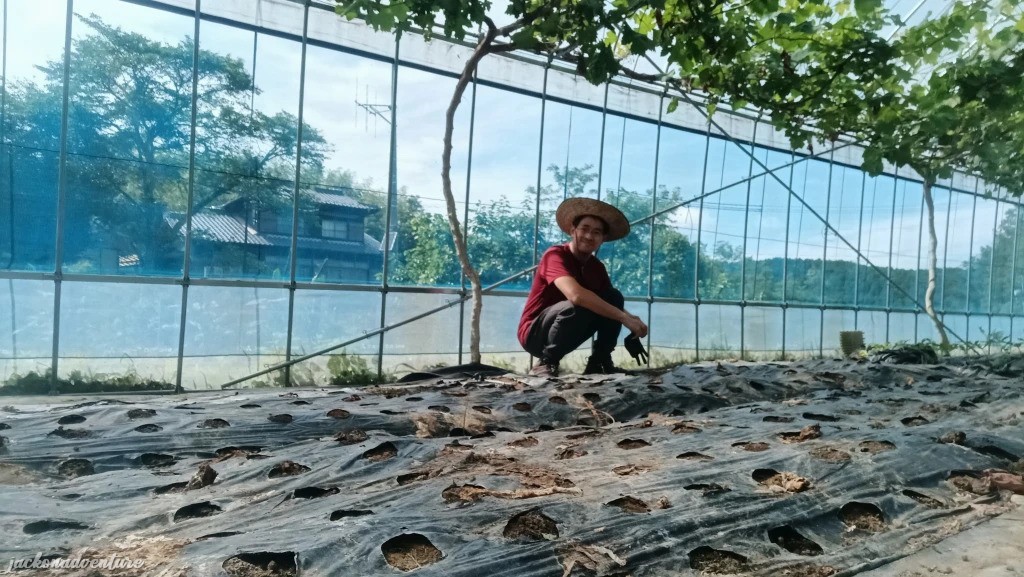
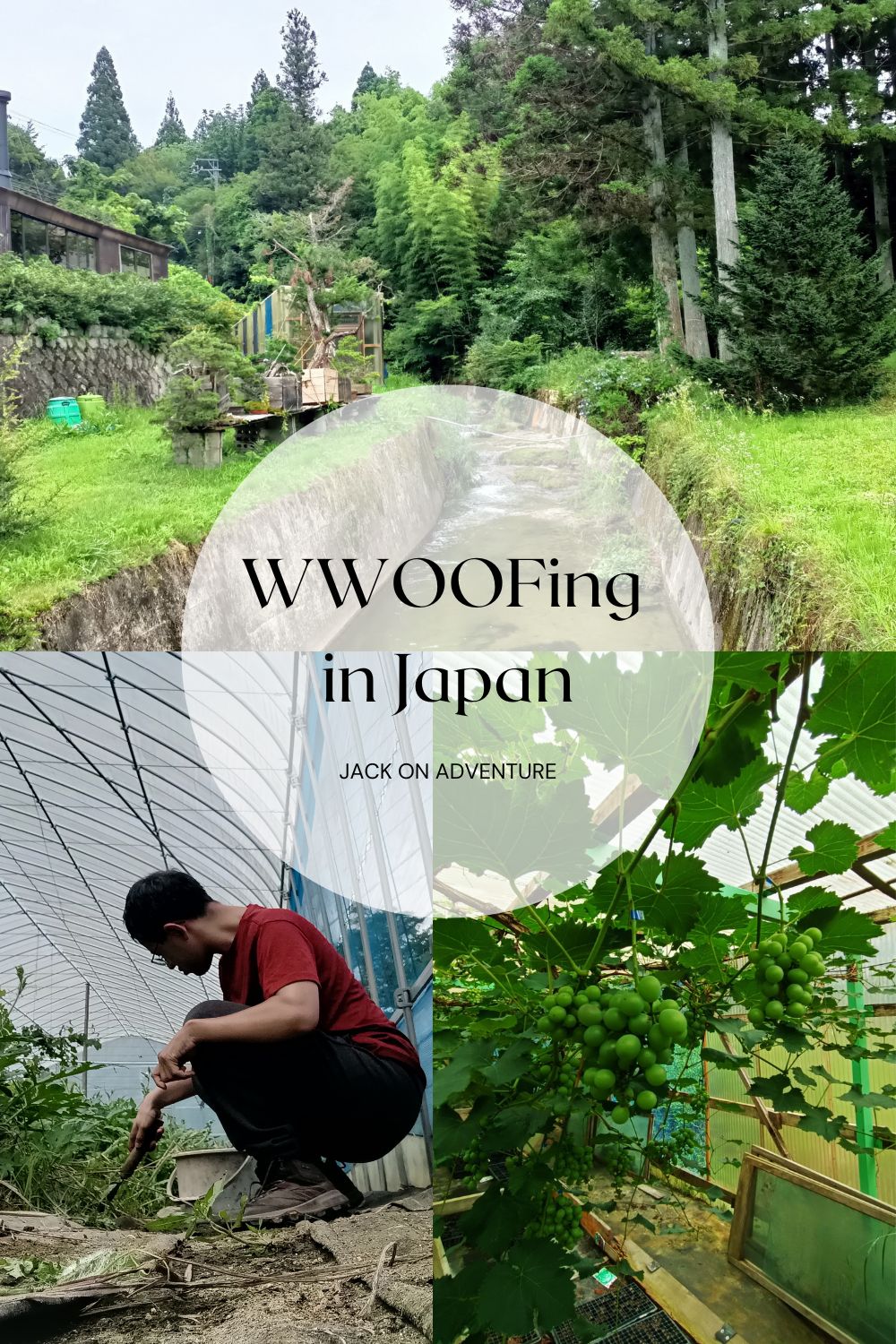
The host owns several greenhouses mainly growing grapes with some watermelons, kiwis and eggplants near his house. The grapes were only half-grown when I was there and ready for harvesting in mid-September. Therefore, the WWOOFers and I mostly spent most of our days weeding in the greenhouses and the garden. In the first week, we also assisted the host in constructing the podiums to plant kiwis.
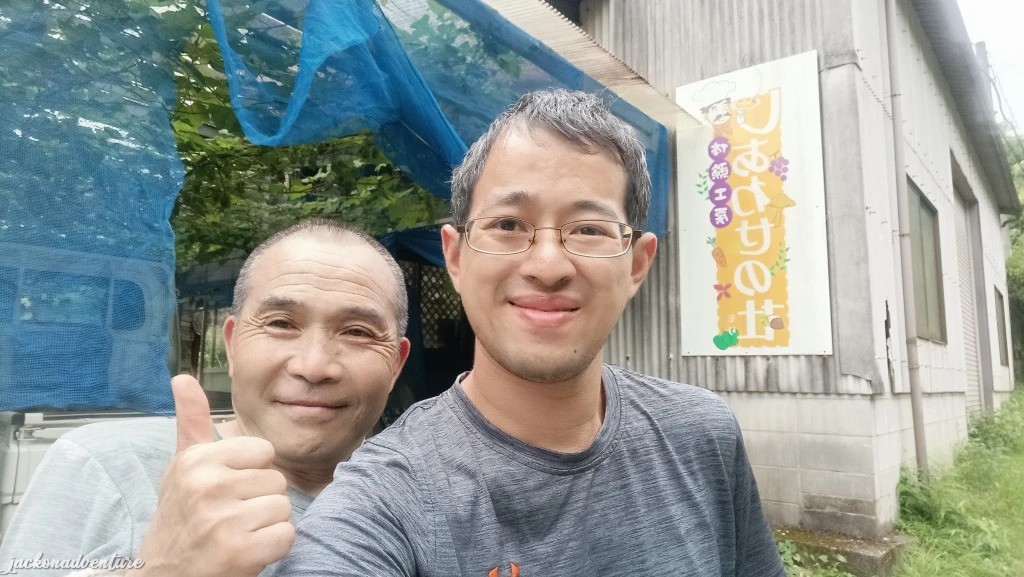
I volunteer with other WWOOFers and a Japanese guy named Nishi in his mid-50s working full-time here. Every morning, he greeted us with a smile and discussed together with the host on our daily tasks. Although Nishi speaks very limited English, we communicate with hand gestures and he guided us in harvesting the eggplants outside one of the greenhouses. He is very friendly, and approachable and I liked having him around.
Nishi took care of our well-being when we were working hard under the sun. He even told us not to work too hard by taking frequent breaks and staying hydrated as the temperature soared to 35°C. After all, WWOOFers are here to have fun while learning some farming techniques.
Friends of WWOOFs
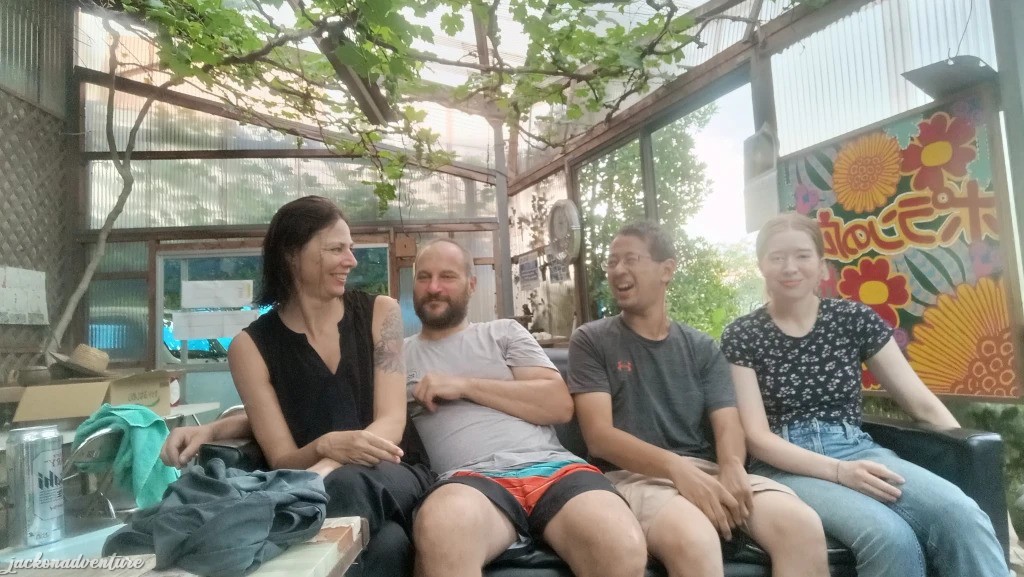
The number of WWOOFers accepted by the host depends on the workload during the season and the size of the farm. Some hosts only need one WWOOFER, while others accept up to 5-6 WWOOFers at a time. It is easy to make new friends if a few people are staying under one roof.
During my WWOOFing days, I met with people from different countries and ages. When I arrived at the farm in Mizunami, there was a young couple from Thailand who are university students and an Indian guy who resides in New Zealand. They were staying here for a week to help the host.
Before the end of the first week, another couple from Germany, Christoph and Pamela in their early 50s came to volunteer for 2 weeks. They were previously helping on another organic farm where the hosting family planted berries, paddy and other vegetables. There was a French lady, a Japanese woman in her 50s and a young lady named Franz in her early 20s from the United Kingdom who we met only for a brief few days.
The German couple and the young British lady are very sociable and we have a great time accompanying each other.
Fancy with Japanese Food
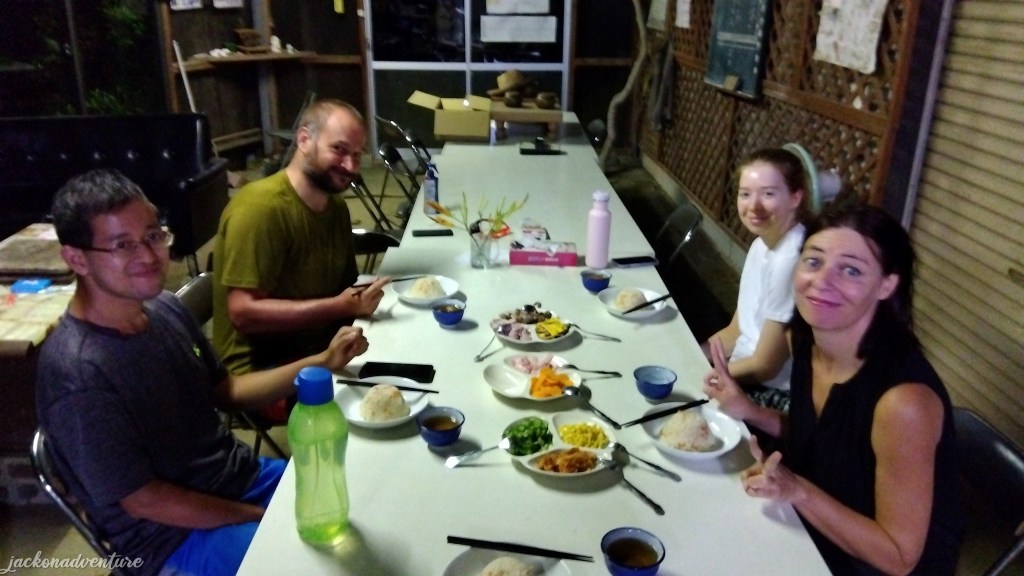
Throughout my stay in Mizunami, the host prepared our daily meal and we sat down together to eat in one of the greenhouse- dining place. The dining area and kitchen are located inside one of the greenhouses. The host loved to share about Japanese culture, history and stories when we were having our meals
Our breakfast is typical bread with ham, jam and luncheon meat served with oolong tea and banana. When it comes to lunch or dinner, we often eat pasta, ramen or rice with fish or chicken. Occasionally, WWOOFers had to head out to get some snacks and ice cream from Family Mart, the one and only convenient store in town around a 10-minute walk from the organic farm. The portions do not always fill our hungry tummy after our long day of work.
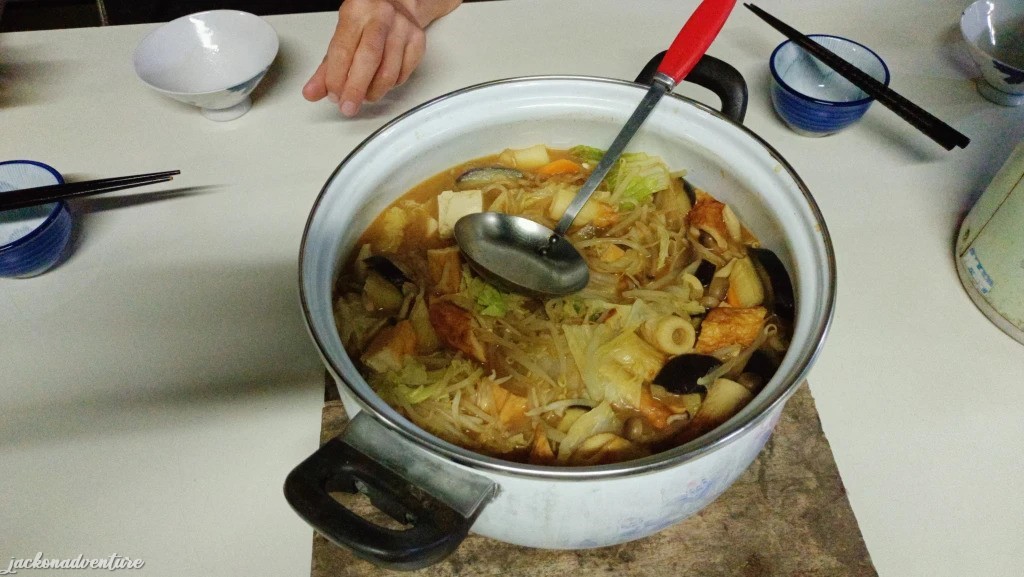
Nevertheless, the host prepared some delicious dishes on special occasions such as pizza and the so-called traditional Chanko-nabe. This Japanese dish is usually eaten by sumo wrestlers in vast quantities as part of their weight gain diet which contains chicken, pork, vegetables, tofu and mushrooms.
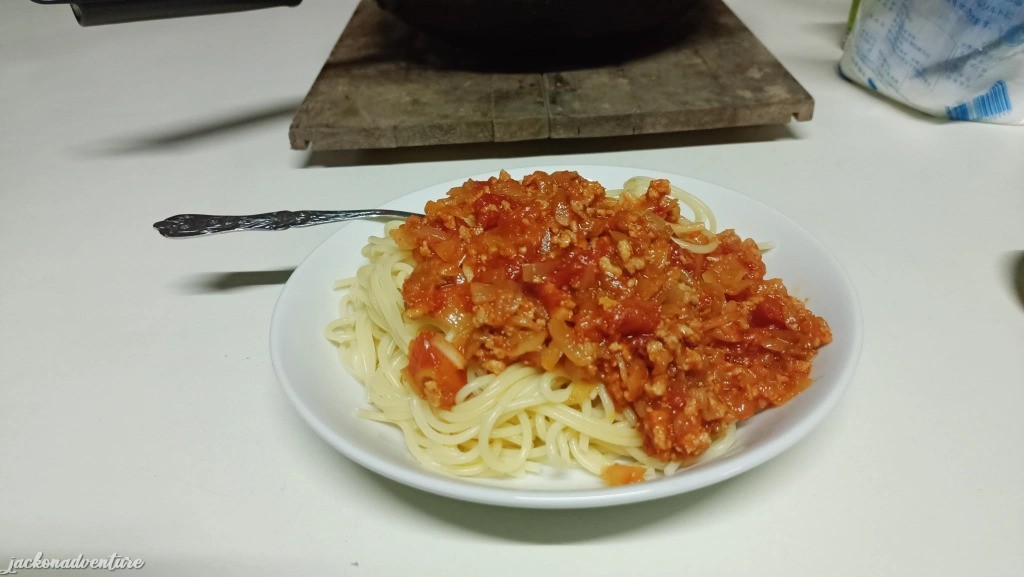
I had to cook pasta for dinner for the rest of the group during one of those days when the host was busy and away to run some arrears in the evening, I got help from Pamela to assist me in tuning the taste by adding more salt, pepper, paprika and garlic to make sure it suits everyone’s tastebuds. To my surprise, the gang was satisfied with the pasta with no complaints (or maybe they are too hungry).
Living With The Unexpected
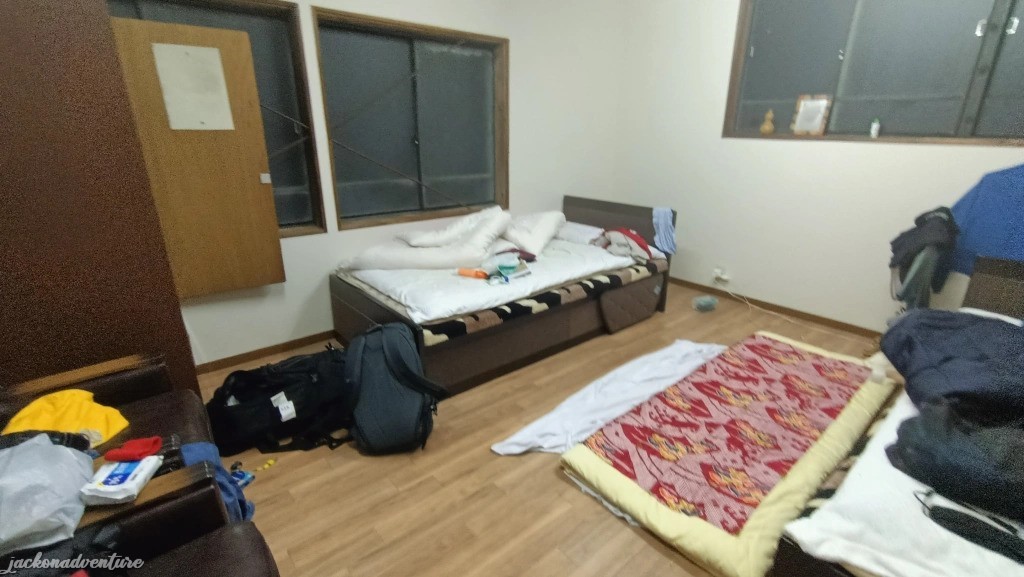
When I first arrived at the host’s house, he informed me that I would be staying at the trailer house located opposite the small river. Not only is the trailer house very small but there is no toilet here and I had to cross the river back to the greenhouse where we have our meals together to do my “business”. It will be quite dangerous crossing the river back to the toilet if necessary during the night and there are no lights along the pathway but only use the phone’s light.
Luckily, one of the beds in the barn was vacant and I had to carry my backpack over to stay with the Indian guy for a few days before leaving for Hokkaido. There is only a portable fan and a bigger bed for the least it has in the room. (I had some dissatisfaction with my stay here but let’s not get into the details before ruining the fun part of WWOOFing experience, shall we?)
Experience the Local Culture
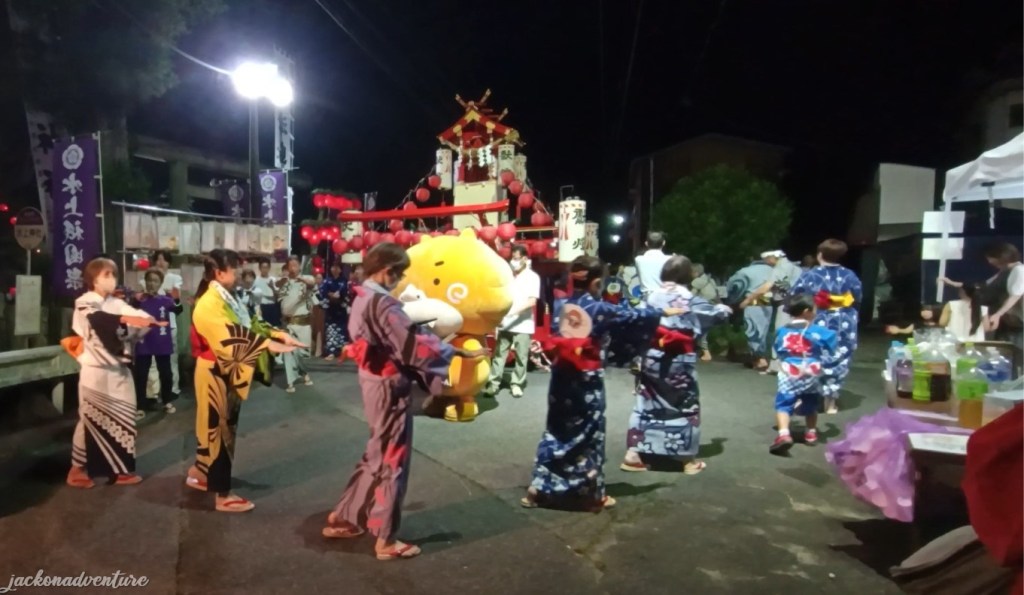
During my volunteer for the past two weeks, I learned how to appreciate Japanese customs and culture and soak into the local vibe. I witnessed one of the famous local festivals hosted by the local community called Bon Odori. There were two events held by two communities nearby with approximately 50-100 people participating in each festival.
Historically, the Bon Odori dance was introduced by feudal lord Endo Yoshitaka in the Tokugawa Period more than 400 years ago with his intention to encourage all the town’s citizens to get together, regardless of their social status and position. There are 10 different sets of dances where the musicians play different music and the dancers perform different forms of moves.
Pamela and I were warmly welcomed by a nice elderly lady to dance with the locals under the full moon. She was a traditional dance teacher and taught us how to dance with the inspired music. The locals are so friendly and love to have conversations with visitors like us, making the WWOOFers feel like part of the big family.
The Bon Odori held in the second week was a little interesting. During the first part of the dance, a group of young children were invited to the stage to perform and sing the traditional performance on stage.
Coming to Japan Real Soon?
If you like to travel to other parts of Japan, here are some ideas of cities and towns worth visiting with the best things to do and my experience on the Shinkansen train ride.
- Tokyo in 2024
- Tokyo in 2023
- Kamakura
- Nagoya
- Nagano
- Takayama
- Gujo
- Ise
- Kumano Kodo
- Okayama
- Hiroshima
- Miyajima
- Mt Fuji
- Kyoto
- Arishayama
- Nara
- Osaka
- Shinkansen Train
Like It? Pin This Article.

 Jack on Adventure
Leave a comment