
Nagoya is located in central Japan on Honshu Island, the largest island in the country. It is the third most populated urban area in Japan and the fourth most populous city with a population of over 2 million residents who called the capital of the Aichi Prefecture home.
This populous city is famous for being an important financial and cultural center and one of the largest cities in Japan. The most iconic landmark here is Nagoya Castle, which is the symbol of Nagoya and the most visited attraction in the city. It has its own unique food scene, which is referred to as Nagoya Meshi.
Best Time to Visit
Nagoya’s climate is similar to nearby destinations like Tokyo, Kyoto, and Osaka. It’s pretty much a year-round destination, though spring and fall are typically the best times to visit Nagoya. The weather is mild and you’ll get the chance to experience the cherry blossoms in spring and the fall colors of autumn.
Spring between March and May is the most beautiful time of the year. The cherry blossom season begins around the end of March to early April. This is always the peak season, so do expect large crowds in the city and pay more for airfare and hotels. This goes the same for the first week of May with the Golden Week holiday for Japanese people.
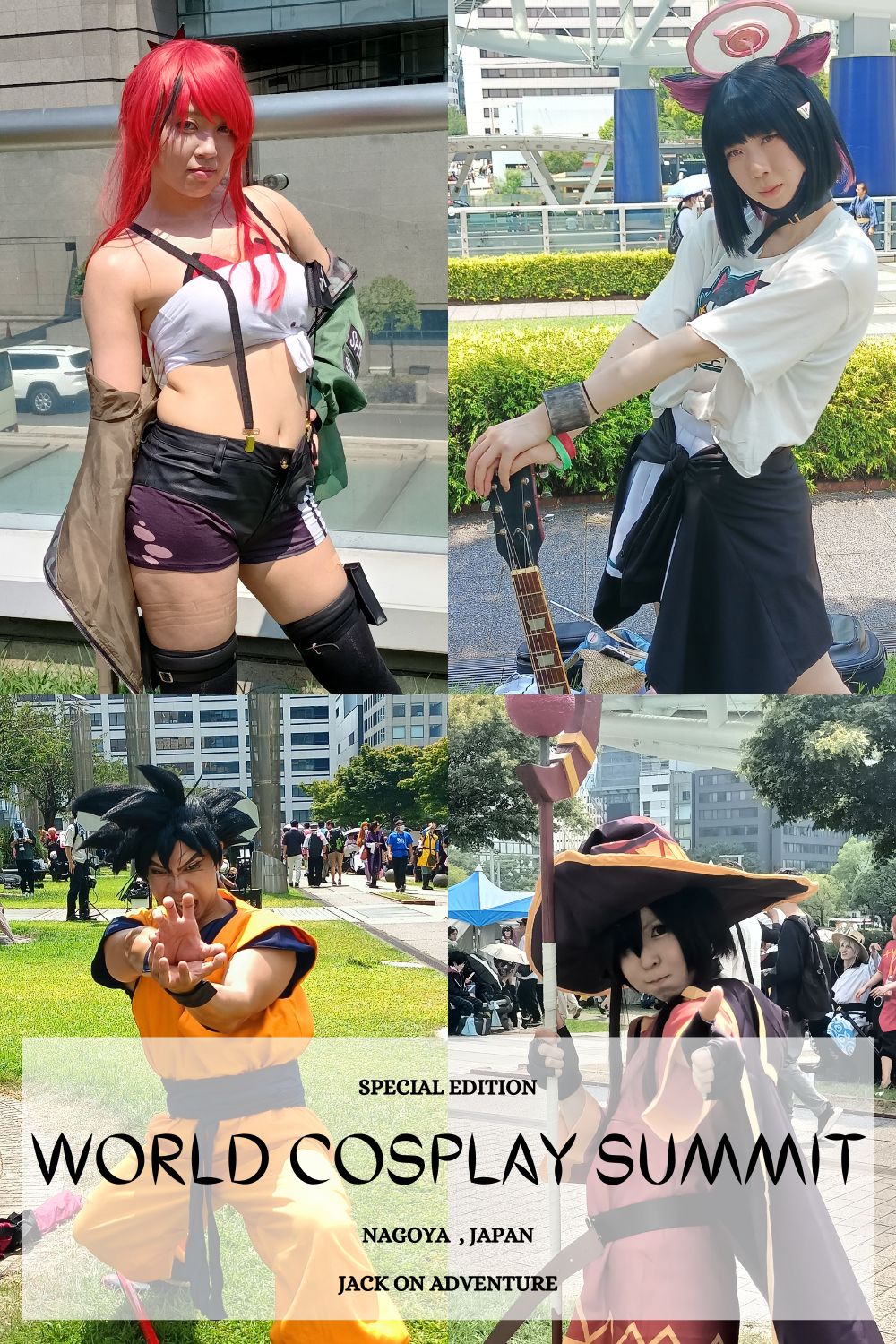
The summer is between June and August. It’s typically hottest in August and often rains in June and July. You should probably avoid these months if you don’t like too much heat and humidity. But don’t let the weather stop you. There are plentiful traditional festivals during the summer and an epic World Cosplay Summit in early August draws a huge crowd of cosplayers and anime fans.
Autumn from mid-November to early December is another favorite season to visit when it’s the time to admire the incredible leave foliage. Winter from December to February is the coldest time but not unbearable like cities in northern Japan like Sapporo. Visitors who love smaller crowds and cooler temperatures can come here during winter.
Getting There
By Plane
Nagoya has an international airport called Chubu Centrair International Airport (Airport Code: NGO). Located 40 kilometers from the city center, the airport offers local flights to major cities in Japan and connects to many international destinations within Asian countries.
The Meitetsu Railway takes 30 minutes from the airport to Nagoya Station and costs 980 yen for non-reserved seats and 1430 yen for reserved seats. Myu Sky limited express trains only have reserved seats while limited express trains carry both reserved and non-reserved seats.
By Shinkansen Train
By far the most popular way to get to Nagoya is the Shinkansen train. Many travelers take the bullet train on the Tokaido-Sanyo Line and buy a JR Pass that grants unlimited Shinkansen and JR rides for 7, 14 or 21 days. The journey on a direct Hikari Shinkansen train from Tokyo takes almost 2 hours, 54 minutes from Osaka and 50 minutes from Kyoto.
There is also the Nozomi Shinkansen train which is the fastest train. The train is not covered under the JR Pass and the fare is the most expensive. The Nozomi Shinkansen train from Tokyo takes only 1 hour 40 minutes, 50 minutes from Osaka, 34 minutes from Kyoto and 2 hours 15 minutes from Hiroshima. The tickets for the Nozomi Shinkansen train can be bought from the ticketing machines and ticketing offices throughout any JR Station in Japan and can be paid by cash or credit card.
By Bus
The cheapest mode of transportation is by bus operated by Highway Bus and Japan Bus Lines. They are more affordable than airlines and Shinkansen trains, but the downside is the traveling time takes longer. To maximize your travel time, you can opt for an overnight bus and sleep on the bus before reaching your destination in the morning. It also saves some money on your one-night hotel stay.
Getting Around
Nagoya City is easily accessible by six subway lines and multiple railway companies, including Meitetsu Railway, Kintetsu Railway and the Aonami Line. Public buses are widely available in the city center. Many tourist attractions are easy to navigate and reachable by local trains and buses.
You can buy a “Nagoya Subway 24-hour Ticket” for 760 yen or a “Nagoya City Bus & Subway 1-Day Ticket ” for 870 yen. I bought a subway pass that is worth the value when used more than 4 times each day. The pass can be purchased at most ticketing machines in the city.
The Best Activities for 48 Hours in Nagoya
Nagoya is home to a traditional Nagoya Castle, a tower that resembles the Eiffel Tower, several historical temples and the famous Toyota Museum. Many people think there are ‘not many things to do’ and only spend a day in the city. If you scratch beneath the surface, you are sure to find some hidden gems less known by tourists.
If you head to a little bit off the beaten path but yet easy to access, then consider a visit by spending 2 days in Nagoya and make this trip an unforgettable classic Japanese experience.
A bonus for amine lovers to spend 3 days in Nagoya in August. The World Cosplay Summit held annually is a not-to-be-miss event with cosplayers and amination fans come together to showcase their best dress of their lovable characters.
Get fascinated by the iconic Nagoya Castle
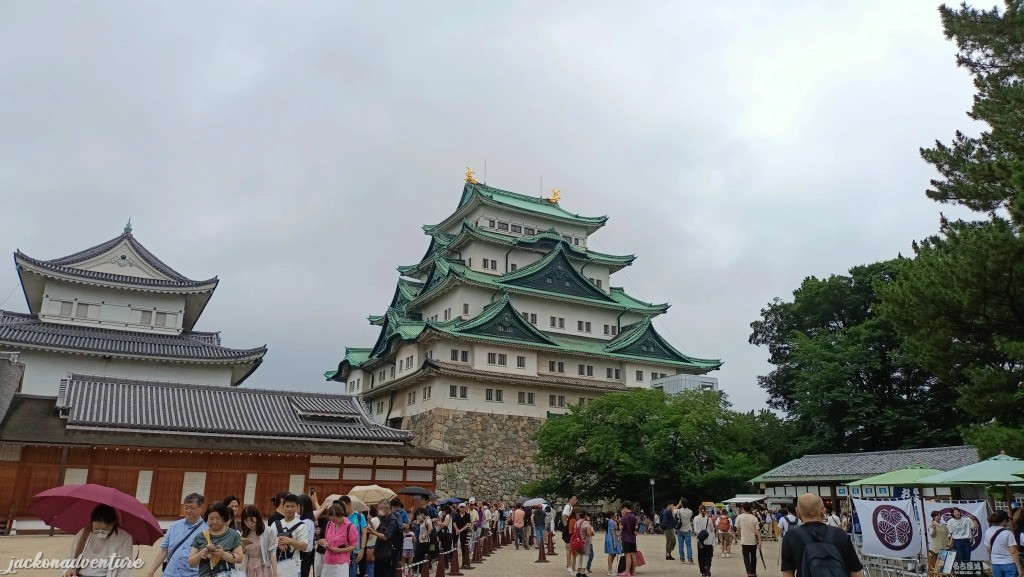
Nagoya Castle is the main highlight and the most visited place in the city. The castle towers and the surrounding buildings were the first to be designated a Japanese national treasure for their architecture in 1930.
Built in 1610 at the beginning of the Edo Period, Nagoya Castle (名古屋城) was the seat of one of the three branches of the ruling Tokugawa family- the Owari branch. After the victorious Battle of Sekigahara, Tokugawa Ieyasu decided to build the castle by relocating the castle town from Kiyosu. He ordered 20 daimyo lords from Western Japan to build the stone walls, castle towers and Hommaru Palace which were completed by 1615.
Sadly, most structures were burned down in 1945 by air raids during WWII but were finally rebuilt in 1959 after the growing wishes of the citizens for its reconstruction. The appearance of the restored castle is built accurately based Showa period architectural survey. It is additionally reinforced with concrete and steel framing. The golden shachihoko, the creature with the head of a tiger and the body of a fish can be found at the topmost of the castle.

Hommaru Palace was originally built in 1615 to serve as the residence and provincial government office of the first feudal lord of Owari Province and later used as the shogunate accommodation. The current ferro-concrete restoration dates back to 1959 through contributions from citizens. Admire the stunning painted walls and doors in more than 30 tatami mat rooms inside the palace.
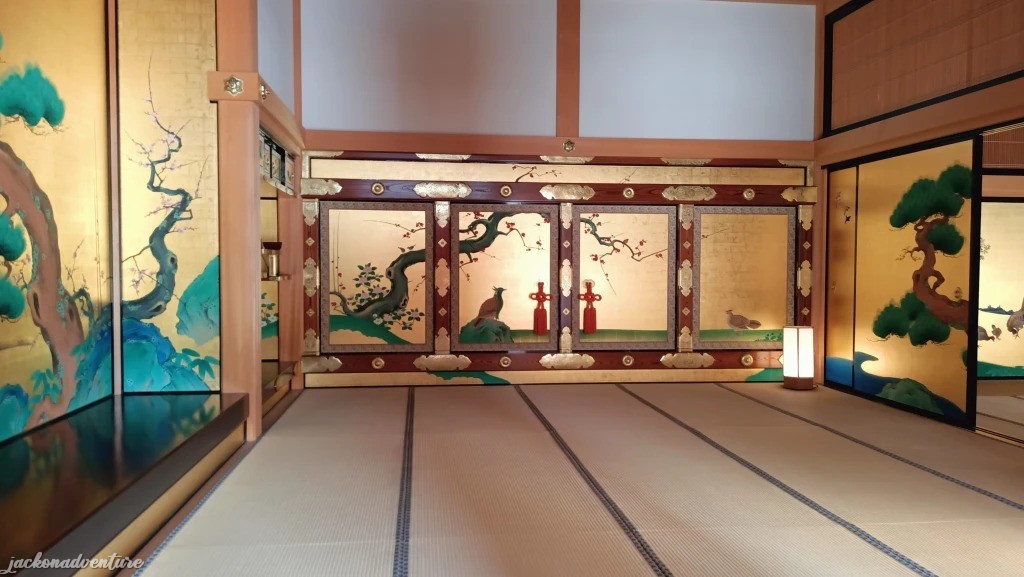
Unfortunately, the main castle is now closed due to its poor earthquake resistance but its beauty from outside still captivates the eyes of many. The Hommaru Palace, Ninomaru Garden and the museum are still open and worth the visit.
Location: 1-1 Honmaru, Naka Ward, Nagoya
Getting There: Take the Meijo Subway Line to Nagoyajo Station.
Opening Hours: Daily from 9 am to 4.30 pm except December 29 to January 1
Entrance Fee: 500 yen
Visit Osu Kannon Temple
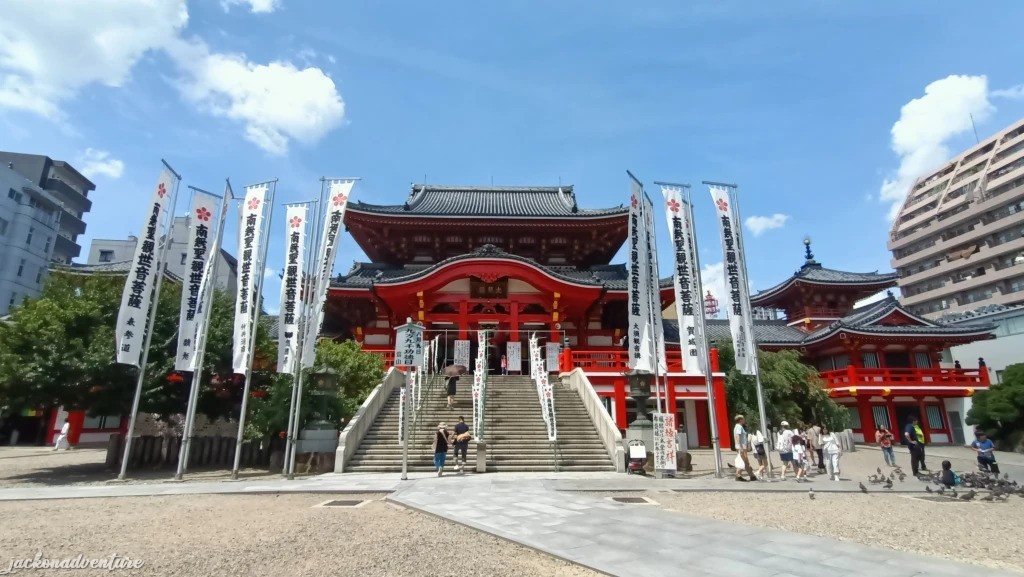
Originally built in 1324 during the Kamakura Period, Osu Kannon was relocated to its present location by Tokugawa Ieyasu in 1612. The main object of worship here is a wooden statue of Kannon, the goddess of mercy. The statue was carved by Kobo Daishi, the founder of Shingon Buddhism.
The Shinpukuji Library located below the main hall contains 15,000 rare Japanese textbooks. One of them is the oldest existing copy of the Kojiki, a chronicle of the early history of Japan.
Location: 2 Chome-21-47 Osu, Naka Ward, Nagoya
Getting There: Take the Tsurumai Subway Line to Osukan-Non Station.
Opening Hours: Daily from 6 am to 7 pm
Entrance Fee: Free
Go Window Shopping at Osu Shopping Arcade
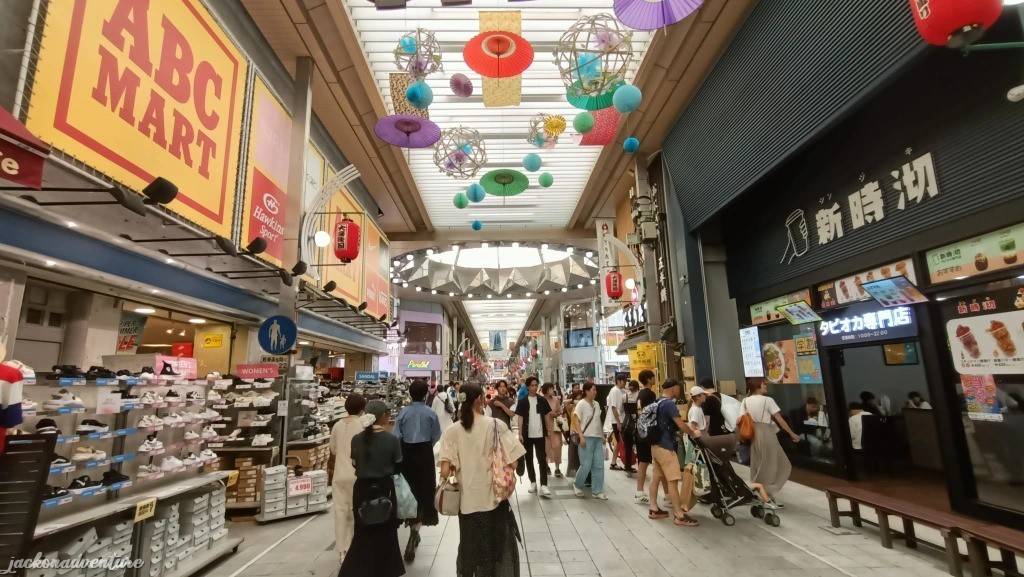
Located next to the temple is the renowned Osu Shopping Arcade. With over 1,200 stores, you can find a bit of everything in this shopping street including electrical appliances, trendy clothes, secondhand items, beautiful kimonos, antiques, collectible cards, gachapons, gaming arcades, restaurants, cafes, traditional Japanese sweets and confectionary food.
The mall is often crowded with locals and tourists and filled with energetic vibe. Many festivals are held here annually including the Osu Summer Festival, Osu Daido-chonin Festival and the Osu Setsubun Takarabune Gyoretsu.
Location: 3 Chome Osu, Naka Ward, Nagoya
Getting There: Take the Tsurumai Subway Line to Osukan-Non Station.
Admire the city view of Sakae from Oasis 21
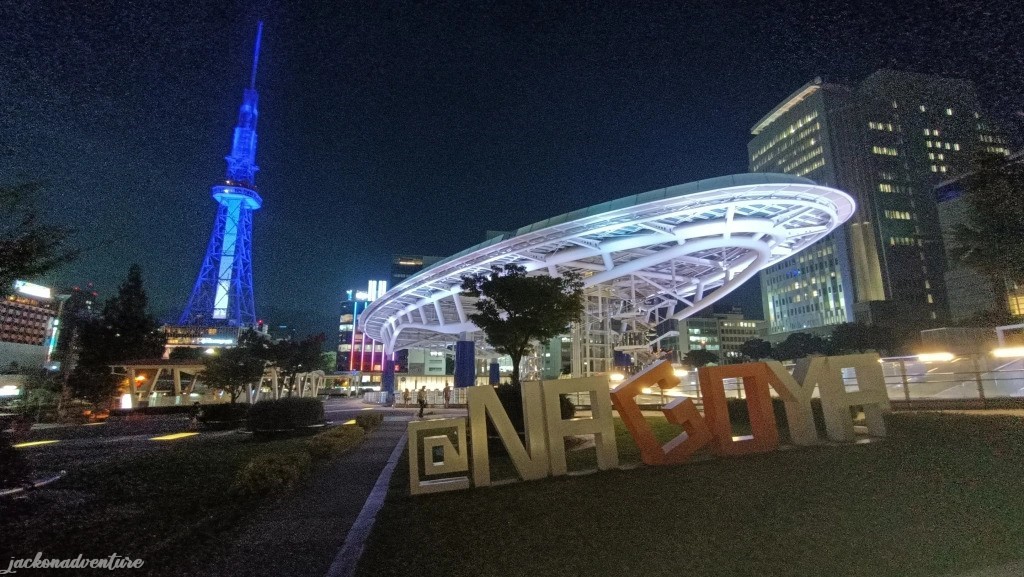
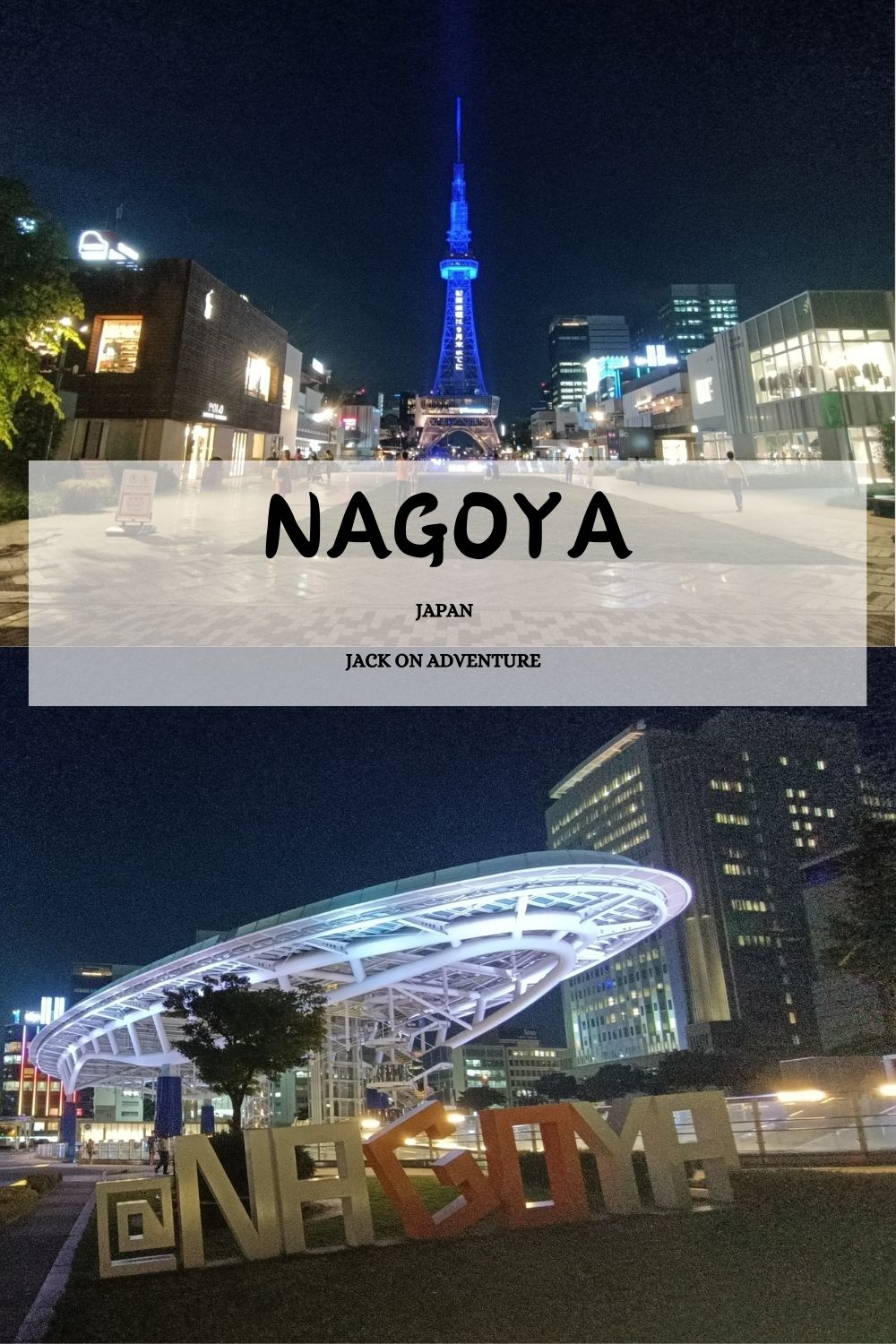
Oasis 21 is one of my favorite places to get a glimpse of Sakae city. It is a great place for an Instagram spot in Nagoya.
Head to Spaceship Aqua at the top of the oval-shaped complex to enjoy the bird-eye of the city view. This complex is an open space area for people to relax and have some outdoor activities. There are several restaurants and branded outlets on the lower ground floor like Disney and Harry Potter.


The 180-meter-high Chubu Electric Power Tower near Oasis 21 is known as the Mirai Tower. The Eiffel Tower-like building is one of the remarkable landmarks that was completed in 1954. The observation deck is open for the public to visit.
Location: 1 Chome-11-1 Higashisakura, Higashi Ward, Nagoya
Getting There: Take the Higashiyama or Meijo Subway Line to Sakae Station.
Entrance Fee: Free
Be impressed by the innovation of Toyota
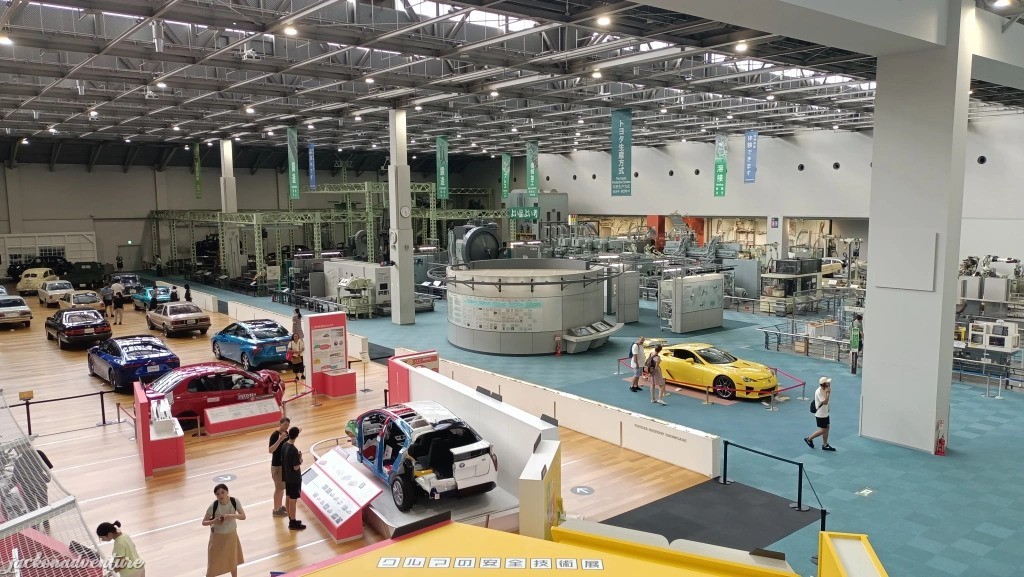
If you’re a car fanatic, then the Toyota Commemorative Museum is definitely a place to be. Take the journey through the innovation of Toyota with the story began as textile manufacturing by the founder Sakichi Toyoda. Later, It was revolutionized by his son Kiichiro Toyoda into the well-known automotive industry today called Toyota.

Housed inside the original spinning mill from the early 20th century, the first section of the museum showcases their spinning and weaving technology and how they evolved through the decades. There are around 100 different textile machines on display at the Textile Machinery Pavilion. You can watch live demonstrations presented by the staff with explanations.
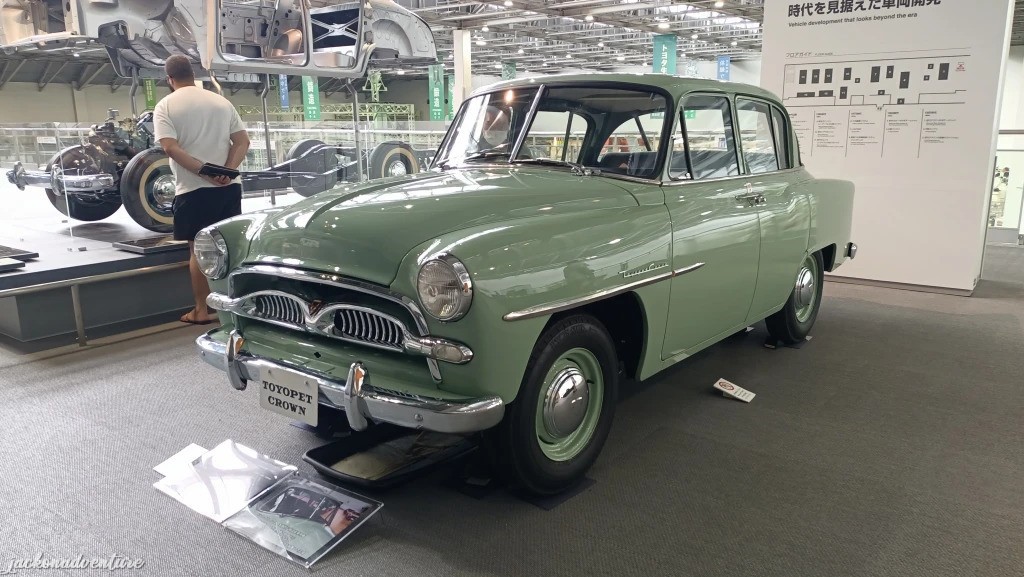
Moving on into the Automobile Pavilion illustrates the breakthrough of the company to become the largest car manufacturer in the world. There are dozens of Toyota car models from the first Toyota Model AA to the modern cars with the latest technologies. You will find the displays of machinery and automation robots to manufacture the cars in this pavilion.
Travel Tips: Check the schedules of the English-guided tours and the performances by the robotic violinist.
Location: 4 Chome-1-35 Noritakeshinmachi, Nishi Ward, Nagoya
Getting There: Take the Inuyama Line train from Nagoya Station to Sako Station and walk 10 minutes to the museum.
Opening Hours: Tuesday to Sunday from 9.30 am to 5 pm
Entrance Fee: Adults: 1,000 yen/ Children: 300 yen/ People with Disability: Free (for all nationalities)
Discover the rich Tokugawa clan history at Tokugawa Art Museum
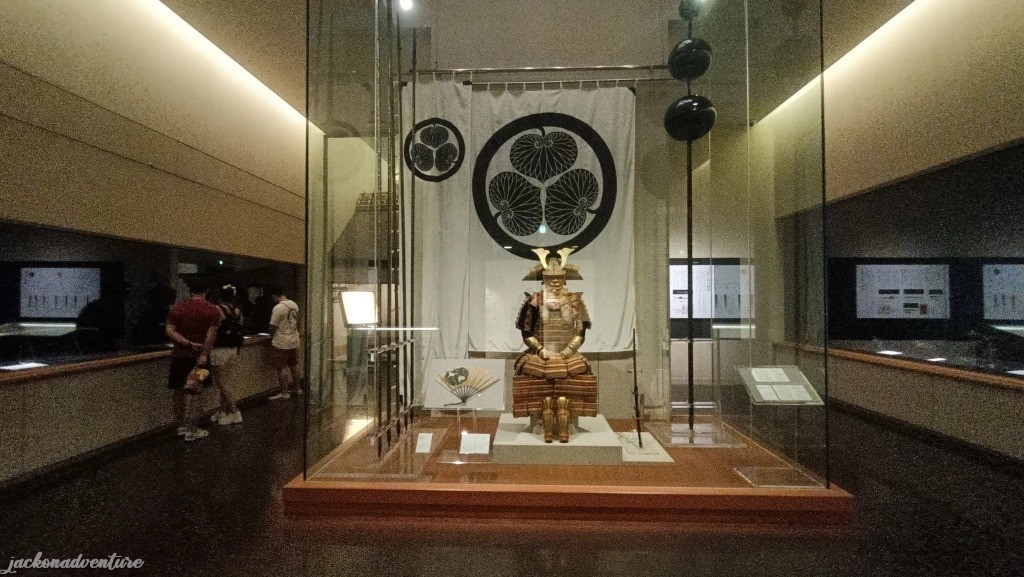
Opened in 1935, the Tokugawa Art Museum (徳川美術館) houses more than 10,000 artworks, samurai swords, armor, Noh costumes and masks, lacquer furniture, Chinese and Japanese ceramics and calligraphy. These treasures were passed down by the Owari Family, the largest of the “Three Houses of the Tokugawa Clan”.
Location: 1017 Tokugawacho, Higashi Ward, Nagoya
Getting There: Take the Meiko Subway Line (clockwise) to Ozone Station and walk 15 minutes to the museum.
Opening Hours: Tuesday to Sunday from 10 am to 5 pm
Entrance Fee: Adults: 1,600 yen/ Students: 500-800 yen
Explore Atsuta-Jingu
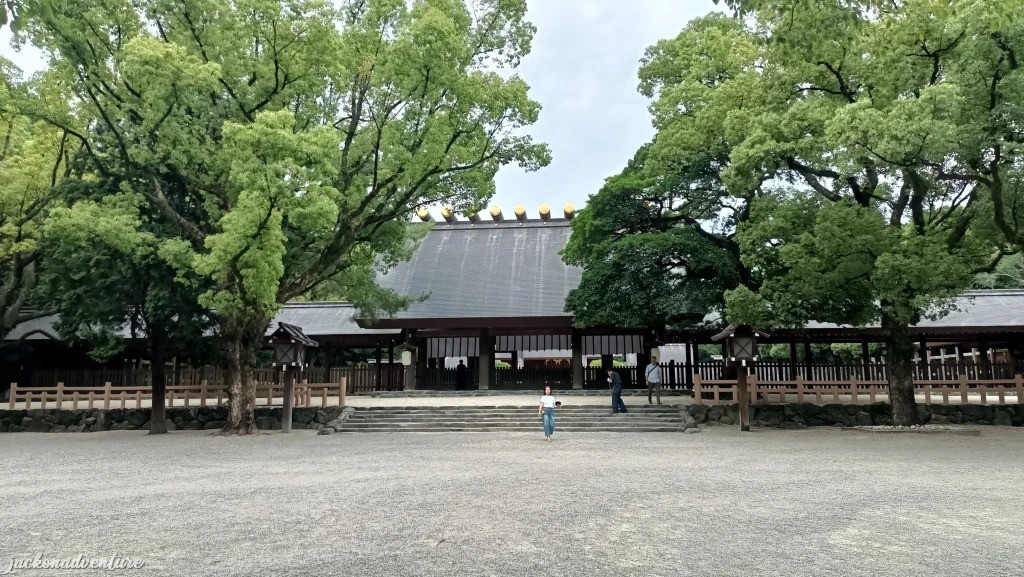
Tucked inside a garden of cypress trees, Atsuta Shrine (熱田神宮) is a Shinto shrine believed to have been established during the reign of Emperor Keiko. It is one of Shinto’s holiest and most important sites.
The shrine is home to one of Japan’s three Sacred Imperial Treasures- the sword Kusanagi-no -Tsurugi (‘Grass moving sword’) and the Shinto Sun Goddess, Amaterasu-Omikami. Unfortunately, the weapon is not displayed to the public but you can walk freely in the forest and see the smaller shrines within the compound.
Although the buildings were destroyed during the aerial raids in WWII, they were restored to their former glory in 1955.
Location: 1 Chome-1-1 Jingu, Atsuta Ward, Nagoya
Getting There: Take the Meiko Subway Line to Atsuta Jingu Nishi Station or JR Tokaido Line from Nagoya Station to Atsuta Station (covered with JR Pass) and take a 10-minute walk to the shrine.
Opening Hours: Daily for 24 hours
Entrance Fee: Free
Enjoy the sea bliss at Nagoya Port
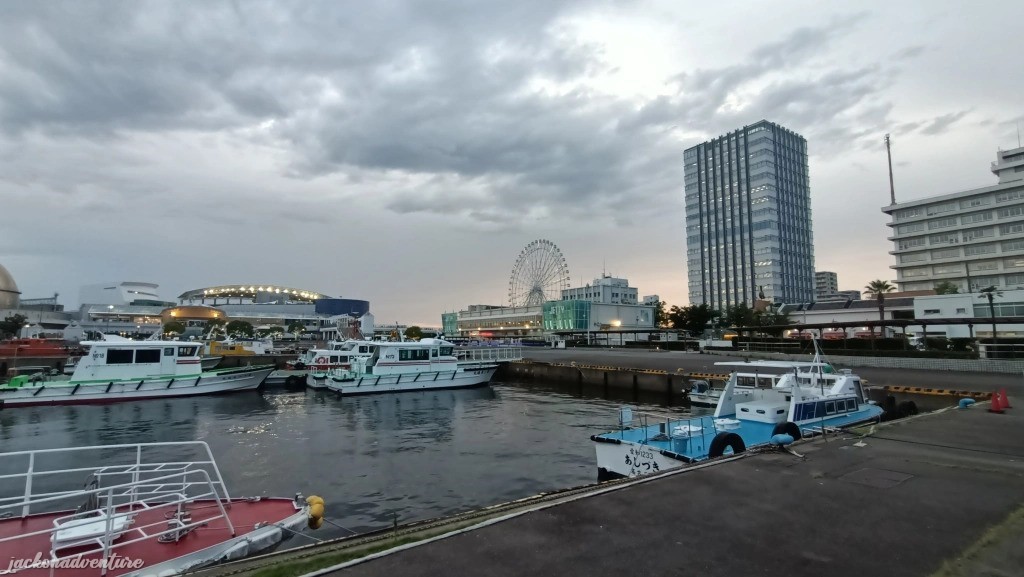
Stroll along the bay of Nagoya Port (名古屋港) where you can enjoy the sea view and its surroundings. It is best to come in the evening when the weather is not hot and enjoy the cool air.
If you have free time, there are some attractions in the bay including the Fuji Antarctic Museum- an observation ship-turned-museum, an aquarium and a fun fair.
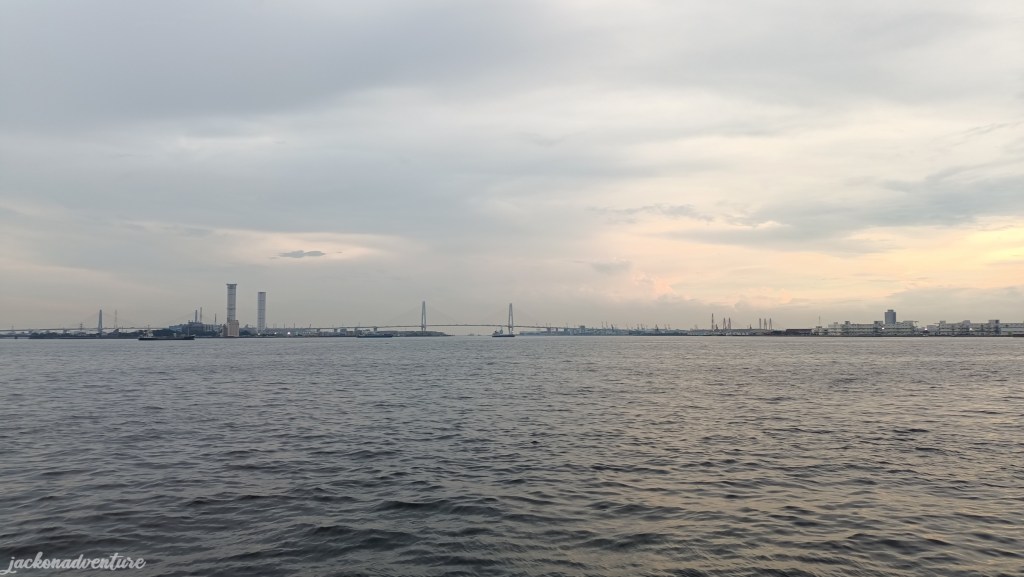
Getting there: Take the Meiko Subway Line to Nagoyako Station
Have fun at the World Cosplay Summit


To all the cosplayers and amine fans out there, don’t miss out on one of the largest cosplay events in the country (perhaps the world!).
Held in August every year, people from all over the world gather at Oasis21 in the heart of Nagoya to enjoy this thrilling event. Participants from more than 30 countries take part in the contest for the Grand Championship.
The venue starts to heat up as cosplayers fill the event area and photographers roam around to take pictures with their favorite anime characters. It is impressive to see many cosplayers do awesome work dressing up in cool manga and anime costumes. It’s sure bring back my childhood memory of my favourite TV shows such as Naruto, Street Fighter, Dragon Ball and Pokemon.


Travel Tips: This annual World Cosplay Summit is held in August with the dates and tickets are available on their official website. Both cosplayers and photographers have to buy a ticket pass to participate in the event.
Have a taste of Miso Katsu

One of the must-try Nagoya specialties is the Miso Katsu.
In Nagoya, people enjoy eating tonkatsu dish which has deep-fried pork cutlets usually served with shredded cabbage and rice. They pour a thick miso-based sauce on top made from dark red miso paste called Hatcho Miso. The miso was first created in a village called Hatcho, west of Okazaki Castle in Aichi prefecture and is named after the village. It is traditionally made of pure soybeans where the color is much reddish-brown than miso sauce.
I recommend Yabaton Yabacho which serves some mouth-watering miso katsu. They have several branches around Nagoya as well as in Tokyo, Toyama and Osaka. Their stores are recognizable by their logo with a pig dressed as Sumo wrestlers.
Coming to Japan Real Soon?
If you like to travel to other parts of Japan, here are some ideas of cities and towns worth visiting with the best things to do. There are also stories about my experience on the Shinkansen train ride and WWOOFing in Japan.
- Tokyo in 2024
- Tokyo in 2023
- Kamakura
- Nagano
- Takayama
- Gujo
- Ise
- Kumano Kodo
- Okayama
- Hiroshima
- Miyajima
- Mt Fuji
- Kyoto
- Arishayama
- Nara
- Osaka
- Shinkansen Train
- WWOOFing in Japan
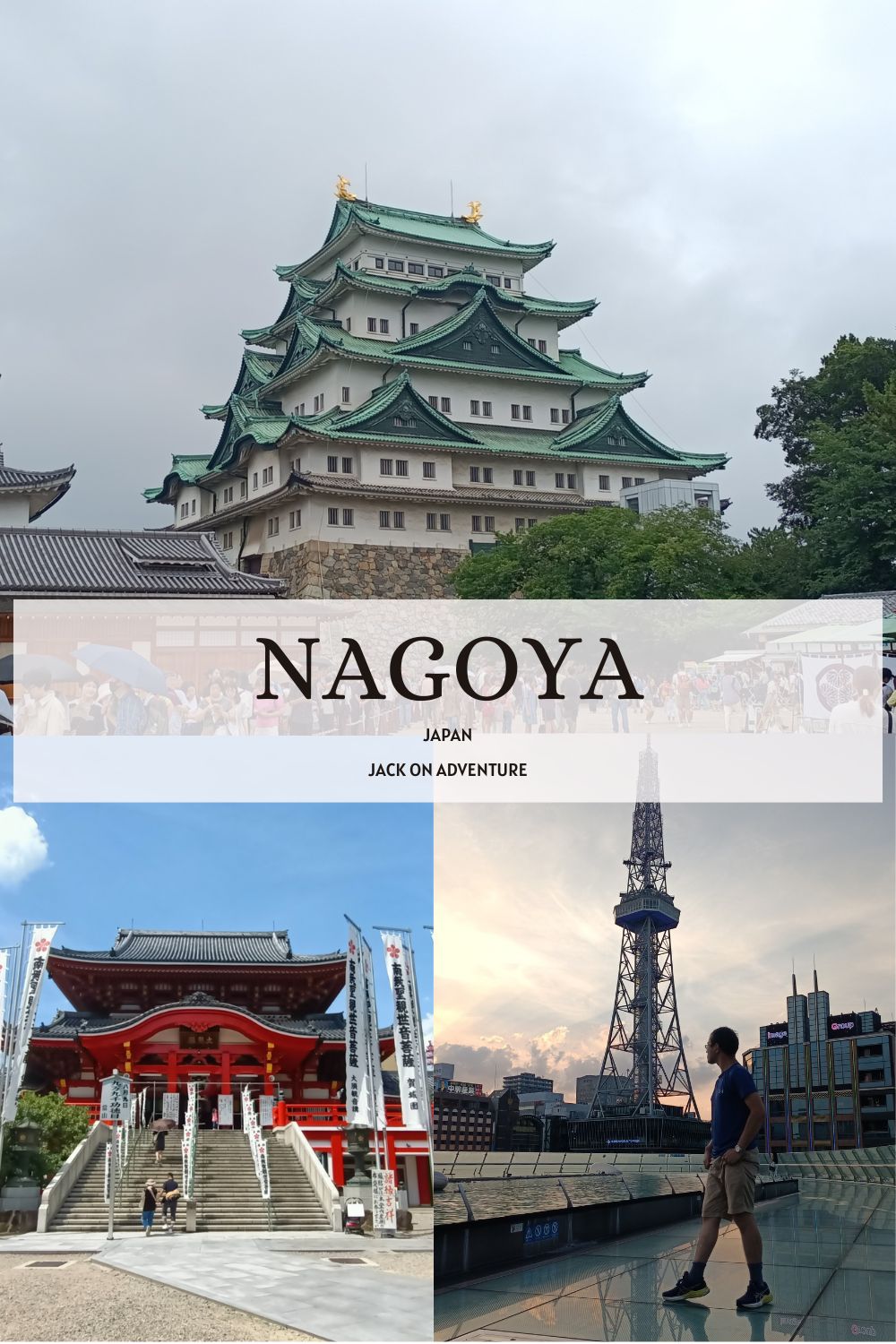
Like It? Pin This Article.


 Jack on Adventure
Leave a comment