
Tucked in the central Chibu region of Japan, Nagano is the capital and largest city of Nagano Prefecture which is surrounded by mountains. The city is filled with breathtaking natural landscapes, beautiful shrines and charming onsen towns.
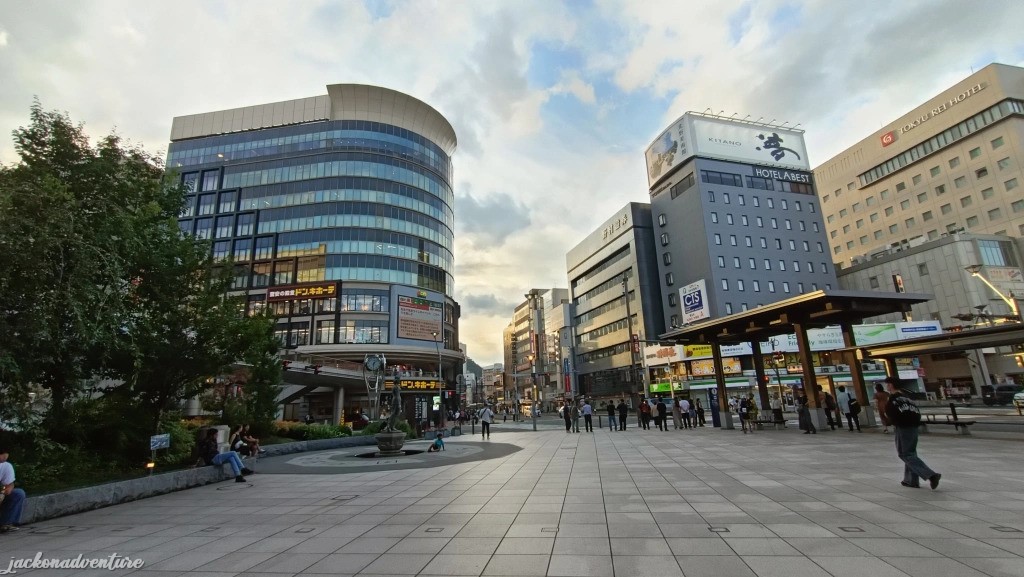
Nagano is well known for its snow activities and was the host of the Winter Olympics in 1998. Nowadays, it is a popular destination for skiing and hot springs in winter and hiking in the highlands during summer.
Best Time to Visit
Nagano can be visited all year round. However, winter has been the most favorable by many travelers for some good reasons. The prefecture has many exceptional ski resorts that attract people after hosting the 1998 Winter Olympics. People also come to Jigokudani Monkey Park to watch the snow monkeys soak into the onsen. Various festivals, such as the Liyama Snow Festival and Nagano Lantern Festival are hosted in Nagano during winter.
People who love nature can visit the Togakushi Forest Botanical Garden, which is inhabited by various species of plants, flowers and wild birds. Flowers on the valleys and cherries start to blossom between the end of March and early April.
During summer, the weather can be humid with temperatures hitting up to 40°C. However, it is a great opportunity to go for outdoor activities. There are numerous hiking trails including the Togakushi Kodo trail which leads to the three major shrines on the highlands. You can also go biking, swimming or rafting. The good advantage of visiting Nagano between June and August is that there are fewer crowds and makes the trip more enjoyable.
Visitors who love to go to fruit farms can come here during autumn. Fruits like grapes and apples are ready to harvest from September to November. The autumn foliage in the majestic forest is definitely not to be missed.
Getting There
By Shinkansen Train
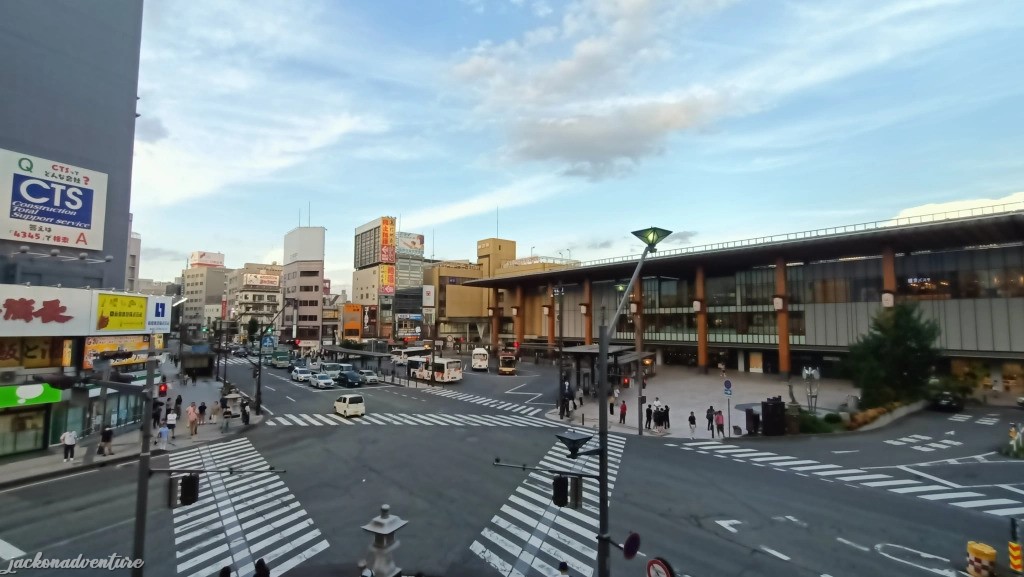
Nagano city is well connected with the high-speed Shinkansen train from many cities around Japan. The Hokuriku Shinkansen departs frequently every hour from Tokyo Station and takes 80-100 minutes to get to Nagano Station. The fare costs 8,000 yen and is fully covered by the JR Pass and JR East Nagano Niigata Area Pass.
If you’re traveling from Nagoya city like me, there are regular Limited Express Shinano trains that depart from Nagoya Station at Platform 10. The trip takes about 3 hours and costs 7,330 yen. It is also fully covered by the JR Pass and JR East.
It is also easy to travel from other cities, such as Osaka, Kyoto or Hiroshima. You can take the Tokaido-Sanyo Shinkansen train to Nagoya Station and transfer to the Limited Express Shinano train.
By Bus
Several bus companies operate regular daytime highway buses between Tokyo City and Nagano Station. A one-way trip takes about 3.5 hours with the fare costing between 2,000-4,000 yen. The ticket can be purchased online from Willie Express and Japan Bus Online. I bought bus tickets from both companies during my trip around Japan and was very happy with their excellent service.
Getting Around
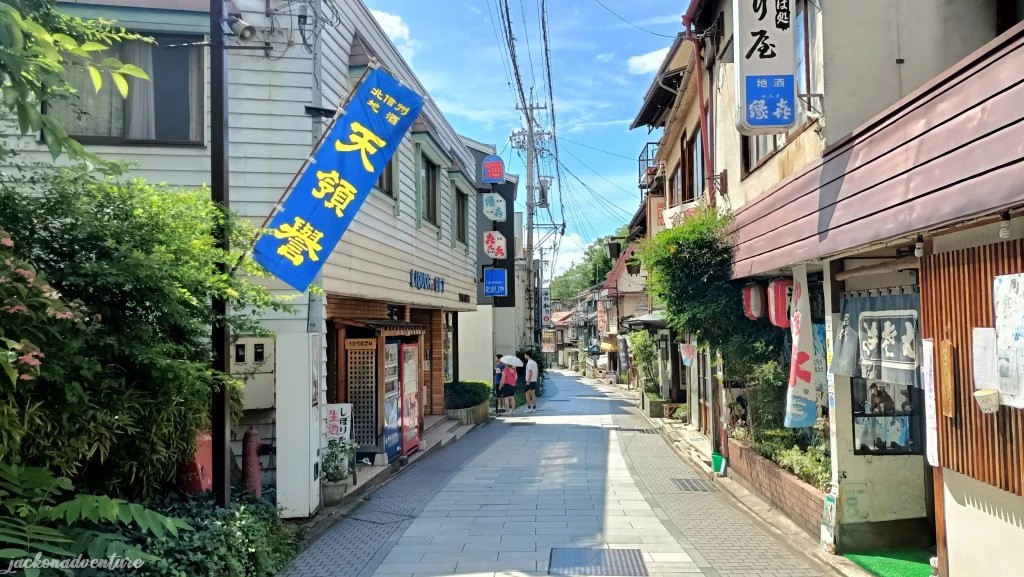
Nagano city is filled with nature, stunning landscapes and beautiful historical sites. Many tourist sites are spread out around the prefecture and are reachable either by train and buses from Nagano Station. The Togakushi area with three major shrines in the northwest of the city center is reachable by local bus or take the hiking trail from the lower or middle shrine to the upper shrine. The Zenkoji Shrine and Togakushi 1-Day Pass gives unlimited bus rides between Nagano Station, Togakushi shrines and Zenkoji Temple.
The Nagaden bus and Nagano Dentetsu Line train can take you further to the popular Jigokudani Monkey Park, Shibu Onsen and Yudanaka. The Snow Monkey Pass can be purchased at Nagano “Dentetsu” Station which includes unlimited rides on bus, train and entry to Snow Monkey Pass.
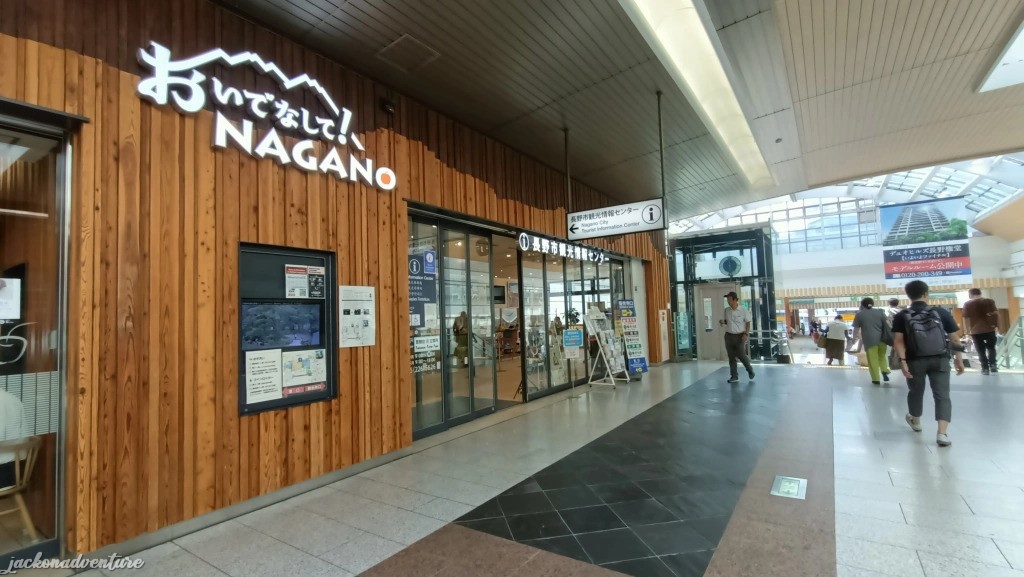
You can get many details from the Nagoya Tourist Information Center about the city including tourist attractions, train and bus timetables, tour packages, skiing spots, hiking trails, food recommendations and the best onsens in the nearby towns.
The Best Activities for 2 Days in Nagano
Nagano is home to many shrines, temples, monkey park and traditional onsens. These attractions are dotted throughout Nagano prefecture. It is recommended to spend at least 2 days and 3 nights in Nagano to soak in the local culture and explore the natural wonders that no place can find.
Hike on Mt. Togakushi trail
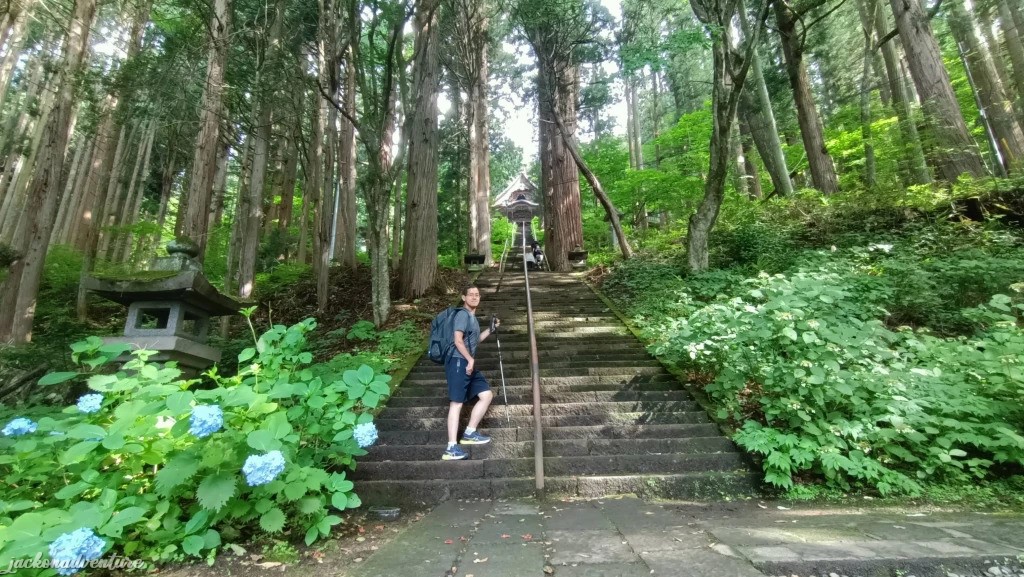
Tucked in Mt. Togakushi above Nagano city, Togakushi Shrine (戸隠神社) is one of those sacred places in Japan. The alternative way to explore the shrines is to hike through the Togakushi Five Shrines Trail. This 5.5 kilometer-long hike usually takes around 3.5 hours to complete depending on the walking pace. This is my second hike in Japan after Kumano Kodo and the trail is rather easy and enjoyable with less evaluation gain. It took me 5 hours to reach the upper shrine because I made many stops to take many breathtaking photos.
The trail starts from Hokosha Shrine at the foot of the mountain and ascends to the middle Chusha Shrine. The forest area is simply stunning and I get to enjoy the peacefulness and serenity of nature. There are two beautiful Kotoriga Ike and Kagami Ike that are hard to miss. The trail leads back to the road to the entrance of Okusha Sandoguchi. The final stretch goes through the ancient cedar trees before reaching the upper Okusha Shrine.
These three popular shrines with Kuzuryusha and Hinomikosha make up the Togakushi Kodo trail. Each shrine enshrines Shinto deities related to different religious myths of the rock cave called Ama-no-Iwato in Takamano-hara.


Togakushi means “hiding door.” According to the legend, the deity of the sun and love, Amaterasu-Omikami was so unhappy with the violent behavior of her younger brother Susano-o that she hid in the cave behind a rock door. It brought the world into darkness and confusion.
The deities want to restore light back to the world and Ame-no-Yagokoro-Omoikane-no-Mikoto lured her out with a special song and dance called the Iwato Kagura or Daidai Kagura. He pushed the door open when Amaterasu curiously opened it. The legend said that the door fell to the Erath and became Mt. Togakushi.
When Tendai Esoteric Buddhism was introduced to Japan, the local people adopted Buddhism along with Shinto which is indigenous to Japan. Monks and visitors walk the mountain to worship and seek enlightenment for centuries.
Hokosha Shrine
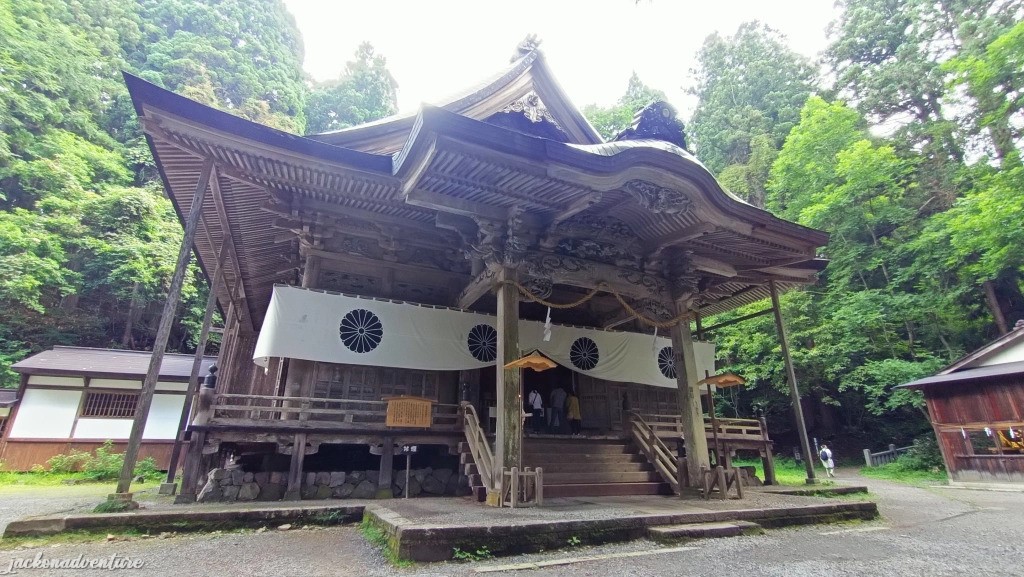
Sit at the foot of Mt. Togakushi, a flight of 270 stone steps leads to the small Hokosha Shrine (戸隠宝光社) with some distinctive features remaining from the times when this place combined Shinto and Buddhism. It enshrines the deity Ame-no-Uwaharu-no-Mikoto which is believed to offer blessings to pioneering, academic life, sewing, safe delivery snd the protection of women and children.
Chusha Shrine
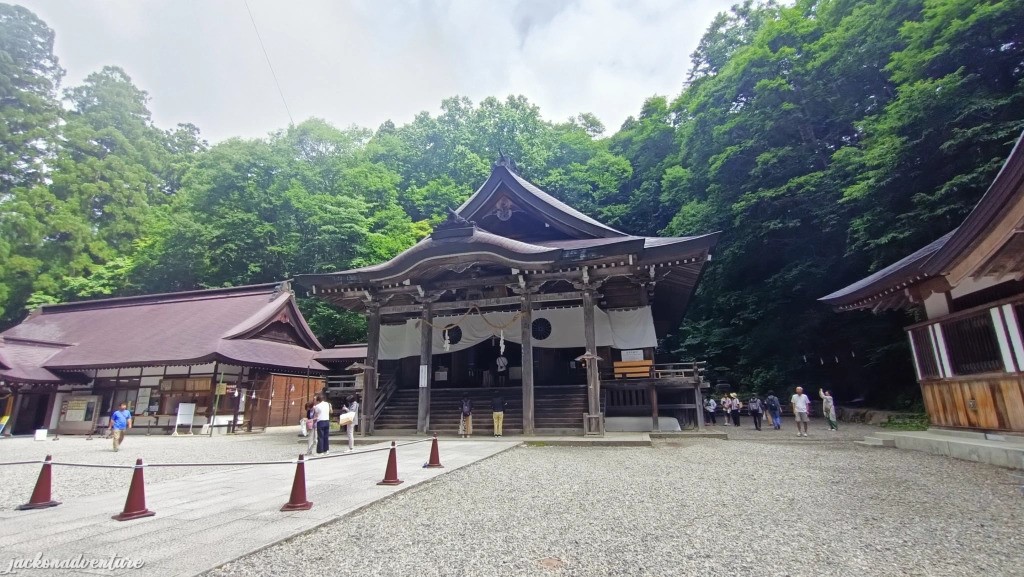
With a 2-kilometer hike to the middle of the trail, Chusha Shrine (戸隠中社) enshrines Ame-no-Yagokoro-Omoikane-no-Mikoto and is believed to offer blessings for academic achievement, business prosperity, good fortune, expulsion of evil and family well-being. The ceiling of the hall is decorated with a picture of a dragon originally drawn by Kawanabe Kyosai, a virtuoso artist from the Kano school of Japanese painting.
There is a sacred giant cedar tree over 700 years old here, along with Sanbon Sugi, which are three cedar trees over 800 years old placed in a triangle. The head office of Togakushi Shrine is situated here.
Kagami Ike
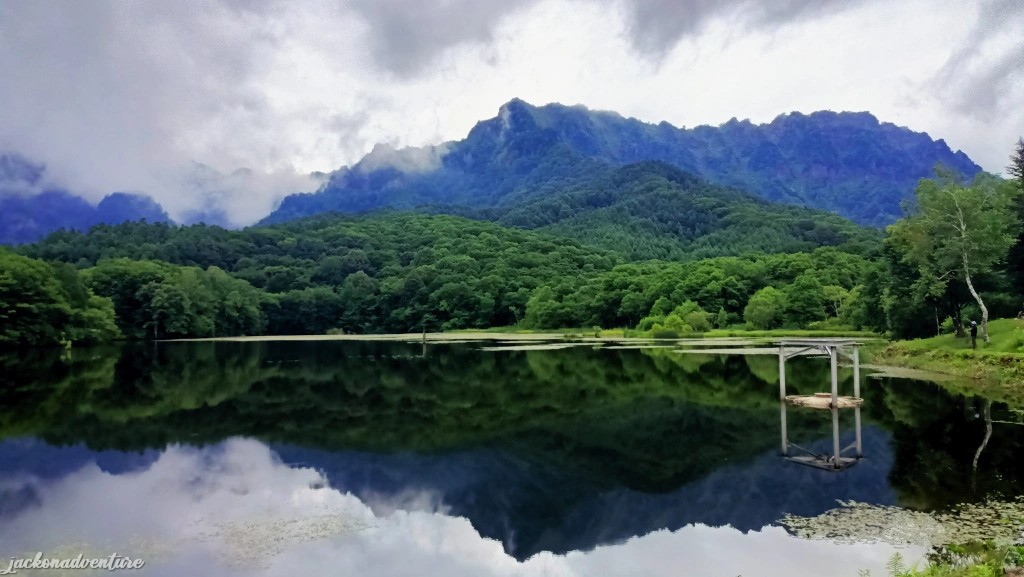
Make your way back into the woods after a short walk on a well-paved road from Chusha Shrine. It takes about 30 minutes to hike on a dirt path to reach Kagami Ike. You will meet many trail runners running and hikers like me wandering through these woods on the weekends.
Known as the “Mirror Lake,” its magnificent views of Kagami Lake will take your breath away. The lake gives a reflection of the surrounding forest and misty mountains. Families and groups of schoolchildren usually spend their weekends in this wonderful nature. There are several benches around the lake to relax or just sit on the lawn to enjoy the beautiful landscape.
Okusha Shrine
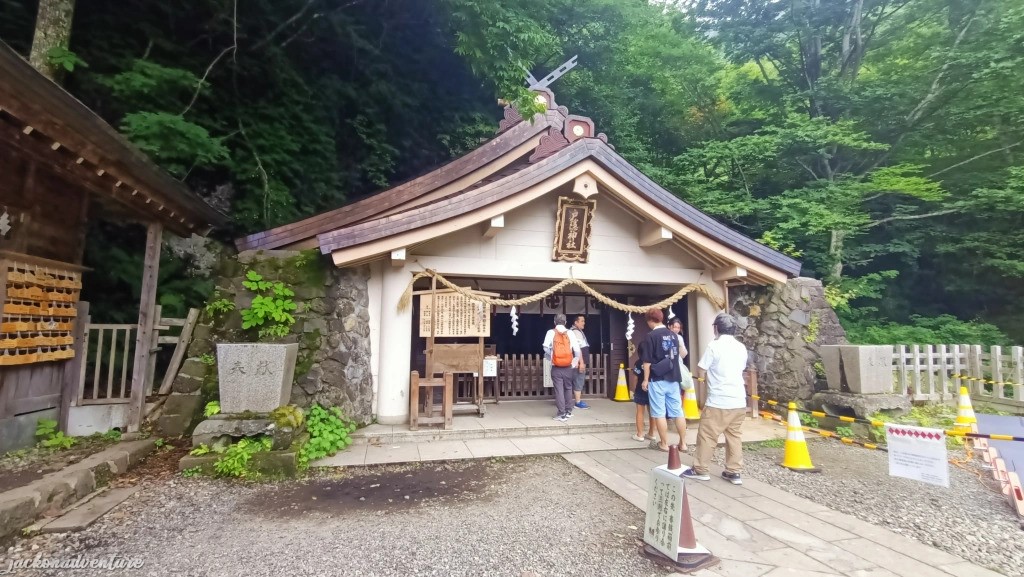
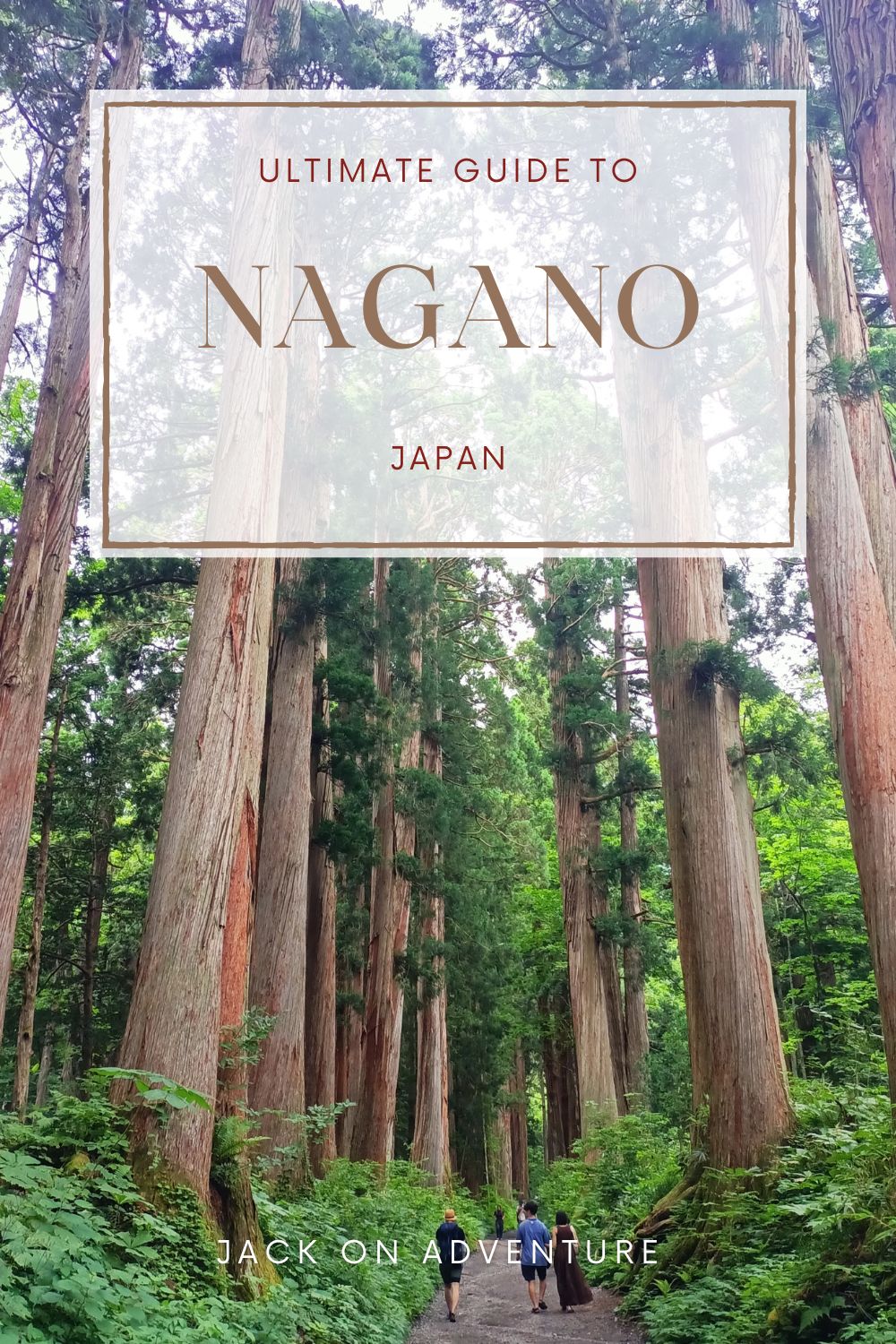
Continue walking on the road to the entrance of Okusha Shrine (戸隠奥社入口). The approach to the shrine is approximately two kilometers long and you will enter an impressive red thatched roof Zuishinmon Gate (随神門) in the middle of the path. Be amazed by the majestic 400-year-old Kumasugi trees lined along both sides of the trail. It is part of a forest reserve designated as a Natural Monument of Japan.
The trail to the upper shrine is pretty rocky but is manageable to get there. The Okusha Shrine enshrines Ame-no-Tachikarao-no-Mikoto, the deity of power. It is believed to offer good fortune, good harvests, and victory in sports.


Travel Tips: Wear comfortable shoes and use insect repellent for the hike. Reward yourself with a sweet Soba ice cream after visiting Okusha Shrine at its entrance.

Getting There: Take Bus No. 70 from Nagano Station Platform 7 outside Alpico Bus Ticket Office and alight at Togakushi-Hokosha for the lower shrine (55 minutes, 1250 yen one way), Togakushi-Chusha for the middle shrine (65 minutes, 1350 yen one way) or Togakushi-Okushairiguchi for the upper shrine (70 minutes, 1550 yen one way). The Zenkoji Shrine and Togakushi 1-Day Pass can be purchased at the ticket office for 3,000 yen and can be used to get to Zenkoji Temple without extra cost on the same day.
Location: 3506 Togakushi, Nagano-shi, Nagano-ken
Opening Hours: 24 hours
Entrance Fee: Free
Pay respect at Zenkoji Temple
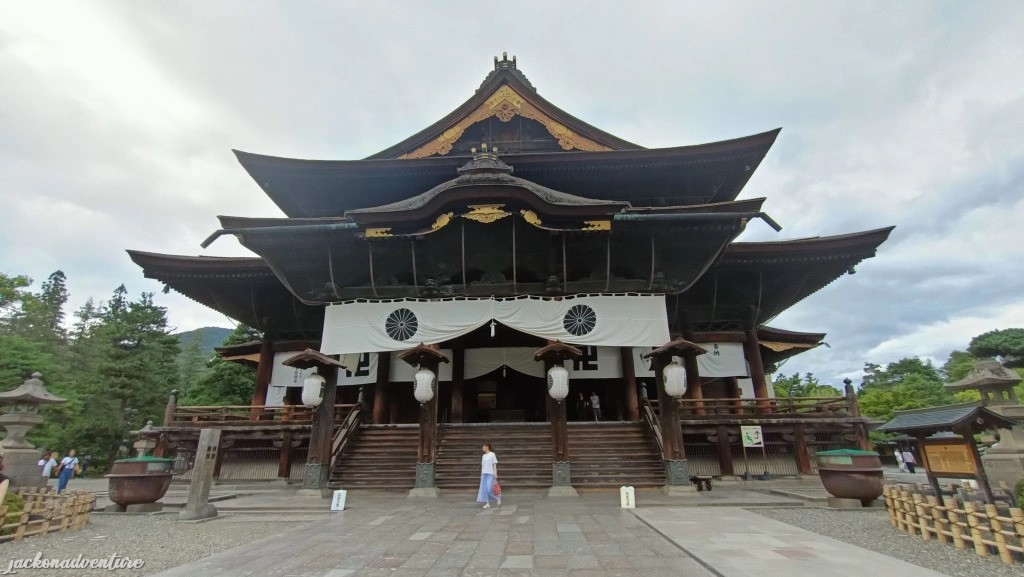
Founded in the 7th century, Zenkoji Temple (善光寺) is one of the most important temples in Japan. The temple houses Japan’s oldest Buddhist statue brought into the country when Buddhism was first introduced in the 6th century. The original statue is hidden while its replica is displayed for the public every 6 years for several weeks. It is listed as a Japanese National Treasure.
The main hall was rebuilt in 1707 to house Buddhist statues. You can enter the inner chamber to take a closer look at the temple’s main altar and walk through a pitch-black tunnel in search of the “key to paradise.” It is believed that anyone who touches the “Key to Pure-Land” attached to a wall along the corridor will be granted salvation.
Location: 491-イ, Motoyoshicho Nagano
Getting There: Take the Bus 70, 73 or any bus from JR Nagano Station to the temple
Opening Hours: Daily open one hour before sunrise and closes between 4 pm and 4.30 pm
Entrance Fee: Main Hall: 600 yen (with history museum)/ Sanmon Gate: 500 yen
Visit the famous Jigokudani Monkey Park
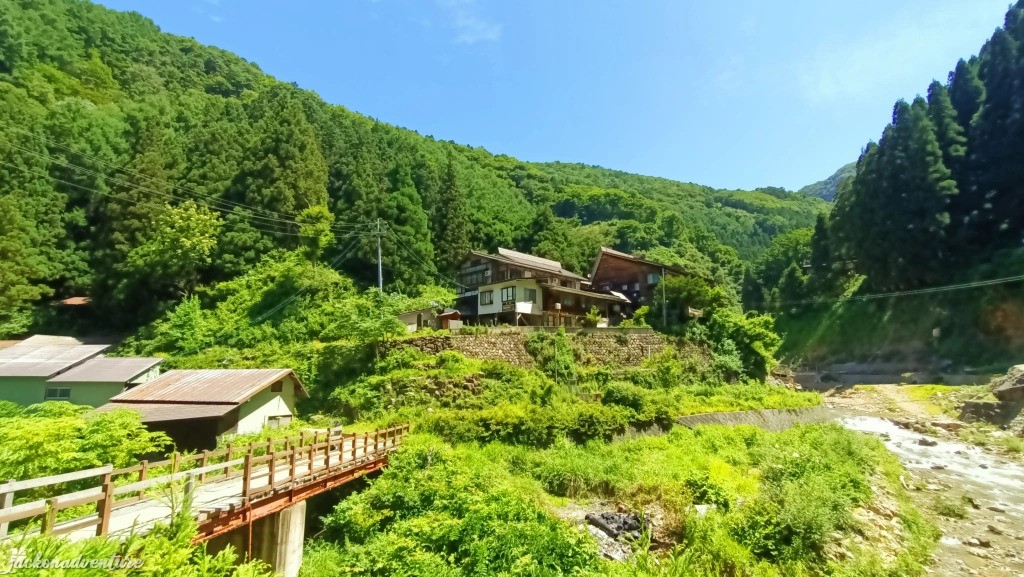
Snow Monkey Park (地獄谷野猿公苑) is one of the most popular destinations known for the Japanese Macaques called Snow Monkeys. Its name literally means “Valley of Hell” due to the surrounding surreal landscape that is dotted with streams of the Yokoyokawa River that flows from the Shiga Plateau.
The mountainous area is inhabited by Snow Monkeys and visitors from all around the world can watch them bathing in the onsen during the snowy months. It is very fun to observe these indigenous creatures with different behaviors. They roam freely within the park compound and ignore visitors walking around them.


During my visit in summer, they usually hide in shady spots to escape the heat. To my surprise, the young ones still dip themselves in the hot spring during the hot weather.
Location: 6845 Hirao, Yamanochi, Shimotakai District, Nagano
Getting There: Take the 45-minute Nagaden Bus from Nagano Station East Exit Bus Stop No. 23. The Snow Monkey Pass can be purchased near Nagano Dentetsu Line Station and includes the bus ride, unlimited train rides and entry to Snow Monkey Park. Then, take a 30-40 minute walk through the forest from the bus stop to the monkey park.
Opening Hours: April to October: Daily from 8.30 am to 5 pm/ November to March: Daily from 9 am to 4 pm
Entrance Fee: 800 yen
Walk down the streets of Shibu Onsen
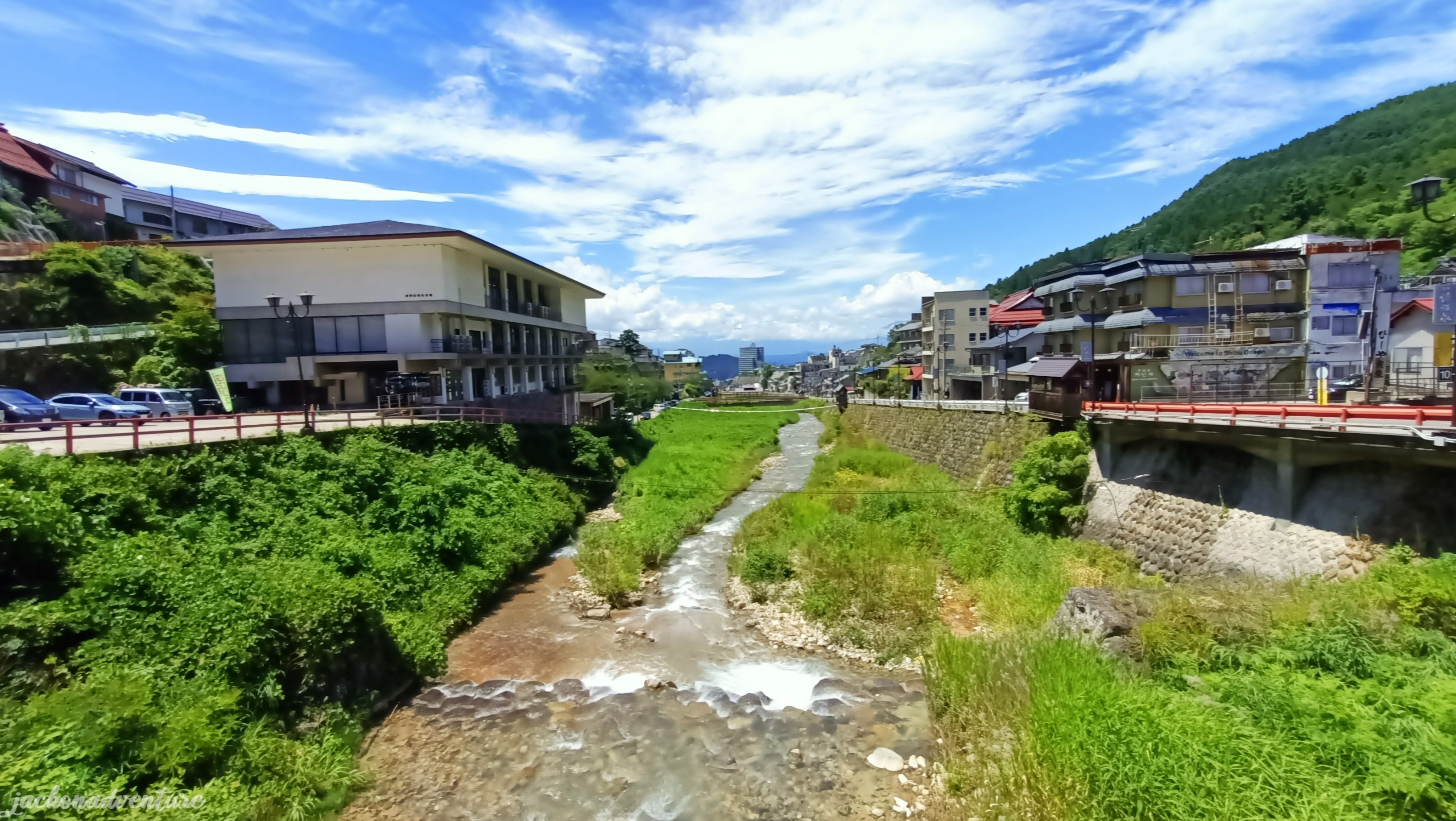
Nestled in a small valley of Yamanouchi, Shibu Onsen (渋温泉) is a 1,300-year-old historical onsen town that still retains a traditional feel. As you stroll down Shibu’s narrow cobblestone streets, you can take a glimpse of traditional wooden architecture and some ryokans that date back over 400 years. In the past, the area has been visited by many people for its hot springs, including priests, samurais and poets.
Guest in Shibu Onsen are often spotted wearing yukata robes and sandals as they walk down to the traditional onsen. There are 9 public bathhouses here and only accessible by the locals and overnight guests with a master key provided by the ryokan. Each bathhouse is pretty small, separated by gender and used to cure different ailments. It is said that people who visit all 9 bath houses will get good fortune. A stamp card can be bought to collect the stamps from each bathhouse to make it a nice souvenir.


The hot spring water can be anywhere from milky colored, to clear or minerally-rust color depending on the bath. Each hot spring contains different properties and mineral content to treat different types of diseases.
My visit to this traditional onsen town during summer has been fortunate with a quiet and peaceful atmosphere. I only encountered a few tourists and can enjoy wandering these narrow lanes. It was just perfect to take photogenic photos of the traditional buildings, shrines, temples and the beautiful Yokoyu River.
Pamper yourself in the public bath

If you’re visiting Shibu Onsen just for a day trip, the “Oyu” bath house located in the center of town is open to the general public. The hot spring is pretty small and is enough to fit up to 3 people each. It costs 500 yen, which is paid at the Ryokan Association office or at the Shibu Onsen parking lot.
Think of treating yourself with a little luxury? Some ryokans do offer a day-use, especially during summer when it is off-peak season with fewer guests. I have my hot spring bath at Sakaeya Ryokan, a 3-star hotel that provides amenities such as toilet, an air-conditioned dress-up area, lockers, towels and drinking water. They are open from 2.30 pm to 6 pm and cost 1,600 yen, which is reasonable for such great facilities. Since I was the only guest there at the time, I snapped some photos of what the public bath looks like inside this ryokan.
Coming to Japan Real Soon?
If you like to travel to other parts of Japan, here are some ideas of cities and towns worth visiting with the best things to do. There are also stories about my experience on the Shinkansen train ride and WWOOFing in Japan.
- Tokyo in 2024
- Tokyo in 2023
- Kamakura
- Nagoya
- Takayama
- Gujo
- Ise
- Kumano Kodo
- Okayama
- Hiroshima
- Miyajima
- Mt Fuji
- Kyoto
- Arishayama
- Nara
- Osaka
- Shinkansen Train
- WWOOFing in Japan
Like It? Pin This Article.

 Jack on Adventure
Leave a comment