
Lies in the Chugoku Region of Japan, the city of Hiroshima (広島) is a beautiful blend of history, culture, and natural beauty. It was founded in 1589 as a castle town on the Ota River delta. Since the Meiji Restoration in 1868, the city has transformed rapidly into an urban center.
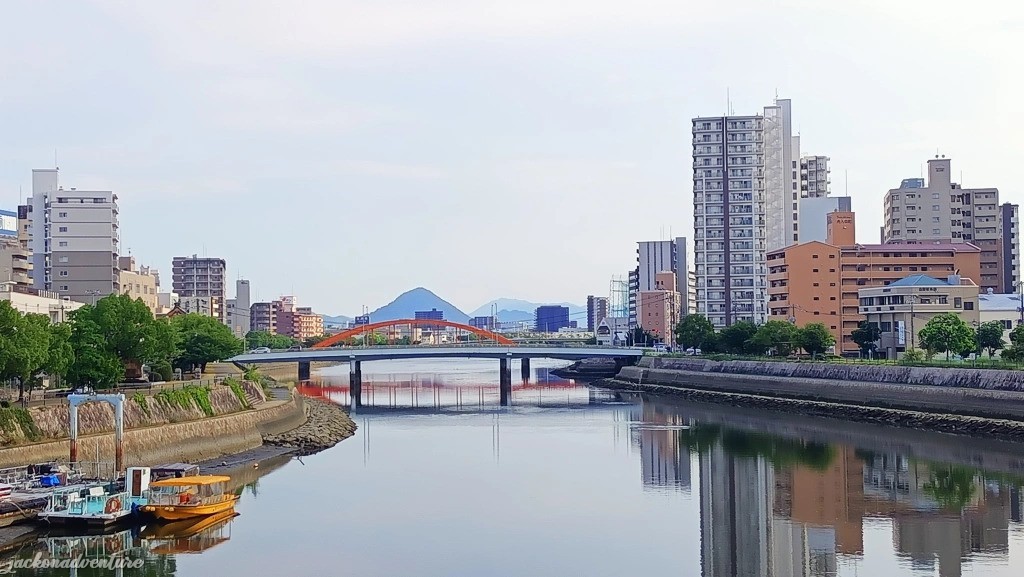
Hiroshima was marked by its tragic past when an atomic bomb called “Little Boy” decimated the city on August 6, 1945 during the Second World War. This devastating event has resulted in the loss of estimated 140,000 people, wounded thousands more citizens and crippled its infrastructure.
The city has risen from the ashes into a modern metropolitan area filled with life, color and charm. The incredible landscapes, delightful food experiences and the smiles of the residents warmly welcome visitors to Hiroshima.
Best Time to Visit
A city rich in history and culture, Hiroshima offers a unique blend of solemn memorials and vibrant modern attractions. The city can be visited throughout the four seasons, but each time brings unique charm and activities.
Spring is one of the best times to visit Hiroshima. The cherry blossoms transform into a picturesque wonderland across parks and streets from late March to half April. It offers a magical experience with various festivals and outdoor activities. Popular spots such as the Hiroshima Peace Memorial Park are adorned with vibrant cherry blossoms, creating an enchanting atmosphere for sightseeing and photography.
Summer between late June to August is hot and humid and temperatures often reach up to 33°C. Despite the intense heat, this season is vibrant with festivals and cultural events. The rainy season typically falls in mid-June and late July, with July being particularly humid and rainy. The Hiroshima Peace Memorial Ceremony on August 6th is a significant event that attracts visitors from around the world. It commemorates the atomic bombing of the city in 1945.
Autumn from September to November is also one of the favorite times to travel to Hiroshima. the city’s parks and natural attractions are filled with stunning fall foliage covered by red and orange leaves.
Winter is great for travelers who want to escape the crowds and have a serene experience. The city hosts the Hiroshima Dreamination, a stunning illumination event on Peace Boulevard. Seafood lovers can savor fresh oysters during the peak oyster season in February.
Getting There
By Plane
Hiroshima city is reachable by plane to Hiroshima Airport (Airport Code: HIJ) in Mihara and Iwakuni Kintaikyo Airport (Airport Code: IWK) in Iwakuni. There are no express trains at either airport and you can take a limousine bus to get to Hiroshima downtown.
By Train
For those traveling by train, the easiest option is to take the Tokaido-Sanyo Shinkansen train to Hiroshima City. You can take a direct Hikari Shinkansen train with a JR Pass from cities like Tokyo, Nagoya, Osaka or Kyoto. If you do not have a JR Pass, I recommend taking the Nozomi Shinkansen train from these cities. Although the fare is more expensive than the Hikari Shinkansen, it takes a shorter time to get to Hiroshima.
Getting Around

The best way to explore Hiroshima is by the historic streetcar or on foot. Most landmarks are located around the Hiroshima Peace Memorial Hall and you can easily walk and visit over 70 memorials, monuments and galleries around the park. The streetcar can be found throughout the city and you can take this transport to Hiroshima Station, Hiroshima Castle and the shopping district.
The Best Activities for 2 days in Hiroshima
The best way to discover the history of Hiroshima is to spend 3 days and 4 nights in the city. It is filled with monuments of peace and a museum to commemorate the victims of A-bomb. You don’t want to miss its own version of savory Okonomiyaki found in most corners of the city. It is also worth a day trip to Miyajima Island from Hiroshima captivated by its breathtaking natural landscapes and rich culture.
Take a glimpse of Atomic Bomb Dome

The Atomic Bomb Dome (原爆ドーム) is an iconic symbol of the “peace city” and was listed as a UNESCO World Heritage Site in 1996 due to its historical significance. Known as the Hiroshima Peace Memorial, the building was originally the Prefecture Industrial Promotion Hall for government officers.
The ruin was the only structure left standing in the city with the skeletal form of the surviving remains after the destructive force of the bomb. It served as a memorial to the people killed by the nuclear bombing here at 8.15 am on August 6th, 1945.
Location: 1-10 Otemachi, Naka Ward
Pay respects at Hiroshima Victim Memorial Cenotaph

Located in the center of Memorial Park, the prominent stone arch resembles an ancient arch-shaped house to shelter the souls of bombing victims. The stone coffer beneath it holds 108 volumes with the name list of 297,684 victims regardless of nationality who died from the bombing and radiation exposure.
The cenotaph is inscribed with a phrase: “Let all the souls here rest in peace; for we shall not repeat the evil.” This is the place to take a moment of silence and remember the victims of the atomic bombing. The Atomic Bomb Dome can be spotted right through the arch of the cenotaph across the park.
Visit the Flame of Peace
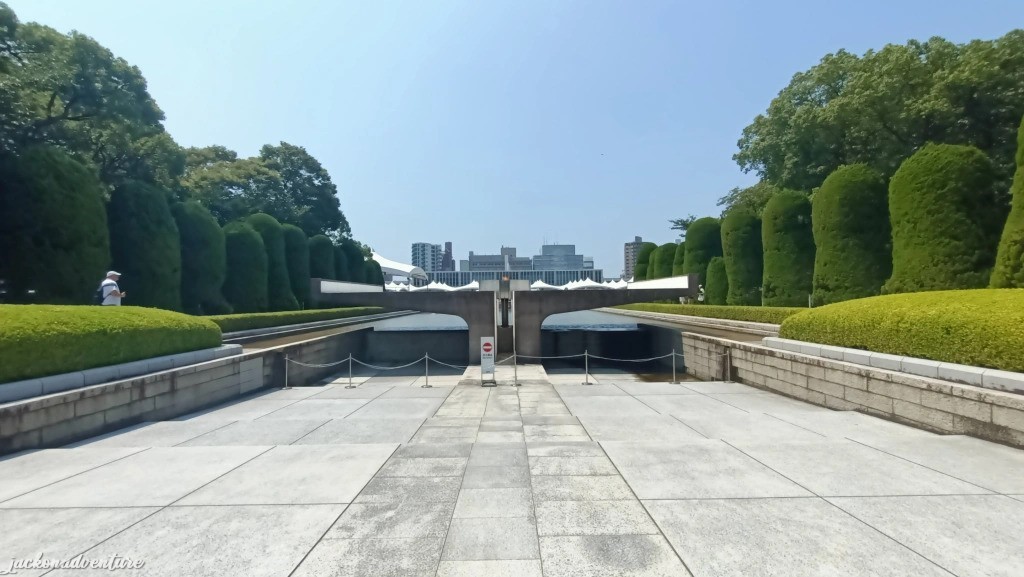
Designed by a professor at the University of Tokyo Kenzo Tange, the base of the sculpture represents two wrists joined together and the two wings on each side represent two palms facing upwards to the sky. The flame has been burning continuously since it was lit in 1964 to console the souls of thousands who died begging for water and hope all nuclear bombs on Earth will be destroyed for the planet to be free from the threat of nuclear annihilation.
Visit Children’s Peace Monument
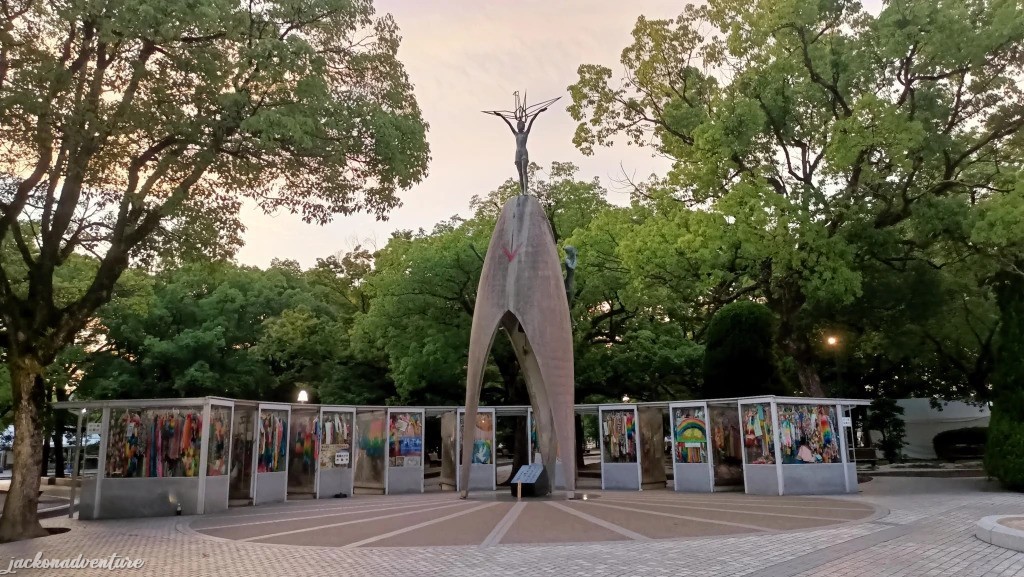
Known as the Tower of a Thousand Cranes, the Children’s Peace Monument is dedicated to Sadako Sasaki and the children who are just like her. She was only 2 years old when the tragedy happened and died 10 years later due to leukemia from the effect of the radiation. Many visitors line up to ring the bell inside the monument to honor them.
Japan has an ancient tradition that a person’s wish will be granted if they fold 1,000 paper cranes called origami. When Sadako felt sick, she set a goal to fold these cranes to wish for her recovery. Despite her great effort of folding more than what was required, she passed away after battling cancer for eight months.

Her sad story has gained international recognition and the paper cranes are considered a symbol of peace today. You can make one yourself and put it alongside thousands donated by schoolchildren across Japan and visitors. There are some 10 million colorful cranes kept at the memorial every year.
Explore the Hall of Remembrance
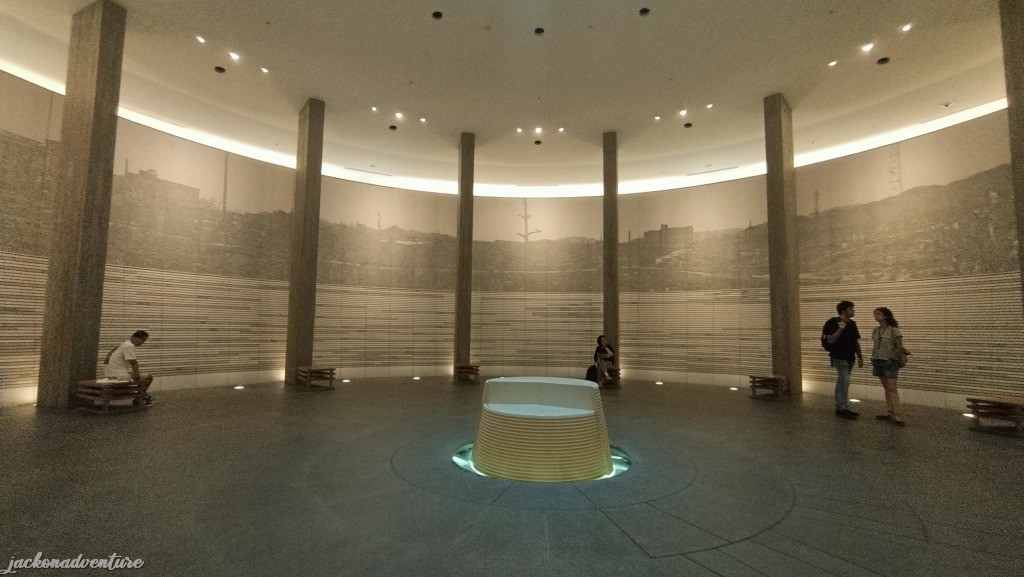
The Hall of Remembrance was built in memory of the victims who lost their lives to the atomic bombing tragedy in 1945. It also stands as a reminder to the present and future generations of Hiroshima citizens who endured great amounts of suffering and grief.
The war museum was considered to be necessary to give some comfort to the families and loved ones. They can remember and honor the victims by portraying their photos and broadcasting some interviews with the survivors.

A small plywood boat named Maru-Re is displayed in the museum. These 5.6 meter-long boats were used to train soldiers for suicide attacks by ramming and sink enemy vessels. Young military-minded boys aged between 15 and 19 volunteered from all over Japan.
Location: 1-6 Nakajimacho, Naka Ward, Hiroshima
Opening Hours: March to July: Daily from 8.30 am to 6 pm/ August: Daily from 8.30 am to 7 pm/ September to November: Daily from 8.30 am to 6 pm/ December to February: Daily from 8.30 am to 5 pm
Entrance Fee: Free
Stroll along Hondori Shopping Street

The lively Hondori Shopping Street is one of the main shopping districts in the downtown area. This bustling pedestrian street is lined with trendy boutique stores, fashion shops, department stores, restaurants, cafes, game arcades, karaoke bars, purikura parlors and amine shops.
You can find brand-new or second-hand kimonos and modern clothing here. There are a variety of Japanese cuisines such as Okonomiyaki, sushi and seafood.
Location: 7 Hondori, Naka Ward, Hiroshima
Climb up to Hiroshima Castle

Hiroshima Castle (広島城) was built in 1589 by the powerful feudal lord Mori Terumoto where the Fukushima family and the Asano lived. The castle is known as Rijou-Carp Castle because of the wooden slat attached to the outer walls of the Castle Tower that looks like carp scales.
The five-storied castle was destroyed by the atomic bomb attack but was reconstructed to its original state by 1958. It houses many artifacts, artwork and various expectation items from ancient times. Inside it also exhibits the history of Hiroshima and the hierarchy of the feudal administration system.
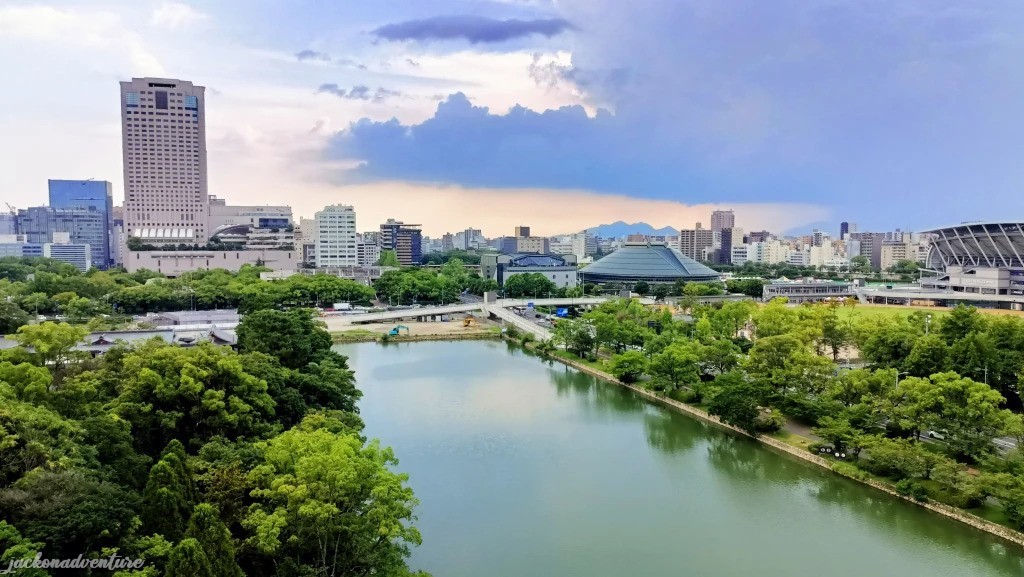
Head to the observation area at the highest level of the castle tower to enjoy the beautiful panoramic view of Hiroshima and the Ninomaru Garden.
Location: 21-1 Motomachi, Naka Ward, Hiroshima
Getting There: Take a 15-minute walk from the Peace Park. You can also take Tram Line 1,2 or 6 to Kamiyacho-nishi stop for 220 yen and walk 10 minutes to the castle.
Opening Hours: March to November: Daily from 9 am to 6 pm/ December to February: 9 am to 5 pm
Entrance Fee: 370 yen
Savor the delicious okonomiyaki
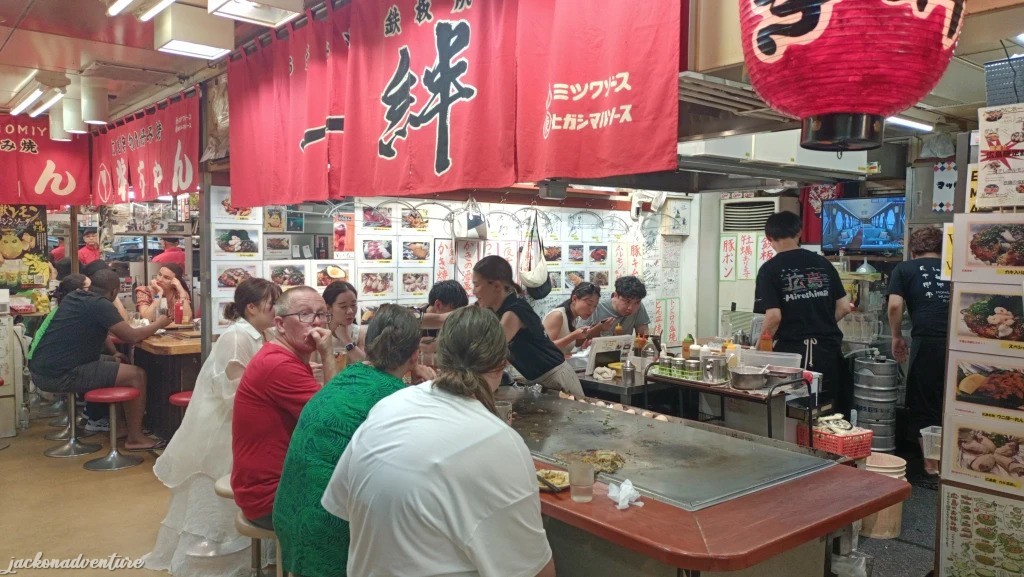
After a long day of walking in Hiroshima, my tummy is craving for Okonomiyaki. It is one of my favorite Japanese food. The last time I ate was on my first trip to Japan in the famous Dotonbori of Osaka. When I come to Hiroshima, I must try their own version of Okonomiyaki. Walk behind Hondori Shopping Street and you will find Okonomi mura Suigun also known as Okonomiyaki Village.
The four-storied Okonomiyaki Village is easily spotted by a large horizontal signal of its name and decorated lanterns. You can find over 25 stalls run by the third or fourth generation of the families and they offer their unique style of okonomiyaki. Each stall is pretty small and usually sits up to 15 people.
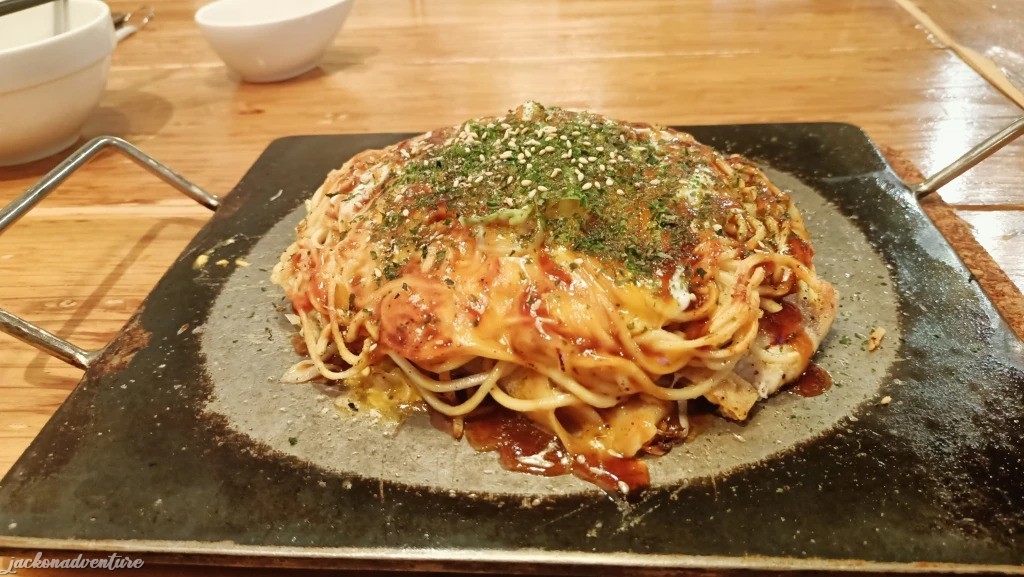
The okonomiyaki or grilled pancake is cooked with common ingredients including noodles, eggs, batter, cabbage and spring onion. On top of that, you can choose to add on pork, prawns, beef, squid, cheese or special mayonnaise sauce. Yum!
I suggest walking up each floor to take a peek through the stalls before making up your mind about where to have your lunch or dinner.
Location: 5-13 Shintenchi, Naka Ward, Hiroshima
Visit Hiroshima Peace Memorial Museum

Hiroshima Peace Memorial Museum gives visitors a better understanding of how this atomic bomb did as the tragic event changed the fate of the citizens of Hiroshima. The exhibits and interactive videos tell the stories of events leading to the bombing and the aftermath of human suffering from the attack on Hiroshima. There are displays of personal belongings, uniforms, artifacts, photographs and paintings that show Hiroshima before and after the bombing.
Many stories told by the survivors and their families are very touching and rather upsetting. They had to live their lives bearing the deep sorrow of losing their loved ones while suffering from different illnesses and physical and emotional traumas.
Location: 1-2 Nakajimacho, Naka Ward, Hiroshima
Opening Hours: March to July: Daily from 8.30 am to 6 pm/ August: Daily from 8.30 am to 7 pm/ September to November: Daily from 8.30 am to 6 pm/ December to February: Daily from 8.30 am to 5 pm
Entrance Fee: 200 yen
Visit the Memorial Tower to the Mobilized Students
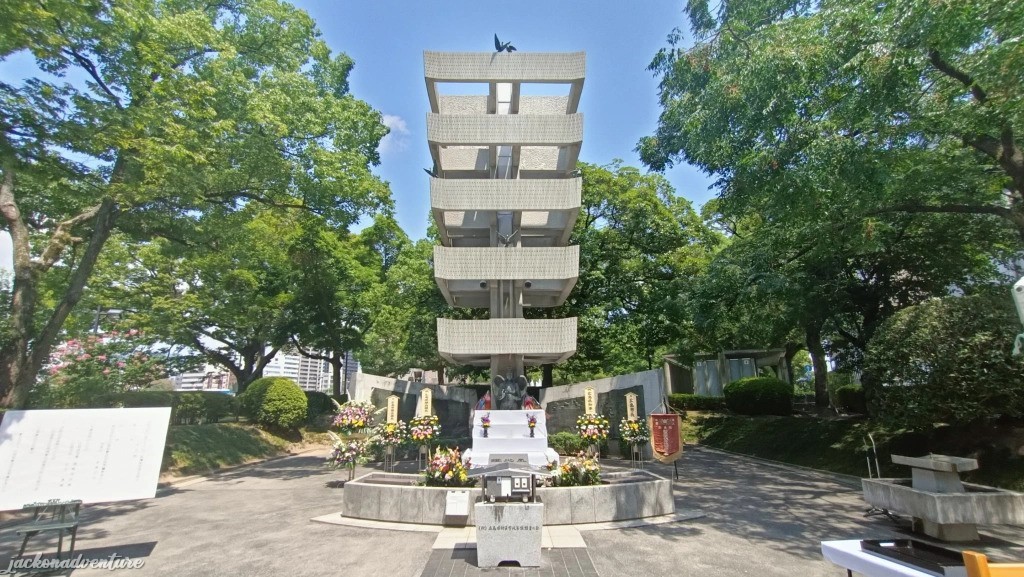
Standing 12 meters high and adorned with eight doves, the Memorial Tower has a sculpture depicting the Goddess of Peace to dedicate to around 7,000 students who died during the atomic bombing. Back then, the city has a well-recognized university where students come from all over Japan to study here.
During World War II, the Japanese government enacted the Student Labor Service Act in August 1944 due to manpower shortage. More than 3 million students from middle school were mobilized to work in munitions factories and had to put their studies and future plans on hold. More than
Location: 1 Chome-3-10 Otemachi, Naka Ward, Hiroshima
Take a view of Hypocenter Plaque

Just two streets away from the dome is the Hypocenter Plaque that marks Ground Zero. This is the exact spot where ‘Little Boy’ was detonated, 600 meters directly above the Shima Hospital.
It’s the saddest thing that has happened in the history of humankind because of all places, the hospital was the target. Thousands of lives had perished in an instant and generations were wiped out forever.
Nevertheless, the hospital was rebuilt from the ground up by Dr. Kaoru Shima during the difficult post-war. It is now run by his grandson Shuyuki Shima.
Location: 1 Chome-5-25 Otemachi, Naka Ward, Hiroshima
Attend the Peace Memorial Ceremony

If you’re in Hiroshima on August 6, come and join the memorial ceremony held every year with hundreds of people including the Prime Minister of Japan, the families of the deceased and people from all over the world. It starts with a moment of silence at 8.45 am as everyone gathers in the memorial park to mourn the victims.
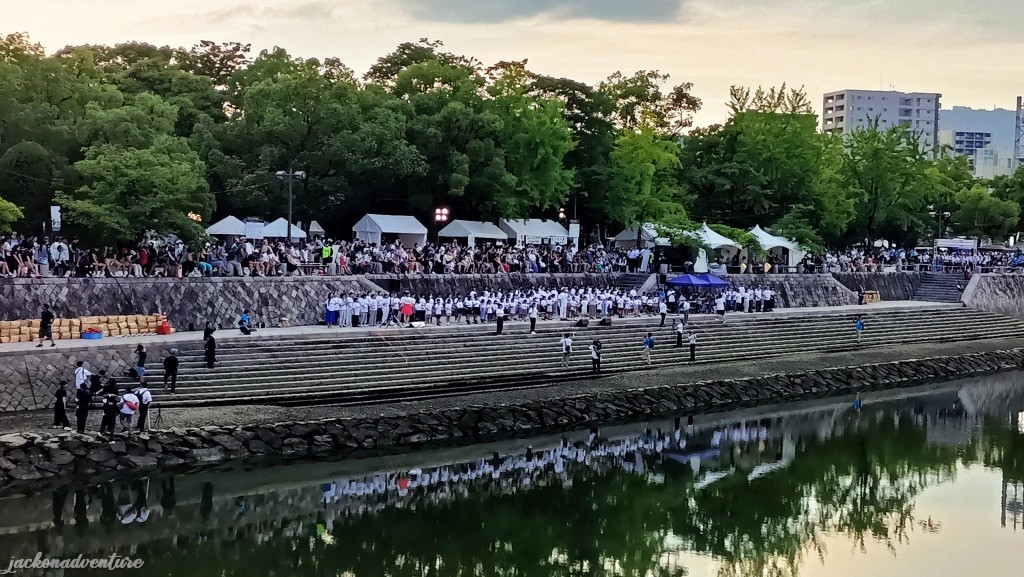
My visit to Hiroshima for the ceremony was in 2024 where this sorrowful event marks 79 years since the atomic bomb dropped onto the city. There were songs performed by children to comfort the families of the deceased and survivors. It reminds people once again about the hibakusha struggle and pledge with every effort to abolish nuclear weapons and light the way toward lasting world peace.
Release the floating lantern

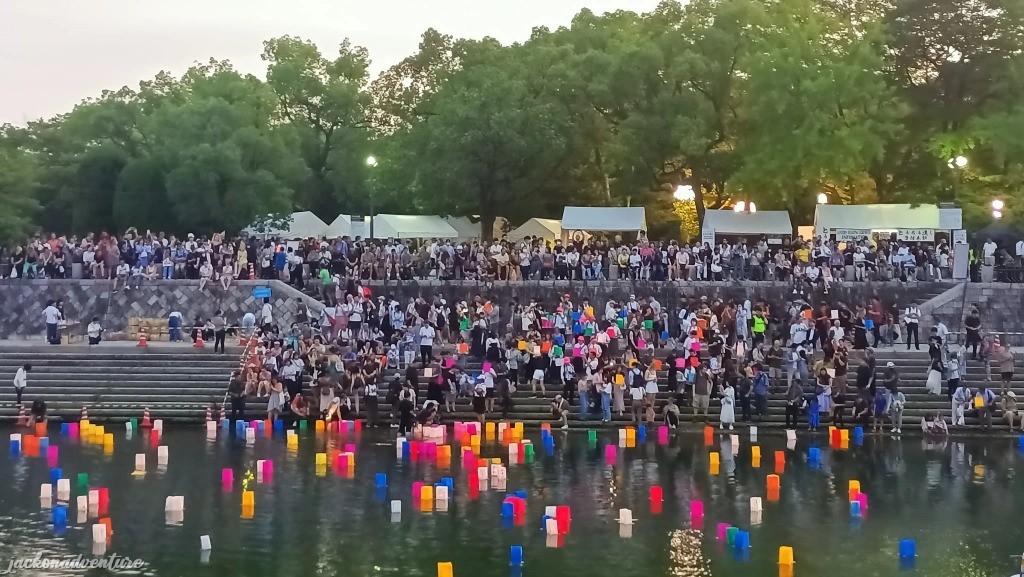
Locals gathered along Motoyasu River to release lanterns and console the souls of their friends and family members who passed away in the river. Visitors from aboard joined the people by sending messages with their lanterns to wish for peace. The ceremony starts from 6 pm to 9 pm when the weather isn’t too hot and takes place on the same day as the Peace Memorial Ceremony on August 6.
When the atomic bomb was dropped, not everyone in close radius was killed instantly but many survivors were severely burned by the heatwave. Most of them couldn’t bear the pain and started to throw themselves into the river for relief. Sadly, many did not survive and died in this river.

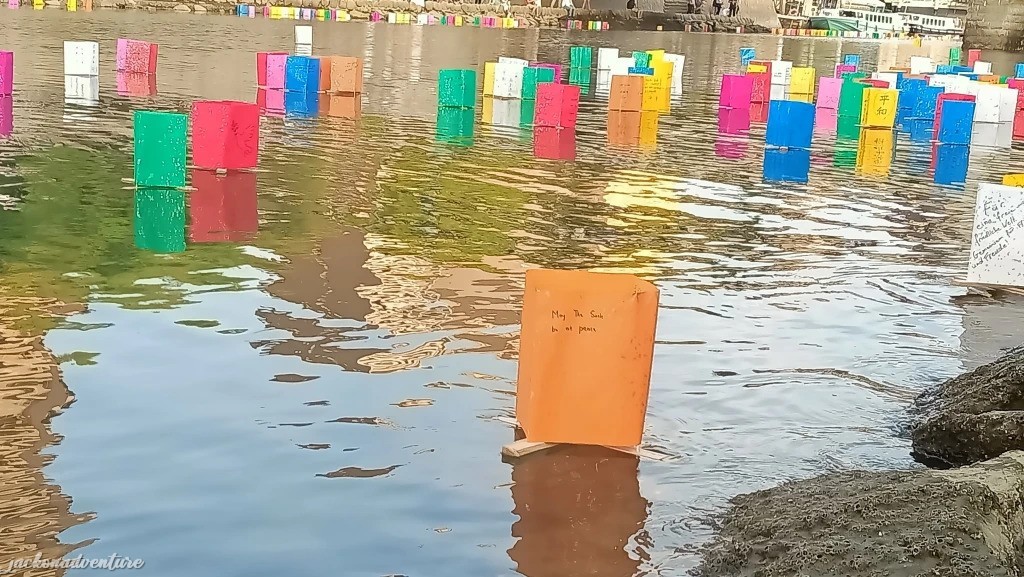
The friendly staff sell these 1,000 yen paper lanterns in different colors to participants at the booths around the park. Traditionally, the family members and friends write the names of the victims on the lanterns before floating them. Nowadays, many visitors can write wishes to live in a better world.
Once the preparation is done, follow the long queue at the memorial park to the river bank. One of the staff members will help to assemble the lantern by putting a wooden frame and lighting a candle in it. Then, it’s time to release the paper lantern onto the river and let it float.
The river around the Atomic Bomb Dome is packed with people watching the lanterns traveling downstream. A calm live performances were sung by the school choir followed by live violin music quietly playing in the background. The lanterns brighten the river at night to create a beautiful yet heartbreaking sight.

Coming to Japan Real Soon?
If you like to travel to other parts of Japan, here are some ideas of cities and towns worth visiting with the best things to do. There are also stories about my experience on the Shinkansen train ride and WWOOFing in Japan.
- Tokyo in 2024
- Tokyo in 2023
- Kamakura
- Nagoya
- Nagano
- Takayama
- Gujo
- Ise
- Kumano Kodo
- Okayama
- Miyajima
- Mt Fuji
- Kyoto
- Arishayama
- Nara
- Osaka
- Shinkansen Train
- WWOOFing in Japan
Like It? Pin This Article.


 Jack on Adventure
Leave a comment