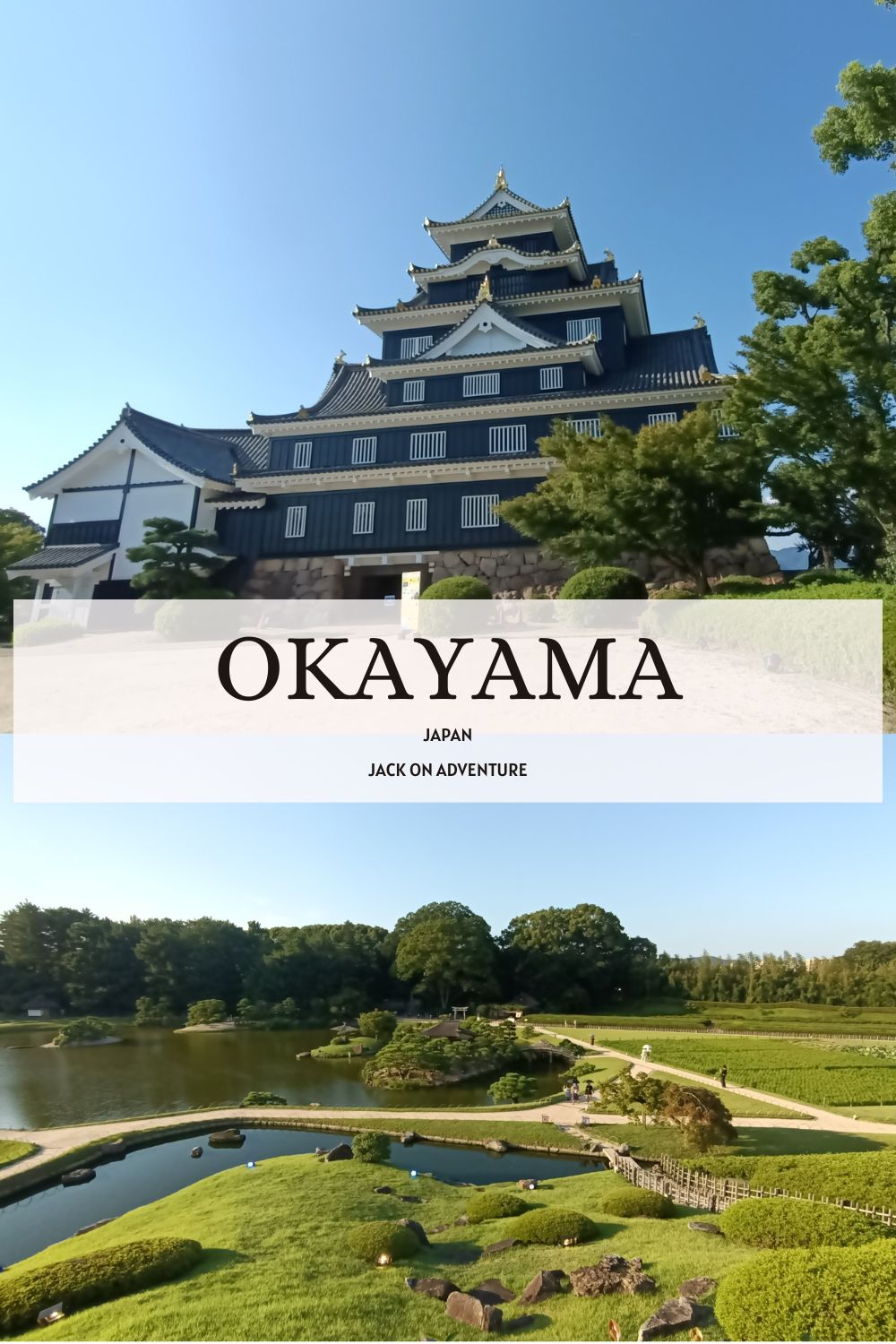
Okayama is a quiet and small city in the Chūgoku region of Japan. The city is often overlooked by travelers to its neighboring Hiroshima and Osaka- which is obviously a shame! Its prefecture is named the “Land of Sunshine” since it has more sunny days than other parts of Japan and can expect some nice weather here.
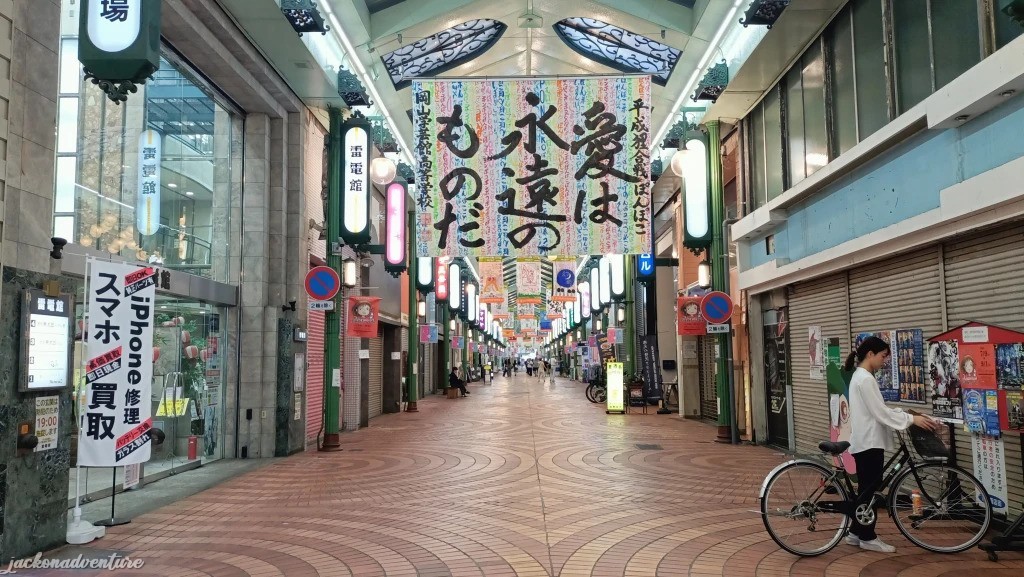
The city offers a mix of traditional folklore and modern-day conveniences. Okayama is the largest producer of the juicy white peach. The legendary folk story of Momotaro is well known among the locals as the “Peach Boy” who became a local hero and symbol to Okayama.
Best Time to Visit
The temperature in Okayama is comfortable all year round, making it a perfect destination to visit. Late March to early April is the cherry blossom season. Wander along the Asahi River walkway east of Korakuen Garden, and there are 200 trees in bloom. Traveling during this time can be very busy and expensive. The Golden Week in the first week of May is expected to be packed with locals traveling around Japan because everyone gets time off work.
During the summer, the weather is between 25 °C and 30 °C, with August being the hottest month. However, don’t let the high temperature stop you. Various events are held here, including the Momotaro Festival and different art festivals.
If you come to Okayama in autumn, you can enjoy the foliage of leaves as they change from green to bright orange, yellow and red. The temples, shrines and gardens are great places to view the autumn colors from September to November.
Visitors who love cooler temperatures can travel to Okayama between December and February. You can enjoy a pleasant visit with fewer crowds and accommodations tend to be more affordable.
Getting There
By Train

The fastest way to get to Okayama City is by Tokaido-Sanyo Shinkansen train. The train passes through big cities including Hiroshima, Osaka, Kyoto and Tokyo. You can take a direct Hikari Shinkansen train with a JR Pass.
If you do not carry a JR Pass, I recommend taking the Nozomi Shinkansen train if you have a JR Pass. The train fare is slightly higher but it stops at fewer train stations and will save time to travel to Okayama Station. The Nozomi train only takes 48 minutes from Shin-Osaka, 35 minutes from Hiroshima, 1 hour from Kyoto and a little more than 3 hours from Tokyo.
Getting Around
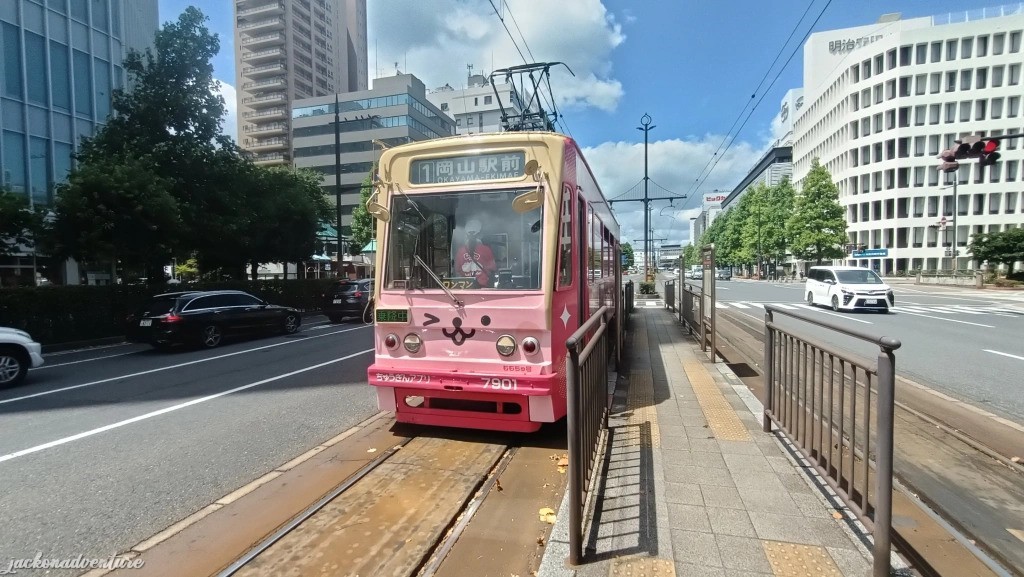
Okayama is not a big city and it is pretty easy to explore on foot. If you prefer to take public transport, the two tram lines that run around the city are called the Higashiyama Line and the Sekibashi Line and they depart regularly outside Okayama Station.
The fare starts from 120 yen for each journey and you can pay with Suica, Icoca or other IC cards. Otherwise, take a ticket when boarding the tram and pay before getting off the tram at the front door. You can get a one-day pass for 400 yen with unlimited tram rides If you are going to use the tram very frequently.
Several attractions are located a little further away from the city but they are reachable with its excellent public transport. The Bitchu Matsuyama Castle located about 51 kilometers away from Okayama is accessible by local train and bus. The trip is absolutely worth the time as it is surrounded by spectacular panoramic views.
The Best Activities for 2 Days in Okayama
If you’re planning to visit Okayama, I recommend spending 2 days exploring the city. Okayama is filled with many interesting historic sites and hidden gems. Travelers who love hiking and enjoy taking the off-the-beaten-path can venture out of the city center to marvel at the incredible Bitchu Matsuyama Castle.
Read on and see what things to see and do for the next 2 days in Okayama.
Be greeted by the famous Momotaro
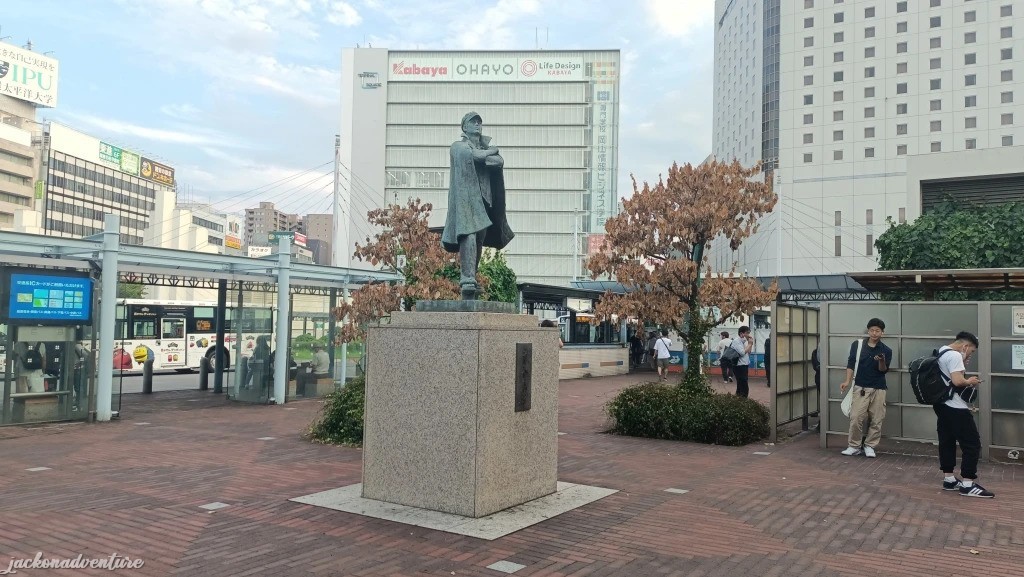
You can’t visit Okayama without meeting Momotaro. The statue of the peach boy is just outside the east exit of the train station. Have a look out for his image too of the colorful manhole located throughout the city.
According to the local folk tale, an old childless woman spotted a giant peach floating down when washing her clothes at the river. She brought the peach home to her husband and cut it open to eat. To their surprise, they found a talking boy inside the fruit. He explained that he was sent from heaven to be their child. The old couple named him Momotaro as ‘Momo’ translates as peach and ‘Taro’ means the eldest son in the family.
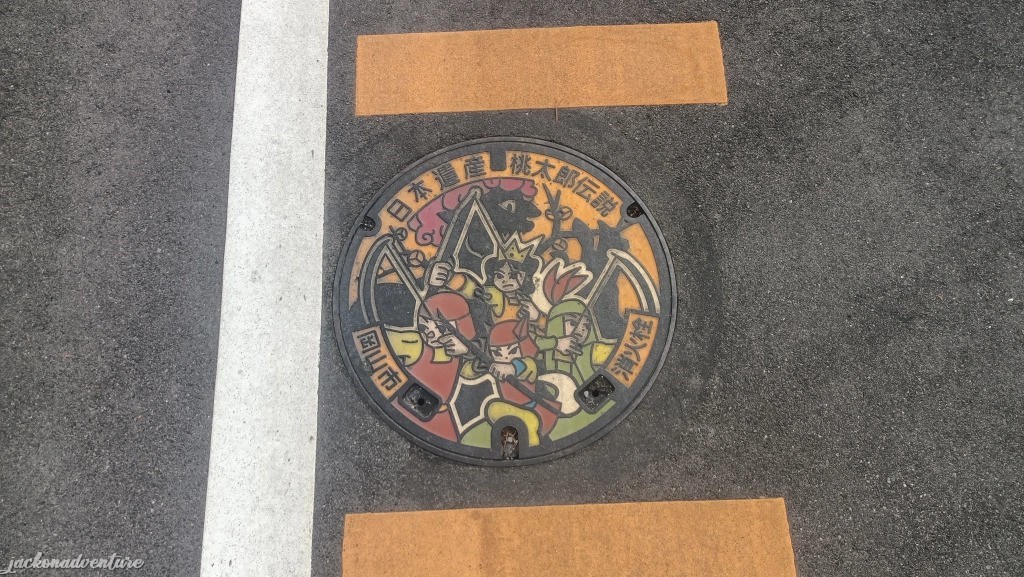
As he grew older, he left his family to fight the band of Oni demons who rampaged the land. The old lady prepared some dumplings for his journey to an island filled with demons. He made some friends along the way with a monkey, a dog and a pheasant who can talk. They promised to help him defeat the demons in exchange for a portion of his food. They defeated the demons and returned to his village happily as heroes with the demons’ treasure and the demon chief as a captive.
Location: 1-1 Ekimotomachi, Kita Ward, Okayama
Enjoy a peaceful time at Sogenji Temple

Sogenji Temple is a hidden gem of Okayama located at a little out of Naka Ward. It is a lesser-known destination sheltered with lush forest and beautiful garden. Autumn is one of the best seasons to visit to admire its stunning fall foliage blanketed in red, amber and yellow leaves.
The Buddhist temple was founded by the second lord of the Okayama Clan Ikeda Tsunamasa as his family temple in 1698. It is dedicated to his great-great-grandfather. Behind the main temple is the cemetery of Ikeda family.
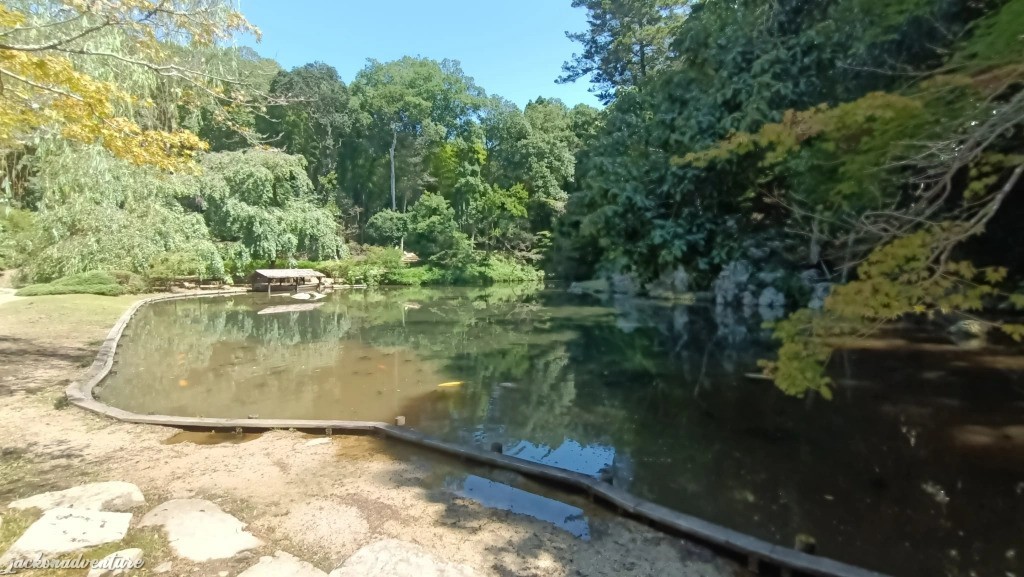
If you’re interested in learning Zen Buddhism, you can actually stay at the monastery. Many foreigners come here to volunteer and practice Zen meditation with the temple monks. For those who don’t want to stay, you can attend an hour free meditation session every Sunday at 8 am.
Location: 1069 Maruyama, Naka Ward, Okayama
Getting There: Take the Bus 314 from Okayama Station to Sogenji bus stop and walk 5 minutes to the temple
Opening Hours: Daily from 7 am to 5 pm
Entrance Fee: Free (An entry fee of 100 yen to the garden)
Explore Okayama Castle
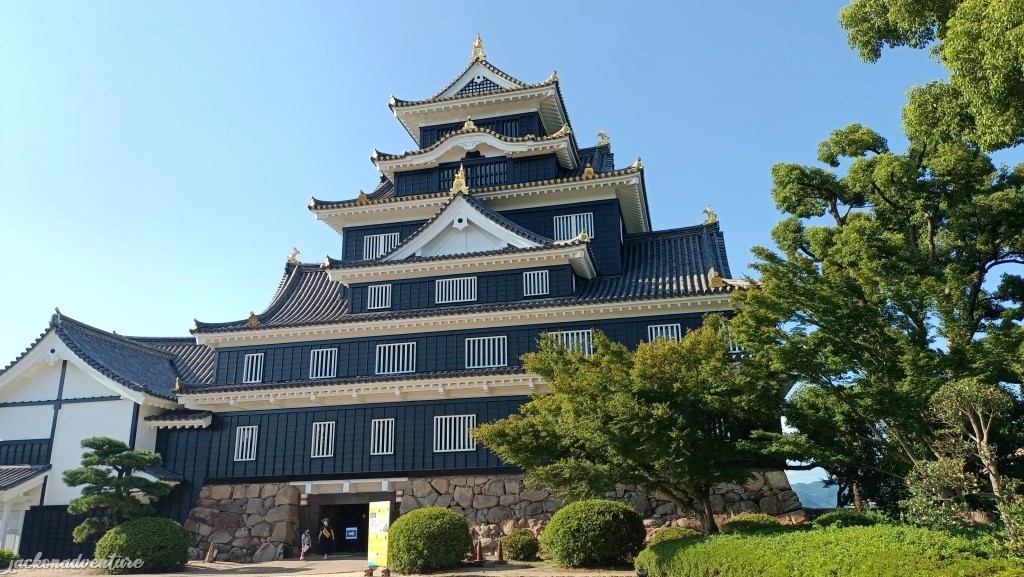
Sits on the banks of Asahi River, Okayama Castle (岡山城) was built in 1597 in the style of the Azuchi-Momoyama Period. The castle is named “Crow Castle” due to its dark, black exterior. The river served as a moat back in the day.
Like many historic buildings in Japan, the city castle was destroyed during World War II but was rebuilt in 1966. Two of the castle’s towers- Tsukimi Yagura from 1620 resisted the bombings and became an important cultural heritage.
Inside the six-storey castle keeps exhibits the history of the city castle. For those history buffs, you can learn about one of Japan’s greatest Battle of Sekigahara that drastically changed the fate of three generals named Ukita Hidelee, Kobayakawa Hideaki and Ikeda Terumasa.
There is a little pottery studio where you can experience the Bizen-yaki making- a type of pottery to Okayama Prefecture (You need to book a slot). You can admire the panoramic view of the Asahi River, the bridge and Okayama City from the top floor of the castle.
Location: 2 Chome-3-1 Marunouchi, Kita Ward, Okayama
Getting There: Take the Higashiyama Line city tram to Shiroshita stop and walk to the castle in 10 minutes
Opening Hours: Daily from 9 am to 5.30 pm
Entrance Fee: 300 yen
Wander along Korakuen Garden
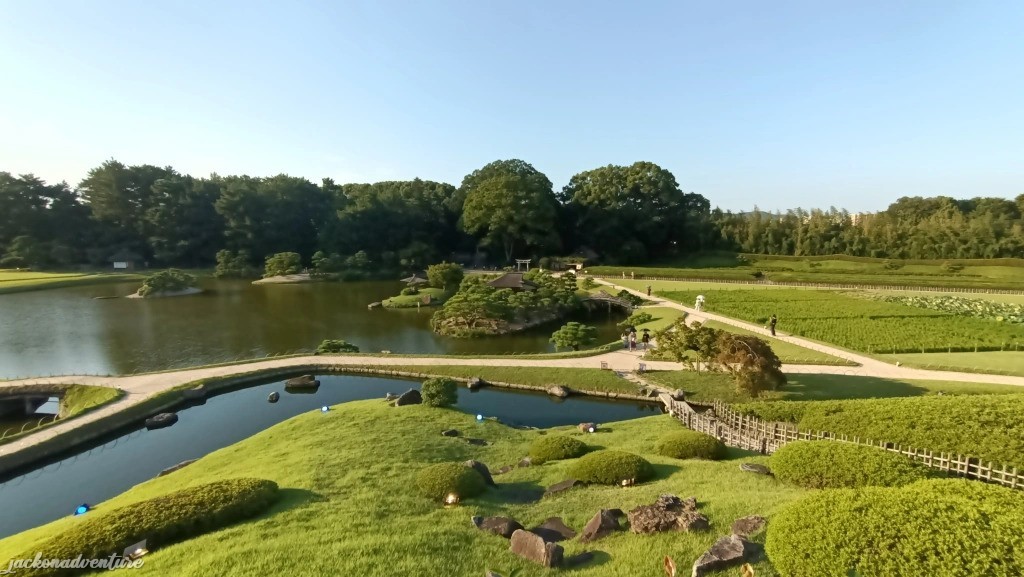
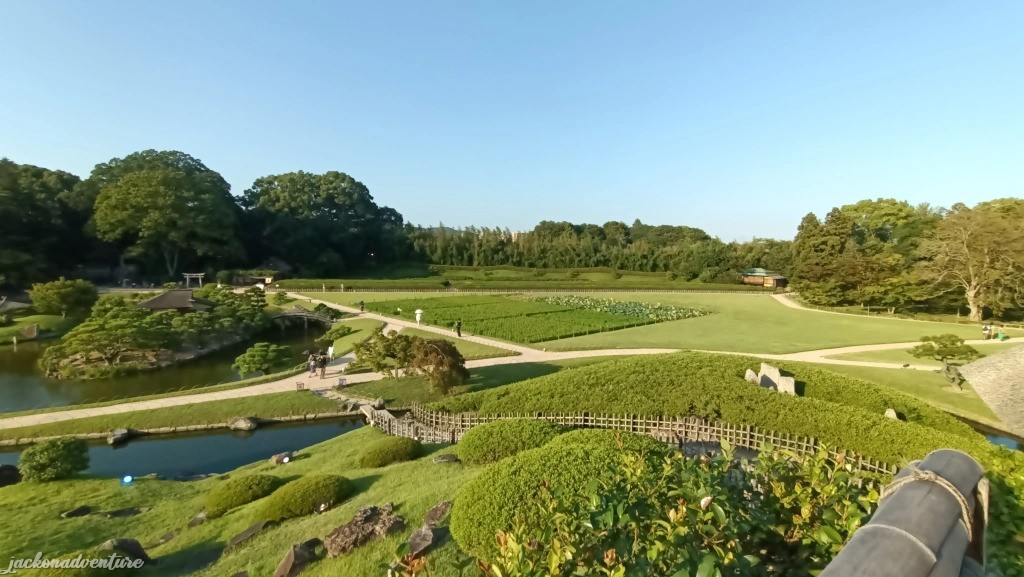
Located across the river from Okayama Castle, Korakuen Garden is ranked one of the Three Great Gardens in Japan since the Edo Period. This charming 14-hectare garden was created by a local feudal lord Ikeda Nagatada in 1687 which can be seen as “borrowed scenery” and took 14 years to complete. It was used to entertain his family and important guests.
The garden suffered severe damage from a flood in 1934 and during World War II but has been restored to its former glory. It features a large pond with stone bridges and small shrines, walking paths and a magnificent vantage point from a hill.
Take a leisure time to relax on its extensive lawns with groves of plum, cherry and maple trees, tea and rice fields and a cluster of bamboo. You can enjoy a cup of Matcha tea at the teahouse while enjoy the beautiful lake and its surroundings. Many people celebrate hatami, a celebration of spring where Japanese people gather under the beautiful cherry blossom for a picnic.
Location: 1-5 Korakuen, Kita Ward, Okayama
Getting There: Korakuen has two entrance gates. Take the Higashiyama Line city tram to Shiroshita and walk 10-15 minutes to the southern gate. Alternatively, take the Korakuen Bus from Okayama Station to Korakuen-mae bus stop and walk 10 minutes to the main gate
Opening Hours: March to September: Daily from 7.30 am to 6 pm/ October to February: 8 am to 5 pm
Entrance Fee: 500 yen
Hike up to Bitchū Matsuyama Castle
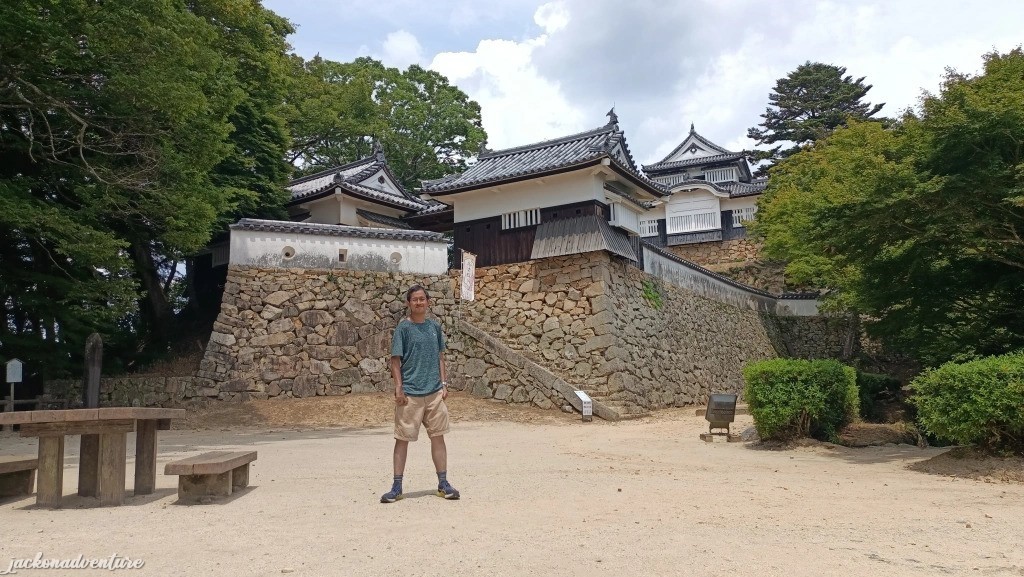
Perched 430 meters above sea level on Mt. Gagyu, Bitchū Matsuyama Castle (松山城) holds its “Tenshu” at the highest place in Japan on the steep mountain of Takahashi town. It is the oldest and only mountaintop castle among the twelve original castles which have survived the post-feudal age intact.
The castle tower was originally built in 1240 by Akiba Shigenobu as a defensive fortress on steep mountains to withstand a siege by enemies. It has the lord’s living room and a sunken fireplace for the people to prepare meals when defending the city.
It takes a half-day trip to go hiking to the castle keeps and the trail isn’t easy but you will be rewarded with breathtaking views of the small town below and green nature. It takes about 30 minutes from the bus stop to climb the moderate rocky path to Fuigo Pass parking lot and a 15-minute easy walk to the ruined foundations of former castle structures and the innermost castle grounds. The castle is often shrouded in clouds during the colder months of the early morning hours.
Location: 1 Uchisange, Takahashi, Okayama
Getting There: Take the Hakubi Line train from Okayama Station to Bitchū-Takahashi Station and transfer to a local bus to Jomachi Station before taking the trail about 5 minutes away
Entrance Fee: 500 yen
Stroll around Kibitsu Jinja
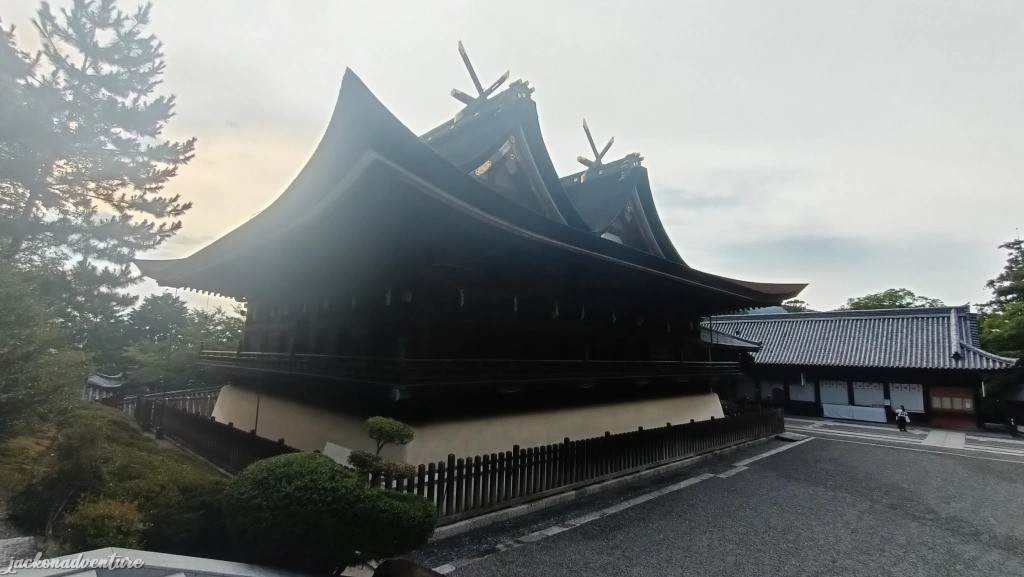
Kibitsu Jinja is the former head shrine of the Kibi Kingdom and the guardian of the Province. The mountain has been worshipped as a sacred mountain since the ancient period. The Shinto shrine began as a place for the Kibi clan and their ancestors were worshipped as gods.
There is a poem about the mountain scenery in a poetry anthology in the 10th century. Legends said that a prince of ancient Japan named Kibitsuhiko-no-Mikoto battled the ogre called Ura who tormented the villagers. The prince set up his camp at Kibi no Nakayama to battle the creature and pierced one of the ogre’s eyes with an arrow, turning it into a bird and flew away.
Location: 931 Kibitsu, Kita Ward, Okayama
Getting There: Take the Momotaro Line train from Okayama Station to Kibitsu Station and walk 15 minutes to the shrine. If you come from Bitchū Matsuyama Castle, take the Hakubi Line train from Bitchū-Takahashi Station to Soja Station and transfer to the Momotaro Line train to Kibitsu Station
Opening Hours: Daily from 5 am to 6 pm
Entrance Fee: Free
Coming to Japan Real Soon?
If you like to travel to other parts of Japan, here are some ideas of cities and towns worth visiting with the best things to do. There are also stories about my experience on the Shinkansen train ride and WWOOFing in Japan.
- Tokyo in 2024
- Tokyo in 2023
- Kamakura
- Nagoya
- Nagano
- Takayama
- Gujo
- Ise
- Kumano Kodo
- Hiroshima
- Myajima
- Mt Fuji
- Kyoto
- Arishayama
- Nara
- Osaka
- Shinkansen Train
- WWOOFing in Japan
Like It? Pin This Article.

 Jack on Adventure
Leave a comment