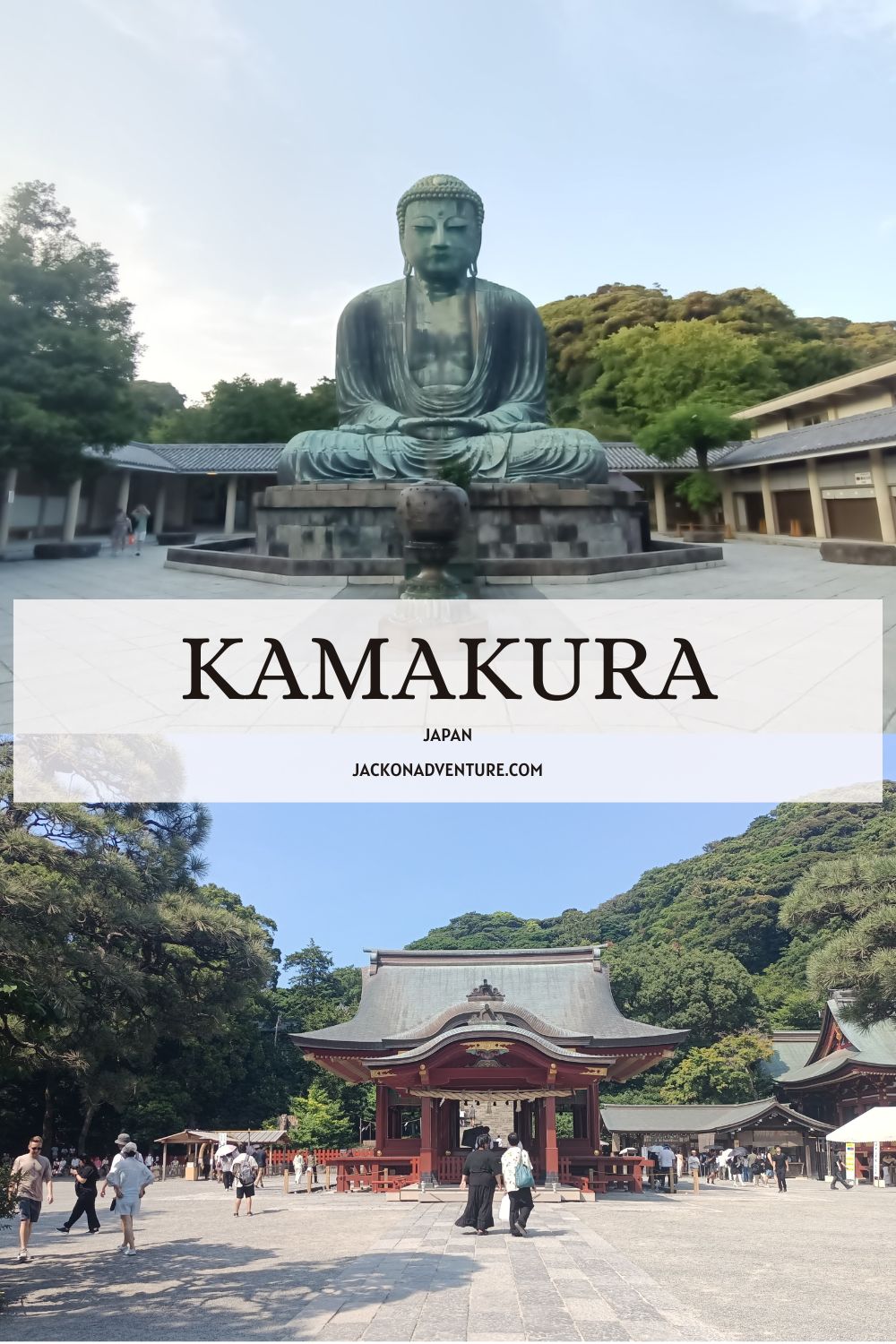
Located an hour from Tokyo, Kamakura is a beautiful seaside city in Kanagawa prefecture. The charming city is a perfect escape from the bustling metropolitan to unwind the calmer side of Japan. It is home to ample temples and shrines, beaches and a serene bamboo groove that’s a smaller scale than the Arishayama bamboo forest in Kyoto.
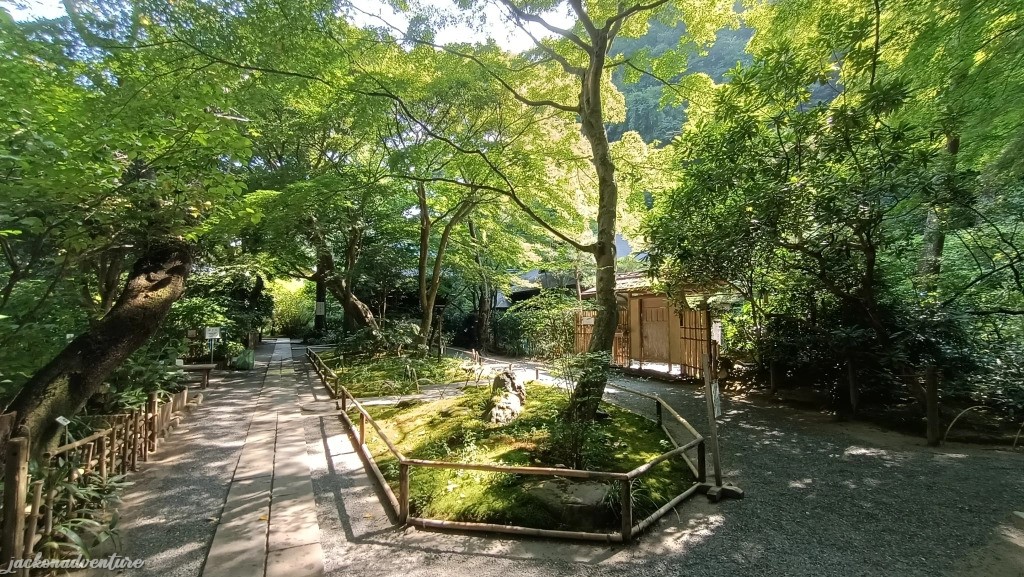
Known as the “Little Kyoto” of Eastern Japan, this coastal city was once the political capital of Japan from 1185 to 1333 during the rule of the Kamakura shogunate. The country saw the creation of samurai warriors and feudalism in Japan and strongly influenced the country’s history during this period.
Best Time to Visit
The spring and autumn months are the best time to visit Kamakura. The weather is mild and the natural scenery is at its most stunning. Spring, particularly from late April to early June is a favorable season to witness the hydrangea blooms in full glory at Meigetsu-in and other locations. Autumn from September to November offers a magnificent display of fall foliage, providing a picturesque backdrop to the town’s historic sites.
If you don’t mind the summer heat, come between July and August to enjoy the beautiful beach and experience many traditional local festivals such as Kamakura Fireworks Festival at the end of July. Winter can be very cold occasionally down to 7°C. You can visit the city in January for Hatsumode, the first visit to the shrine in the New Year.
Getting There
From Tokyo
If you’ve already spent a few days in Tokyo, you will know that the transport can be a bit confusing and make you feel overwhelmed. I had felt the same way on my first trip to Tokyo. It is because there are so many different private train companies that offer various options.
So if you want to take a day trip to Kamakura, there are few options to get to the coastal city. The JR Yokosuka Line, JR Shonan Shinjuku Line and Odakyu Railways train depart from different stations. So, it depends on where you’re staying and which station is most convenient.
JR Yokosuka Line: It is best to take the JR Yokosuka Line train if you’re staying near Tokyo Station. A one-way trip takes just under an hour and costs 950 yen. The train also stops at Shinagawa Station, Yokohama Station and Kita-Kamakura Station.
JR Shonan Shinjuku Line: It also takes around 1 hour and costs 950 yen each way. These trains bound for Zushi depart every 30 minutes and arrive at Kamakura Station. It is more convenient if you’re staying near Shinjuku Station.
Odakyu Railway: The Odakyu’s Enoshima Kamakura Free Pass is the cheapest way to travel and visit Kamakura. The round trip between Shinjuku and Enoshima costs 1,640 yen and comes with unlimited use of Enoden trains. Bear in mind that you will spend almost twice the time to reach Kamakura on Odakyu Railway than the two JR trains.
From Yokohama
Yokohama is much closer to Kamakura which makes a great day trip as well. You can catch either JR Yokosuka Line or JR Shonan Shinjuku Line and both trains take only about 25 minutes to reach Kamakura.
Getting Around
Kamakura is a compact city and the best way to soak up Kamkura history is to get around on foot. You can comfortably walk to the main sites with short hikes since the temples, shrines and beaches are pretty close to each other.
If you prefer to take public transport, the buses in Kamakura are inexpensive and the easiest way is to pay with Suica or Passmo card. If you don’t have either one of the cards, you can buy a ticket from the bus driver. The fare usually costs 200 yen around Kamakura.
A good option is to buy the Kamakura Free Kankyo Tegata travel pass if you often use the local public bus. The pass costs 570 yen for adults and 290 yen for children with unlimited buus rides for the day
Alternatively, take the electronic train called the Enoden train. The train runs from Kamakura Station to Eoshima as it goes along the beach side. You can also use Suica or Passmo to board the train or buy tickets from the machines located at the station. The cute train has become an attraction of its own. People love to take pictures with the train with the backdrop of the ocean. Continue reading to find out why…
The Fun Activities for a Day Trip to Kamakura
This beautiful Kamakura makes a great day trip from Tokyo or Yokohama to immerse its history, culture and stunning natural landscapes. With many sightseeing and temple hopping to do, having this guide will hopefully give you an idea of what to do with a limited time and want to experience the main highlights.
Wander around Meigetsuin Temple
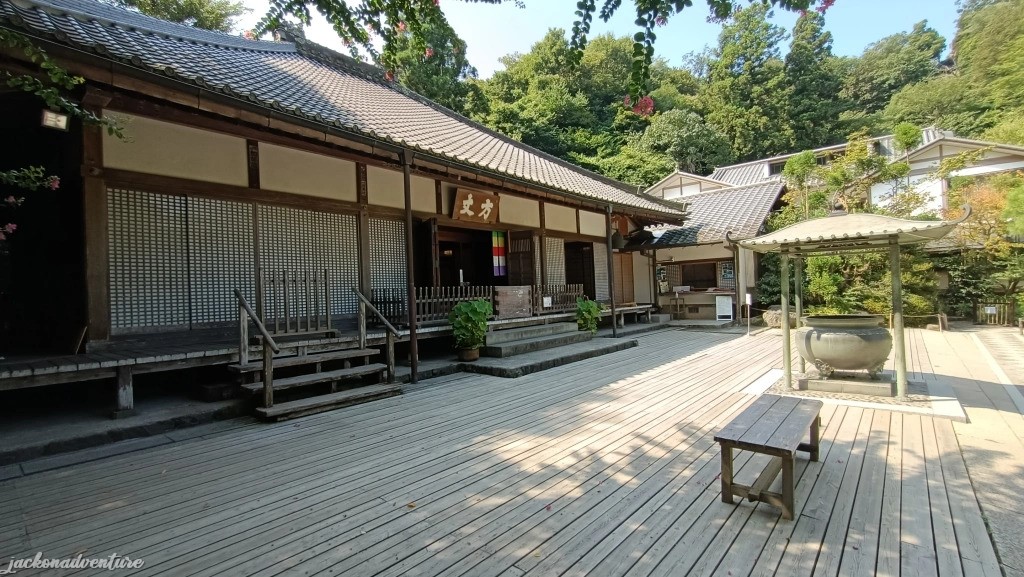
Located a little off-the-beaten-path of Kamakura town, Meigetsu-in Temple (明月院) will be the first stop to start the Kamakura adventure. The temple was built by a son in memory of his father who died in the struggle for power between the Taira and Minamoto clans in the late Heian Period (794-1185). It was part of a larger temple complex called Zenkoji, which was demolished after the Meiji Restoration and became an individual temple today.
Meigetsu-in Temple is also known as Ajisaidera-Hydrangea Temple because hydrangeas are in full bloom around the complex during the rainy season in June. Most of the hydrangeas species here are the Hime Ajisai-Princess Hydrangeas which are blue in color.
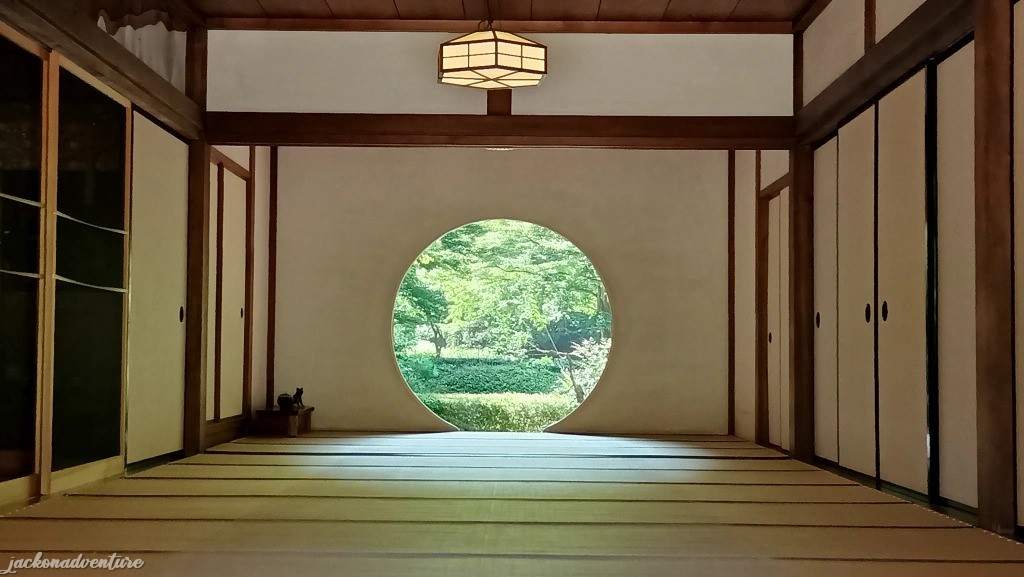
The main hall features a beautiful circular window with the scenery of the inner garden behind it. If you’re here in June, the inner garden is open to view the blooming irises or the autumn colors in late November or early December.
Location: 189 Yamanouchi, Kamakura
Getting There: Take the JR Yokosuka Line train to Kita-Kamakura Station and walk 10 minutes to Meigetsu-in Temple
Opening Hours: March to November: Daily from 9 am to 4 pm/ December to February: Daily from 9 am to 3:30 pm/ June: Daily from 8:30 am to 5 pm
Entrance Fee: 500 yen (Extra 500 yen for the inner garden during temporary opening)
Stroll through Hokokuji Temple
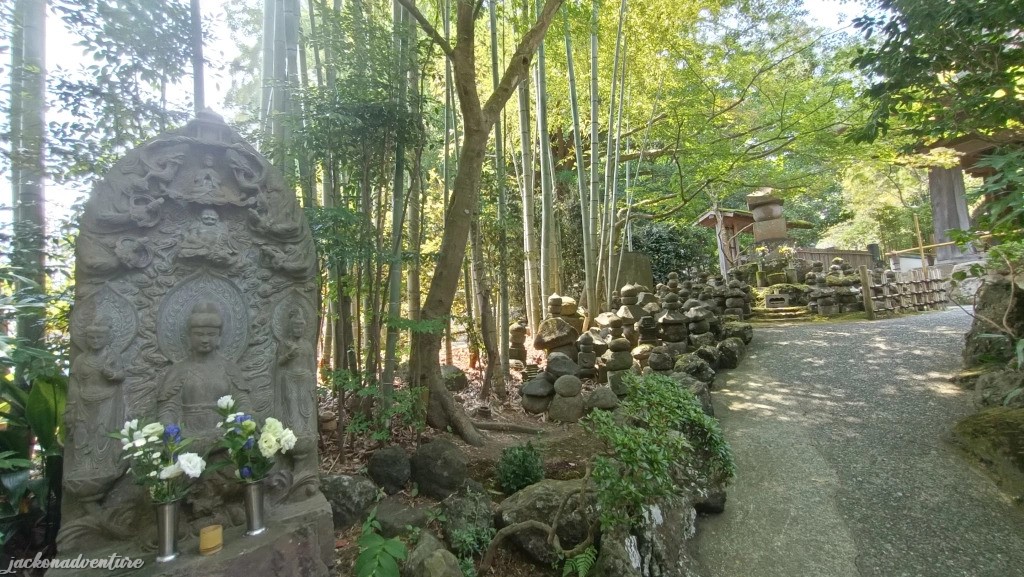
Nestled in the hills of eastern Kamakura, Hokokuji (報国寺) was a small family temple of the ruling Ashikaga Clan founded during the early years of the Muromachi Period. The temple is one of the most famous attractions in Kamakura. The main hall was rebuilt in the 1920s after the Great Kanto Earthquake and houses the historic Buddha statue, the main object of worship.
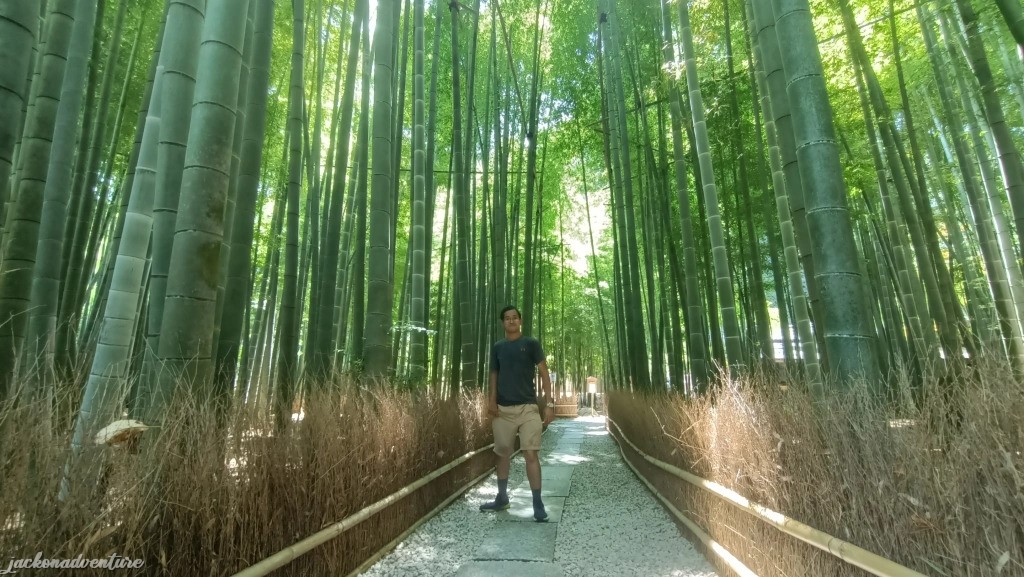
Apparently, Kyoto is not the only city with a famous bamboo forest. Behind the main hall is the small but lovely Bamboo Garden. It is one of the most photogenic backdrops for photographers and Instagrammers in Kamakura.
Also, you can grab a cup of matcha with a sweet and sit in a hut to enjoy the view of the forest. Continue walking to the caves which are believed to be the tombs of the Ashikaga lords.
Location: 2 Chome-7-4 Jomyoji, Kamakura
Getting There: Take bus number 23, 24 or 36 from Kamakura Station to Jomyoji bus stop and take a 3-minute walk to Hokokuji Temple. Alternatively, you can go there on foot in about 30-40 minutes from Kamakura Station.
Opening Hours: Daily from 9 am to 4 pm except December 29 to January 3
Entrance Fee: 300 yen for the bamboo forest and 600 yen for Matcha green tea
Carved for street food at Komachi-dori
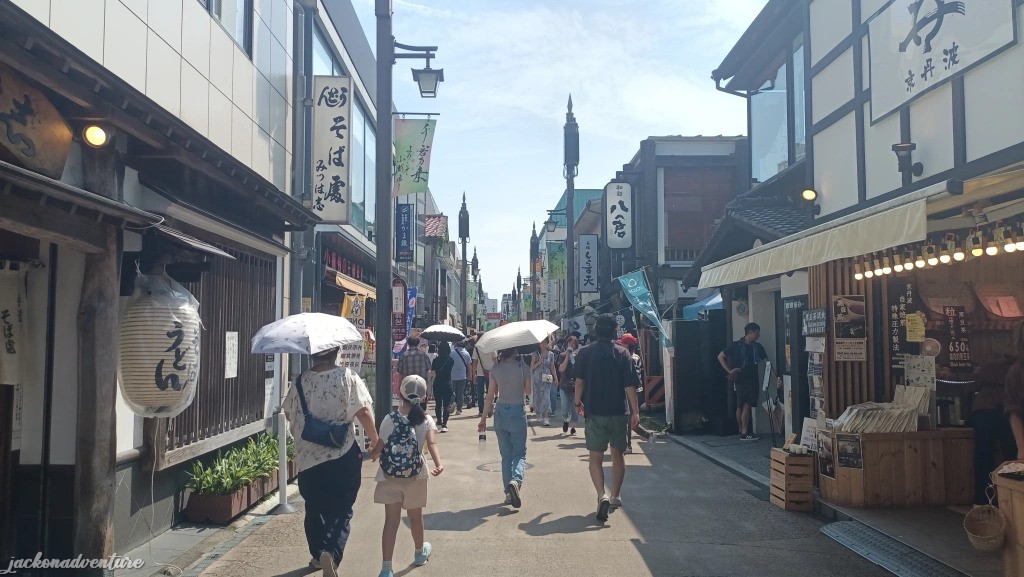
After half-day of walking around Kamakura, the tummy must be craving for food!
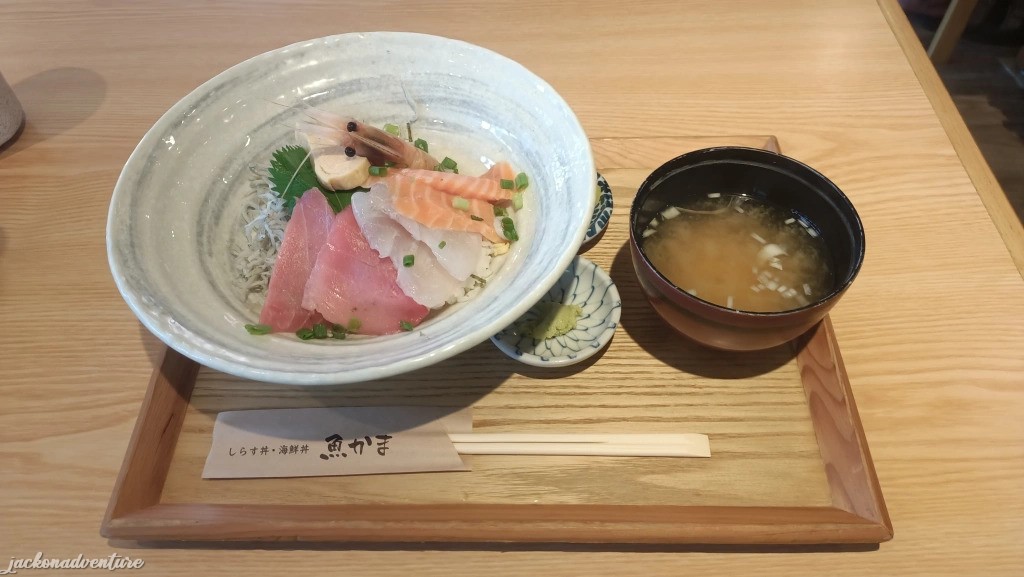
Walk along the famous Komachi-dori near Kamakura Station and you will find many restaurants, cafes and street food! The pedestrian street is filled with an abundance of street food and it’s a great way to sample a variety of Japanese food.
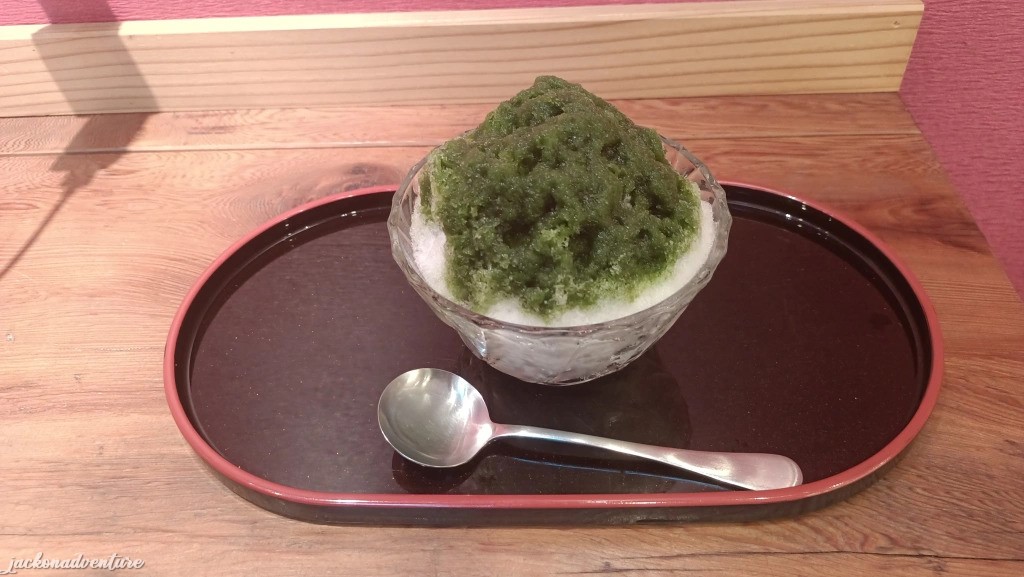
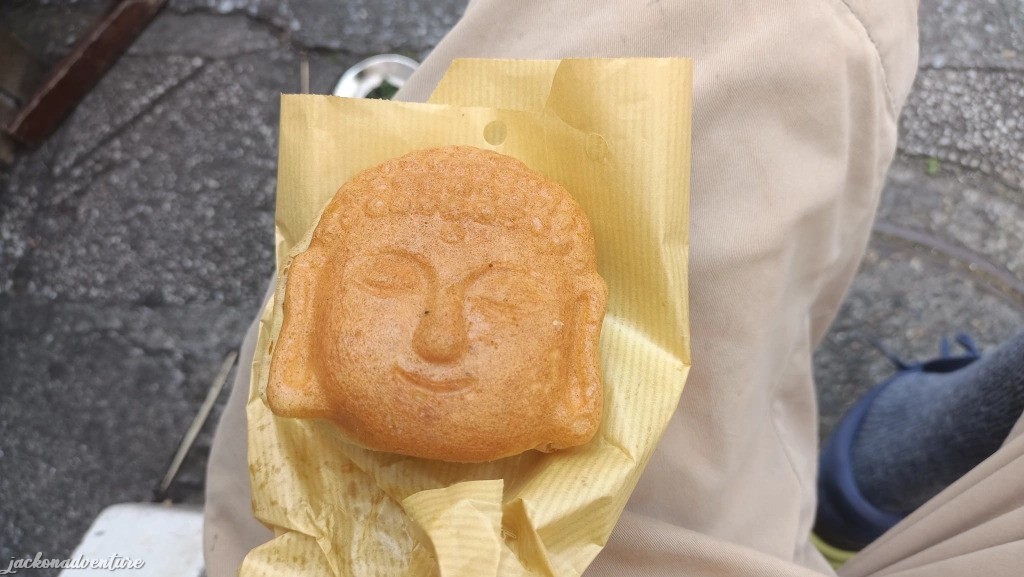
As for dessert and sweet treats, stop by Tomoya for their auspicious sweet signature Daibutsu-sama yaki (Good luck Buddha cake) and savor the Kezuri Gori, an ancient Japanese shaved ice perfect for summertime at Nagashima-ya run by 4th generation owner.
Explore Tsurugoaka Hachiman Shrine
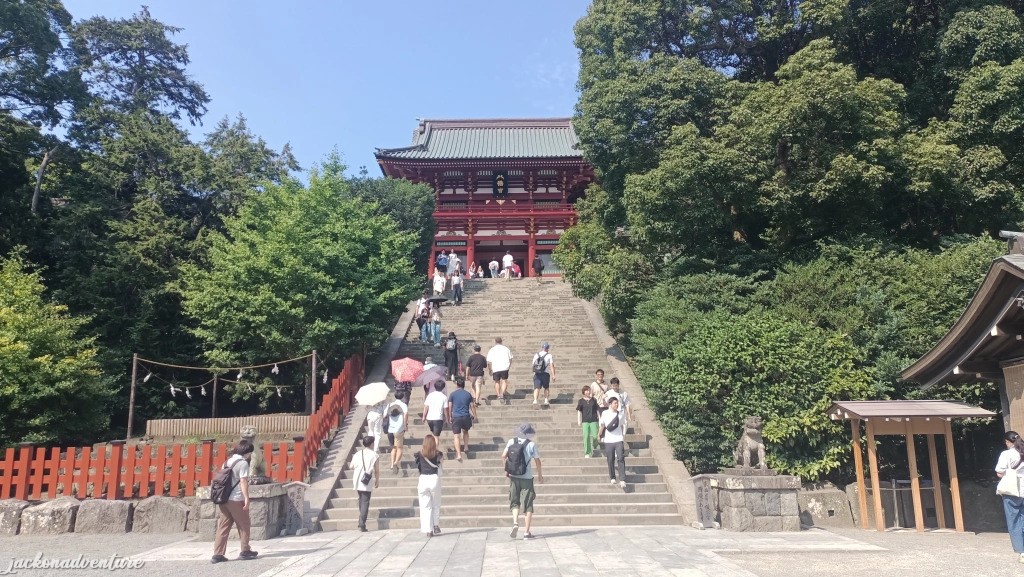
Situated in the heart of Kamakura, Tsurugaoka Hachiman Shrine (鶴岡八幡宮) is the most important shrine that was founded in 1063. It was moved to the present site in 1180 by Minamoto Yoritomo, the founder and the first shogun of the Kamakura government.
The 800-year-old Shinto shrine is dedicated to Hachiman, the guardian deity of warriors and the Minamoto clan. If you’ve extra time, visit the shrine’s museums, the tea house and the treasure hall that houses artifacts such as swords, wovens, uchiki garments and documents predating the shrine’s history.
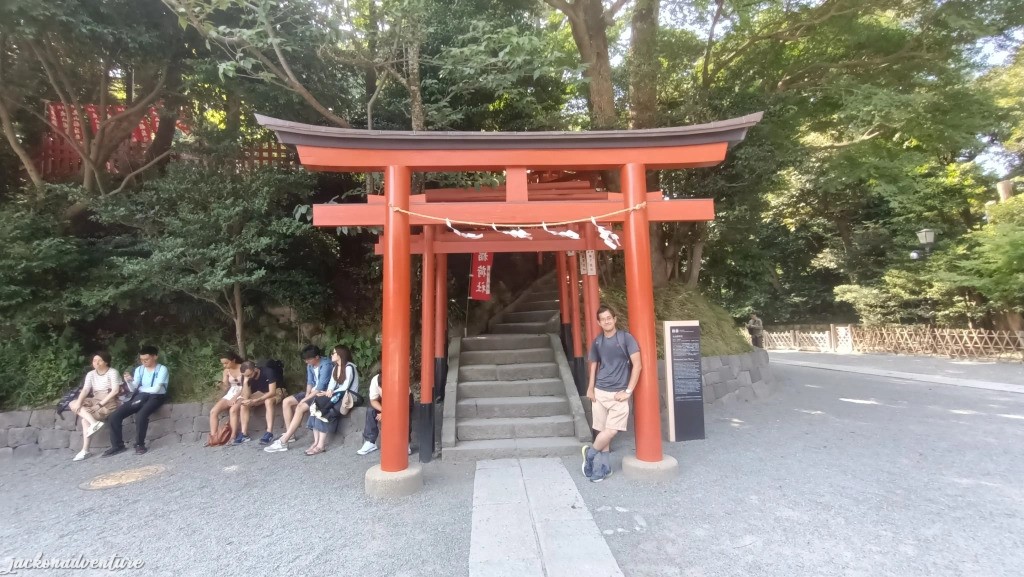
You can also walk to the enchanting shrine ponds with one representing the Minamoto Clan and the other is the Taira Clan.
Many festivals are held here including the annual Reitaisai Festival in September featuring performances of yabusame (horseback archery).
Location: 2 Chome-1-31 Yukinoshita, Kamakura
Opening Hours: April to September: Daily from 5 am to 9 pm/ October to March: Daily from 6 am to 9 pm
Entrance Fee: Free (200 yen to enter the shrine museum)
Get rich washing your money at Zeniarai Benten Shrine

An unusual roadside tunnel unveils a beautiful Eden surrounded by natural rock walls. Beyond the cloud of smoking incense in the dark cave is Zeniarai Benten Shrine with a sacred spring where people have been washing their money since 1257. It is said that if you wash your money in Zaniarai Benten Shrine and spend it, it will return to you multiple times.
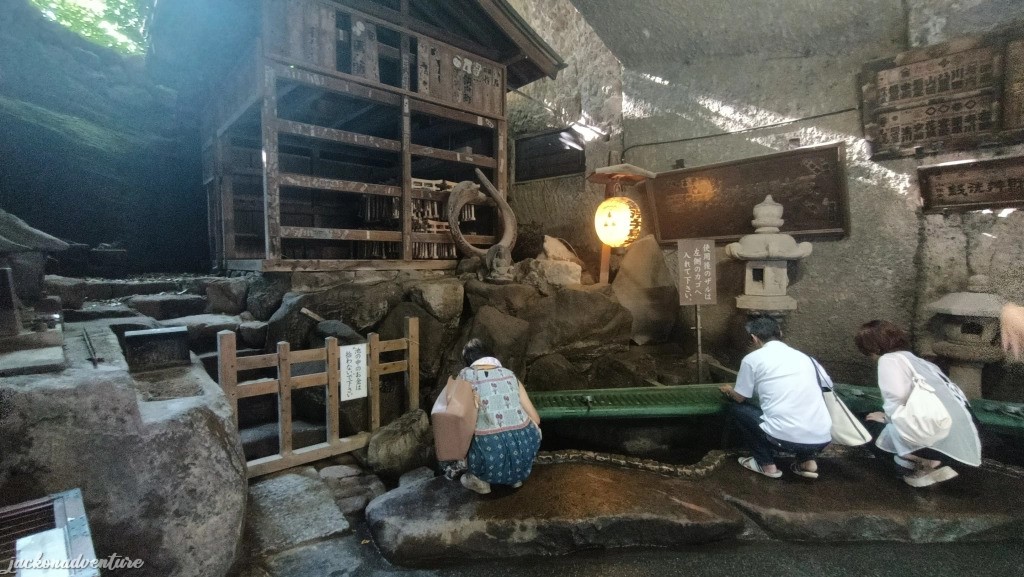
Use a lade and bamboo sieve provided in the shrine, pour the water over coins, paper bills and even credit cards to take advantage of the benefits of this sacred spring. Once you’re done, take a break after a steep climb to enjoy the green serenity surrounding the cliff.
Location: 2 Chome-25-16 Sasuke, Kamakura
Opening Hours: Daily from 8 am to 4.30 pm
Entrance Fee: Free
Roam around Sasuke Inari Shrine
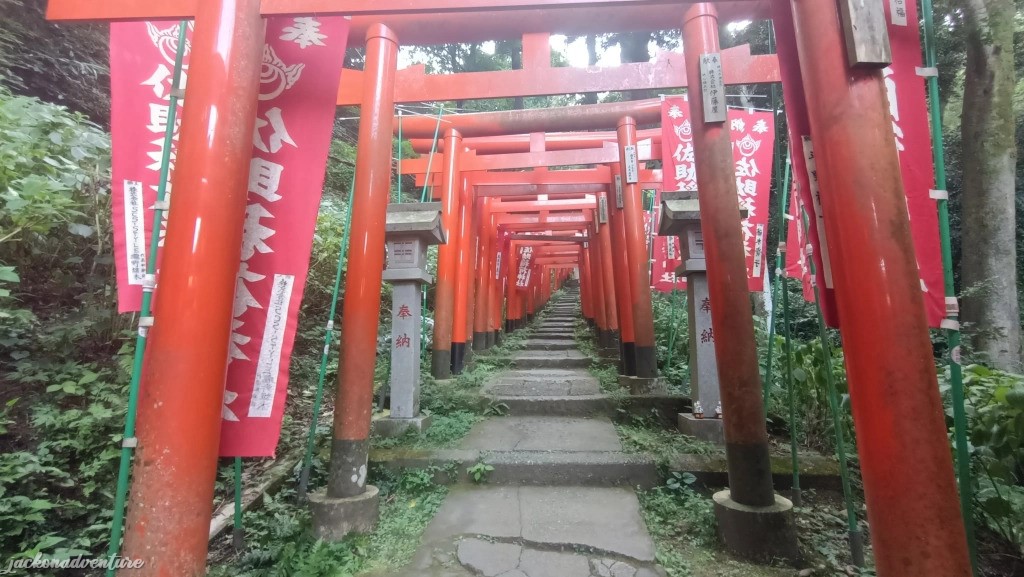
Situated in the green moss forest, Sasuke Inari Shrine is an enchanting hidden gem of the town. Often overlooked by visitors, the entrance of this small Shinto shrine is marked by a long stone stairway lined with red flags and many vermillion torii gates. The pathway leading to the shrine and the complex is surrounded by countless small fox statues, the messengers of Inari.
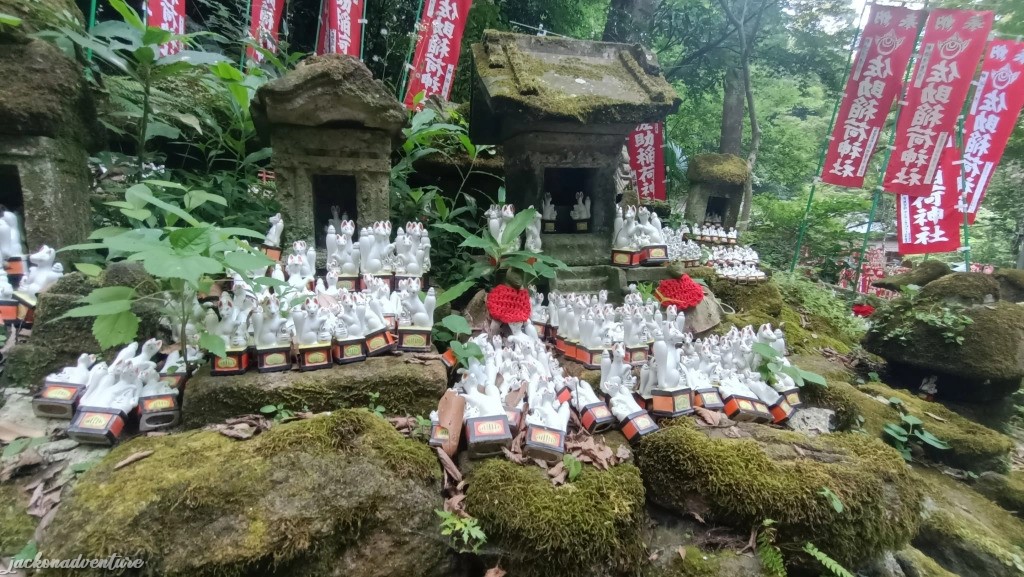
According to the legend, Minamoto Yoritomo was visited by Inari, a fox-like divine spirit in his dream. The spirit told him when to raise an army and attack the Taira clan. After Yoritomo succeeded in establishing the Kamakura shogunate, he built this shrine near the hidden village to thank the gods. He named it Sasuke, with the Chinese ideogram for help (佐 sa) and another kanji from his infancy name (助 Suke-dono).
Location: 2 Chome-22-12 Sasuke, Kamakura
Opening Hours: 24 hours
Entrance Fee: Free
Visit Kotoku-ji Temple
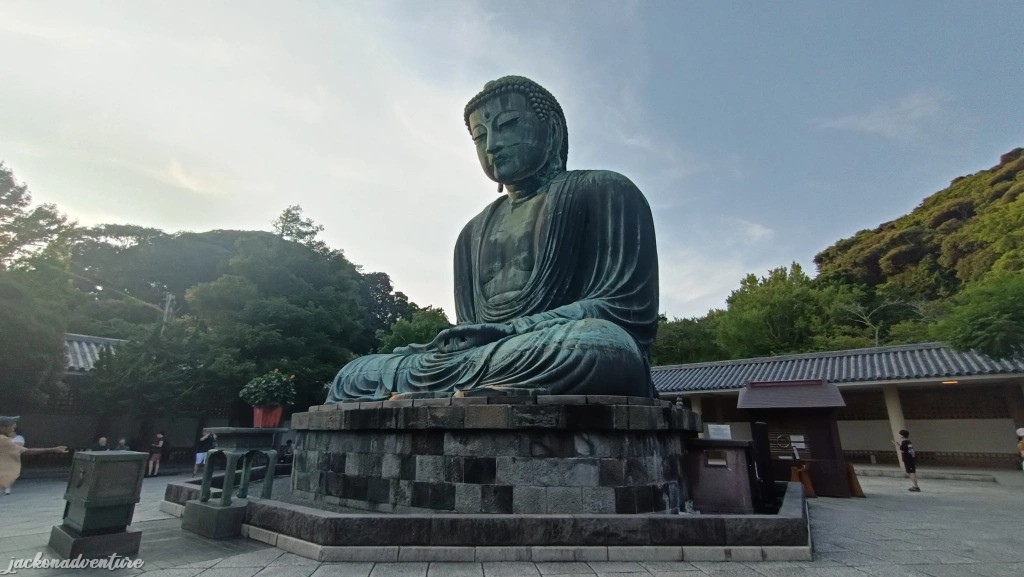
Locally known as Daibutsu, Kotoku-in Temple is home to the second-largest bronze Buddha statue in Japan, surpassed only by the statue in Nara’s Todaiji Temple. The Buddha statue measures 13.35 meters tall including the pedestal and weighs 120 tons. It is the most recognizable historical landmark as it is regarded as an icon in Kamakura.
Completed in 1252, the Kamakura Daibutsu has withstood typhoons, tsunamis and earthquakes. The wooden Daibutsu-den once housed the Great Buddha was destroyed by natural disasters in the 14th and 15th centuries.
To go inside the Buddha statue, you need to pay an extra 200 yen to see the seams where the structure was put together. Worshippers put coins in these seams for good luck.
Today, the Great Buddha sits out in the open air and continues to brave itself through the weather. It inspired me by the Buddha’s strong perseverance against unpredictable destruction.
Location: 4 Chome-2-28 Hase, Kamakura
Getting There: Take the Enoden tram to Hase Station (the third station from Kamakura) and walk 10 minutes to the temple
Opening Hours: April to September: Daily from 8 am to 5.30 pm/ October to March: Daily from 8 am to 5.30 pm
Entrance Fee: 300 yen (extra 200 yen to enter the Big Budha)
Ride the delightful seaside Enoden train
Experience the retro appeal of Enoden into the heart of Enoshima is one of the biggest highlights in Kamakura. This beloved Japanese vintage train continues to fascinate travelers with its nostalgic charm and passes through both traditional and modern shops and houses; ancient temples and shrines, and breathtaking sightseeing spots.
The Enoshima Electric Railway aka Enoden started its operation back in 1902 between Katase and Fujisawa along the coastline. It is the sixth oldest railway in the country and was the first to operate with electrical equipment from Germany.
Walk behind the scene of ‘Slam Dunk’ at Kamakurakōkō-Mae Station

Take the Enoden tram to Kamakurakōkō-Mae Station where the commuter station is a popular sightseeing spot known for “The Crossing” in Slam Dunk. It is a Japanese sports manga series written and illustrated by Takehiko Inoue. Dotted on the west side of Kamakura, many scenes are created based on the real scenery of the Shonan area in Kanagawa, concentrated in Kamukura and the surrounding area.
Although I hadn’t watched this Japanese anime, I was mesmerized by the scenery of the crossing with the stunning backdrop of the sea and the green-yellow retro Enoden train passing by the tracks. Many Slam Dunk fans and locals gather here to appreciate the moment of this picture-perfect view of the scenic views.
Location: 1-chōme-1 Koshigoe, Kamakura
Soak up the beach vibe at Yuigahama Beach
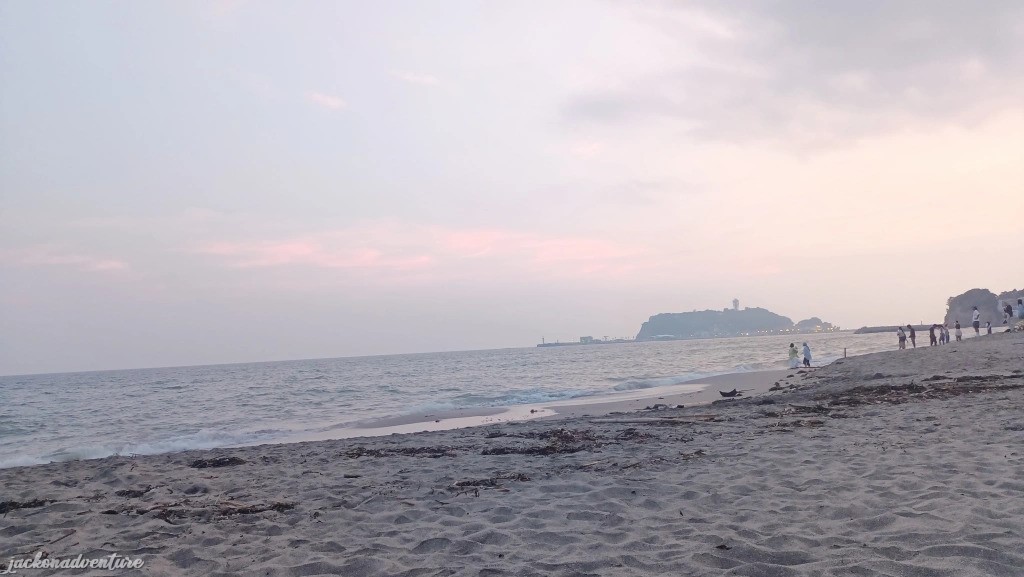
Yugihama is a popular beach in Kamakura and it is easy to access from Hase Station. If you have visited Hasedera Temple or Kotukuin Temple, it takes only 15 minutes to walk to the beach.
Don’t forget to pack swimsuits and dive into the idyllic water during the summer. Yugihama Beach has relatively gentle waves and is a safe option for beginner swimmers and surfers. Everyone else like me just sit on the sandy beach and have a great time enjoying the beach vibes.
It was amazing to watch the rest of the evening go by with locals and visitors sunbathing, walking their dogs and spending time with families and friends.
I was truly blessed to spend the last two days in Japan and explore Kamakura on a wonderful sunny day. To add to that, I watched the incredible sunset with the backdrop of the famous Mt Fuji along the scenic coastline of Sagami Bay.
Coming to Japan Real Soon?
If you like to travel to other parts of Japan, here are some ideas of cities and towns worth visiting with the best things to do. There are also stories about my experience on the Shinkansen train ride and WWOOFing in Japan.
- Tokyo in 2024
- Tokyo in 2023
- Nagoya
- Nagano
- Takayama
- Gujo
- Ise
- Kumano Kodo
- Okayama
- Hiroshima
- Myajima
- Mt Fuji
- Kyoto
- Arishayama
- Nara
- Osaka
- Shinkansen Train
- WWOOFing in Japan
Like It? Pin This Article.

 Jack on Adventure
Leave a comment