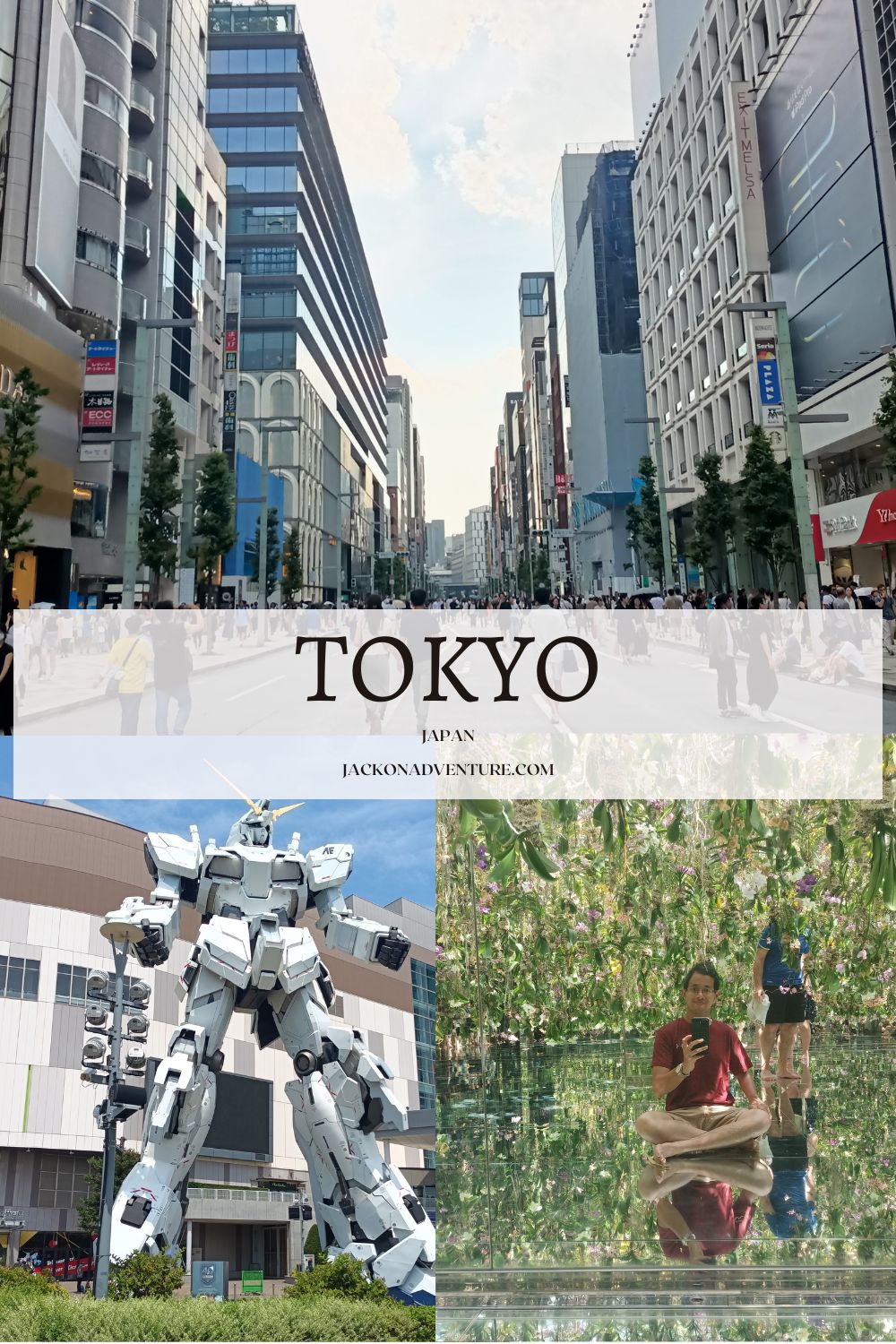
Ohayō (Good Morning), Tokyo. We meet again!!
Welcome to the bustling metropolis of Tokyo, a mega city that will blow your mind. Tokyo is blended with ancient traditions and modern innovation. It has beautiful parks and ancient temples mixed with super-modern buildings and culinary food.
This is my second time in Tokyo after my last trip in 2023 during the beautiful spring season in early April. It is my final destination after spending almost 7 weeks in Japan. My journey begins by hiking the enchanted Kumado Kodo trail, Wwoofing for two weeks at an organic farm out of Nagoya City, explore many small towns around central Japan and visit Hiroshima and Okayama (see below about my full Japan trips).
The world-renowned city never failed to impress me and I have to come back for more because there are many things to see and do. This 2024 summer trip got me to venture into old and new places. With hot and humid weather throughout my Tokyo stay, it didn’t stop me from going to most of the highlights on my new bucket list.
Best Time to Visit
There is never a ‘best time’ to visit Tokyo and it all depends on what you want to see from each season. The city has four distinct seasons that come with their advantages and disadvantages.
The most popular time to visit Tokyo is spring due to the famous cherry blossom season between late March and early April. The weather is mild and pleasant, with temperatures ranging from 10 to 20°C. Flight tickets and hotels are expensive during this popular season as travelers flock in to enjoy the stunning cherry blossom.
The summer from June to August can be hot and humid with temperatures ranging from 25 to 35°C. It is a great time to experience many local summer festivals, outdoor events, and fireworks displays.
Autumn is another popular time to visit Tokyo. From September to November, the city is filled with beautiful fall foliage in parks and temples. The weather is mild, ranging from 15 to 25°C.
Winter is pretty cold from December to February, with temperatures between 0 and 10°C. If you travel during this season, you can enjoy the spectacular winter illuminations and holiday decorations throughout the city.
Getting There
By Plane
Before kicking into the good stuff, there are a few things you need to know before traveling to Tokyo. The city has two airports that serve both domestic and international routes. It depends on when you are flying as they land at different airports.
Narita International Airport
If you are flying from other countries, chances are that you will arrive at Narita International Airport (Airport Code: NRT). The airport handles more international than domestic flights from around the world. After arriving at the airport, you can use the fastest way to the city by JR Narita Express (1 hour, 3,000 yen one way or 4,070 yen round trip) or JR Sobu Line (90 minutes, 1,340 yen one way). These trains will arrive at Tokyo Station.
If you are traveling on a budget like me, Keisei Skyliner perhaps the better option (40 minutes, 2,570 yen) and the service runs every 20-40 minutes. Travelers from overseas can enjoy a discounted rate at 2,300 yen and the ticket can be purchased in the ticket office at the airport. The train will arrive at Nippori Station in the heart of Tokyo (Check here to buy your ticket in advance or get a combo package with local subway rides).
Haneda Airport
Haneda Airport (Airport Code: HND) is closer to central Tokyo than Narita Airport and handles more domestic than international flights. At the arrival hall, you can take JR Yamanote via Tokyo Monorail transit (30 minutes, 660 yen) to Hamamatsucho Station, or JR Keihin- Tohoku or JR Tokaido Line via Keikyu Airport Line at Shinagawa Station to Tokyo Station. It’s super easy and cheaper than the train from Narita.
Direct airport limousine buses depart frequently from Hanada Airport Terminal 1, 2 and 3 to Shinjuku Expressway Bus Terminal The trip takes about 1 hour. A one-way ticket costs 1,400 yen and can be bought at the airport and the bus terminal.
By Train
Japan has one of the most impressive transportation systems in the world. The bullet trains, best known as Shinkansen trains can get you to Tokyo from other cities around the country. The seats are very clean and comfortable, and the trains depart on time. The bullet train has different types- Nozomi, Kodomo and Hikari.
Nozomi train is the fastest with up to 300 km/h and it makes fewer stops compare to other trains. Nozomi train tickets are usually the most expensive and can be bought from JR train station or Klook (third party agent). I have taken the Nozomi train on the Tokaido-Sanyo Line from Okayama to Tokyo without any hassle. The popular train line also connects Tokyo to Nagoya in 1 hour 35 minutes, Osaka in 2 hours 20 minutes, Kyoto in just 2 hours and 15 minutes and Hiroshima in 3 hours 50 minutes.
Hikari and Kodomi types are semi-fast trains that run slightly slowly because they make more stops at some stations. They are still equally fast and usually take an extra 15-30 minutes to reach their final destination. The train fare is cheaper and you can buy the Japan Rail Pass (JR Pass) that is only valid for 7, 14 or 21 days on both of these trains. Hikari Shinkansen train also runs on the Tokaido-Sanyo Line that connects Tokyo to Nagoya in 1 hour 47 minutes, Kyoto in 2 hours 40 minutes and Osaka in 3 hours and Hiroshima.
Travel tips: Reserve your ticket and baggage storage space at the train station during your free time in Japan. You can choose to ride in the ordinary car (second class) or green car (first class) with reserved or non-reserved seats. The seats can be full during New Year, the Golden Week, local festive seasons and Christmas season. If you fail to do so during the peak times, you might end up standing throughout the entire journey. I have written a guide on Shinkansen train and you can get details on which train line to take to some of the popular destinations in Japan.
Getting Around
Moving around Tokyo is super easy. This post will guide you on how to fully utilize their City Metro and Toei Subway which connect to every corner of the city. It’s a great experience walking in the shoes of the locals, join in the morning train rush hour and getting packed like sardines on the Tokyo subway.
It may seem overwhelming and confusing at first because there are many train lines and some trains are run by different operators. You will easily travel around Tokyo once you hop on the subway a few times.
If you are traveling around Tokyo for a few days, take advantage of their 1-3 days Tokyo subway ticket which gives unlimited access to the metro and subway. The ticket passes are sold in major subway stations and ticket machines around Tokyo.
You can also get yourself a Suica or Posma card that allows you to use the Toei Line, Tokyo Metro and city buses. They are widely used because the card also covers transportation in other cities like Osaka and Kyoto. You can buy them at any JR East ticket machines or sales offices, airports and selected subway stations. These cards can also be used to buy goods at convenience stores, retail shops, vending machines and station lockers.
Suica is valid for 10 years and can be refunded for a small fee. If you are not planning to return the card, you can keep it as a souvenir or use it on your next trip to Japan. On the other hand, Posma is only valid for 28 days but any remaining balance can’t be refunded.
The Best Activities for 4 days in Tokyo
Are you ready for an action-packed 4 days in Tokyo?
From ancient temples and shrines to stunning skyscrapers, hidden alleyways, chaotic markets, countless shopping districts and stunning gardens, Tokyo is one of the most fascinating cities in the world and has everything all under one roof.
Let’s dive into the bustling city of Tokyo as you journey through some of the most iconic neighborhoods, historic sites and culinary delights.
Stroll along Sumida River
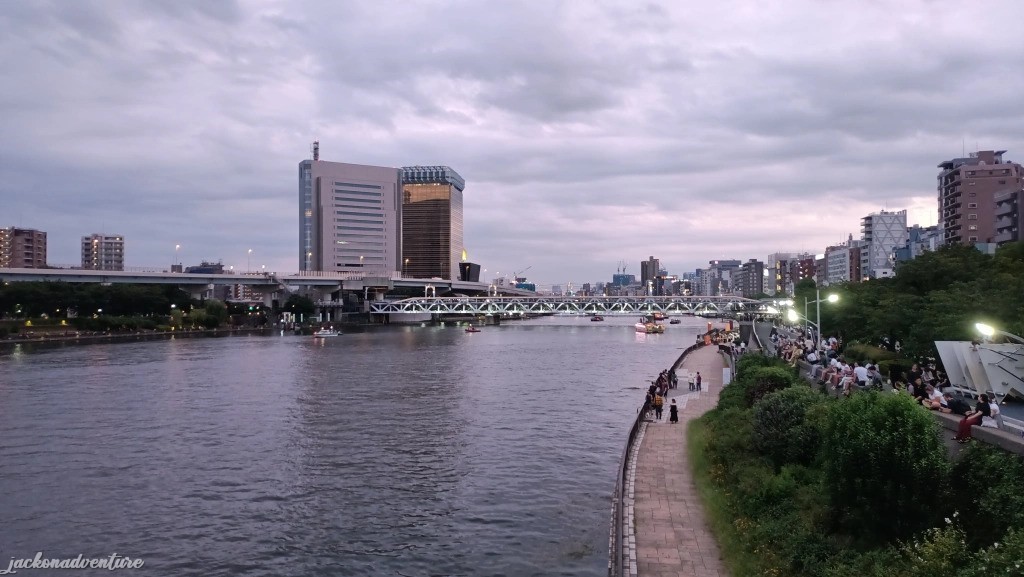
The Sumida River (隅田川) offers an excellent walk. The river winds its way for 27 kilometers through the heart of Tokyo as it flows through famous landmarks, charming parks and vibrant neighborhoods. It is a beautiful scenic walk that can view the city’s skyscrapers from different perspectives including the Tokyo Skytree.
During the summer, Tokyo is lined with many traditional festivals. If you are here in mid-August, come to witness Asakusa Tōrō Nagashi, a lantern-floating event tied to Obon at Sumida Park. Locals and tourists floated their lanterns on the Sumida River, lighting the path for the spirits of ancestors to return to the other side. Around 2,500 lanterns with handwritten messages are launched to light up the river.
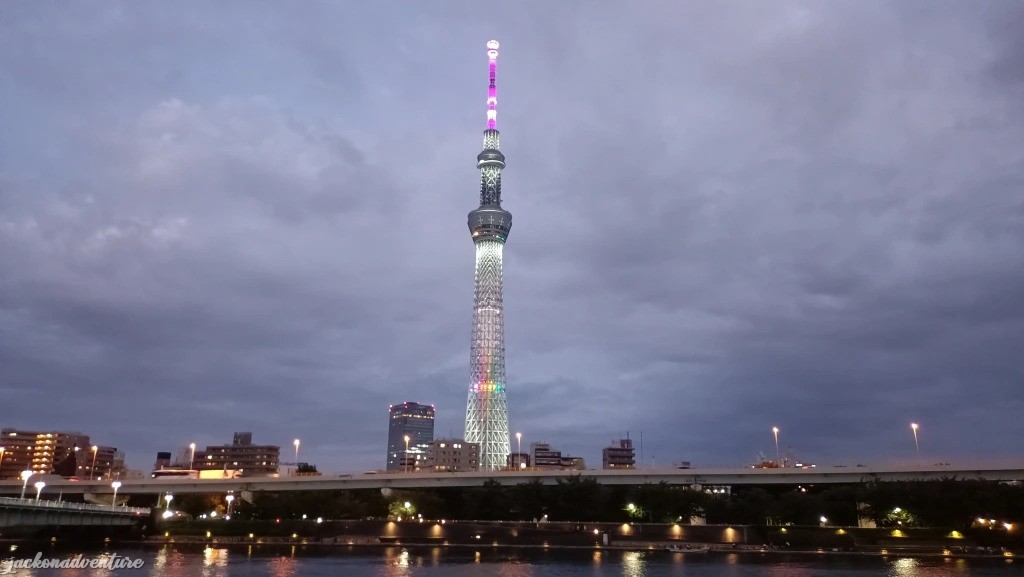
Location: 1 Chome Hanakawado, Taito City, Tokyo
Getting There: Take the Asakusa or Ginza Subway Line or Tobu Railway to Asakusa Station.
Enjoy the night scene of Sensoji Temple
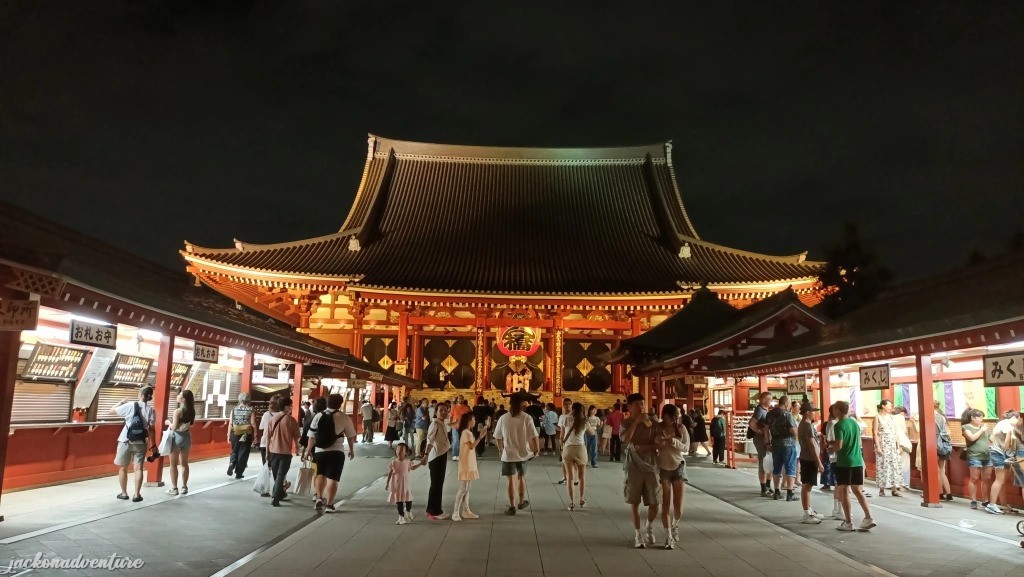
Known as Asakusa Kannon Temple, Sensoji Temple (浅草寺) is one of the most popular historic sites in Tokyo. The grand temple is usually visited by many during the daytime. However, the night captures a different type of scene. I wander around the temple ground peacefully with fewer crowds and the vermillion temple is brightly lit up at night.
Sensoji Temple is the first temple built in Tokyo in 645 AD. During the rule of the Tokugawa shogunate, Tokugawa Ieyasu designated this temple as the guardian of the Tokugawa clan and dedicated it to the Kannon Bosatsu, the goddess of mercy.
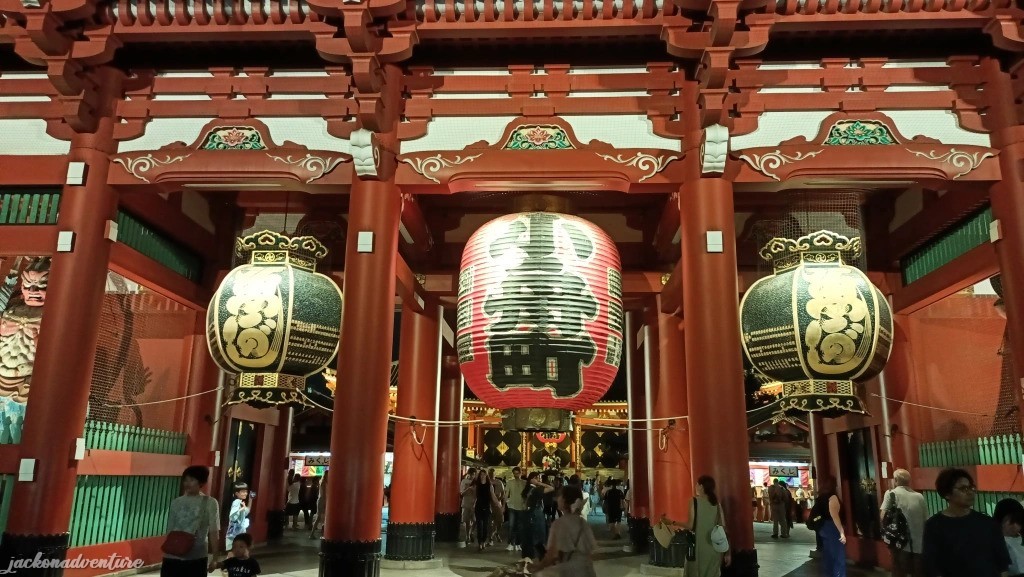
Legend said that a statue of the Kannon was found in the river of Sumida in 628 AD by two fishermen brothers. The village chief recognized the sanctity of the statue and enshrined it by remodeling his house into a place of worship.
Location: Chome-3-1 Asakusa, Taito City, Tokyo
Getting There: Take the Asakusa or Ginza Subway Line or Tobu Railway to Asakusa Station.
Opening Hours: The temple grounds are always open and the main hall opens from 6 am to 5 pm.
Entrance Fee: Free
Enjoy fresh seafood at Tsukiji Market
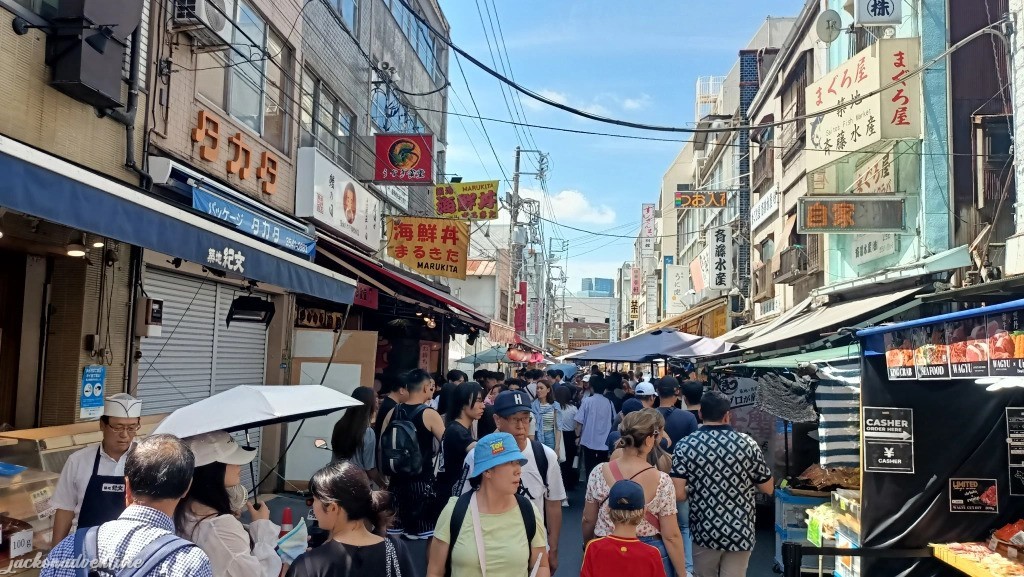
Tsukiji Outer Market (築地場外市場) is one of the most interesting places to watch fishmongers and food vendors in action. The fish market consists of 300 wholesale stores, retail shops and restaurants. You can find seafood brought in by fishermen from the ocean early in the morning to be sold and make fresh sashimi and delicious sushi.
The seafood served in restaurants is overrated but it doesn’t stop visitors from coming to taste the variety of local food specialties. If you stroll around those food stalls, there are some food stalls still selling affordable yet delicious sashimi, sushi and seafood.
Location: 4 Chome-16-2 Tsukiji, Chuo City, Tokyo
Getting There: Take the Hibaya Subway Line to Tsukiji Station. You can also take Oedo Subway Line to Tsukijishijo Station. The station is a 10-minute walk to Tsukiji Outer Market.
Opening Hours: Monday to Saturday and usually from 5 am to 2 pm. Opening hours vary depending on individual stores and are closed on Sundays and public holidays.
Meet the life-size Gundam statue
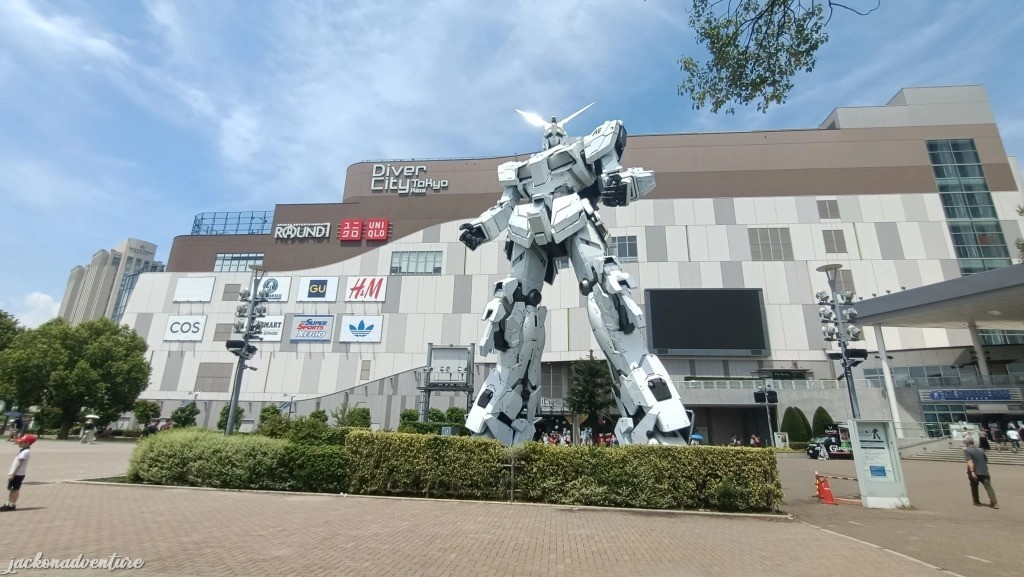
Once my childhood favorite character now stands outside DiverCity Tokyo Plaza. A live-size impressive RX-0 Unicorn Gundam model is based on a popular amine series Mobile Suit Gundam Unicorn.
This 19.7-meter-tall statue recreates the mobile suit’s iconic transformation sequence from the anime. The model appears mostly white with a single antenna on its forehead in a Unicorn Mode during the day. However, it will transform into Destroy Mode with various panels open up to reveal a glowing red psycho-frame underneath, and the head changes to expose its face.
The Gundam store behind the statue sells many toy collections, comic books and souvenirs. There is a Gundam museum in the store with an entry fee needed.
Location: 1 Chome-1-10 Aomi, Koto City, Tokyo
Getting There: Take the Yurikamome Line to Daiba Station.
Wander around the high-end Ginza streets
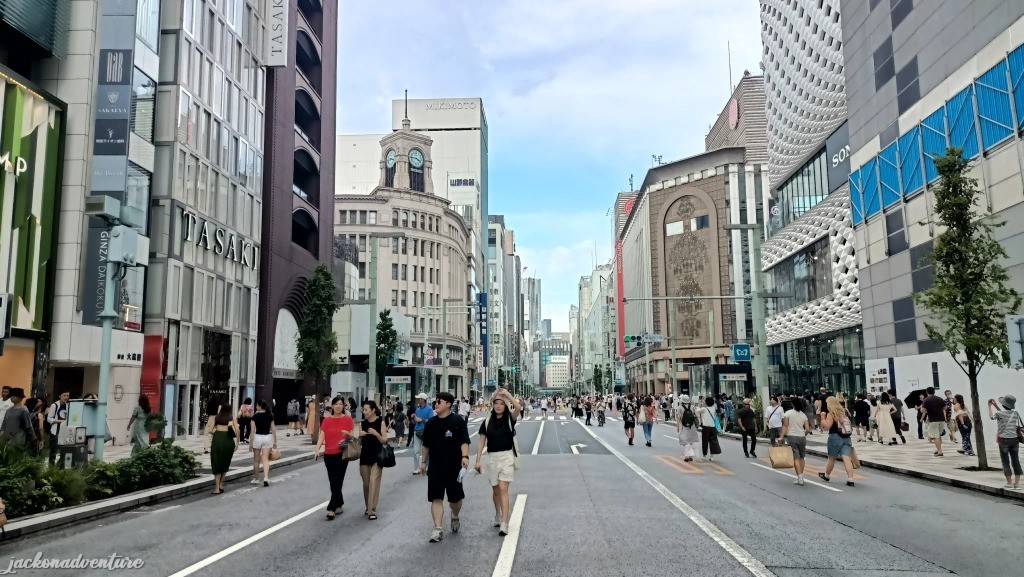
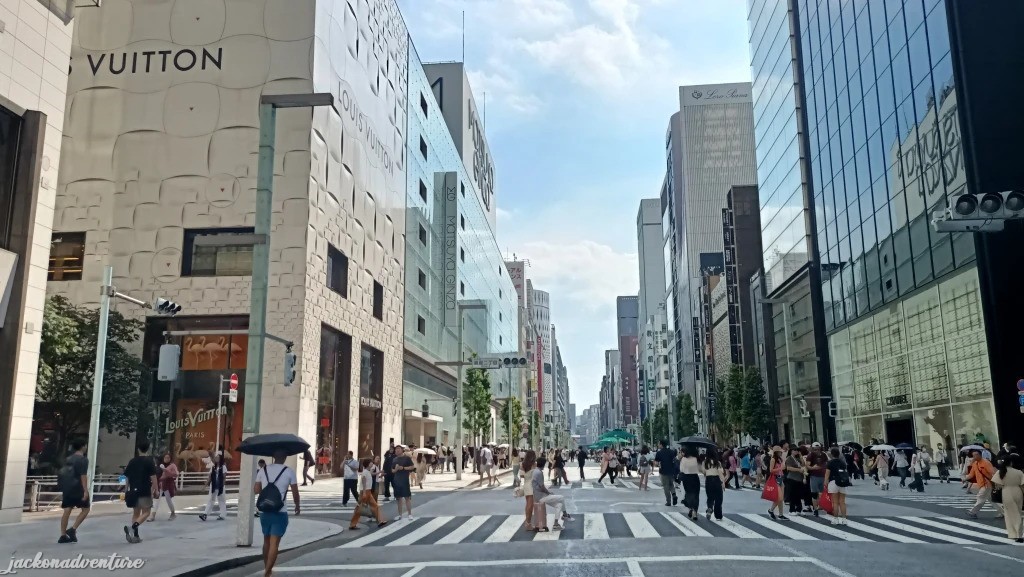
One of the top things to do in Tokyo is to walk the streets of Ginza. Built on the site of a silver coin mint dating back to the Edo period, Ginza has constantly evolved over time by providing cultured modernity, energy and old Tokyo charm.
The last time I came to Ginza (in 2023) was at night and oh boy, I had missed out on so much excitement on the street. Don’t get me wrong. Ginza has hips of happenings in every corner of the block. A weekend visit to Ginza is a PLUS when its streets turn into a pedestrian paradise and vehicles are off the roads for people to walk.
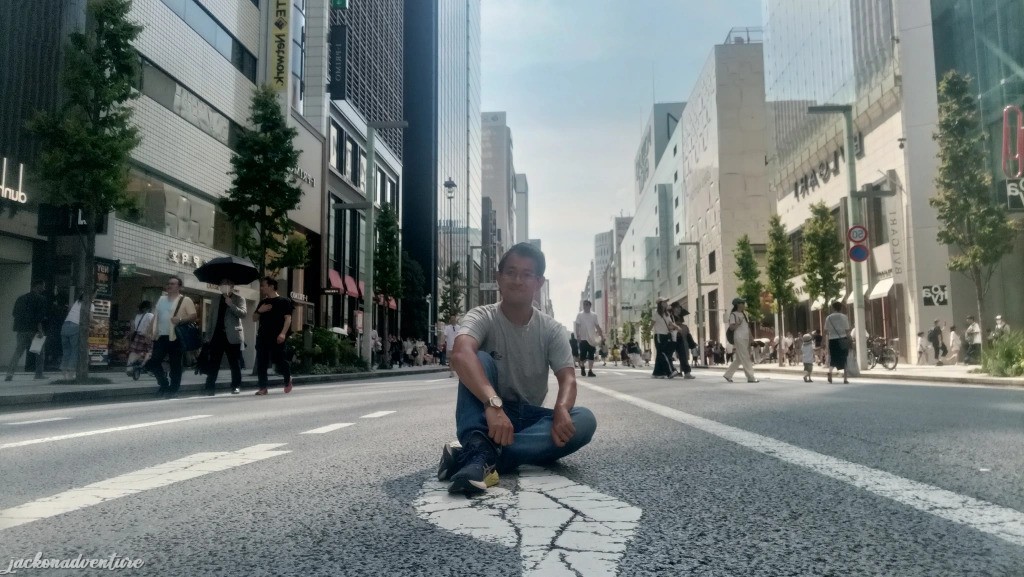
Its main street is lined with some of Tokyo’s original department stores such as Ginza Six, Tokyu Plaza Ginza, Ginza Mitsukoshi, Matsuya Ginza and Wako. Window shoppers and shopaholics can visit the largest Uniqlo Flagship store in Japan (12 floors with a cafe), Gu, Muji and PLST. There are many glamorous international brands
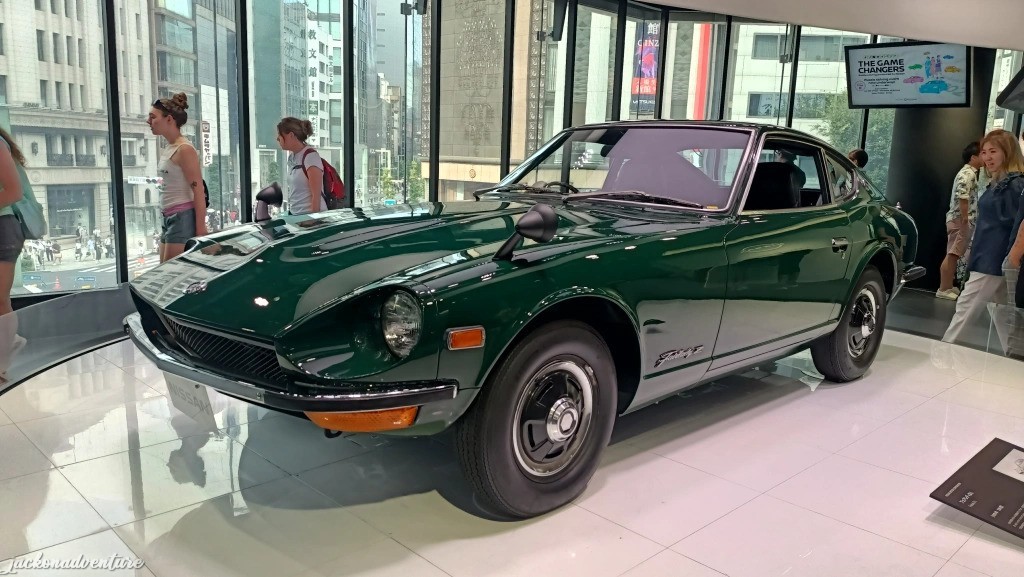
For car enthusiasts, the Nissan Crossing is a place that can’t be missed. The showroom displays a vintage Nissan GT-R, the latest GT-R model, both classic and modern Nissan Fairlady Zs and a futuristic all-electric compact Hyper Punk model.
There are numerous options for gourmet food in Ginza that symbolize as luxury dining. You will some Michelin-starred restaurants with sushi made by masters of the Edomae style, ramen shops and Western cuisine.
Travel Tips: Road closure in Ginza Street for pedestrian walk on weekends and public holidays is from 12 pm to 6 pm from April to September and from 12 pm to 5 pm from October to March.
Getting There: Take the Ginza Line, Hibiya Line or Marunouchi Line to Ginza Station. You can also take the Asakusa Line or Hibiya Line to Higashi-Ginza Station.
Roam the energetic Akihabara
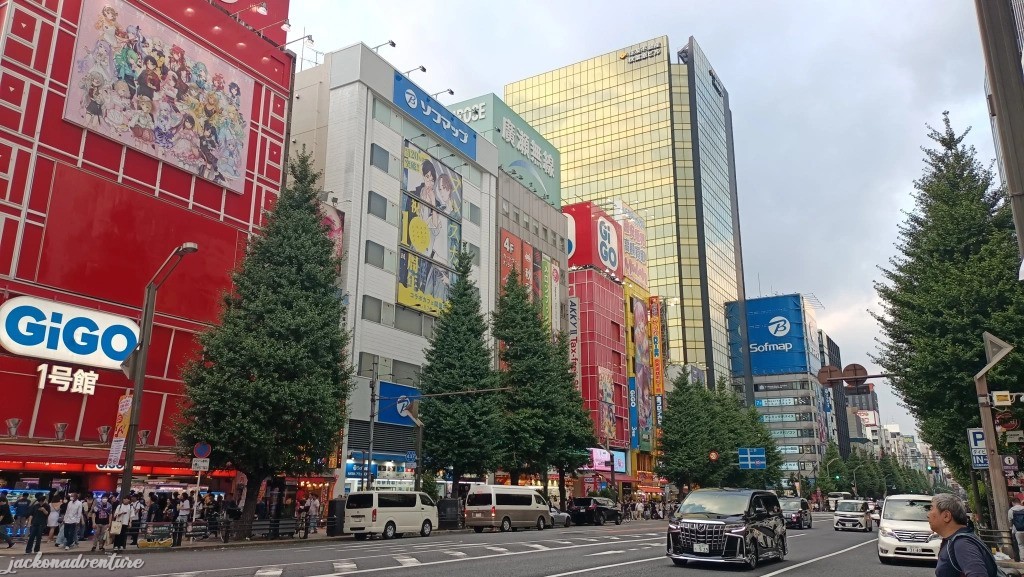
The famous Akihabara (秋葉原) is a dream destination for manga, anime, video games and idol culture fans. This neighborhood has a whole culture unto itself as it emerged as a center of Japanese otaku and anime culture. The blocky buildings are filled with large advertisements for virtual idols, colorful billboards and bright neon lights.
The streets are lined with ample stores specializing in anime, manga, retro video games, figurines, card games and other collectibles. You can sit in manga cafes to read comics and watch videos or have fun in one of many arcades. There are also many pachinko parlors, discount electronics shops and stores selling toys from gatchapon in capsule toy machines.
This ‘Electric Town’ is also known for the ladies who dress up as cute maids or other fantasy characters from manga and anime. They welcome new patrons from the streets into their maid cafes. The waitresses act like maids or anime characters serving food and drinks and entertain customers.
Getting There: Take the Ginza Subway Line to Suehirocho Station or Hibiya Subway Line to Akihabara Station. You can also take the JR Yamanote Line, JR Keihin-Tohoku Line, JR Sobu Line or Tsukuba Express to Akihabara if you have a valid JR Pass.
Breakfast treat at Starbucks Reserve Roastery Tokyo
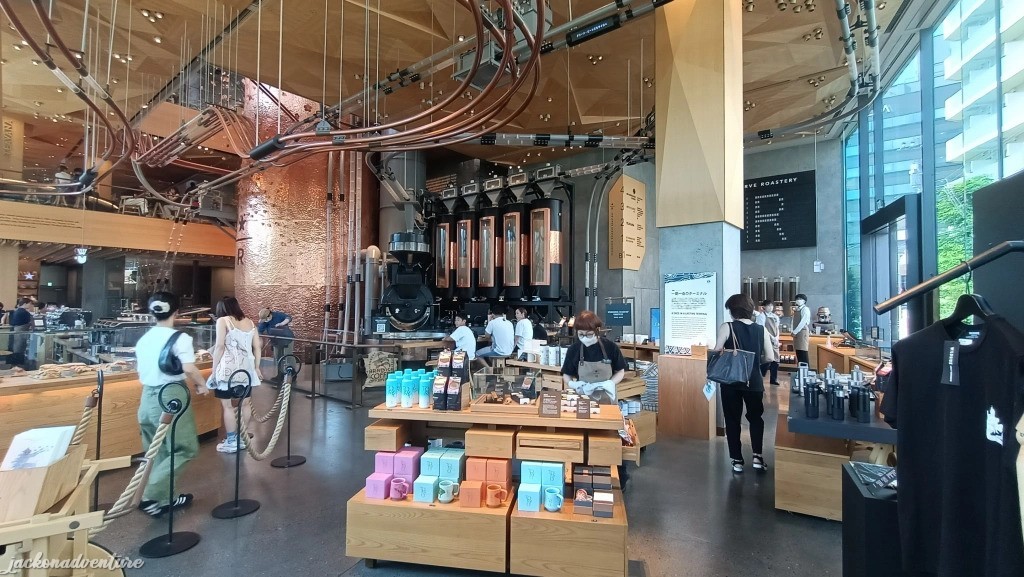
Nestled in the quiet neighborhood of Meguro City, the Starbuck Reserve Roastery Tokyo offers a one-of-a-kind coffee experience. Not only do they serve their renowned coffee but a variety of tea on the second floor and alcoholic drinks on the third floor.
Try out one of their freshly-made pastries, artisanal pizzas, breads or cakes baked from their Princi and compliment with a cup of coffee beautifully crafted by the barista using their rare, single-origin coffee beans. There are plentiful seats to enjoy their food and beverage in the cozy atmosphere.
After having your meal, go behind the scenes to observe their skilled roasters busily roasting the green coffee beans and smell the great aroma of the coffee. The friendly staff are more than happy to explain the secrets of the roasting process where the true essence of coffee residues.
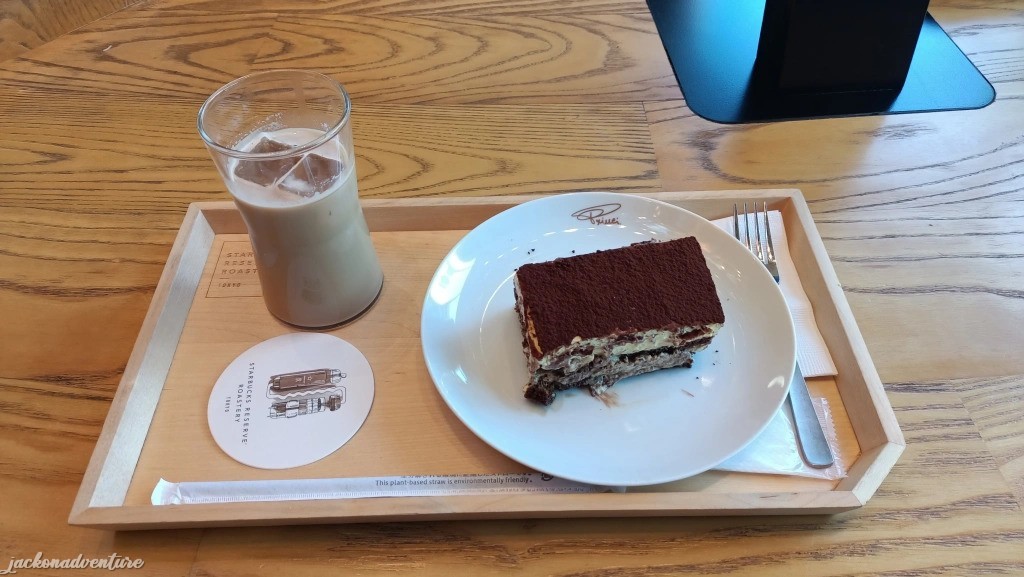
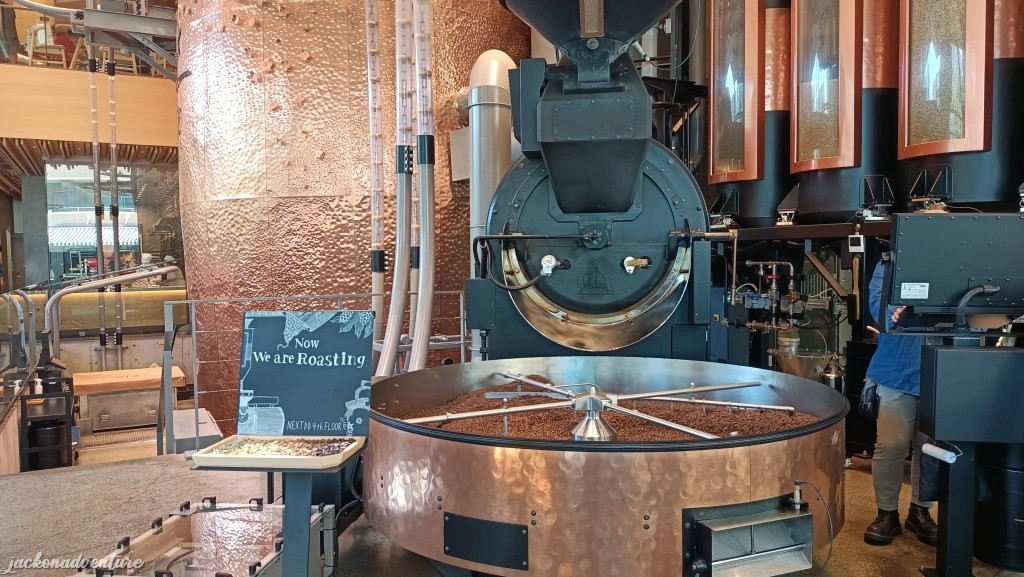
Location: 2 Chome-19-23 Aobadai, Meguro City, Tokyo
Getting There: Take the Hibiya Line or Toyoku Line to Naka-meguro Station and walk 10-15 minutes to Starbucks Reserve Roastery.
Opening Hours: Daily from 7 am to 10 pm
Have fun at Teamlab Planet Tokyo
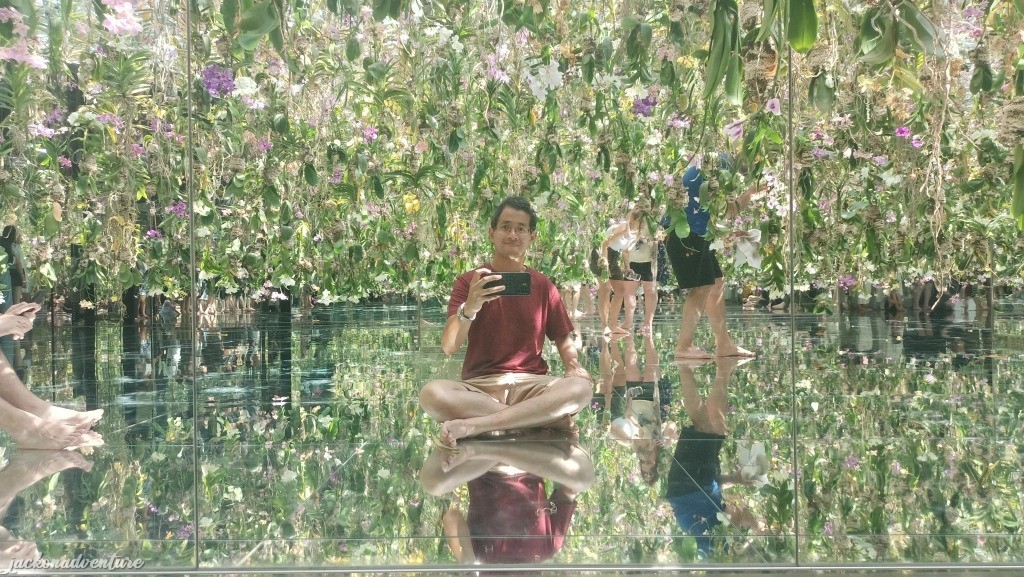
Spend the morning at the incredibly popular Teamlab Planet, a unique Digital Art Museum. It is an absolute must during the trip to Tokyo that features seven multi-sensory, full-body immersive art displays. Be ready to be dazzled and mesmerized by the stunning art displays in this digital art wonderland.
The journey allows guests to engage with the artworks differently than any regular art exhibits. You’ll explore the museum barefoot and submerge your knees in water at times. The next moment find yourself surrounded by hanging orchids and wander through maze-like dark rooms leading into an open, light-flooded display and synchronized music.
Location: 6 Chome-1-16 Toyosu, Koto City, Tokyo
Getting There: Take the Yurikamome Line to Shin-Toyosu Station.
Opening Hours: Daily from 9 am to 10 pm
Entrance Fee: Adults: 4,000 yen/ Children: 1,500-2,800 yen/ Visitor with Disabilities: 2,000 yen
Lunch at Ameyoko Yokocho
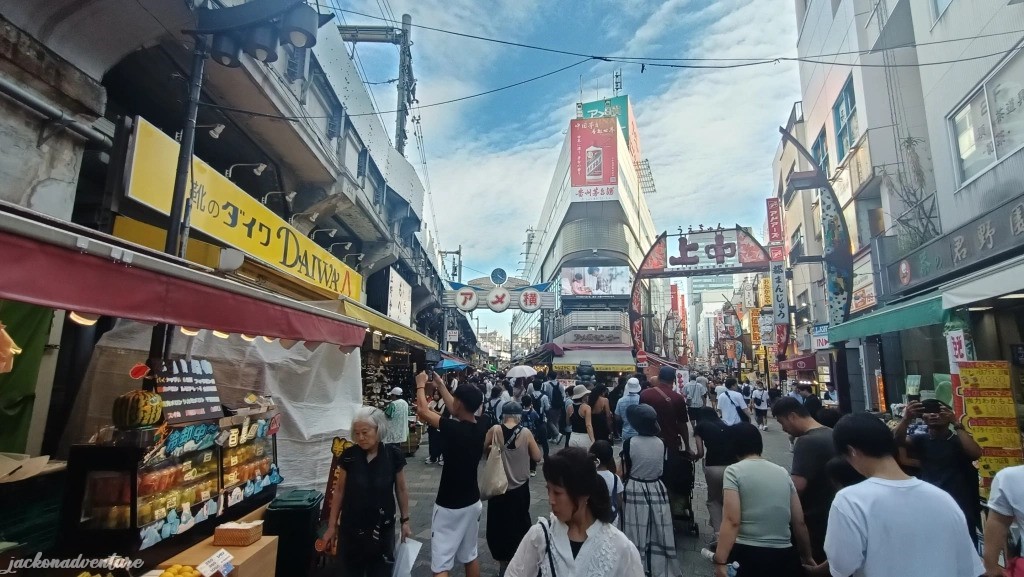
Ameyoko Yokocho (アメ横商店街) is a collection of stores located under the elevated railway line connecting JR Ueno Station and Okachimachi Station. Its name translates as candy store alley where traditional candies were sold here.
If you walk along this shopping street, many stores now sell clothes, bags, cosmetics, fresh fish, dried food and spices. It is also packed with restaurants and cafes that serve Japanese, Western, Chinese and Mexican cuisines.
Getting There: Take the Oedo Subway Line to Ueno-Okachimachi Station. You can also take JR Yamanote Line or JR Keihin-Tohoku Line to Okachimachi Station.
Opening Hours: Most stores open from 10 am to 8 pm and mostly close on selected Wednesdays
Explore Yasukuni-Jinja Shrine
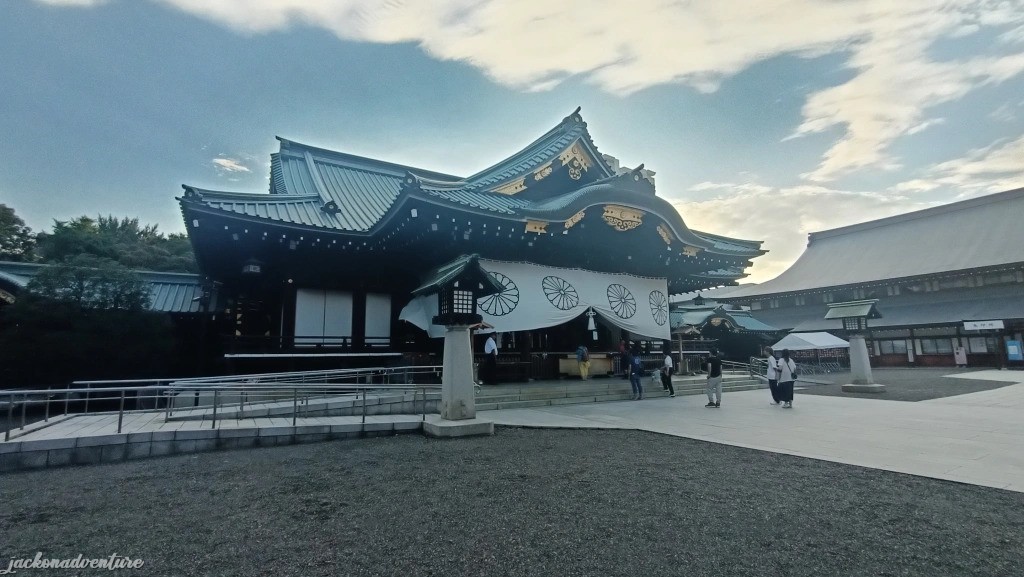
Yasukuni-Shrine (靖国神社) was founded by Emperor Meiji in 1869 to enshrine those who died in many wars for the country and sacrificed their precious lives to help build the foundation for a peaceful Japan. The Shinto shrine lists their names with their origins, birthdates and place of death.
The spirits of about 2.5 million people who fought and died for Japan in the conflicts including the Meiji Restoration, the Satsuma Rebellion, the two Sino-Japanese Wars, the Russo-Japanese War, the Manchurian Incident and the two World Wars.
Location: 3 Chome-1-1 Kudankita, Chiyoda City, Tokyo
Getting There: Take the Hanzomon, Tozai or Shinjuku Subway Line to Kudanshita Station.
Opening Hours: March to October: Daily from 6 am to 6 pm/ November to February: Daily from 6 am to 5 pm
Entrance Fee: Free (1,000 yen to enter Yasukini Museum)
Take a glimpse of Omura Masujiro’s statue
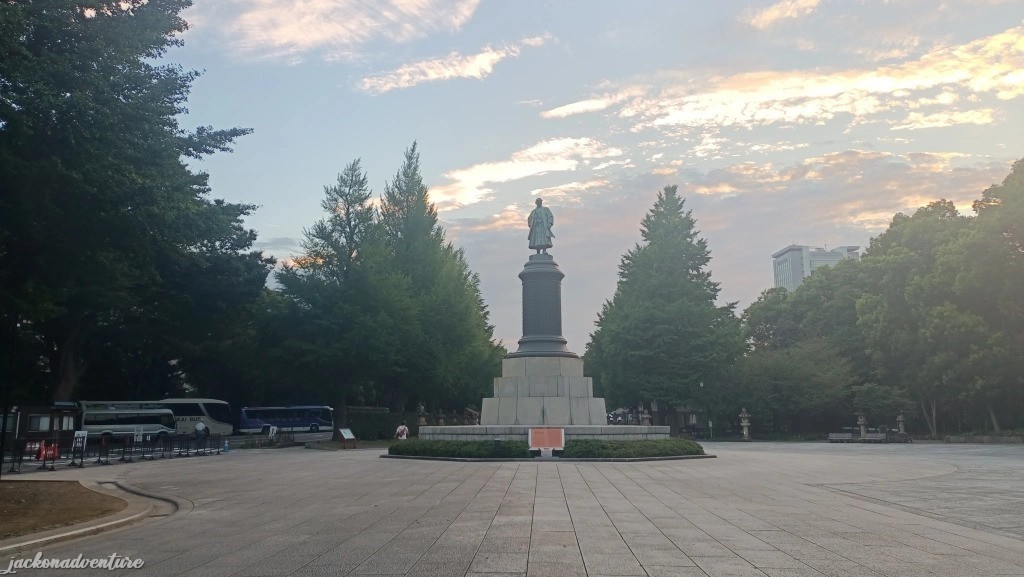
Standing outside Yasikini Shrine, the bronze statue of Omura Masujiro was built in remembrance of his effort to create a modern Japanese army during the Meiji Restoration. The country was in the midst of rapid modernization and restoring the Imperial rule. He jumped into the national limelight as a military tactician in 1866 when the Choshu army under his command defeated the Shogunate troops in his province during the second Choshu expeditions.
He was later appointed vice-director of military affairs under the new Meiji government during the Boshin Civil War and played an important role in subjugating the rebel troops in the Tohoku region. He strongly supported for the Westernization of the nation’s military system which caused anger toward extreme nationalists. He was attacked by a band of discontented samurai in 1869 and died from his wound at age 46.
Location: 2 Chome-1 Kudankita, Chiyoda City, Tokyo
Go shopping at Harry Potter Magical World

Enter the wizarding world of Harry Potter as the magic filled your heart with excitement and emotion. The store is a one-stop shop for Harry Potter and Fantastic Beasts fans to buy merchandise such as fashion accessories, stuffed toys, stationeries, bags and pouches, apparel, mugs, living interiors and many more.
Location: Akasaka Biz Tower 1F, 5-3-1 Akasaka, Minato-ku, Tokyo
Opening Hours: Daily from 11 am to 9 pm
Wander around Shinjuku Gyoen Garden
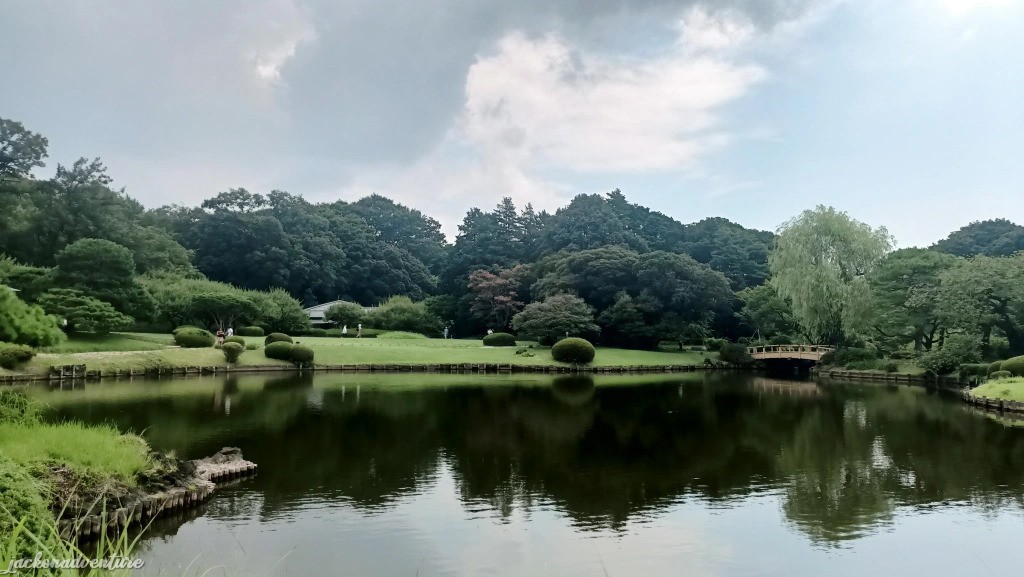
Located in the heart of Tokyo, Shinjuku Gyoen Garden (新宿御苑) is a superb zen garden with spacious lawns, meandering walking paths and gorgeous scenery that provides a relaxing escape from the bustling urban center around it.
This 58-hectare park was originally part of the Edo residence of Lord Naito, the vassal of Ieyasu Tokugawa. It was later made into an imperial garden and contains the Japanese Traditional Garden, Landscape Garden and Formal Garden.
The oldest traditional Japanese landscape garden features large ponds dotted with islands and bridges, trimmed shrubs, trees and pavilions. The French and English landscape gardens are the best viewing sights for thousands of cherry trees that bloom during spring season. There is a beautiful greenhouse filled with a variety of tropical and subtropical flowers.
Location: 11 Naitomachi, Shinjuku City, Tokyo
Getting There: Take the Marunochi Subway Line to Shinjukugyoenmae Station to get to Shinjuku Gate or Okido Gate. You can also take the Chuo/ Sobu JR Line to Sendagaya Station and enter from Sendagaya Gate.
Opening Hours: October to mid-March: Daily from 9 am to 4 pm/ mid-March to September: 9 am to 5.30 pm
Entrance Fee: Adults: 500yen/ Adults age 65 and above and Students: 250 yen/ Children age 15 and below: Free
Roam around Kabukichō
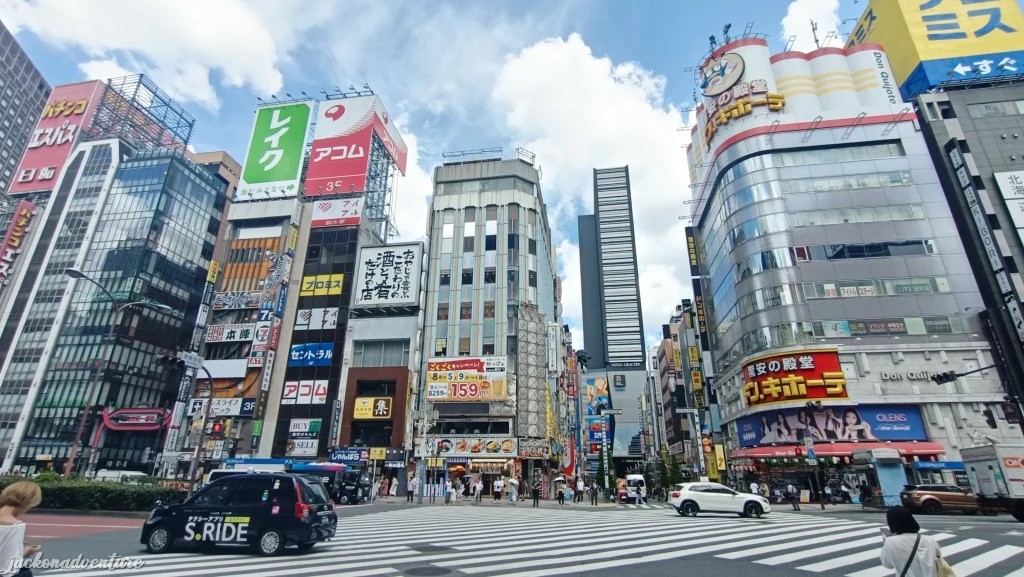
The red-light district of Kabukichō (歌舞伎町) is a bustling and vibrant entertainment area in Tokyo. Visitors can enjoy all kinds of nightlife and entertainment. Since it came to life in the evening hours, it has been nicknamed “The City That Never Sleeps.” It is hard to get bored around here with so many things to do such as adult entertainment, neon samurai shows, acclaimed bars and restaurants, love hotels and more.
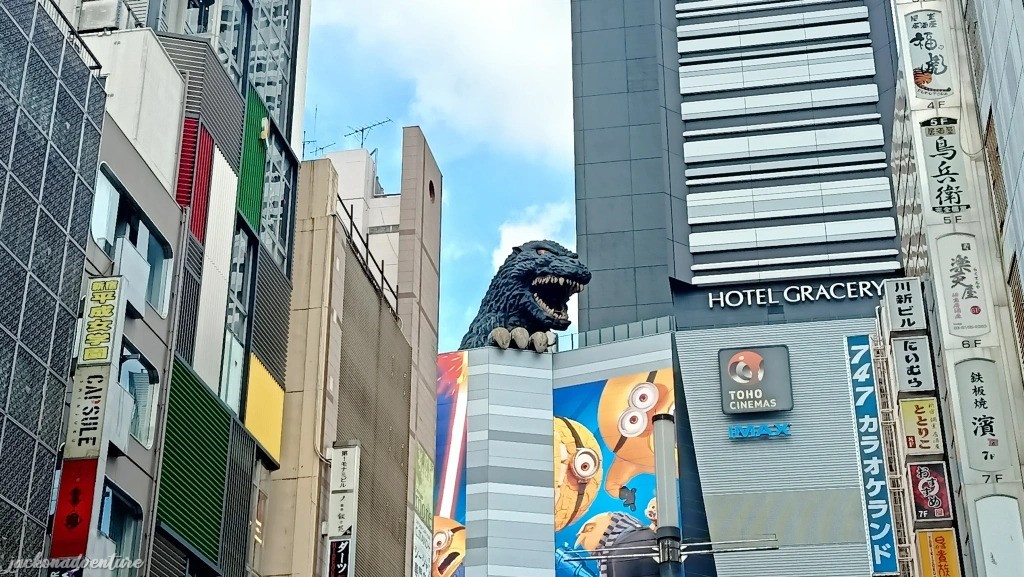
The life-sized Godzilla head can be spotted at the top of Hotel Gracery Shinjuku. The Godzilla can be heard roaring once every hour from 12 pm to 8 pm. Visiting in the evening enhances the experience as it creates a dramatic effect by lighting up against the night sky with fiery red eyes.


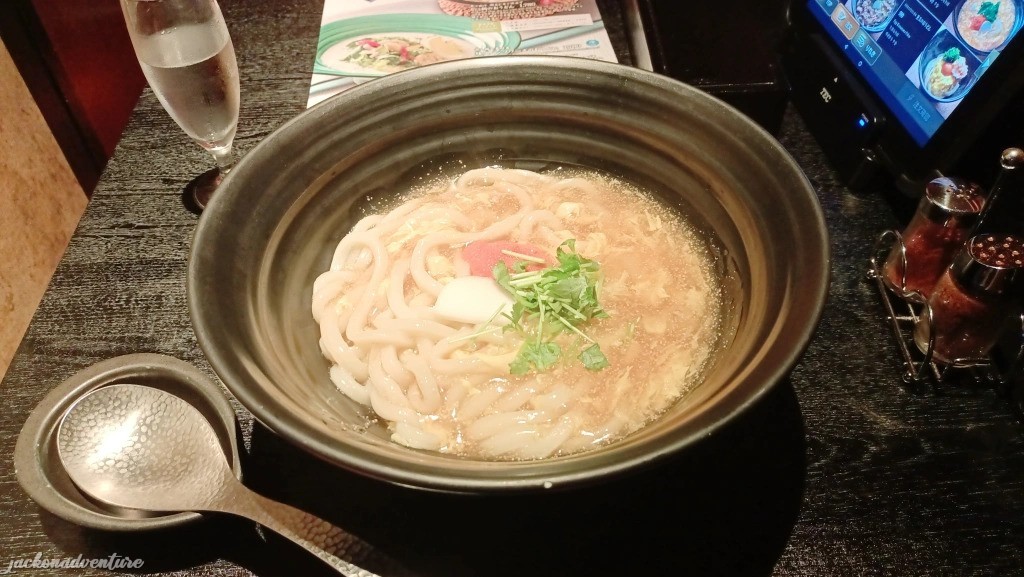
Although most establishments spring to action at night, don’t let the daytime stop you from visiting Kabukichō. There are many restaurants, sushi bars and izakayas lining along this chaotic district. One of the recommended dine-in places is Tsurutontan Shinjuku famously known for their delicious udon noodles. I have their Spicy Pollock Roe Thick Egg-Drop Anakake Udon and would rate them 5-star for its quality and rich flavor.

Getting There: Take the Shinjuku, Chūō or Marunouchi Subway Line to Shinjuku Station. You can also take the Shinjuku, Fukutoshi or Marunouchi Subway Line to Shinjuku-sanchome Station.
Check out Tokyu Kabukichō Tower
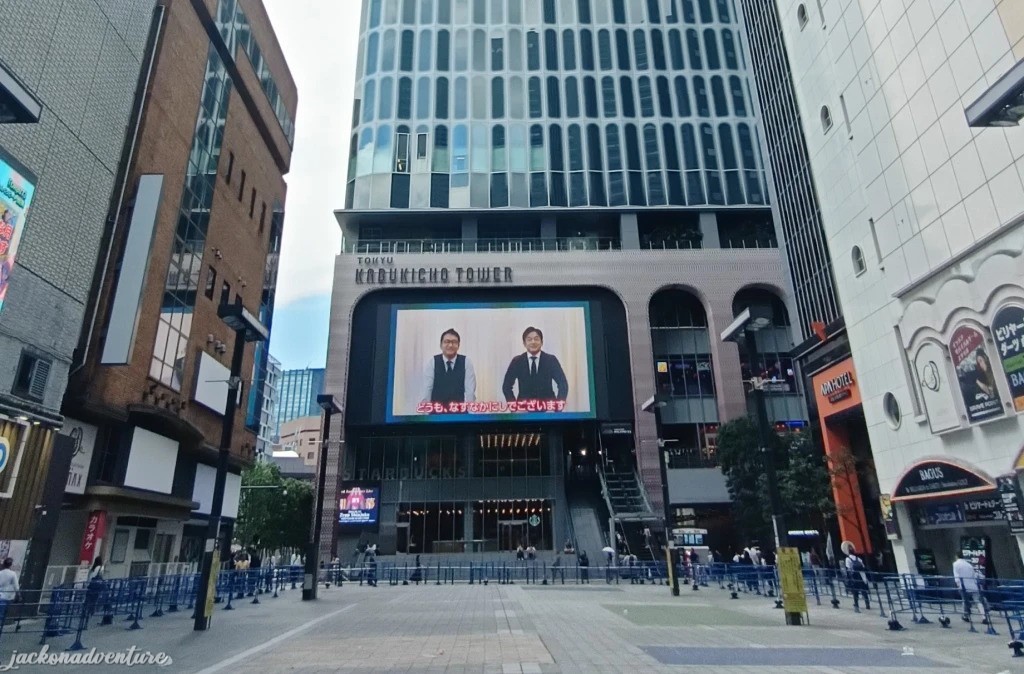
Tokyu Kabukichō Tower (東急歌舞伎町タワー) is the new kid on the block. Open its door in April 2023, the multi-story entertainment complex has a game center, escape room, food hall, cinema and live music venue all under one roof.
The game center is filled with lots of neon lights and a giant crane game. The escape room called “The Tokyo Matrix” was created under the inspiration of the anime Sword Art Online: Anomaly Quest. It features characters from the franchise and players must escape traps and solve puzzles in a dungeon to win the game. They take on the role of virtual reality gamers and try to beat Kirito and Asuna.
The Kabuki Hall recreates the feeling of yokocho, featuring food-stall-like restaurants crammed into each other with overlapping tables. Each of these ten restaurants served a type of popular dish from a region of Japan.
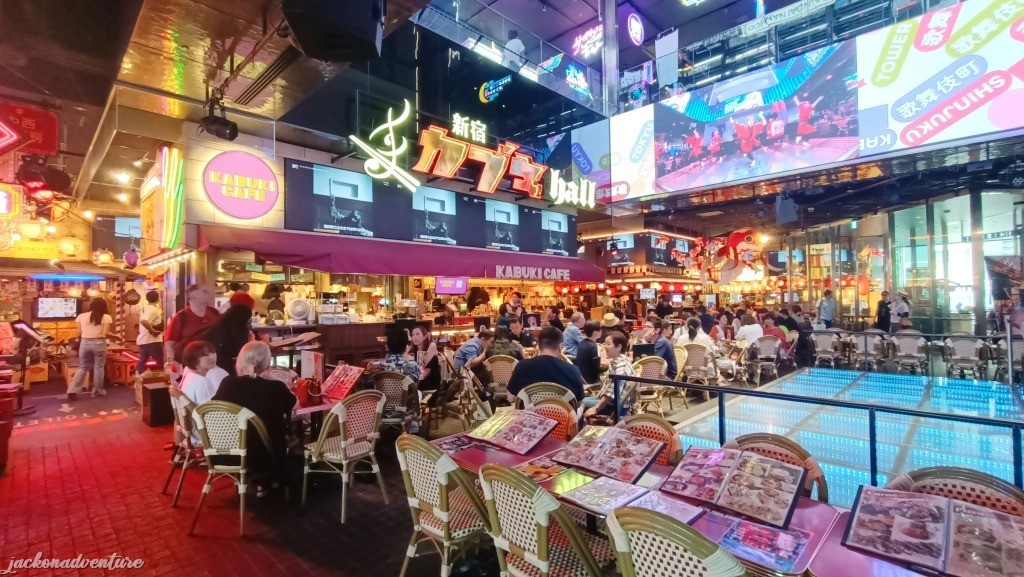
Location: 1 Chome-29-1 Kabukicho, Shinjuku City, Tokyo
Getting There: Take the Shinjuku, Chūō or Marunouchi Subway Line to Shinjuku Station. You can also take the Shinjuku, Fukutoshi or Marunouchi Subway Line to Shinjuku-sanchome Station.
Opening Hours: Daily from 6 am to 5 am
Admire Tokyo city views from Metropolitan Government Building
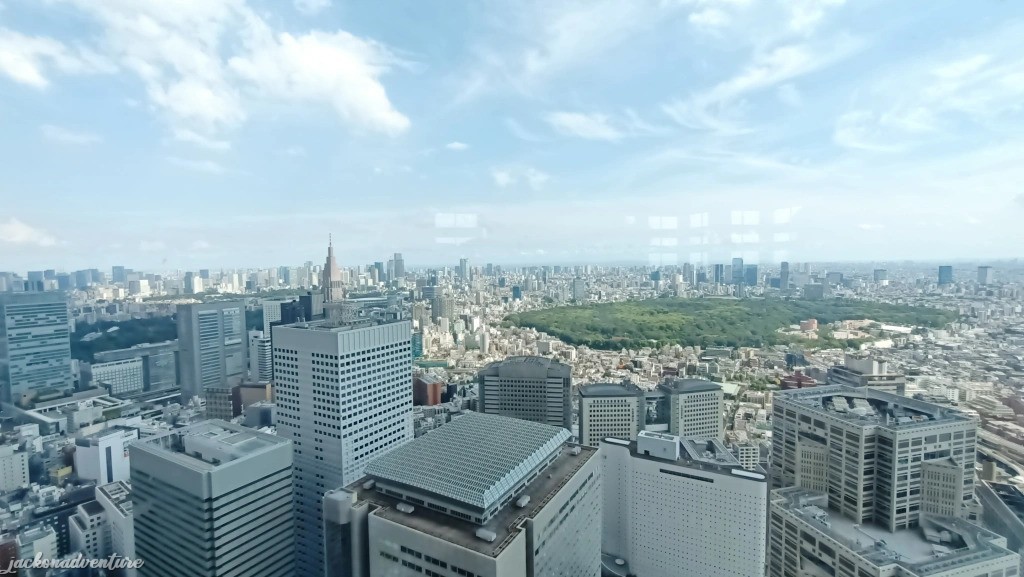
The Metropolitan Government Building (東京都庁) is arguably one of the best observation platforms in Tokyo. The building consists of two towers- The North and South Observatory Deck and they’re free to enter. One can be treated to breathtaking 360-degree views of the impressive skyline and the gorgeous Shinjuku Gyeon Garden. The Tokyo Tower, Roppongi Hills and Tokyo Skytree can be spotted from here. The iconic Mt Fuji can be seen on a clear blue day.
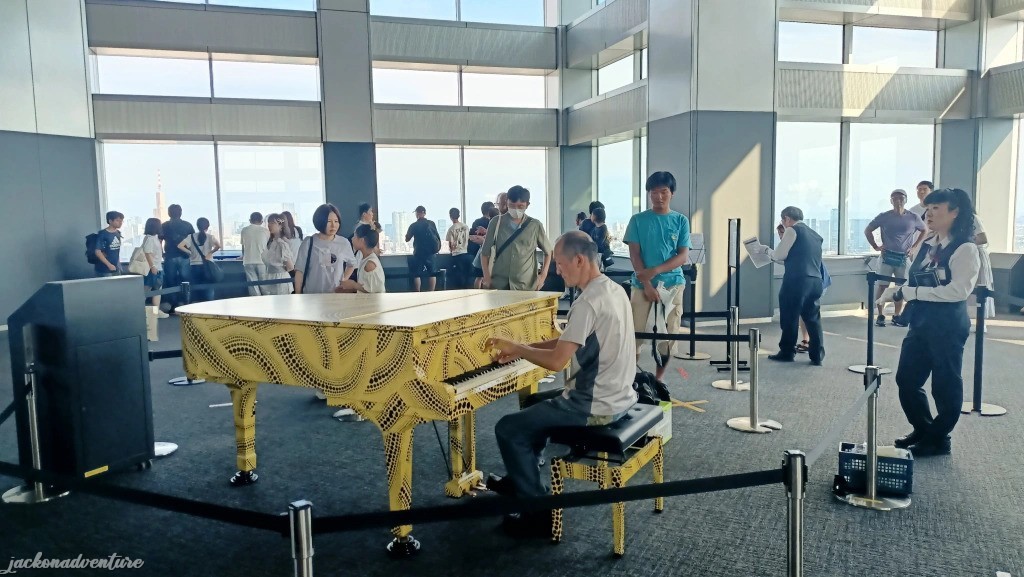
But if you enjoy some music, head up to the South Observatory on the 45th floor where the public can showcase their talent by playing the piano. The yellow-and-white polka dot piano was designed by Praemium Imperiale award-winning avant-garde artist Yayoi Kusama.
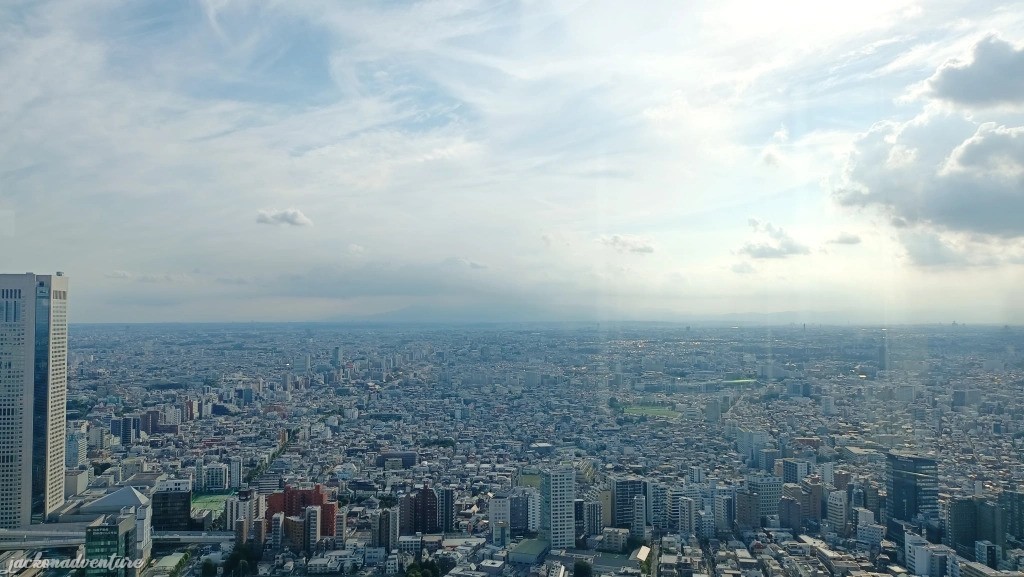
You can hang out at the cafe that has refreshments so can eat while enjoying the panoramic views 243 meters above the city. Take some time to browse through the large gift shop that sells souvenirs and handicrafts
Location: 2 Chome-8-1 Nishishinjuku, Shinjuku City, Tokyo
Getting There: Take the Oedo Subway Line to Tochomae Station.
Opening Hours: Daily from 9.30 am to 10 pm (North Observatory closed at 5.30 pm)
Entrance Fee: Free
Coming to Japan Real Soon?
If you like to travel to other parts of Japan, here are some ideas of cities and towns worth visiting with the best things to do. There are also stories about my experience on the Shinkansen train ride and WWOOFing in Japan.
- Tokyo in 2023
- Kamakura
- Nagoya
- Nagano
- Takayama
- Gujo
- Ise
- Kumano Kodo
- Okayama
- Hiroshima
- Myajima
- Mt Fuji
- Kyoto
- Arishayama
- Nara
- Osaka
- Shinkansen Train
- WWOOFing in Japan
Like It? Pin This Article.

 Jack on Adventure
Leave a comment