
Situated within the cooling hills of the Serra de Sintra, Sintra is a dazzling and romantic town located 25 kilometers west of Lisbon. The enchanted gem is a blend of history, charm and breathtaking scenery that makes you feel as if you are living in a fantasy world. The town itself is filled with vibrant pastel buildings and cobblestone streets.
Known for its opulent castles, extravagant villas and historic sites, Sintra was once a summer retreat for Portuguese nobility to escape from the hustle and bustle of Lisbon. Set amidst lush forests and jagged hills, it offered a secluded environment far from the capital. Its mystical landscape was also reserved for aristocrats, artists and poets.
The untamed beauty of the region, with forests that whisper ancient secrets and waterfalls that narrate the passage of time. It truly captivates the hearts of many travelers. Today, these castles are listed as UNESCO World Heritage Sites in recognition of their historical and cultural significance.
Brief History of Sintra
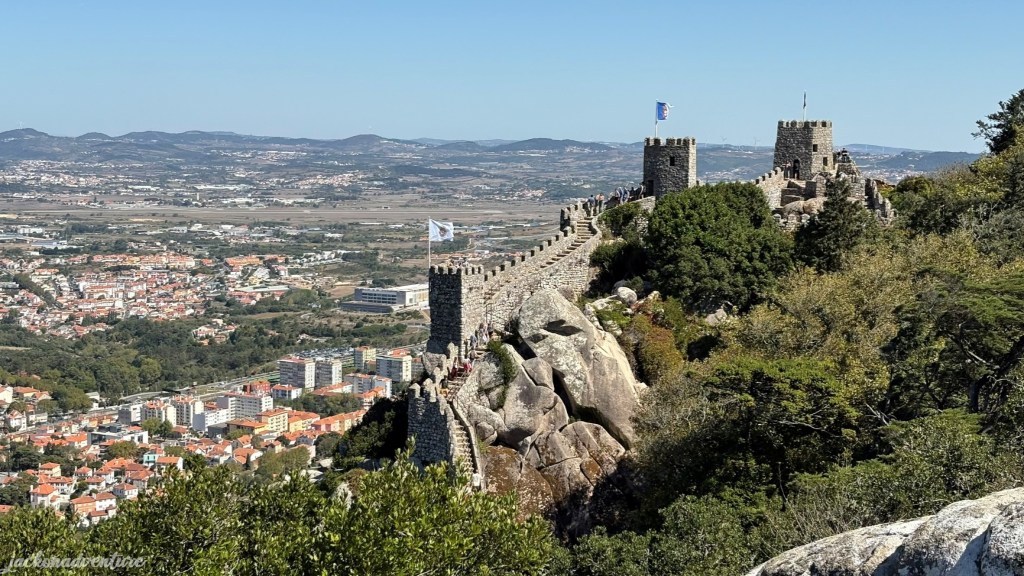
Sintra’s history dates back to prehistoric times, when the Celts and the Romans settled in the area. In the 8th century, the Moors arrived in the region and established a fortress, which would later become the Moorish Castle that stands today.
During the 12th century, Sintra became a popular summer retreat for the Portuguese royal family. The town’s mild climate and natural beauty made it an ideal destination for the elite.
In the 19th century, Sintra became a popular destination for Romantic poets and artists. Pena Palace was built during this period and is considered one of the most important examples of 19th-century Romanticism in Portugal.
The town has been shaped by different cultures that have lived there throughout history. This has resulted in a unique blend of styles and influences reflected in the town’s architecture, gardens, and monuments.
Best Time to Visit
The ideal time to visit Sintra is during the shoulder seasons of late spring (May to mid-June) and mid-autumn (late September and mid-October). These months provide a perfect balance of pleasant weather for exploring and fewer tourists. Its unique location in the hills creates a distinct microclimate that is significantly cooler and wetter than Lisbon. You should be prepared not only for a higher chance of rain but also for the mist and fog that often shroud the landscape.
The summer months of July and August are hot and humid, although the daytime high averages around 25°C. The climate is more comfortable than the capital city due to a constant Atlantic breeze. However, the town becomes overcrowded, leading to long queues for public transportation, main attractions and eateries.
The winter period from December to February is mild but can be very wet, with average highs of about 15°C. Sintra experiences frequent rainfall, and it is not the best idea to visit during this season. Many attractions are located high on an exposed hillside, with less shelter from the rain. Stone footpaths and trails can become slippery and treacherous in wet conditions that cause a high risk of falls.
Getting There
By Train
The trains to Sintra are part of the Lisbon urban rail network and are operated by Comboios de Portugal (CP), the national railway system. There are two train routes from Lisbon from early in the morning until late at night. Don’t worry if the seat can’t be pre-booked because there are trains every 20 minutes.
The Rossio-Sintra Line is more convenient for those staying in the city center. Rossio Station is within walking distance of most areas in Baixa, Chiado, Alfama and Avenida da Liberdade. Rossio-Sintra Station is accessible via Rossio Station on the Green Line and Restauradores Station on the Blue Line. The Rossio-Sintra journey takes 40 minutes to the wonderful town.
If you’re staying in the upper districts of the city, the Oriente-Sintra Line provides easier access to Sintra. The trains stop at other stations in Lisbon connected to the metro network. Those stations are Roma-Areeiro (Green Line), Entrecampos (Yellow Line) and Jardim Zoológico (Blue Line). The Oriente-Sintra train takes 47 minutes.
Train tickets from both train lines cost €2.30 and can be bought at the ticket counters or machines. You can buy the ‘Viva Viagem’ for €0.50 and top up any amount you wish. The card can be recharged for future journeys and provides access to Lisbon’s metro, public buses and trams.
Those with the Lisbon Card can ride the Lisbon-Sintra trains for free, as long as the card is valid. The card is available for 24-, 48- and 72-hour periods and offers free or reduced admission to most attractions in Lisbon and a few in Sintra. This is a great deal if you are frequently using public transport and intend to visit many attractions in Lisbon.
Getting Around
The town’s roads are narrow and winding, and they are not suitable for two-way traffic. The best ways to visit the castles in Sintra are a combination of walking, local buses and Uber or Bolt car. Uber and Bolt cars are the most economical option for quick travel.
The local 434 and 435 tourist buses are accessible from Sintra Train Station. The 434 operates on a one-way loop from 9.15 am to 7.50 pm in the summer and from 9.30 am to 6.20 pm during the winter. It departs from the station and serves three major sites: the National Palace, the Moorish Castle, and Pena Palace. Bus 435 follows a different route, serving Quinta da Regaleira and Monserrate Palace.
Some castles are within walking distance of one another. Pena Palace is an easy 5-minute walk to the Moorish Castle. It is advisable to wear comfortable footwear because you have to climb uphill sections and walk along rocky paths.
The Best Activities for a Day Trip to
Imagine yourself walking through the colorful palaces perched on the misty hilltops, exploring mysterious gardens filled with hidden tunnels and majestic waterfalls. A day in Sintra makes an ideal short trip to experience its centuries-old history, beauty, and culture.
Mermerze the beauty of Palácio da Pena
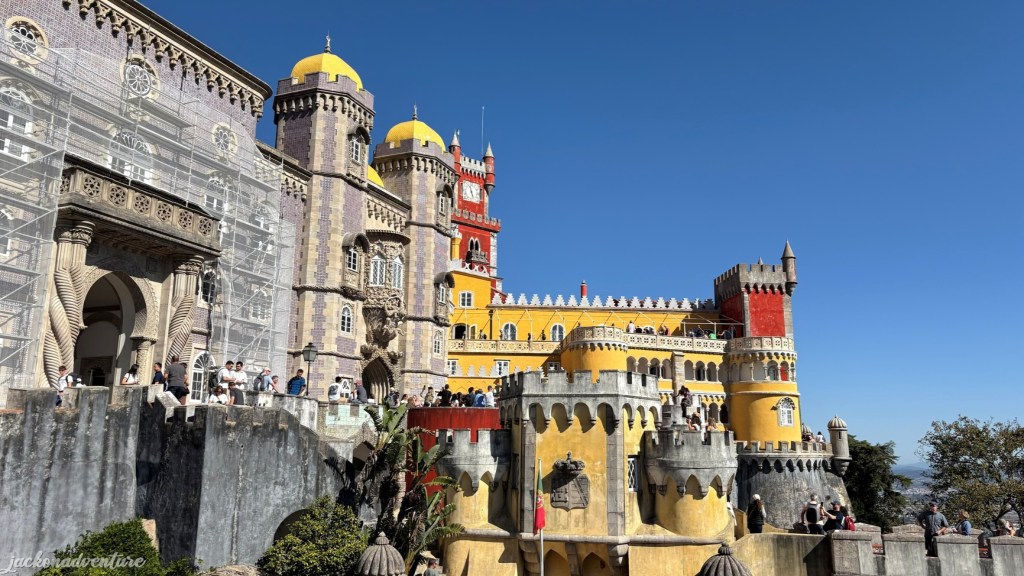
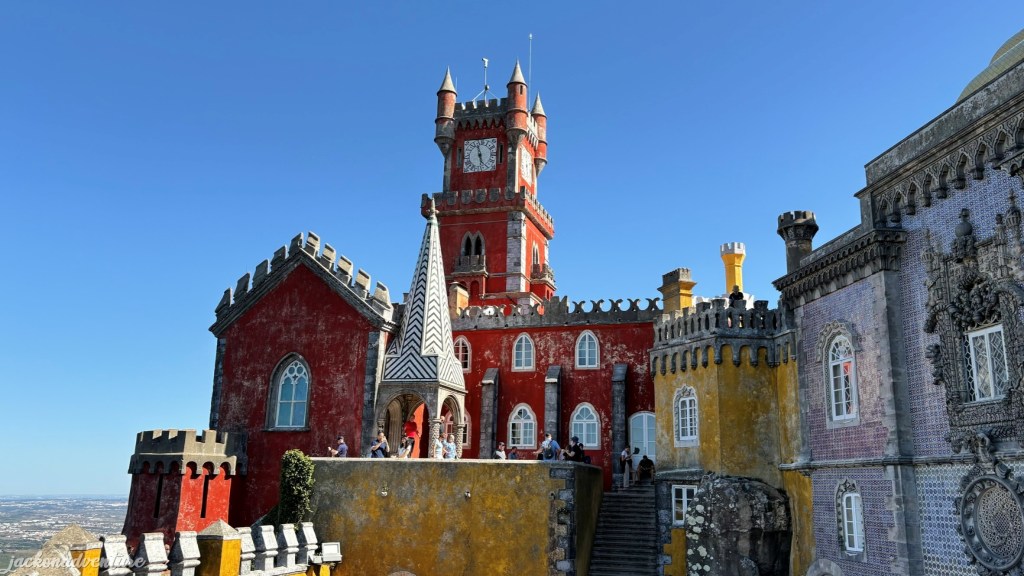
Perched at the top of the Sintra Mountains, Pena Palace is a glorious expression of Romanticism and is, without a doubt, the town’s most famous landmark. Its bold colour and bright architecture make it an iconic landmark, embodying the spirit of 19th-century Romanticism. It is recognized as one of the Seven Wonders of Portugal and is listed as a UNESCO World Heritage Site.
The 19th-century palace dates back to a 12th-century chapel dedicated to Our Lady of Pena. The monastery was severely damaged by lightning and the 1755 Lisbon earthquake. It later fell into ruin.
King Ferdinand II was captivated by the ruins and transformed them into a palace used as a summer residence for the Portuguese royal family in the 19th century. It is a blend of Gothic, Renaissance, Moorish and Manueline styles. However, the royal family left the palace during the Republican Revolution of 1910. It was later transformed into a public monument.
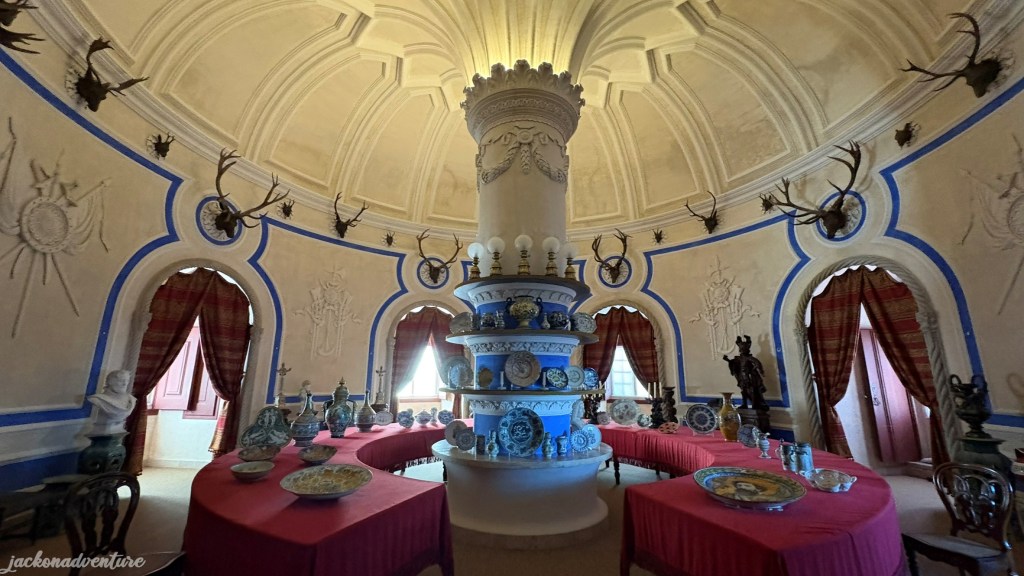
Make your way through the Triton Arch, adorned with its leering gargoyle set among the shells and corals. The passageway leads to a Manueline cloister and a series of rooms. The palace inside contains a remarkable assortment of oriental rugs, Chinese porcelain, Portuguese-style teak furnishings, and trompe-l’oeil murals. The walls are adorned with 16th-century Hispano-Arabic tiles.
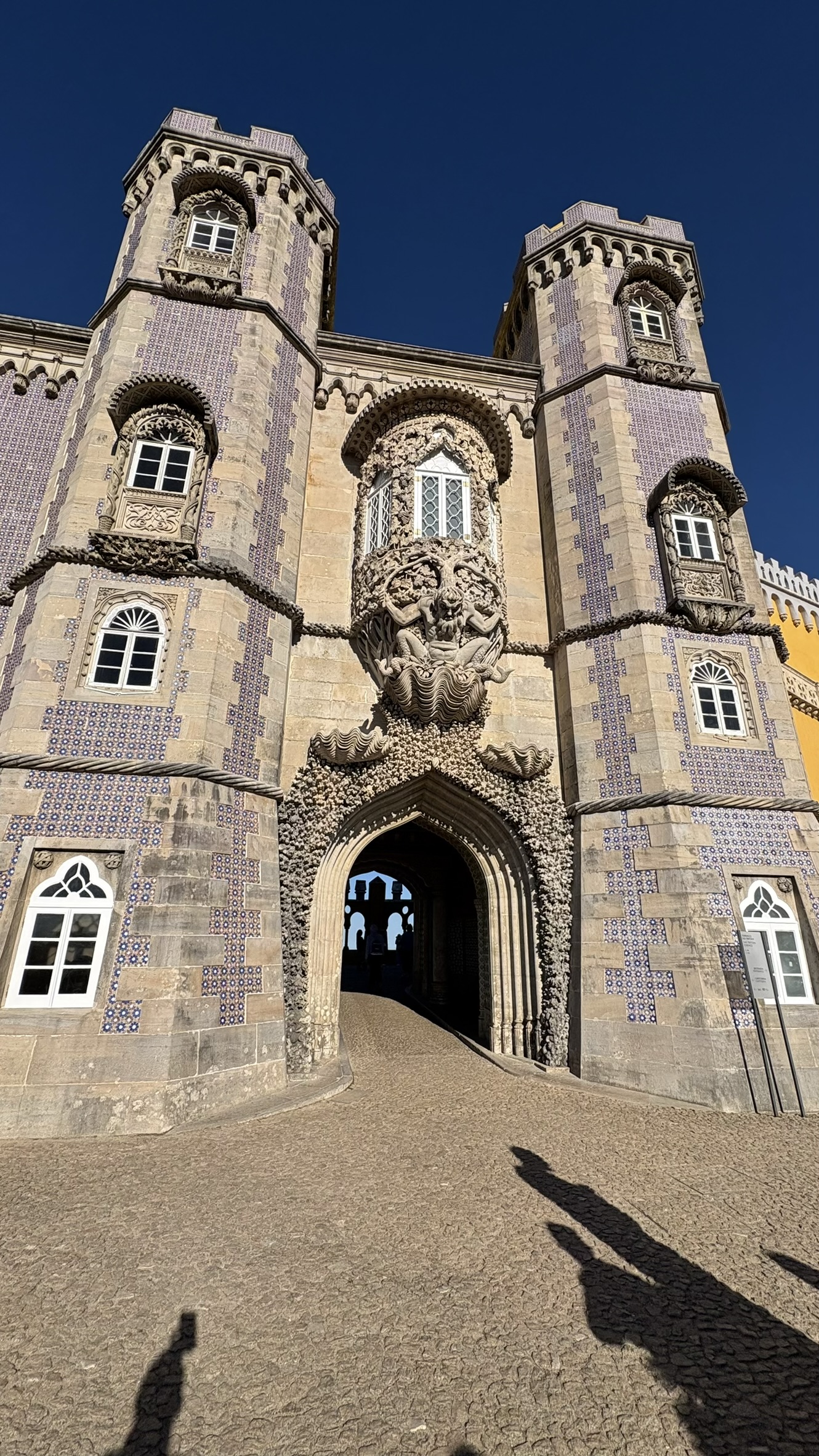
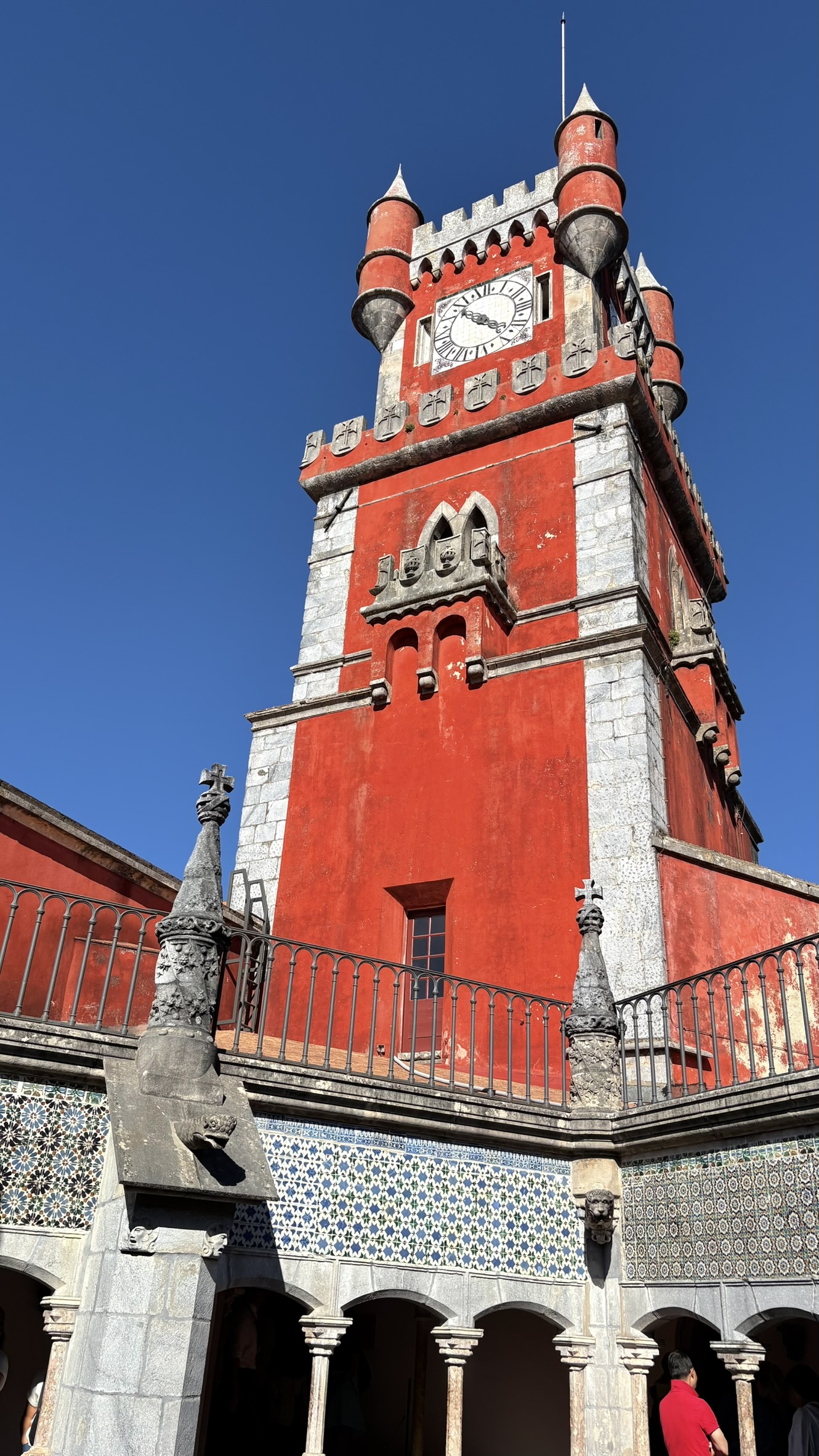
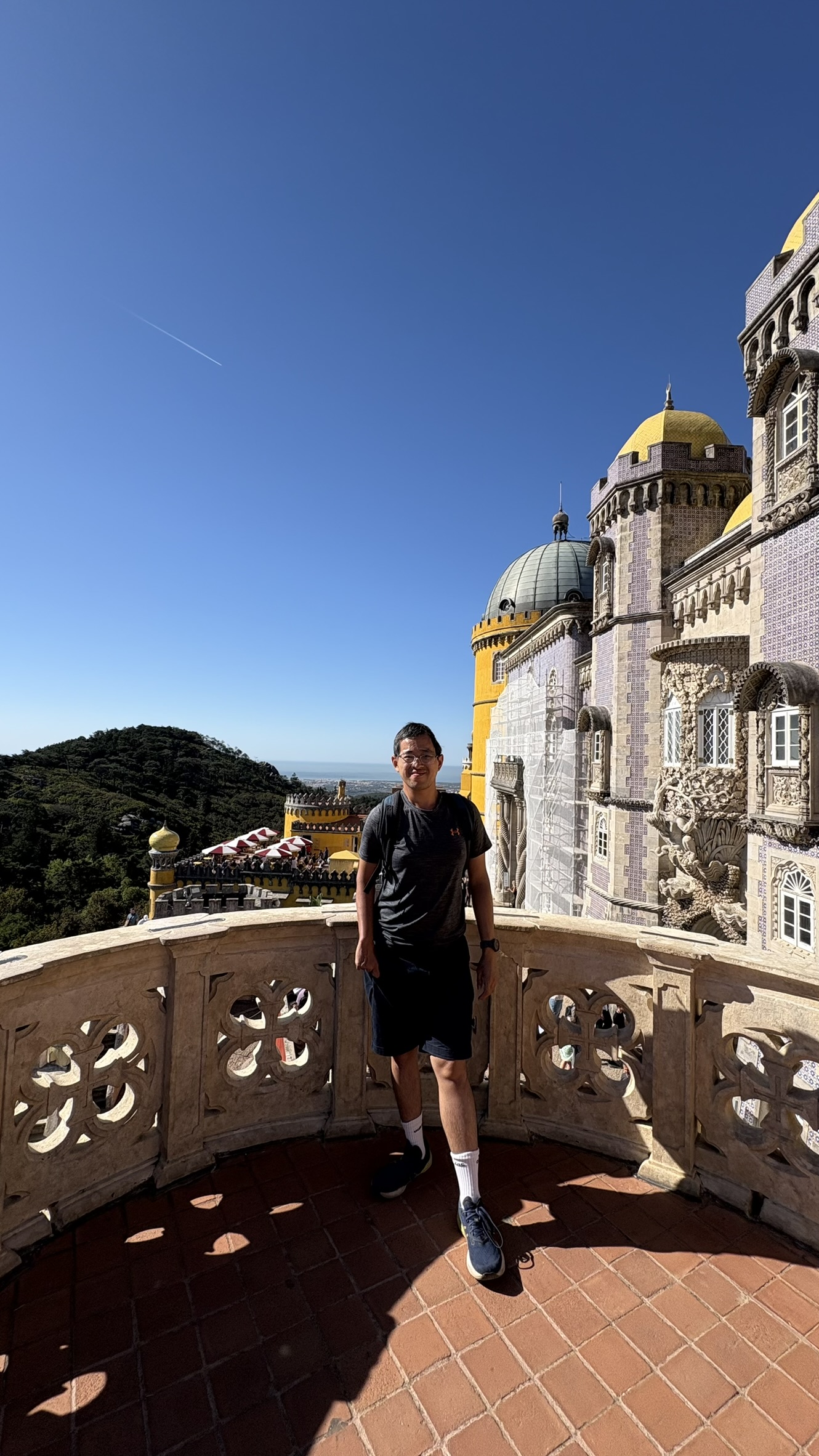
The exterior is truly eye-catching with its onion domes, turrets, and crenellated ramparts. The surrounding estate spans over 200 hectares of lush parkland, featuring numerous trails and a wealth of botanical and architectural sights. It is filled with exotic plant species from around the world and a maze of romantic paths.
Among the highlights are the Chalet of the Countess of Edla, the Fountain of Small Birds, the statue of Ferdinand, the expansive fern gardens, and several grottos. The chalet, built as a recreational retreat for Ferdinand’s wife, Elise, is finished in painted stucco to imitate a rustic log cabin. The famous Queen’s Terrace offers breathtaking views of Sintra Mountain and the town of Sintra.
Travel Tips: Book tickets in advance and reserve the earliest available time slot to enter Pena Palace. You can only enter the palace at your designated time.
Location: Estrada da Pena, 2710-609 Sintra
Getting There: Take the Sintra Tourist Bus 434 to Palácio da Pena stop
Opening Hours: Park: Daily from 9 am to 7 pm/ Palace: Daily from 9.30 am to 6.30 pm
Entrance Fee: Park and Garden: €20/ Park: €13
Climb the Castelo dos Mouros

Winding across two ridges of the Sintra Mountains, the Moorish Castle offers magnificent vantage views extending to the Atlantic Ocean and the Pena Palace. The castle was founded under Islamic rule in the 8th century to defend Lisbon’s maritime routes. After the Christian conquest in 1147, it was transitioned under the Knights Templar from a Muslim stronghold to a Christian fortification.
Within the castle walls stands a mid-12th-century chapel dedicated to Our Lady of Melides. Legend has it that Dom Gil—a Knight Templar, assembled 20 trusted men to secretly scout their enemy. They hid during the day and spied on their foes at night. Tradition holds that the Virgin Mary appeared to them somewhere between Colares and Penedo, declaring: “Do not be afraid; there are 20 of us, but you are worth one thousand.” Encouraged by this vision, they defeated the enemy and secured the castle.
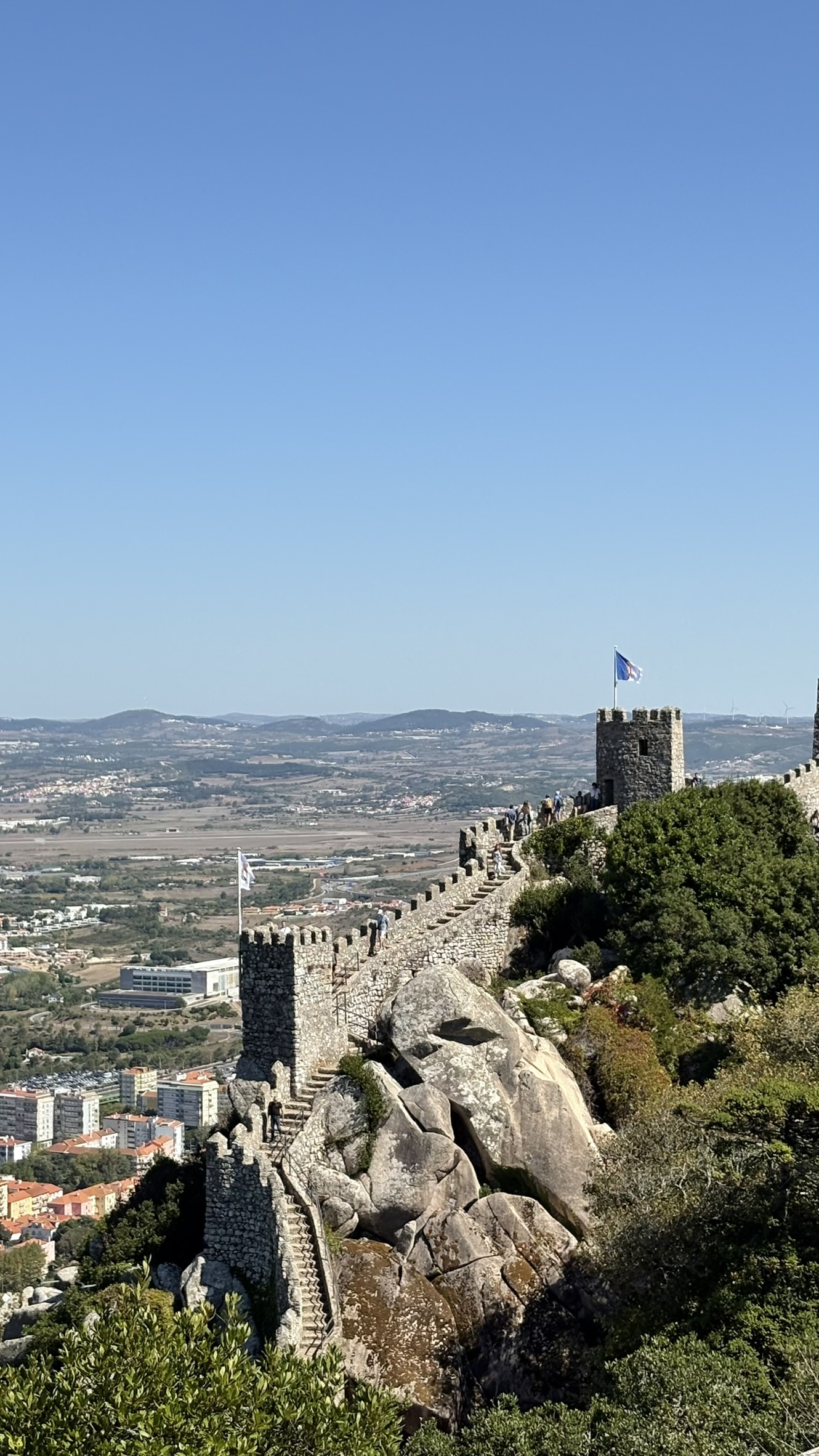
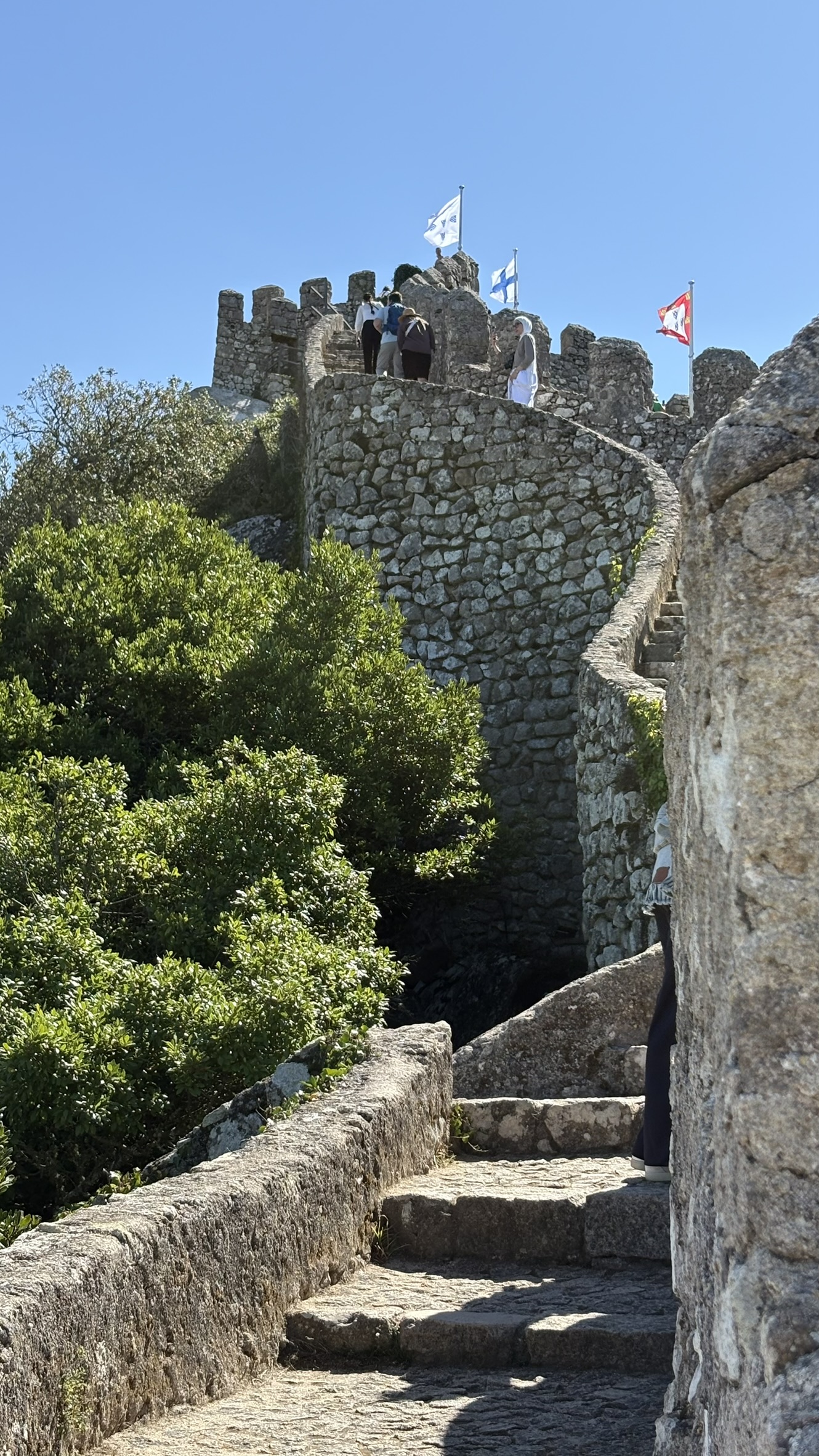
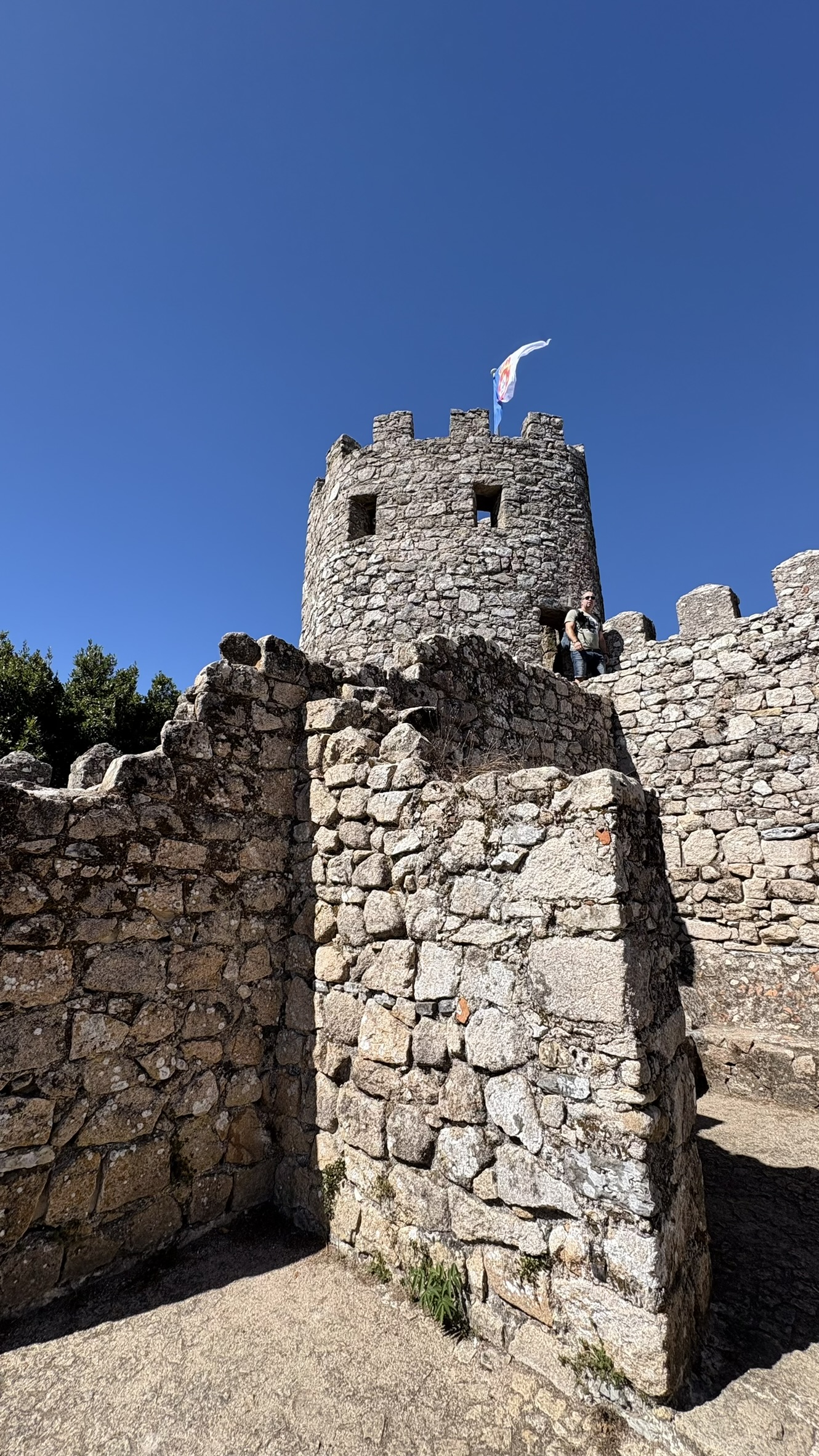
However, the castle fell into despair when its military importance slowly diminished. The 19th-century Romanticism waves led by King Ferdinand II saw the restoration of the castle with a blend of medieval architecture elements and romantic influences.
Location: 2710-405 Sintra
Getting There: Take the Sintra Tourist Bus 434 to the Castelo dos Mouros stop. If you’re visiting the Pena Palace first, turn left from the entrance of Pena Castle and walk downhill to the Moorish Castle. It takes only 5 minutes to get there.
Opening Hours: Daily from 09.30am to 6 pm
Entrance Fee: Adults: € 12/ Adults aged 65+ and Visitors aged 13 to 25: € 10/ Children below 13: Free
Explore the Sintra National Palace

Located in the heart of Sintra town, the Sintra National Palace is the oldest surviving royal palace in Portugal, with 800 years of history. The palace is easily recognisable with its twin white chimneys.
This historic site initially served as a residence for Moorish governors but was later transformed into a pivotal symbol of Portuguese heritage after the Reconquista in 1147. The Portuguese royal family occupied the palace from the 15th to the 19th century.
The lavish palace has been a canvas for architectural evolution. King Dinis (1279-1325) made significant contributions to the structure, and King Manuel (1495-1521), with his distinct artistic preferences, introduced Manueline and Mudejar elements.
Following the establishment of the Portuguese Republic in 1910, the place was converted into a national monument and opened to the public.
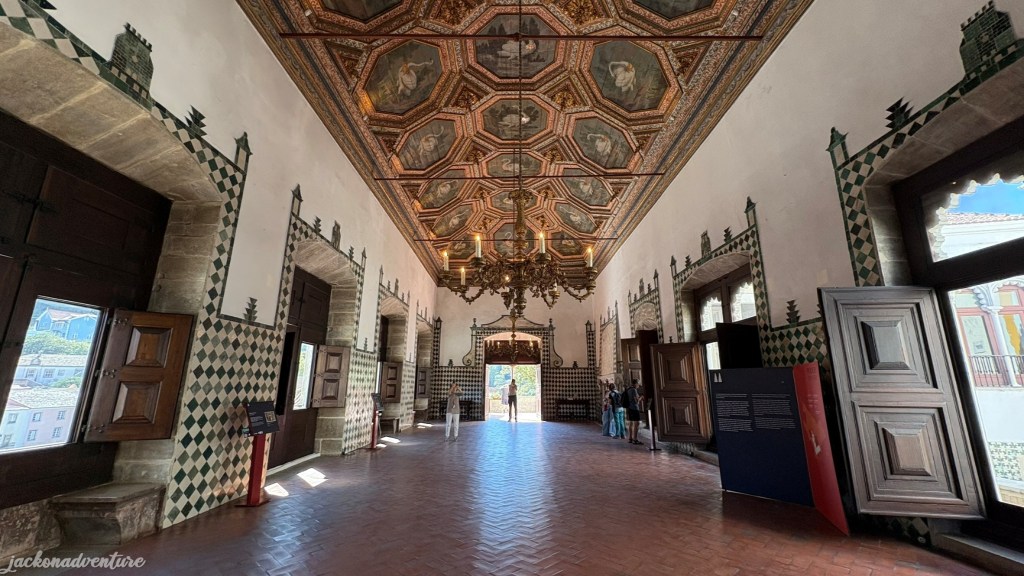
One of the most impressive highlights is the Swan Room, the largest room of the complex, used for banquets and official receptions. It features an exquisite ceiling adorned with swans to symbolize purity and elegance. You continue through a small courtyard and enter the Magpie Room, decorated with 136 magpies that carry a unique tale of court gossip, offering a glimpse into the lighter side of royal life.

The Arab Room presents a blend of cultural influences through its Moorish-inspired design and highlights the historical confluence of diverse civilizations in Portugal.
Location: Largo Rainha Dona Amélia, 2710-616 Sintra
Getting There: Take the Sintra Tourist Bus 434 to the Sintra Vila stop
Opening Hours: Daily from 9.30 am to 6.30 pm
Entrance Fee: Adults: €11/ Adults aged 65+ and Children aged 6 to 17: €8.50/ Visitors with Disability: €3.30 (Free for a companion accompanying visitors with disability)
Discover the charming Quinta da Regaleira
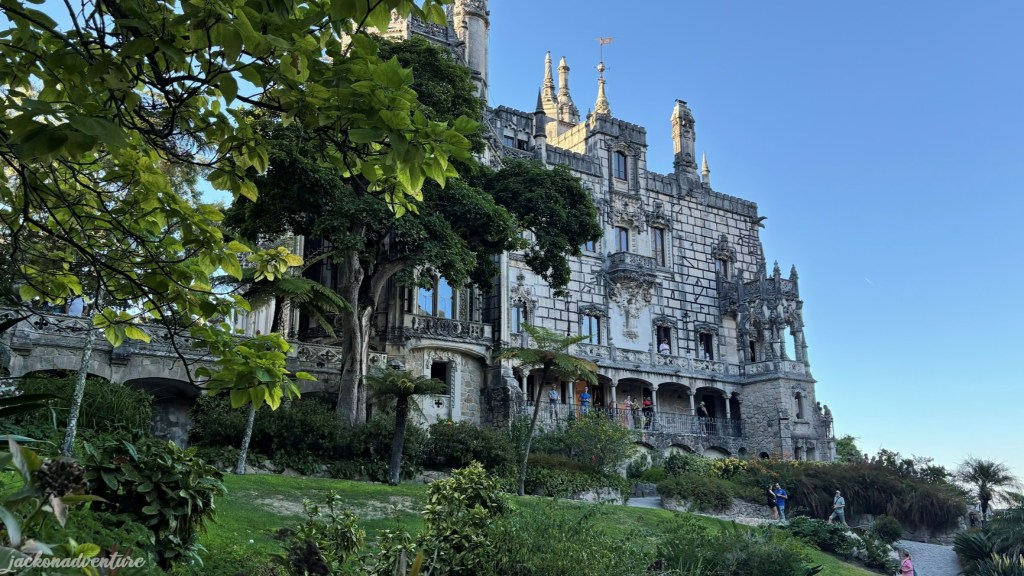
The Quinta da Regaleira was originally the summer home of the Viscountess of Regaleira, a wealthy merchant from Porto. In 1892, the property was sold to a superstitious millionaire named Carvalho Monteiro, a Brazilian coffee magnate.
Monteiro has a lifelong obsession with natural science and believes that wisdom is obtained through the contemplation of the mysteries of the universe. He spent 20 years renovating the house into a spiritual retreat with the help of Italian architect Luigi Manini. The house is adorned with symbols reflecting his mystical ideologies and features enigmatic imagery devoted to alchemy, Masonry, the Knight Templar and the Rosicrucians.
The palace is adorned with Gothic, Egyptian, Moorish, Neo-Manueline and Renaissance features. Many animal and plant motifs are intricately crafted into the stonework. It comprises five floors, but you can only explore the first level.
Walk through the grand archway and wooden double doors that lead the hallways of the living room, dining area, music room and balcony. The interiors feature inlaid mosaic floors, an ornate fireplace and an elaborate wooden ceiling.

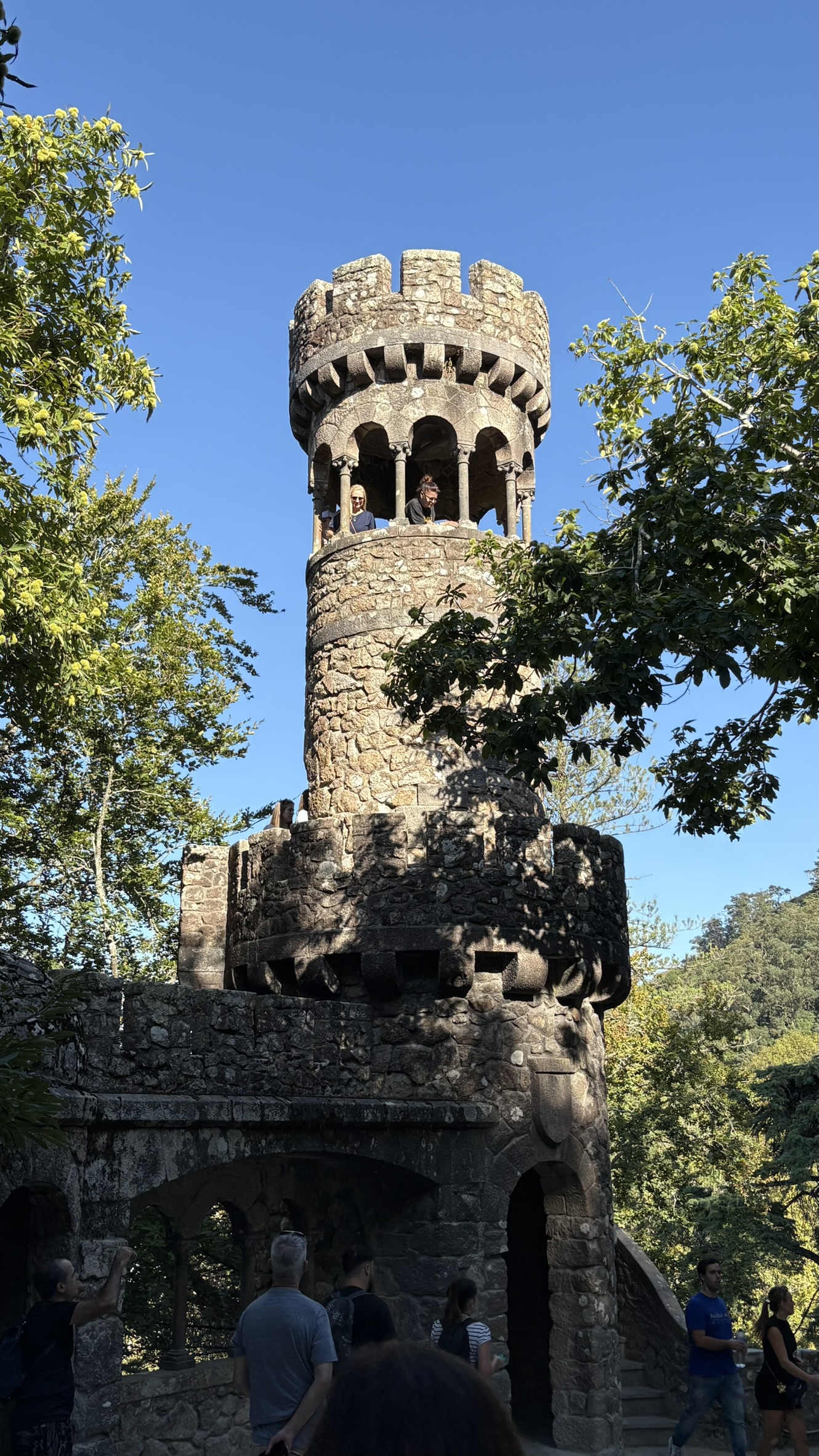
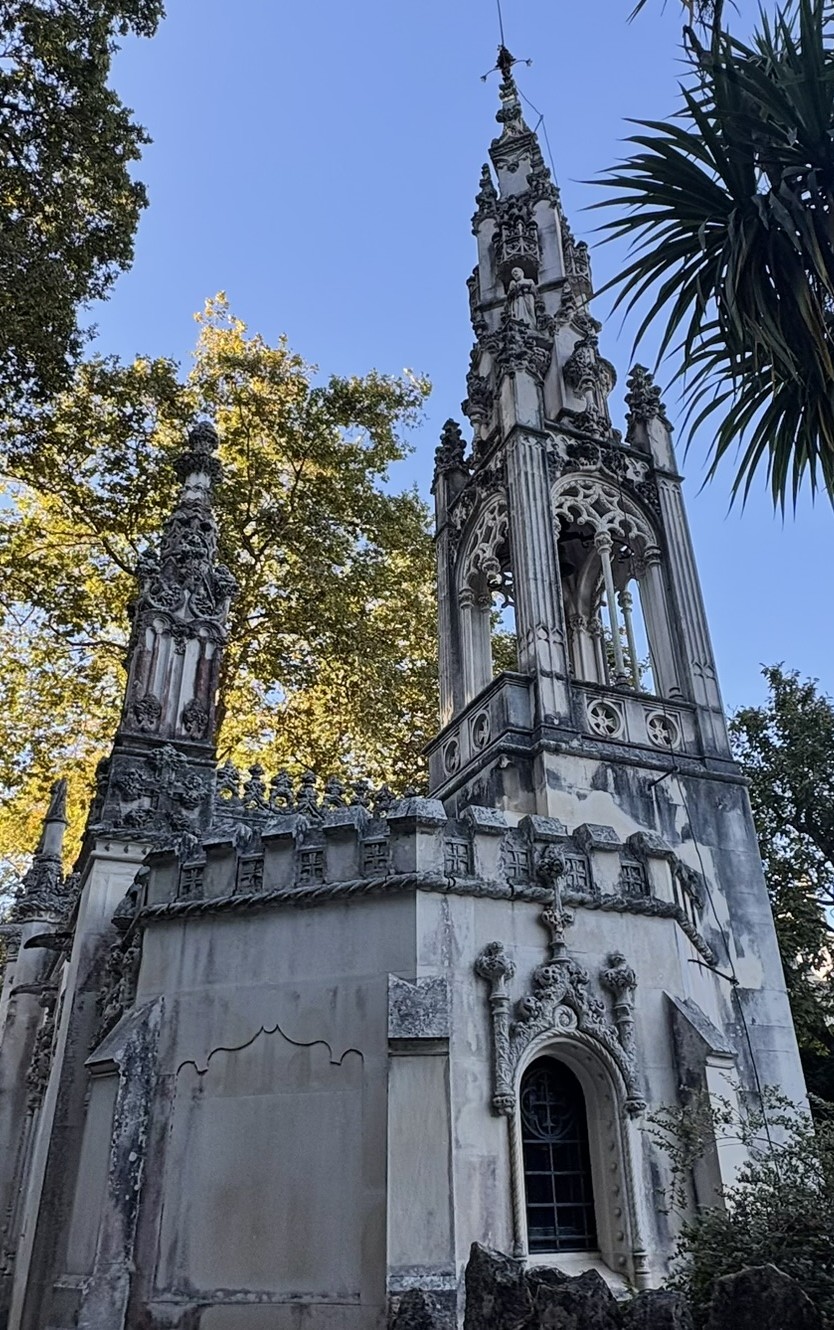
Quinta’s Garden is its crown jewel. The main path into the estate is the Promenade of the Gods, lined with statues of Venus, Hermes, Dionysus and other deities from Greek mythology. The small yet ornate Regaleira Chapel is equally rich in symbolism, containing frescoes, stained glass, and finely executed stucco work that illustrate various spiritual narratives.
The Initiation Wells is the highlight of Quinta da Regaleira. Descend the 139-step spiral staircase with nine platforms, which are said to represent the nine levels of Hell described in Dante’s Inferno. The mosaic below depicts a Rosicrucian-type cross positioned over a compass. The well was never intended for water collection but is believed to serve for ritualistic functions tied to Masonic ceremonies, Tarot symbolism and Templar mythology.
The estate was acquired by the Municipality of Sintra in 1997, which enabled its public opening and contributed to Sintra’s inscription as a UNESCO World Heritage Site in 1998.
Location: Rua Barbosa do Bocage, Sintra
Getting There: Take the Sintra Tourist Bus 435 to the Quinta da Regaleira stop. If you are departing from Sintra National Palace, it is more convenient to take an Uber or Bolt directly to the palace. This option saves time by eliminating the need to take Bus 434 to Sintra Train Station and then transfer to Bus 435.
Opening Hours: April to September: Daily from 9.30 am to 8 pm/ October to March: 9.30 am to 6 pm
Entrance Fee: Adults: €20/ Adults aged 65+ and Children aged 6 to 17: €15/ Visitors with Disability: €12 (Free for a companion accompanying visitors with disability)/ Children below 6: Free
Discover The Best of Portugal
Have you started falling in love with Portugal after learning how fascinating Sintra is? Why not check out my posts on other cities and towns around the country with diverse histories and cultures:
Like It? Pin This Article.



 Jack on Adventure
Leave a comment