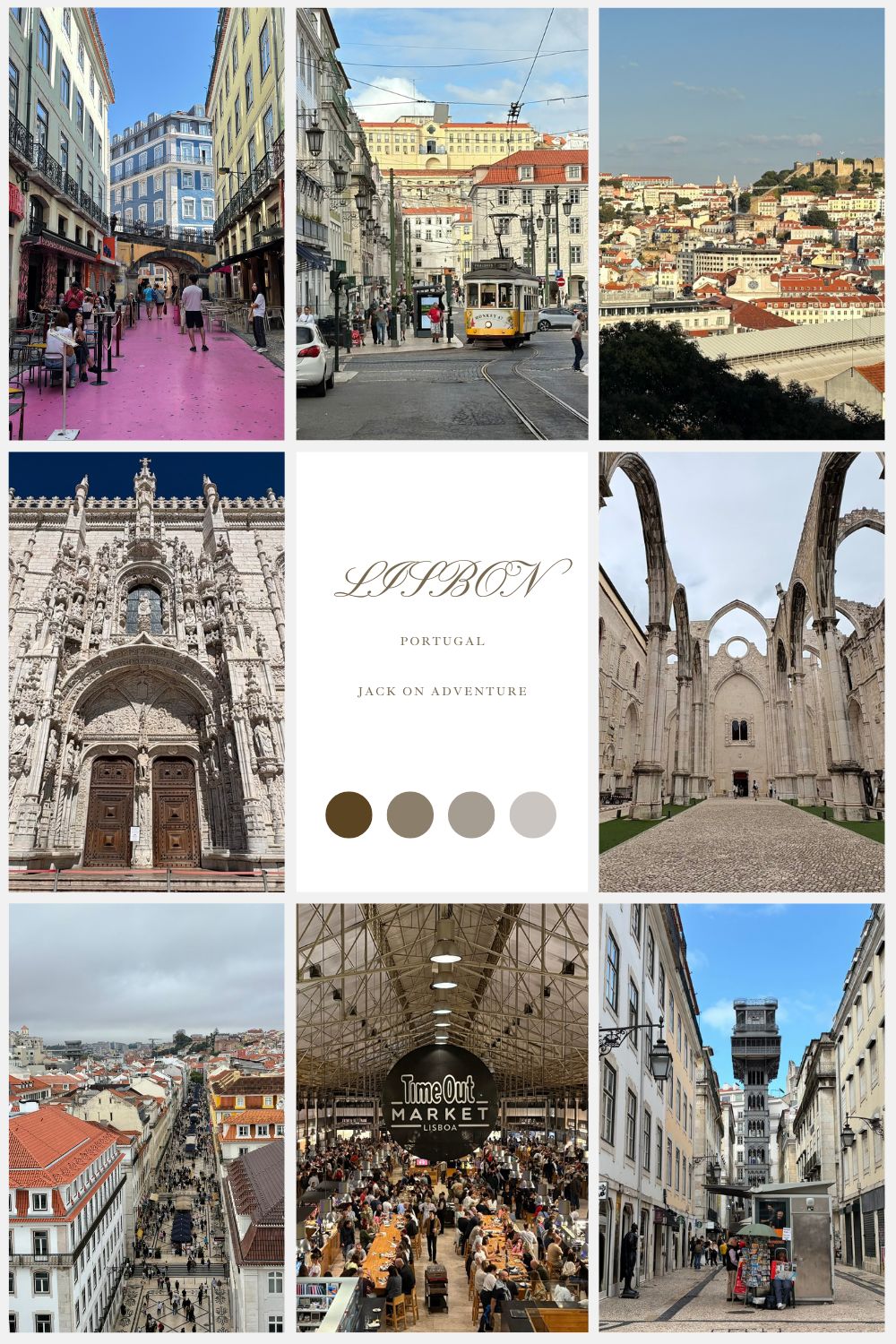
As the capital of Portugal, Lisbon is a vibrant city with a seamless blend of rich history, stunning architecture and a lively cultural scene. It is one of the oldest cities in the world and the second-oldest European capital city.
Known as the “City of Seven Hills,” Lisbon is filled with historic landmarks, breathtaking viewpoints and charming neighborhoods. From monasteries and churches to monuments, each hill reveals more about the history and charm that make the city so magical.
The city’s main districts — Baixa, Chiado, Bairro Alto, and Alfama — each offer a completely different vibe, from elegant shopping streets to cozy alleyways. And if you wander west, you’ll head to Belém, an absolute must-visit thanks to its cluster of UNESCO sites, riverside strolls, and of course, those legendary pastéis de nata.
Brief History
After settlement by pre-Celtic tribes, the Phoenicians founded the town 3,000 years ago and called the city Alis Ubbo, which translates as Delightful Shore. During Roman rule, Julius Caesar made it a Roman city called Felicitas Julia Olisipo. The Romans occupied it from 205 BC until the 5th century A.D. They built a great theatre, the Cassian Baths and temples dedicated to the Roman gods.
After the fall of the Roman Empire, the town was ruled by the Germanic tribes from the 5th century onward and was captured by the Moors in the 8th century. Many mosques and houses were reconstructed.
In 1147, Dom Afonso Henriques reclaimed the city from the Moors as part of the Portuguese Reconquista with the aid of crusader knights. The city was returned to Christian rule and the mosques were either destroyed or altered and converted into churches.
In 1255, Lisbon became the capital city of the new Portuguese territory. The first Portuguese university was founded in Lisbon in 1290 by King Denis I. However, the university was later moved to Coimbra, where it was permanently established in the 16th century as the University of Coimbra.
The Portuguese expeditions of the Age of Discoveries began in Lisbon from the late 15th to the early 17th century, including Vasco da Gama’s expedition to India in 1498. The city became the European hub of commerce between Africa, India, the Far East and Brazil during its golden era. They acquired great riches by exploiting the trade in spices, slaves, sugar, textiles and other goods.
Lisbon suffered a devastating earthquake on November 1, 1755, when the residents were celebrating All Saints’ Day. Around 30,000 out of Lisbon’s 200,000 people died and most buildings were destroyed in the disaster. Many people were also killed by the following tsunami along the coastal areas. It was later rebuilt with modern urban design that required the demolition of what remained after the earthquake.
Three revolutions had taken place in the 20th century. The first 5 October 1910 revolution brought an end to the Portuguese monarchy and established the highly unstable and corrupt Portuguese First Republic. The second revolution on 6 June 1926 ended the First Republic and established the Estado Novo. The Carnation Revolution took place on 25 April 1974, which reformed the country into its current third regime.
Best Time to Visit
With its Mediterranean climate, Lisbon experiences relatively mild weather all year-round, making every season a good time to visit.
Some of the best periods to explore the city are in late spring (May and June) or early autumn (September and November). These shoulder seasons offer mild—sometimes even warm—conditions, and accommodations and flights are typically much more affordable. During this time, you will also encounter fewer crowds at the city’s main attractions.
Like most parts of Europe, Lisbon’s high season occurs during the summer months between June and August. The city is at its most crowded, and major attractions are packed with tourists and long queues. You will pay more for flights and accommodation, so it is advisable to avoid making last-minute bookings.
Winter is also a worthwhile season to visit if you love cooler weather. Although the conditions can be wet, temperatures remain relatively mild, often reaching highs of around 17°C. The season also offers an opportunity to avoid large crowds and experience the city’s year-end festivals.
Getting There
By Plane
Lisbon Humberto Delgado Airport (Airport Code: LIS) is Portugal’s busiest airport with connecting flights to many domestic, European and international destinations. The airport is only 6.5 kilometers from the city center, and there are several ways to get there.
The metro is the most affordable way to get into downtown Lisbon. You can take the metro on the Vermelho (Red) Line from Terminal 1 (or take a shuttle bus from Terminal 2) to the city center in just 20 minutes. The Aeroporto Station is located on the right side of Terminal 1’s arrival hall. You can purchase a ‘Viva Viagem’ card at the train station for only €0.50 and top up some money before using the card.
Another convenient option is to take an Uber or Bolt (their app must be downloaded before booking a ride), which costs around €10-15, depending on distance, traffic and demand. You can take the e-hailing ride directly to your accommodation without worrying about carrying your luggage.
If you’re traveling in a group, the best way to reach the city is by taxi. You can pay the taxi fare at the airport taxi stand to avoid any misunderstandings.
By Train
Trains to Lisbon depart from Santa Apolonia and Oriente Station. The train service is operated by the national railway system, Comboios de Portugal (CP). The Santa Apolonia Station connects Lisbon to cities in northern and eastern Portugal by train, as well as other major European cities like Madrid and Paris. The station is located adjacent to the Alfama district, and you can take the Azul (Blue) Metro Line to your final destination.
Another major train station is Oriente Station, which is located about 7 kilometers northeast of the city center. This station connects Lisbon to other destinations in Portugal, such as Porto, Évora and the Algarve. From the station, you can take the metro on the Linha Vermelha (Red) Line or the e-hailing Uber or Bolt to your accommodation.
By Bus
The most economical way to get to Lisbon is to take the popular Flixbus if you’re already located in Portugal. Affordable bus services operate from major cities, including Porto, Coimbra and the Algarve region. Buses will arrive at Oriente Station and you can transfer to the metro to reach the city center.
Getting Around
Lisbon is a magnificent city filled with wonders and rich history. Regardless of whether you’re visiting for the first time or returning for another new adventure, exploring the city on foot is a great way to blend into Lisbon’s vibrant vibes and cultural depth. Many attractions are within walking distance, so it is often unnecessary to rely heavily on public transportation. Be sure to wear comfortable walking shoes, as many pathways are cobblestone and situated along the seven hills.
The ‘Tourist Card’ comes in handy if you are going to visit many historic sites and frequently take the local public transport. You can access numerous museums, monuments, castles and activities for free or at a discounted price, as well as free travel on the metro, public buses and trams. The card is available for a 24, 48 or 72-hour pass and is sold at the Lisbon Tourist Information Center.
The Best Activities for 5 Days in Lisbon
Get ready to dive into the charm of Lisbon, a city packed with beautiful churches, azulejo tiles, stunning miradouros, cobblestone streets and glamorous palaces. For the best experience, do stay in Lisbon for a week, using five days to explore the highlights of Portugal’s vibrant capital. Also, don’t forget to set aside another two days for the enchanting towns of Sintra and Évora—both absolutely worth the trip.
Take a morning stroll along Miraduoro das Portas do Sol

Kick-start your Lisbon experience at the Miradouro das Portas do Sol. The large terrace located above the ancient Alfama neighborhood offers breathtaking views of the old district. The picturesque neighborhood is painted with red-roofed Mediterranean houses that descend toward the Tagus River waterfront, set against the backdrop of the Monastery of St. Vincent and the white-domed National Pantheon.
Continue walking down to the romantic Miraduoro de Santa Luzia and admire the pink and red bougainvilleas dotted every corner of the terrace of the Santa Luzia Church. The two large azulejo panels depict the Old Commercial Square, while another portrays the attack on St George’s Castle.
There are many restaurants and cafés nearby that serve Portuguese and international cuisines, as well as the famous egg tarts from Manteigaria.
Gaze on the Igreja de Santiago

Igreja de Santiago, also known as the Church of St James, has been dedicated to Saint James since the 1100s. It served as the starting point of the Portuguese Way of St. James. The famous explorer Christopher Columbus married his Portuguese wife, Filipa Parestrelo, in this church in 1479.
The whitewashed church was rebuilt after the 1755 earthquake and is currently open twice a week for Mass and a brief visit. It houses a remarkable gold-covered altarpiece dedicated to Our Lady of the Rosary. The azulejos illustrate the “Mysteries of the Life of the Virgin”.
Location: R. de Santiago 1100, 1100-411 Lisboa
Discover the stunning Sé de Lisboa

Lisbon Cathedral, known locally as Sé de Lisboa, is the oldest church in the city, dating all the way back to 1147. Built on the former site of a mosque after King Afonso Henriques reclaimed Lisbon from the Moors, this iconic landmark has witnessed nearly nine centuries of history.
Over the years, the cathedral has undergone countless transformations, surviving battles and the devastating 1755 earthquake. Today, you’ll spot a fascinating blend of Romanesque, Gothic, and Baroque details throughout the building. Unlike many European cathedrals, Sé de Lisboa has neither bells nor a large rose window on its façade—one of many quirks that make it stand out.
Don’t miss the nativity scene crafted in 1766 by the renowned sculptor Machado de Castro. Near the main entrance, you can also see the very font where St. Anthony was baptized in 1195. Then, make your way to the Gothic cloisters, where archaeological excavations have uncovered layers of Lisbon’s past reaching back 3,000 years. Here you’ll find foundations from the Roman, Visigothic, and Moorish eras, along with sarcophagi and tombs of notable figures—including that of King Afonso IV from the fourteenth century.
The treasury located upstairs displays an impressive collection of illuminated manuscripts, silverware, sculptures, and an exquisite eighteenth-century monstrance. From its windows, you can enjoy lovely views overlooking downtown Lisbon and the Tagus River.
Every year on June 13, Sé de Lisboa becomes the romantic heart of the city as mass weddings take place in honor of St. Anthony, Lisbon’s beloved matchmaker saint.
Location: Largo da Sé 1, 1100-585 Lisboa
Getting There: Take Tram 12E or 28E, and Bus No. 10B or 737 to Sé Bus Stop
Opening Hours: Monday to Saturday from 9.30 am to 7 pm
Entrance Fee: €7
Visit Igreja de Santo António de Lisboa
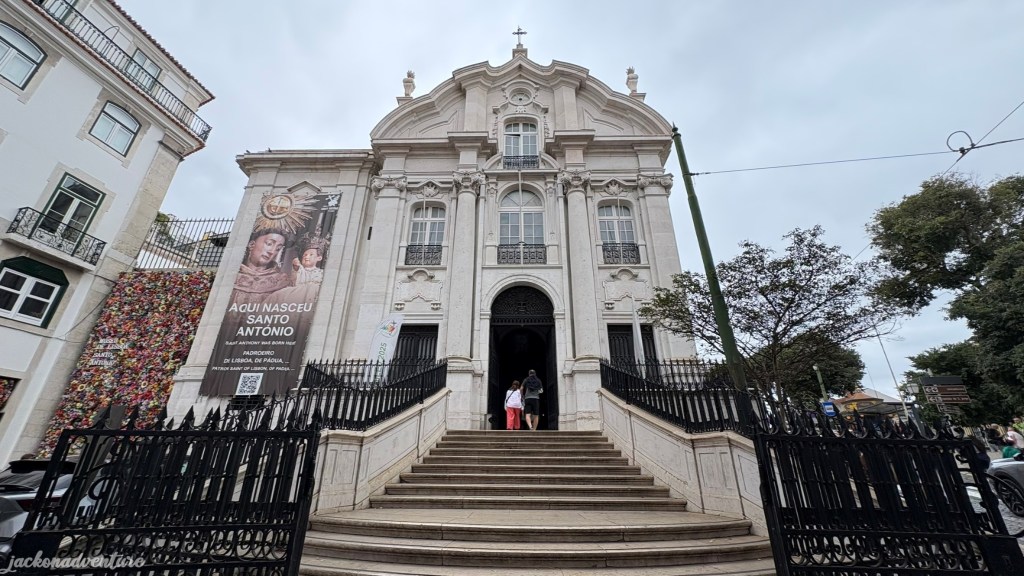
The Church of Saint Anthony is dedicated to the saint known as the matchmaker and the patron saint for the recovery of lost items. It was built in the 1400s on the site of the house where Saint Anthony was born and raised.
The church was rebuilt in a Baroque-Rococo style in 1767. It features paintings by 18th-century artist Pedro Alexandrino de Carvalho and the remains of St. Justina, which were brought from Rome in 1777 by Pope Pius VI. There is a contemporary azulejo portraying a visit of Pope John Paul II to the crypt of St. Anthony in 1982.
Location: Largo Santo António da Sé, 1100-499 Lisboa
Getting There: Take Tram 12E or 28E, and Bus No. 10B or 737 to Sé Bus Stop
Opening Hours: Daily from 10 am to 7 pm
Entrance Fee: Free
Go shopping at the iconic Conserveira de Lisboa
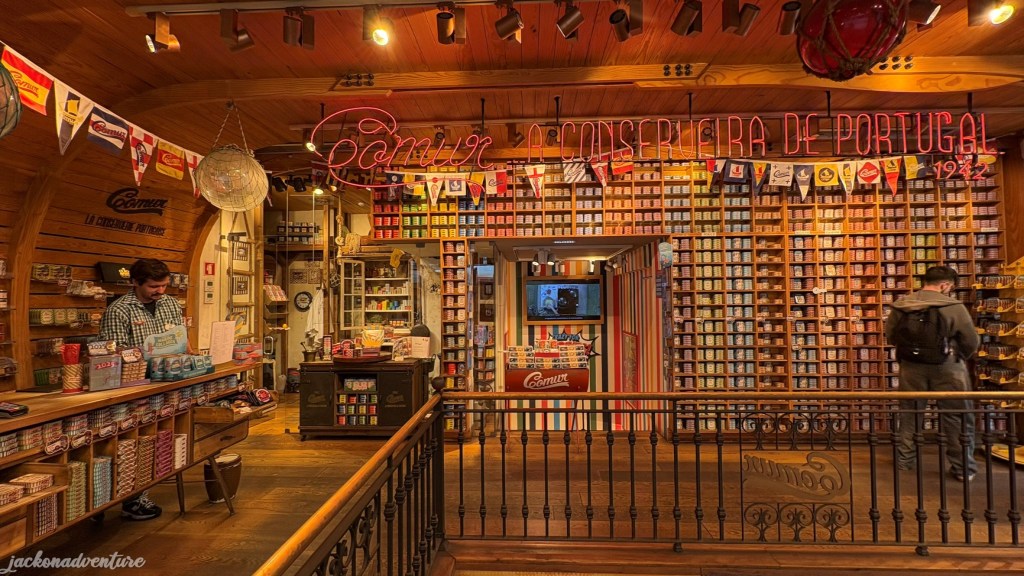
Conserveira de Lisboa is one of the lovely shops in Lisbon that sell sardines and canned seafood. Founded in 1930, the store is one of the city’s original purveyors of canned fish and is currently run by the third generation of the Ferreira family, Tiago Ferreira and Maria Manuel Ferreira. Sardines and other preserved fish are a beloved part of Portuguese food culture, and locals enjoy them in their everyday meals.
I was instantly drawn to the shop by its Instagrammable shelves, stacked with colorful tins wrapped in retro-style packaging. The variety is impressive- sardines, mackerel, tuna, octopus and sea bass- with prices ranging from €12 to €30.
If you have no clue which item to pick, the friendly staff are more than happy to recommend options based on your taste.
Location: R. dos Bacalhoeiros 34, 1100-071 Lisboa
Opening Hours: Monday to Saturday from 9 am to 7 pm
Take a free Lisbon walking tour
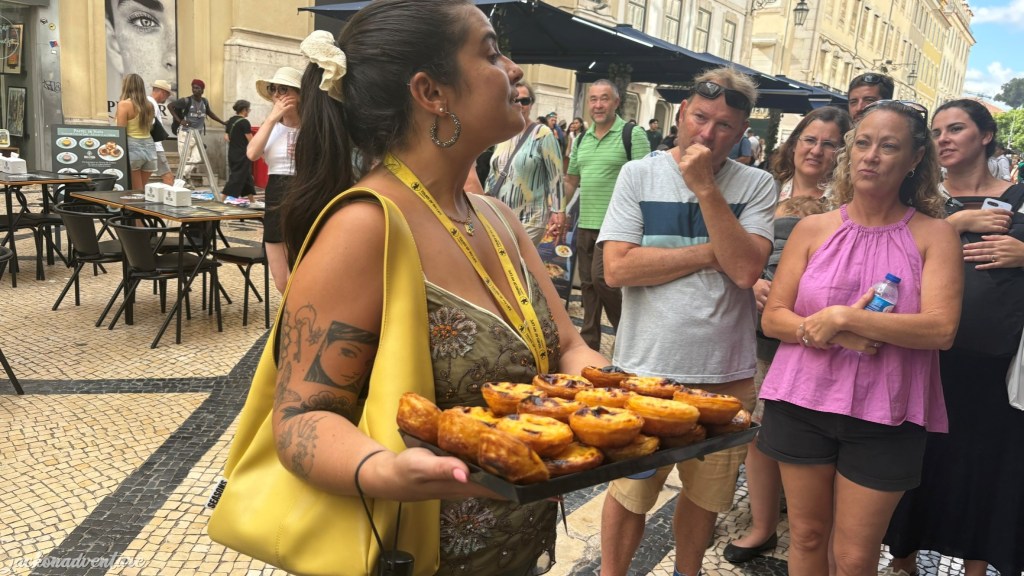
Who loves a free walking tour when traveling to a foreign country?
Lisbon offers plenty of them and they’re one of the most enjoyable ways to dive into the culture and history. As you wander through Lisbon’s charming neighborhoods, your guide will lead you along the cobblestone streets, across lively squares and toward some of the city’s most iconic landmarks. You’ll unfold the stories behind the Elevador de Santa Justa, Arco da Rua Augusta and Convento do Carmo. Along the way, you’ll uncover hidden gems and, of course, taste the beloved Pastel de Nata—the famous Portuguese custard tart.
At the end of the tour, all that’s expected is a small tip for their time to take you around. I joined a few free walking tours with Sandeman on my previous trip in Spain, but this time I opted for Guruwalk—and their guides were just as knowledgeable and engaging. Both companies offer walking tours in cities across Europe.
Getting lost in the charming Alfama neighborhood
One of the best things to do in Lisbon is to wander through the oldest Alfama district. The area is filled with a maze of windy alleyways, narrow cobblestone streets, and steep stairways. The houses and buildings retain their old charm, the only area undisturbed by the major 1755 earthquake due to its position on top of a sturdy bedrock.
Alfama was first occupied in the 4th century by the Romans and Visigoths. It is the Moors who moved here during the 8th century that gave it its current atmosphere and name. The web-like maze of streets was originally designed as a defense system and to help keep homes cool in the summer. Many families have lived in this neighbourhood for generations.
Don’t forget to sample Alfama’s renowned Ginjinha. Served in a small shot glass, the sweet red liqueur is made of sour cherries soaked in aguardente, a distilled spirit, and flavored with sugar and cinnamon. The origins date back to the Romans, who brought their ‘Prunus Cerasus’ trees to Portugal. The sweet, spirited cherry drink was believed to be created centuries later by a Christian friar and later sold by a Spanish immigrant in Lisbon named Francisco Espinheira in his small bar in the heart of the Portuguese capital.
Have the tasty Pastéis de Nata

Start your day with breakfast at the iconic Pastéis de Belém, a beloved local pastry shop famous for its traditional custard tarts. Tucked in the Belém district, this bakery shop has been crafting its irresistible Pastéis de Nata since 1837. The recipe has been well-guarded behind the glass door of the kitchen, where the chefs prepare nearly 20,000 fresh-baked tarts each day.
For five generations, the same recipe has been preserved, using simple ingredients—eggs, flour, sugar, butter and milk. The origins of the recipe trace back to the monks of Mosteiro dos Jerónimos, who passed it on to the shop’s first owner. From there, the tradition of making these creamy, flaky tarts has lived on, delighting visitors from around the world.

Location: R. de Belém 84 92, 1300-085 Lisboa
Opening Hours: Daily from 8 am to 10 pm
Explore the majestic Mosteiro dos Jerónimos
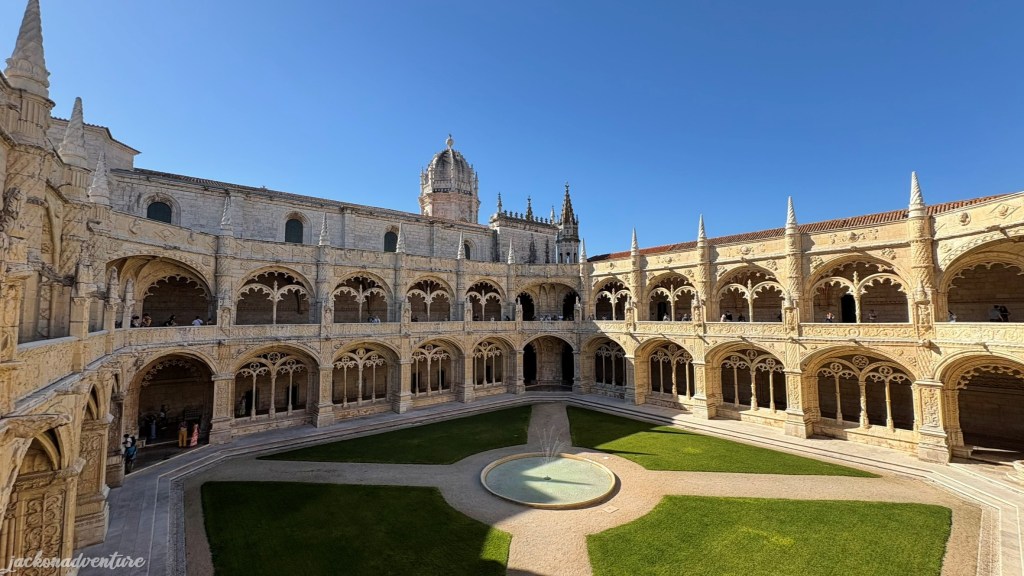
Built in 1501, Jerónimos Monastery is one of Lisbon’s most breathtaking landmarks. Designed by the Portuguese architect Diogo de Boitaca, the monastery served as a final resting place for members of the House of Avizto. Together with the iconic Belém Tower, it forms the heart of the Belém complex. Designated as a UNESCO World Heritage Site, it is another prime example of the Manuline architectural style.
The monastery once served as a spiritual haven for sailors and explorers. Before setting off on their long sea voyages, they would stop here to pray for protection. Vasco da Gama and his crews prayed at the former Emida do Restelo chapel before sailing down the African coast to India.
The exquisite two-story cloister features an open-air courtyard on the ground floor and historic exhibits that add deeper context to the site’s storied past. The monks of the Order of Saint Jerome used this serene space as a retreat for meditation and reflection—a sense of calm that you can still feel today as you wander through its arches.
Location: Praça do Império 1400-206 Lisboa
Getting There: Take the Cascais train from Cais do Sodré Station to Belém Train Station. You can also take Bus No. 714 or Tram 15 from Praça da Figueira in downtown Lisbon
Opening Hours: May to September: Tuesday to Sunday from 10 am to 6.30 pm/ October to April: Tuesday to Sunday from 10 am to 5.30 pm
Entrance Fee: Adults: € 19.50/ Children below 12: Free (Free entry with Lisbon Card)
Be amazed by the incredible Igreja de Santa Maria de Belém
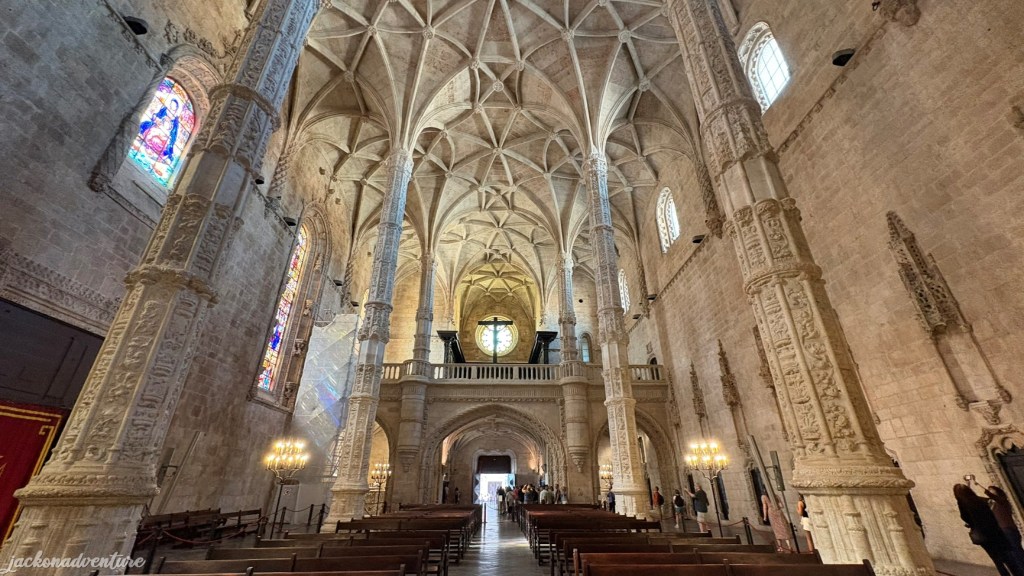
Right beside the monastery sits the beautiful Church of Santa Maria, a striking blend of Gothic and Renaissance styles. As you step inside, the vaulted ceiling—held up by slender, tree-like columns—immediately draws your eyes upward and creates an atmosphere that feels almost otherworldly. It houses the tombs of Vasco da Gama, Luís de Camões, the celebrated Portuguese poet and writer, and the 19th-century historian Alexandre Herculano.
Location: Praça do Império 1400-206 Lisboa
Getting There: Take the Cascais train from Cais do Sodré Station to Belém Train Station. You can also take Bus No. 714 or Tram 15 from Praça da Figueira in downtown Lisbon
Opening Hours: May to September: Tuesday to Sunday from 10 am to 6.30 pm/ October to April: Tuesday to Sunday from 10 am to 5.30 pm
Entrance Fee: Free
Visit the grand Palácio Nacional da Ajuda
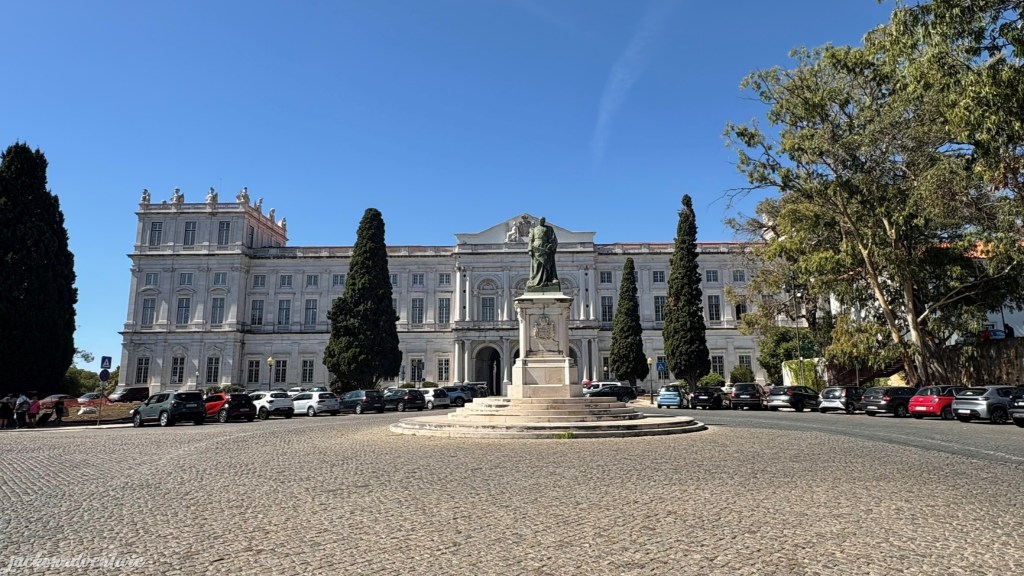
Perched at the top of Ajuda Hill, the Ajuda National Palace was once the residence of the Portuguese royal family from the reign of D. Luis I until the end of the monarchy in 1910. Queen Maria Pia of Savoy later refurbished the palace, giving it a new layout and lavish décor that reflected her refined taste.
After the royal family went into exile, the palace was converted into a living museum in 1968. As you take the journey into Portugal’s royal past, you’ll notice that the neoclassical building still retains much of its original design. It displays a collection of decorative arts from the 18th and 19th centuries, jewelry, tapestry, furniture, glassware, ceramics, sculptures and paintings by artists such as El Greco, Géricault and Moroni.
Location: Largo da Ajuda, 1349-021 Lisboa
Opening Hours: Thursday to Tuesday from 10 am to 6 pm
Entrance Fee: €15 (Free entry with Lisbon Card)
Visit the Pillar 7 Visitor Experience Center

Go behind the scenes and uncover the fascinating history of the iconic 25th April Bridge, completed on 6 August 1966. At Pillar 7, one of the bridge’s 14 supporting structures, you’ll find interactive exhibits that reveal how this engineering marvel was built and how the mechanics of a suspension bridge work. Don’t miss the glass observation deck, perched 80 meters above the ground, where sweeping views of Lisbon and the Tagus River await.
Inspired by San Francisco’s Bay Bridge, the bridge was originally named after Prime Minister (and dictator) Salazar when it was opened in 1966. After the peaceful revolution on April 25, 1974, the bridge was renamed to honor the historic day. Today, it serves as a vital link between Lisbon and the golden beaches of Costa da Caparica.
Location: Av. da Índia 52, 1300-299 Lisboa
Opening Hours: Daily from 10 am to 6 pm
Entrance Fee: Adults: € 5.50/ Adults aged 65+ and Visitors with Disability: € 3.70/ Children aged 6-15: € 3.70 / Children below 5: Free (Free entry with Lisbon Card)
Visit the Monument to the Discoveries

Built in 1960, the Monument to the Discoveries (Padrão dos Descobrimentos) stands proudly along the Tagus River, commemorating 500 years of Portuguese exploration. Rising 52 meters into the sky, the monument resembles a three-sail ship poised to set off on a grand voyage.
The structure features 32 striking sculptures arranged along the prow of a caravel, each representing a historical figure who played a major role in Portugal’s Age of Discoveries. Leading the group is Prince Henry the Navigator, followed by cartographers, colonisers, missionaries, chroniclers, and artists. Portugal’s coat of arms appears on both sides of the monument, adding to its symbolic significance.
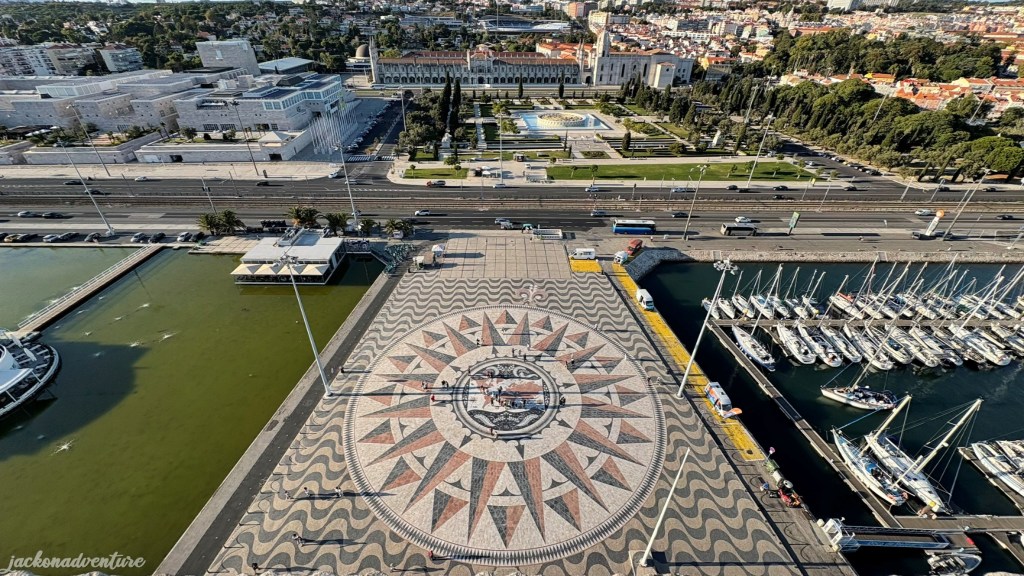
Climb up to the observation deck for fantastic views over Belém and the riverfront. At the foot of the monument, you’ll also find a beautiful marble mosaic—a giant compass rose with a world map at its center—perfect for photo moments and a visual reminder of Portugal’s global journeys.
Location: Av. Brasília, 1400-038 Lisboa
Getting There: Take the Cascais train from Cais do Sodré Station to Belém Train Station. You can also take Bus No. 714 or Tram 15 from Praça da Figueira in downtown Lisbon
Opening Hours: March to September: Daily from 10 am to 7 pm/ October to February: Tuesday to Sunday from 10 am to 6 pm
Entrance Fee: €6 (Free entry with Lisbon Card)
Admire the Torre de Belém
Belém Tower was built between 1514 and 1520 in an elegant Manueline style by the Portuguese architect and sculptor Francisco de Aruda. It was classified as a World Heritage Site in 1983.
This tower was built as a beacon and fortress to guard the entrance to Lisbon’s harbour and later served as a ceremonial gate and even a prison. It was a symbol of Europe’s Age of Discoveries, a period when Portuguese explorers set sail toward previously uncharted territories. Their voyages led to the discovery of Brazil, the expansion of global trade routes and the colonizationof regions across Africa and Asia— bringing immense wealth to the Portuguese crown.
The tower is spread across five floors: The Governor’s Hall, The Kings’ Hall, the Audience Hall, the Chapel, and the rooftop terrace. Be sure to look for the unusual gargoyle on the western façade—shaped like a rhinoceros.
Location: Av. Brasília, 1400-038 Lisboa
Getting There: Take the Cascais train from Cais do Sodré Station to Belém Train Station. You can also take Bus No. 714 or Tram 15 from Praça da Figueira in downtown Lisbon
Opening Hours: Tuesday to Sunday from 9.30 am to 5.30 pm
Entrance Fee: €5 (Free entry with Lisbon Card)
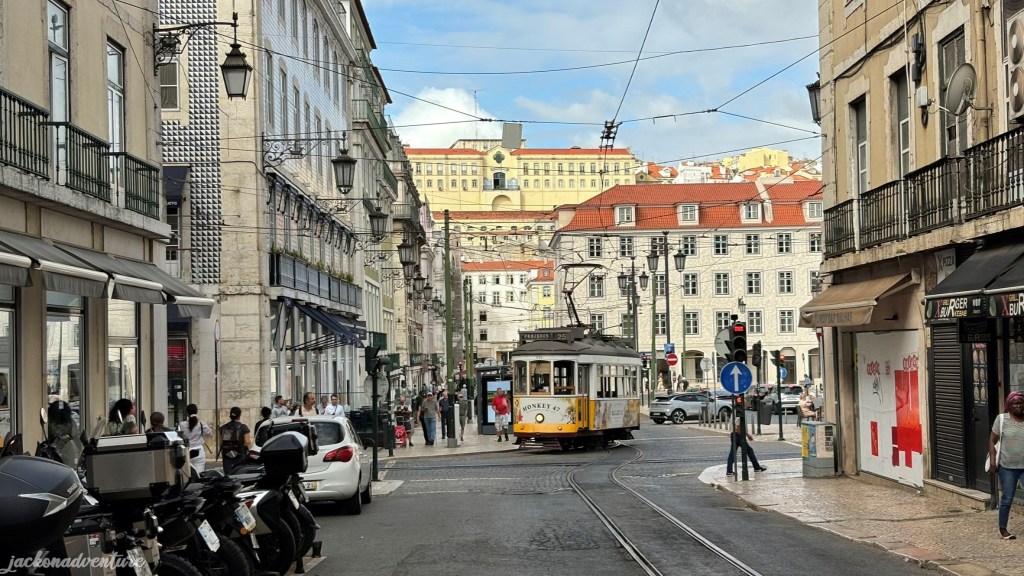
Ride the historical Tram 28

Riding Tram 28 is one of the most popular activities to do in Lisbon. The beloved yellow tram continues to follow its original route, which has been in operation since the early 1900s.
As it rattles through the city, the tram takes you past charming neighborhoods, narrow historic streets and many tourist attractions. You can see the São Jorge Castle, Sé de Lisboa and Miradouro das Portas do Sol in the Alfama district before continuing toward the Igreja de Santa Catarina in Bairro Alto.
Whether you’re in Lisbon just for a weekend or a week, hopping aboard this vintage tram is a fun and memorable way to experience the city. The entire journey takes about an hour and you take a glimpse of many beautiful landmarks in Lisbon. And the best part for Lisbon card holders is to have unlimited free rides throughout the day.
Marvel at the incredible Castelo de São Jorge
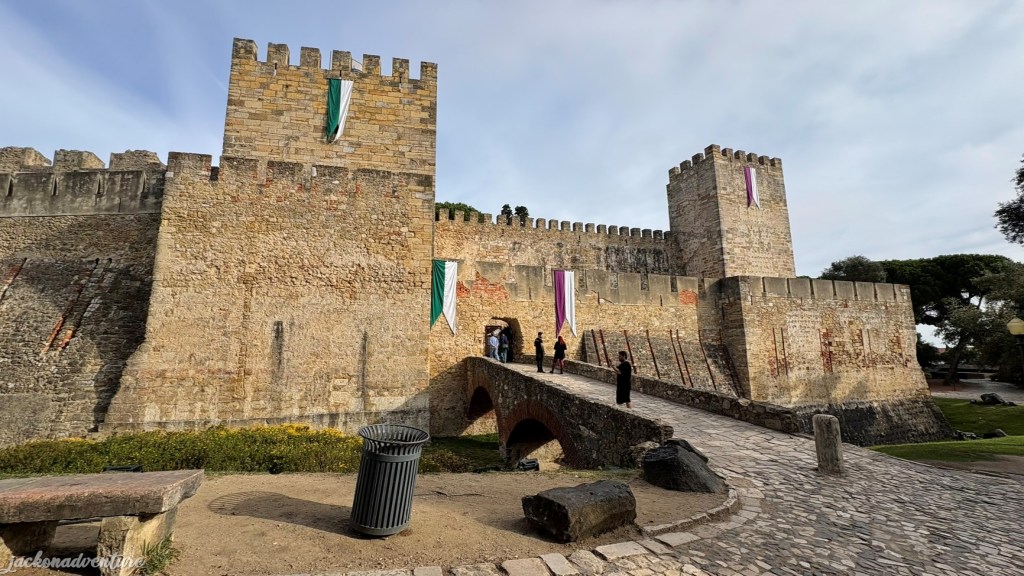
Sit on the summit of São Jorge hill, São Jorge Castle was originally built by the Visigoths during the 5th century at the highest point of Lisbon. It was later expanded by the Moors in the 9th century to strengthen the city’s defenses from invaders. The Christian forces led by King Alfonso Henrique captured the castle in 1147 and transformed it into a royal palace and residence for the Portuguese monarchy.
As you approach the main gate, you’ll be greeted by the statue of Afonso Henriques. Step inside and wander around the vast castle grounds, framed by 11 towers. It is worth a visit to the small archaeological museum, which displays artifacts uncovered during excavations around the site, including Moorish coins, pottery and beautifully preserved tiles. Behind the museum is an archaeological area with traces of dwellings from prehistoric times until the Moorish period.
The surrounding gardens are planted with native Portuguese species such as cork oak, olive, carob, strawberry, umbrella pine and various fruit trees, creating a tranquil setting with some of the best views in the city.
Location: R. de Santa Cruz do Castelo, 1100-129 Lisboa
Opening Hours: November to February: Daily from 9 am to 6 pm/ March to October: Daily from 9 am to 9 pm
Entrance Fee: Adults: € 15/ Adults aged 65+ and Visitors with Disability: € 12.50/ Children aged 13-18: € 7.50 / Children below 12: Free (Free entry with Lisbon Card)
Unfold the history behind the ruined Roman Theatre
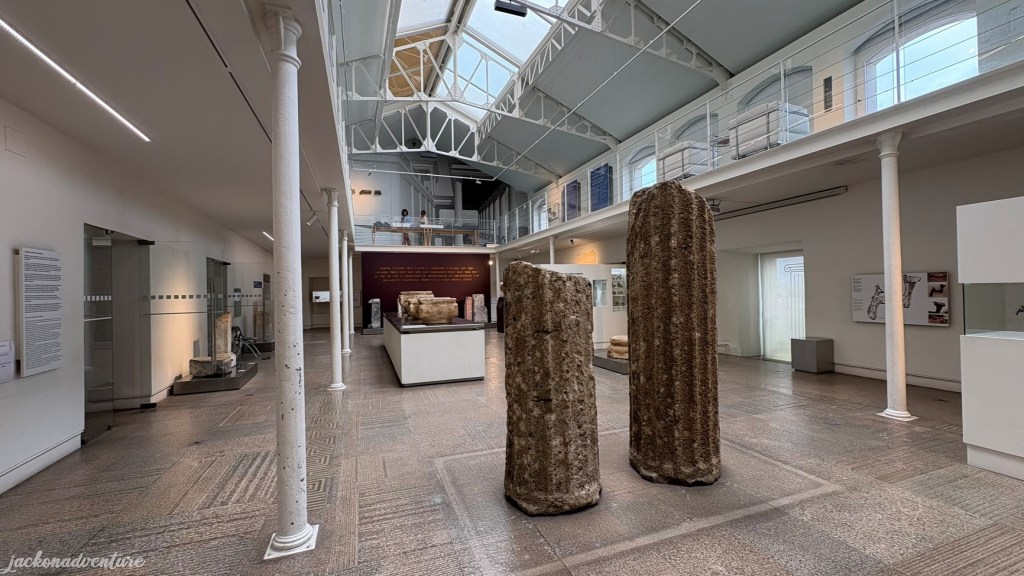
The Museu de Lisboa – Teatro Romano tells the story of one of the most important monuments of Felicitas lulia Olisipo. The theatre dates back to the 1st century BC, built under Emperor Augustus. Enlarged in 57 AD, it holds up to 4,000 spectators and was opened to the entire population regardless of their social status.
The theatre was abandoned in the Middle Ages and vanished beneath the ground until it was discovered during Lisbon’s post-earthquake reconstruction in 1798.
The museum currently houses artifacts from various excavation sites from 1964 to the present day. The large number of gathered objects demonstrated the intense economic relations between the city of Olisipo and other regions of the Roman Empire. It also features a smattering of columns and other finds, including a sculpture of Silenus and an inscription dedicated to Nero.
Location: A, R. de São Mamede 3 A, 1100-532 Lisboa
Opening Hours: Tuesday to Sunday from 10 am to 6 pm
Entrance Fee: € 4 (Free entry with Lisbon Card)
Explore the Convento de Carmo

The ruined Carmo Convent is one of Lisbon’s most hauntingly beautiful sights. Once the largest church in the city, the church was built in 1389 by D. Nuno Alvares Pereira, the Saint Constable. It was constantly enriched throughout centuries with new chapels and various decorations.
The devastating earthquake struck on the Feast of All Saints, one of the holiest days of the year, when churches were packed for morning mass. The ground began to shake violently at 9.40 am, destroying much of what is now the Baixa neighborhood. Tragically, everyone attending mass at the Convento do Carmo was killed, and the once-grand church was reduced to a skeletal shell.
The earthquake was followed by a terrible tsunami and raging fires, many sparked by candles left burning in the residents’ houses when they were at the church. An attempt to rebuild in the new-Gothic style was interrupted during the 19th century under the influence of the Romantic taste.
Today, you can wander around the ruins and admire the imposing arches and the open-air nave. The dramatic stone walls are visible from several viewpoints across Lisbon. It’s peaceful, atmospheric, and unforgettable — a must-see for anyone exploring the city.
Location: Largo do Carmo, 1200-092 Lisboa
Opening Hours: October to April: Monday to Saturday from 10am to 6pm/ May to September: Monday to Saturday from 10am to 7pm
Entrance Fee: Adults: €7/ Adults aged 65+ and Students: €5/ Visitors with Disability: Free (20% off with Lisbon Card)
Visit the peaceful Convent of São Domingos
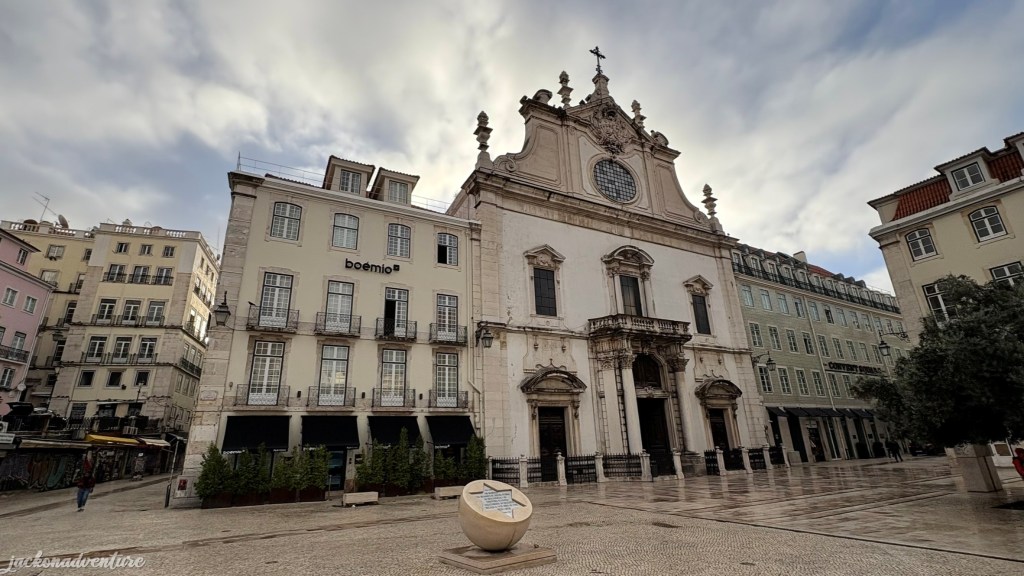
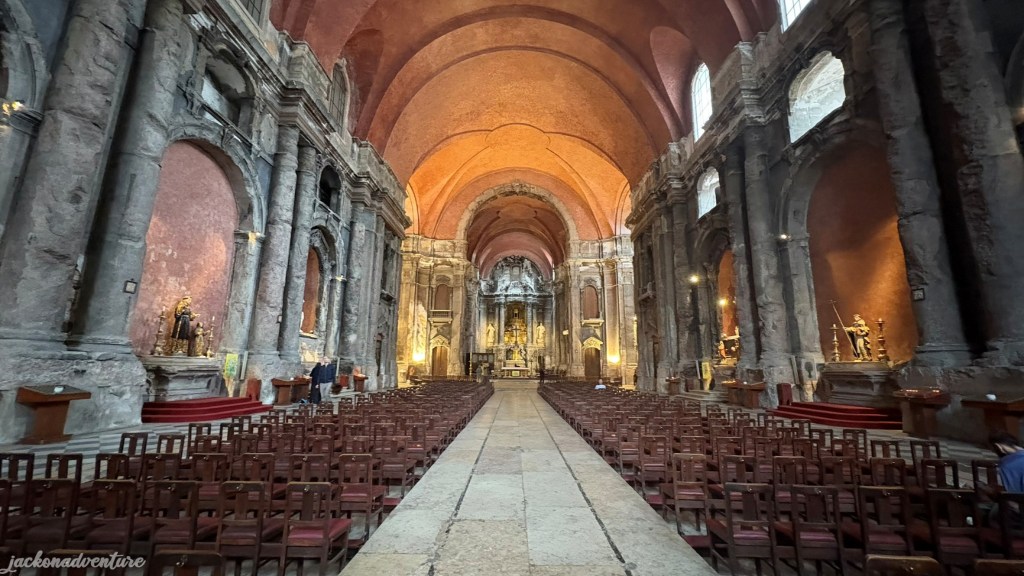
Founded in 1241, the Convent of São Domingos has some of the most important moments in Portugal’s history— from many royal weddings to national funerals and religious ceremonies. It was reconstructed several times after suffering damage from two devastating earthquakes and a terrible fire.
The interior remains a striking sight, although it was never restored after the fire. The high altar is truly remarkable, where the sculptural representation of the Holy Trinity is supported by red marble columns. The scorched pillars and the faint smoky smell that lingers in the air are clear signs of the aftermath.
After your visit at the church, walk around lively Largo de São Domingos, lined with small shops, cafés, and old taverns. It is a gathering place for tourists and immigrants, many of whom have arrived from the former Portuguese African colonies. You can indulge in the famous cherry liqueur known as Ginjinha, which has been serving this local delicacy since 1840.
The memorial served as a somber reminder of this tragic event— a quiet place for reflection amid the bustle of modern Lisbon. Unfold the city’s past by learning the historic tragedies, such as the Massacre of Lisbon in 1506. A mob driven by anger and resentment against the Jewish people launched a violent assault on the Jewish quarter known as the Judiaria. They looted homes and killed the Jews in their homes and synagogues during the three-day massacre. Many survivors were forcibly baptized or fled the city in fear for their lives.
Location: Largo São Domingos, 1150-320 Lisboa
Opening Hours: Daily from 7.30 am to 7 pm
Entrance Fee: Free
Admire stunning city views at the Arco de Rua Augusta
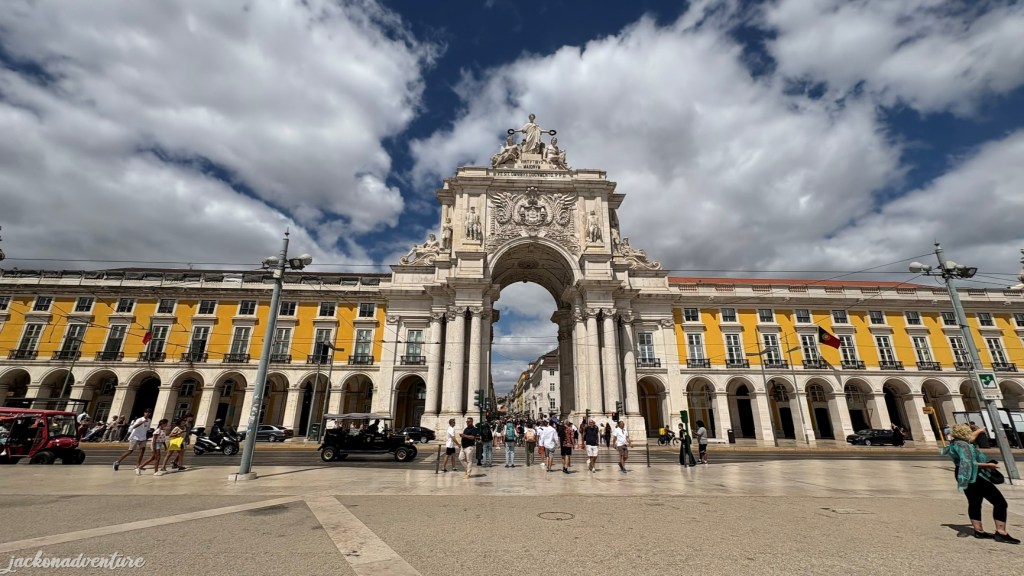
Stands in the middle of Praça do Comércio, the Arco de Rua Augusta is the triumphal arch that offers magnificent views of Lisbon’s downtown and the Tagus River.
At the top, you’ll spot the sculptures of Glory crowning Genius and Valor, giving the arch a theatrical presence. Just below them stand some of Portugal’s most important historical figures- Vasco da Gama, the Marquis of Pombal, Nuno Álvares Pereira and Viriato.
Inside, there’s also a small but interesting exhibition where you can go behind the scenes and see how the mechanisms of the monumental clock work.
Location: R. Augusta 2, 1100-053 Lisboa
Opening Hours: Daily from 10 am to 7 pm
Entrance Fee: €3.50 (Free entry with Lisbon Card)
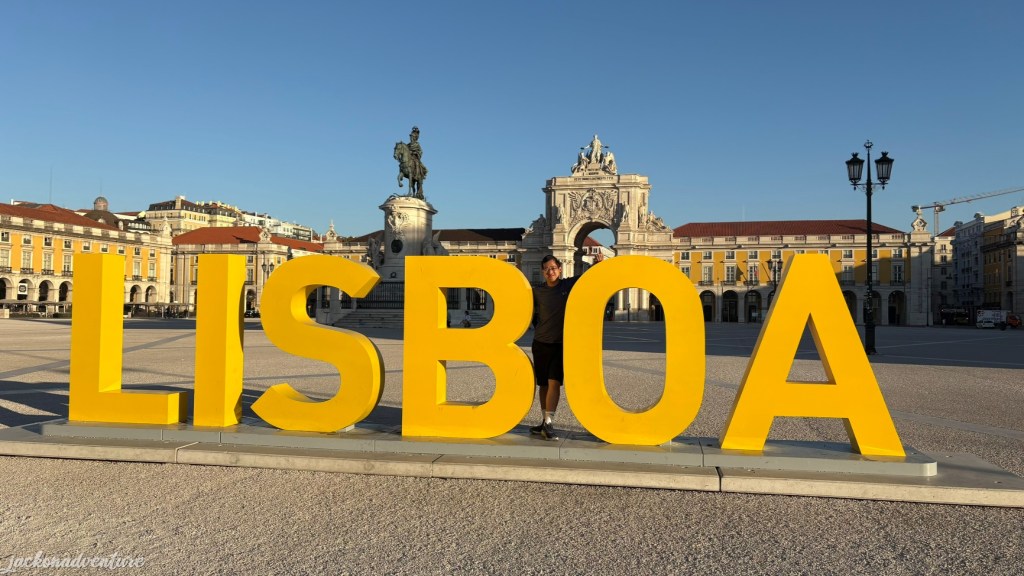
Wander around Praça do Comércio

Locally known as Terreiro do Paço, the large emblematic Praça do Comércio is surrounded by light-yellow arcaded buildings. Many of these four-story buildings had been renovated and occupied by stylish hotels and cafes.
Right at the center stands the impressive bronze equestrian statue of King José I, riding on his horse Gentil. Sculpted by Machado de Castro, the statue was designed to symbolise royal power and the noble Lusitano horse breed. The monument also carries medallions featuring Nuno Álvares Pereira and João das Regras, who brought the king to power during the 1385 Revolution. Beneath them sits a sculpted elephant that represents the Portuguese empires in Africa and India
Some of the iconic landmarks around the square are the Martinho da Arcada (the oldest restaurant in Lisbon) and the Lisbon Story Center.
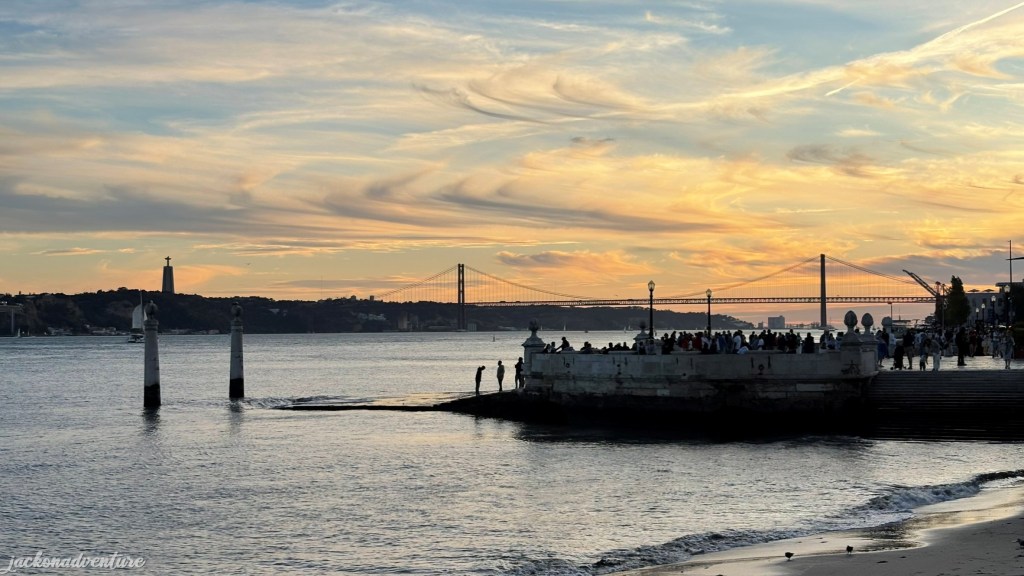
Stroll along the Tagus riverbank
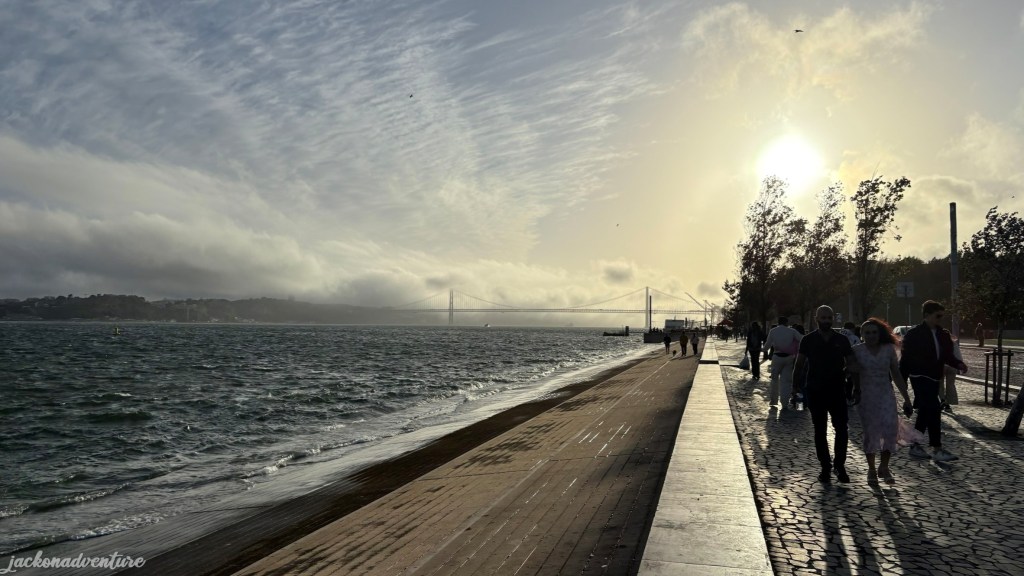
Take an evening walk along Lisbon’s riverbank, with wide promenades and picturesque views. The walk from Praça do Comércio to the 25 de Abril Bridge offers a chance to appreciate the peaceful surroundings with a gentle river breeze. It’s the perfect moment to slow down and enjoy the scenery.
Go food hunting at Time Out Market
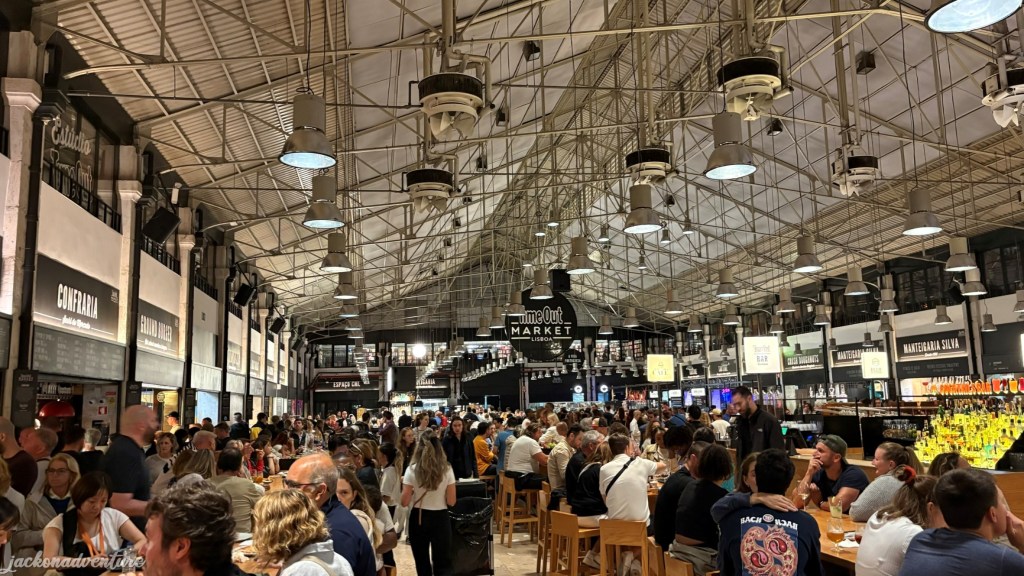
Once the sun sets over the horizon, make your way to the lively Time Out Market— Lisbon’s ultimate foodie hotspot. This massive hall brings together some of Lisbon’s finest restaurants, giving you the perfect chance to dive into incredible local and international flavors.
With 30 establishments under one roof, the food hall is an excellent place to experience Portuguese gastronomy. Every stall is curated by Time Out Magazine, featuring top chefs who serve everything from traditional Portuguese dishes to creative modern bites. There is literally anything here- seafood, pastas, pizzas, international plates — you name it.
Location: Mercado da Ribeira, Av. 24 de Julho, 1200-479 Lisboa
Opening Hours: Daily from 10 am to 12 am
Take a glance at Praça dos Restauradores
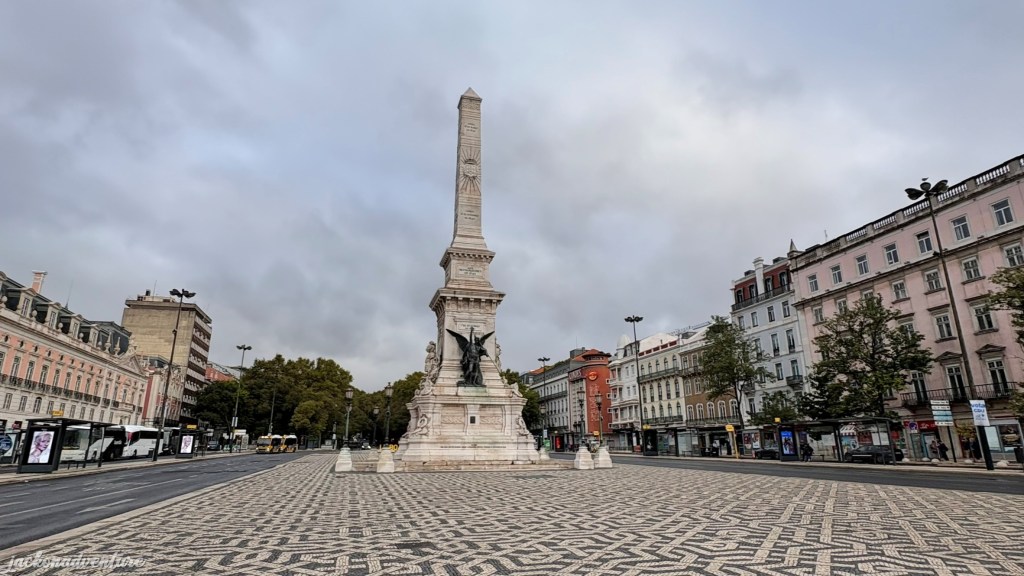
Praça dos Restauradores honors the men who brought the restoration of Portuguese independence in 1640 after 60 years of Spanish rule. King Philip II of Spain took control of Portugal after King Sebastian of Portugal died in the battle without an heir in 1580. Portugal fought back several times and gained its independence.
The monumental obelisk in the square carries the names and dates of the battles fought during the Portuguese Restoration War.
Have a delightful breakfast at Confeitaria Nacional
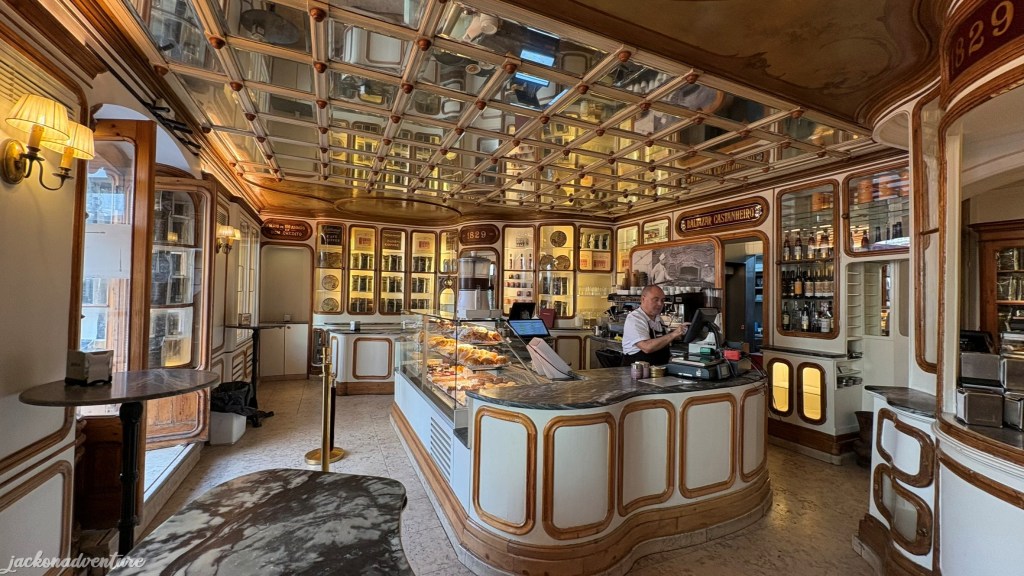
Founded in 1829, the Confeitaria Nacional is the oldest and most famous pastry shop in Lisbon. The store has retained its original mirrored interior since its opening and is famed for the traditional Christmas, Bolo Rei, which tradition began in 1850 when the owner bought the recipe.
Come hungry and pick some of their biscuits and Portuguese pastries at the classic and elegant marble counter. Grab yourself some delicious treats while soaking in the charming 19th-century traditional atmosphere.
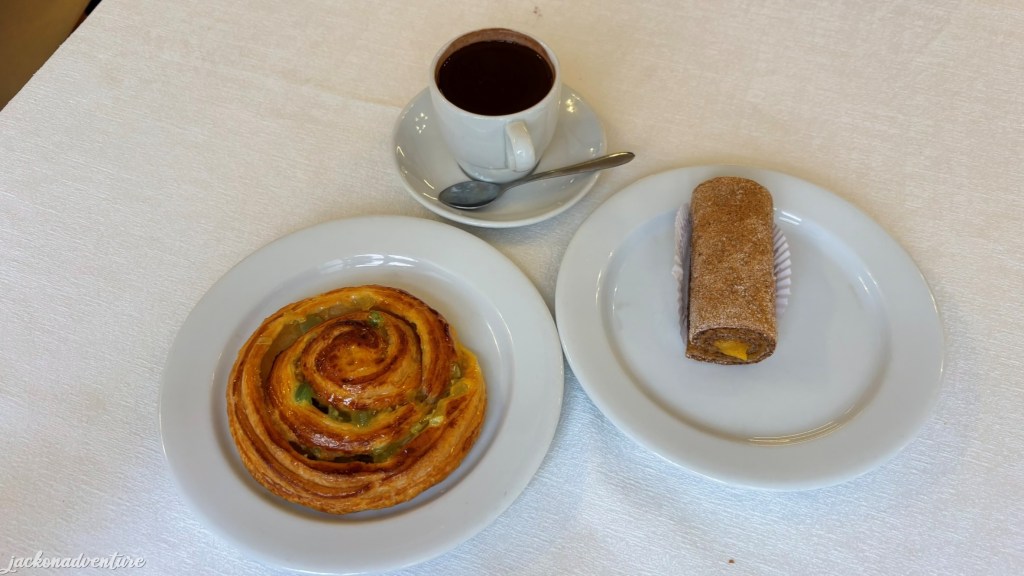
Location: Praça da Figueira 18B, 1100-241 Lisboa
Opening Hours: Daily from 8 am to 8 pm
Stroll through Praca do Rossio

Officially named Dom Pedro IV Square, the Rosio Square has been a main square of Lisbon since the Middle Ages, where residents gathered to take part in carnivals, revolts, watch bullfights and even witness executions.
The main square has been the meeting point for many locals and tourists. The statue of King Pedro IV is hard to miss, surrounded by two Baroque fountains depicting mythical creatures. The floor is paved with a wave-patterned walkway originally created in 1848, which is commonly seen throughout the country.
Enjoy magnificent city views at Elevador de Santa Justa
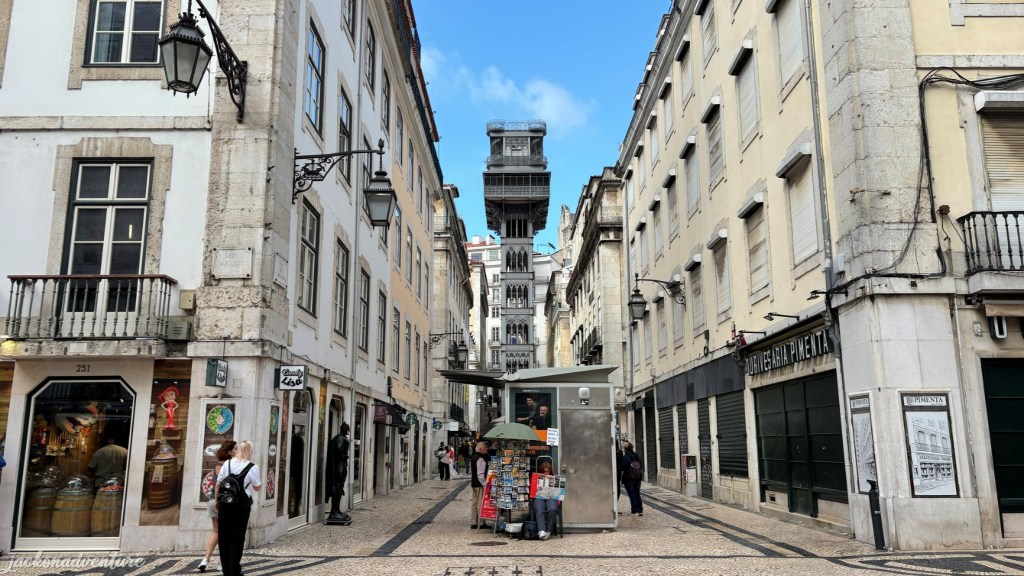
One of the most unique landmarks in Lisbon is the Elevador de Santa Justa. Built in the 19th century by Raoul Mesnier du Ponsard, a student of Gustave Eiffel, the iconic lift was designed to connect the lower Baixa neighbourhood with Carmo Square at the top.
The 45-meter lift is a stunning example of Neo-Gothic architecture, covered in intricate wrought-iron details and delicate filigree patterns. It is the only vertical lift in the city and originally ran on steam before being converted to electric power in 1907.
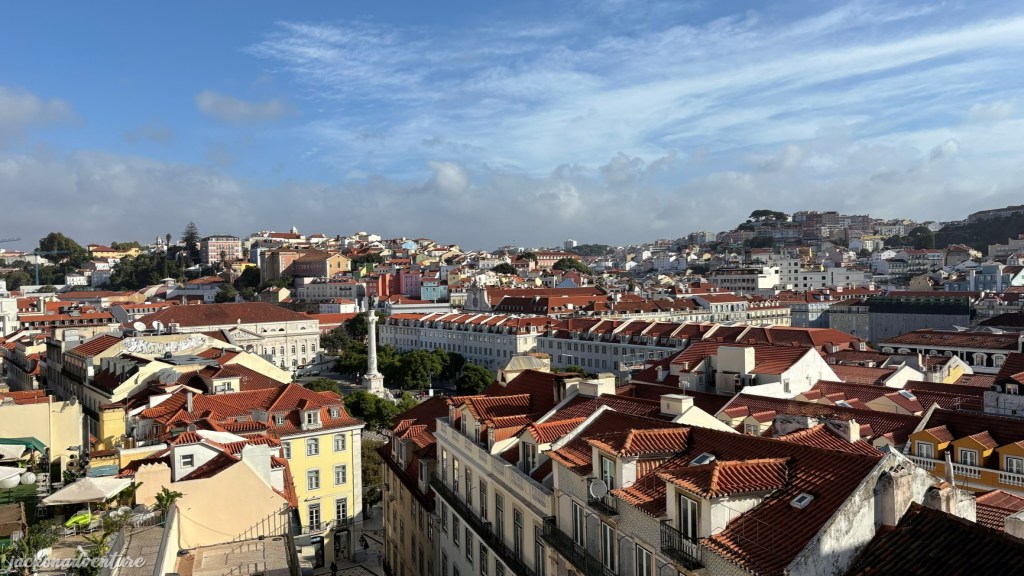
Travel Tips: Instead of waiting in a long queue with these silly tourists, walk toward Rua do Carmo behind the lift. Keep going until you spot a small blue sign above a narrow passageway. Take the stairs to a church and turn right. Take another set of stairs from Casa Pastel Portuguesa do Pastel de Bacalhau. And walah, you will reach the same viewing platform for free and skip one of the biggest tourist traps in Lisbon. You can later spend those €5 to treat yourself to a pastel or a pint of BEER!
Location: R. de Santa Justa, 1150-060 Lisboa
Opening Hours: October to April: Daily from 7.30 am to 9 pm/ May to September: Daily from 7.30 am to 11 pm
Entrance Fee: Viewing platform: Free/ Lift: €5.30 (Free entry with Lisbon Card)
Stroll through Feira de Ladra Flea Market
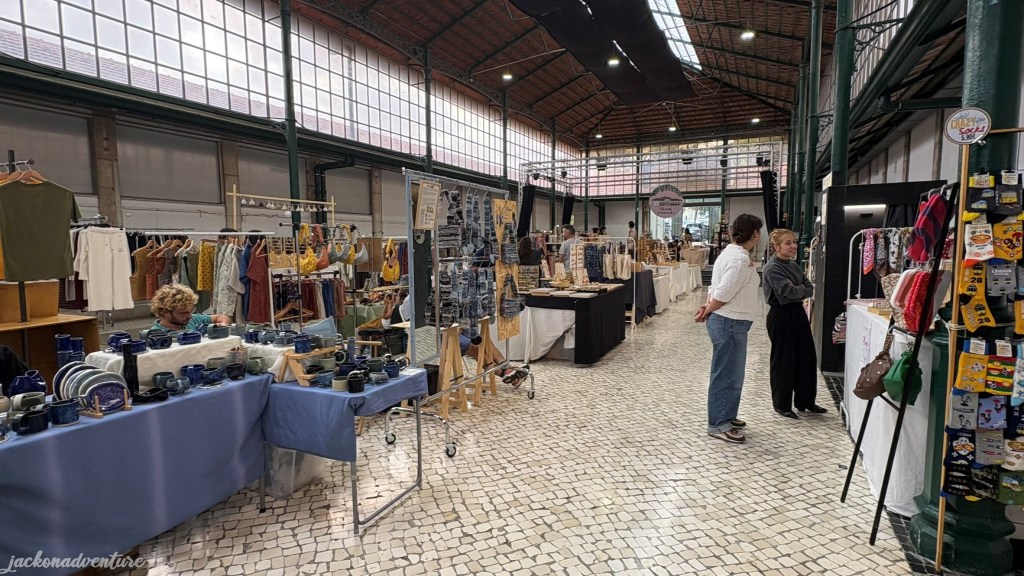
Feira de Ladra Flea Market is the oldest market in Lisbon that has been around the corner since the 12th century. The market’s name literally translates to “Thieves’ Market”, but many believe it’s named after ladro, a bug or flea bound in antique furniture.
There are plenty of gems to uncover in the street. Expect an electric mix of stalls selling everything from vintage clothing and collectibles to books, vinyl and antiques, funky glass and vintage lamps. Go and sift through boxes of plates and cups for €1 or pick up some original artworks.
Location: Campo de Santa Clara, 1100-472 Lisboa
Opening Hours: Tuesday and Saturday from 9 am to 5 pm
Explore the National Pantheon

The National Pantheon is a stunning Baroque building that serves as the final resting place of some of Portugal’s most famous personalities. You’ll find the tombs of former presidents, renowned writers and the legendary fado singer Amalia Rodrigues.
The tombs are arranged symmetrically across an elegant marble floor, centered around a striking Greek cross. Its soaring space and grand design were inspired by St. Peter’s Basilica in Rome.
Originally begun in 1682 as the Church of Santa Engrácia, the huge dome was only completed in 1966. Legend has it that the endless construction was cursed. The church was built on the site of an earlier church that had been desecrated during a robbery in 1630. A Jew was wrongly blamed and executed and only later proven innocent.
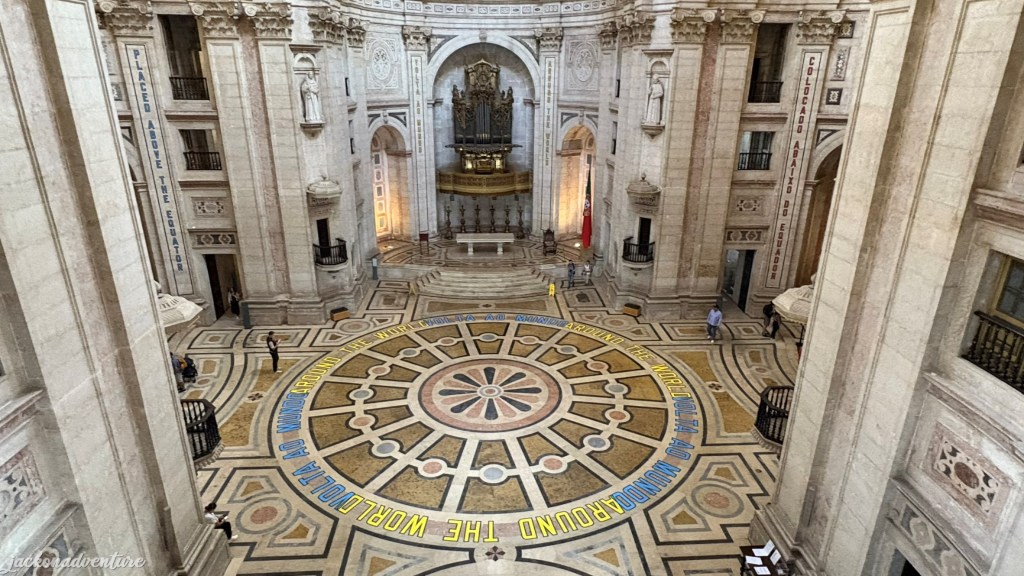
Before his death, he is said to have declared that the new church would never be completed. The structure partially collapsed just months after construction started. The true cause was due to stormy weather and weak foundation. he seemed to have prophesied,
Climb up to the domed roof and be amazed by the breathtaking panoramic view in Lisbon, stretching across the city, the Tagus River, and far beyond — a perfect way to end your visit.
Location: Campo de Santa Clara, 1100-471 Lisboa
Opening Hours: Tuesday to Sunday from 10 am to 5 pm
Entrance Fee: Adults: €10/ Adults aged 65+ and Students: €5/ Visitors with Disability: Free (Free entry with Lisbon Card)
Visit the Monastery of São Vicente de Fora
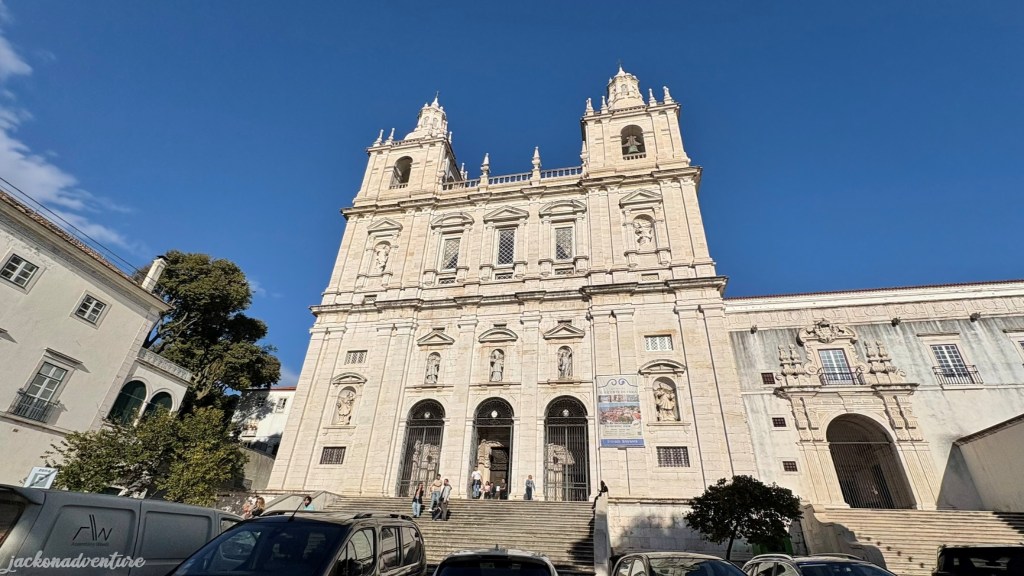
The Monastery of São Vicente de Fora was built in 1582 to be dedicated to the martyr Saint Vincent of Saragossa, the patron saint of Lisbon. His relics were brought to Lisbon from the Algarve in the 12th century.
In the 16th century, King Felipe I of Portugal commissioned the imposing reconstruction of the monastery, making it one of the first examples of Mannerism in the country. Later, the Bragança Dynasty installed their royal pantheon, richly decorating it with inlaid marbles and glazed tiles.
The monastery is adorned with more than 100,000 azulejos, lining the cloisters and stairways in striking blue-and-white patterns. Among them are 28 beautifully detailed panels illustrating fables of La Fontaine and scenes of the Siege of Portugal.
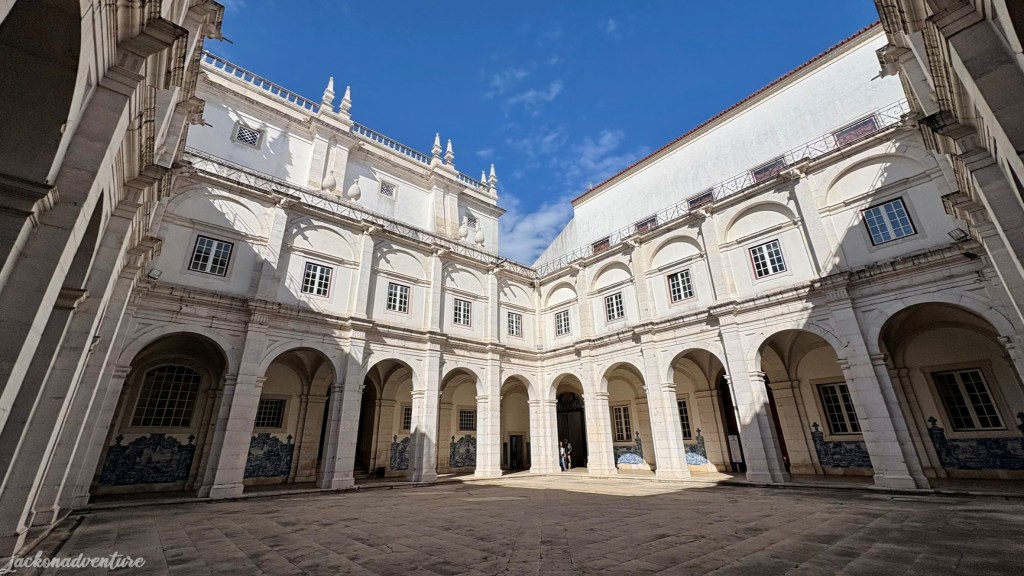
There’s also an ancient cistern and the Pantheon of the Bragança dynasty, which includes the marble tomb of Catherine of Bragança- the Portuguese princess who became the queen of England after marrying King Charles II in 1662.
The building also houses the main tomb of Carlos I, the second-to-last king of Portugal, who was assassinated shortly before the country became a republic. His grave is watched over by a life-size statue of a weeping woman, said to represent either the mourning nation or the king’s widow — a powerful and emotional final touch to this remarkable place.
Location: Largo de São Vicente, 1100-472 Lisboa
Opening Hours: Daily from 10 am to 6 pm
Entrance Fee: Adults: €8/ Adults aged 65+: €6/ Youth aged 12 to 24: €4/ Children aged below 12 and Visitors with Disability: Free
Watch the Sunset at Miradouro da Graça
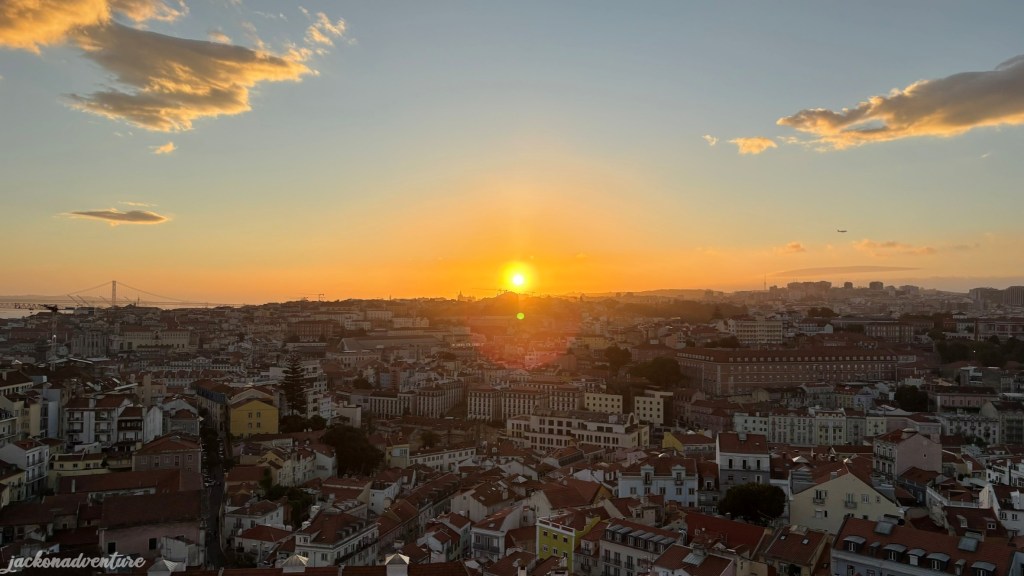
Tucked away in the residential district of Graça, this viewpoint offers one of the most beautiful panoramas over downtown Lisbon. From here, you can take in the sea of red-tiled rooftops, spot the hilltop São Jorge Castle, and the Tagus River stretching out into the distance. On clear days, you can even catch a glimpse of the 25 de Abril Bridge far off on the horizon.
It’s a perfect way to end the evening by watching the sunset. The light turns warm and golden, the city slowly quiets.
Location: Calçada da Graça, 1100-265 Lisboa
Browse through the shops at LX Factory

LX Factory is lined with heaps of cool restaurants, cafes, boutique shops and quirky specialty stores, making it one of Lisbon’s trendiest hangout spots. What was once an industrial complex dating back to 1846 has been given a new lease of life, transformed into a trendy destination for locals and tourists. None of the buildings have been renovated, keeping their dilapidated exteriors and the industrial architecture of the interiors.
It is a major weekend brunch spot and the site of a lively market on Sundays. You’ll find everything from crafts to fashion and accessories, both new and second-hand, as well as fruit and vegetables from various producers of the Lisbon region.
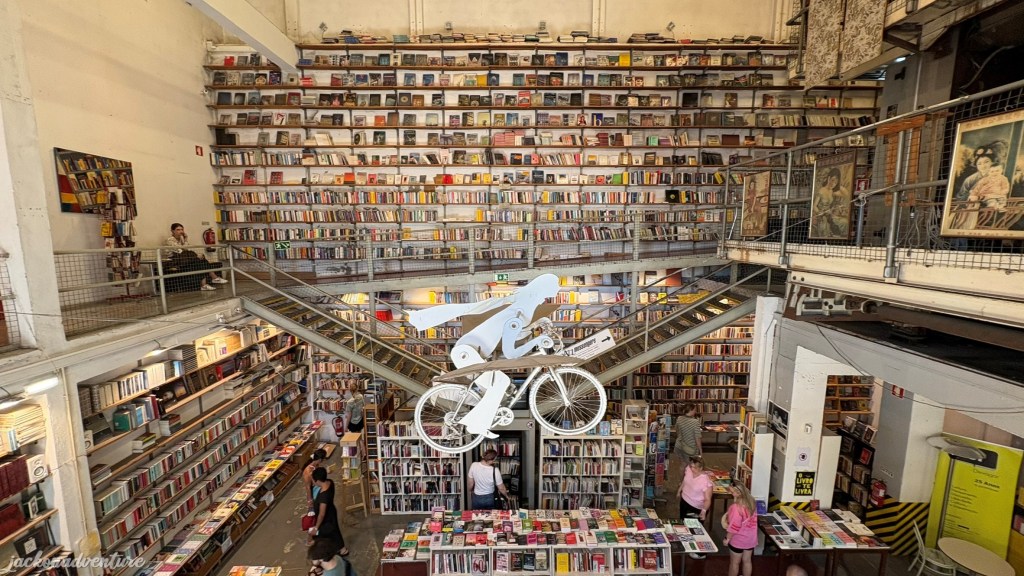
One place you absolutely shouldn’t miss is the famous Ler Devagar Bookstore– one of the coolest bookstores in Lisbon. It is set inside a former printing shop, the space is nothing short of magical- books are stacked up to the ceiling and the old printing press still kept on the upper floor.
The surrounding space is filled with incredible street art, so be sure to give yourself some time to admire the creative murals around every corner.
Location: R. Rodrigues de Faria 103 Piso 3, 1300-501 Lisboa
Opening Hours: Monday to Friday: 10.30 am to 10.30 pm/ Saturday and Sunday: 9 am to 10.30 pm
Roam around Rua Nova do Carvalho
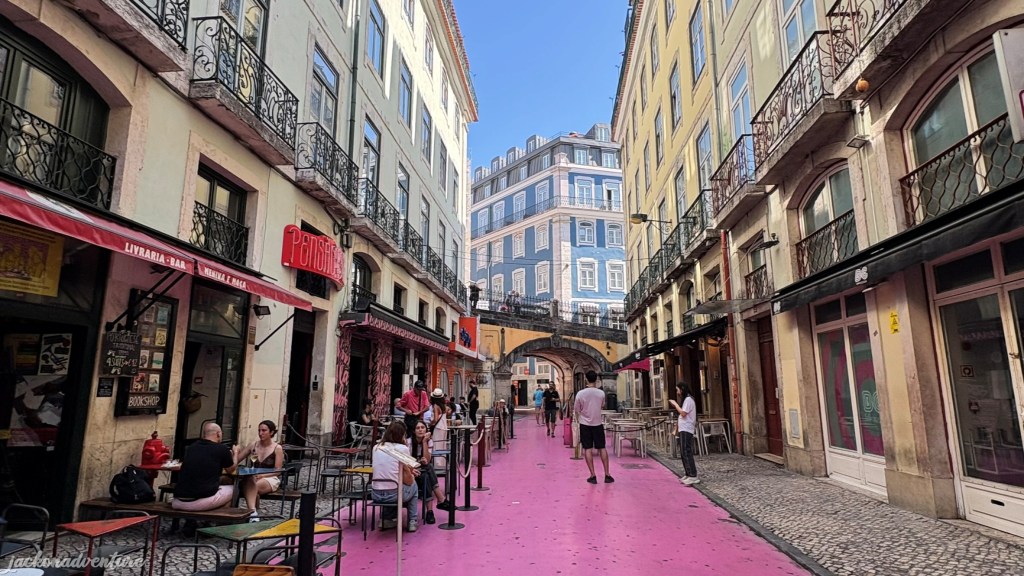
Rua Nova do Carvalho, better known as Pink Street, is an infamous pink street located in the Cais do Sorde neighborhood.
The street may seem pretty with a vibrant pink shade specifically for Instagram, but it has a bad reputation as one of the seedier neighborhoods in Lisbon. Cais do Sorde was Lisbon’s red-light district, which was once frequented by sailors, local criminals and prostitutes
As part of the revitalization project, the neighborhood went through a transformation. Old brothels and gambling dens gave way to trendy nightlife spots and stylish restaurants, turning Pink Street into one of Lisbon’s liveliest after-dark destinations.
Visit during the day, the street is quiet and almost empty. It is the perfect time to come in the morning to snap on the Instagram-famous spots, and enjoy the iconic pink pavement without the crowds.
Location: R. Nova do Carvalho 21 23, 1200-291 Lisboa
Be “WOW’ by the impressive Igreja de Nossa Senhora da Encarnação
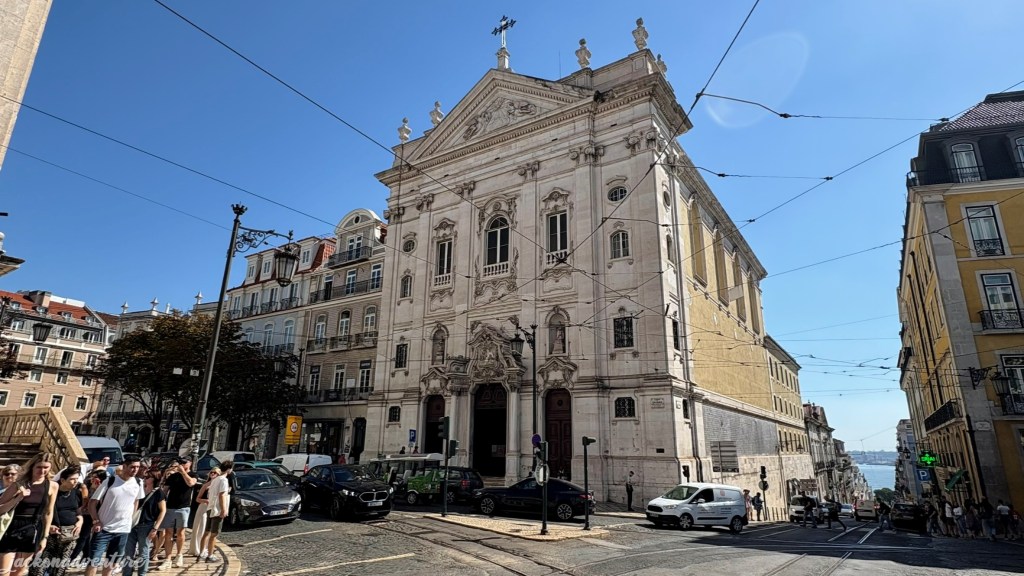
The Church of Our Lady of the Incarnation was first built in the 18th century, by order of Elvira de Vilhena, Countess of Pontevel and the Lady of Queen Catherine of Bragança. Its interior was restored in 1873 after the massive earthquake and subsequent fire.
The Catholic church blends with late Baroque and Neoclassical elements. The façade features Corinthian columns that survived from the original church, topped by an elegant triangular pediment. The central door is adorned with sculptures of Saint Catherine and the Lady of Loreto.
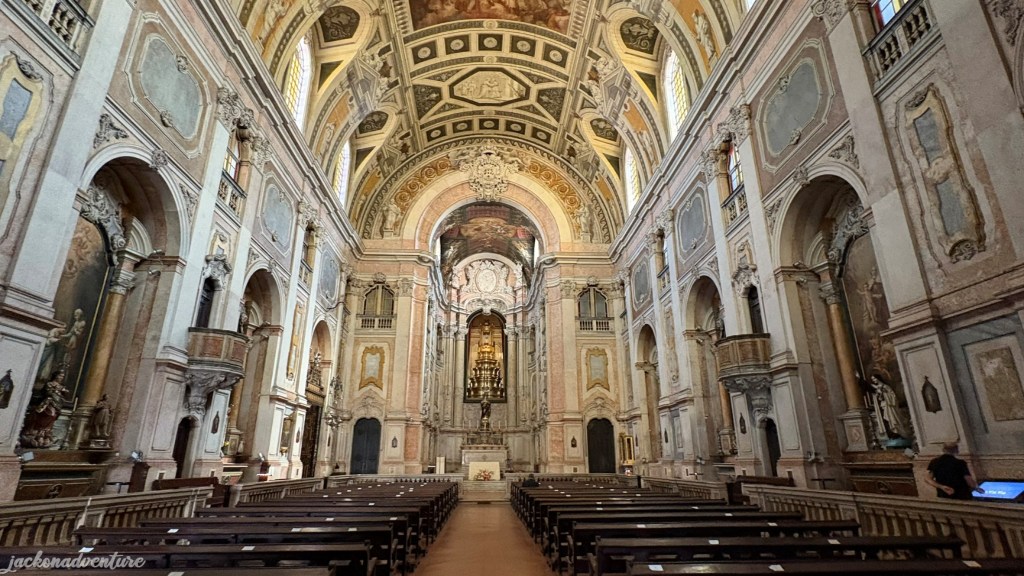
Inside, the church feels calm and intimate. It has a single nave with four small side chapels. Its main chapel stands out with its Pombaline style decoration and richly colored marbles. You’ll also find the sculpture of Our Lady of the Incarnation. The impressive ceiling was painted by Simão Caetano Nunes.
Location: Largo do Chiado 15, 1200-443 Lisboa
Opening Hours: Daily from 9 am to 7.30 pm
Entrance Fee: Free
Visit Igreja de Nossa Senhora do Loreto

The Church of the Italians was built by King John V in 1518 for the Italian merchants. It is dedicated to “Our Lady of Loreto”, patroness of the most ancient Marian Sanctuary of Italy.” The patron’s large stone statue can be seen from the finial of the main façade and flanked by two angels.
The single nave is surrounded by 12 shallow chapels, each depicting one of the 12 apostles. The stunning, large fresco on the ceiling was designed by local artist Pedro Alexandrino de Carvalho, depicting “The Holy House of Nazareth being carried by Angels.”
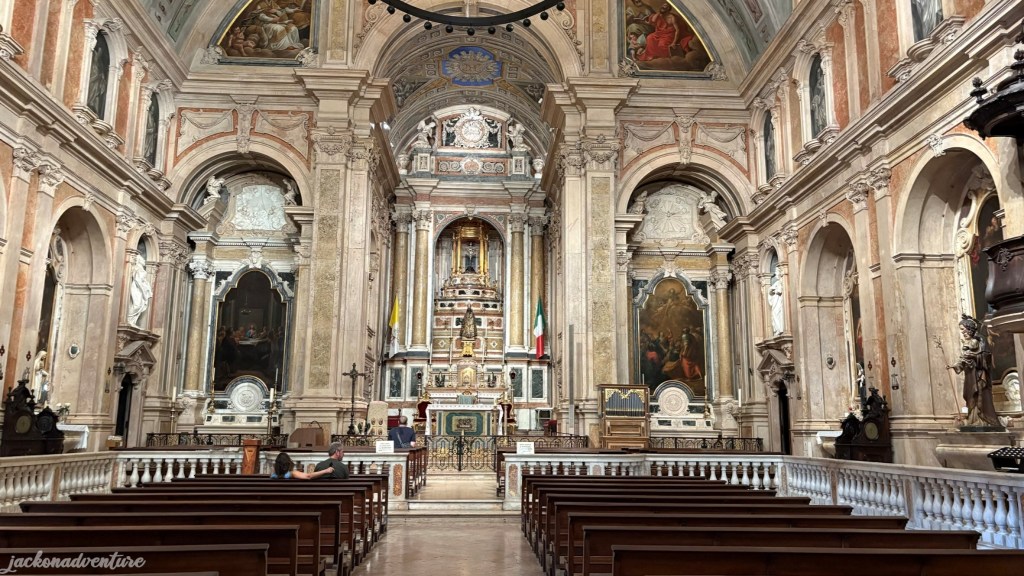
Location: Largo do Chiado 16, 1200-108 Lisboa
Opening Hours: Monday to Friday: 10 am to 8 pm/ Saturday and Sunday: 10 am to 9 pm
Entrance Fee: Free
Explore Igreja de São Roque
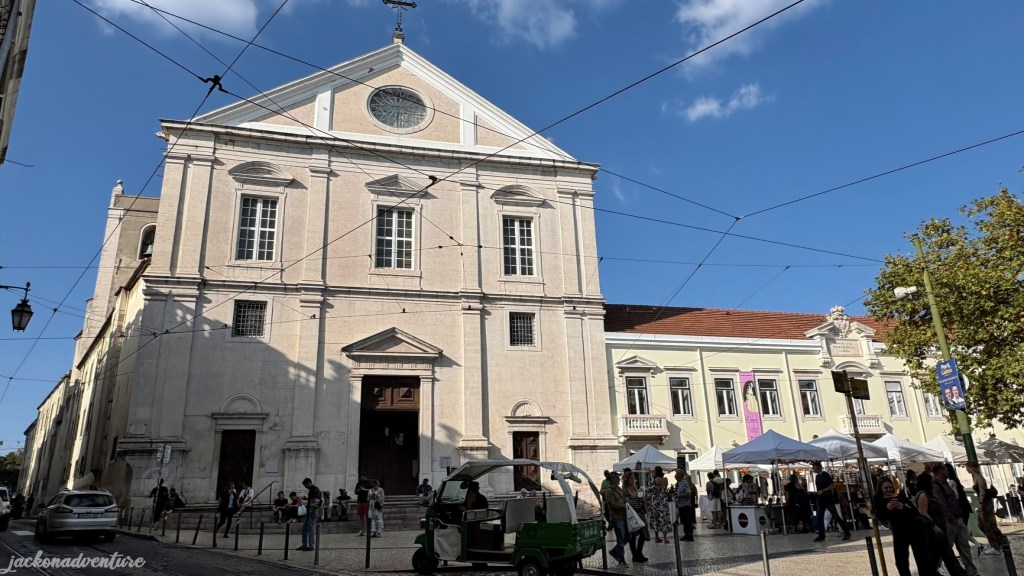
Igreja de São Roque was built by the Jesuits between 1553 and 1572 and dedicated to Saint Roch. It served as the Jesuits’ main religious centre for more than two centuries.
He is best known as the patron saint of plague victims, believed to have healing power for the sick. When Lisbon was ravaged by a plague in 1505, King Manuel I traveled to Venice to get the relic of the saint in hopes of protecting the city. A shrine was later built to house the relic, laying the foundations for the church you see today.
The church is filled with richly decorated chapels, but the most impressive ones is the lavish Chapel of Saint John the Baptist. Its magnificent masterpiece took five years to complete, and was crafted with gold, ivory, lapis lazuli and agate. Commissioned by King João V in 1742, it was built in Rome and transported in sections to Lisbon aboard three ships.
Another highlight is the Chapel of Saint Roch, which features a beautiful 16th-century tile panel depicting the “Miracle of St. Roch”. This masterpiece was created by Francisco de Matos in 1584.
Location: Largo Trindade Coelho, 1200-470 Lisboa
Opening Hours: Monday: 1 pm to 6 pm/ Tuesday to Sunday: 10 am to 6 pm
Entrance Fee: Free (Entry to the Museum: €2.50)
Enjoy a cheerful evening at Miradouro San Pedro de Alcántara
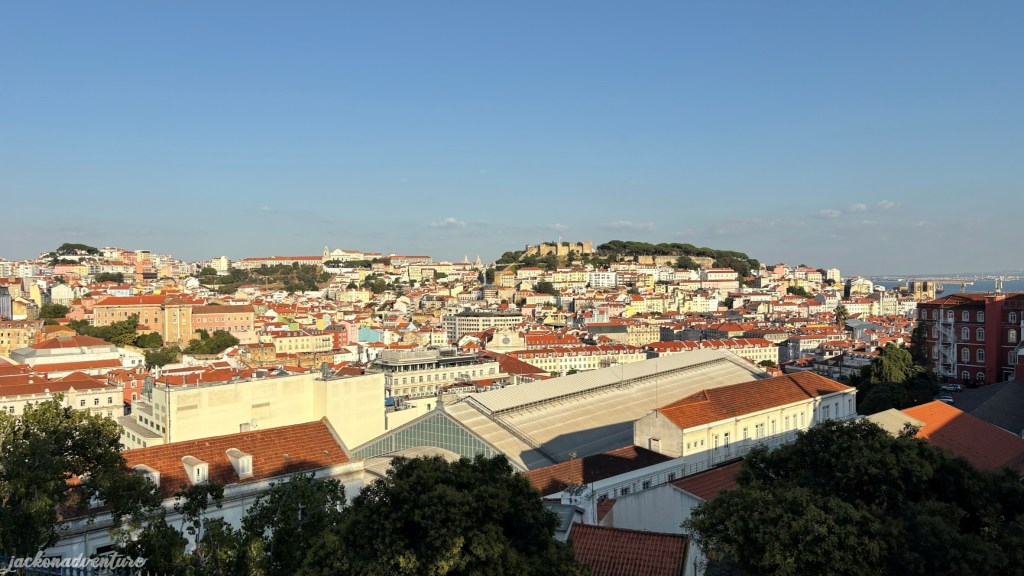
Miradouro San Pedro de Alcántara is another vantage point with truly incredible panoramas over Lisbon. From the terrace, you can easily spot the hilltop Castelo de São Jorge, while the views stretch across the city toward the whitewashed Church of St. Vincent de Fora and the shimmering Tagus River.
Take some time to wander through the lower geometric garden lined with stone busts of heroes and gods from Greco-Roman mythology, such as Minerva and Ulysses. Continue making your way to the cobblestone street of the upper level. There is a monument from 1904 to pay tribute to Bairro Alto’s newspaper sellers, a nod to the days when this neighborhood was the heart of Lisbon’s press scene.
Location: R. de São Pedro de Alcântara, 1250-238 Lisboa
Discover The Best of Portugal
Have you started falling in love with Portugal after learning how fascinating Lisbon is? Why not check out my posts on other cities and towns around the country with diverse histories and cultures:
Like It? Pin This Article.


 Jack on Adventure
Leave a comment