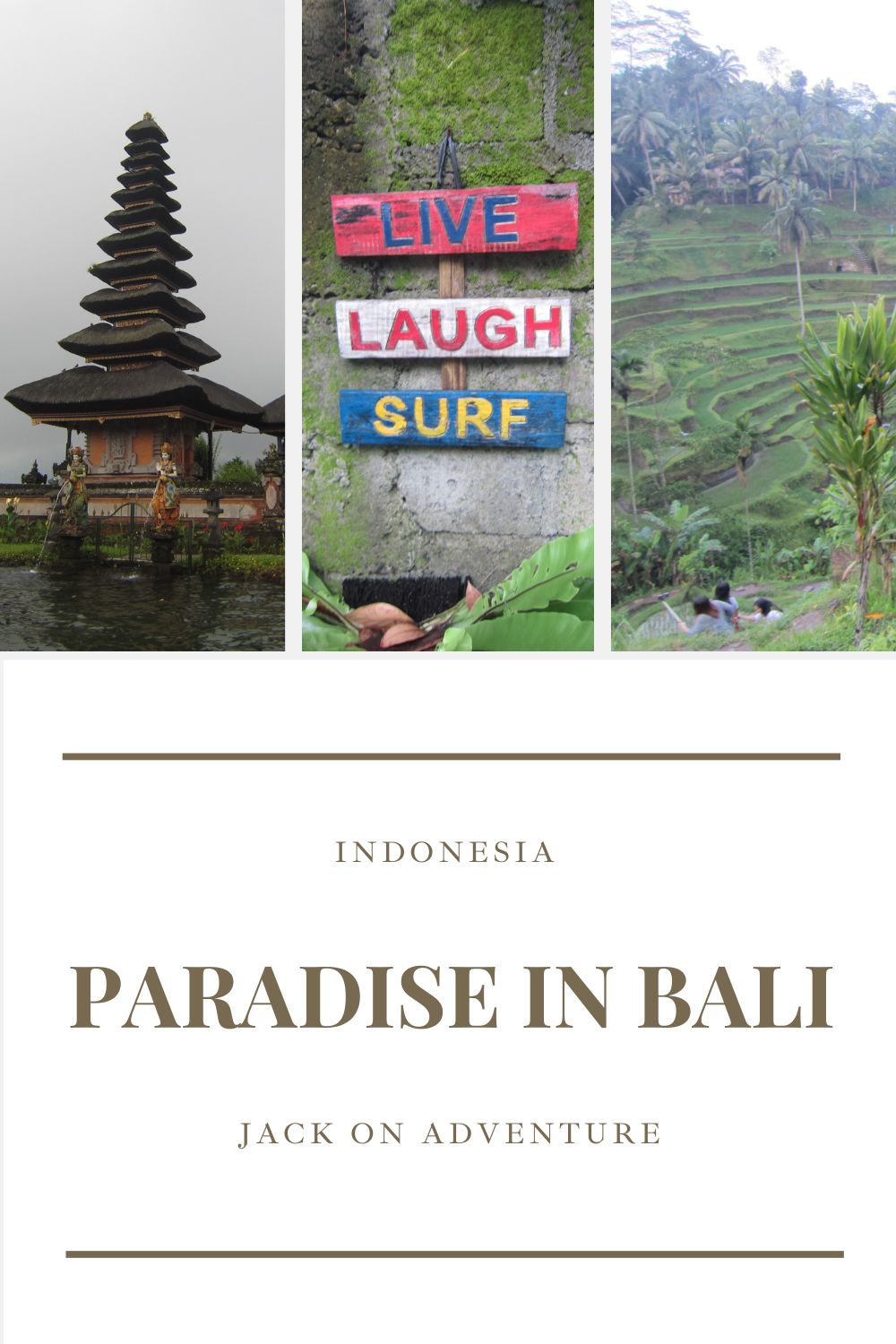
Bali is one of my top favorite destinations in Southeast Asia, surrounded itself by sandy beaches and a tropical climate all year round. Apart from its beautiful beaches, Bali has a richness of culture and history, which makes the island very distinctive from any part of Indonesia, with more than 80% of the island population adheres to Balinese Hinduism.
Drive beyond the city to discover Bali’s beauty with the stunning natural scenery of active volcanoes and rice terraces, enjoy Balinese performances, enjoy a cup of coffee in the coffee plantation, discover shrines and ruins, and most of all, Balinese Hindu temples.
Getting Here
Ngurah Rai International Airport (Airport Code: DPS) is the main airport on this beautiful tropical island and located about 15 kilometers from Denpasar. Due to the popularity of the island, there are many flights from all over the Asia Pacific region, including Australia and New Zealand.
Getting Around
The island does not have any rail networks, therefore the best option to travel outskirts is to hire a scooter. Renting a scooter is pretty cheap in Bali. All you need is an international driver’s license and you are good to go.
Otherwise, you can hire a car with a reliable driver who is well familiar with the island and tourist spots. It is very important to approach a driver who knows the island very well, so it saves you plenty of time to get from point A to point B to avoid heavy traffic.
One thing you need to remember is that there is only one lane in each direction of the road. Therefore, it takes some patience to drive around the island. Traveling from one place to another may seem near, but you will need to factor in the time to travel due to the road congestion. You won’t want to squeeze everything into one day to explore the island.
Best Things to do for 3 days in Bali
Be inspired by the Borang Kris Dance
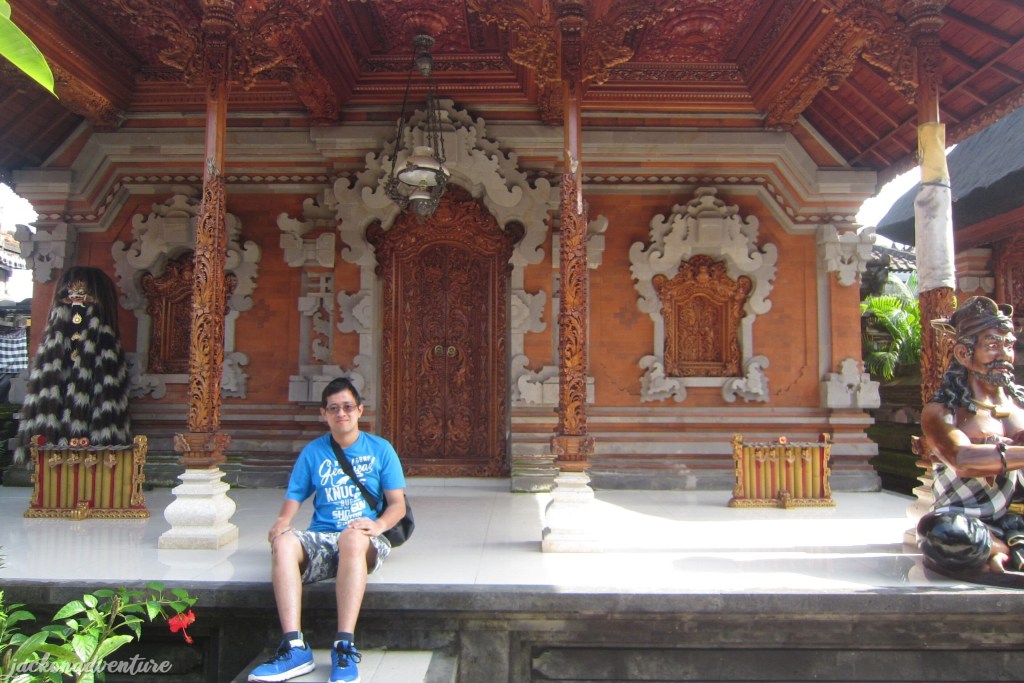
Borang Kris Dance is one of the traditional Balinese dance that has been passed on for generations. To experience one of native dance is to head to Bale Kulkul Bali. It is situated in Batubulan, next to the beautiful green paddy fields. The people here preserve their culture, living in their indigenous Balinese traditional houses that are decorated with original Balinese cravings of various colors.
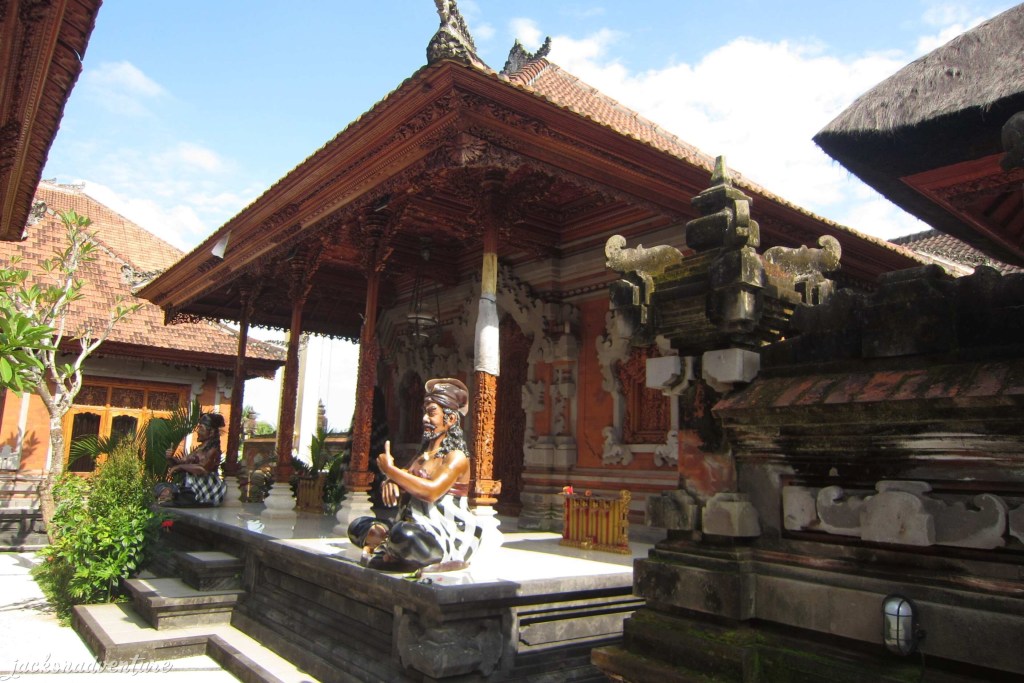
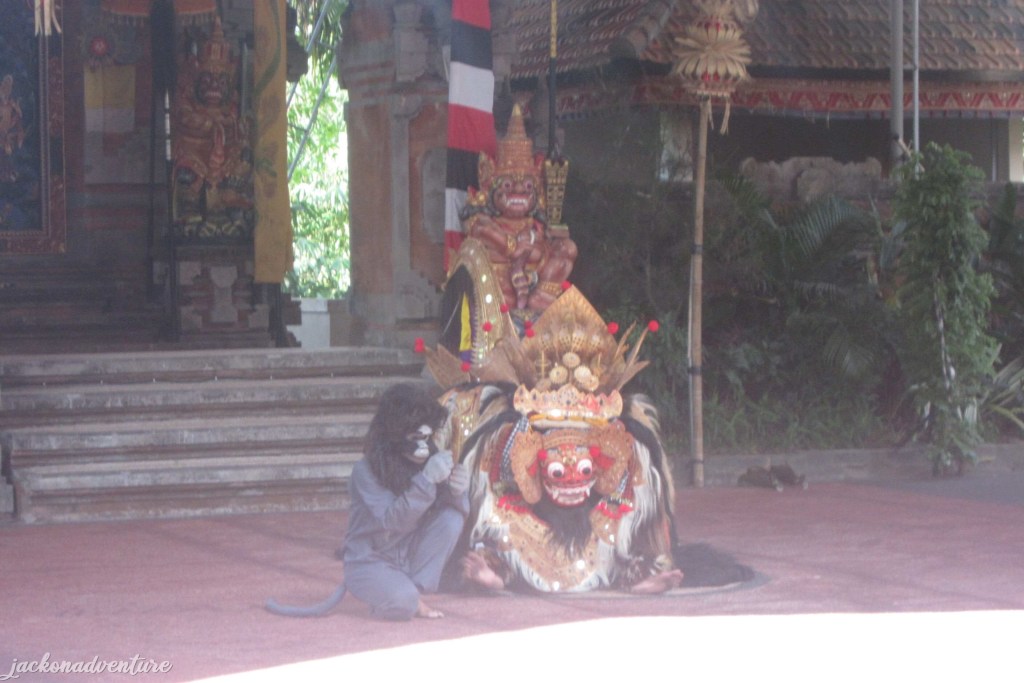
Their performance tells the story of the eternal battle between the good and evil spirits. Barong is a mythological animal that represents the good spirit and Rangda is a mythological monster that represents an evil spirit.
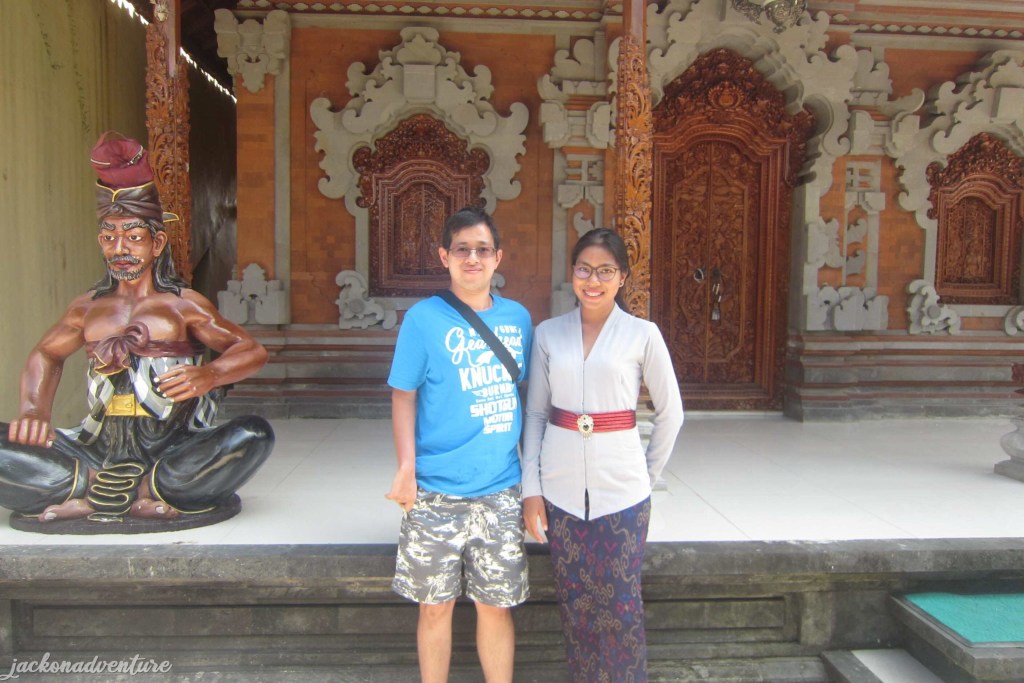
Trael Tips: There are leaflets available in different languages and take one English copy to read through before the show starts to get an understanding.
Visit Celuk Silver Village
Make a quick stop at Celuk Silver Village to see how the finest artwork of jewelry is made by the silversmiths and the Batuan Village which is filled with famous Balinese artwork and printings. Hundreds of paintings were drawn by local artists and they illustrated many stories about religion and Balinese life.
Have lunch at Kintamani
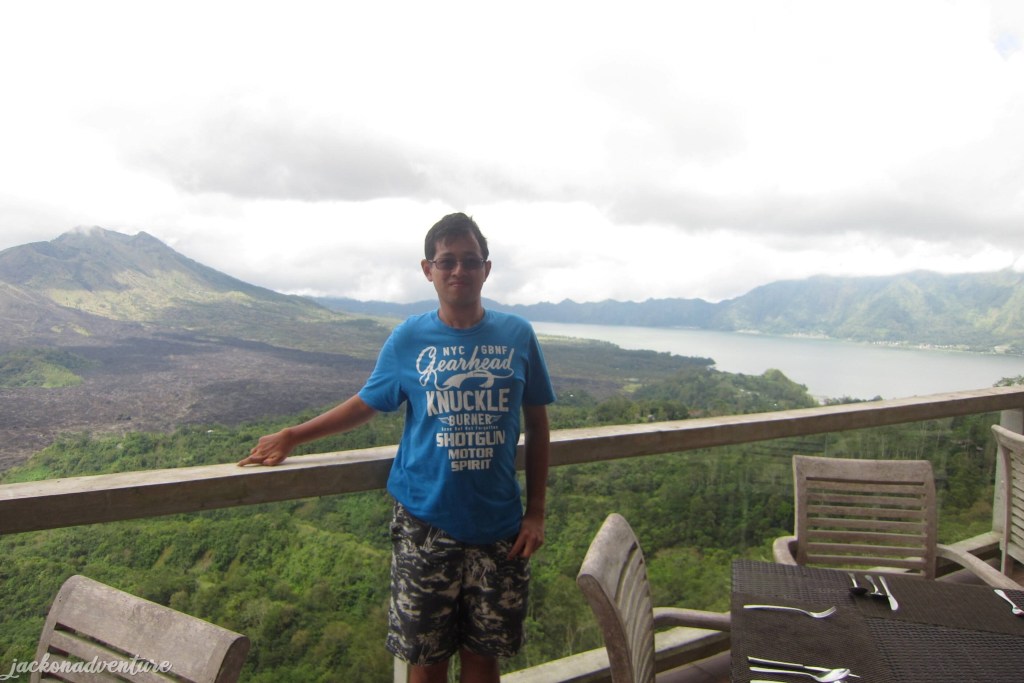
Kintamani has one of the most stunning natural panoramic views in Bali and is known for its Mountain Batur, an active volcano partially surrounded by a large Lake Batur. The journey takes more than an hour to reach as it passes through this narrow and curving road. The traffic was very heavy because many trucks and tourist vehicles were using the same path, which believed it is the only route coming from Denpasar.
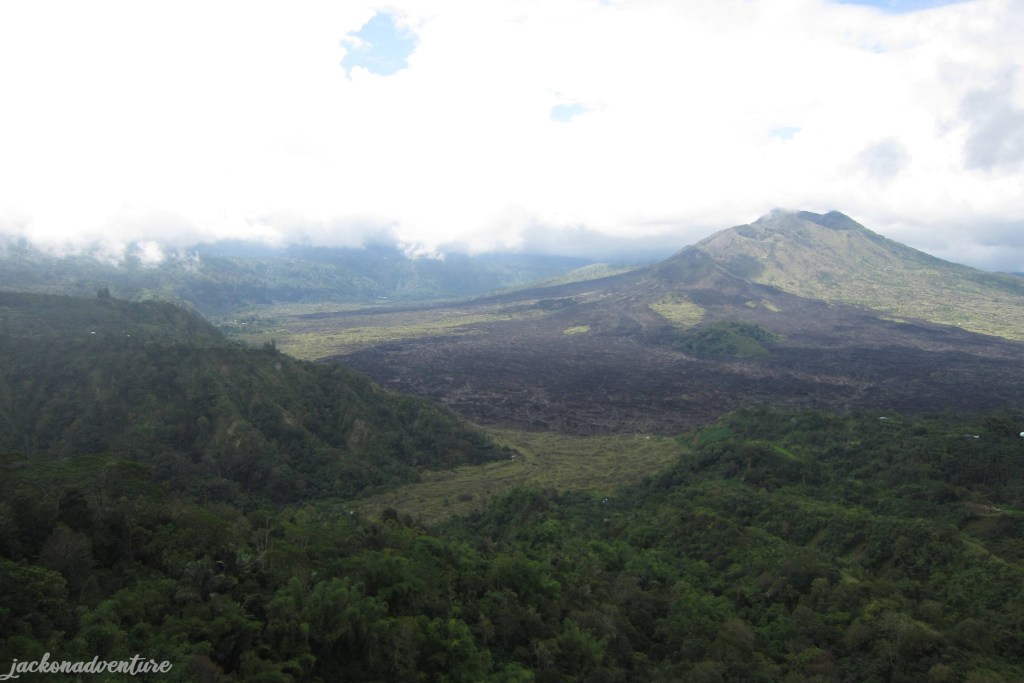
My guide recommended one of the local restaurants that served lunch buffet and a la carte menu, where you can choose either the local fried rice or fried mee hoon. Since I had a heavy breakfast beforehand, I had to go with their a-la-carte fried rice with a glass of iced lemon tea. The taste of the food was just average, but the price was slightly higher. However, I can’t complain much, given that the location of the restaurant offers wonderful scenery of the volcano and the lake.
Soak in the local Balinese culture
Founded in 926 A.D., Tirta Empul is a Hindu Balinese water temple dedicated to Vishnu, the Hindu God of water. Its name actually means ‘holy water spring’ in Balinese.
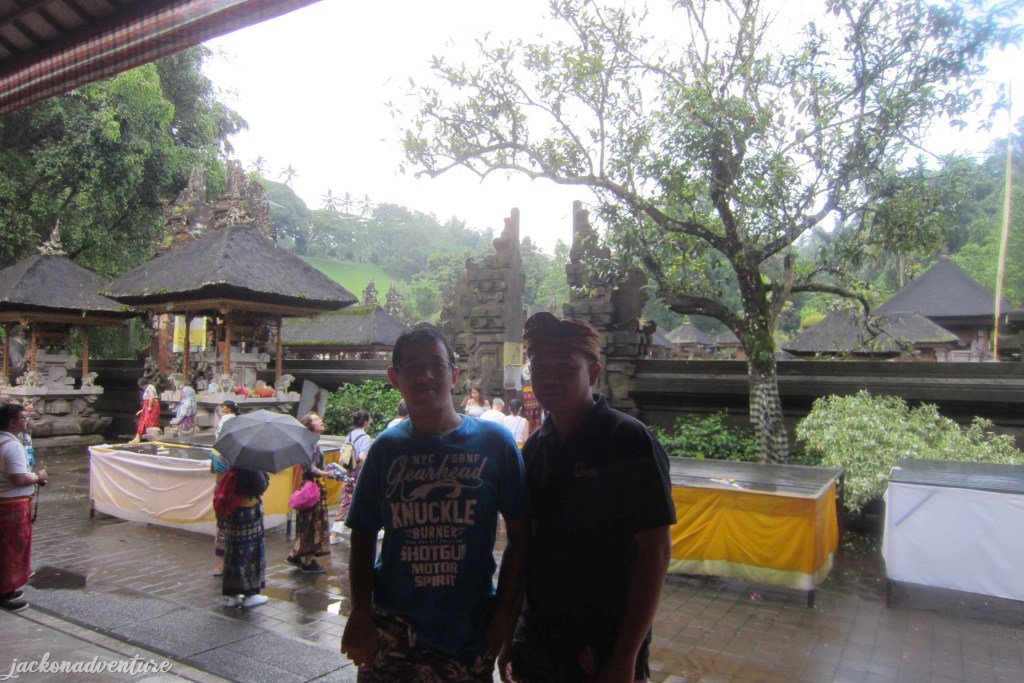
Being welcomed by a local guide from the temple at the entrance, he took me through four sections of the temple and explained the history behind it. According to legend, the Balinese people believe that there was an epic battle between a powerful and magical king named Mayadenawa and God Indra. The king has the spiritual power to change himself into any form he wants but he becomes reckless and uses black magic. A priest named Sang Kulputih prayed to God Indra to put an end to the king. So, God Indra and his army defeat the king’s troops, leaving him and his remaining troops running for their life.
Later, the king returned to Indra’s camp and created a beautiful but poisonous pond when Indra’s army was asleep. Indra awoke the next morning to find out that many of his men were dead and others got sick and dying. God Indra used his staff to pierce the ground and create a sacred healing spring of holy water known as Tirta Empul. The king knew that his attempt failed and at last, transformed himself into a boulder. He was eventually killed by Indra with an arrow and his blood is believed to have formed the Petanu River. Balinese honor the death of Mayadenawa every 210 days in their traditional calendar, where Virtue triumphs over Evil in the ritual ceremony called Galungan.
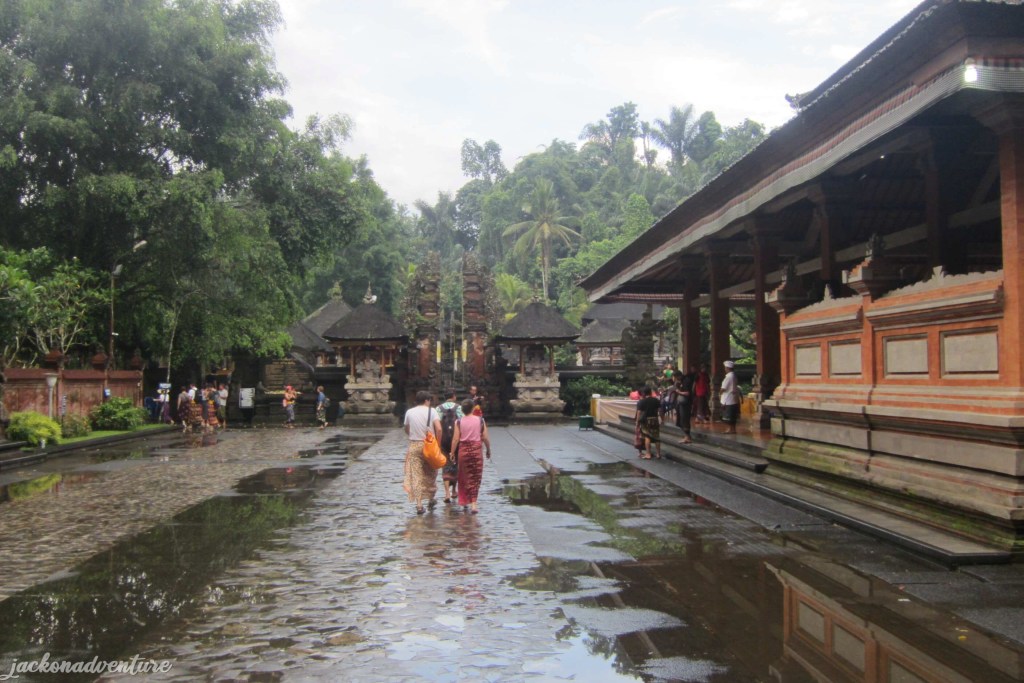
The temple is divided into four sections and takes me 45 minutes to explore around. The sections are Jaba Pura (central courtyard), Jaba Tengah (main area), Jeroan (inner courtyard) and The Koi Pool. The temple is located right below the Presidential Palace, built in 1957 by former president Soekarno and now hosts important guests.
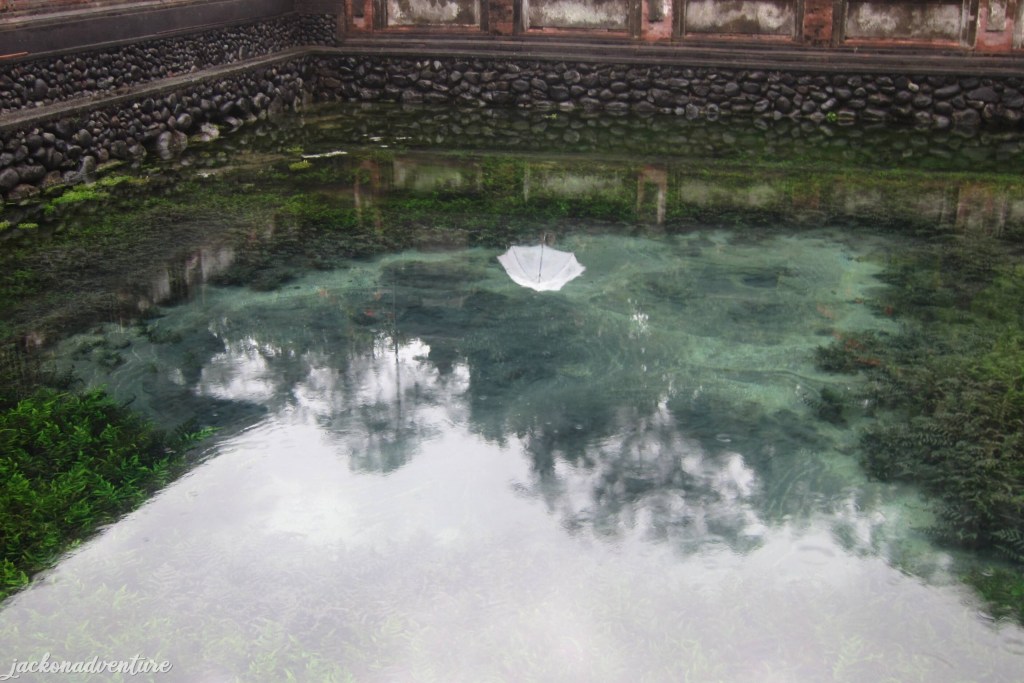
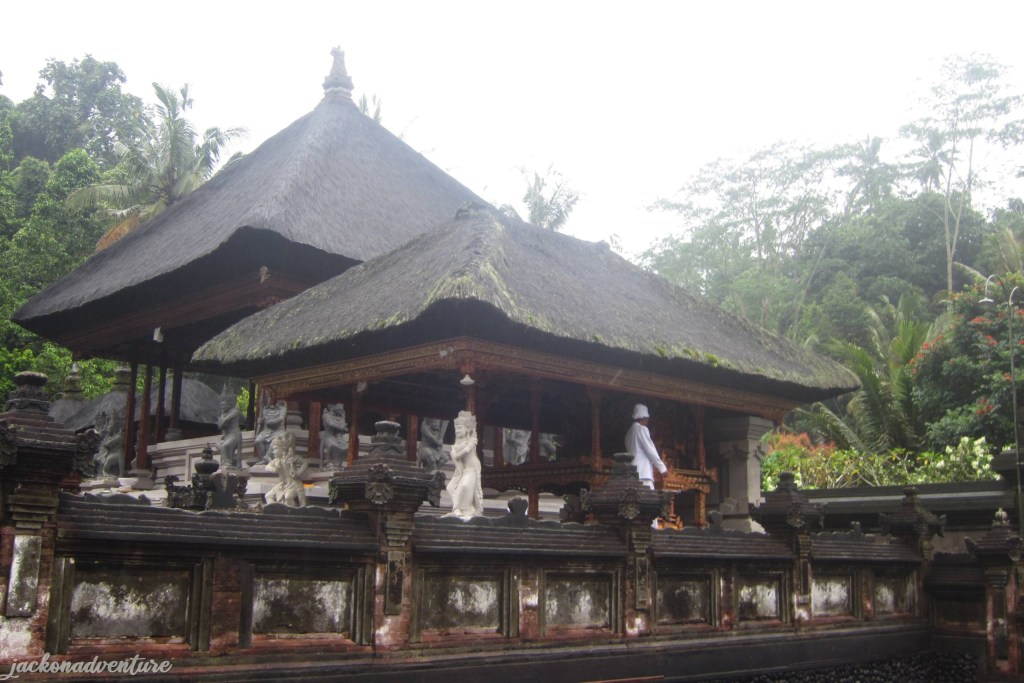
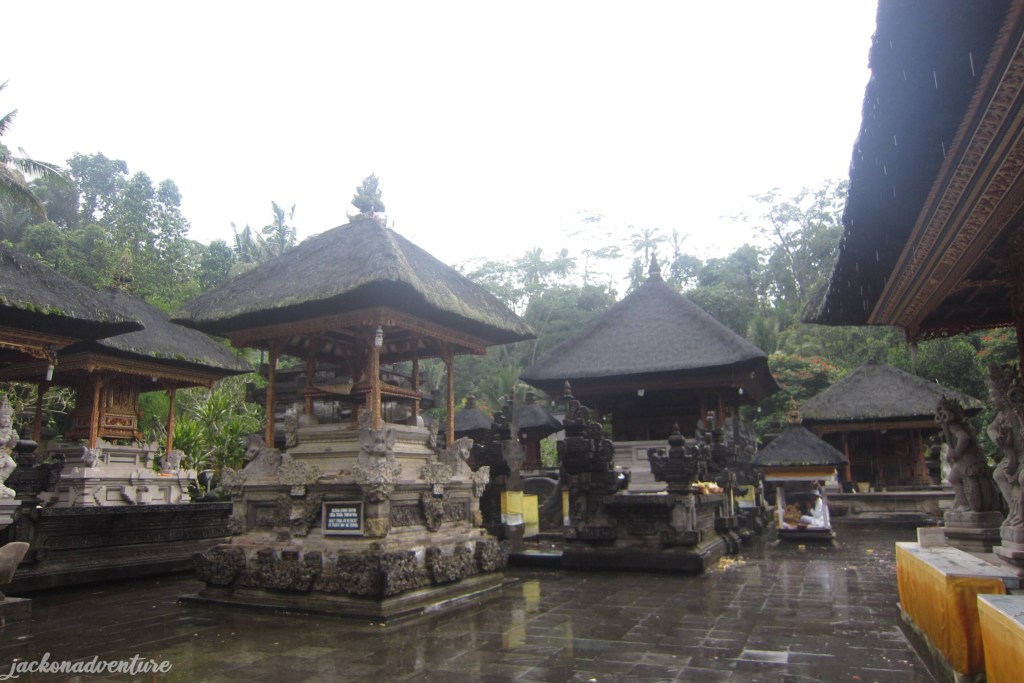
After the end of the tour, I get a change with a green sarong for the cleansing purification. At first, it was raining heavily and so we waited for a while before it drizzled. After all, I will be getting wet in the pool. I was lucky to be the first one to get in, which usually has a long queue.
So, I begin with a flower offering as a prayer to the gods and the water spirits to grant permission to enter the pool (just say the name, nationality, the purpose of performing, and a ‘thank-you’). The temple guide explained that there are 13 water sprouts in the first pool used to cleanse our mind, completing the same routine at each except the 11th and 12th. Those two are for rituals for the dead.
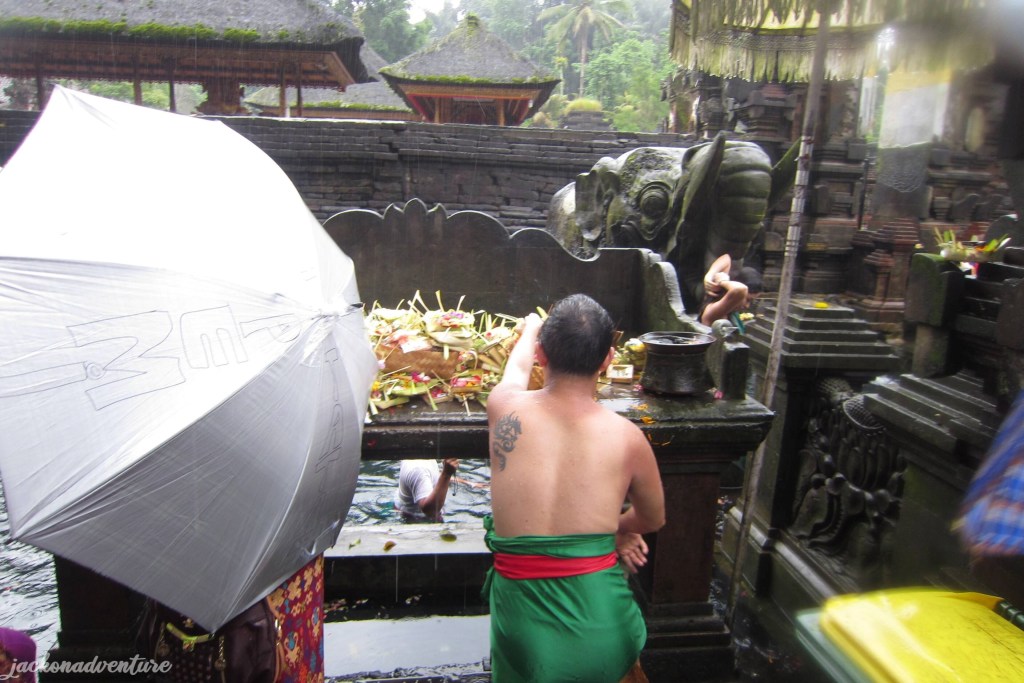
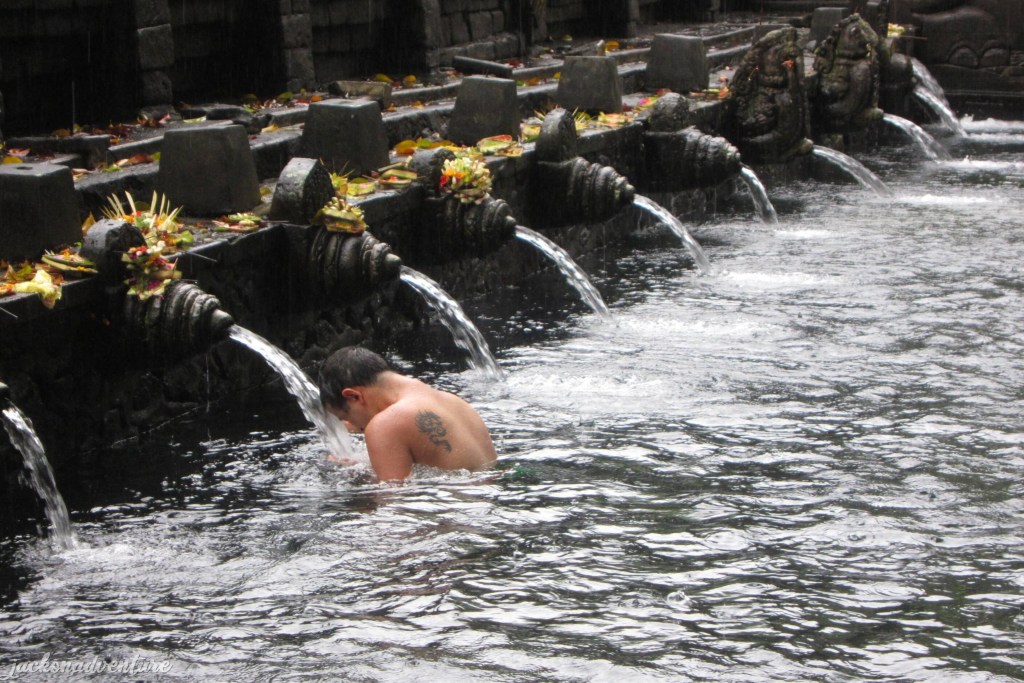
After completing the ritual in the first pool, I cross over to another pool to do the same for the cleansing of the soul from its three sprouts. Upon exiting the pool, I ended with another prayer to thank the gods and the water spirits. I feel really blessed to be able to visit here, cleanse myself with the holy water, and gain spiritual experience.
Travel Tips: Another green sarong with a shawl tie can be rented for an extra IRD 10,000 to perform the cleansing purification and IDR 20,000- 30,000 for a guided tip.
Visit Putra Gunung Kawi Temple
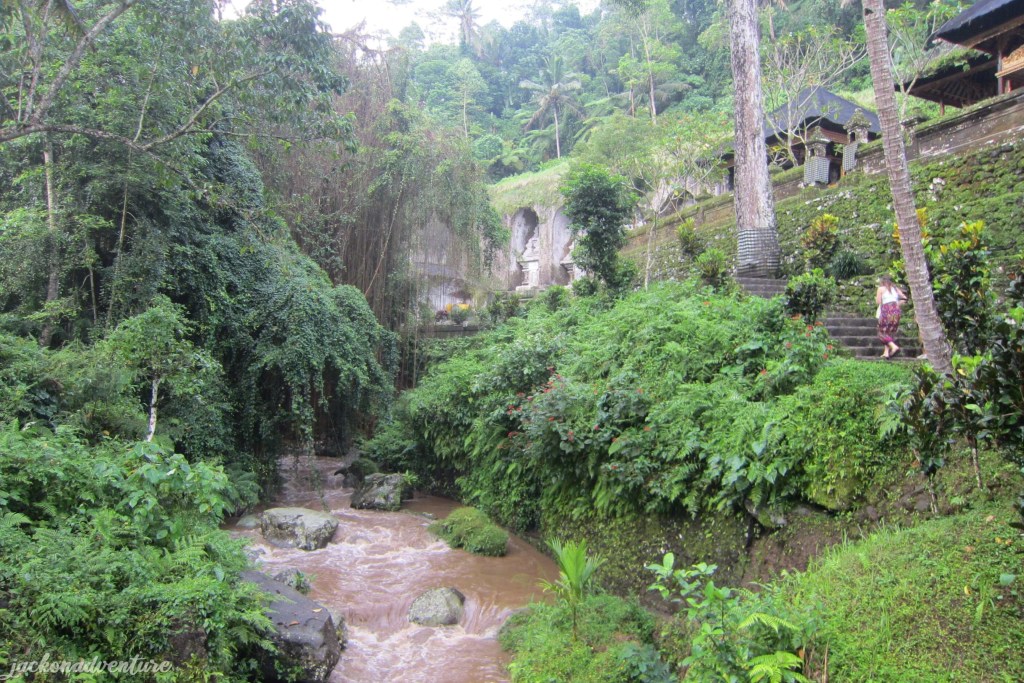
Walking down the 300 slippery stairs to Pura Gunung Kawi Temple to view of the long paddy terraces and green valley. The west side of the river belongs to Bali’s most ancient shrine. Four of the seven-meter-high shrines were used to bury the mistresses of King Udayana at the west side of the river. On the eastern side lie another five tombs, where this Balinese King along with his sons and his assistant were buried.
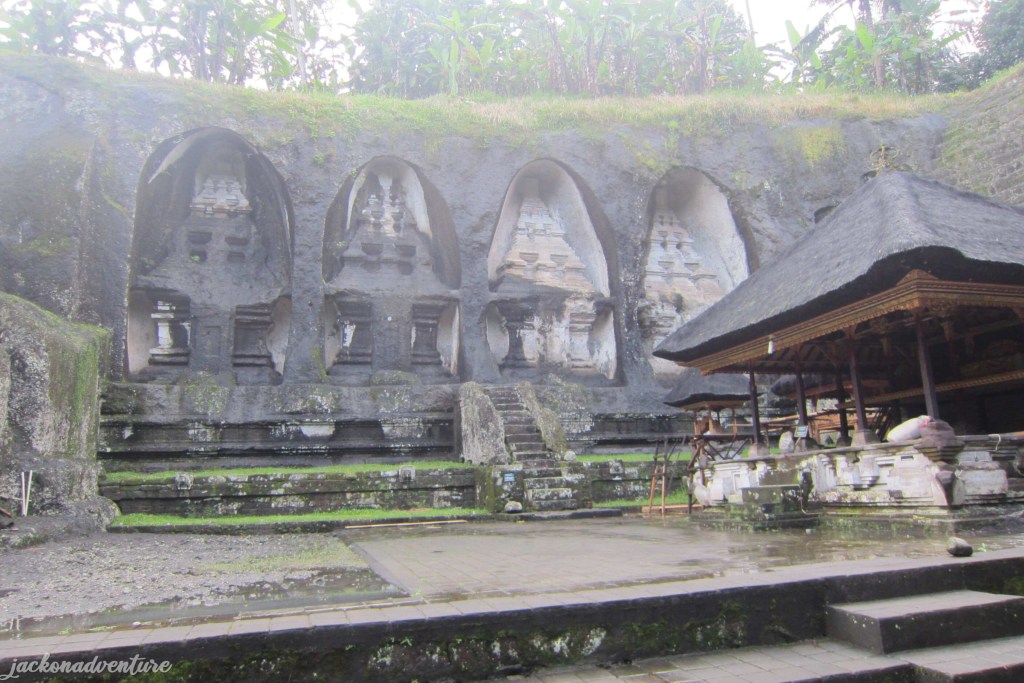
What amazes me is how these tombs were well-carved into the rocky hillside without using any modern technology. During this time after the rain, the shrine is very quiet and can hear the birds singing and the flow of the river, coming down to Tirta Empul Temple.
Stroll along Tegalalang Rice Terrace
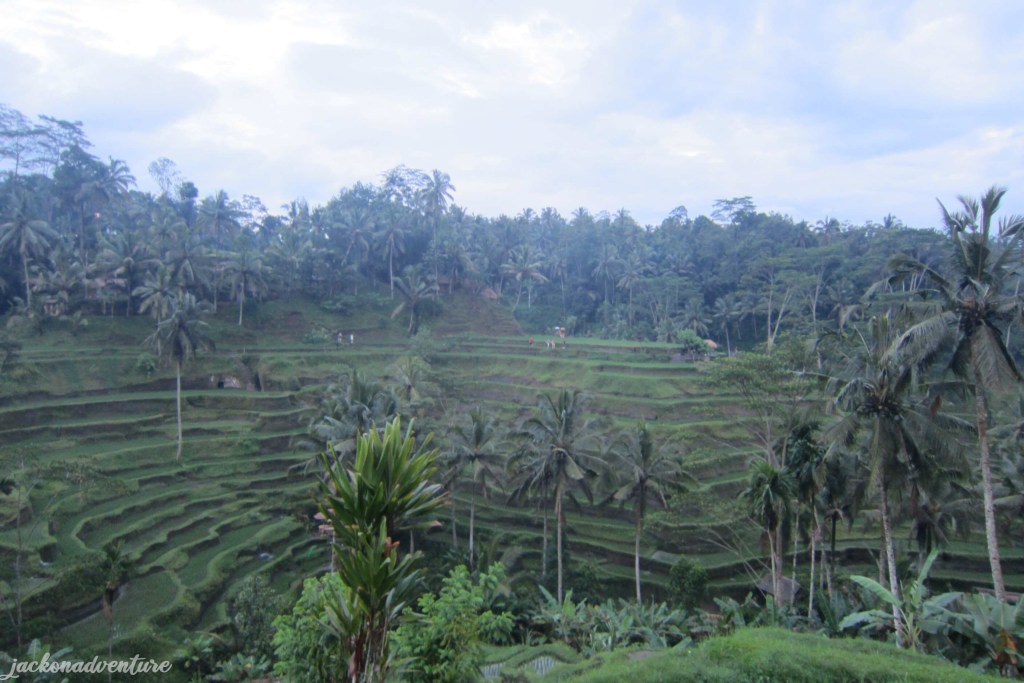
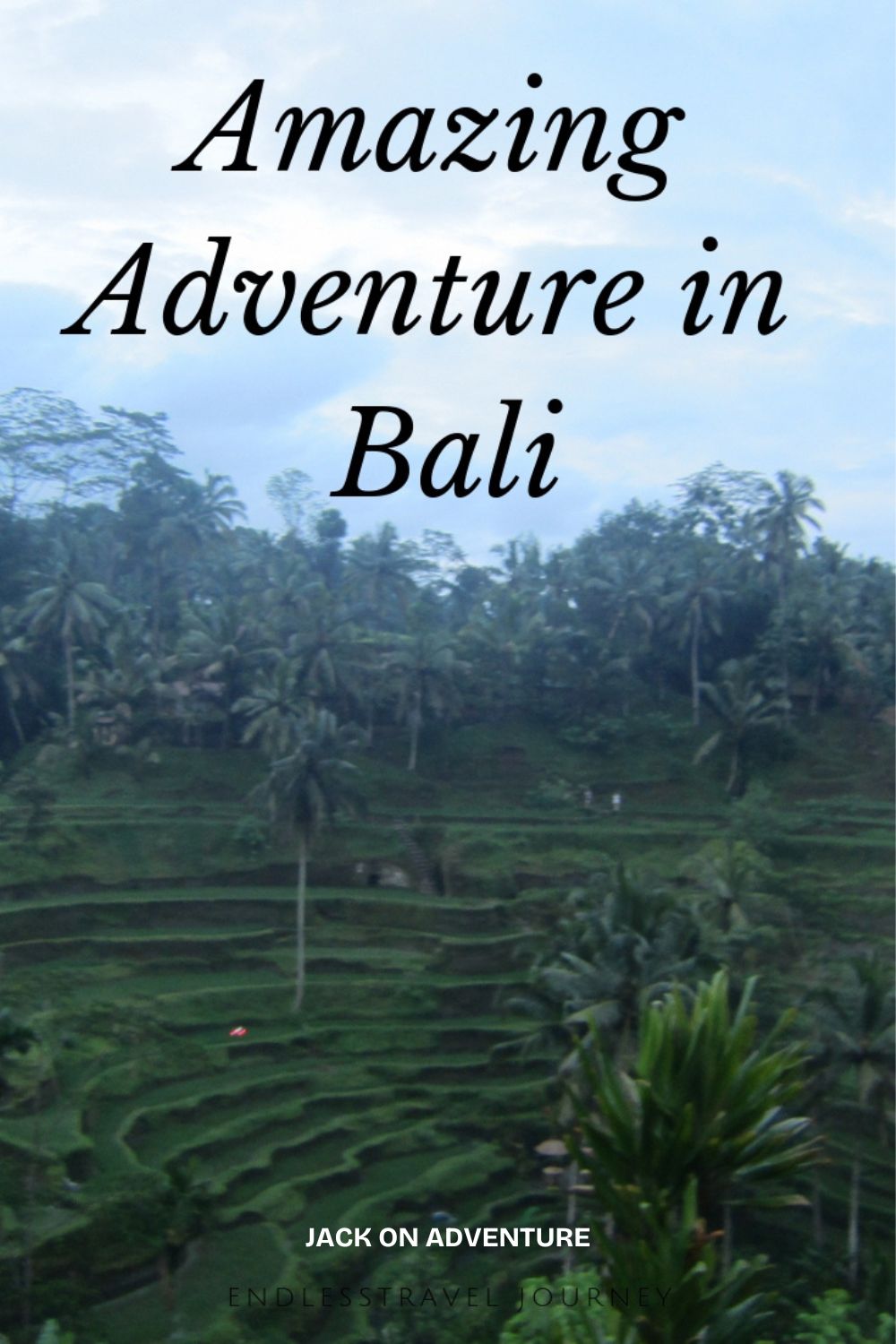
Tegalalang Rice Terrace in Ubud is usually a great place for photography in the cool breezy weather. However today, the surroundings is pretty misty, yet just see many tourists wandering around the rice paddles
Explore Taman Ayun Temple
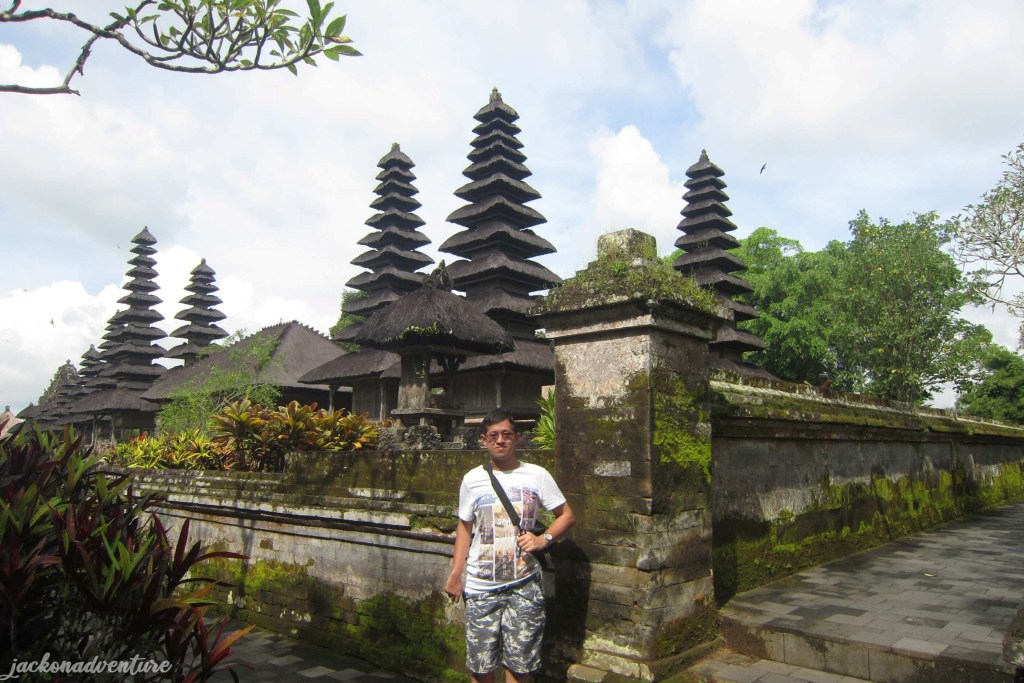
Taman Ayun Temple (Mengwi Royal Temple) was built in 1634 by Raja Mengwi, Gusti Agung Putu on a land surrounded by a big fish pond with a beautiful garden. Inside this Balinese Hindu temple’s third and most holy courtyard lies the most important shrines with each Meru built on five, seven, nine, and eleven tiers. The compound of the shrine is only accessible during important religious ceremonies and you can only view it from the outside.
Relax and enjoy coffee at Tegal Sari
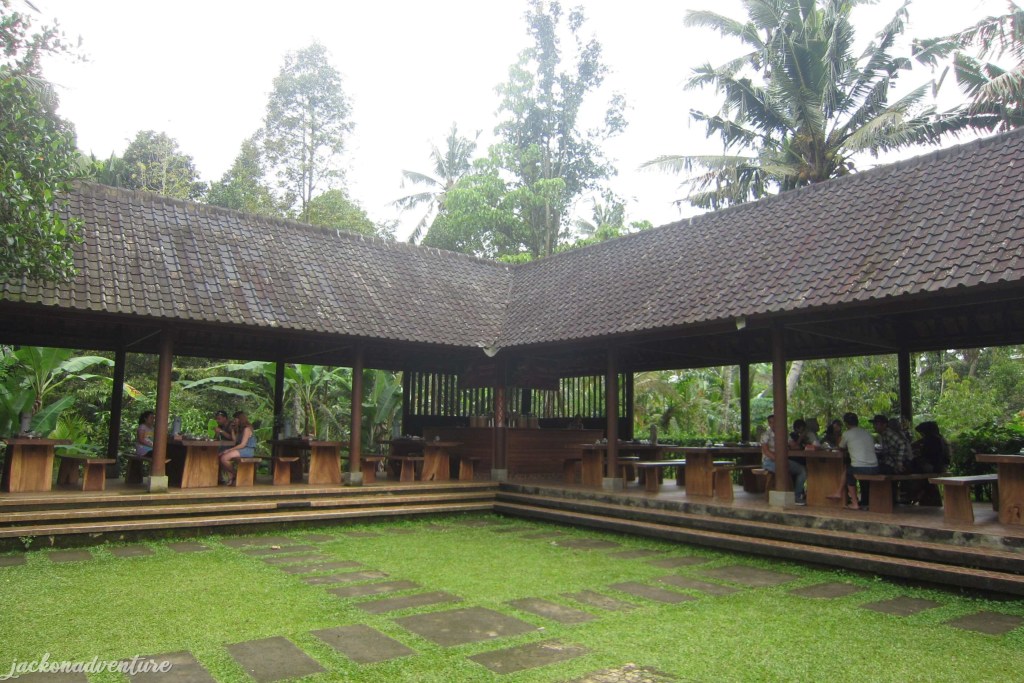
Tegal Sari is a coffee plantation famous for its most expensive coffee in the world called Kopi Luwak. I was invited by their friendly host, as she introduced and let me taste a variety sample of coffees and traditional herbal tea. The sample of Kopi Luwak costs 50,000 rupiahs (USD 4) and a pack of 250g of coffee powder costs 700,000 rupiahs (USD 50). The rest of the coffees and herbal teas are sold starting from 120,000 rupiahs (USD 9), where is get myself a pack of ginger tea.
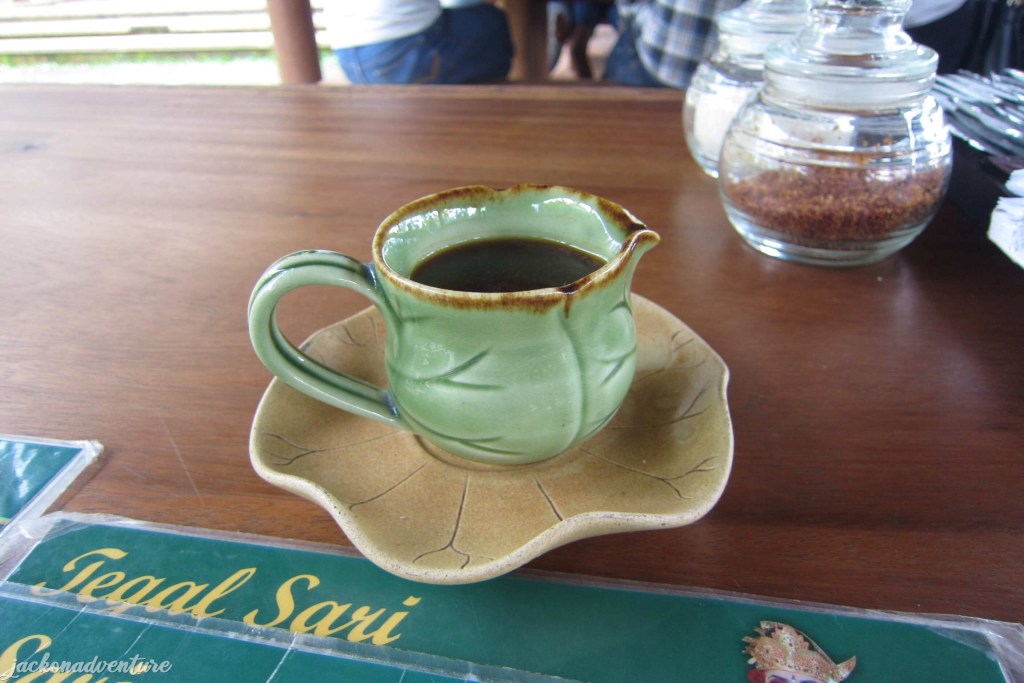
The process of making this expensive coffee starts from the fermentation of the red ripe coffee cherries and beans after being eaten by a small civet-like animal named Paradoxurus, locals called Luwak. These mammals live in trees and feed on this fruit during the night. After their digestion, the fruit remained intact and collected from the forest floor. It will be cleaned, roasted, and ground just like any other coffee for an hour.
Visit Ulun Danu Beratan Temple

Built in 1633, Pura Ulun Danu Beratan Temple is used for offerings and ceremonies dedicated to the Balinese water, lake, and river goddess Dewi Danu. The temple is also called the “Bali temple on the Lake” because it looks like it is floating when the Bratan River rises.
The 11-story meru in the complex is dedicated to Shiva and his consort Parvathi.
It was a perfect time of the year, and it was a privilege to witness such an event where the locals came here to perform their ritual while the Nyepi festival was just around the corner. Balinese Hindu people from every village gather at the temple during the Melasti ceremony to pray and dress in bright clothes.
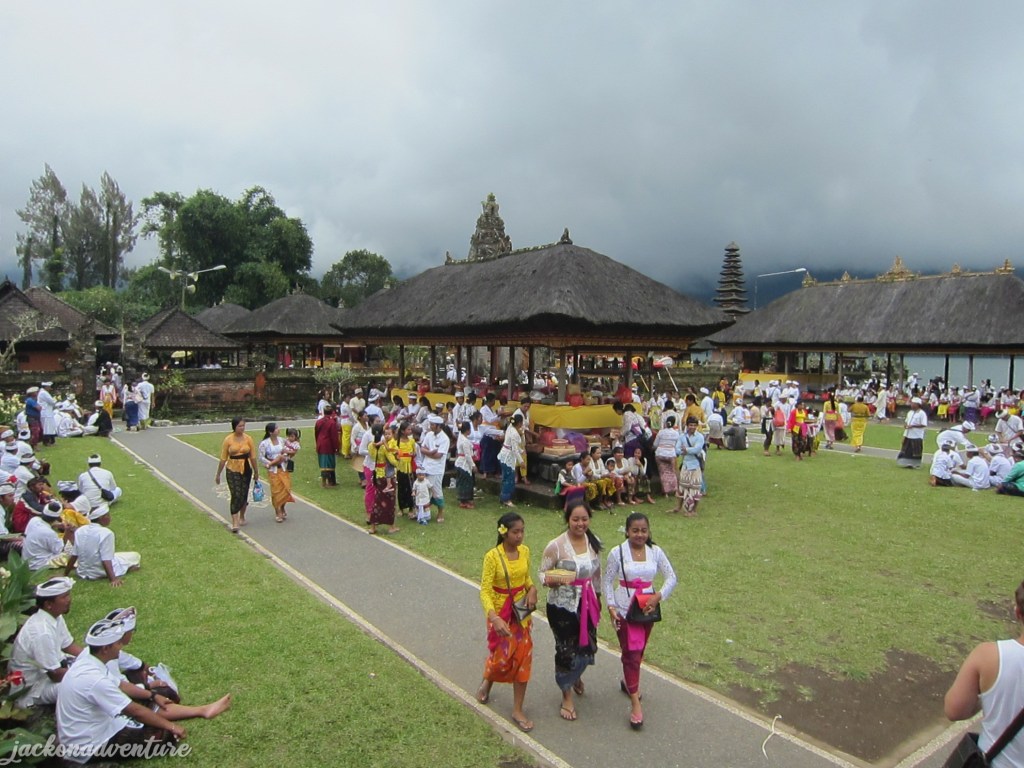
The ladies will carry tall offerings of fruits, cooked rice, and natural foods on top of their heads. The men will walk along by holding a long sheet of yellow and white cloth that symbolizes the Bridge of God. Each group from different villages will take their turn to perform the spiritual purification, with the ceremonies that usually last until early evening (Click here to read full story).
Admire the landscape of Jatiluwih Rice Terrace

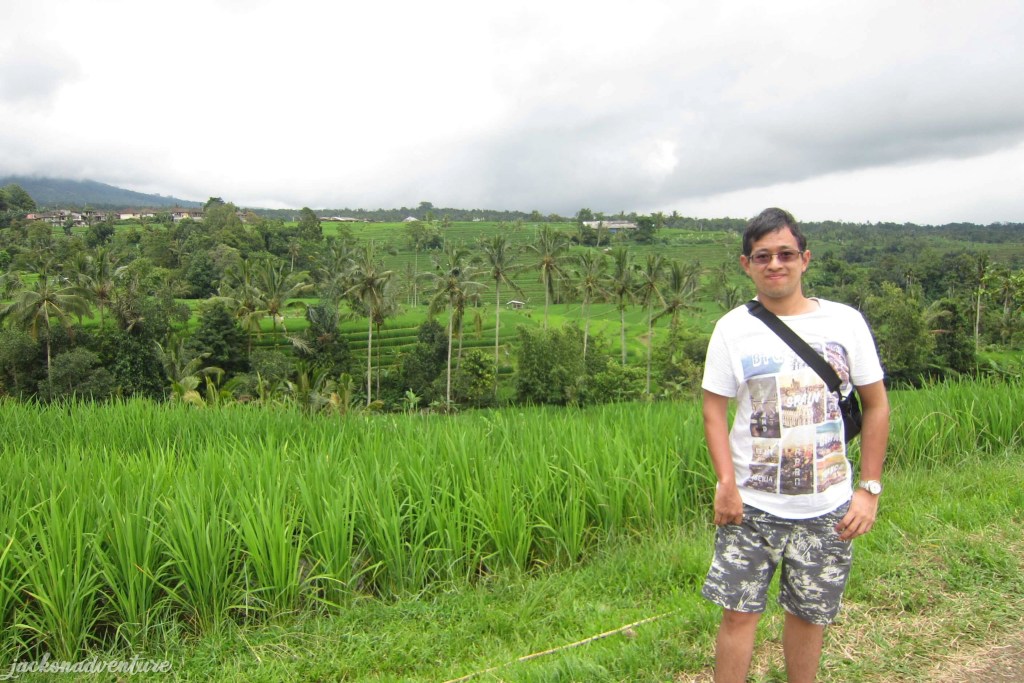
Moving on to my next stop before lunch is Jatiluwih Rice Terrace, a village with a splendid view of 22.3 square kilometers of paddy fields that earned its place as a UNESCO Cultural Heritage Site. Its surroundings were very cool because it is situated in the highlands at an altitude of 2,270 meters above sea level on the second highest peak in Bali after Mount Agung.
The path is very easy to walk which allows me to explore slowly and admire this fascinating paranormal landscape of the rice terrace with the back view of Mount Batukaru. It is interesting to observe how the farmers manage the huge land of the plantation just by using seven traditional irrigation systems (subak) with each system coordinated by one master water controller (Pekaseh).
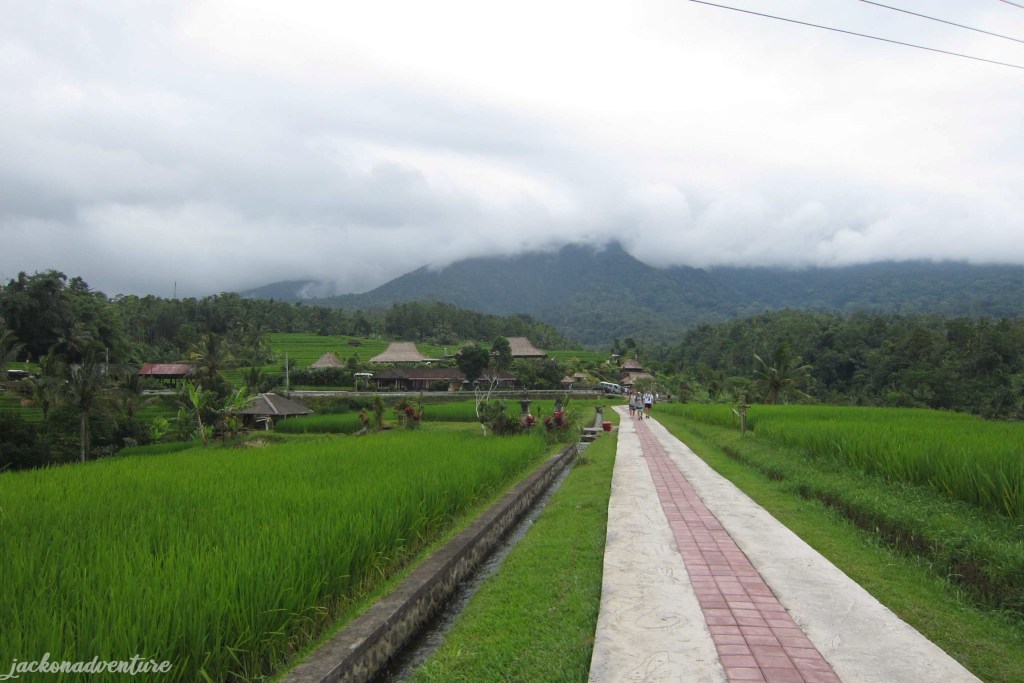
Dine-in at Billy’s Terrace Cafe, right in front of the green fields with a lovely atmosphere. The waiter took some free time to chat with me and later learned that the rice served here is mixed with both red and normal rice which makes it so delicious. The paddy of red rice takes five months before harvesting and is sold three times more than the normal packets of rice in the supermarket at 30,000 rupiahs. The normal rice only needs only three months before the farmers can harvest and the size of the grain is smaller than the red rice.
Visit Batukaru Temple
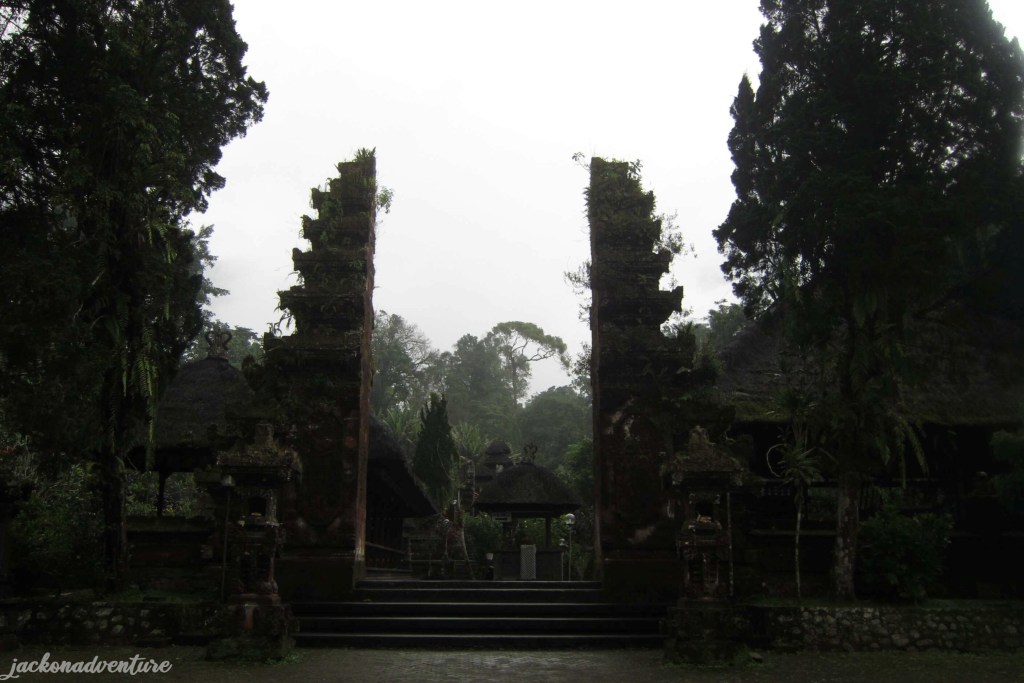
Pura Luhur Batukaru was originally built in the 11th century to dedicate to the ancestors of the rajas of Tabanan. The complex is one of the directional temples meant to protect the island from evil spirits. It was destroyed in 1604 but was restored in 1959.
What is seen here today at the shrine is a 7-tiered meru devoted to the Hindu god Mahadeva, the master of the air, water, and plants.
Although the complex’s ground remains off-limits to visitors, you will still be able to view several shrines with tiered roofs, high ‘meru‘ towers, and pavilions carved with ancient Balinese features.
The main courtyard has a lake and freshwater spring that was used as holy water for prayers, ceremonies, cleansing, and purification rituals.
Enjoy the cool breeze at Tanah Lot Temple
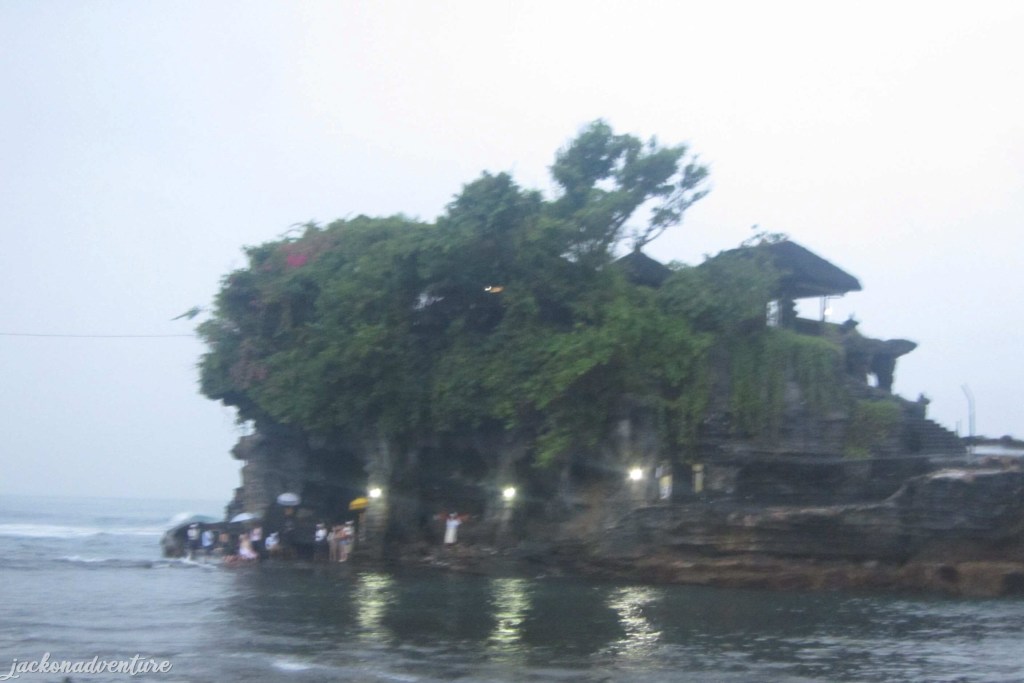
Tanah Lot Temple is home to an ancient Hindu pilgrimage temple. It is one of the best sunset scenic views in Bali. Unfortunately, it has been raining throughout the day. Strong winds and large waves continually crashed at its rock base and it was impossible for me to cross to view the inside of the temple.
According to the legend, a priest named Dang Hyang Niratha came from East Java to spread Hinduism here in 1489. He established a site to honor the sea god, Baruna, and shared his teachings with the Beraban villagers. The village chief was against this and gathered his loyal followers to oust Niratha. The priest resisted, incredibly shifting the large rock he meditated out to the sea while transforming his sashes into sea snakes to safeguard its base. The original name of the rock, Tengah Lot, means ‘in the sea’.
Be awed by Bajra Sandhi Monument
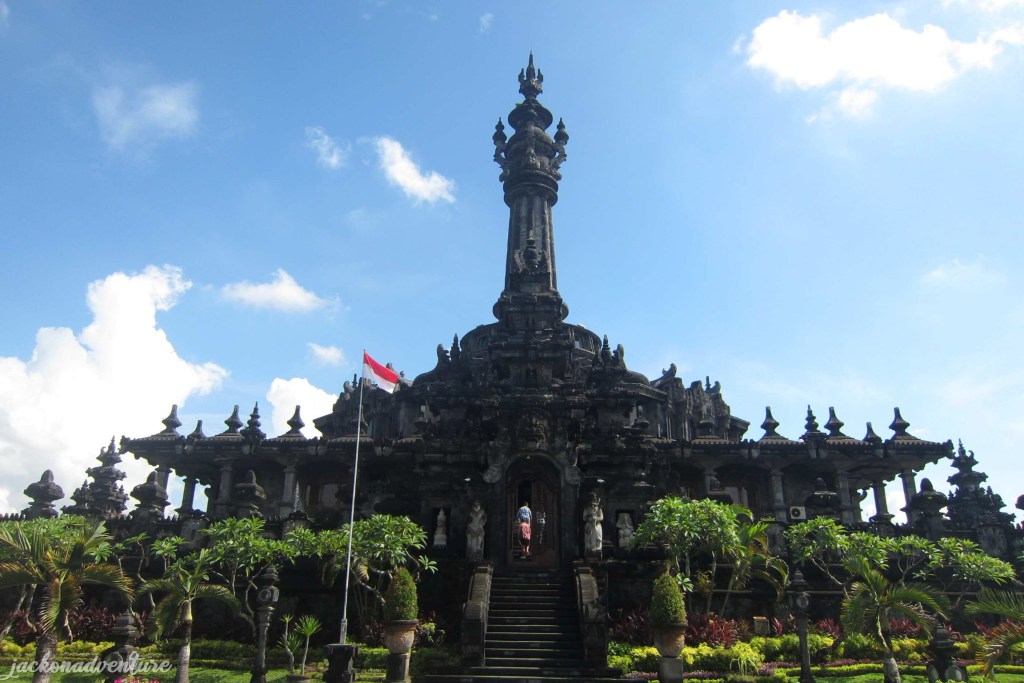
As it comes to the last day of my Bali trip, today will take a free-and-easy way, so there is no rush to explore the island. The plan is to head down south of Bali to visit the Bajra Sandhi Monument. This major landmark was built to dedicate to the struggle of the Balinese people during the war against the Dutch colonial who invaded and occupied the island. Its architectural design symbolizes the independence day of Indonesia on 17 August 1945, which consists of 17 entrance gates, eight main pillars, and 45-meter monument height.
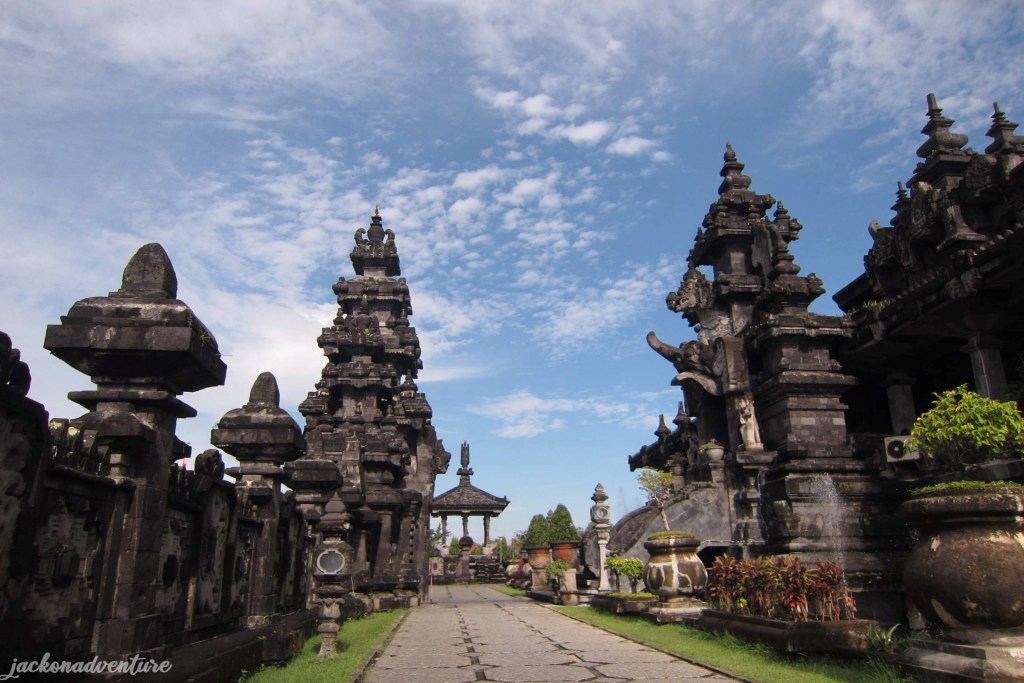
There are fish ponds, a library, administrative rooms, and exhibition halls on the first floor. The second floor is the museum exhibiting Balinese history from prehistoric times, the development of civilization, the development of the Bali Kingdom and Hindu religion, and the struggle of its people to gain independence. The highest floor allows me to get a 360-degree view of Denpasar.
What I have noticed is that there are no skyscrapers on this island because the local government regulations and the influence of religious groups do not permit anyone to build any buildings taller than 30 meters (the height equivalent to coconut trees or Balinese temples).
Explore Garuda Wisnu Kencana Culture Park
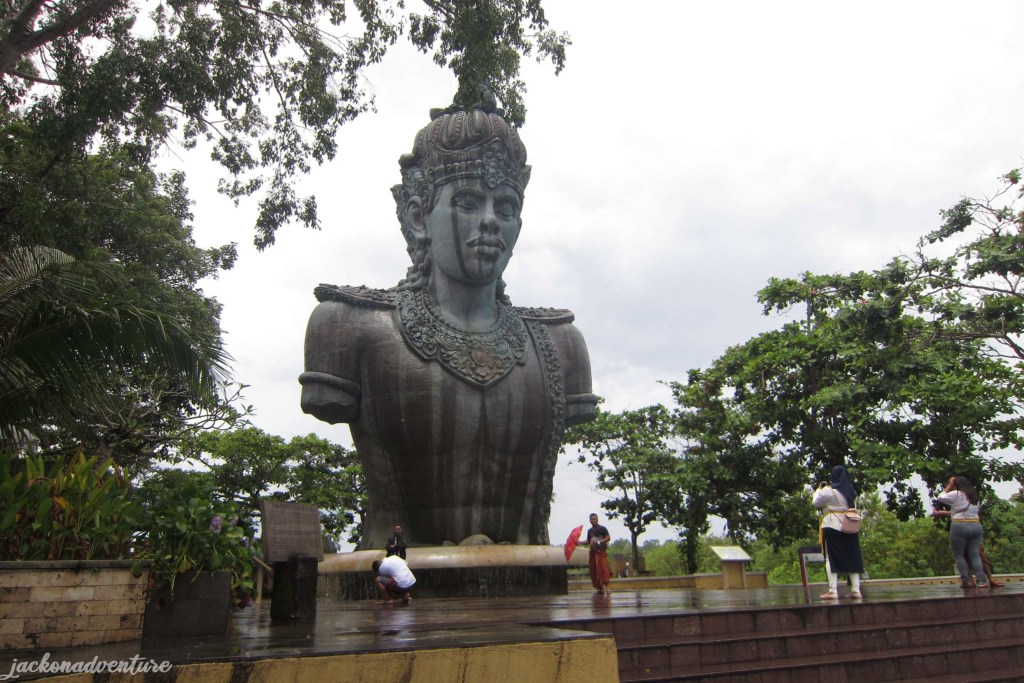
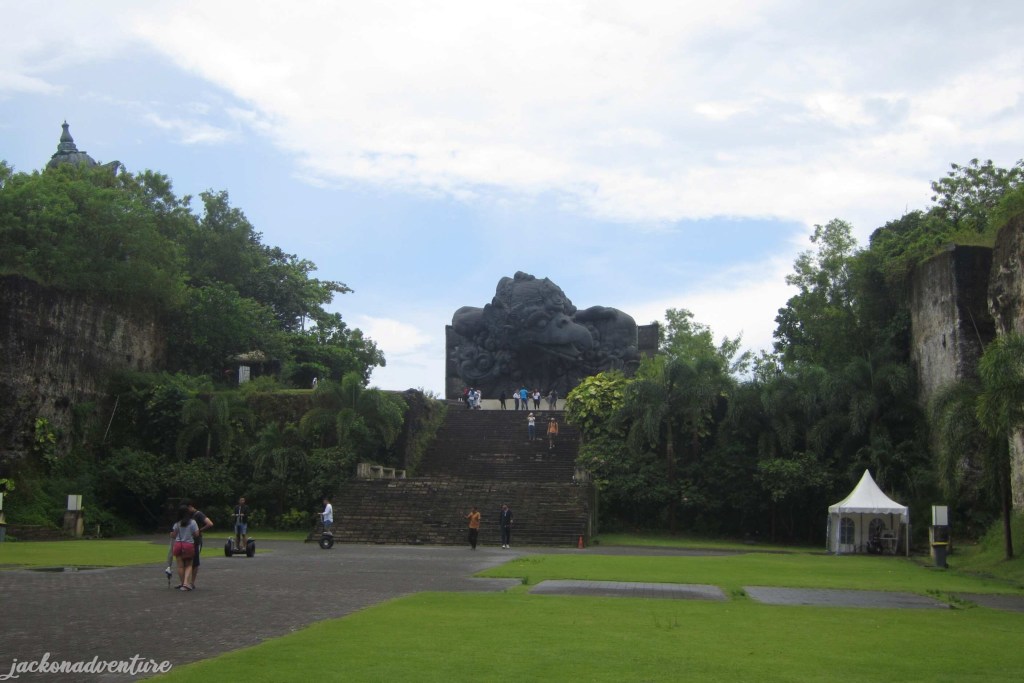
Take the quickest route down the southern part of Bali through Mandara Toll Road and get to Garuda Wisnu Kencana Culture Park. Sadly, the entrance fee costs 100,000 rupiahs and the main attractions here are only Visnu Plaza and Garuda Plaza, while the rest of them are still under construction. Did not spend a lot of time here and headed straight for lunch.
Relax at Bali’s beautiful beaches
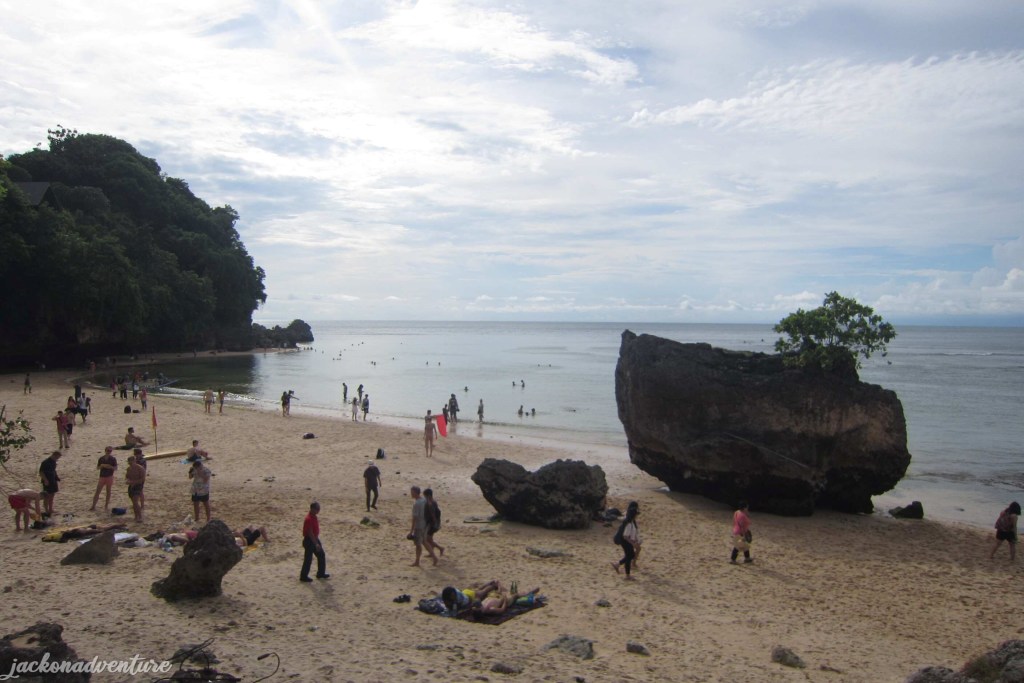
Right after lunch, it is time to relax on the two most popular beaches in southern Bali called Dreamland Beach and Padang-Padang Beach. Dreamland Beach is very huge, so there are plenty of places to share and most of the visitors here are Asian. Whereas Padang-Padang Beach is very small and a little packed with people, many of the tourists are Westerners instead.
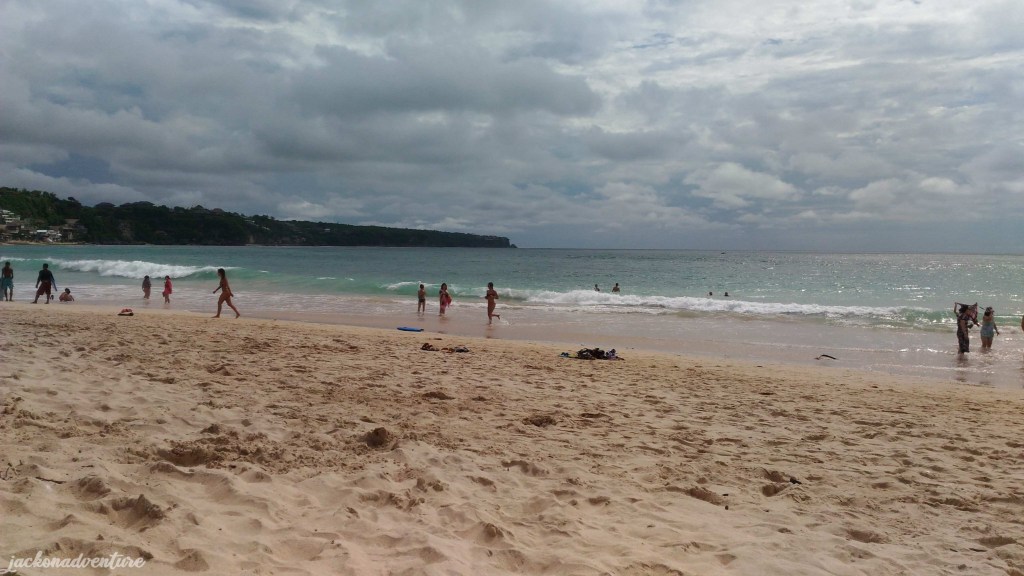
Travel Tips: Cars can be parked near the entrance of Dreamland Beach before hopping on the shuttle cars to the beach.
Watch the Kecak Dance in Uluwatu Temple
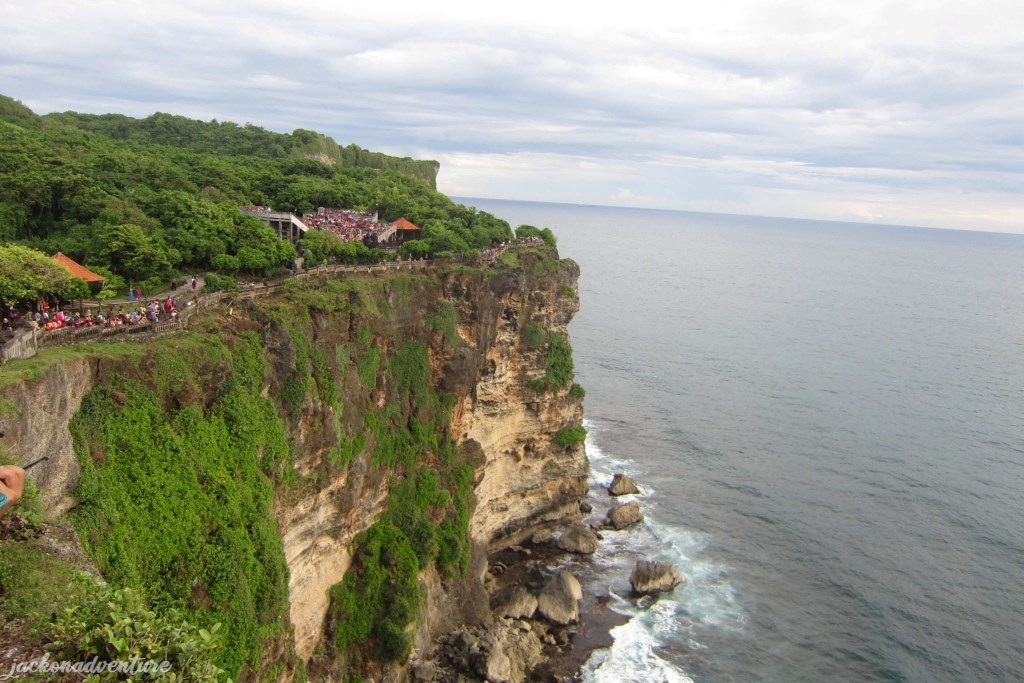
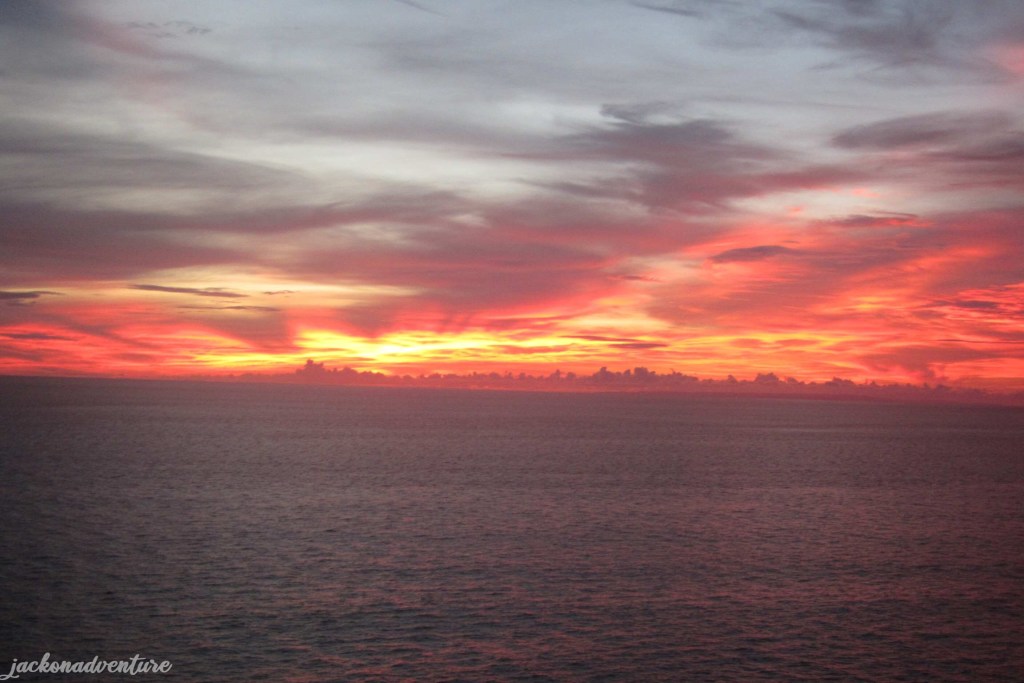
We drive another 30 minutes down to Uluwatu Temple from the beach. My guide advised me to get there as early as possible to avoid heavy traffic. Wild monkeys can be seen roaming freely at the entrance and in the nearby forest of the temple. Uluwatu is another place to catch the sunset over the Pacific Ocean and watch the Kecak dance performance.

Travel Tips
- Hire a reliable driver who is very familiar with Bali to get you to the tourist spots. It will save you time and you can get some travel advice from them as well.
- If you are renting a scooter, do carry a local driver’s permit and an international driving license on the road.
- Do give yourself enough time to travel from Point A to Point B. Although the distance shown in Google Maps or travel guide maps may be close to each other, it will still take a longer time to travel. There is only a single lane on each side of the road and is difficult to overtake the car in front.
- Visitors are required to wear a sarong when visiting the Hindu temple. They will provide one without or with a small fee.
- Some parts of temples are off-limits to visitors and non-pilgrims, so do follow the restrictions given as to respect and preserve their culture and belief.
Going Elsewhere in Indonesia?
If you want to visit other places, learn about the local culture, or other experiences, you can check out some of my other posts:
Like It? Pin This Article.

 Jack on Adventure
Dulu selalu jugak pergi Bali. Banyak tempat menarik untuk dikunjungi di sana.
Now sb dah ramai pelancong ke sana so harga pun dah mahal
LikeLike
Betulnya. Pergi Pantai Padang-padng and Dreamland pun mau bayar parking atau entrance fee.
LikeLike
I’ve never been to Bali this time and I really want to come here and enjoy the exciting atmosphere of this …
LikeLike
Do come next time. Malindo have cheap fare
LikeLike
tak pernah lagi ke bali..tapi memang teringin sangat kesana….cantik sungguh pemandangan di bali ye…
LikeLike
Definitely worth the trip to the rice terrance at the highland. Can go trekking there
LikeLike
Banyak tempat menarik dengan pemandangan cantik di Bali. Sangat tertarik dengan keindahan dan keunikan tempatnya.
LikeLike
Do visit someday
LikeLike
i enjoy your picture. Teringin nak ke bali. Selalu tengok orang pergi je..hehee..harap ada rezeki ke sini. sebab banyak tempat menarik boleh pergi
LikeLike
Plenty of affordable accommodations including resorts
LikeLike
I am quite ashamed to admit that I have not visited Bali yet. One of these days, I promise myself. Your guide will come in so handy. Thanks for sharing.
LikeLike
Honestly, this is my first time there. If you’re going there, can let me know so I can recommend my guide to you. He is very helpful and informative
LikeLike
you really put your travel experience here with us. when I read it.. I feel like I am already there. Now I wanna put this in my bucket list. so great!! thanks for sharing
LikeLike
Will try my best to give as much info on my trip based on my first hand experience. Thanks for the feedback
LikeLike
i want to repeat again visit Bali.. I really love Bali.. beautiful place, romantic..too many attractive place there…anybody wanna sponsor me this time?hahhaa
LikeLike
On my next trip to Bali again. Hehe. Can sponsor transport/driver and accommodation
LikeLike
Thank you for sharing the travel tips. Love the view and the culture. Will use your tips in my visit in future.
LikeLike
Enjoy!!
LikeLike
Travel tips are never too much, thanks for sharing 🙂 Love your blog!
LikeLiked by 1 person
Wah…Bali memang cantik dan ramai pelancong suka ke sana and l belum lagi sampai di sana
LikeLike
Never to late to go there. Don’t just hang by the beaches. Plenty to explore inside the island. Enjoy!
LikeLike
my friends and I are planning to go to Bali next year I would love to refer back to the tips you mentioned at the end.
LikeLike
That’s great. Enjoy your trip and will look forward on your Bali post soon.
LikeLiked by 1 person
Reblogged this on Fly away goddess.
LikeLike