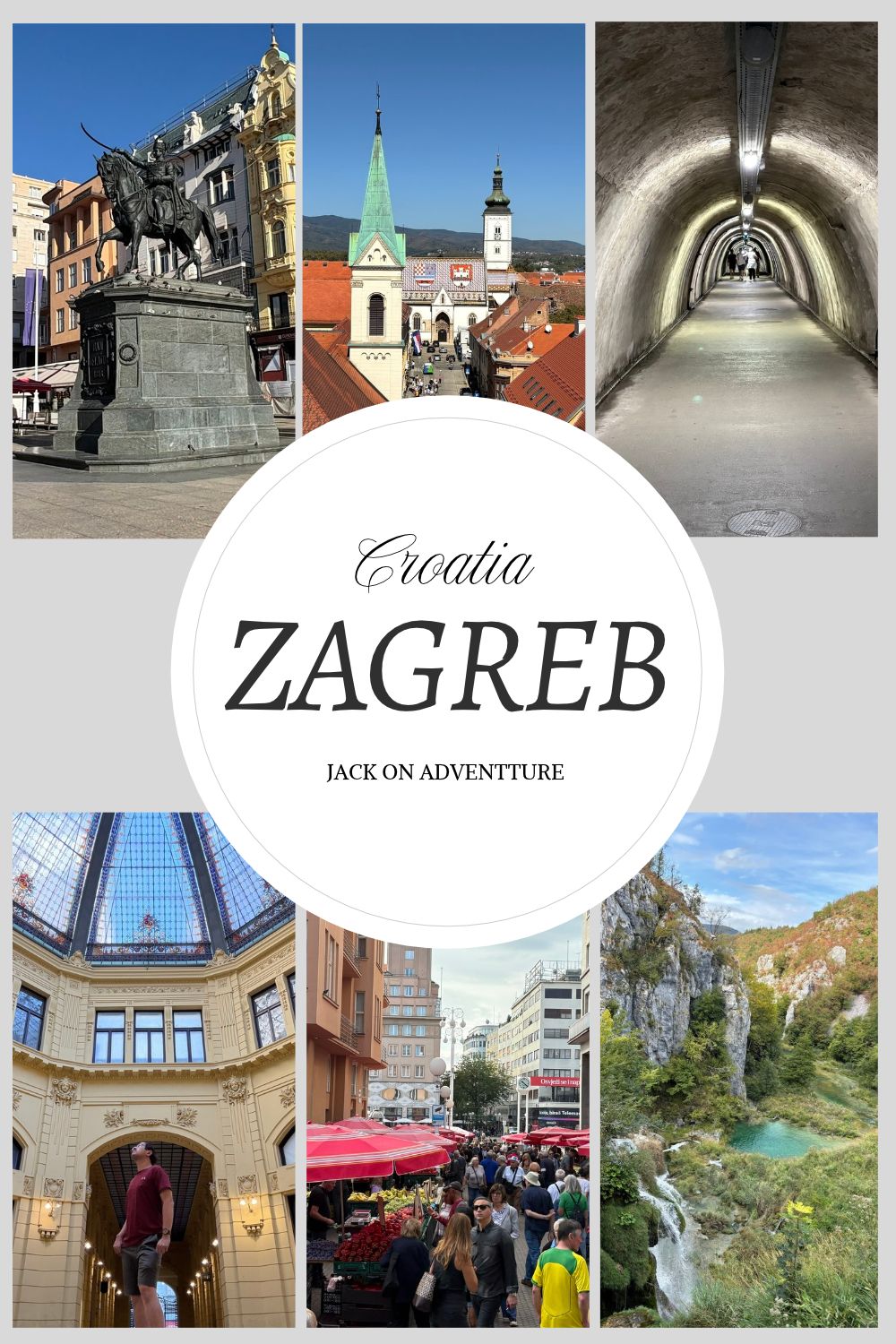
Located in northwestern Croatia, Zagreb lies along the River Sava, beneath the southern slopes of Mount Medvednica. As the capital of Croatia, it is the largest city and is considered one of the more affordable places to live in the country.
In medieval times, Zagreb’s Old Town consisted of two separate settlements divided by a stream. Kaptol was the religious centre, where the clergy lived, while Gradec was home to civilians, including merchants and farmers. Eventually, the two settlements were officially united in 1850 by Ban Josip Jelačić and merged to form the Upper Town (Gradec Grad), after whom the city’s main square, Ban Jelačić Square, is named. The 19th-century expansion below them became the Lower Town (Donji Grad).
Legend has it that a Croatian military commander once stopped near a spring while searching for water. A beautiful young woman named Manduša happened to pass by, and the commander asked her to fetch some water. He supposedly uttered the Croatian word zagrabiti, meaning ‘to scoop up’. The spring was named Manduševac after the young woman, while the city took its name from the word zagrabiti. And that’s how Zagreb got its name!
One of the coolest things about Zagreb is its reputation as the ‘City of Museums’. The city boasts an impressive collection of museums and galleries, covering everything from history and art to some rather unusual subjects. Its rich architectural and cultural heritage also reflects the influence of the Austro-Hungarian era, particularly between 1867 and 1918.
Today, Zagreb is a vibrant city and a hub of politics and government, with a lively mix of art, culture and shopping. It also has a distinctive café culture, with dozens of them lining its pedestrian streets and squares.
Best Time to Visit
The best time to visit Zagreb is between April and May, and again from September to October. The weather is generally mild and pleasant, making it ideal for sightseeing and exploring the city on foot. Accommodation prices are also relatively affordable during these shoulder seasons.
It is best to avoid the peak summer months of June to August, when many European tourists travel during their summer holidays. The weather is generally hot and sunny, with temperatures often reaching the upper 20s or even above 30°C in July and August. The great thing about visiting in summer is that the days are longer, giving you more time to explore and discover the city at your own pace.
Zagreb is also home to some of the best Christmas markets in Europe. Visiting in December is a wonderful way to experience the city’s festive atmosphere and enjoy the cheerful Christmas celebrations. Winter temperatures can drop to around 1°C or lower, so remember to pack warm clothing.
Rainfall occurs throughout the year, although September to December tend to be among the wettest months, while January and February are generally the driest. Plan ahead if you’re intending to enjoy outdoor activities and sightseeing.
Getting There
By Plane
As the largest city in Croatia, Zagreb is served by Franjo Tuđman Airport (Airport Code: ZAG), which handles numerous flights from across Europe and the Middle East. However, some routes operate only seasonally.
The airport is located approximately 15 kilometres from Zagreb city centre. If you’re a budget traveller like me, there are two affordable bus options for getting from the airport to the city. Both are convenient options for travelling into town. Pleso Prijevoz Airport Shuttle offers regular services to Zagreb’s Central Bus Station for €9. Buses depart every 30 minutes, and the journey takes approximately 35–40 minutes.
Alternatively, you can take the Zagreb Airport ZET Line 290, which connects the airport with Velika Gorica and Kvaternik Square in Zagreb. It operates daily from 4:20 am to 11:25 pm and the journey takes around 50 minutes due to the 19 stops along the route.
Of course, taxis and Uber are also available at the airport if you prefer a direct ride to your hotel or Airbnb. This option comes in handy if you’re travelling in a group or carrying a lot of luggage.
By Train
Zagreb is well connected to other regions of Croatia and its neighbouring countries. You can travel to the city by train from several European countries, including Slovenia, Austria, Germany, Hungary, Switzerland and Serbia.
Zagreb Glavni Kolodvor is the city’s main railway station, located next to King Tomislav Square at the edge of the Lower Town. Trams departing from the stops outside the station can take you to many parts of the city.
By Bus
Zagreb’s Central Bus Station is well connected to many cities across Croatia and other parts of Europe. Among the popular bus operators in Europe is FlixBus that has frequent services from major cities and towns throughout the region. From the bus station, you can either take a tram to the city centre for €0.80 or book an Uber directly to your accommodation.
I found FlixBus quite reliable, and the buses were very comfortable when traveling from Ljubljana in Slovenia to Zagreb, and later from Zagreb to Zadar.
Getting Around
Most of Zagreb’s tourist attractions are located within the city centre, making it easy to explore both the Upper and Lower Town on foot. You can follow a self-guided walking route or join one of the many free or paid walking tours available in the city.
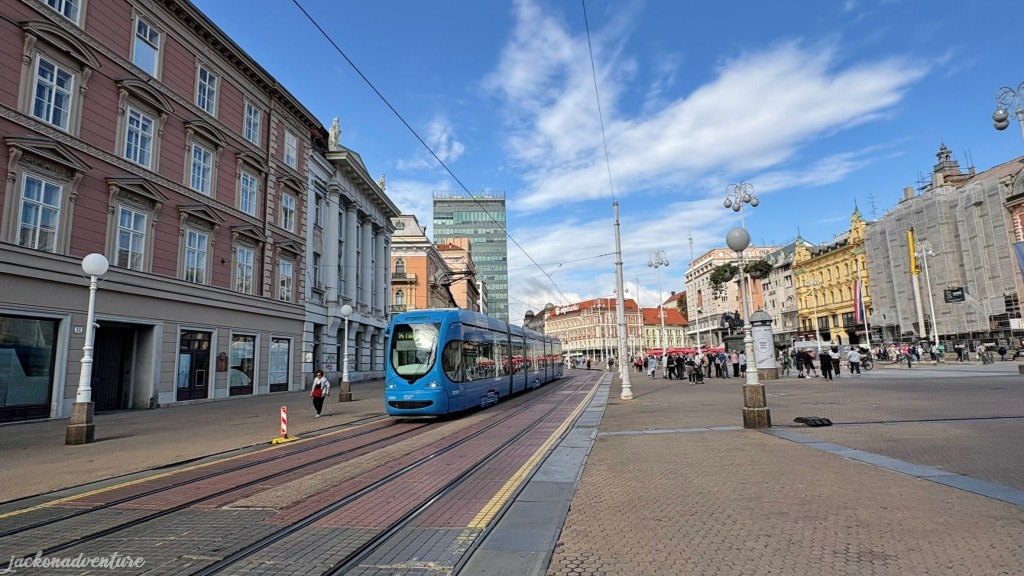
Zagreb also has a convenient and affordable public transport network consisting of buses and trams. They are connected to the heart of the city center and the surrounding suburbs. Tickets can be purchased at Tisak kiosks or directly from tram drivers.
If you’re planning to visit several museums around the city, you might want to consider getting the Zagreb Card. This tourist pass offers free admission or discounted entry to various museums and Zagreb Zoo. It also includes free rides on public transport. The card can be purchased at the Tourist Information Centre at Ban Jelačić Square and comes in 24-hour and 72-hour options.
Uber in Zagreb is surprisingly affordable and offers good service. It’s a convenient alternative to traditional taxis, often at more reasonable prices.
The Best Activities for 3 Days in Zagreb
Zagreb is steeped in culture and history, with roots dating back to Roman times. From beautiful cathedrals and medieval buildings with distinctive red-tiled roofs to fascinating museums and delicious Croatian cuisine, there is plenty to discover. It is worth spending at least two days exploring the city’s old-world charm, with an additional day for a trip to the stunning Plitvice Lakes National Park.
Take your time wandering through the historic Upper and Lower Town, once home to two separate medieval settlements, and soak up the city’s fascinating atmosphere.
Browse through the local Dolac Market
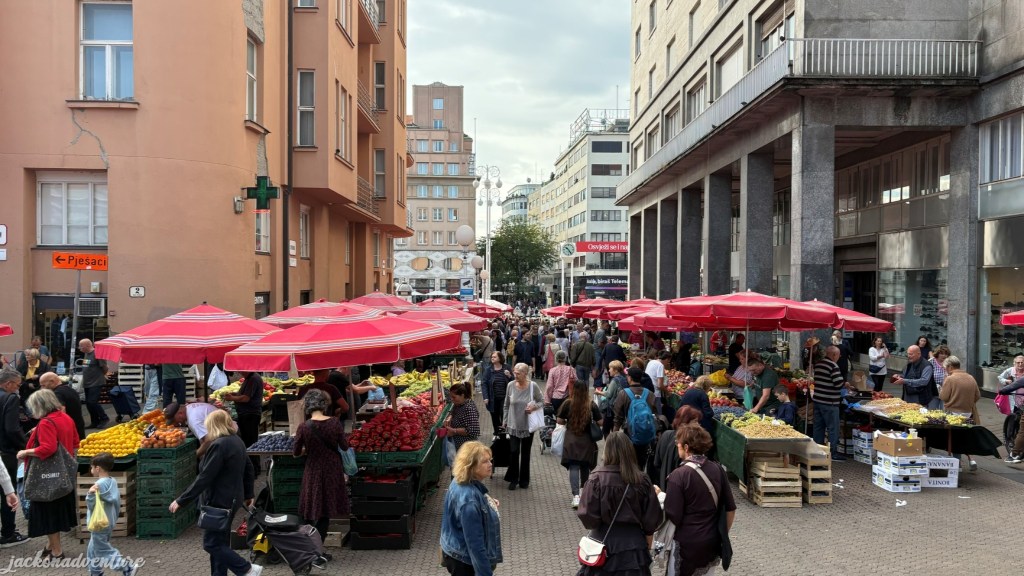
Start your morning with a visit to Dolac Market (Tržnica Dolac). As Zagreb’s largest farmers’ market, it is a great place to find fresh local produce from vendors, many of whom grow their own fruits and vegetables in gardens around the city. The market is easy to recognise by its iconic red umbrellas, which have become a symbol of Zagreb.
Unlike many other city markets in Europe, Dolac Market offers a glimpse into everyday local life. Zagreb residents have been coming here to shop for their daily necessities since 1926. Even if you don’t plan on buying anything, wandering around the market is a great way to soak up the local atmosphere.
Take your time strolling through the stalls, sample a few local treats or pick up some fresh ingredients to make your own sandwich for a picnic. The open-air market is filled with seasonal fruits and vegetables, homemade honey, dried fruits and fresh cheeses, while the flower market adds a splash of colour to the surroundings.
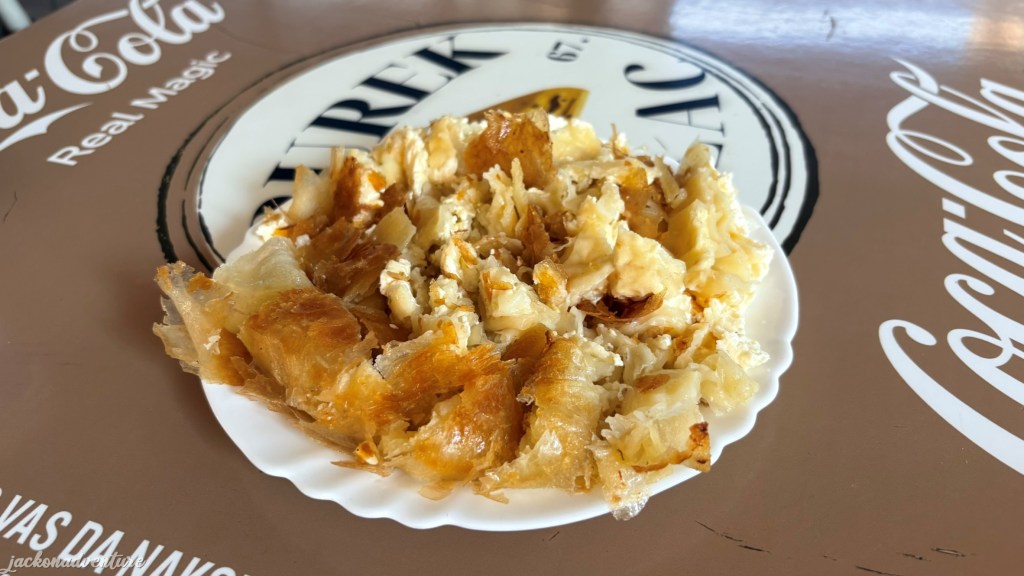
Inside the market hall, you’ll find fresh and cured meats, delicious Croatian cheeses, pastry dough, and fresh seafood from the Adriatic Sea. If you’re looking for breakfast, head upstairs to Burek on the first floor and try the local speciality. It’s an affordable snack that usually comes with a cheese or meat filling.
Location: Dolac 9, 10000
Opening Hours: Daily from 6.30 am to 2 pm
Stroll around Ban Josipa Jelačića Square
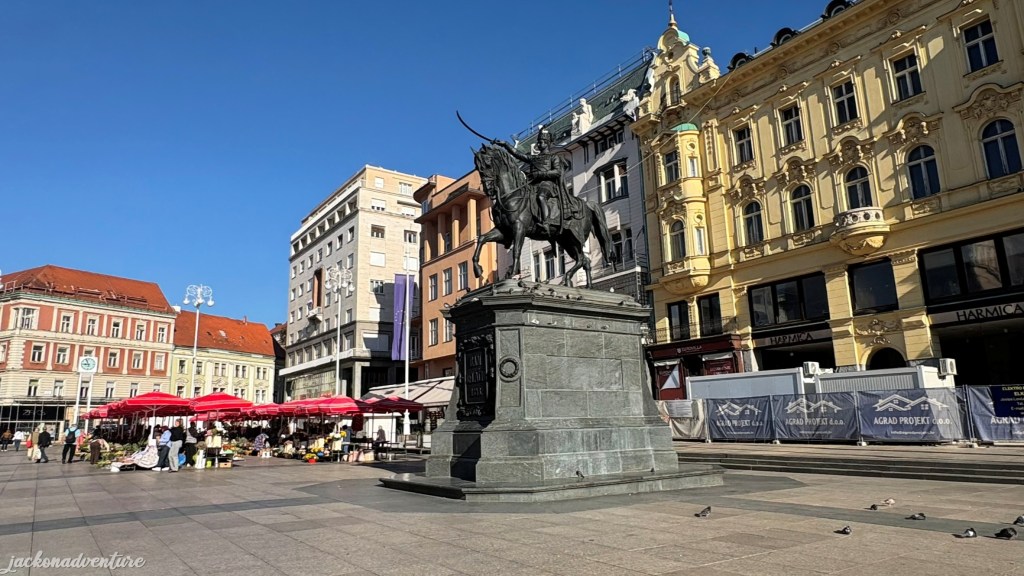
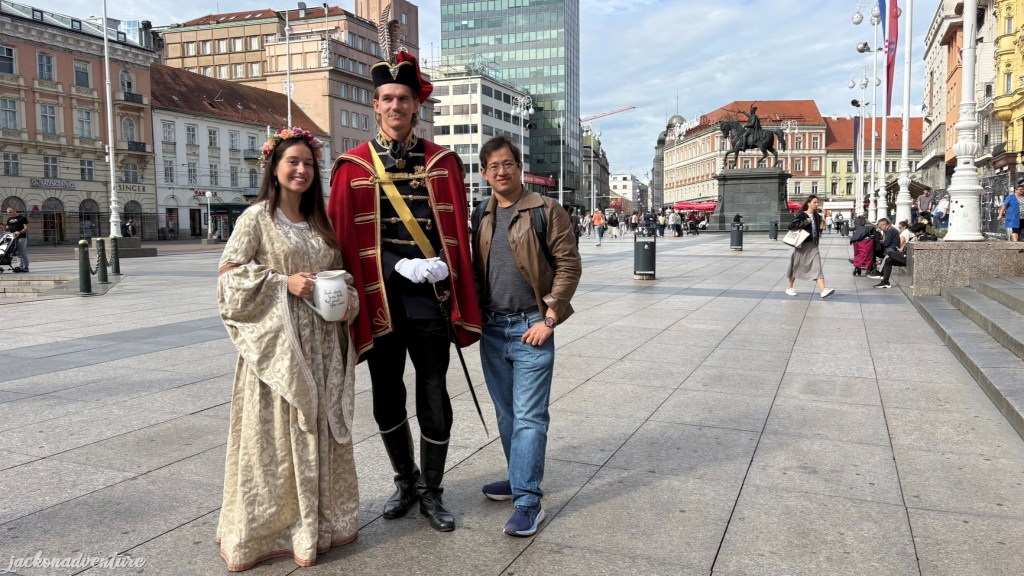
Just a stone’s throw from Dolac Market is the famous Ban Josipa Jelačića Square. Named after a Croatian national hero, the square features a large equestrian statue of Ban Josip Jelačić that was sculpted by Austrian artist Anton Dominik Fernkorn.
Both the statue and the nearby clock are popular meeting points for locals and common starting points for city tours. There are also plenty of cafés, bars and restaurants where you can experience Zagreb’s lively café culture. Locals love to gather here, relax and catch up with friends.
The surrounding buildings in the square are equally fascinating, with many dating back to the 19th century. Their architecture reflects a mix of styles, including Biedermeier, Art Nouveau and Postmodernism.
Location: Trg bana Josipa Jelačića 15, 10000, Zagreb
Take a glimpse of the Oktagon
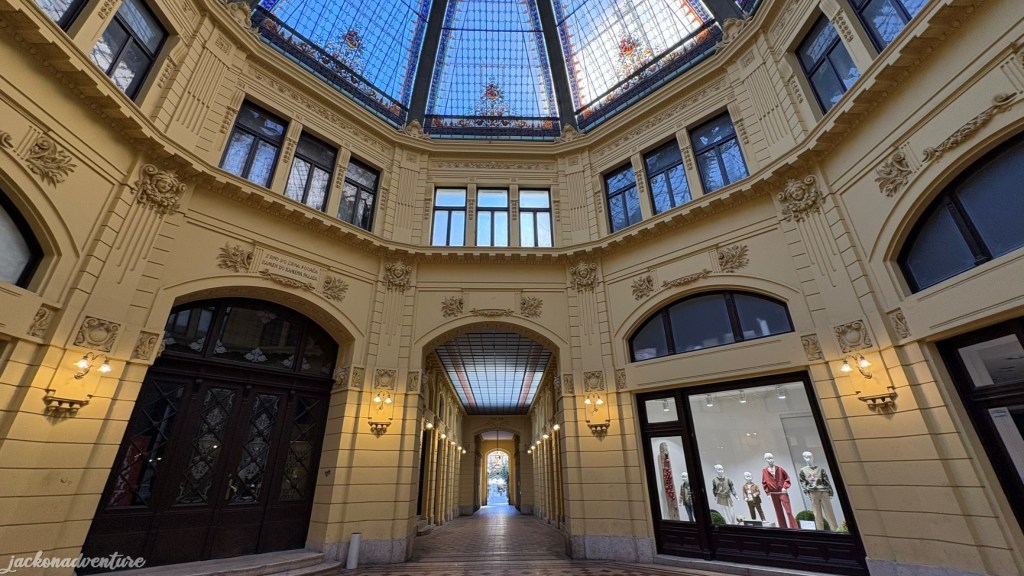
The Oktogon is one of Zagreb’s hidden gems, despite being strategically located right in the heart of the city. This magnificent covered passage connects Ilica Street with Cvjetni Trg (Flower Square) and runs through the former building of the First Croatian Savings Bank, which was originally built in 1899.
Location: Ilica 5, 10000
Opening Hours: 24 hours
Explore the impressive Cathedral of Zagreb
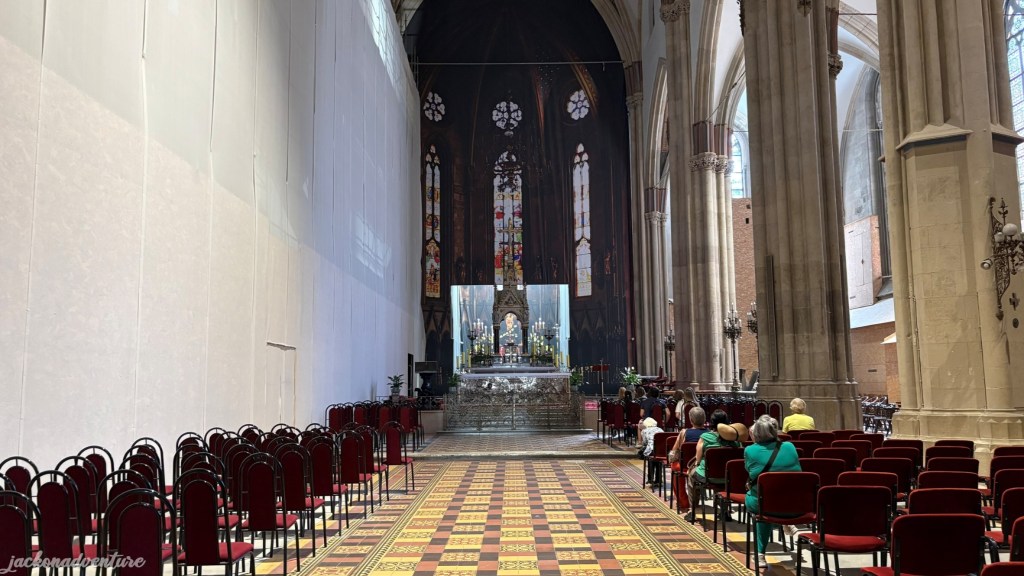
Formerly known as St Stephen’s Cathedral, the Cathedral of the Assumption of the Blessed Virgin Mary was founded in 1094, when the Diocese of Zagreb was established. The cathedral was dedicated to the Assumption of Mary, King St Stephen and St Ladislaus.
Its twin towers can be spotted from almost every corner of the city. After all, the Roman Catholic church is among the tallest buildings in the country. The cathedral is particularly impressive for its twin Gothic spires that reach a height of approximately 105 metres.
The cathedral underwent reconstruction in the 13th century after suffering damage during the Mongol invasion. In the 15th century, fortifications were built around it to protect the structure against Ottoman attacks. The cathedral was badly damaged by the devastating earthquake of 1880 and was subsequently restored in the Neo-Gothic style under the direction of architect Hermann Bollé, giving it much of the appearance we see today.
Location: Kaptol 31, 10000, Zagreb
Opening Hours: Monday to Saturday from 10 am to 5 pm and Sunday from 1 pm to 5 pm
Entrance Fee: Free
Visit Saint Francis’ Church
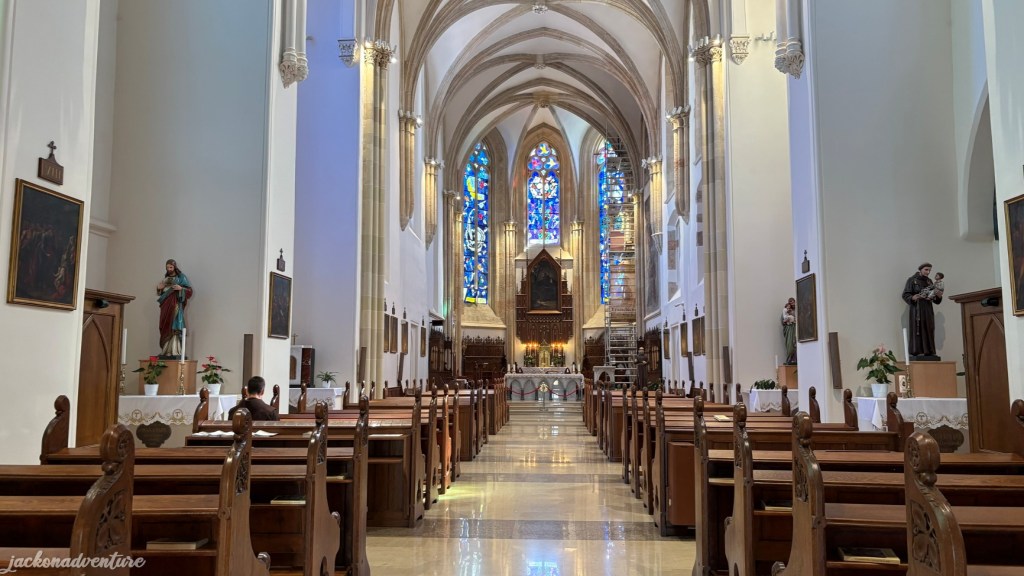
The Church of St Francis (Crkva sv. Franje) was built in the 13th century. Its interior still retains elements of its original Gothic style, including long choir stalls and an elongated sanctuary. It is believed that the Franciscans had already established a residence on the site before the church was built.
The Chapel of St Francis is decorated with painted frescoes by Celestin Medović, depicting scenes from the life of St Francis, along with plant motifs and angels. The early Baroque stucco decorations, incorporating elements of Mannerism, date back to around 1683.
After the 1880 earthquake, both the church and the monastery were renovated, with efforts made to restore their original appearance. A new, taller steeple and the Chapel of the Crucified Jesus were also added to the church.
Location: Kaptol 9, 10000, Zagreb
Opening Hours: Daily from 6.30 am to 8 pm
Entrance Fee: Free
Step back in time at Grič Tunnel
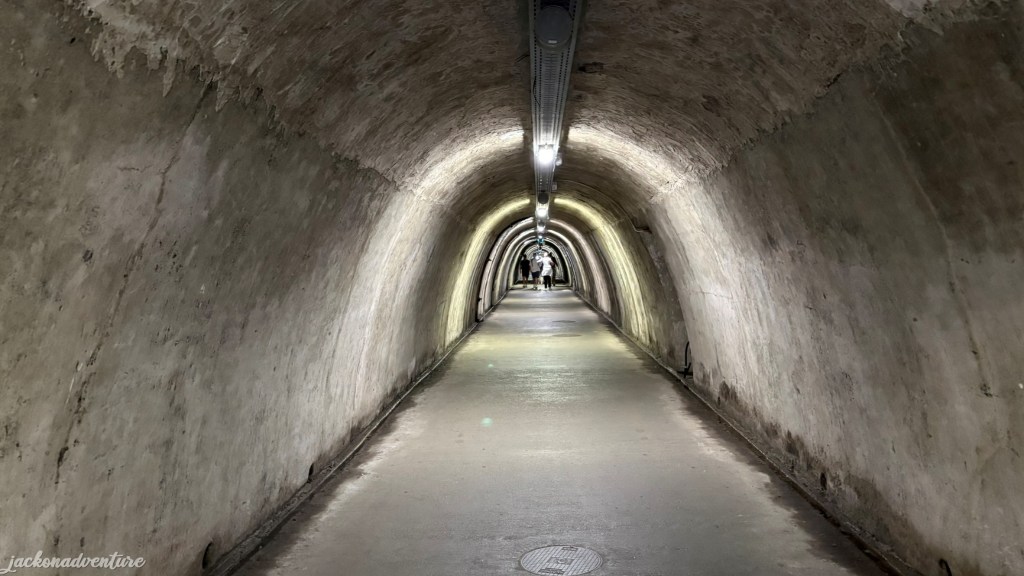
The Grič Tunnel is one of the most interesting places to explore in Zagreb. This pedestrian tunnel connects Mesnička Street and Stjepan Radić Street, allowing you to pass beneath the Upper Town without walking over the hill. Stretching approximately 350 metres, the tunnel has six entrances and exits.
The tunnel was originally built during World War II to serve as an air-raid shelter but fell into disuse after the war. It was eventually renovated and reopened to the public, serving as a pedestrian passage and a venue for cultural events, including Advent season celebrations.
Location: Ul. Pavla Radića 19, 10000, Zagreb
Opening Hours: Daily from 9 am to 9 pm
Ride the world’s shortest funicular
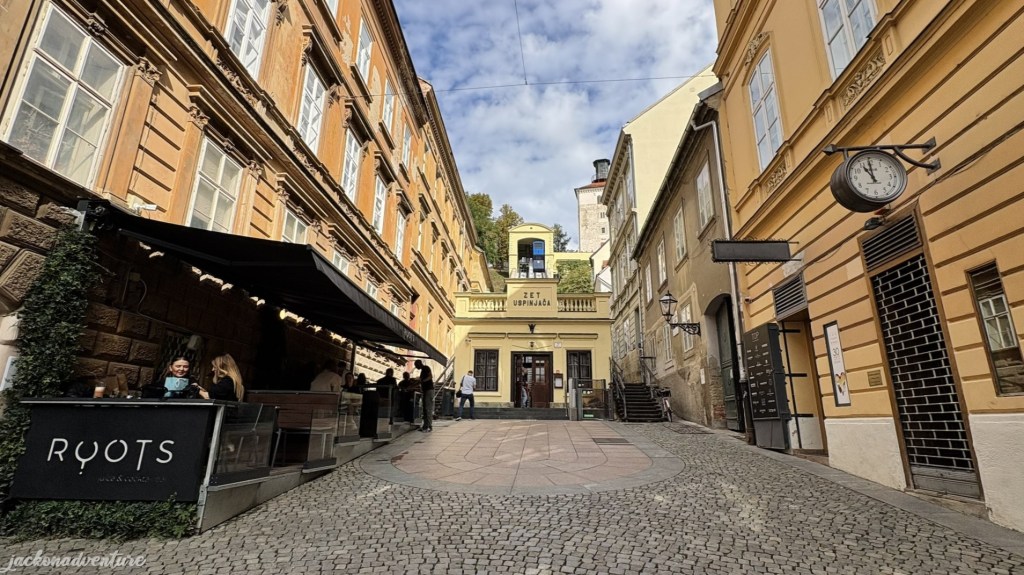
One of the fun things to do in Zagreb is to ride the world’s shortest passenger funicular, which connects the Upper and Lower Town. Spanning just 66 metres, the funicular takes only 64 seconds to travel from Ilica Street to the top of the hill. Best of all, a single ride costs as little as €0.66.
The Zagreb Funicular is also the oldest form of public transport in the city, having been built in 1893. It was originally powered by steam before being converted to electric operation in 1934. Remarkably, its original appearance and most of its technical features have been preserved over the years, making it a fascinating piece of Zagreb’s transport history.
Location: Ul. Josipa Eugena Tomića 7A, 10000, Zagreb
Opening Hours: 6.30 am to 9.50 pm
Boarding Fee: €0.66
Ascend to the top of Lotrščak Tower
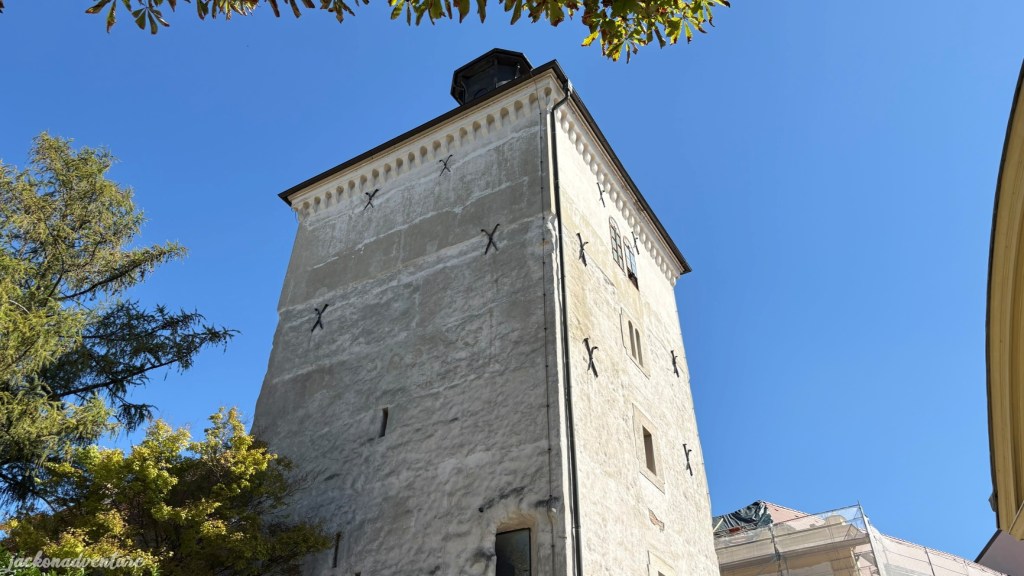
At the top of the Zagreb Funicular lies the renowned Lotrščak Tower (Kula Lotrščak). It is the only surviving medieval tower of its kind in the city that dates back to the 13th century. Although it was slightly modified over the following six centuries, the tower is best known for its Grič Cannon, which has been fired every day at noon since 1877. The cannon firing was supposed to celebrate Zagreb’s victory over the Ottoman Turks.
Today, it has became a local tradition that excites many locals and visitors alike. Its thunderous blast can be heard throughout the Old Town and beyond.
One of the best places to watch the cannon firing is Strossmayer Promenade. Take the funicular up the hill and find a comfortable spot beneath the shady trees. I recommend arriving by 11.30 am to secure a good viewing spot.
After witnessing this daily spectacle, you can climb to the top of the tower to enjoy magnificent panoramic views of Zagreb, including the surrounding Old Town, St Mark’s Church and the Cathedral. There is also a small museum inside, offering an introduction to the history of the tower and some of Zagreb’s fascinating landmarks.
Location: Strossmayerovo šetalište 9
Opening Hours: Tuesday to Sunday from 11 am to 8 pm
Entrance Fee: Adults: €3/ Children aged 7-17: €2/ Children below 7: Free
Take a break at Strossmayer Promenade
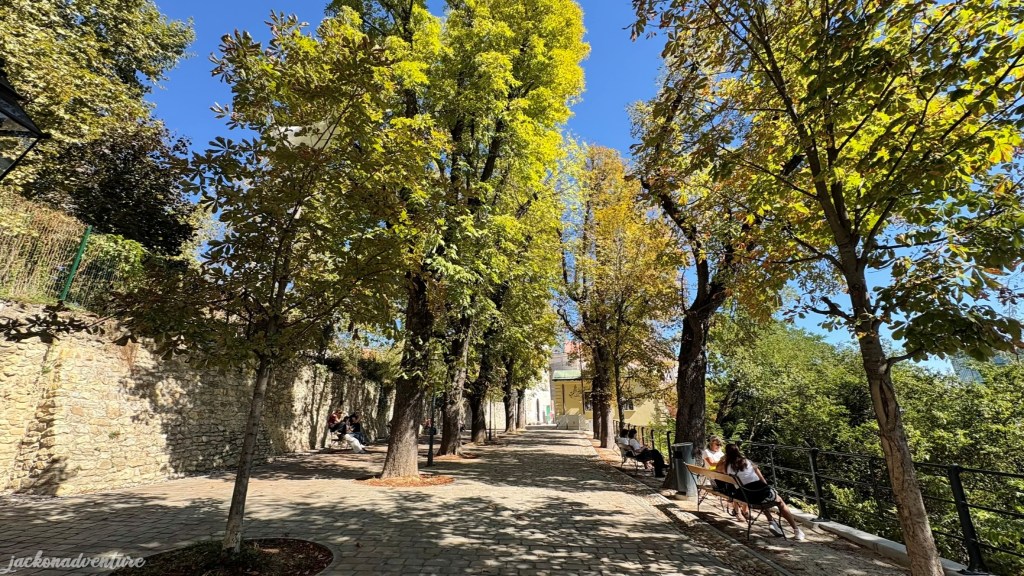
Located along the southern edge of Gradec Hill, Strossmayer Promenade is a perfect spot to relax and enjoy panoramic views of Zagreb and its cathedral, while taking shelter from the afternoon sun beneath the shady chestnut trees.
Walk towards the end of the promenade, where you’ll be greeted by a silver statue of the Croatian poet Antun Gustav Matoš. Seated on a bench, he looks as though he’s waiting for someone to keep him company. This is also a lovely spot to capture the city views from a different angle and discover a railing decorated with love locks.
Location: Strossmayerovo šetalište 16-99, 10000, Zagreb
Visit Co-Cathedral of Saints Cyril and Methodius
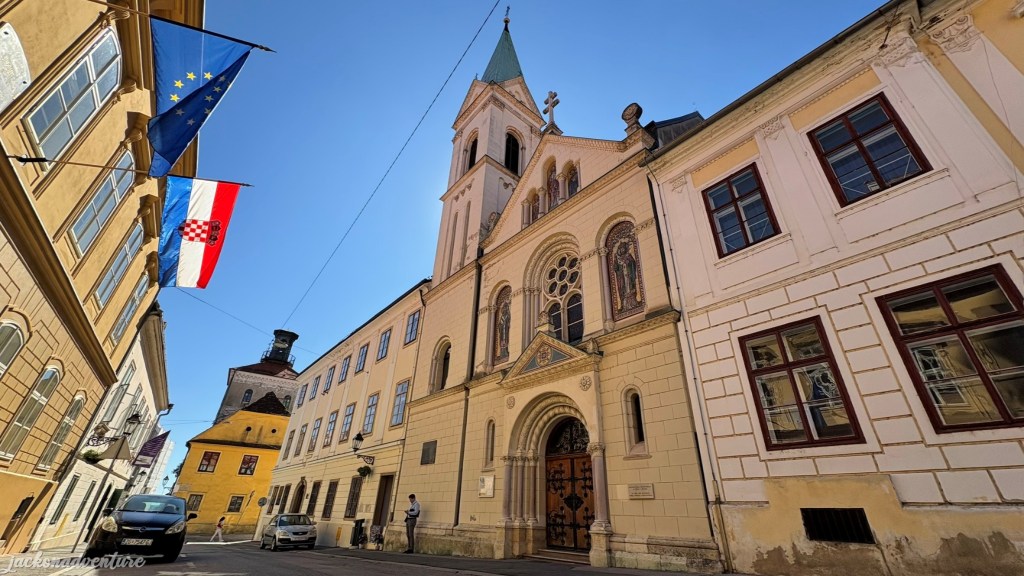
The Co-Cathedral of Saints Cyril and Methodius is the less-known hidden gem of Zagreb. This Greek Catholic church was built in 1885, following a Neo-Byzantine design by architect Hermann Bollé. It stands on the former site of St Basil’s Chapel, next to the late Baroque Greek Catholic monastery.
The remarkable bell tower rises on the left side of the church, while the façade is adorned with mosaics depicting various saints. Its interior paintings were created by Ivan Tišov, while the magnificent iconostasis was designed by Ukrainian painter Epaminondas Buchevsky.
Location: Ćirilometodska ul. 1, 10000, Zagreb
Opening Hours: Monday to Saturday: 8 am to 8 pm/ Sunday: 8.30 am to 12.30 pm and 5 pm to 7 pm
Entrance Fee: Free
Admire the beautiful St. Mark Church
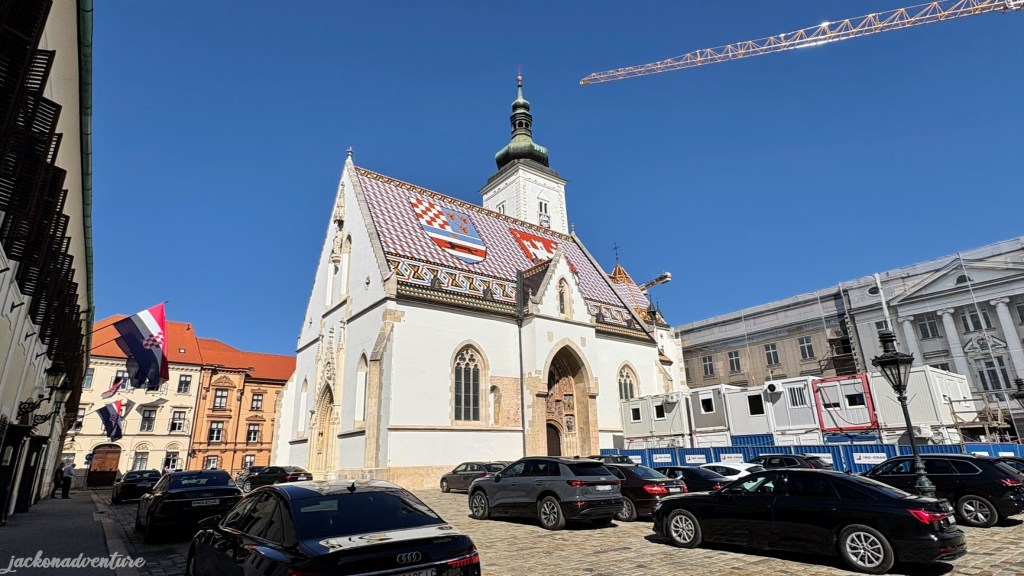
Situated in the heart of the Upper Town, St Mark’s Church (Crkva sv. Marka) dominates St Mark’s Square. The church was originally built in the 13th century, while its Gothic vaulted ceiling, sanctuary and 15 statues were added during later renovations. By the end of the 19th century, the church had undergone extensive reconstruction in the Neo-Gothic style.
One of its most distinctive features is the beautiful colourful tiled roof, which displays the coats of arms of the Triune Kingdom of Croatia, Dalmatia and Slavonia, as well as the city of Zagreb.
Location: Trg Sv. Marka 5, 10000, Zagreb
Take a glance around St. Mark Square
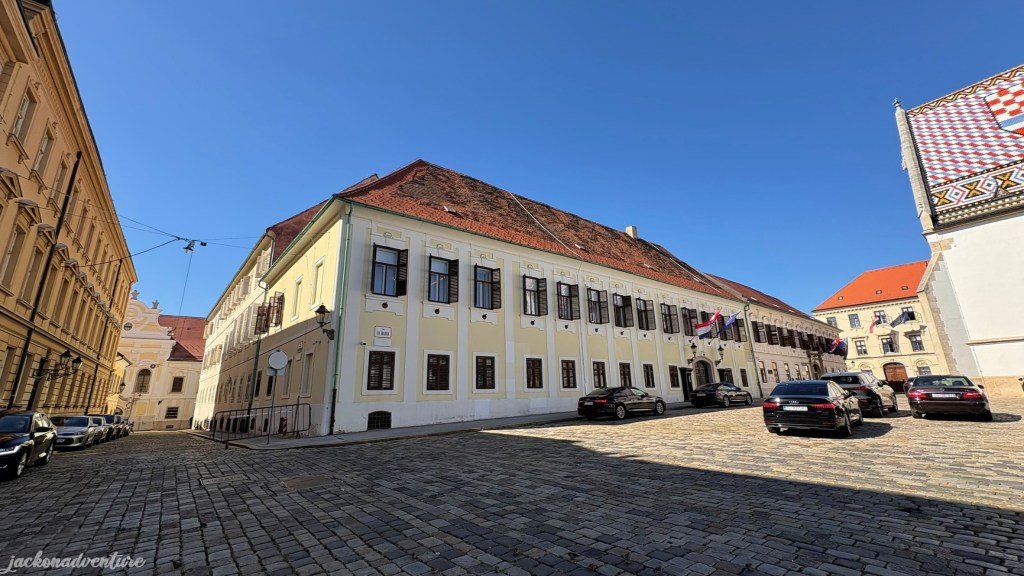
After admiring St. Mark’s Church, spend some time at St. Mark’s Square to observe other historic landmarks and sculptures. The square was the main market square of the historical settlement of Gradec. It is the central point of Croatian political life and is home to the Croatian Parliament and the Governor’s Palace. Other notable landmarks are the Art Museum (Atelijer Meštrović) and the Croatian History Museum.
Matija Gubec, the leader of the peasant revolt in 1573, was coroneted with a burning iron crown in front of the church. This historic event marked the beginning of a long struggle of the Croatian peasants for freedom and equality.
Stop by St. Catherine’s Church
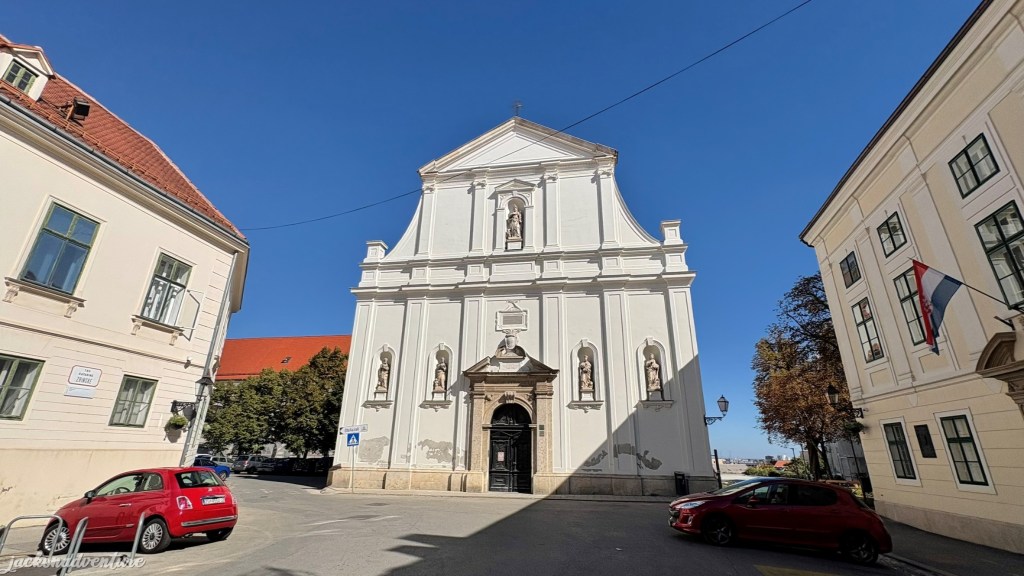
St. Catherine’s Church (Crkva sv. Katarine) was built by the Jesuits in 1632, modelled after the Church of the Gesù (Il Gesù) in Rome. The church features a single nave with six side chapels. Following the devastating earthquake of 1880, it was rebuilt by Hermann Bolle. Its façade is adorned with sculptures of the four Evangelists named Matthew, Mark, Luke and John – alongside a statue of St. Catherine of Alexandria.
Although currently closed for renovation, this Baroque church is home to a remarkable collection of priceless treasures donated by Croatian aristocratic families. It is also believed that members of the Erdődy family were laid to rest within the church. Inside, the frescoes adorning the arches depict scenes from the life of St. Catherine, while the 12 Apostles are portrayed along both sides of the nave.
Location: Katarinin trg bb, 10000, Zagreb
Visit the Stone Gate Chapel
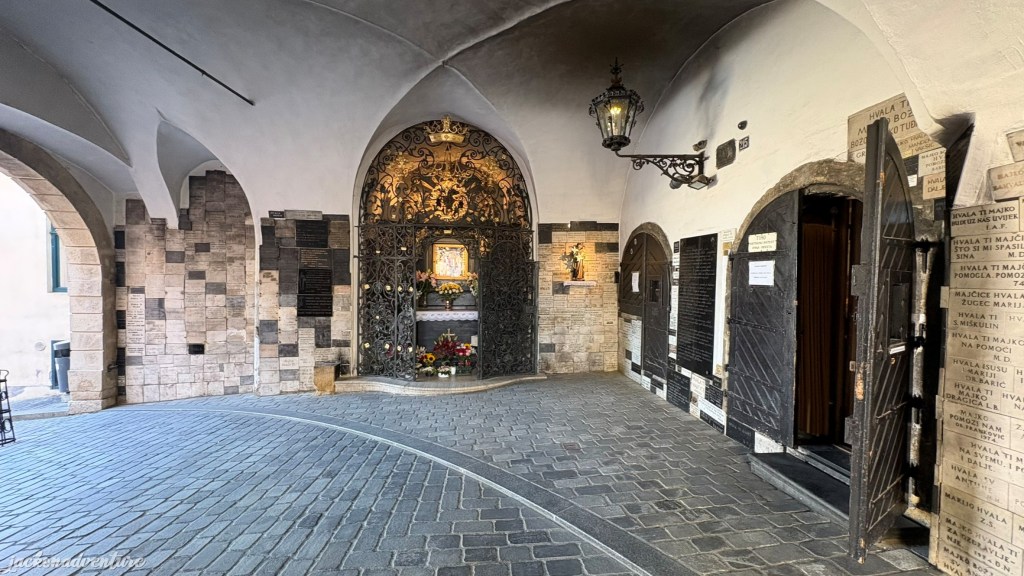
The Stone Gate (Kamenita Vrata) is the only surviving gate of Gradec’s medieval fortifications. It forms part of the old city walls and leads towards the picturesque Radićeva Street. Today, it serves as an open-air chapel where locals and visitors come to pray and give thanks to the Virgin Mary by lighting candles, leaving flowers and placing engraved plaques along the walls.
According to legend, a devastating fire in 1731 destroyed much of Zagreb. At the time, the Stone Gate housed a painting of the Blessed Virgin Mary holding the infant Jesus, which miraculously survived the flames. To commemorate this event, a chapel was established within the gate’s arches, where the original painting is still preserved.
Kamenita Ulica (Stone Street) is also home to Zagreb’s oldest pharmacy, which has been operating since 1355. Just a short walk away, you’ll find a statue of a lion associated with Admiral Nelson, along with two large stone chains said to have come from Nelson’s flagship, HMS Victory, following the Battle of Trafalgar.
Location: Kamenita ul. 1, Zagreb
Opening Hours: 24 hours
Entrance Fee: Free
Be fascinated by the rich history of Zagreb
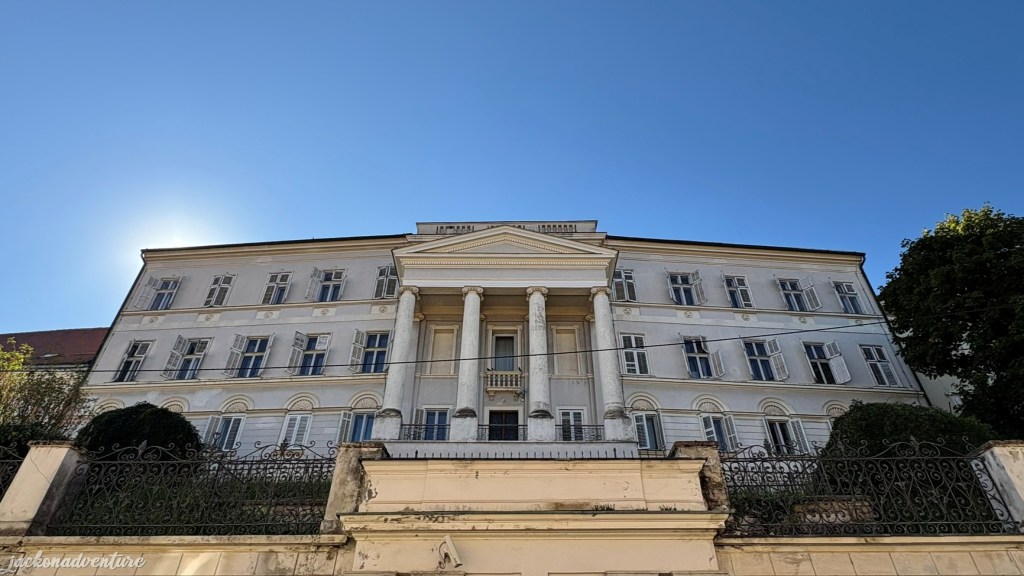
For history buffs, the Zagreb City Museum is definitely your gem.
Nestled in the heart of the city centre, the museum is one of Zagreb’s many cultural attractions, particularly appealing to visitors with a passion for history. Housed in a late Baroque palace, it takes you on a fascinating journey through Zagreb’s evolution, from ancient times to the modern era.
Spend a few good hours exploring its diverse exhibitions, which cover various aspects of the city’s cultural, artistic, economic and political history. Discover how Zagreb developed from its pre-Roman beginnings to the vibrant city it is today.
Location: Opatička ul. 20, 10000, Zagreb
Opening Hours: Tuesday to Saturday: 10 am to 6 pm/ Sunday: 10 am to 2 pm
Entrance Fee: Adults: €8/ Students and Adults aged 65+: €5/ Visitors with Disabilities: Free
Roam around Tkalčićeva Street
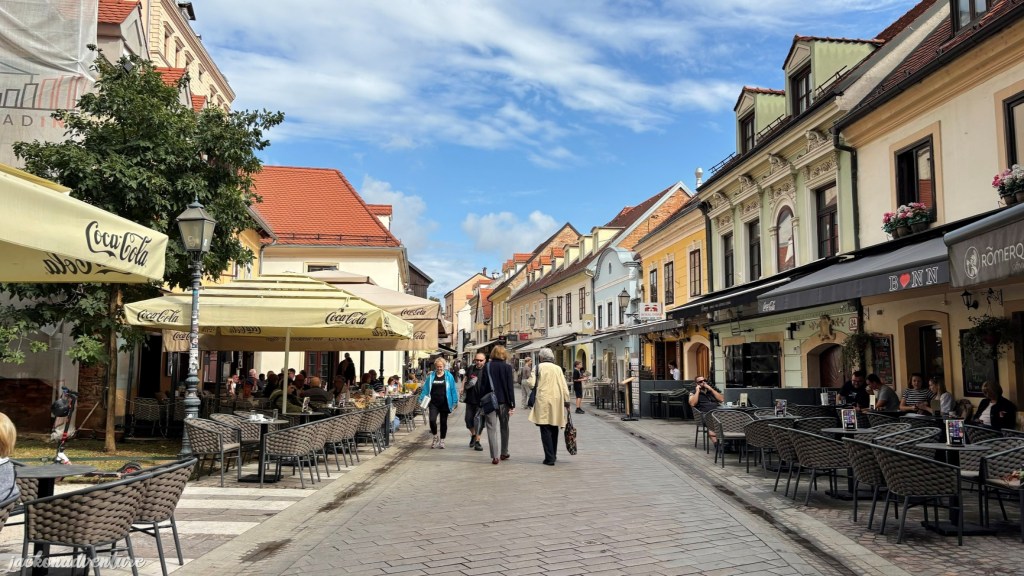
Tkalčićeva Street is one of the most colourful streets in downtown Zagreb and the bohemian heart of the city. It runs along the former course of Medveščak Creek, which once separated the Upper and Lower Town. Stretching from Ban Jelačić Square towards Mala Ulica, this pedestrian-friendly street is lined with boutique shops, traditional stores, bars, restaurants and cafés.
The street is the beating heart of Zagreb’s international food scene. You can enjoy a wide variety of cuisines from around the world, including Turkish, Indian, Greek and Lebanese food.

Tucked away in one of the alleyways is the beloved La Štruk, where you can savour one of continental Croatia’s most famous dishes, called štrukli. This traditional dish is made with layers of homemade dough and cheese, and is usually boiled or baked. For something sweet, you can try štrukli filled with blueberries, honey and walnuts, or sweet cheese. If you prefer savoury flavours, there are also varieties filled with salty cheese and truffles.
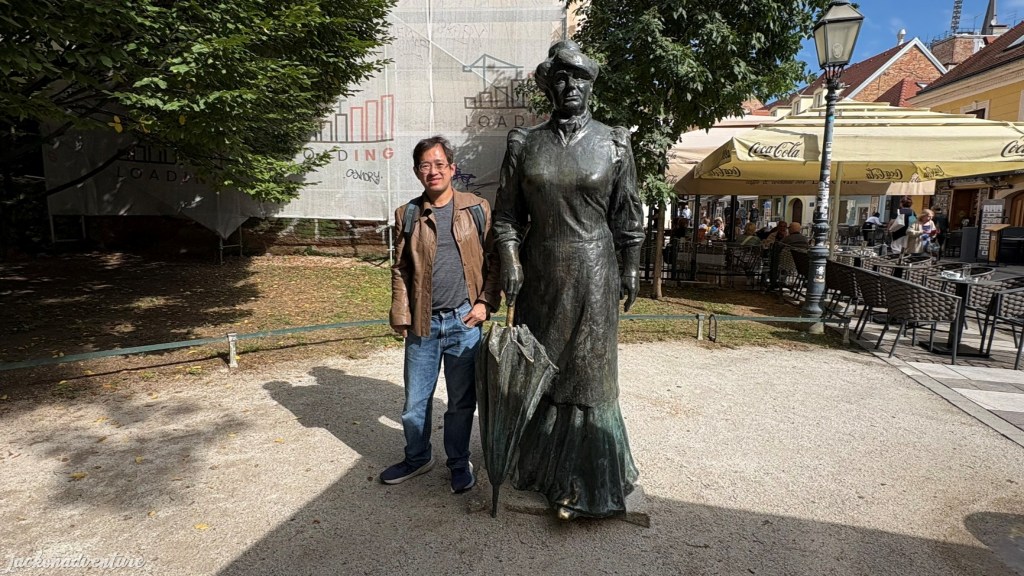
Another interesting landmark along the street is the bronze statue of Marija Jurić Zagorka, Croatia’s first female journalist and a celebrated writer, famously known for her sharp pen. A nearby bookshop was also named in her honour.
Location: Ul. Ivana Tkalčića, Zagreb
Discover Mirogoj Cemetery
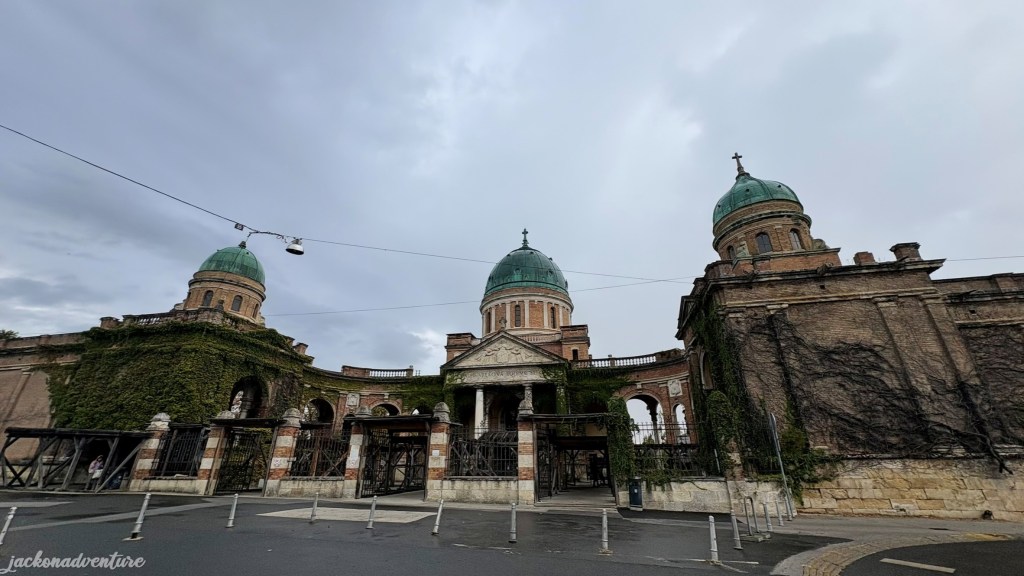
Mirogoj Cemetery may not be a typical tourist destination, but it is certainly a noteworthy landmark in Zagreb.
Established in 1876, the cemetery was designed by the renowned Austro-Hungarian architect Hermann Bollé, who was also responsible for several restoration and architectural works at Zagreb Cathedral. Built in a Neo-Renaissance style, it is characterised by its impressive copper domes, grand monuments, ivy-covered walls and stunning tiled arcades.
Unlike many other cemeteries, Mirogoj is not reserved for any single religious denomination. As you wander through its grounds, you will find the final resting places of people from different faiths, including Catholics, Orthodox Christians, Jews, Protestants and Muslims.
Many prominent Croatians have been laid to rest here, including the country’s first president, Franjo Tuđman, the architect Hermann Bollé himself, and former NBA basketball player Dražen Petrović.
Location: Aleja Hermanna Bollea 27, Zagreb
Getting There: Take Bus No. 106, 201, 203 ad 226 at the Katol Bus Station to Mirogoj Cemetery
Opening Hours: April to October: Daily from 6 am to 8 pm/ November to March: Daily from 7.30 am to 6 pm
Wander around the lush Maksimir Park
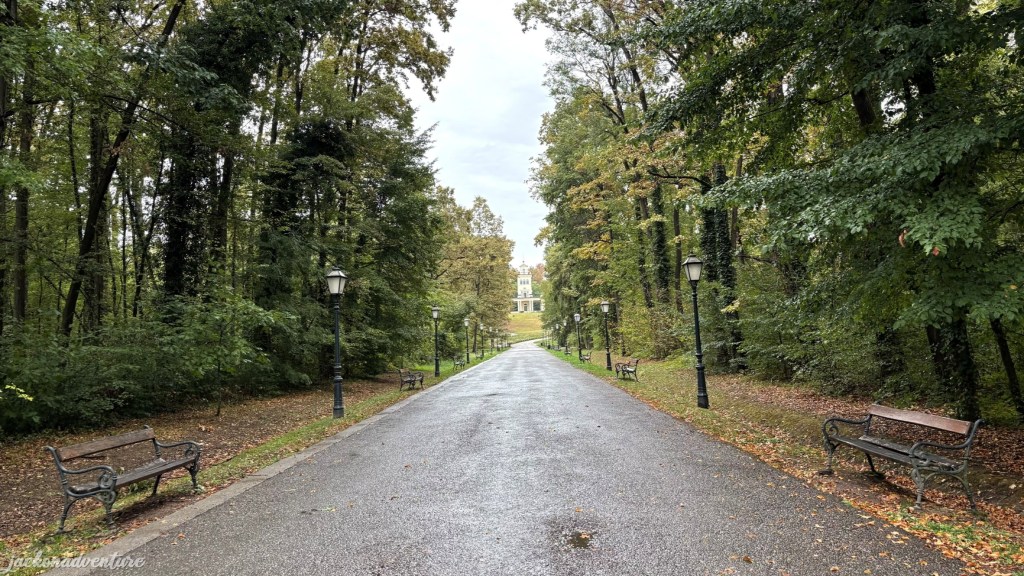
Tucked away on the eastern side of Zagreb, Maksimir Park is a wonderful place to escape the hustle and bustle of city life. Opened in 1794, it is one of the oldest public parks in Croatia and is recognised as the first public promenade in southeastern Europe.
This lush green oasis features an English-style landscaped garden, five artificial lakes, and dozens of winding pathways and open lawns. One of the park’s most photographed landmarks is the exquisite Bellevue Pavilion, which dates back to 1843.
Other charming structures include the Echo Pavilion and a picturesque house designed to resemble a rustic Swiss cottage. The park is also home to Zagreb Zoo, where visitors can discover a wide variety of animal species.
Location: Maksimirski perivoj 1, 10000, Zagreb
Opening Hours: 24 hours
Entrance Fee: Free
Walk the Lower Town
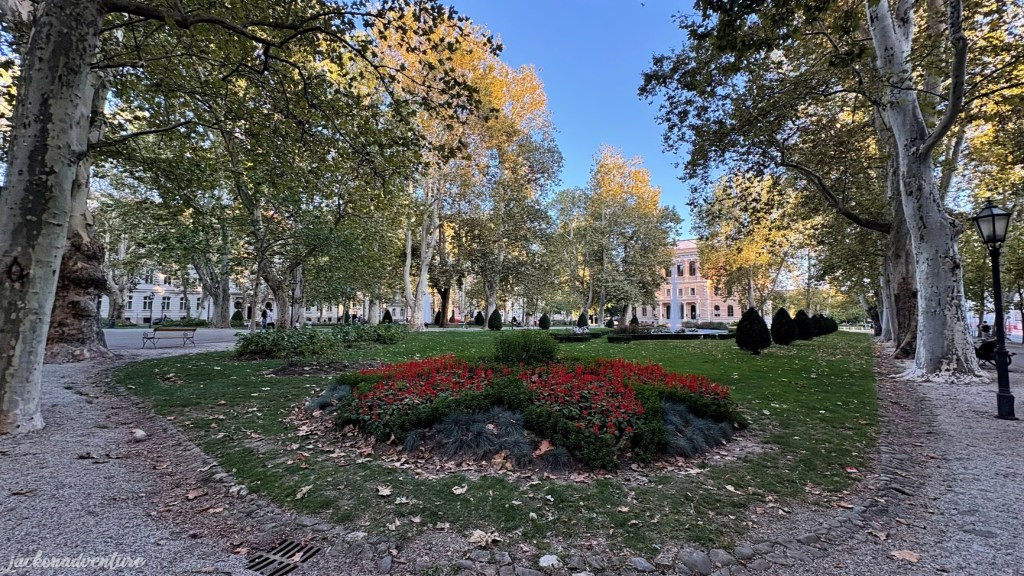
The Lower Town (Donji Grad) is a wonderful area to explore if you want to admire Zagreb’s historic architecture. Stretching from Ilica Street towards Ban Jelačić Square, the neighbourhood is also a shopper’s paradise, with plenty of shops, boutiques and cafés to discover.
Just a short walk from Ban Jelačić Square lies Nikola Šubić Zrinski Square, one of Zagreb’s most beautiful green spaces. At its heart is Zrinjevac, a charming tree-lined promenade featuring a picturesque wrought-iron music pavilion, fountains and busts of notable Croatian personalities. It is a lovely spot to take a leisurely stroll and enjoy a little greenery in the middle of the city.
The square is flanked by notable buildings including the Archeological Museum housed in the Vranyczany-Hafner Palace, the Croatian Academy of Arts and Sciences, the Gallery of Modern Art and the Image of War Photography Museum.
Meteorological Post
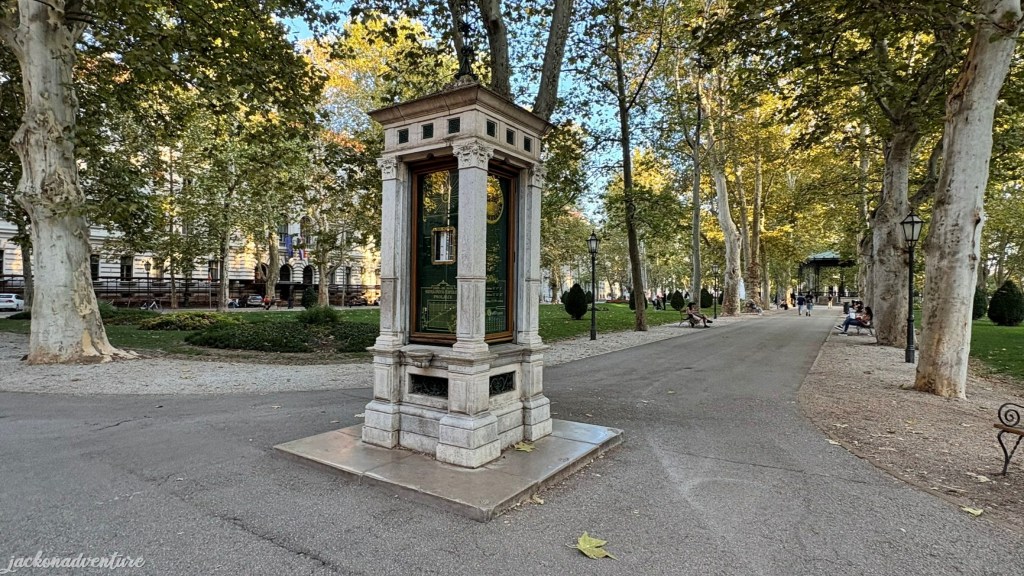
Standing on one end of the Zrinjevac Park is the historic meteorological post that has been recording Zagreb’s weather conditions since 1884. You can stop by to check the temperature and air pressure.
Croatian Academy of Arts and Sciences
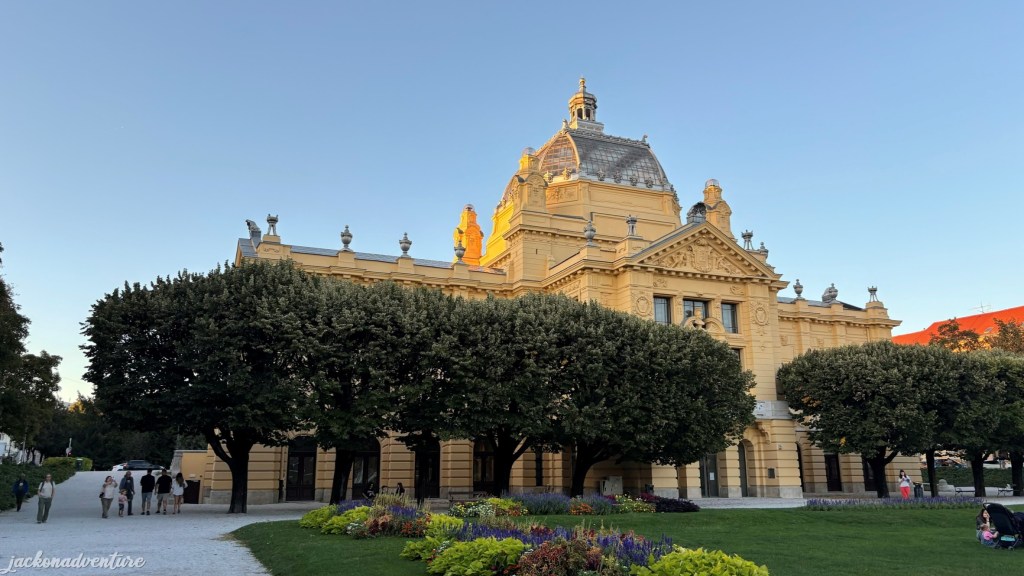
Built in 1880, the Croatian Academy of Sciences and Arts was designed by architects Friedrich von Schmidt and Hermann Bollé.
King Tomislav Square
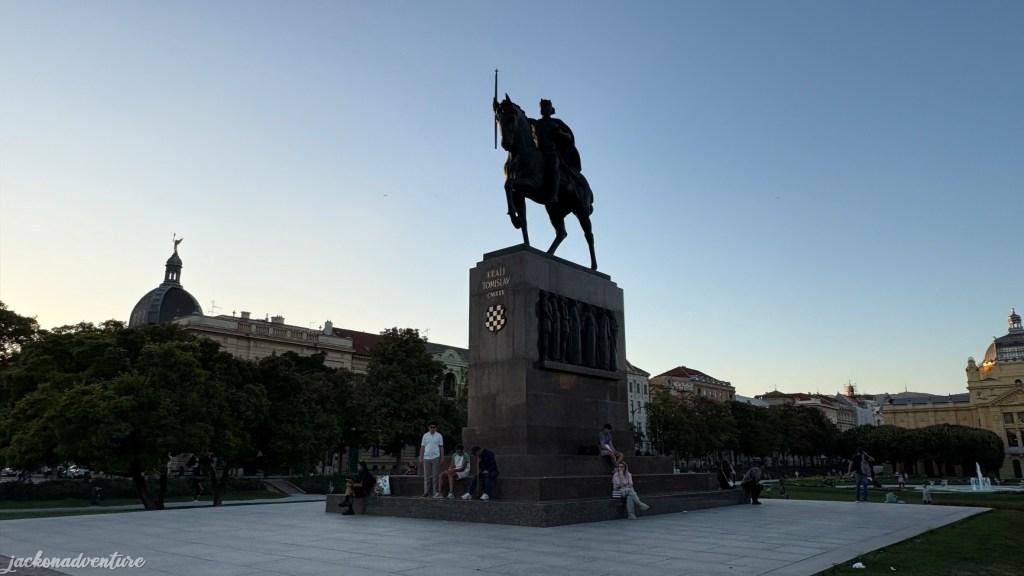
The monument at the square near Glavni Kolod Train Station is dedicated to Tomislav, the first king of Croatia. He was the founder of the first Croatian state. You can sit down and enjoy people-watching around the square.
Esplanade Zagreb Hotel
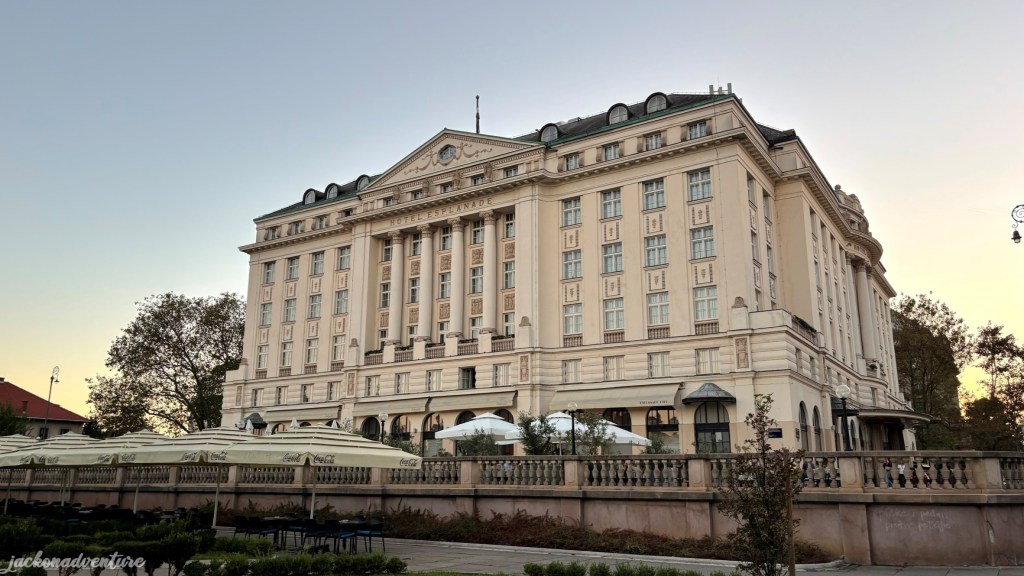
Standing at the southern end of the Green Horseshoe, the iconic Esplanade Hotel first opened its doors in 1925. Designed in a blend of Belle Époque and Art Nouveau styles, the hotel was originally built to accommodate passengers travelling on the famous Orient Express between Paris and Istanbul.
Over the decades, the hotel has welcomed an impressive list of distinguished guests and personalities from around the world. Today, it remains one of Zagreb’s most prestigious hotels, renowned for its elegance, grandeur and rich history.
Venture into the stunning Plitvice Lakes National Park
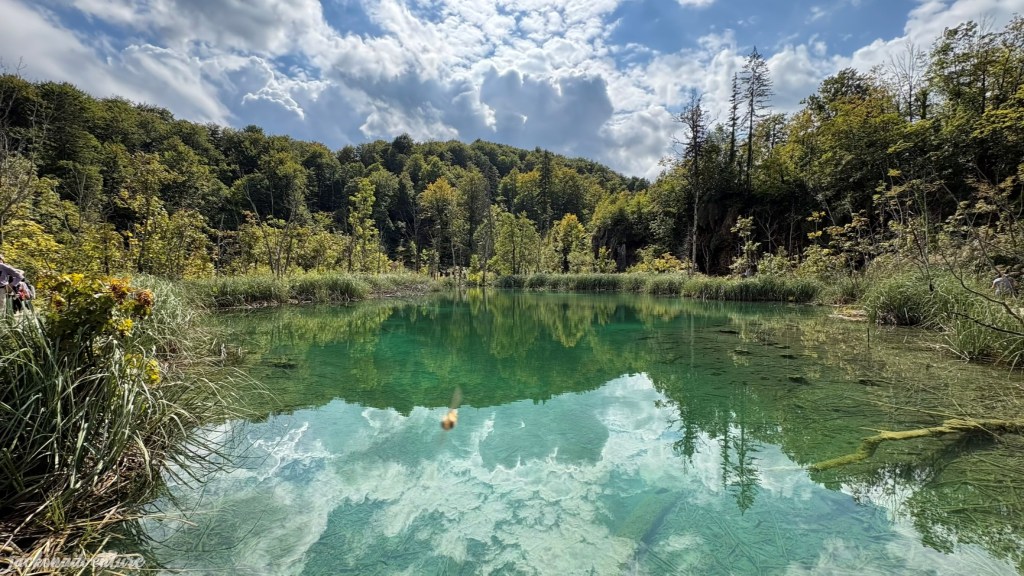
Spanning an area of 296.85 km², Plitvice Lakes National Park is the largest national park in the mountainous karst region of central Croatia. Recognised as a UNESCO World Heritage Site, it is one of the country’s most spectacular natural attractions. The national park is 138 kilometers from Zagreb, making it a perfect day trip from the capital city.
The park boasts a breathtaking series of 16 interconnected lakes, each displaying distinctive colours ranging from azure and green to grey and deep blue. These colours constantly change depending on the mineral content, the presence of organisms in the water and the angle of sunlight. The lake system is the result of thousands of years of continuous geological and biochemical processes, which have created natural dams known as tufa barriers. These formations develop through the deposition of calcium carbonate from the flowing water.
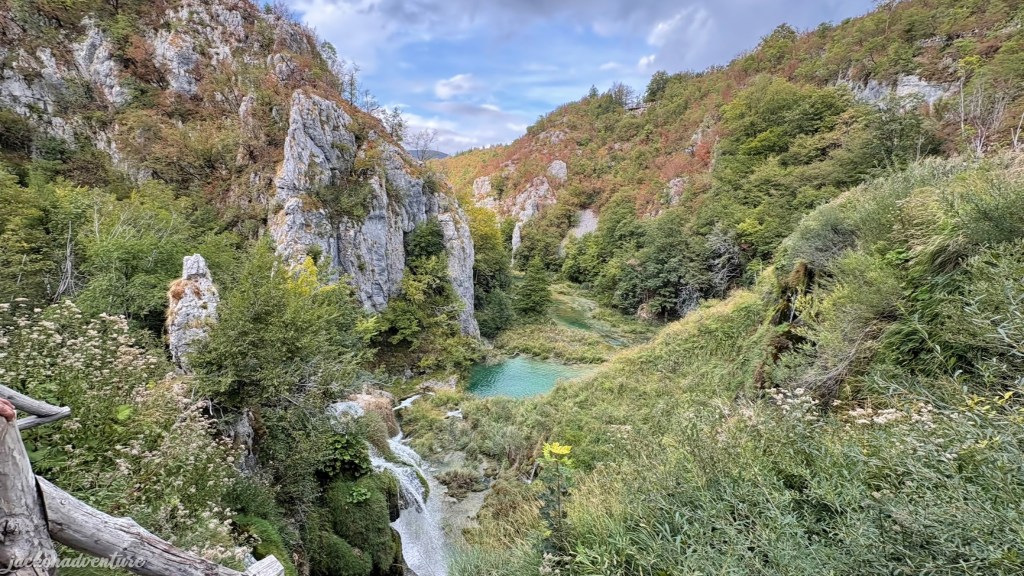
Beyond its spectacular scenery, the national park is also home to remarkable biodiversity. The tufa barriers provide habitats for a diverse range of nonvascular plants. Brown bears, grey wolves and lynx are among the many wildlife species that roam these lush, protected forests. The park is also home to around 22 species of bats, 168 species of birds and more than 80 butterfly species, making it a haven for nature lovers and wildlife enthusiasts.
Getting There: Take the A1 motorway (E71) heading south toward Split and make the exit on D1 state road on Karlovac towards Slunj and Rakovica.
Opening Hours: November to March: Daily from 8 am to 4 pm/ April to May: Daily from 8 am to 7 pm/ June to August: Daily from 8 am to 8 pm/ September to October: 8 am to 7 pm
Entrance Fee: November to March: Adults: €10/ Visitors with Disabilities: €5/ April, May and October: Adults: €23/ Visitors with Disabilities: €11.50/ June to September: Adults: €40/ Visitors with Disabilities: €20 (Children below 7 enter for free year-round)
Discover the fascinating Croatia
Stretching along the stunning Dalmatian Coast, Croatia is one of Europe’s most captivating travel destinations. From idyllic beaches and rich cultural heritage to charming old towns, urban adventures and mouthwatering cuisine, this beautiful country has something to delight every traveller. Embark on an unforgettable journey beyond the capital city of Zagreb and discover the many enchanting cities and coastal towns dotted along the Adriatic Sea. There are plenty of reasons to fall in love with these cities.
- Zadar
- Split
- Trogir
- Dubrouvik
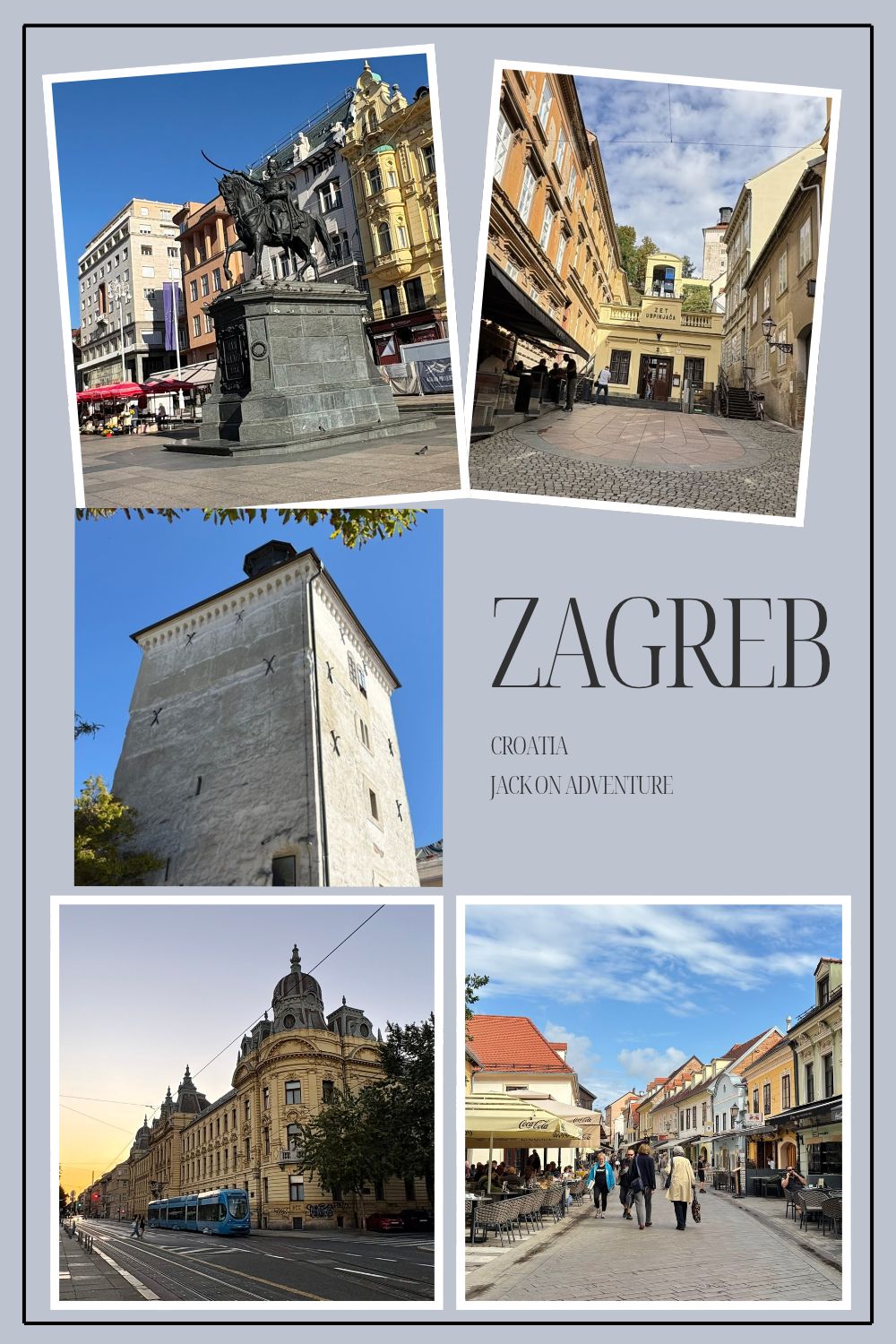
Like It? Pin This Article.


Leave a Reply