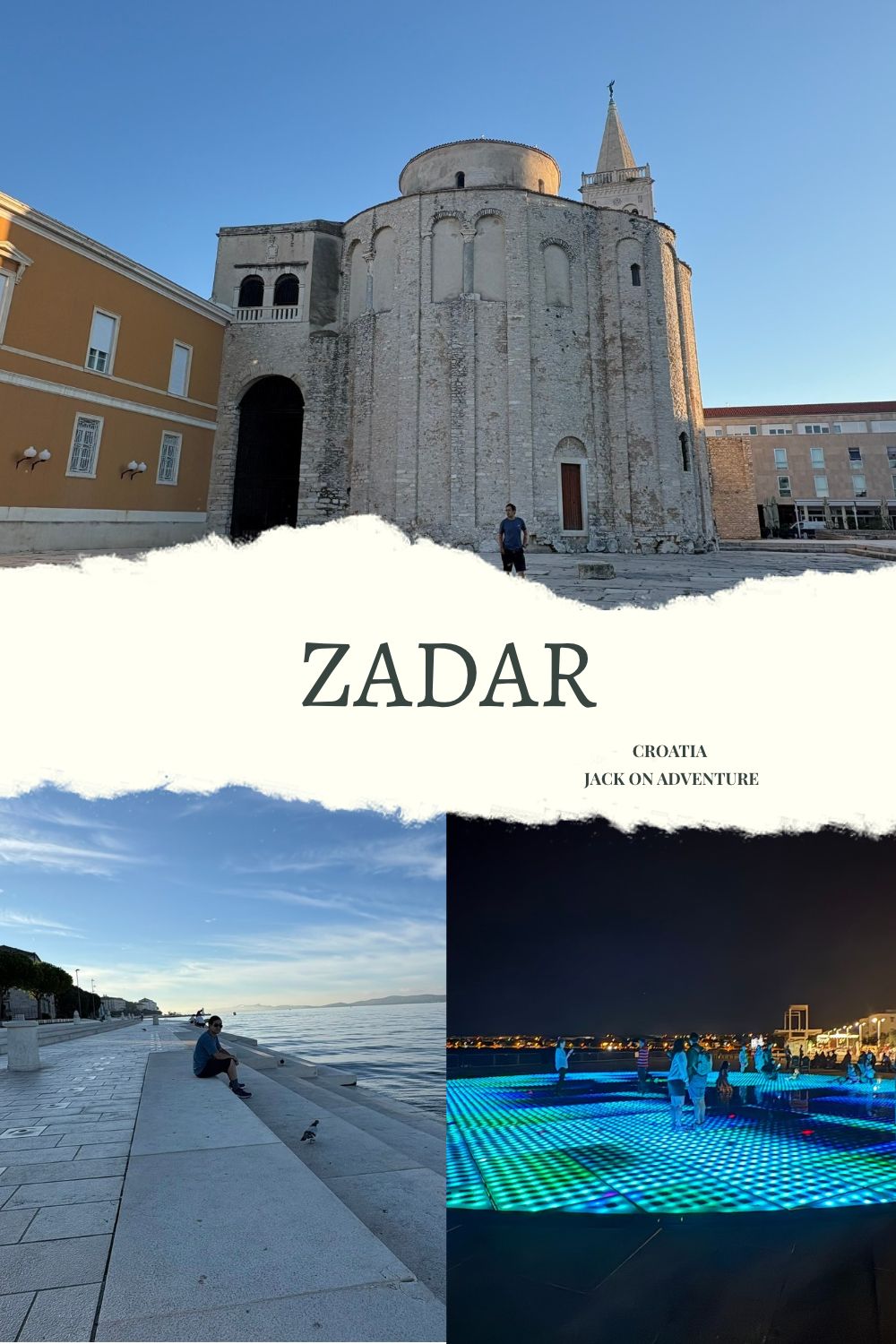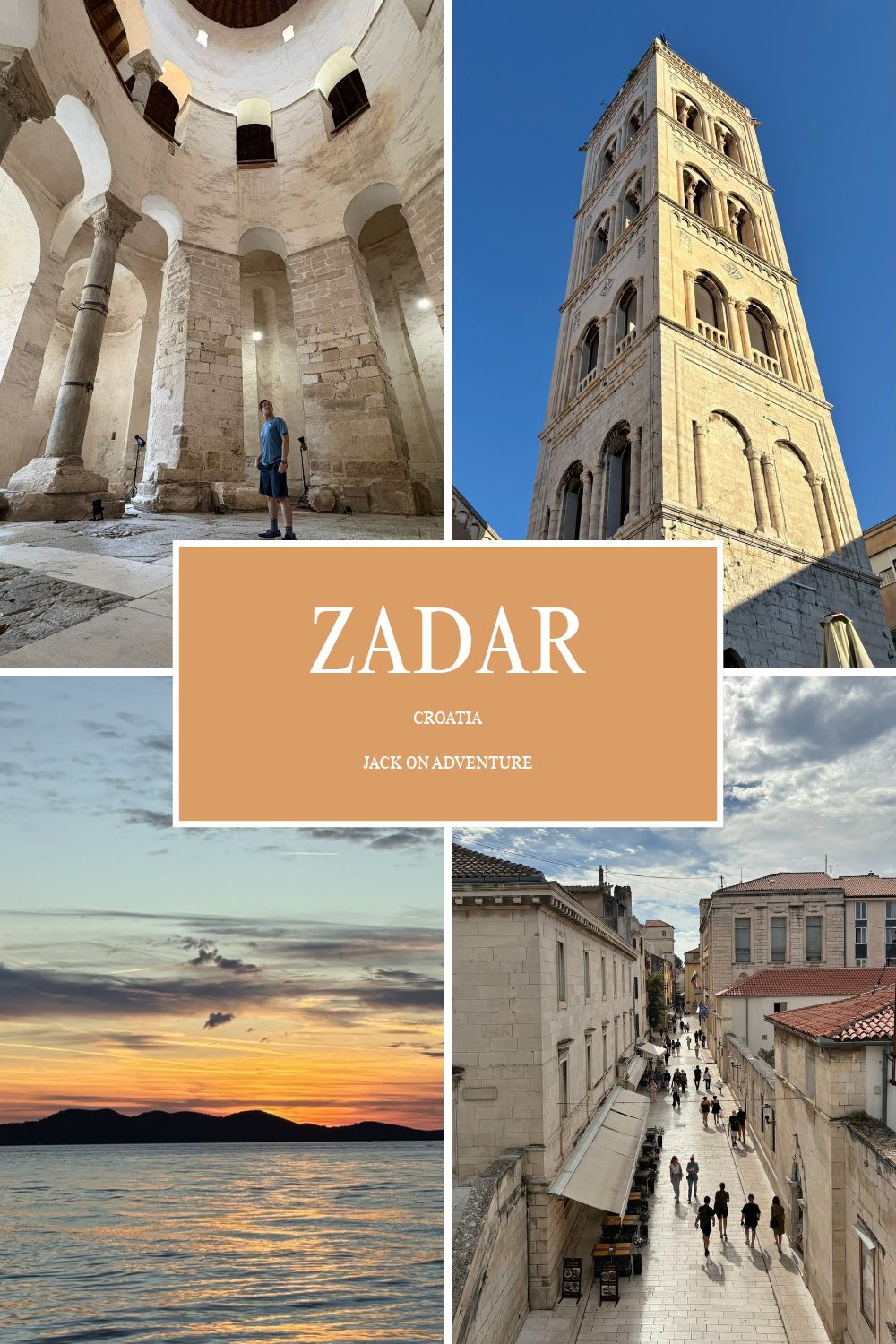
Nestled along Croatia’s Adriatic coast, Zadar is one of the oldest continuously inhabited cities in Croatia. Its history stretches back more than 2,000 years, when the city was founded by the Illyrian tribe known as the Liburnians in the 4th century BC.
Today, it is one of Croatia’s most fascinating coastal cities, combining a rich historical heritage with a lively, youthful atmosphere. As you wander through its narrow streets and historic squares, you can almost feel as though you have stepped back in time. Its architecture also bears a strong resemblance to that of many Italian cities, reflecting Zadar’s long history under Venetian rule.
Brief History
Zadar has a fascinating history that stretches back thousands of years. The earliest traces of human settlement in the area date back to prehistoric times, with evidence of Neolithic communities as early as 8,000 BC. The settlement was later known as Jadera, although the exact origin and meaning of the name remain uncertain.
By the 1st millennium BC, an Illyrian tribe called the Liburnians had established themselves in the region. They were skilled sailors and merchants who developed strong trading links with the Greeks and other Mediterranean communities.
The Romans arrived in the 2nd century BC and gradually brought the region under their control. Over the following centuries, Zadar developed into an important Roman settlement, known as Iader, with impressive public buildings, roads and infrastructure. However, the city experienced turbulent times as successive waves of invading tribes swept through the region.
By the 5th century, Zadar had come under Ostrogothic rule. In 537, following a period of upheaval and a devastating earthquake, the city came under Byzantine control. Further attacks by the Avars and Slavs brought more instability to the region, but Zadar eventually emerged as an important administrative centre of Byzantine Dalmatia.
As the centuries passed, the city developed into a major maritime power. Its strategic position along the Adriatic Sea helped it flourish through shipping and trade, eventually making it a significant rival to Venice.
In 1069, Zadar became part of the Croatian kingdom under King Petar Krešimir IV. It later came under the authority of the Croatian-Hungarian kings, although its relationship with Venice remained a source of conflict. In 1202, Venetian forces attacked and captured the city with the support of Crusaders during the Fourth Crusade. Zadar remained under Venetian control until 1358, when the treaty was signed at the Franciscan monastery to transfer it under the rule of King Louis I of Hungary.
During the 16th century, Ottoman expansion into the Balkans posed a serious threat to Dalmatia. Zadar strengthened its defences with an extensive system of bastions and fortifications, while remaining under Venetian protection. The conflict continued for generations, with the Ottoman threat eventually receding following the Treaty of Karlowitz in 1699.
In 1797, Napoleon’s forces brought an end to the Republic of Venice. Zadar subsequently briefly passed to the Habsburg Empire before coming under Austrian control in 1813. During the following century, the city underwent significant modernisation and development.
Moving into the 20th century, Zadar experienced another turbulent chapter during the Second World War. Italy occupied and annexed the city before German forces took control following Italy’s surrender in 1943. Heavy Allied bombing caused widespread destruction, and Zadar was liberated by Yugoslav Partisan forces in 1944.
After the war, Zadar became part of Tito’s Yugoslavia, within the Croatian republic. Much of the historic centre had been reduced to rubble, and an extensive reconstruction programme was launched to restore the city. The population also changed significantly, with many new residents arriving from other parts of Croatia and Yugoslavia. Today, as you stroll along Kalelarga and through the Old Town, you can still see the results of the post-war rebuilding that helped bring Zadar back to life.
Best Time to Visit
Just like many other coastal destinations in Croatia, Zadar is best enjoyed during spring and summer, when the weather is warm and the Adriatic coastline comes alive.
The most popular time to visit Zadar is during the summer months. One thing for sure is that the city gets packed with backpackers and tourists. The sunny weather is perfect for spending long days at the beach, whether you fancy swimming, sunbathing or trying out various water sports.
If you’re a budget traveller, the best time to visit Zadar is during the shoulder season, particularly in May, June, September and October. The weather is still pleasant, and you can enjoy the beaches without having to deal with the scorching summer heat and hordes of tourists.
It’s also a much more relaxing time to explore the city, with fewer crowds around the main attractions. Best of all, accommodation prices are usually considerably lower than during the peak summer months, making it easier to enjoy Zadar without breaking the bank.
Getting There
By Plane
Zadar Airport (Airport Code: ZAD) is well connected to many destinations across Europe, particularly in the United Kingdom. However, many international airlines operate direct flights to Zadar only during the summer months, as these routes are seasonal.
The airport is located just 8 kilometres from the city centre, and the cheapest way to get into town is by shuttle bus. You won’t have to wait long to catch one as it departs just outside the airport terminal following flight arrivals. A one-way ticket costs €4.65 and the journey to Poluotok Bus Station, near the Old Town, takes about 30 minutes.
If you’re planning to visit Zadar during the off-peak season, you could fly into Zagreb International Airport (Airport Code: ZAG) instead and take a bus from Zagreb city centre to Zadar. The journey takes around 3.5 hours. You can either take a Bolt car to the Old Town.
By Bus
If you’re already travelling around Croatia, getting to Zadar by FlixBus is one of the easiest and most convenient options. The journey takes approximately 3.5 hours from the capital city of Zagreb and around 2 hours from Split. You can also catch direct buses to Zadar from several other Croatian cities, making it easy to include Zadar in your Croatia itinerary.
Getting Around
The best way to explore Zadar is on foot, as the Old Town is relatively small and easy to get around. Most of the historic sights are tucked within the old city walls, and you can easily spend a few hours wandering along the charming cobblestone streets and discovering the city’s incredible heritage. Since the Old Town is largely pedestrianised, vehicles are not allowed in most of its narrow streets, making it even more enjoyable to explore at your own pace.
The Best Activities for 2 Days in Zadar
Zadar makes a great base for exploring the surrounding region, and I recommend staying here for 3 nights. As a small and compact town, it’s easy to explore the Old Town in a day. You can spend your time wandering around ancient ruins and historic sites, visit one of the city’s museums, browse through the local market and enjoy a beautiful evening stroll along the waterfront in the heart of Zadar.
You can also take a day trip to explore some of the beautiful islands scattered along the Adriatic Sea. It’s a great way to experience a different side of Croatia and enjoy the stunning coastal scenery.
Step back in time through the Roman Forum
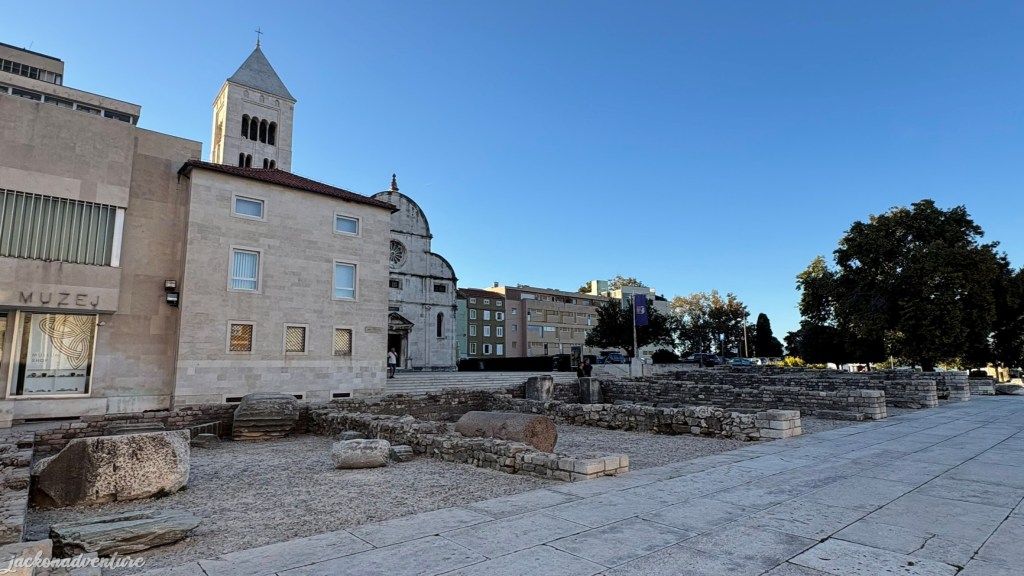
The Roman Forum is often described as an open-air museum, thanks to the remarkable number of ancient ruins and artefacts scattered across the site. Built between the 1st century BC and the 3rd century AD, the forum is believed to have been commissioned by Emperor Augustus. Once called the Roman town of Zara, the center of public life was held here, from worship to bustling markets.
It’s fascinating to see how these ancient Roman ruins have survived right in the heart of Zadar’s Old Town. As you wander around the site, you’ll notice the contrast between the Roman remains and the surrounding historic buildings, reflecting the different influences that have shaped the city over the centuries.
Much of the forum and its surrounding buildings were damaged or destroyed by a devastating earthquake in the 6th century, leaving behind the ruins we see today.
Visit St Donatus’ Church
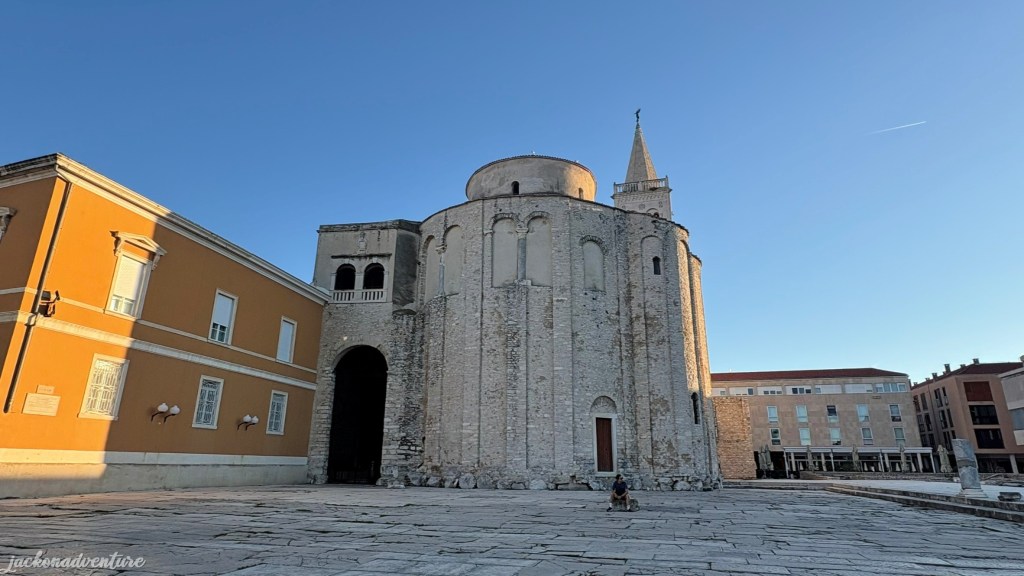
Standing at the edge of the Roman Forum is the magnificent 9th-century Church of St Donatus. Its distinctive circular design is a fine example of pre-Romanesque architecture, and it is the largest pre-Romanesque structure in Croatia. The church was originally dedicated to the Holy Trinity before being renamed after St Donatus in the 15th century.
Many of its decorative elements and building materials were taken from the ruins of the nearby Roman Forum, giving the church a fascinating connection to Zadar’s ancient past. Remarkably, it survived the Mongol invasion of the 13th century. Take the time to climb up to the gallery, where you can admire the church’s unusual circular interior and soak up its peaceful atmosphere.
Today, the church is no longer used for regular worship. Instead, it has served as a unique concert venue for a series of performances that held during July and August.
Location: Grgura Mrganića, 23000, Zadar
Opening Hours: Daily from 9 am to 3 pm
Entrance Fee: €3 (Free entry for Visitors with Disabilities)
Take a peek into the Benedictine Monastery of St. Maria
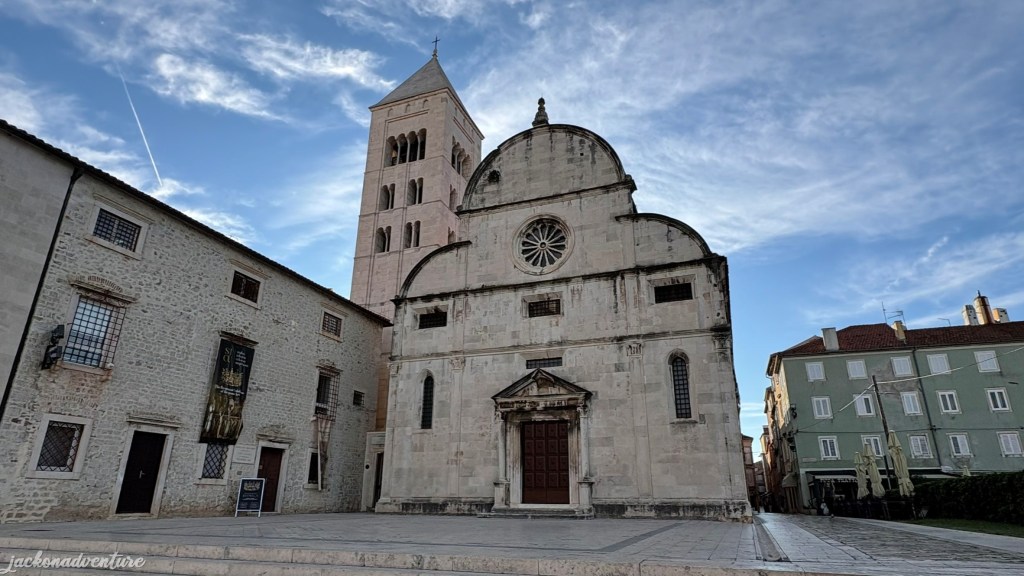
The Benedictine Monastery of St. Maria was founded in the second half of the 11th century by abbess Çika, a member of the Zadar noble family Madii. It was bestowed upon her by the Croatian King Petar Krešimir IV. The nuns have been praying and working here for almost a thousand years.
As the main building of the monastery complex, it was built in the Early Romanesque style and consecrated in 1091. Despite its numerous reconstructions, a large portion of its original structure has been preserved until today. During its expansion in the 16th century, the front and southern façade were built in Venetian Renaissance style. The interior was redecorated in the Late Baroque style between 1742 and 1744.
The first Croatian-Hungarian king Coloman bestowed the bell tower and the capitulary hall upon the new abbess Vekenega, the daughter of Çika. These two buildings were built between 1105 and 1111 in Romanesque style after the victory and peace treaty. Vekenega’s tomb was laid here inside the capitulary hall.
In the Second World War, the complex was partially destroyed by air raids. Later, restoration work was carried out in the 1970s. The nuns now reside in the eastern wing of the monastery, whereas the western and northern wings house the Permanent Exhibition of Sacred Art.
Although the monastery is occasionally open for visitors, you can still get the chance to take a glance at the interior on a Sunday. Drop by before the early morning mass at 8 am to admire the beautiful altar and vault ceiling.
Location: Arheološki muzej, Madijevaca ul. 10, 23000, Zadar
Marvel at St Anastasia Church
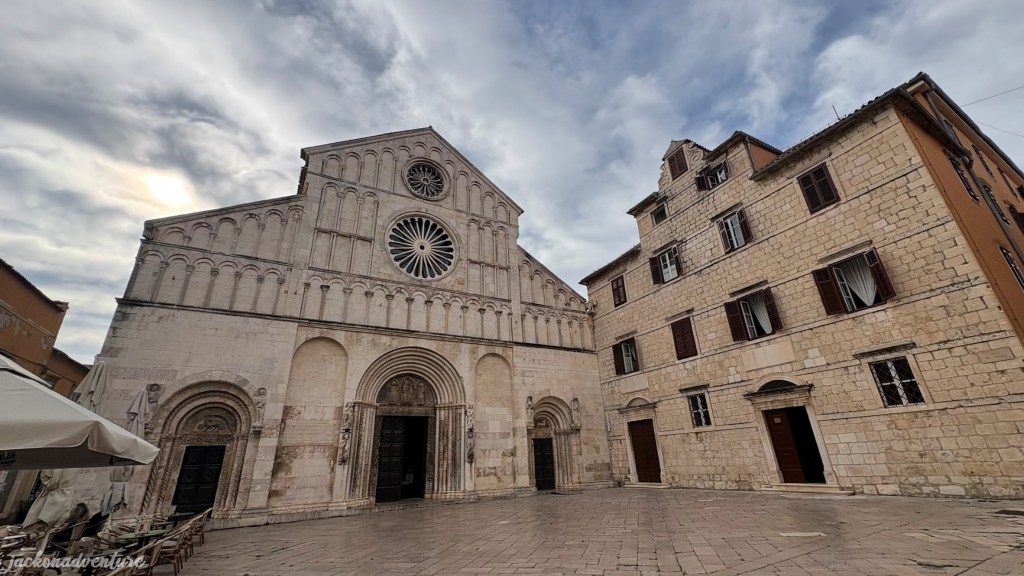
Known as Zadar Cathedral, the Cathedral of St. Anastasia was built in the 12th and 13th centuries and is the largest church along the Croatian coast. It is dedicated to St. Anastasia, a Christian martyr who was executed on Christmas Day in 304 AD.
Originally dedicated to St. Peter the Apostle, the church was later renamed after St. Anastasia when Bishop Donat of Zadar acquired her relics in the 9th century.
The Romanesque cathedral is easy to recognise by its impressive façade, featuring large Romanesque rose windows dating from the 12th or 13th century, along with a smaller Gothic rose window added in 1388. The main portal features a Gothic relief of the Virgin Mary and Child, dating to 1324, alongside figures of the city’s patron saints, St. Anastasia and St. Chrysogonus.
On either side of the portal are prominent reliefs of the Lamb of God. The left lunette features the figures of the Archangel Gabriel and the Virgin Mary, surrounded by decorative vegetal motifs crafted using the niello technique.
Location: Trg Svete Stošije 1-3, 23000, Zadar
Opening Hours: Monday to Saturday from 8 am to 5 pm
Entrance Fee: €3 (Free entry for Visitors with Disabilities)
Climb up the Bell Tower
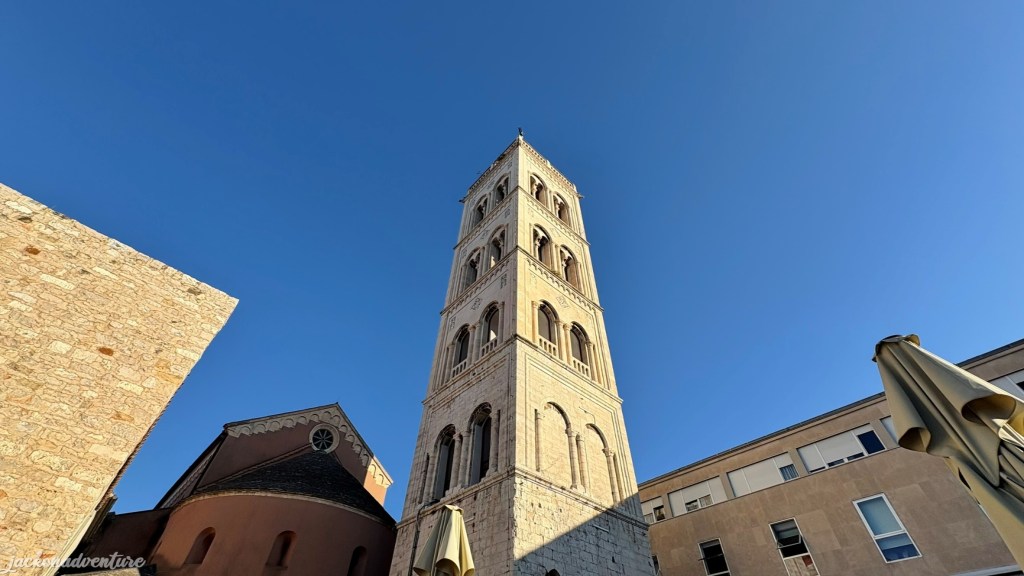
Nestled beside the northern aisle of the cathedral, the bell tower dates back to the mid-15th century, when it was built during the time of Archbishop Maffeo Vallaresso. You can still spot two coats of arms carved into the stonework, including one bearing the emblem of Pope Sixtus IV.
The lower section of the tower features a simple Romanesque design with Renaissance influences. Its upper three levels were added much later, between 1891 and 1893, following a Romanesque style with decorative openings and intricate wall details. It is topped by an octagonal pyramid and a rotating brass angel that acts as a weather vane, indicating the direction of the wind. As the tallest structure in the city, the entire structure stands at an impressive height of 56 metres.
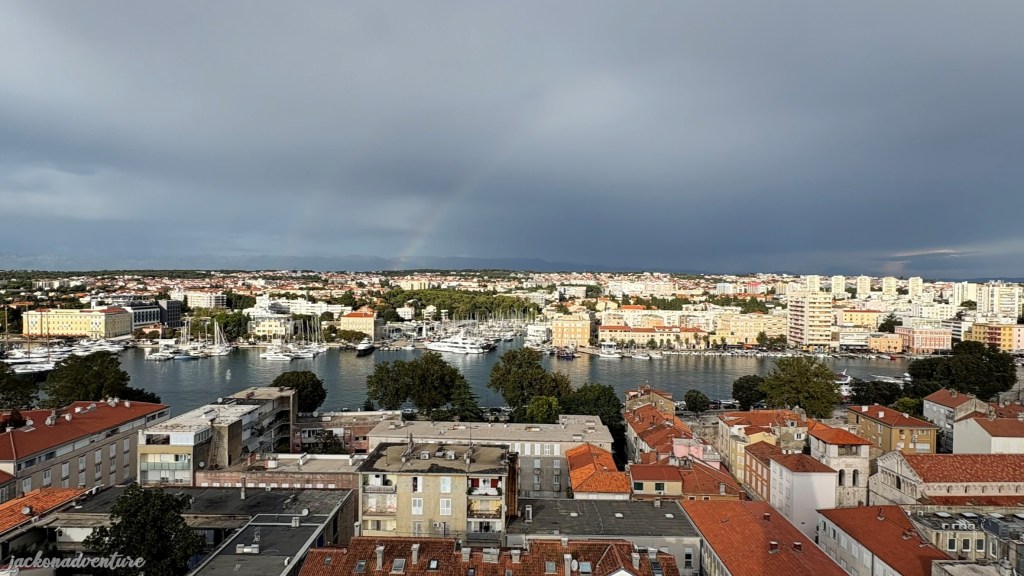
Make your way by climbing 180 steps to the top of the tower for breathtaking panoramic views across Zadar’s Old Town, the sparkling Adriatic Sea and the distant Dinaric Alps.
Location: Trg Svete Stošije 2, 23000, Zadar
Opening Hours: Monday to Friday: 9 am to 8.30 pm/ Saturday: 10 am to 6 pm
Entrance Fee: €5
Wander around Five Wells Square
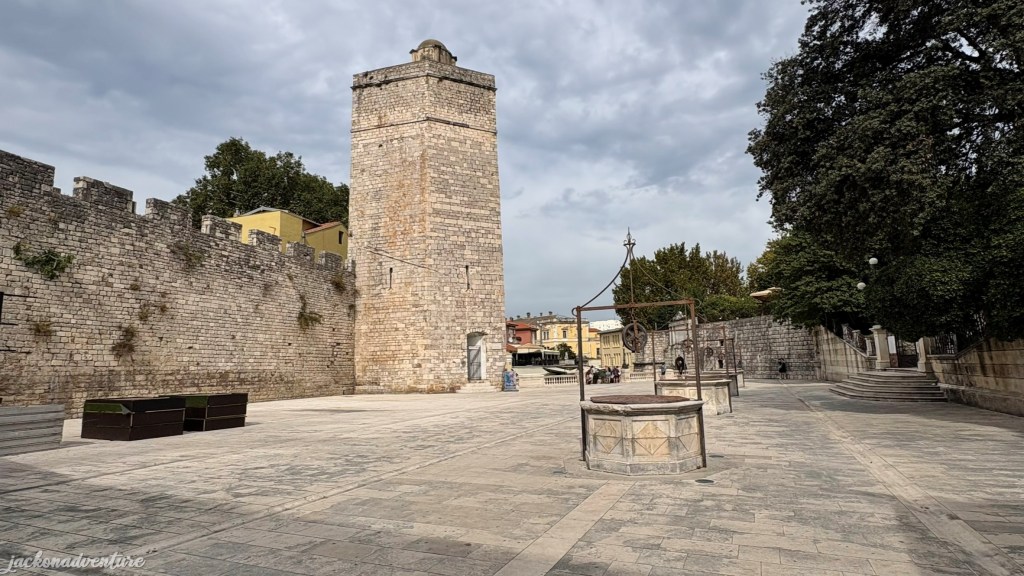
After passing through the famous Land Gate, you’ll come across Five Wells Square, which was built in 1574. The square gets its name from the five wells arranged in a neat row, making it easy to see how they got their name! During the Venetian rule, Zadar was under constant threat of Ottoman attacks. The wells were therefore constructed to ensure a reliable water supply for the city’s residents, especially during the siege.
It’s interesting to imagine how these five wells supplied water to the local population for centuries, remaining in use until 1838.
Like many other squares across Europe, Five Wells Square comes alive during the festive season with a cheerful Christmas market. In summer, it also provides a lovely setting for open-air events and gatherings.
Location: Trg pet bunara 1, 23000, Zadar
Stop by St Simeon’s Church
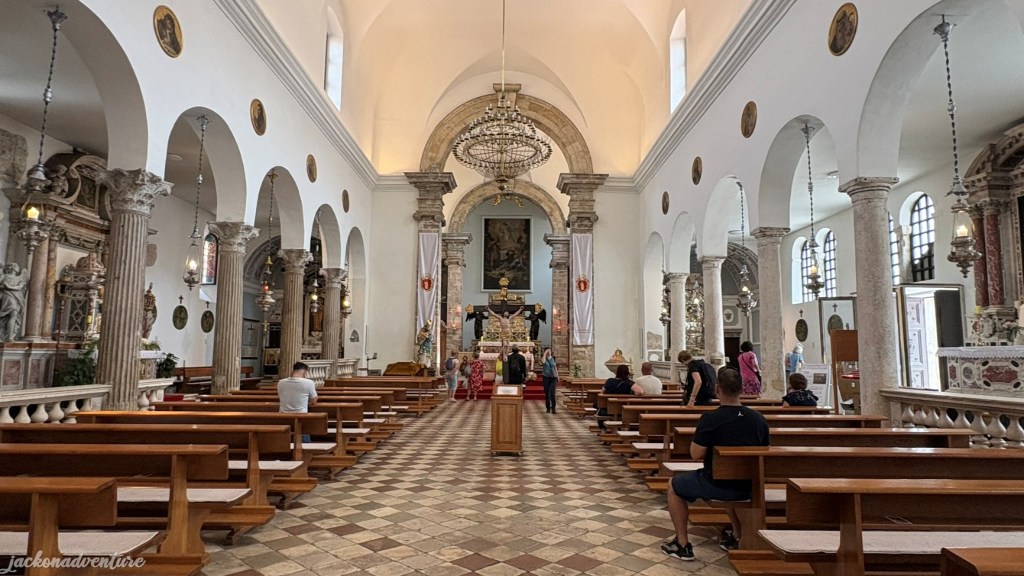
St Simeon’s Church was built in the 17th century in the Baroque style. The exterior of the church looks rather simple, but the real beauty lies inside. The first thing you’ll notice is the magnificent gold- and silver-plated cedarwood sarcophagus at the main altar, which is believed to contain the remains of St Simeon, the saint renowned for holding the infant Jesus in his arms.
This remarkable masterpiece is now protected by UNESCO as an important medieval treasure. Take a closer look at the sarcophagus, and you’ll find beautifully detailed scenes depicting episodes from the saint’s life carved into its surface.
Legend has it that a Venetian nobleman brought St Simeon’s body to Zadar while returning from a Crusade. His ship was caught in a terrible storm and forced to seek shelter in the city. The nobleman later fell ill and died in Zadar, leaving the saint’s relics behind. Therefore, the relic of St Simeon remains in the city.
Location: Ul. don Ive Prodana 13
Opening Hours: Daily from 8 am to 12 pm and 4 pm to 8 pm
Entrance Fee: Free
Browse around Zadar Market
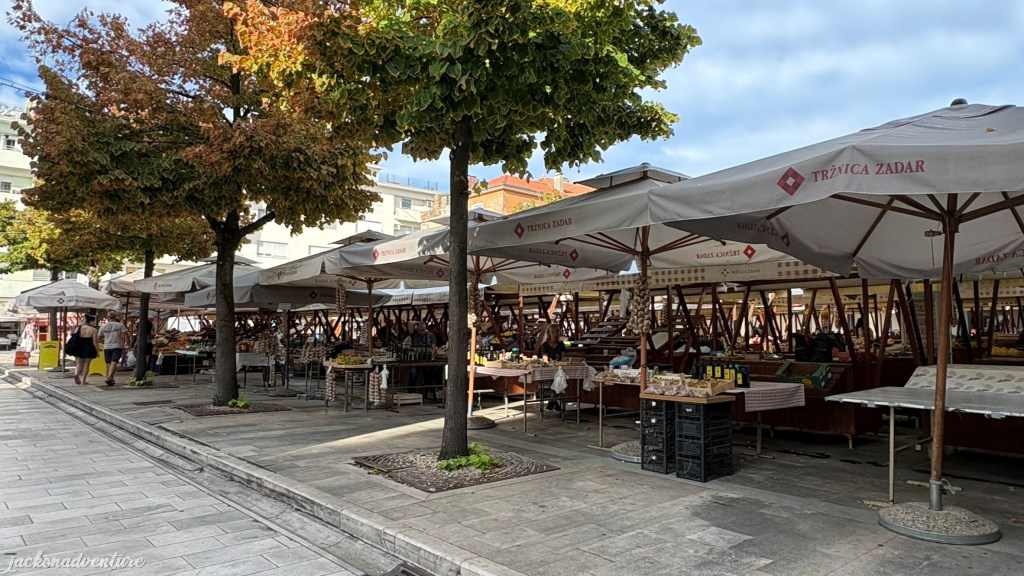
Zadar Market is one of the largest markets along Croatia’s Dalmatian Coast. Make your way here in the morning and take a stroll around the open-air market, which locals call the Green Market. You’ll find all sorts of fresh produce, from vegetables, meat and seafood from the Adriatic Sea to local cheeses, honey, nuts and eggs.
It’s a great place to pick up fresh local produce without spending too much. There are also a few bakeries nearby where you can try some traditional Dalmatian bread and pastries. If you’re planning to cook your own meals during your stay, forget about the supermarket and head straight here to get your ingredients.
Oh, and did I mention cheese? Make sure you stop by Gligora Cheese and Deli, especially if you’re a cheese lover. They’re well known for their famous Pag cheese, also known as Croatian sheep’s cheese. You can also find the traditional Croatian Maraschino liqueur here.
Location: Ul. Pod Bedemom 1/A
Opening Hours: Monday to Saturday: 7 am to 3 pm/ Sunday: 7 am to 12 pm
Take a Zadar walking tour
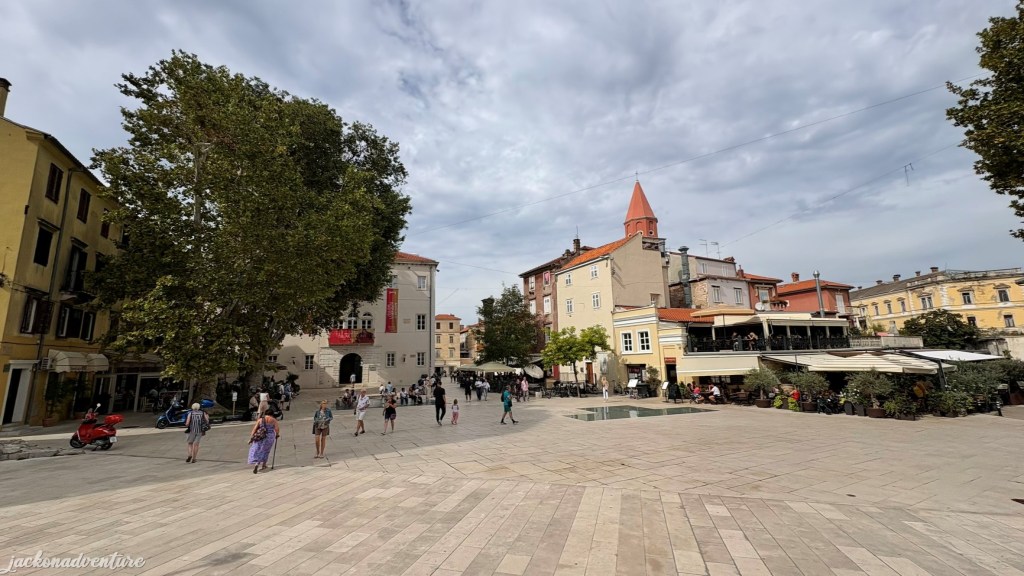
Zadar is one of the Croatian cities along the Dalmatian Coast that is perfect for exploring on foot. Joining a walking tour is a great way to familiarise yourself with Zadar’s Old Town and gain a deeper understanding of its rich history. Once you get your bearings, you can easily venture out and explore the city at your own pace.
There are plenty of free and paid guided walking tours to choose from. Along the way, your guide will take you through Zadar’s fascinating past, including the devastating bombings during World War II and the Croatian Homeland War between 1991 and 1995. These stories offer a deeper insight into the city’s resilience and how it has evolved into the beautiful coastal destination it is today.
Wander around People’s Square
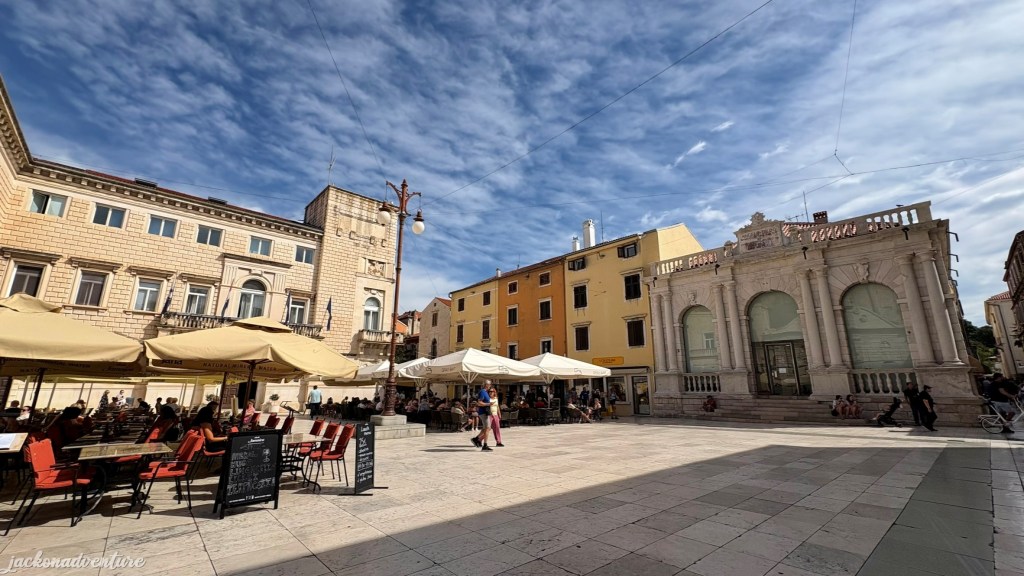
The historic People’s Square (Narodni Trg) is the main square of Zadar. It is lined with outdoor cafés and surrounded by beautiful centuries-old buildings, making it one of the liveliest spots in the Old Town.
One of the most prominent buildings here is the City Guard, which was built in 1562 in the Renaissance style. The Clock Tower beside it was added later, in the 19th century. Today, the building houses the Ethnographic Section of the National Museum. Right opposite the City Guard stands the City Loggia, where public announcements and court hearings were once held. These days, it serves as a venue for art exhibitions.
The square is a lovely place to grab a cup of coffee, sit back and enjoy some people-watching. If you happen to be here in the evening, find a nice outdoor seat, sip on a cocktail and enjoy the lively atmosphere, often accompanied by live music.
Soak up the local history at Zadar Archaeological Museum
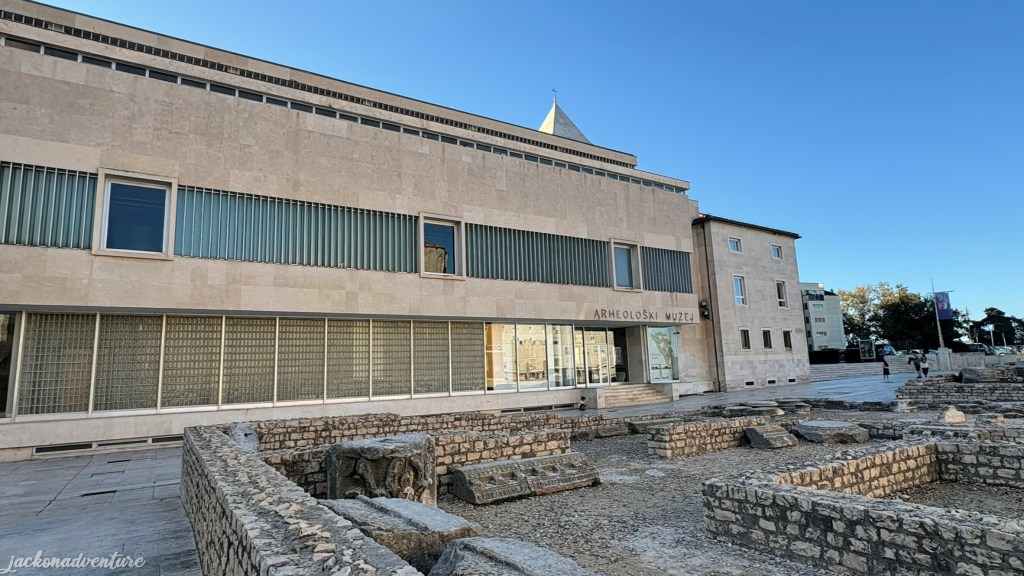
For history lovers like me, one place you simply can’t miss is the Zadar Archaeological Museum. Founded in 1832, it is the second-oldest museum in Croatia and is home to a vast collection of archaeological artefacts spanning prehistoric, ancient and medieval times.
Take your time exploring the exhibits and discovering Croatia’s fascinating past. The museum houses more than 100,000 artefacts, covering everything from the Liburnian period to the Roman and Byzantine eras.
One particularly interesting collection features religious artefacts that shed light on the spiritual beliefs of the early Croats. From objects associated with the worship of Roman deities to Christian artefacts dating from the 7th century onwards, the exhibits offer a fascinating glimpse into how religious beliefs evolved over time. The collections are well-documented and provide a deeper understanding of the history of Zadar, Dalmatia and Croatia.
Location: Arheološki muzej, Trg opatice Čike
Opening Hours: Varied depending on the year. Refer to the museum website for details.
Entrance Fee: €4 (Free entry for Visitors with Disabilities)
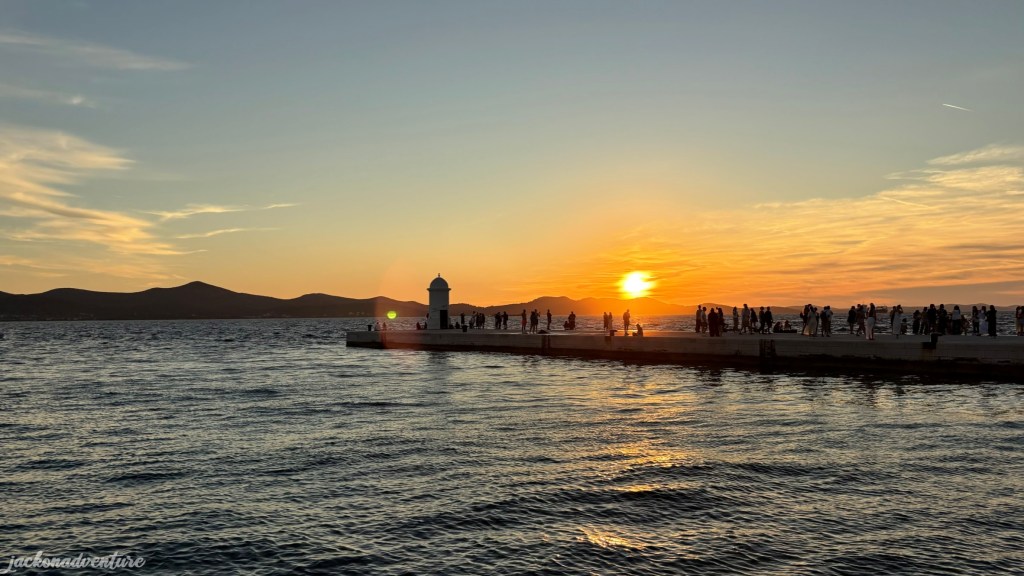
Enjoy the magnificent sunset at Zadar waterfront

Zadar is arguably one of the best places to enjoy a spectacular sunset. After spending a day exploring the ancient city, take a seat along the waterfront and watch the sun slowly set over the horizon. You can appreciate nature’s beauty as the sky transforms into a canvas of changing colours before gradually fading into darkness.
The famous filmmaker Alfred Hitchcock visited Zadar in 1964 and reportedly described its sunset as the most beautiful in the world. It seems many visitors would agree with him!
Don’t just take my word for it! My photographs may give you a glimpse of what to expect, but nothing compares to experiencing a Zadar sunset for yourself.
Watch the spectacular ‘Greeting of the Sun’
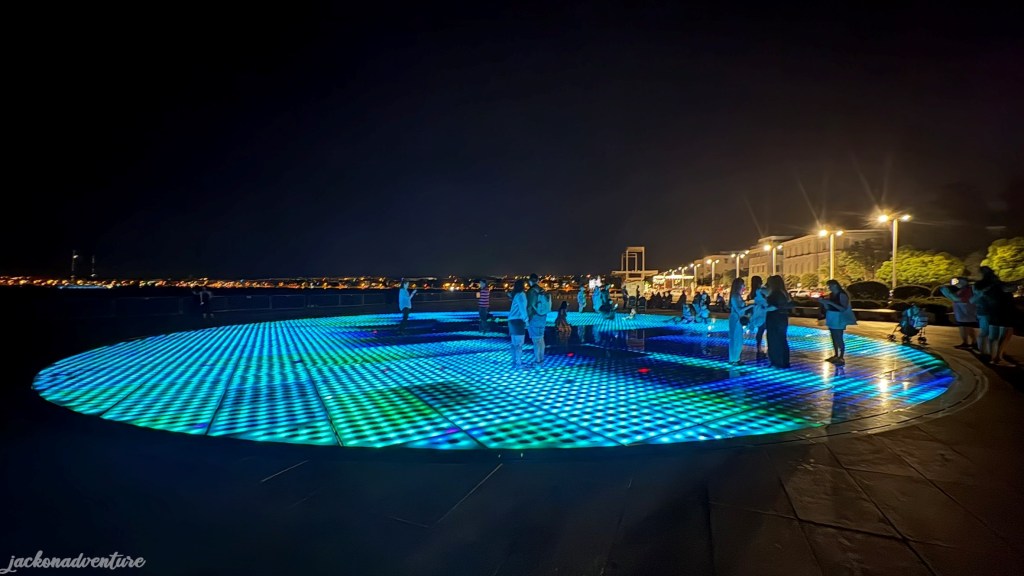
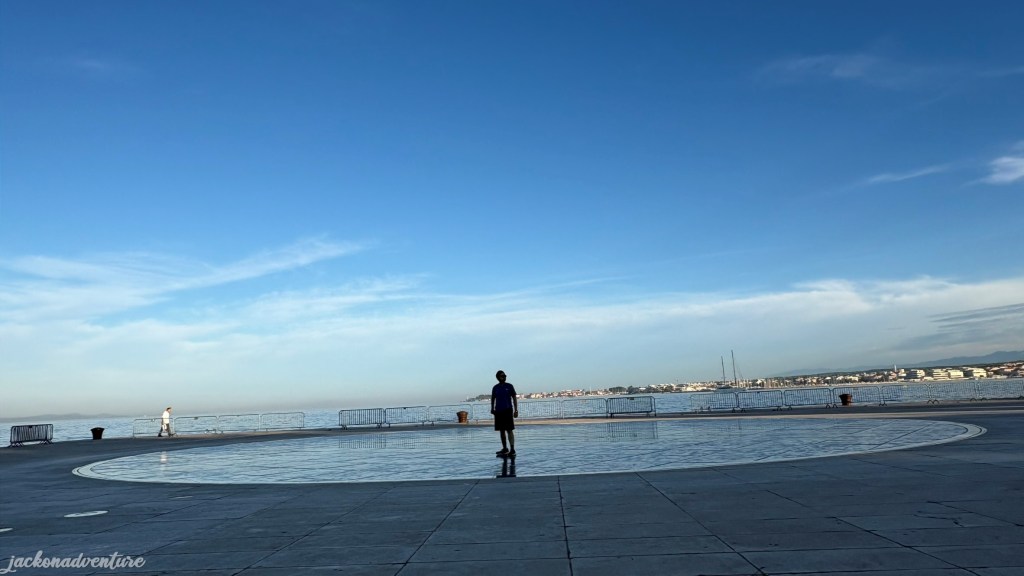
The Greeting of the Sun, also known as the Sun Salutation, is one of Zadar’s most popular and innovative attractions. Created by architect Nikola Bašić, this circular installation was built as a tribute to Alfred Hitchcock’s claim that Zadar has the most beautiful sunset in the world.
The 22-metre masterpiece features 300 solar panels that absorb sunlight throughout the day. After sunset, the installation comes to life with a mesmerising light show powered by energy collected during the day.
The largest circular panel represents the sun, while the smaller ones represent the planets of the solar system. This unique seaside attraction draws people together to admire the spectacular sunset and enjoy the magical light display.
Location: Istarska obala, 23000 Zadar
Listen to the Sound of the Sea Organ
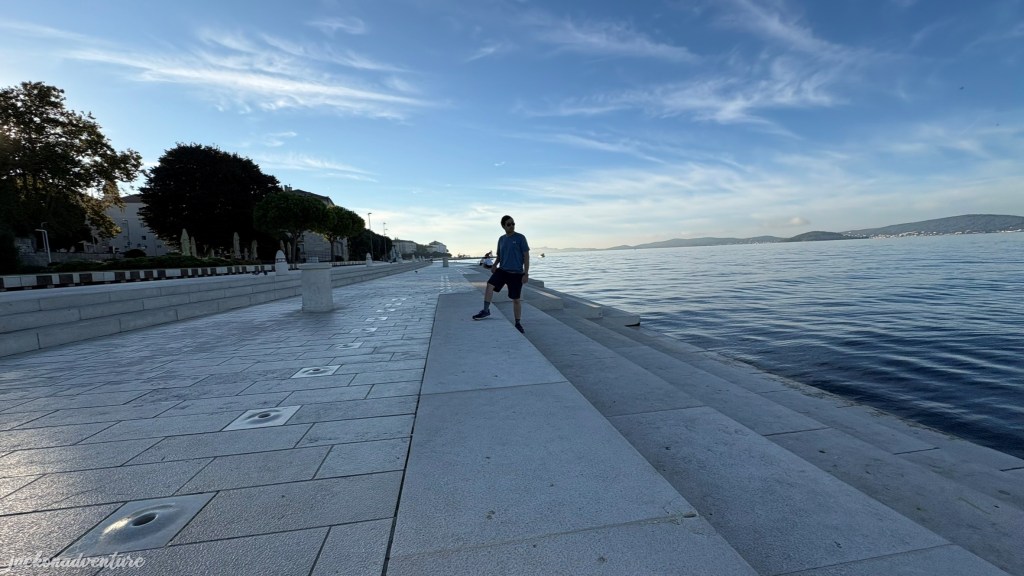
One of the most memorable experiences in Zadar is sitting back and enjoying the soothing sounds of nature’s very own music at the Sea Organ. Located along the Zadar waterfront, this unique architectural installation was also designed by Croatian architect Nikola Bašić.
Interestingly, the Sea Organ is a musical instrument powered entirely by the ocean. A network of pipes hidden beneath a series of marble steps produces unusual yet soothing sounds as waves push air through the pipes. The sounds travel through openings in the steps, creating a natural melody that invites visitors to sit back, relax and enjoy the moment.
If you happen to be here for a leisurely stroll, the Sea Organ gently serenades you with its melodies as you watch the day slowly go by. However, when strong winds and powerful sea currents send waves crashing against the waterfront, the gentle tunes transform into deeper, more dramatic sounds that set a different kind of tone.
Location: Obala kralja Petra Krešimira IV
Pass through the main gate of Zadar
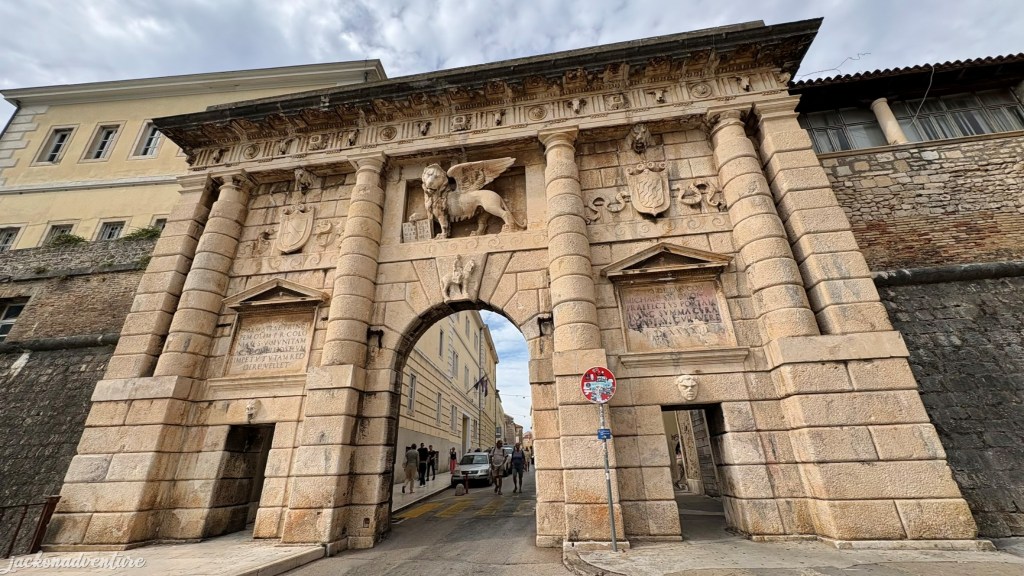
As you enter Zadar’s Old Town from the eastern side, one of the first landmarks to greet you is the impressive Land Gate. Once the main entrance to the city, it is the most famous of the three historic gates along the city walls and a grand gateway into the Old Town.
The Land Gate was built by the Venetians in 1543, during their long rule over the city. Its façade features a carved figure of St Chrysogonus on horseback, alongside St Mark’s winged lion and the coat of arms of the Republic of Venice. With its beautiful Renaissance design, the Land Gate is considered one of the finest examples of Renaissance architecture in Dalmatia.
Location: Foša – The Land Gate, Ul. Među bedemima, 23000, Zadar
Stroll along Queen Jelena Madijevka Park
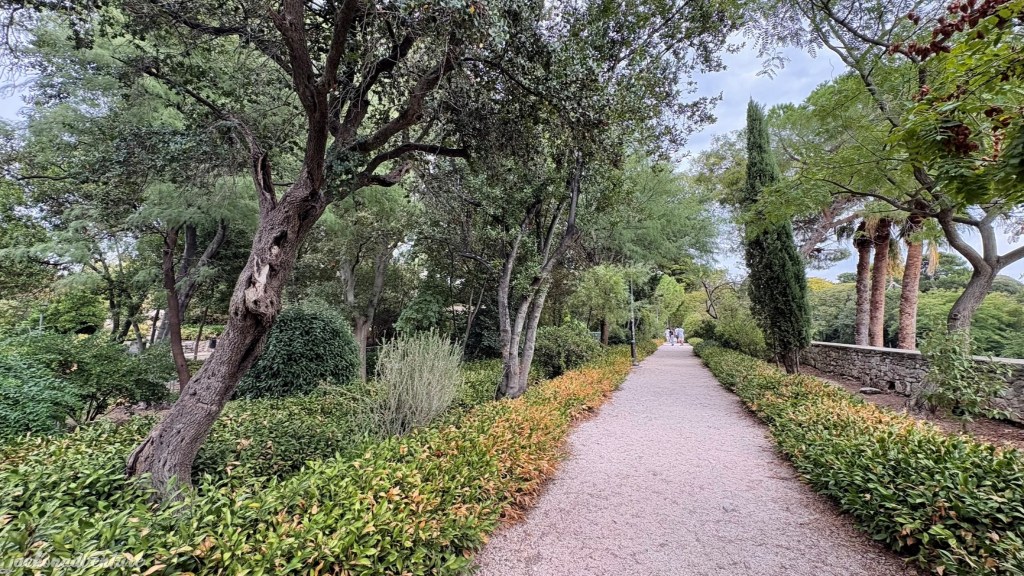
Queen Jelena Madijevka Park is one of the oldest parks along the Dalmatian Coast. Located just behind the city walls, it is only a short walk up the steps from Five Wells Square.
The park offers a lovely green retreat from the summer heat. After a long day of exploring Zadar’s Old Town on foot, you can take a break on one of the many public benches scattered throughout the park. It’s the perfect spot to unwind, soak up the peaceful atmosphere and enjoy a little moment of tranquillity away from the bustling streets.
Opening Hours: 24 hours
Entrance Fee: Free
Indulge with Bob Rock’s ice cream

If you have a sweet tooth, make your way to Bob Rock’s Ice Cream Palace near St. Simeon Church. This long-established ice cream parlour has earned a reputation for serving some of the best ice cream in town. The portions are generous, with a tempting variety of interesting flavours served in cones or oversized cups. It is piled with chocolate biscuit, whipped cream and nuts.
Location: Poljana Šime Budinića 1, 23000, Zadar
Opening Hours: Daily from 10.30 am to 10 am
Visit the Church of Our Lady of Health
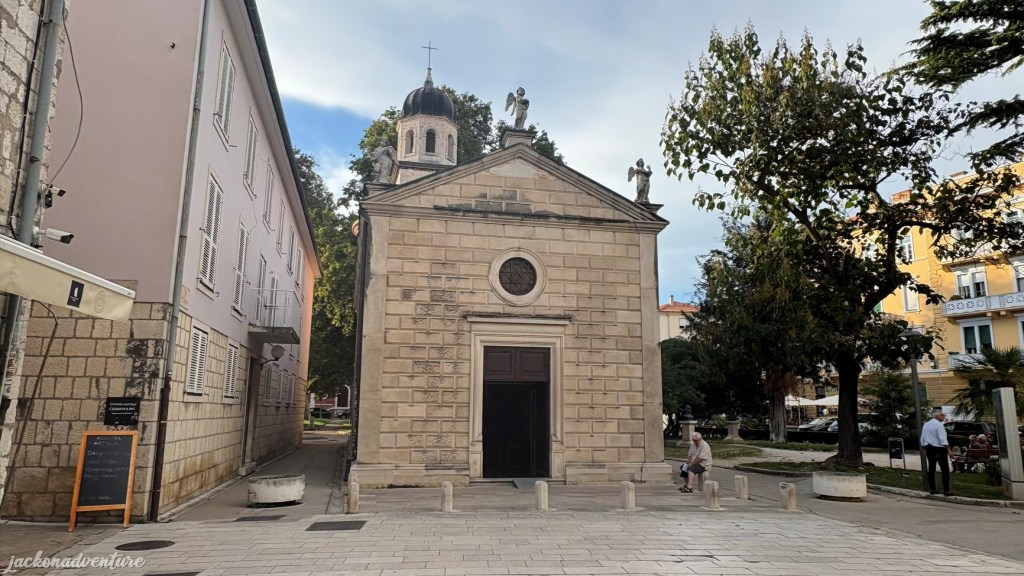
The Church of Our Lady of Health is a picturesque urban landmark located at the western end of Kalelarga. Its history is closely associated with the veneration of the icon of Our Lady of Kaštel, painted by Blaž Jurjev Trogiranin in 1447. A new rotunda was erected on the site of a medieval chapel to house the revered icon in 1582.
As its importance grew, the church was expanded between 1703 and 1705, with a nave added on the eastern side and a bell tower on the western side. It belonged to the monastery of the Capuchin Frairs where St. Leopold Mandic resided. A prominent Zadar archbishop Vicko Zmajevic was laid to rest in this sanctuary in the early 18th century.
The western section of the church was destroyed during the bombings of 1944. It was however been restored to its former glory after the facsimile reconstruction to useas a place of worship.
Location: Ul. Braće Bilišić 1, 23000, Zadar
Opening Hours: Daily from 8 am to 5 pm
Entrance Fee: Free
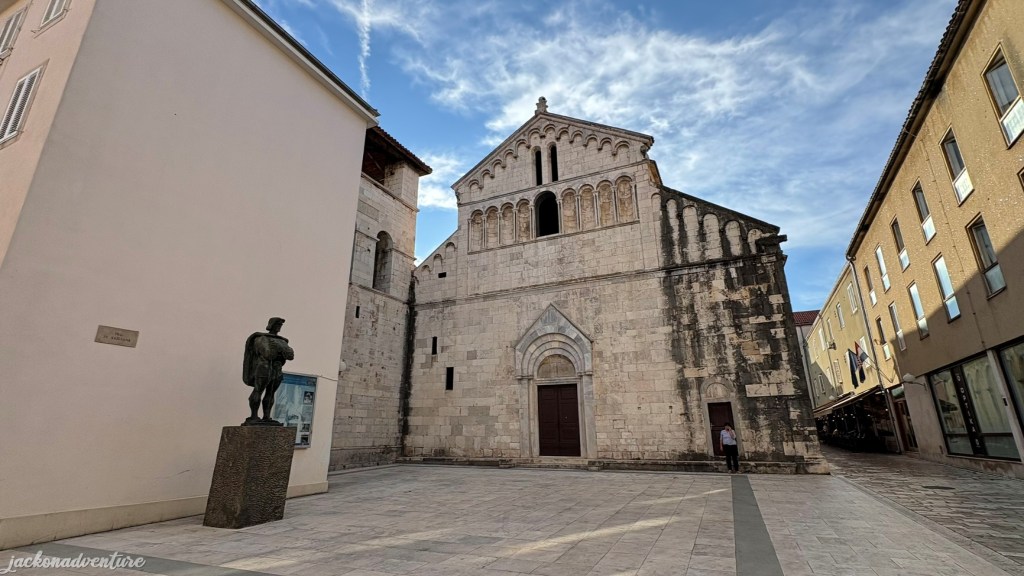
The Church of St. Chrysogonus was consecrated in 1175 by Lampridius, the Archbishop of Zadar. Built on the site of a former Roman emporium, it replaced the Church of St. Anthony the Hermit and is the only surviving part of what was once the largest medieval Benedictine abbey.
The main altar features an elaborate Baroque design, with a tabernacle adorned by four beautifully carved sculptures depicting Zadar’s patron saints: St. Chrysogonus, St. Anastasia, St. Zoilus and St. Simeon. Inside the side apses, fragments of Late Romanesque frescoes remain remarkably well preserved. Meanwhile, the 15th-century bell tower at the north-western corner of the church was left unfinished in 1546.
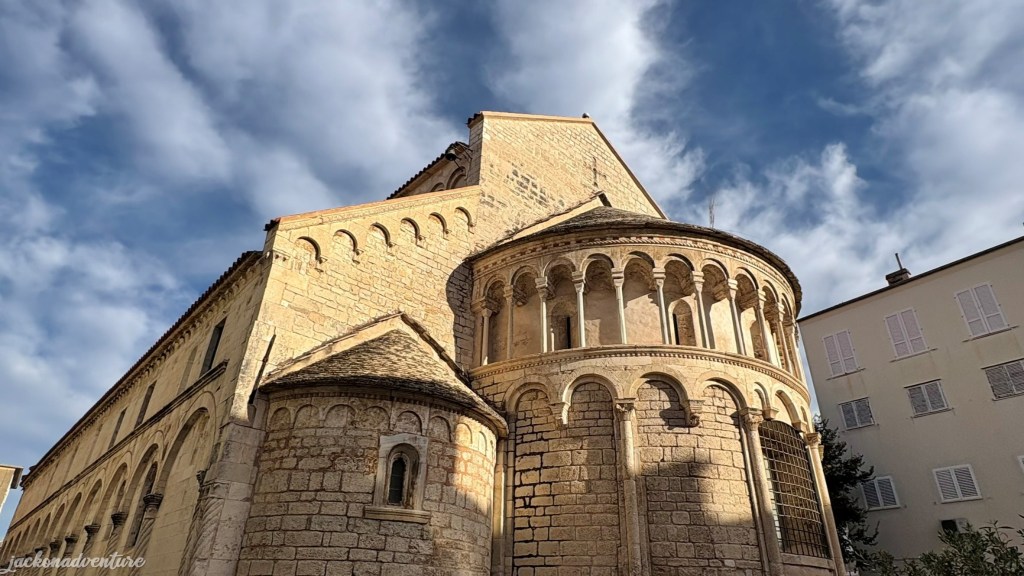
In 1387, Elizabeth of Bosnia, the murdered queen dowager of Hungary and Dalmatia, was secretly buried in the church. Her remains lay there for three years before being transferred to the Basilica of Székesfehérvár.
Location: Trg Svetog Krševana, 23000, Zadar
Find the rest of Zadar’s historic gates
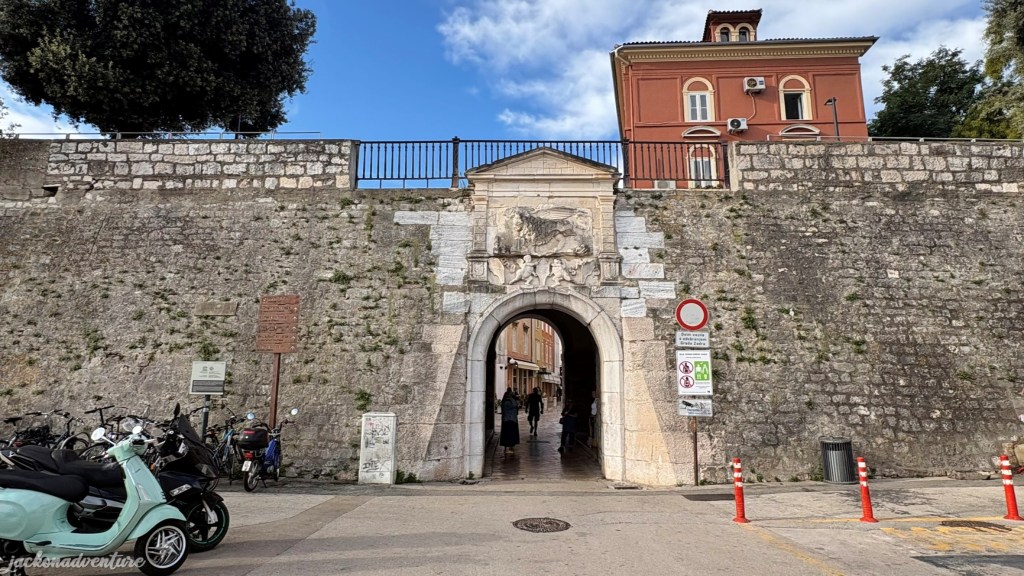
Apart from the famous Land Gate, two other historic gates provide access to Zadar’s Old Town: the Sea Gate and the Bridge Gate. The Sea Gate was built in 1573 to commemorate the Christian army’s victory over the Ottoman Turks. It is conveniently located between the ferry port and Zadar Market.
The Bridge Gate, built during the Italian occupation of Zadar, remains an important crossing used by locals today. It connects to a street leading directly to Kalelarga, the Old Town’s main thoroughfare.
For a different perspective of the Old Town, take a stroll along the city walls. You can access the elevated walkway by climbing the stairs near the Bridge Gate and descend back to the Sea Gate. Along the way, enjoy lovely views of the historic streets and the pier from above.
Explore Zadar Archipelago
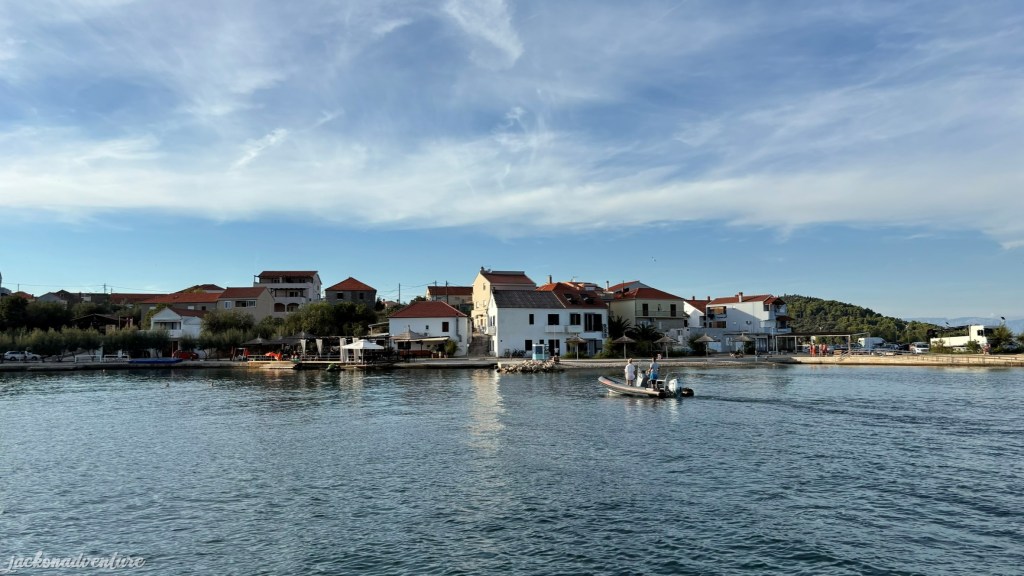
Embark on a boat trip and discover the Zadar coastline from a different perspective. The surrounding waters are home to some of Croatia’s most beautiful snorkelling and swimming spots, where you can get up close to fascinating marine life.
You can also explore traditional fishing villages and savour freshly caught seafood straight from the Adriatic Sea. The nearby islands boast pristine beaches, perfect for relaxing, sunbathing and taking in the picturesque landscapes dotted with charming old Dalmatian stone houses.
Discover the fascinating Croatia
Stretching along the stunning Dalmatian Coast, Croatia is one of Europe’s most captivating travel destinations. From idyllic beaches and rich cultural heritage to charming old towns, urban adventures and mouthwatering cuisine, this beautiful country has something to delight every traveller. Embark on an unforgettable journey beyond the capital city of Zagreb and discover the many enchanting cities and coastal towns dotted along the Adriatic Sea. There are plenty of reasons to fall in love with these cities.
- Zagreb
- Split
- Trogir
- Dubrouvik
Like It? Pin This Article.